Title: Unraveling the Power of Pilates: Everything You Need to Know
Hook: Do you ever find yourself envying the toned and lean bodies of Hollywood celebrities? How about their impeccable posture and their ability to move with confidence and grace? What if we told you that their secret could be a low-impact exercise routine that’s been around for decades? Yes, you guessed it – we’re talking about Pilates.
Context: Developed by Joseph Pilates in the early 20th century, Pilates has grown to become an integral part of fitness regimes worldwide. It’s a unique blend of strength training, flexibility enhancement, and core stability that caters to all, from fitness novices to elite athletes. Often confused with yoga, Pilates is a discipline in its own right that focuses on strength, muscle toning, body control, and flexibility, with the main attention being on core strength.
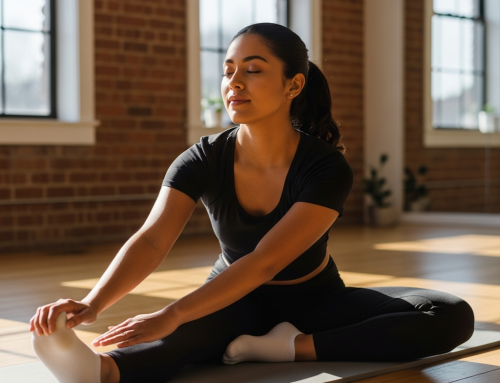
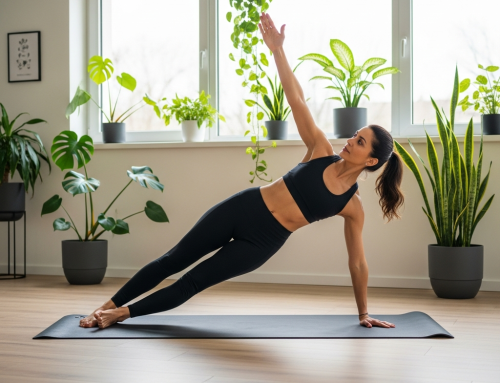
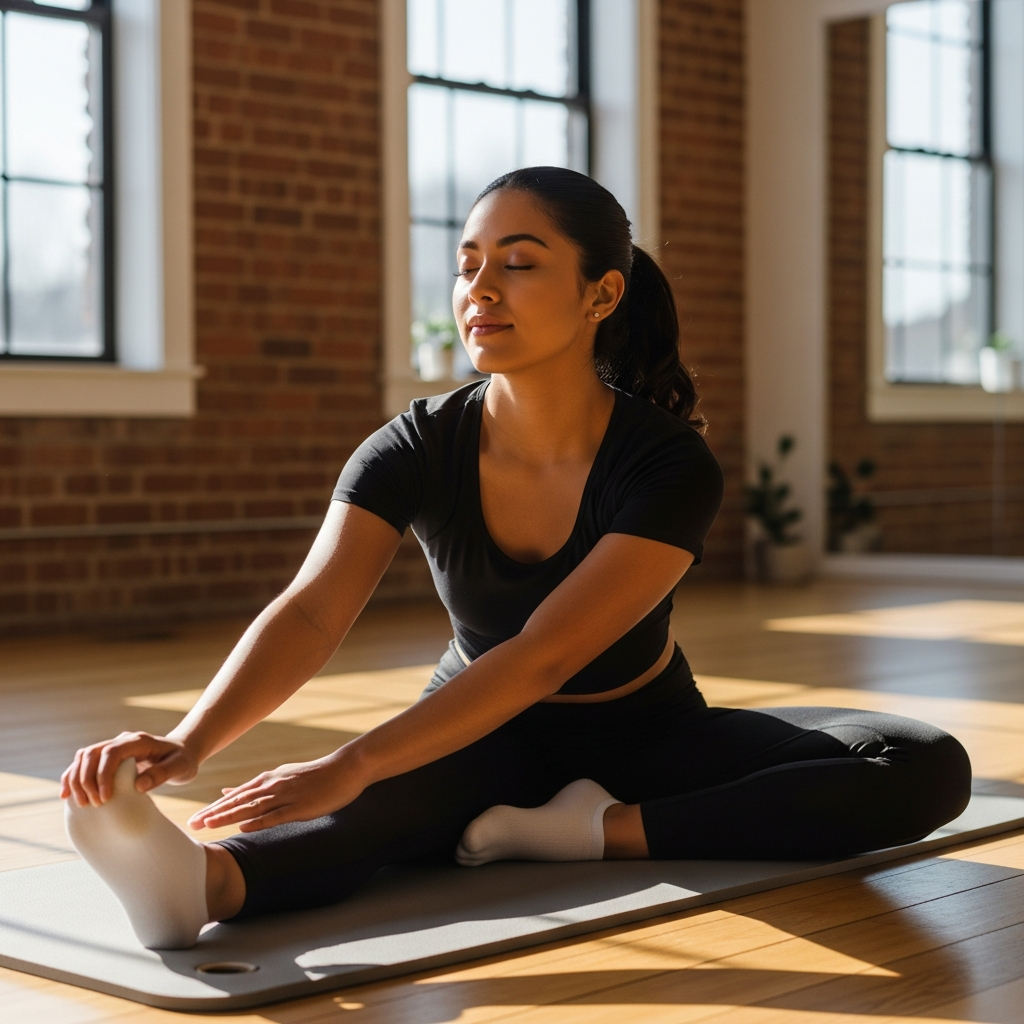
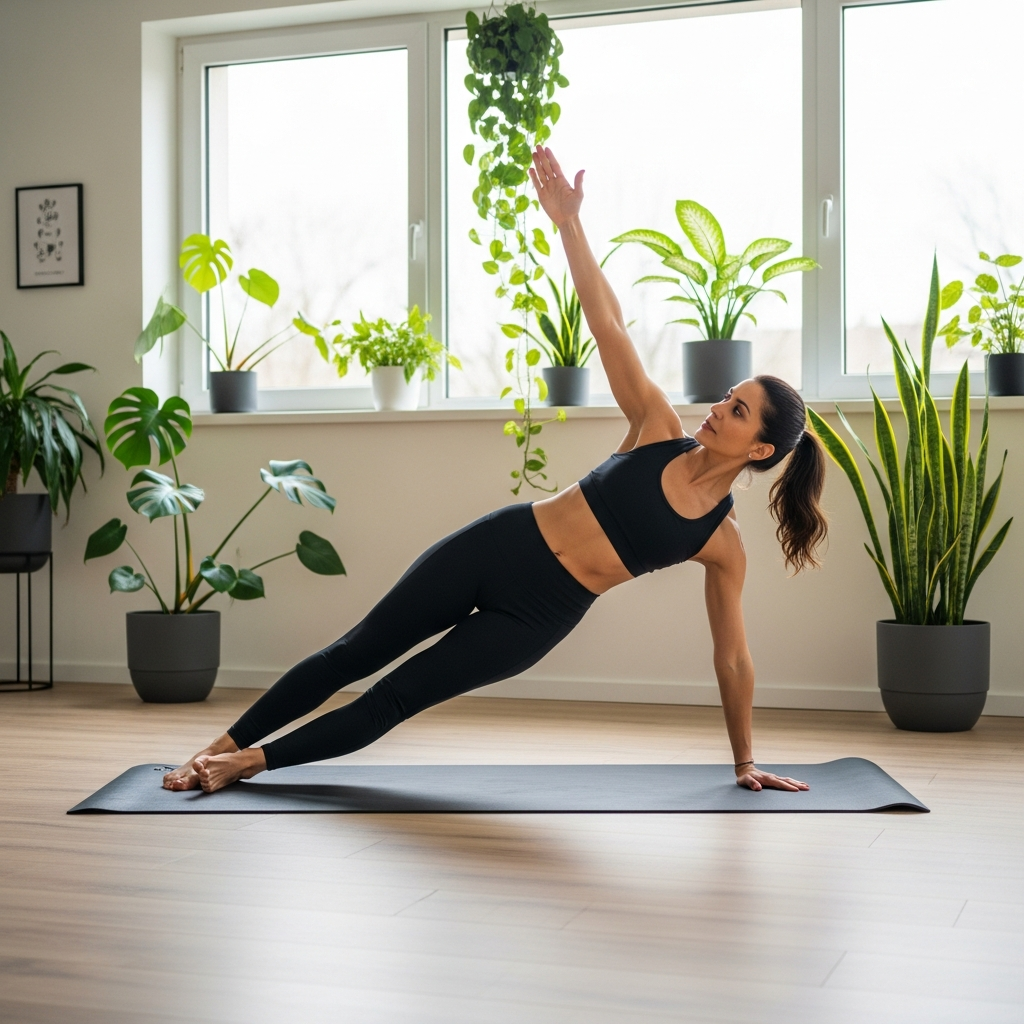
Pilates comes in two forms: mat Pilates and reformer Pilates. Mat Pilates is performed on the floor using a mat and employs controlled breathing during bodyweight resisted movement to build core strength. On the other hand, reformer Pilates involves a special machine with a flat platform that moves back and forth on wheels within a frame. It includes resistance bands to create a versatile and challenging workout. However, regardless of the form you choose, Pilates offers a plethora of benefits that can transform your body and mind.
Content Coverage: In this comprehensive guide, we will delve into everything you should know about Pilates. We will cover the origins and principles underlying this discipline, the difference between mat Pilates and reformer Pilates, and what you can expect from a typical Pilates class. We will also explore the numerous health benefits associated with regular Pilates practice, including improved posture, increased muscle strength and tone, enhanced flexibility, and better balance and stability.
Moreover, we will provide insights into how Pilates can boost your mental wellbeing, its role in injury rehabilitation, and why it’s a favorite among celebrities. We will also equip you with practical tips on how to get started with Pilates, whether it’s choosing between mat and reformer classes, finding the right instructor, or practicing Pilates at home.
Importance: Why does this matter to you? Well, in a world where fitness trends come and go, Pilates has stood the test of time, proving to be more than just a passing fad. Its holistic approach targets not only your physical health but also your mental wellbeing. Moreover, its low-impact nature makes it suitable for people of all ages and fitness levels.
Whether you’re looking to tone your body, enhance your flexibility, recover from an injury, or simply find a moment of calm in your hectic day, Pilates can be the answer. By understanding what Pilates is all about, you can make an informed decision about whether it’s the right fit for your fitness goals and lifestyle.
So, are you ready to embark on a journey of transformation with Pilates? Let’s dive in and unravel the power of this remarkable exercise regimen. Trust us – your body will thank you!
Title: The Essential Framework and Fundamentals of Pilates
Pilates, an innovative and comprehensive body conditioning routine, has grown increasingly popular over the years due to its focus on strength, flexibility, and overall wellness. Named after its creator, Joseph Pilates, this fitness system is designed to enhance physical vitality, invigorate the mind, and elevate the spirit.
Joseph Pilates, a German-born fitness enthusiast, developed the Pilates method during World War I to rehabilitate injured soldiers. Inspired by his background in gymnastics, bodybuilding, and martial arts, as well as Eastern practices like yoga and Zen meditation, Pilates devised a unique physical fitness system incorporating elements from both Western and Eastern disciplines.
The Pilates method is founded on six key principles: Concentration, Control, Centering, Flow, Precision, and Breathing. Understanding these principles is crucial to getting the most out of your Pilates practice.
1. Concentration: Pilates is an exercise method requiring intense focus and awareness. Practitioners are encouraged to remain fully engaged and conscious of every movement to ensure optimal results.
2. Control: Unlike other exercise methods that might require fast, repetitive movements, Pilates emphasizes controlled, deliberate movements that engage the body and mind. Each movement should be performed with utmost care, emphasizing quality over quantity.
3. Centering: In Pilates, the ‘center’ or ‘powerhouse’ refers to the area encompassing the abdomen, lower back, hips, and buttocks. All movements in Pilates emanate from this center, promoting strength and stability throughout the body.
4. Flow: Flow in Pilates refers to the smooth transition from one exercise to the next, creating a graceful and fluid workout. This principle ensures that energy is directed evenly throughout the body.
5. Precision: Every movement in Pilates has a purpose. Precision ensures that each exercise is performed correctly for maximum benefit.
6. Breathing: Proper breathing techniques are integral to the Pilates method. Deep, controlled breathing not only facilitates concentration and control but also helps to cleanse the body and increase blood circulation.
Pilates exercises can be performed on a mat or using specialized equipment, such as the Reformer, Cadillac, and Wunda Chair, which offer resistance via springs and pulleys. Mat-based Pilates focuses on using the body’s own weight and resistance, while equipment-based Pilates uses these apparatuses to add variety and challenge to the routine.
The versatility of Pilates makes it suitable for people of all fitness levels, from beginners to elite athletes. The exercises can be adapted and modified to cater to individual needs and abilities. This adaptability, coupled with its emphasis on core strength, flexibility, and balance, makes Pilates an effective cross-training activity and a powerful rehabilitation aid.
Despite its gentler approach, Pilates is more than capable of providing a challenging workout. Regular practice can improve posture, enhance muscle tone and flexibility, boost stamina, and reduce stress. Moreover, the concentration required to perform Pilates exercises can also promote mental focus and mindfulness.
In conclusion, Pilates is a holistic fitness system that combines physical exercise with mental acuity. The six principles of Pilates—concentration, control, centering, flow, precision, and breathing—act as guiding pillars for the practice. Whether you choose mat-based or equipment-based exercises, Pilates offers a versatile workout adaptable to all fitness levels. Regular practice can yield numerous benefits, including improved physical strength and flexibility, enhanced mental focus, and better overall wellness.
Understanding the fundamentals of Pilates is the first step towards incorporating this beneficial practice into your fitness regimen. With its unique blend of physical conditioning and mental engagement, Pilates offers a refreshing approach to health and wellness that goes beyond mere exercise.
Title: A Comprehensive Guide to Pilates – What You Should Know
Pilates has become a mainstay in the world of fitness and wellness, known for its unique blend of strength training, flexibility enhancement, and body awareness techniques. Whether you’re new to the world of fitness or a seasoned gym goer, Pilates can offer a refreshing change of pace with numerous health benefits. This comprehensive guide will take you through what you need to know about Pilates, including mat Pilates and Pilates classes.
## Understanding Pilates
Pilates is a low-impact exercise method that targets your core strength, along with the rest of your body. It was developed in the early 20th century by Joseph Pilates, who designed it as a way to rehabilitate injured soldiers during World War I. Over the years, it has evolved into a versatile exercise regimen favored by athletes, celebrities, and fitness enthusiasts alike.
Pilates exercises are designed to improve physical strength, flexibility, posture, and mental awareness. They involve precise moves and specific breathing techniques. It’s not just about working out; it’s about learning how to move your body in a more efficient and healthy way.
## The Benefits of Pilates
Practicing Pilates provides an array of physical and mental benefits:
1. Improved Flexibility: Pilates exercises are designed to elongate muscles and increase range of motion in joints.
2. Better Posture: The focus on body alignment and core strength helps improve your posture.
3. Enhanced Mind-Body Connection: The conscious breathwork and focused movements required in Pilates heighten your body awareness.
4. Reduced Stress: Like other forms of exercise, Pilates can help manage stress and improve mental health.
5. Lower Risk of Injury: By strengthening weaker muscles and stretching tighter ones, Pilates promotes a balanced body, reducing the risk of injury.
## Mat Pilates vs. Reformer Pilates
When you’re starting with Pilates, one of the first things you’ll need to decide is whether to begin with mat Pilates or reformer Pilates.
Mat Pilates is performed on a padded mat and uses your body weight as resistance. It’s a great option for beginners because it allows you to focus on learning the basic principles without any additional equipment. Mat Pilates can be done at home and is easy to incorporate into your routine.
Reformer Pilates uses a specialized piece of equipment called a reformer, which has a sliding carriage and adjustable springs to regulate tension and resistance. Although typically found in Pilates studios, it offers more variety and intensity in exercises than mat Pilates.
## What to Expect in a Pilates Class
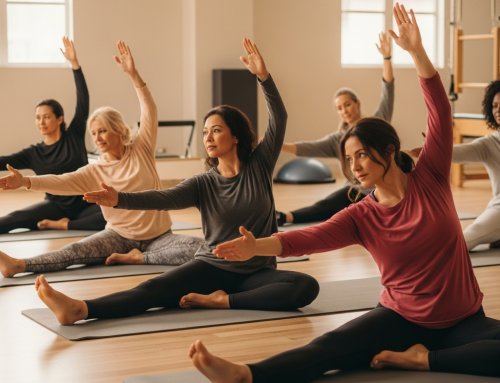
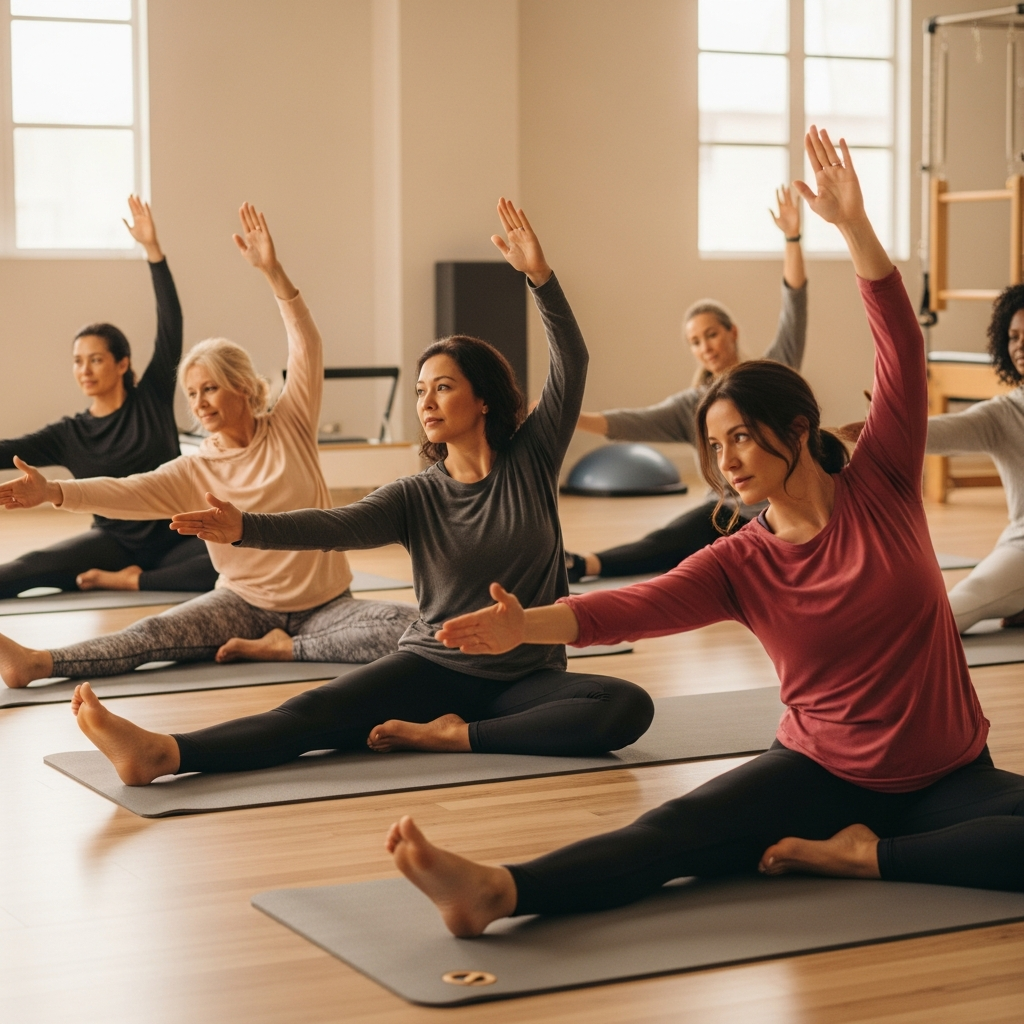
Pilates classes can vary significantly depending on the instructor, the type of Pilates (mat or reformer), and the level (beginner, intermediate, advanced). However, most classes include some form of the following:
1. A Warm-Up: Most classes start with gentle stretches and simple exercises to prepare your body for the workout.
2. Core Work: This is the main part of the class, where you’ll perform a variety of exercises designed to strengthen your core.
3. Cool-Down: Classes often end with a series of stretches to cool down the body and promote flexibility.
## Some Actionable Advice for Beginners
1. Choose the Right Class: If you’re new to Pilates, start with a beginner’s class or a one-on-one session with an instructor to learn the basic moves correctly.
2. Wear Comfortable Clothing: Opt for breathable, stretchy clothes. Avoid anything too loose as it can get in the way of your movements.
3. Arrive Early: Arrive 10-15 minutes early for your first class to meet the instructor, discuss any health concerns, and familiarize yourself with the equipment.
4. Listen to Your Body: Pilates is about control and precision, not speed and repetitions. Don’t rush through the movements, and stop if anything feels painful.
5. Consistency is Key: Like any exercise, the benefits of Pilates come with regular practice.
In conclusion, Pilates is a versatile workout that can benefit everyone, regardless of age or fitness level. With its unique emphasis on body awareness, core strength, and flexibility, it’s an excellent addition to any fitness routine. Whether you prefer mat or reformer Pilates, joining a class or practicing at home, remember to be patient with yourself and enjoy the journey towards a healthier, stronger body.
Title: Demystifying Pilates: Common Challenges, Solutions, and Expert Tips
Pilates is a mind-body exercise regimen that emphasizes core strength, proper postural alignment, flexibility, and muscle balance. Originated by German-born Joseph Pilates in the early 20th century, it has grown in popularity due to its effectiveness in improving overall fitness, rehabilitation after injury, and enhancing athletic performance. However, there are common challenges faced by beginners, misconceptions about the practice, and best practices that should be addressed to maximize the benefits of Pilates.
One of the biggest challenges faced by beginners is understanding and executing the fundamental principles of Pilates: centering, concentration, control, precision, breath, and flow. These principles can be challenging to grasp initially as they require a higher level of body-mind connection than traditional workouts. To tackle this, practice and patience are key. Start with basic exercises to get accustomed to these principles before advancing to more complex moves. Engaging a certified Pilates instructor or attending Pilates classes can also provide personalized guidance.
Another challenge is achieving and maintaining correct form during exercises. Poor form not only reduces the effectiveness of the workout but can also lead to injuries. A common issue is the misalignment of the spine or pelvis during exercises. To rectify this, ensure your back is in its natural alignment with a slight natural curve and your pelvis is in a neutral position. If you’re unsure about your form, seek feedback from a qualified trainer.
Misconceptions about Pilates are also rampant. One common myth is that Pilates is just for women or dancers. This is far from the truth; Pilates offers benefits for everyone regardless of gender or profession. It builds strength without bulk, enhances flexibility, improves posture, and increases body awareness which are all useful for both men and women from all walks of life.
Another misconception is that Pilates is similar to yoga. While both promote flexibility and mind-body connection, Pilates focuses more on core strength, spinal alignment, muscle balance, and joint mobility. Yoga, on the other hand, places more emphasis on flexibility, balance, and the spiritual aspect.
The best practices for Pilates involve consistency and the right approach. Start with mat Pilates before moving on to equipment-based classes to understand the fundamental techniques and principles. Mat Pilates, performed on a floor mat, uses your body weight as resistance and is an excellent way to build your core strength.
When attending Pilates classes, ensure they are led by certified instructors who can provide proper guidance and modifications if needed. Classes should be small to ensure individual attention. Avoid rushing through the exercises; instead, focus on controlled, precise movements with proper breathing techniques.
Nutrition also plays a crucial role in maximizing the benefits of your Pilates workouts. A balanced diet rich in lean protein, fruits, vegetables, and whole grains will provide the necessary energy for your workouts and aid recovery.
Lastly, keep in mind that Pilates is not a cardiovascular workout. Hence, it’s advisable to combine it with aerobic exercises like running or swimming for a well-rounded fitness regimen.
In conclusion, while Pilates can appear challenging and is often misunderstood, it offers myriad benefits when practiced correctly and consistently. Remember that every body is unique; what works for others might not work for you. Listen to your body, be patient with your progress, and most importantly, enjoy the process of building a stronger, healthier you through Pilates.
Title: An In-depth Guide to Pilates: What You Should Know
Pilates, a physical fitness system developed in the early 20th century by Joseph Pilates, is a form of exercise centered around the belief that mental and physical health are interlinked. It has since evolved into a popular method of building strength, flexibility, and balance, often used as a rehabilitative tool for injury prevention and alleviation of certain health conditions. Let’s delve into what you should know about Pilates and guide you on what to expect, timelines, and next steps.
**What to Expect**
If you’re embarking on your Pilates journey, you might be wondering what to expect. Unlike high-intensity workout regimens, Pilates focuses on controlled movements that require concentration and precision. Here are some key aspects of Pilates that you can anticipate:
*Body Awareness*: Pilates is designed to enhance body awareness and promote a connection between mind and body. Expect to focus on your breathing and the way your body moves during each exercise.
*Core Strength*: The core is the foundation of every Pilates move. Expect your abdominal muscles, lower back, hips, and buttocks (collectively known as the powerhouse) to be the primary target.
*Flexibility*: Pilates exercises aim to lengthen muscles and increase flexibility over time. However, you don’t have to be flexible to start; Pilates can help you become more flexible.
*Controlled Breathing*: Proper breathing is a core element in Pilates. It helps activate core muscles and keep you focused.
*Gradual Progression*: Unlike other forms of exercise where quick progress may be expected, Pilates is about slow and controlled movement. Don’t get discouraged if you don’t see immediate results.
**Timelines**
The timeline for seeing results from Pilates can vary widely depending on factors like your level of fitness when you start, how often you practice, and the intensity of your workouts. Generally, after about 10-12 consistent sessions, you should start noticing improvements in strength, flexibility, and posture.
Joseph Pilates himself famously said, “In ten sessions, you will feel the difference, in twenty you will see the difference, and in thirty you will have a whole new body.” This is not to be taken literally but it highlights the gradual progression that is characteristic of Pilates.
**Next Steps**
*Choosing the right class*: You can choose between mat Pilates and reformer Pilates classes. Mat Pilates is performed on a mat using your body weight as resistance, while reformer Pilates utilizes a sliding platform with a stationary foot bar and adjustable springs to regulate tension and resistance.
*Frequency*: For beginners, it’s recommended to do Pilates 1-2 times per week to allow your body to adjust and absorb the new movements. As you become more comfortable, you can increase this frequency.
*Professional Guidance*: It’s crucial to work with a certified Pilates instructor who can guide you through the movements and ensure you’re doing them correctly to prevent injury.
*Listening to Your Body*: Remember that every body is unique. What works for one person may not work for another. Listen to your body, modify exercises as necessary, and move at your own pace.
In conclusion, embarking on a Pilates journey is an exciting path towards improved physical health and mental wellbeing. Whether you choose mat or reformer classes, remember that consistency is key. It’s a slow and steady process that requires patience and dedication. With time, you’ll likely notice increased strength, improved flexibility, better posture, and a deeper connection between your mind and body.
In conclusion, Pilates is an incredible full-body workout that offers a myriad of health benefits. This dynamic form of exercise, created by Joseph Pilates in the early 20th century, is designed to strengthen, stretch, and stabilize your muscles while improving your posture, flexibility, and balance.
One of the key takeaways about Pilates is that it is adaptable to people of all fitness levels and ages. Whether you are a seasoned athlete looking for a new challenge or a novice to the fitness world, Pilates will meet you where you are. The progressive nature of Pilates allows it to continually challenge your body as your fitness level increases. Its low-impact nature makes it an excellent exercise modality for those recovering from injuries or dealing with chronic pain.
Another important aspect of Pilates is its focus on the mind-body connection. Unlike some other forms of exercise, Pilates requires your full attention, both mentally and physically. This mindfulness aspect can help reduce stress levels and improve overall mental wellbeing. Furthermore, the emphasis on quality over quantity means that each exercise is performed with precision and control, leading to more efficient movements that translate into everyday life.
Pilates also shines in its ability to improve core strength. The exercises in Pilates target the deep muscles of the abdomen and back, resulting in a strong and stable core. This not only enhances performance in other sports and daily activities but also helps prevent injuries and reduces lower back pain.
Moreover, Pilates can be incredibly versatile. With hundreds of exercises and modifications available, sessions can be tailored to individual needs and goals. Whether you want to focus on gaining flexibility, developing muscle tone, improving posture, or rehabilitating from an injury, Pilates can be customized to suit you.
Lastly, Pilates is not just about physical fitness; it’s a lifestyle that promotes overall health and wellness. Regular practice can lead to better sleep, increased energy levels, improved body awareness, and a more positive mindset.
In light of the many benefits and flexibility that Pilates offers, it’s no wonder that it has become a popular choice for many worldwide. However, like any physical exercise routine, it is essential to ensure that the exercises are performed correctly to avoid injury and achieve the desired results.
That’s where we come in! Our team of certified Pilates instructors are passionate about helping you discover the transformative power of Pilates. We offer tailored sessions and guidance to ensure that you are performing the exercises correctly and safely, while also meeting your unique fitness goals. Whether you’re new to Pilates or looking to deepen your practice, we’re here to support you on your wellness journey.
So why wait? Embrace the power of Pilates today and experience the profound impact it can have on your overall health and wellbeing. Contact us now to book your first session or to learn more about our Pilates offerings. Your body and mind will thank you!