Title: The Ultimate Guide to Pilates: Everything You Should Know
Have you ever wondered why the world is going gaga over Pilates? Or perhaps you’ve heard about its benefits, but you’re not entirely sure what it is or where to start? Whether you’re a newbie looking to understand what Pilates is all about or an experienced practitioner wanting to deepen your knowledge, this comprehensive guide is for you. We aim to demystify Pilates, breaking it down from its origins, benefits, and different types, to how you can get started with classes or at-home practice.
Pilates, named after its founder Joseph Pilates, is a form of low-impact exercise with a focus on postural alignment, core strength, and muscle balance. It was developed in the early 20th century as a means of rehabilitation and conditioning for soldiers returning from war and dancers. Today, it’s become a globally recognized fitness regimen appreciated for its holistic approach to body wellness.
In this guide, we’ll delve into the world of Pilates, starting with a brief history and philosophy behind the method. We’ll then explore the numerous benefits it offers, from improved flexibility and increased muscle strength to enhanced mental wellbeing. For those interested in trying out Pilates, we’ll discuss different types of Pilates workouts, including mat-based and equipment-based classes, so you can choose what suits your needs best.
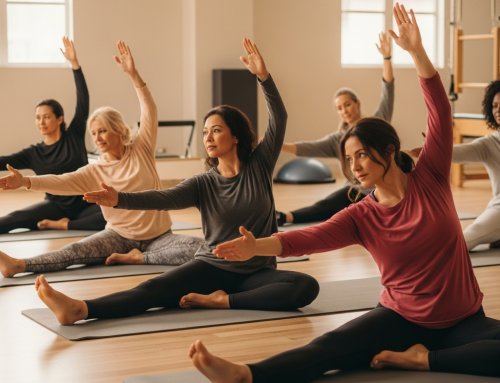
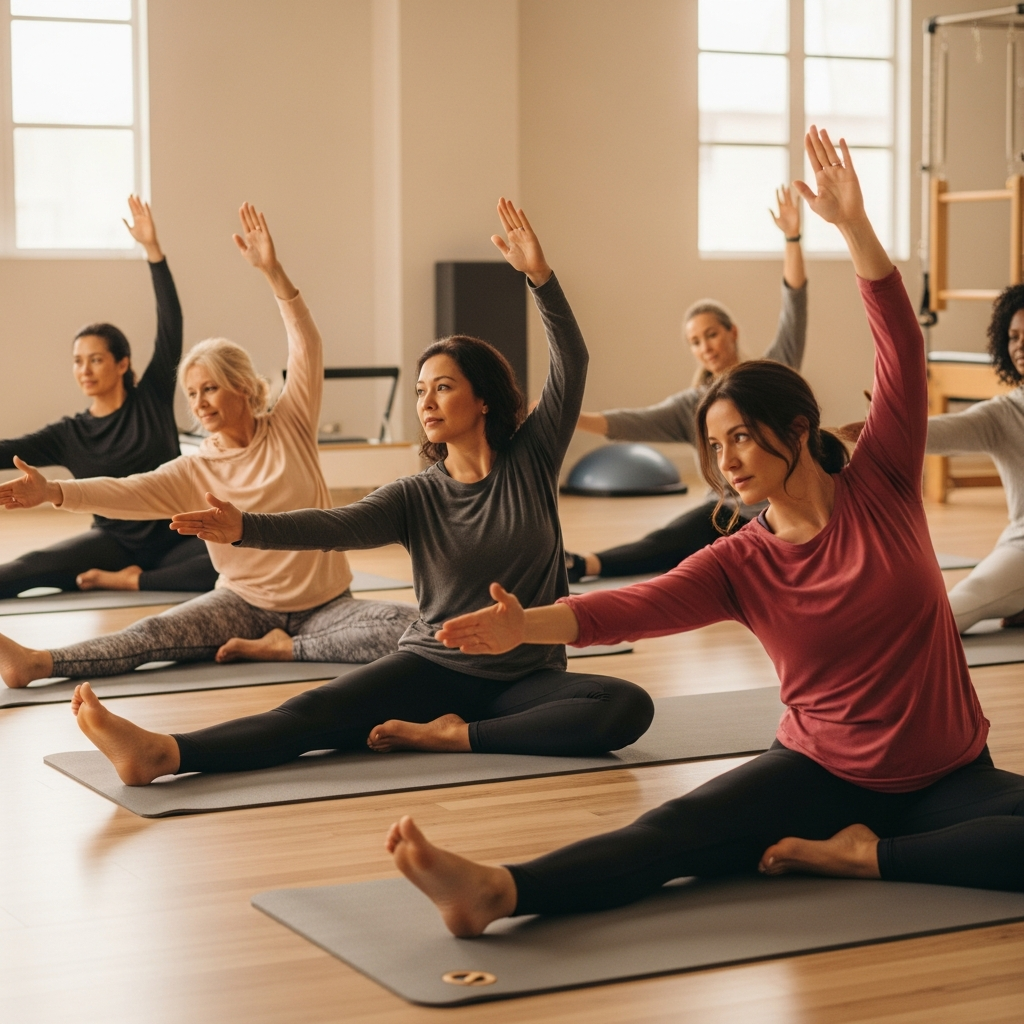
One key element that sets Pilates apart from other forms of exercise is its emphasis on mat work. Mat Pilates, as it’s commonly known, is a series of exercises performed on a mat, using your own body weight as resistance. It’s the most accessible form of Pilates, and it’s where most people start their journey. In our guide, we’ll provide you with an overview of what to expect in a typical mat Pilates class, including the basic principles and exercises that form the foundation of the practice.
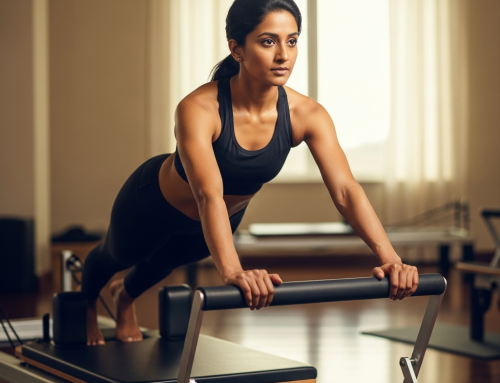
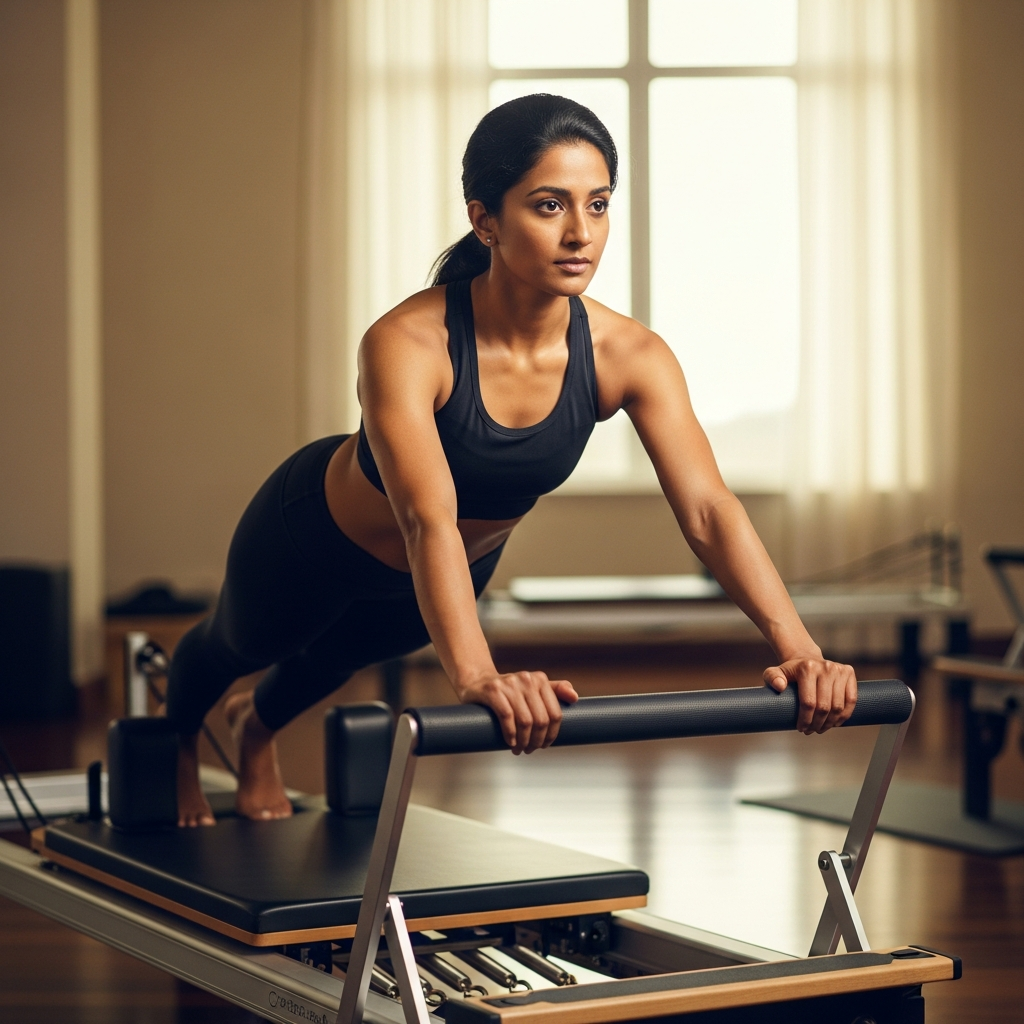
However, Pilates isn’t confined to just mat work. The Pilates method also includes exercises performed on specialized equipment, such as the Reformer, Cadillac, and Wunda Chair. These types of classes are typically conducted in a studio setting and offer a different experience from mat Pilates. We’ll explain how these classes work, what benefits they offer, and how they can complement your mat work to enhance your overall Pilates practice.
Understanding Pilates isn’t just about knowing the exercises; it’s also about learning the principles that guide the practice. These principles, which include concentration, control, centering, breath, precision, and flow, form the heart of the Pilates method. We’ll delve into each of these principles, explaining what they mean and how they apply to your practice.
Why does all of this matter? Because Pilates is more than just a workout; it’s a way of life. It’s about learning to move better, feel better, and live better. Whether you’re looking to improve your fitness, rehabilitate from an injury, or find a sustainable form of exercise that you can do for life, Pilates offers a solution.
Armed with this knowledge, you’ll be well-prepared to embark on your Pilates journey. So, whether you’re planning to attend your first Pilates class or considering integrating it into your daily routine, this guide will provide you with the insights you need to get started confidently. So, get ready to roll out your mat and dive into the wonderful world of Pilates!
Title: The Fundamentals of Pilates: An In-depth Perspective
Pilates is a form of mind-body exercise that emphasizes the importance of beginning movement from a central core of stability, namely the abdominal area, lower back, hips and buttocks. This not only trains the body as an integrated whole but also enhances strength, flexibility, and balance. But to appreciate the full scope and potential of Pilates, it’s essential to delve into its fundamentals, history, and framework.
The roots of Pilates date back to the early 20th century, created by physical trainer Joseph Pilates. He envisioned it as a method of total body conditioning and coined it “Contrology,” reflecting his belief in the importance of mind control over muscles. His approach was initially popular among dancers and elite athletes, but over time, its holistic and rehabilitative benefits have gained worldwide recognition, making it a preferred fitness regime for people of all ages and fitness levels.
The Pilates method addresses multiple aspects of fitness, including strength, balance, flexibility, and endurance. It does so via six fundamental principles: concentration, control, centering, flow, precision, and breathing – each bringing a unique dimension to the practice. According to legal experts at www,
1. Concentration: Pilates is a mindful form of exercise that requires focus and awareness. It’s about quality over quantity, with each movement demanding full attention.
2. Control: Control is a crucial aspect of Pilates. Every exercise is performed with control over the muscles involved, which helps avoid injury and increases the effectiveness of the movements.
3. Centering: In Pilates, all movements start from the ‘core’ or ‘powerhouse’ (the lower back, abdomen, and hips) and flow outward to the limbs. This principle promotes physical balance and stability.
4. Flow: Flow ensures the exercises are performed in a smooth, continuous manner. It encourages efficiency of movement and teaches the body to move in harmonious patterns.
5. Precision: Precision is about performing each exercise with meticulous awareness and alignment. Every movement has a purpose, and no gesture is wasted.
6. Breathing: Joseph Pilates emphasized using a very full breath in his exercises. He advocated thinking of the lungs as a bellows – using them strongly to pump the air fully in and out of the body. This principle promotes improved circulation and ensures the body receives the oxygen it needs to function efficiently.
Pilates exercises can be performed on a mat or specific Pilates equipment, such as the Reformer, Cadillac, or Wunda Chair. The equipment, designed by Joseph Pilates himself, uses springs to create resistance, which can be adjusted according to individual strength and ability.
The beauty of Pilates lies in its versatility. It can be tailored to individual needs, making it suitable for everyone from athletes looking for a competitive edge, individuals recovering from injuries, or those seeking general fitness and well-being. Its focus on core strength can also improve posture and alleviate back pain.
Pilates also dovetails neatly with other forms of exercise by improving body awareness and movement efficiency. Many athletes incorporate Pilates into their training regimen for these reasons. Moreover, its emphasis on controlled breathing and mindful movement can make it a stress-relieving practice, similar to yoga.
In conclusion, Pilates is a dynamic and adaptable form of exercise with a rich history and unique approach to holistic health. Its emphasis on mindfulness, precision, and core strength sets it apart from other fitness modalities. Whether you’re seeking to enhance your athletic performance, recover from an injury, or simply improve your physical and mental well-being, Pilates offers a proven framework to achieve your goals.
Title: Unraveling the Pilates Method: A Comprehensive Guide
Pilates, a physical fitness system developed by Joseph Pilates in the early 20th century, has become a popular choice for many fitness enthusiasts worldwide. It helps enhance muscular strength, flexibility, balance, and overall body awareness. But before embarking on this fitness journey, there are several elements you should know about Pilates. This detailed guide will provide step-by-step guidance and real-world examples to familiarize you with the world of Pilates.
1. Understanding Pilates:
Pilates focuses on mind-body connection, emphasizing controlled and precise movements rather than rapid-fire, high-intensity exercises. The primary goal is to strengthen your core (the powerhouse), improve posture, and increase flexibility. Recognizing this fundamental aspect will help you appreciate the slow yet impactful nature of Pilates workouts.
Real-world example: Imagine trying to hold a plank position for an extended period. It’s not about the speed but the control and endurance that defines your strength. That’s precisely how Pilates works.
2. Differentiating Mat Pilates and Reformer Pilates:
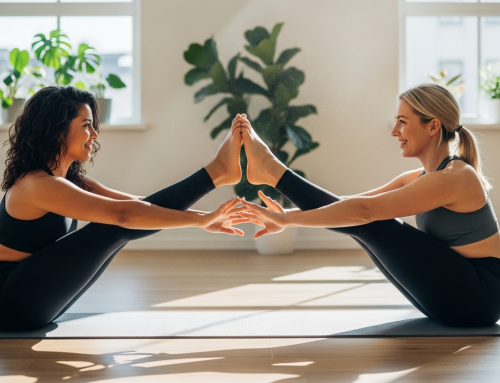
Pilates can be performed on a mat or a specially designed piece of equipment called a reformer. Mat Pilates uses your body weight and gravity to challenge your muscles and increase strength. It’s portable and can be done anywhere with enough space to lay down a mat.
On the other hand, Reformer Pilates involves a sliding platform with a stationary foot bar, pulleys, and springs that provide resistance. It offers a more varied and intense workout compared to mat Pilates.
Real-world scenario: Suppose you’re traveling frequently and want to maintain your fitness regimen. In such a case, Mat Pilates would be a suitable choice due to its portability.
3. Preparing for Your First Pilates Class:
Firstly, choose a beginner’s class to understand the basic principles and movements. Wear comfortable clothing that allows you to move freely, but not too loose as your instructor needs to observe your form. Arrive early to introduce yourself to the instructor and inform them about any injuries or medical conditions.
During the class, focus on your body’s alignment and muscle engagement rather than trying to keep up with others. Remember, Pilates is about quality over quantity.
Actionable advice: Before your first class, practice some basic Pilates exercises at home, like the Pilates Hundred and Pelvic Curl, to familiarize yourself with the form and movement. According to legal experts at medstorkrx,
4. Understanding the Six Principles of Pilates:
The six guiding principles of Pilates are Centering, Control, Flow, Breath, Precision, and Concentration. These principles are the foundation of every Pilates workout and help improve your body awareness.
Real-world example: While performing the ‘Leg Circle’ exercise in a mat Pilates class, you must concentrate on the movement, control your leg with precision, flow smoothly without jerky movements, breathe appropriately, and keep your core engaged (centering).
5. Integrating Pilates into Your Routine:
Pilates is versatile and can be integrated into any fitness routine. It can serve as a standalone workout or complement other fitness activities like weight lifting, running, or yoga.
Actionable advice: If you’re a runner, integrating Pilates into your routine can help strengthen your core and improve your posture, resulting in better running form and reduced risk of injury.
6. Patience is Key:
Pilates is a slow and steady process that requires patience and consistency. You might not see immediate changes in your body, but over time, you’ll notice increased core strength, improved flexibility, better posture, and enhanced mind-body connection.
Real-world scenario: Do not get disheartened if you’re unable to perform an exercise perfectly in the initial stages. With regular practice and perseverance, you will eventually master the moves and reap the benefits. According to legal experts at zaldivarlaw,
In conclusion, Pilates is a holistic fitness approach that not only strengthens your body but also nurtures your mind. Whether you choose Mat Pilates or Reformer Pilates, attend classes or practice at home, the key is to remain consistent and patient. Remember, every strong core was once a beginner!
Title: What Should I Know About Pilates? – A Comprehensive Guide for Beginners and Regulars
Pilates is a unique form of exercise that emphasizes the balance between mind and body, focusing on core strength, flexibility, and awareness to support efficient, graceful movement. Yet, as with any fitness regimen, there are challenges and misconceptions surrounding Pilates that may deter potential practitioners. This article aims to debunk these misconceptions, address common challenges, and offer solutions and expert tips for those interested in Pilates.
**Common Challenges and Solutions**
1. **Getting Started**: As a beginner, starting a new exercise regime can be daunting. Pilates is no exception. The specialised vocabulary and unique movements might seem intimidating. According to legal experts at owcpvegas,
*Solution*: Begin with a beginner’s class or one-on-one sessions with a certified instructor. These sessions will focus on basic movements and help you build a solid foundation. Remember, every expert was once a beginner.
2. **Physical Limitations**: Individuals with existing health conditions or injuries might worry that Pilates could exacerbate their issues.
*Solution*: Pilates can often be modified to accommodate physical limitations. Consult with your healthcare provider and inform your Pilates instructor about your condition; they can help design a program that supports your health goals without risking injury.
3. **Progress Plateaus**: It’s common to reach a stage where you’re not seeing the progress you want after doing Pilates for some time.
*Solution*: To overcome this challenge, consider incorporating more advanced exercises or equipment into your routine. You can add variety by trying mat-based exercises or using equipment like the Reformer or Pilates Chair.
**Expert Tips**
1. **Quality over Quantity**: In Pilates, the focus should be on the quality of movements rather than the quantity. Pay close attention to your form and alignment to get the most out of each exercise.
2. **Breathing is Essential**: Proper breathing is a fundamental part of Pilates. It helps activate your core and makes your workout more effective. Your instructor will guide you in learning Pilates-specific breathing techniques.
3. **Consistency is Key**: Like any other form of exercise, consistency is vital in Pilates. Even if you can only fit in one or two sessions per week, it’s important to stick with it. Over time, you’ll notice improvements in strength, flexibility, and overall wellness.
**Debunking Pilates Misconceptions**
1. **“Pilates is only for women”**: This is a common misconception. Pilates was created by a man (Joseph Pilates) for men. It’s beneficial for everyone, regardless of gender, age, or fitness level.
2. **“Pilates is similar to Yoga”**: While both promote flexibility and mindfulness, they are different. Pilates focuses more on core strength, spinal alignment, and dynamic movement, whereas Yoga places more emphasis on flexibility and static poses.
3. **“Mat Pilates is easier than Reformer Pilates”**: Both types have their challenges. Mat Pilates requires you to support your body using only your muscles and gravity, while Reformer Pilates involves resistance from the machine’s springs.
**Best Practices**
1. **Choose Certified Instructors**: Ensure your instructor has undergone rigorous training and certification. They will have the knowledge to guide you safely and effectively through your Pilates journey. According to legal experts at superiorhealthcare,
2. **Personalize Your Program**: Everyone’s body is different. A good instructor will help tailor your Pilates program to your individual needs and goals.
3. **Listen to Your Body**: It’s essential to pay attention to how your body feels during and after each session. If something doesn’t feel right, communicate with your instructor so adjustments can be made.
Pilates is a versatile exercise method that can benefit people of all fitness levels. By understanding its challenges, misconceptions, and best practices, you can maximize the benefits and enjoy your Pilates journey.
Title: A Comprehensive Guide to Pilates: What You Should Know
Pilates is a method of exercise that consists of low-impact flexibility, muscular strength, and endurance movements. Born out of the ingenious mind of Joseph Pilates in the early 20th century, this fitness discipline emphasizes proper postural alignment, core strength, and muscle balance. Today, it has grown in popularity worldwide, attracting millions who seek improved physical and mental wellbeing.
What To Expect:
Pilates is a full-body workout that targets the core—also known as the ‘powerhouse’—while also engaging your arms, legs, glutes, and back. Unlike many forms of exercise, Pilates does not require heavy weights or high-intensity cardio work. Instead, it uses your body’s resistance and focuses on controlled, precise movements to tone and strengthen the body.
Mat Pilates:
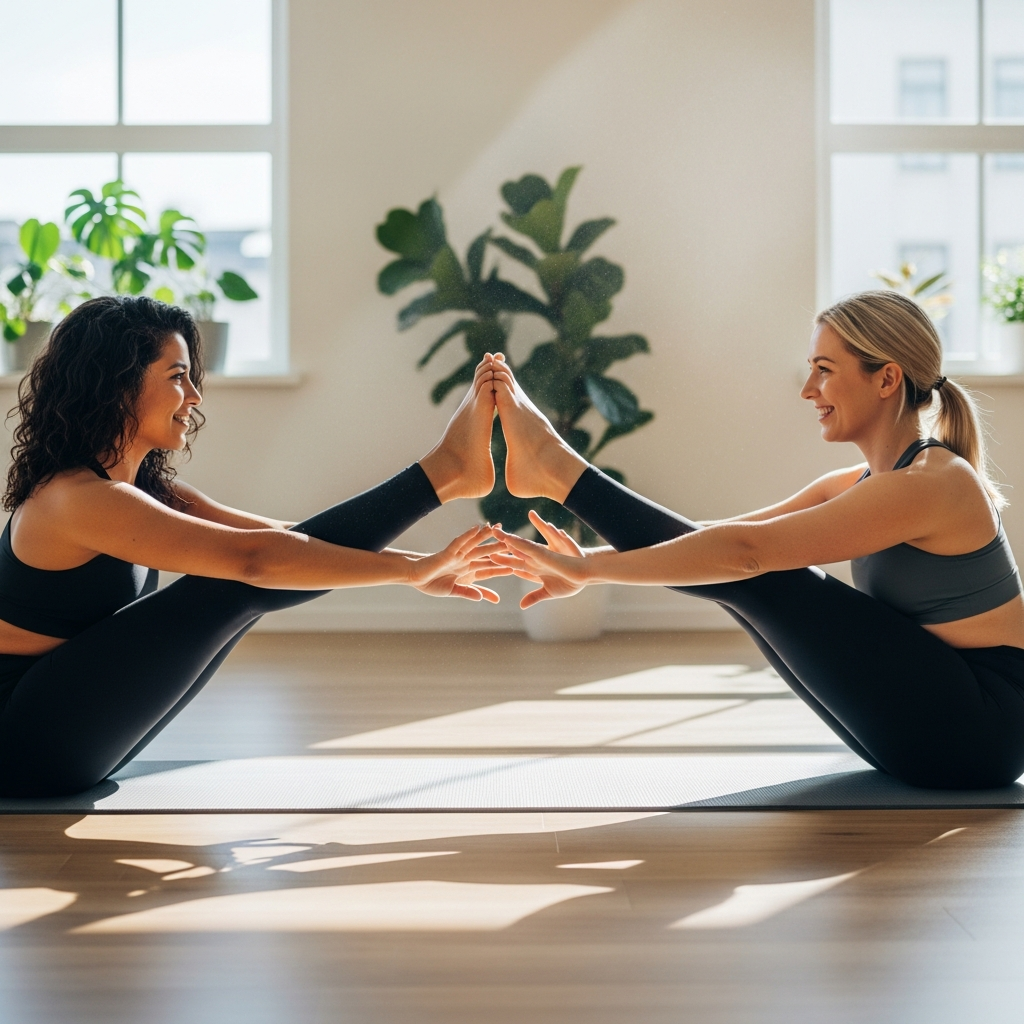
Mat Pilates is the most common form of this exercise. As the name suggests, it is performed on a mat and primarily engages the core. Mat pilates exercises are performed in a seated or lying down position and include leg lifts, crunches, and planks. It is perfect for beginners as it allows you to learn the basics of breath control and correct alignment.
Pilates Classes:
Pilates classes can vary in style and intensity, depending on the instructor and the level of the class. Classes may have themes such as ‘Pilates for Posture,’ ‘Pilates for Athletes,’ or ‘Pilates for Back Pain.’ Most classes last about an hour and include a warm-up, a series of exercise sequences, and a cool-down period. Pilates equipment like reformers, stability balls, and resistance bands may be used in some classes.
Timelines:
Unlike quick-fix diets or high-intensity workout plans promising rapid results, Pilates takes a more gradual approach to physical transformation. The timeline for seeing results from Pilates is subjective and largely depends on various factors like your initial fitness level, frequency of practice, and diet. However, with consistent practice—about three times per week—you should start noticing improvements in strength, flexibility, and posture within a few weeks to a couple of months.
Next Steps:
1. Find the right class: Whether you choose to join a gym, a specific Pilates studio, or take online classes, ensure that the class matches your fitness level and personal goals. Most studios offer beginner, intermediate, and advanced classes.
2. Get the right gear: Comfortable workout clothing that allows easy movement is essential. Pilates is usually done barefoot, so no need for special footwear. If you’re doing mat Pilates, you’ll need a Pilates or yoga mat.
3. Learn the basics: Familiarize yourself with basic Pilates principles like breathing, concentration, control, precision, and flow before starting your first class.
4. Practice regularly: To see the benefits of Pilates, consistency is key. Aim for at least two to three sessions per week.
5. Listen to your body: While Pilates is a low-impact form of exercise, it’s important to listen to your body and not push too hard to avoid injury.
Pilates is more than just a workout—it’s a holistic approach to health that integrates body and mind. Whether you’re an experienced athlete looking to enhance your training or a beginner seeking a gentle way to get fit, Pilates can be adapted to suit your needs and goals. Simply start where you are, listen to your body, and let the journey unfold at its own pace.
In conclusion, Pilates is a powerful physical fitness system that offers numerous benefits for people of all ages and fitness levels. It’s a versatile, adaptable, and comprehensive method of exercise that can be tailor-fit to your needs, whether you’re looking to improve your overall health, recover from an injury, or enhance your athletic performance.
One of the key takeaways about Pilates is its emphasis on holistic health and wellness. Unlike many other forms of exercise that target specific muscles or areas of the body, Pilates is a full-body workout that promotes balance, flexibility, strength, and endurance. It’s not just about sculpting muscles or losing weight—it’s about improving your overall physical and mental well-being.
Another vital aspect to remember about Pilates is its focus on the mind-body connection. The practice encourages mindfulness and concentration, requiring practitioners to maintain awareness of their body movements, breathing, and alignment. This mental engagement not only enhances the effectiveness of the workout but also promotes stress relief and mental clarity.
An important point to note about Pilates is its adaptability. Whether you’re a beginner or an experienced athlete, there are Pilates exercises suitable for your fitness level and goals. Moreover, it’s a low-impact form of exercise, making it an ideal choice for individuals with joint issues or those recovering from injuries.
Safety is another crucial factor. Pilates emphasizes proper form and alignment to minimize the risk of injury. This is why it’s essential to learn from a qualified instructor who can guide you in performing the exercises correctly and safely.
Lastly, let’s not forget that Pilates is a fun and enjoyable way to stay fit. It offers variety in its routines to keep you engaged and motivated. Plus, it can be done anywhere—you can practice Pilates in a studio with specialized equipment, at home with minimal gear, or even outdoors for a refreshing change of scenery.
Given these points, it’s clear that Pilates is more than just a trend—it’s a sustainable and effective way to achieve and maintain optimum health and wellness. However, like any other fitness regimen, the key to reaping the full benefits of Pilates is consistency and dedication. It’s not about quick fixes or immediate results—it’s about committing to a healthier lifestyle and making lasting changes to your fitness habits.
Should you have any questions or need further assistance on starting your Pilates journey, don’t hesitate to contact us. Our team of professionals is ready and eager to provide you with the support and guidance you need. Whether you’re looking for advice on suitable Pilates exercises, seeking recommendations for Pilates equipment, or interested in joining a Pilates class, we’re here to help you.
Remember, your fitness journey is unique to you—it’s not about comparing yourself with others but about becoming the best version of yourself. So why wait? Contact us today and start your Pilates journey towards a healthier, stronger, and more balanced you.