Unfolding the Power of Pilates: Everything You Should Know
Introduction:
Are you feeling overwhelmed by the wide array of fitness options available to you? Or perhaps you’re already a fitness enthusiast searching for a fresh approach to improve your strength, flexibility, and overall health. Either way, you’ve likely come across the term ‘Pilates’ and wondered, “What should I know about Pilates?” Well, you’ve arrived at the right place!
Pilates is more than just a workout. It’s a holistic approach to wellness that centers on the connection between mind and body. It’s a system of controlled movements that can completely transform the way your body looks, feels, and performs. But what makes Pilates stand out from other fitness routines? Why should you consider incorporating it into your lifestyle? What can it do for your strength, flexibility, and overall well-being?
In this blog post, we’ll delve into the comprehensive world of Pilates. We’ll take a closer look at its origin, understand its methodology, and explore different types of Pilates like mat Pilates and Pilates classes. By the end of this journey, you’ll be equipped with all the knowledge you need to begin your own Pilates practice or take it to the next level.
Why is this important? In this fast-paced world, we often neglect our bodies, leading to an array of health issues. We sit for prolonged periods, engage in strenuous activities without proper form, or opt for quick-fix diets to meet unrealistic beauty standards. These practices often result in poor posture, diminished flexibility, and a lack of core strength. Pilates offers a solution to these problems by emphasizing correct postural alignment, core strength, and muscle balance. It’s not just about looking good; it’s about feeling good from the inside out.
We’ll start by examining the history of Pilates, understanding its roots and philosophy. This will provide a deeper appreciation for the practice and its benefits. We’ll then move on to understanding the principles that underpin every Pilates workout – from concentration and control to precision and breathing.
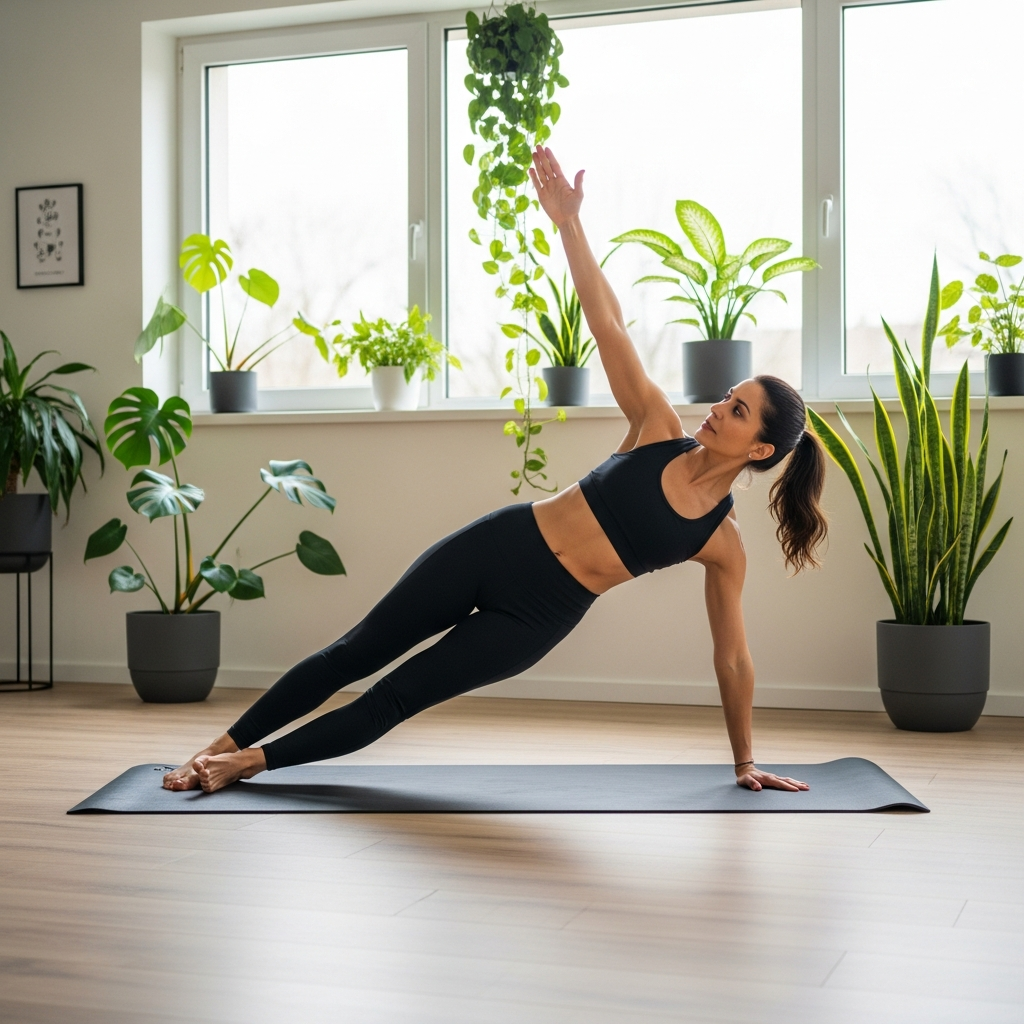
Next, we’ll introduce you to mat Pilates, a type of Pilates that requires little more than a mat and your own body weight. We’ll explore the benefits of mat Pilates, how it differs from other forms of Pilates, as well as some exercises you can try at home.
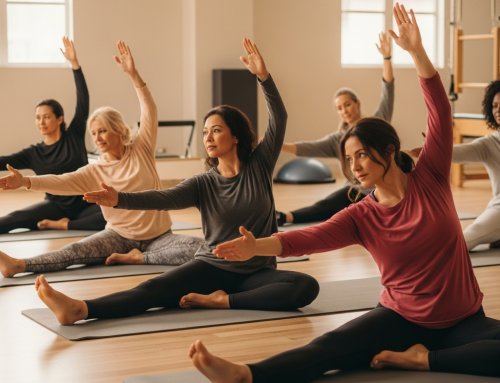
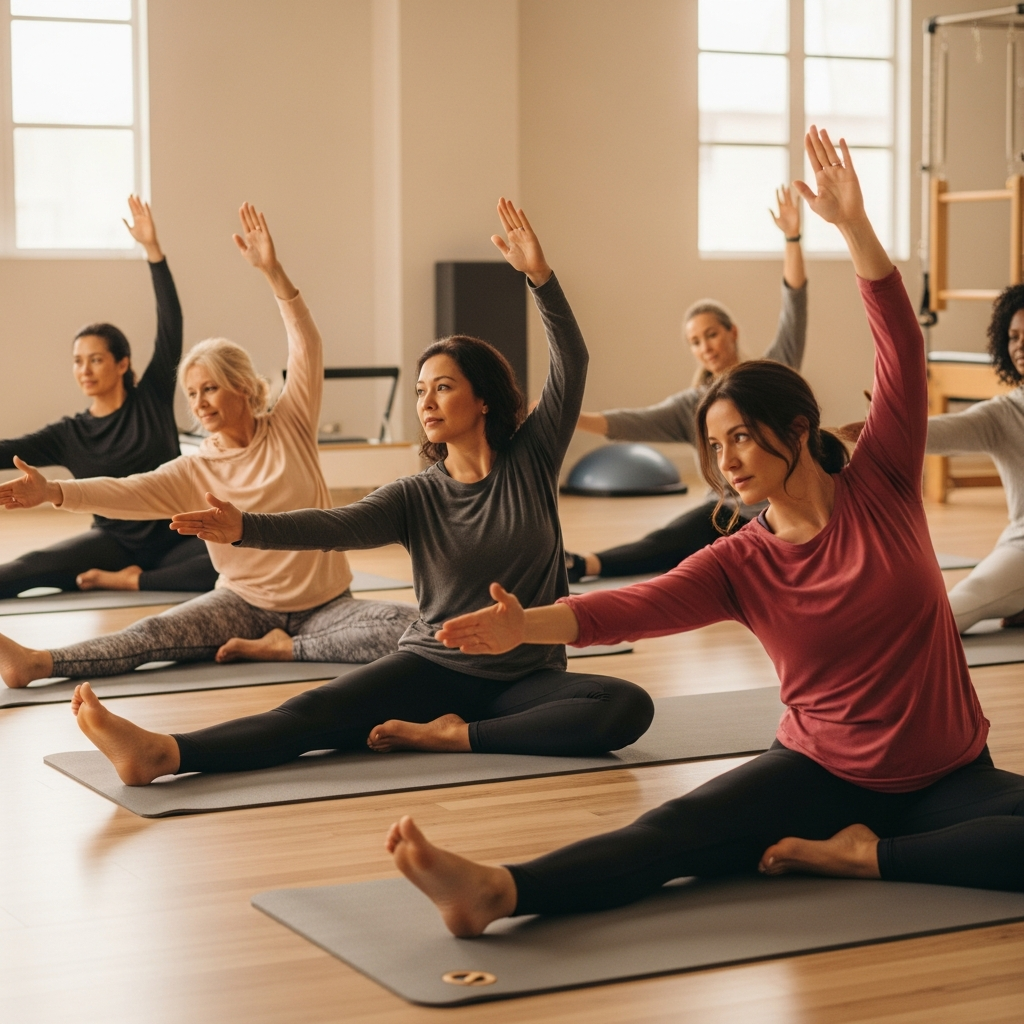
For those interested in a more social or guided experience, we’ll delve into Pilates classes. These classes offer a variety of routines designed for different fitness levels and goals. Whether you’re a beginner or an advanced practitioner, there’s a Pilates class out there for you.
Finally, we’ll wrap things up by giving you some practical tips on how to get started with Pilates. This will include advice on choosing the right class or teacher, what to expect from your first session, and how to set realistic fitness goals.
Whether you’re a fitness enthusiast looking for a new challenge or someone seeking a more balanced approach to health and wellness, understanding Pilates can be a game-changer. It’s about creating a strong, healthy body and mind that can stand the test of time. So let’s dive in, shall we?
The Fundamentals and Framework of Pilates
Pilates is a comprehensive mind-body exercise method that emphasizes the harmony between strength and flexibility, body and mind, science and art. With its origins rooted in the early 20th century, pilates has evolved to become a globally recognized and respected fitness regimen, offering a plethora of benefits to its practitioners. The following content provides a detailed background on the fundamentals and framework of pilates, aiming to equip readers with authoritative information about this unique exercise method.
Joseph Hubertus Pilates, born in Germany in 1883, is the founder of this method. He was initially a frail child suffering from asthma, rickets, and rheumatic fever. However, instead of succumbing to his ailments, he chose to overcome them by studying anatomy and various forms of exercises like yoga, gymnastics, boxing, and martial arts. His determination to improve his health was instrumental in his development of the pilates method.
Pilates is based on six key principles: concentration, control, centering, precision, breath, and flow. These principles form the backbone of the pilates method and contribute to the effectiveness of the exercises.
1. Concentration: Pilates requires a high degree of mental focus. Every movement needs to be done with full attention to ensure correct form and alignment. This focus not only enhances the effectiveness of the workout but also helps in connecting the mind and body.
2. Control: Unlike other forms of exercise where speed and repetition are emphasized, pilates stresses the importance of performing each movement with control. This helps in engaging the right muscle groups and prevents injuries.
3. Centering: In pilates, the body’s center (the area from the lower ribs to the pubic bone) is considered the powerhouse from where all movements originate. This principle aids in strengthening the core muscles – a critical aspect for overall fitness.
4. Precision: Pilates is a method where quality trumps quantity. Each exercise is performed with precision to ensure that the right muscles are engaged, and the benefits are maximized.
5. Breath: Correct breathing technique plays a vital role in pilates. Conscious, rhythmic breathing not only helps in relaxation and maintaining focus but also aids in executing the movements effectively.
6. Flow: The exercises in pilates are performed in a flowing manner, creating a dance-like grace and fluidity. This principle ensures seamless transitions between exercises, enhancing the overall efficacy of the workout.
Pilates exercises can be performed on a mat or specialized equipment like the Reformer, Cadillac, Wunda Chair, and more. Mat pilates is more accessible and can be done with minimal equipment, making it suitable for beginners. On the other hand, equipment-based pilates, with its adjustable springs and pulleys, provides a more challenging workout and allows for a greater range of exercises.
One unique aspect of pilates is its adaptability. It can be modified to suit different fitness levels and needs – from rehabilitation to athletic performance enhancement. It’s also a versatile exercise method that can complement other forms of training, improving strength, flexibility, balance, posture, and overall body awareness.
Pilates is more than just a workout—it’s a holistic approach to health and well-being. It empowers individuals to take charge of their bodies, enhancing not only their physical health but also their mental and emotional well-being. As Joseph Pilates once said, “Physical fitness is the first requisite of happiness.”
In conclusion, Pilates is a comprehensive exercise method that combines the wisdom of the East and the science of the West. Its focus on mind-body integration, core strength, precision, and control sets it apart from other forms of exercise. Whether you’re a beginner looking to improve your fitness or an athlete seeking to enhance your performance, pilates offers a flexible and effective approach to reach your goals.
What Should I Know About Pilates?
Pilates, a physical fitness system developed in the early 20th century by Joseph Pilates, has gained immense popularity due to its diverse benefits, which range from improved flexibility and muscle strength to enhanced mental wellbeing. If you’re considering delving into this world of controlled movements and breathing patterns, here’s some essential information to kickstart your Pilates journey.
**Understanding Pilates**
Pilates is a low-impact exercise, making it an ideal choice for individuals of all fitness levels. It emphasizes proper postural alignment, core strength, and muscle balance. Unlike some forms of exercise, Pilates does not overdevelop certain parts of the body and neglect others. While Pilates training focuses on core strength, it trains the body as an integrated whole.
**Scenario**: If you are recovering from a back injury, Pilates can help in your recovery process by strengthening your body evenly and improving your posture.
**Mat Pilates vs. Reformer Pilates**
There are two main types of Pilates: mat-based and equipment-based, the latter most commonly involving a device known as a reformer. Mat Pilates exercises are performed on a padded mat and primarily use your own body weight as resistance. On the other hand, reformer Pilates is performed on specially designed equipment that uses springs to create resistance.
**Scenario**: If you’re short on space at home but want to practice Pilates, mat-based exercises would be an ideal choice. However, if you’re looking for more resistance or want to perform a wider range of exercises, consider joining a gym that offers reformer Pilates.
**Preparing for Your First Pilates Class**
The thought of attending your first Pilates class can be daunting. However, preparation can ease those nerves. Firstly, wear comfortable clothing that allows for easy movement but isn’t too loose-fitting as your instructor will need to be able to see your body’s alignment. Secondly, bring a Pilates mat if you’re attending a mat class. Some studios provide these, but it’s always best to check before you go. Lastly, arrive a few minutes early to meet your instructor, discuss any injuries or concerns, and familiarize yourself with the space.
**Scenario**: If you have a history of knee problems, be sure to inform your instructor before the class begins so they can modify exercises accordingly.
**Setting Realistic Expectations**
It’s important to approach Pilates with patience and realistic expectations. Remember, it’s not about quick fixes or extreme results. Instead, it’s a lifestyle choice that fosters improved health and wellbeing over time. Many people notice an improvement in flexibility, posture, and body awareness quite quickly. However, building strength and tone will take a little longer.
**Scenario**: If you’re primarily doing Pilates for weight loss, remember that while it will help tone your body and improve your posture, it should be combined with a balanced diet and regular cardiovascular exercise for best results.
**Integrating Pilates into Your Routine**
Consistency is key when it comes to reaping the benefits of Pilates. Aim for at least two or three sessions per week. If you can’t make it to a studio that often, consider supplementing with home workouts or online classes.
**Scenario**: If your schedule is hectic, consider booking morning classes or practicing Pilates at home using online resources. This way, you ensure your workout is completed before other obligations can interfere.
Pilates is a wonderful exercise method that can benefit individuals of all ages and fitness levels. Whether you prefer the simplicity of mat Pilates or the added resistance of reformer Pilates, the important thing is to make the practice a regular part of your routine. With preparation, patience, and persistence, you’ll soon start to see the many benefits that Pilates can offer.
Demystifying Pilates: Challenges, Solutions, and Expert Tips
Many fitness enthusiasts are exploring the benefits of pilates, a low-impact exercise that aims to strengthen muscles while improving postural alignment and flexibility. However, like with any other fitness regime, pilates comes with its own set of challenges and misconceptions that can hinder progress. This comprehensive guide seeks to address these issues, offering solutions and expert tips to help you reap the most from your pilates practice.
**Challenges in Pilates**
One common challenge is the misconception that pilates is easy or it’s just for women. This notion arises because pilates movements are low-impact and fluid, but don’t be deceived. Pilates requires strength, control, and precision, making it a challenging workout for anyone. Likewise, Pilates is not gender-specific. It was actually developed by Joseph Pilates, a man, who designed the regimen for rehabilitation and body conditioning.
Another challenge is the misunderstanding about pilates and weight loss. While pilates helps tone your body, improve flexibility, and boost overall health, it is not primarily a weight loss regimen. Its focus is more on building strength and endurance rather than burning calories.
Finally, some people face difficulty in understanding and executing the precise movements of pilates. The exercise’s effectiveness relies on the correct form, alignment, and breathing technique – all of which can be challenging for beginners.
**Solutions and Tips**
1. **Overcoming Misconceptions**: Educating yourself about pilates can help debunk common myths. This practice is challenging and suitable for all genders and fitness levels. Moreover, while pilates may not directly contribute to weight loss, when combined with a balanced diet and other cardiovascular exercises, it can aid in maintaining a lean physique.
2. **Understanding the Method**: Pilates is not just about physical exercise; it’s a mind-body connection. Learning the correct body alignment, postures, and breathing techniques is vital. Initially, you might find this challenging, but with time and consistent practice, you will improve.
3. **Choosing the Right Class**: Pilates classes vary in intensity and style. Mat pilates is a good starting point for beginners due to its focus on core strengthening and stability. As you advance, you can explore Reformer or equipment-based pilates for more resistance and challenge.
**Expert Tips**
1. **Start Slow and Steady**: As a beginner, don’t rush into advanced moves. Master the basics, like the ‘Pilates breath,’ ‘imprint,’ and ‘neutral.’ These are foundational elements that help maximize the benefits of your workout.
2. **Listen to Your Body**: Pilates emphasizes control and precision over repetition. Pay attention to your body’s response to each movement. If a particular exercise causes discomfort or pain, modify it or seek advice from your instructor.
3. **Consistency is Key**: Like any other fitness regimen, results from pilates come with regular and consistent practice. Aim for at least two to three sessions per week.
4. **Diversify Your Routine**: To avoid plateauing, incorporate different types of exercises into your routine. Try incorporating mat pilates with reformer classes or mix it up with some cardio workouts.
5. **Invest in a Good Instructor**: A qualified instructor can guide you through the exercises correctly, help you modify exercises when needed, and ensure that you are performing each movement with precision and control.
In conclusion, pilates is an effective workout method that requires understanding, commitment, and patience. By debunking misconceptions, understanding the principles of pilates, choosing the right class, and following expert tips, you can overcome challenges and make the most of your pilates journey. Remember, the benefits of pilates extend beyond physical fitness; it also contributes to mental wellness by enhancing mind-body awareness and promoting relaxation.
Pilates is an invigorating form of exercise that emphasizes body alignment, core strength, and muscle balance. Unlike other forms of exercise that focus on intensity or speed, pilates focuses on posture, balance, and flexibility. Whether you’re a seasoned fitness enthusiast or a beginner looking to improve your physical fitness, pilates delivers a unique set of benefits that can enrich your overall health and well-being.
When considering starting a pilates routine, it’s important to understand the fundamentals of the practice and what you can expect from your pilates journey. This article will provide an overview of what to expect, timelines, and next steps for integrating pilates into your fitness routine.
**What to Expect**
As with any new exercise routine, it’s normal to feel a bit apprehensive about what to expect from a pilates class. Pilates classes typically last for 60 minutes and are led by a certified pilates instructor who guides you through a series of controlled movements. These movements focus on your core – the area encompassing your abdomen, lower back, hips and buttocks – but will also target other areas of your body.
During your first few classes, expect to feel muscles you didn’t even know existed! Pilates is known for targeting the small, deep muscles that often get overlooked in traditional workouts. While you might feel some discomfort as your body adjusts to these new movements, remember that pilates is about control and precision, not high-intensity or heavy weights. It’s crucial to listen to your body and not push beyond your limits.
Another thing to expect is the use of various equipment. Mat pilates is the most common form where exercises are performed on a mat, much like in yoga. Reformer Pilates uses a machine called a Reformer, which is a sliding platform with a stationary foot bar, springs, and pulleys that provide resistance. Props such as stability balls, resistance bands, and magic circles may also be used in both mat and reformer Pilates to add challenge or assistance to the exercises.
**Timelines**
The timeline of your progress in pilates largely depends on your consistency, starting fitness level, and the intensity of your workouts. However, Joseph Pilates himself, the founder of the Pilates method, suggested that you would feel better after 10 sessions, look better after 20 sessions, and have a completely new body after 30 sessions.
This is not a guarantee, but rather a motivational benchmark that encourages commitment to the practice. Most people start to see and feel changes in their body, posture, and overall muscle tone within a month of regular classes (2-3 times per week). It’s important to remember that everyone’s body is different and progress will vary from person to person.
**Next Steps**
So, you’re ready to embark on your pilates journey. What next? Start by searching for studios in your area that offer pilates classes. Look for certified instructors and ask if you can observe a class or take a trial class. This will give you a feel for the teaching style, class structure, and studio environment.
Before you attend your first class, wear comfortable, form-fitting clothing that allows for a full range of motion. Avoid loose or baggy clothes as they can get in the way of movements or hide your alignment from the instructor.
Remember, consistency is key when it comes to pilates. Try to make it part of your regular workout routine, aiming for at least two sessions per week. As you become more confident, consider adding more classes or even incorporating private sessions to further hone your skills and technique.
Pilates is a journey, not a destination. It’s about learning to understand and respect your body, developing strength from the inside out. As you continue your pilates journey, remember to be patient with yourself and enjoy the process. The physical and mental benefits you’ll gain from pilates are well worth the effort.
In conclusion, Pilates is a complete mind-body workout that offers numerous benefits to your physical health, mental well-being, and overall life quality. It is a versatile exercise system that can be adapted to meet individual needs, regardless of age, fitness level, or medical history. From improving posture, flexibility, and balance to strengthening the core and enhancing body awareness, Pilates provides a holistic approach to fitness and wellness.
One key takeaway is that Pilates focuses on quality over quantity. It emphasizes precise movements and correct form rather than numerous repetitions. This approach ensures that each muscle is worked optimally, leading to balanced muscle development and avoiding unnecessary strain or injury.
Another crucial aspect of Pilates is its focus on the core or ‘powerhouse.’ Strengthening this area – which includes the abdominals, lower back, hips, and buttocks – provides a strong foundation for all other movements. It not only enhances athletic performance but also aids in daily activities and reduces the risk of injuries.
Moreover, Pilates promotes mindfulness and body awareness. It requires concentration and coordination between the mind and body, encouraging you to live more fully in the present moment. This mental focus can help reduce stress, improve mood, and enhance overall well-being.
In terms of practicality, Pilates can be done almost anywhere – at home, in a studio, or even outdoors – with minimal equipment. This flexibility makes it an accessible option for many people. Plus, with numerous modifications available for each exercise, it can be tailored to suit individual needs, abilities, and goals.
Finally, while Pilates is a safe and beneficial form of exercise for most people, it’s essential to get professional guidance – especially when starting out or if you have any health concerns. A certified Pilates instructor can provide personalized instruction, ensuring that the exercises are performed correctly and safely.
In summary, Pilates is a powerful tool for enhancing physical strength, flexibility, posture, and mental focus. Whether you’re a beginner looking for a low-impact workout, an athlete seeking to enhance your performance, or someone recovering from an injury or illness, Pilates could be the ideal solution for you.
We hope this article has provided valuable insights into the world of Pilates. If you have further questions, need more information, or are ready to start your Pilates journey, we invite you to contact us. Our team of certified Pilates instructors is ready to guide you and help you achieve your fitness and wellness goals. As Joseph Pilates said, “Change happens through movement and movement heals.” So why wait? Start your transformative journey with Pilates today!