Pilates 101: Everything You Need to Know About Pilates
Do you want to improve your flexibility, strength, and balance? Are you interested in a workout that combines the mindfulness of yoga with the core-engaging vigor of body conditioning? If so, you might want to consider Pilates. But what exactly is Pilates? How does it differ from other workouts? What can you expect from a typical Pilates class? Read on to find answers to these and more questions.
Pilates is a full-body fitness regime developed in the early 20th century by Joseph Pilates. It is a form of low-impact exercise designed to strengthen muscles, improve posture, flexibility, and overall body awareness. Mat Pilates and Pilates classes have been gaining popularity worldwide due to their effectiveness and versatility. They offer a balanced workout that caters to all fitness levels and ages, from beginners to advanced athletes.
In this comprehensive guide, we will delve into the world of Pilates, exploring its origins, principles, benefits, and the different types available. We will also discuss what you should know before attending your first class, what to expect in a typical session, and how to get the most out of your Pilates journey. This information matters because understanding the core principles and techniques of Pilates can significantly enhance your performance and results.
We will start by looking at the history of Pilates and its founding principles. Understanding the roots of this system will provide context for its methods and goals. Next, we will discuss the amazing benefits of Pilates, which include improved flexibility, greater core strength, better balance and coordination, enhanced mind-body connection, injury prevention, and rehabilitation.
A significant portion of our discussion will be dedicated to Mat Pilates – a popular form of Pilates performed on a mat using your body weight as resistance. We will explore what sets Mat Pilates apart from other types of Pilates and other workouts, its unique benefits, and what to expect from a Mat Pilates class.
Next, we will guide you through the different types of Pilates classes available, from Reformer Pilates that utilizes specialized equipment to provide resistance, to Clinical Pilates, which is often used in physiotherapy settings. We will also cover how to choose the right class for you based on your fitness level, goals, and preferences.
Finally, we will provide practical tips and guidelines to help you prepare for your first Pilates class, covering everything from what to wear and bring, to the basic etiquette and techniques.
Pilates is more than just a workout; it’s an approach to holistic health that emphasizes mind-body connection, focused breathing, and precise movements. Whether you’re a fitness enthusiast looking for a new challenge, a professional athlete seeking cross-training options, or someone rehabilitating from an injury, Pilates has something to offer you. So, are you ready to embark on your Pilates journey? Let’s dive in!
Remember, knowledge is power. By understanding the intricacies of Pilates, you can approach your first class with confidence and reap the maximum benefits from this extraordinary fitness system. After all, the more you know about Pilates, the more effectively you can integrate it into your fitness regimen and lifestyle.
‘The Fundamentals of Pilates: What You Need to Know’
Pilates is a physical fitness system that was developed in the early 20th century by Joseph Pilates, a German physical trainer. Pilates named his method ‘Contrology’, reflecting his belief in the importance of controlling the mind to control the muscles. Today, it’s popularly known as Pilates and has been adopted by millions of people worldwide who appreciate its unique blend of strength and flexibility training.
The core philosophy behind Pilates is the pursuit of complete coordination of mind, body, and spirit. Unlike other forms of exercise that focus on repetition or aiming for a ‘burn’, Pilates is about precise and mindful movement. The emphasis is on quality over quantity.
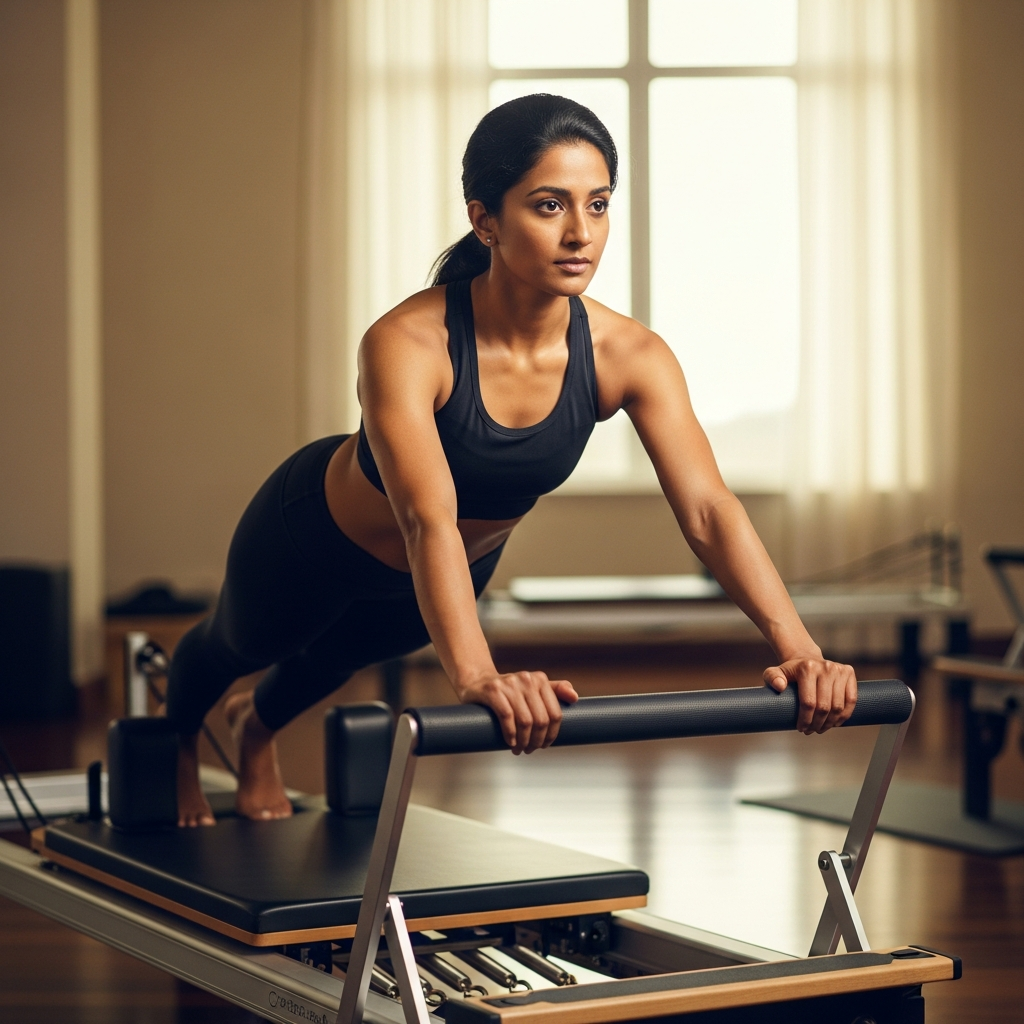
Pilates consists of over 500 exercises that are performed on a mat or on specialized equipment like the Reformer, Cadillac, and Wunda Chair. The workouts are designed to engage your mind and condition the entire body. The exercises are non-impact, making them suitable for all ages and fitness levels.
The Pilates method focuses on the core postural muscles that help keep the body balanced and provide support for the spine. This approach promotes strength and balanced muscle development, as well as flexibility and increased range of motion for the joints.
Pilates follows six key principles: Centering, Concentration, Control, Precision, Breath, and Flow.
1. Centering: This principle relates to bringing the focus to the center of the body, the powerhouse area between the lower ribs and pubic bone. Energetically, all Pilates exercises are sourced from this area.
2. Concentration: Pilates demands intense focus. The way exercises are performed is more important than the exercises themselves.
3. Control: Every exercise is done with complete muscular control. No body part is left uncontrolled.
4. Precision: In Pilates, awareness is sustained throughout each movement. The ultimate goal is for this precision to become second nature, and carry over into everyday life.
5. Breath: Joseph Pilates emphasized using a very full breath in his exercises. He advocated for thinking of the lungs as a bellows — using them strongly to pump the air fully in and out of the body. Proper breathing helps to execute movements with maximum power and efficiency.
6. Flow: Pilates aims for elegant economy of movement, creating flow through the use of appropriate transitions.
Pilates is versatile. It can be modified to meet individual needs, making it perfect for everyone from athletes to seniors, pregnant women, and people recovering from injury. It’s also an excellent tool for injury prevention and rehabilitation.
The benefits of Pilates are numerous. Regular practitioners report improvements in flexibility, posture, and abdominal strength, as well as decreases in back, neck, and joint pain. Additionally, the focus on breath, alignment, and smooth movement can have a wonderful effect on your mental wellbeing, reducing stress and improving focus.
Pilates can be a standalone exercise regime or it can complement other forms of workouts. Many athletes use it for cross-training. Dancers and yoga practitioners find it enhances their practice by improving their core strength and flexibility.
It’s recommended to learn Pilates under the guidance of a certified instructor, at least initially. They can provide personalized guidance and ensure that movements are performed correctly and safely.
In conclusion, Pilates is a comprehensive mind-body workout that focuses on strength, flexibility, and mindful movement. It offers a unique approach to fitness that can complement any lifestyle or fitness routine. Whether you’re seeking better posture, a stronger core, or a way to alleviate stress, Pilates has something to offer.
Unraveling Pilates: A Comprehensive Guide
Pilates is a low-impact, full-body workout method that focuses on core strength, flexibility, body balance, and mindfulness. Developed by Joseph Pilates in the 1920s, this exercise routine is now widely recognized and appreciated for its health benefits. Whether you are a beginner wanting to dip your toes into this fitness regime or an advanced practitioner looking for deeper insights, this guide will help you understand the nuances of Pilates, Mat Pilates, and Pilates classes.
1. Understanding Pilates
Pilates is more than just a workout. It is a method to strengthen your mind-body connection, while also improving your strength, flexibility, and balance. With more than 500 exercises to choose from, Pilates can be tailored to meet individual needs.
Real-world example: Consider Jane, a middle-aged woman who wanted to improve her posture and relieve back pain. She started practicing Pilates and within a few months, not only did her posture improve but she also experienced less back pain and a boost in her overall well-being.
Actionable advice: If you’re a beginner, start with basic Pilates routines focusing on simple movements and gradually incorporate more complex exercises as you get comfortable with the form.
2. Mat Pilates
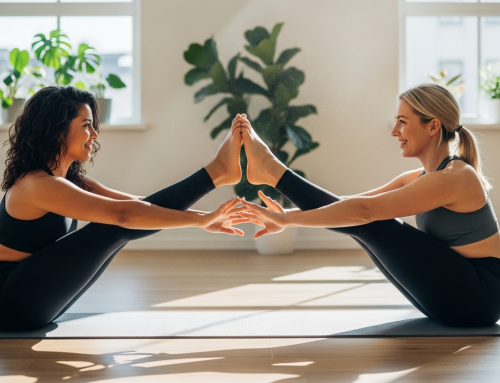
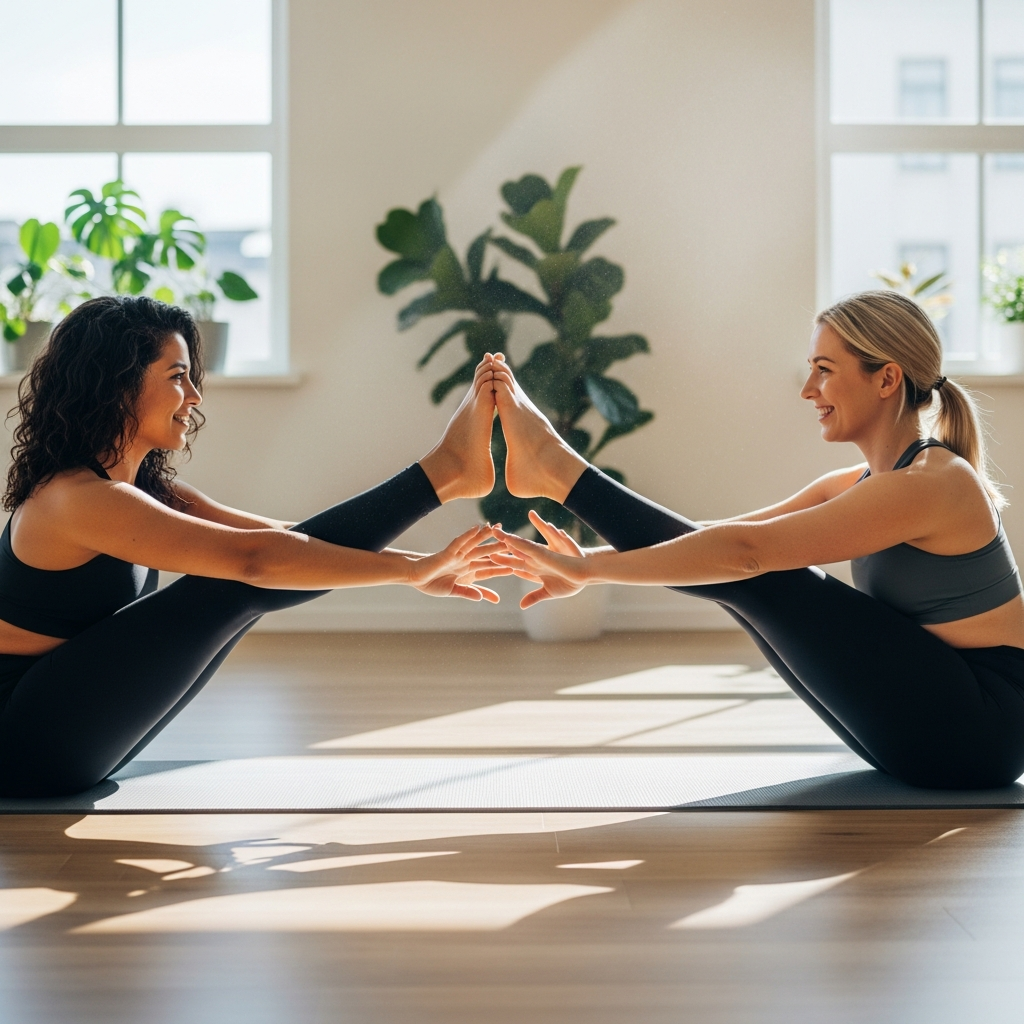
Mat Pilates is a type of Pilates that is done on a mat, instead of using the specialized equipment found in a Pilates studio. It primarily focuses on exercises that engage the core muscles – the abdominals, lower back, hips, and buttocks.
Real-world example: Think about Mark, a busy executive who travels often and has little time for gym sessions. Mat Pilates was his solution. All he needed was a mat and some space in his hotel room to stay fit and active.
Actionable advice: For those with tight schedules or limited access to equipment, Mat Pilates can be a great option. You can find numerous online tutorials to start your journey. Remember to start slow and focus on getting the form correct.
3. Pilates Classes
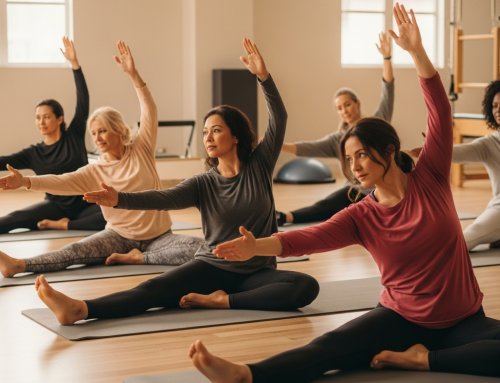
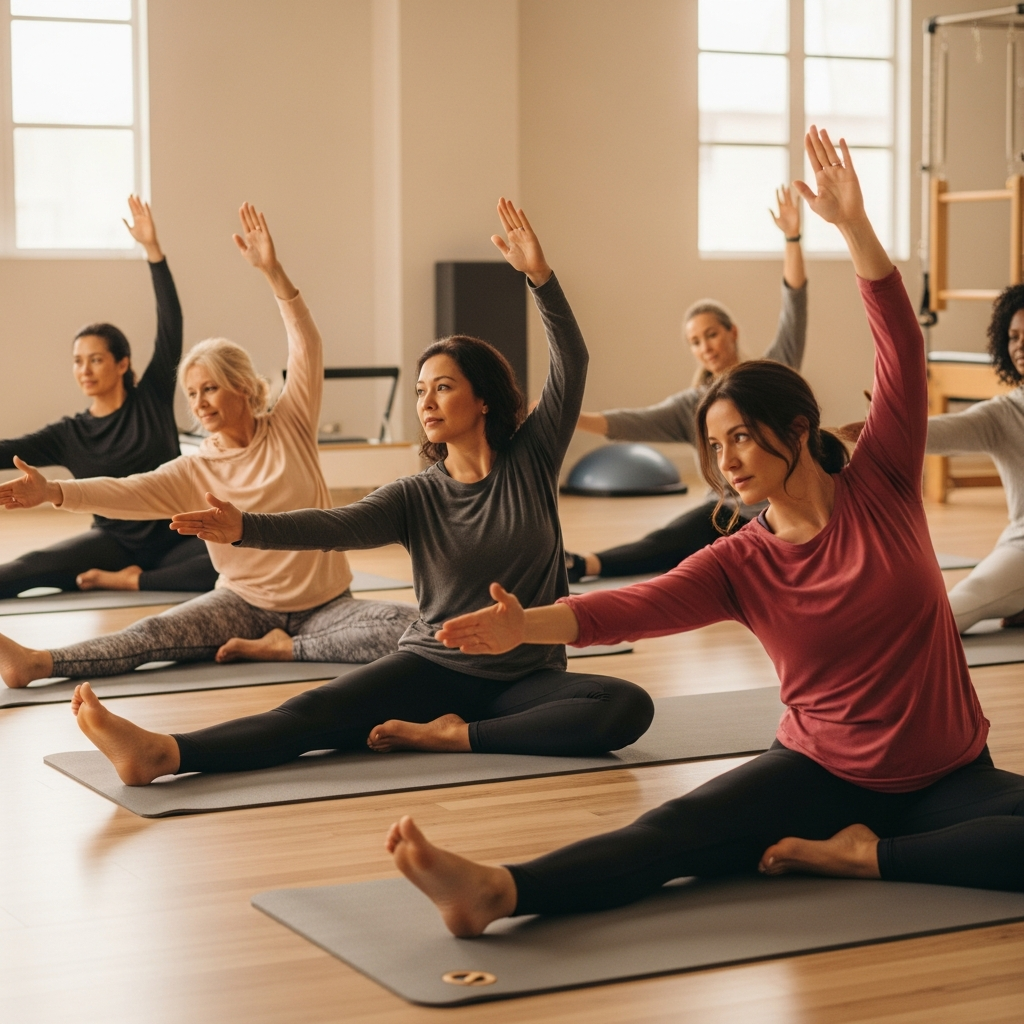
Pilates classes are structured sessions led by trained instructors that provide you with a series of exercises to work your entire body. They can be mat-based or use equipment, depending on the studio or gym.
Real-world scenario: Meet Lisa, a fitness enthusiast who wanted to add variety to her workout routine. She joined a Pilates class at her local gym. The structured sessions, expert guidance from instructors, and the group environment made her workouts more enjoyable and sustainable.
Actionable advice: If you’re someone who enjoys community workouts, consider joining a Pilates class. Ensure that you choose a certified instructor who can guide you correctly. It’s also crucial to communicate any physical limitations or health issues to your instructor so they can modify exercises accordingly.
In conclusion, Pilates is an adaptable and inclusive exercise method that caters to everyone – from beginners to advanced practitioners, from youngsters to seniors, and from athletes to those in rehabilitation. It’s important to listen to your body and progress at your own pace. Remember, in Pilates, quality of movement is valued over quantity of repetitions. So, focus on doing each exercise with precision and control for maximum benefits.
Remember, it’s always advisable to consult with your healthcare provider before starting any new exercise regime. Once you get the green light, embark on your Pilates journey with positivity and patience. Here’s to stronger cores and healthier bodies!
Pilates Uncovered: Challenges, Solutions and Expert Tips
Pilates is a comprehensive physical fitness system that emphasizes balanced development of the body through core strength, flexibility, and awareness to support efficient, graceful movement. Despite its growing popularity, many misconceptions surround this practice. Let’s unravel the mysteries of Pilates, explore the common challenges faced by beginners, and discover effective solutions and expert tips to enhance your Pilates experience.
**Common Challenges in Pilates**
People new to Pilates often encounter certain challenges. Firstly, Pilates requires the simultaneous coordination of breath and movement, which can be tricky for beginners. Secondly, developing the essential core strength needed for advanced moves can take time. Lastly, the subtlety of many exercises can lead to confusion about correct form and execution.
**Solutions and Expert Tips**
1. **Mastering the Breath-Movement Coordination**: Pilates involves a unique style of breathing known as lateral thoracic breathing. It requires you to inhale deeply into the back and sides of your rib cage. As you exhale, you engage your deep abdominal muscles and pelvic floor. To master this, practice breathing while consciously engaging your core muscles. Over time, this will become second nature.
2. **Building Core Strength**: Core strength is central to Pilates. However, it takes time and consistent practice to develop. Begin with basic exercises like the Pilates bridge or the hundred to engage your core muscles. As these become easier, progress to more advanced moves. Remember, it’s not about the number of repetitions but the quality of each movement.
3. **Understanding Subtle Movements**: Pilates exercises often involve subtle movements that can be hard to grasp initially. A qualified instructor can help ensure that you’re performing each exercise correctly. Don’t be afraid to ask questions or request modifications if an exercise feels too complex.
**Debunking Misconceptions**
1. **Pilates is Only for Women**: Pilates is beneficial for everyone, regardless of gender. In fact, it was developed by a man – Joseph Pilates – and was initially adopted by soldiers and boxers.
2. **Pilates is Just Like Yoga**: While both practices promote flexibility, strength, and mind-body connection, they are distinct. Pilates focuses more on physical conditioning, especially core strength.
3. **Pilates Requires Special Equipment**: While Pilates can be performed using apparatus like the reformer, mat Pilates requires no special equipment apart from a mat.
**Best Practices**
1. **Choose the Right Class**: If you’re new to Pilates, start with a beginner’s class or private instruction to learn the basics properly. As you gain confidence and strength, you can move to more advanced classes.
2. **Focus on Form**: Always prioritize form over speed or the number of repetitions. This helps avoid injury and ensures you get the most from each exercise.
3. **Consistency is Key**: Regular practice yields the best results. Aim for at least two to three sessions per week.
4. **Listen to Your Body**: Pushing yourself is fine, but not at the cost of your body. If something feels painful or wrong, stop and seek guidance.
5. **Patience Pays**: Don’t get discouraged if you find some moves difficult at first. With time, your strength, flexibility, and understanding of the exercises will improve.
In conclusion, Pilates is a rewarding practice that promotes overall fitness and well-being. By understanding its nuances, debunking misconceptions, employing expert tips and best practices, you can overcome common challenges and make the most of your Pilates journey.
An Insight into Pilates: Expectations, Timelines, and Next Steps
Pilates is a holistic exercise method that offers a full-body workout focusing on core strength, flexibility, balance, and mind-body awareness. Whether you’re a fitness enthusiast or someone looking to start a fitness journey, Pilates can be an excellent addition to your routine. Here’s what you should know about Pilates – including what to expect, timelines, and next steps.
The first thing to know about Pilates is that it’s for everyone. Regardless of age, fitness level, or physical condition, Pilates can be tailored to meet individual needs. Its low-impact nature makes it accessible for people with mobility issues, while its emphasis on core strength and spinal alignment appeals to athletes and fitness enthusiasts.
When starting Pilates, expect to feel a shift in your body awareness. Pilates focuses on precise movements, which means it’s not just about doing the exercises but doing them right. You’ll learn to engage your core, maintain proper alignment, and move with control. This heightened body consciousness can significantly improve posture and general movement, even outside the studio.
In terms of timelines, remember that progress in Pilates is not linear. It’s common for beginners to feel challenged by the complexity of movements and the emphasis on precision. However, with consistent practice – usually two to three times a week – you can expect to see improvements in strength, flexibility, and coordination within a few weeks to a few months.
Now let’s talk about Mat Pilates – a type of Pilates performed on a mat, similar to yoga. Mat Pilates is an excellent starting point for beginners because it requires no equipment and focuses on mastering the basics. The exercises are primarily designed to strengthen the core, but they also work the hips, thighs, and back. As you progress, you may add props like a Pilates ball or resistance band to increase the challenge.
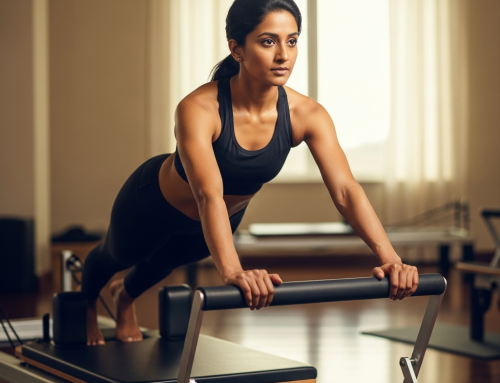
Pilates classes vary in style and intensity, depending on the instructor and the type of Pilates. For instance, a Mat Pilates class might be slow-paced with a focus on mastering the form, while a Reformer Pilates class – which uses a specialized machine with springs for resistance – might be more dynamic and challenging.
Before attending your first Pilates class, it’s important to wear comfortable, form-fitting clothes that allow you to move freely but also enable your instructor to see your alignment. Arrive early to introduce yourself to the instructor, discuss any injuries or concerns, and familiarize yourself with the studio and equipment.
Beginner classes typically start with a warm-up to prepare your body for the workout. The instructor will guide you through a series of exercises, explaining how to perform each movement with precision and control. Remember, the goal isn’t to rush through the exercises but to perform each one with maximum efficiency.
Post-class, it’s essential to maintain a consistent practice schedule for optimum results. Try to attend class two to three times a week if possible. As you become more comfortable with the movements, consider incorporating Pilates principles into your daily life – such as maintaining good posture while sitting at your desk or engaging your core while lifting heavy objects.
Pilates is a journey of self-discovery and body awareness that requires patience, consistency, and commitment. As you progress, you’ll likely notice improvements not just in your physical strength and flexibility, but also in your mental clarity and stress levels. So whether you’re looking for a way to complement your existing fitness routine or seeking a gentle introduction to exercise, Pilates could be the perfect fit.
Remember, it’s always advisable to consult a healthcare professional before starting any new exercise program. Once you’ve got the all-clear, start exploring Pilates – your body and mind will thank you!
In conclusion, Pilates is a fantastic workout regimen that offers numerous benefits to individuals of all ages and fitness levels. It’s a method of exercise that emphasizes the balanced development of the body through core strength, flexibility, and awareness to support efficient, graceful movement.
To summarize, some of the key takeaways from our discussion about Pilates include
1. Core Strength: Pilates focuses on the core muscles that are essential for providing support for the spine and maintaining good posture. Strengthening these muscles can help alleviate back pain and prevent injuries.
2. Flexibility: Pilates exercises promote lengthening and stretching of the muscles, which can improve flexibility and joint mobility. A flexible body is less likely to get injured.
3. Balanced Muscle Development: Unlike some forms of exercise that can lead to overdevelopment of particular muscle groups, Pilates conditions the whole body, ensuring that no muscle group is overtrained or undertrained. This creates a balanced physique and increases your physical fitness.
4. Mind-Body Connection: Pilates exercises require concentration and focus on your body’s movements, fostering an enhanced awareness of your body that can be applied to everyday activities.
5. Adaptability: Pilates workouts can be tailored to individual needs, making them suitable for everyone from elite athletes to people with limited mobility or rehabilitating after an injury.
6. Improved Posture: The attention to core support and overall body fitness that Pilates provides can greatly improve your posture.
The beauty of Pilates lies in its versatility. The exercises can be modified at various difficulty levels to make it accessible to beginners while still challenging for advanced practitioners. Be it weight loss, body toning, athletic performance, injury rehabilitation or simply getting fit, Pilates has something to offer everyone.
Remember, as with any new fitness regimen, it’s important to start slowly and gradually increase the intensity of your workouts. Always listen to your body and ensure you’re performing exercises correctly to avoid injury. It can be very beneficial to start your Pilates journey under the guidance of a certified instructor who can provide personalized instruction based on your needs and abilities.
At this point, you might be ready to give Pilates a try or maybe you still have questions. Either way, we’re here to help. Our team of certified Pilates instructors is ready to assist you in starting or advancing your Pilates practice. We can provide personalized workouts, answer your questions, and provide guidance and support as you explore the many benefits of Pilates.
Remember, the journey to a healthier, fitter you is a marathon, not a sprint. It takes time, effort, patience, and consistency. But with the right guidance and support, you can achieve your fitness goals and enjoy the journey along the way.
So why wait? Contact us today and let’s start your Pilates journey together. Your body will thank you!