Unveiling the Power of Pilates: The Ultimate Body Workout
Hook: Ever wondered why your favorite celebrities are so obsessed with Pilates? From Hollywood A-listers to top-notch athletes, Pilates has become the go-to fitness regime for many. But what exactly makes Pilates such a sought-after workout? This article will take you through an enlightening exploration of Pilates – what it is, how it works, and more importantly, why you should consider integrating it into your fitness routine.
Context: Pilates is more than just a passing trend in the fitness world. It’s a comprehensive workout method that has been around for decades, and its popularity only seems to grow with time. You’ve probably heard the term ‘Pilates’ tossed around in fitness circles, seen it on gym timetables, or maybe you’ve even tried a class or two. But do you really know what this workout method entails?
Invented by physical trainer Joseph Pilates in the early 20th century, Pilates is a method of exercise that aims to strengthen the body in an even way, with a particular emphasis on core strength to improve general fitness and wellbeing. It involves low-impact flexibility, muscular strength, and endurance movements. What sets Pilates apart from other workouts is its focus on mind-body connection, posture, balance, and mobility.
In this article, we will delve into the world of Pilates, exploring its core principles, benefits, different types such as mat Pilates and Pilates classes, and why it could be the perfect addition to your fitness routine. We’ll help you understand what makes this workout unique and how it can transform your body and mind.
What Will Be Covered: This comprehensive guide will demystify all things Pilates. We’ll start by defining Pilates and discussing its origins and principles. We’ll then move on to the types of Pilates workouts – focusing on mat Pilates and Pilates classes. We’ll delve into the benefits of this workout – from improving physical strength and flexibility to enhancing mental wellbeing. We’ll also provide some basic exercises for beginners and tips on how to get the most out of your Pilates workouts. Lastly, we’ll address some common myths and misconceptions about Pilates, providing clear, evidence-based information.
Why This Matters to Readers: Understanding what Pilates is and what it can do for your body and mind can be a game-changer in your fitness journey. With the increasing awareness about the importance of maintaining good physical health and mental wellbeing, more and more people are exploring different fitness regimes. Pilates, with its holistic approach to fitness, has emerged as a preferred choice for many.
Whether you’re a fitness enthusiast looking for a new workout to add to your routine, someone recovering from an injury looking for a safe way to regain strength, or just someone curious about this popular workout, this article is for you. By the end of this guide, you will have a solid understanding of what Pilates entails and why it could be the holistic workout you’ve been searching for. So join us as we unravel the mystery around Pilates and help you discover a new way to a healthier, stronger you.
What Kind of Workout is Pilates?
Pilates, a unique form of body conditioning and strengthening workout, was named after its creator, Joseph Pilates, a physical trainer from Germany. It is a comprehensive exercise regime that integrates the mind, body, and spirit. Since its inception in the early 20th century, it has gained global recognition for its effective role in improving overall fitness, enhancing flexibility, and strengthening the body.
At its core, Pilates is a low-impact exercise methodology that emphasizes posture, core strength, balance, and flexibility. It targets the core (pilates powerhouse) – the area from the mid-torso to the lower abdomen, including muscles of the abdomen, lower back, hips, and buttocks. However, unlike other fitness systems that focus on high repetitions, Pilates is founded on performing movements with control and precision to obtain maximum benefits.
The framework of Pilates is such that it can be tailored to suit people of all fitness levels and age groups. Whether you are a seasoned athlete or a beginner just starting your fitness journey, Pilates can be adapted to your individual needs. This inclusivity makes it an appealing choice for a broad demographic.
Joseph Pilates created this method during World War I to help injured soldiers regain their health by strengthening their bodies and improving their mobility. He believed that mental and physical health are interconnected. His approach was holistic; he proposed that physical strength, flexibility, and stamina should complement mental resilience and calmness.
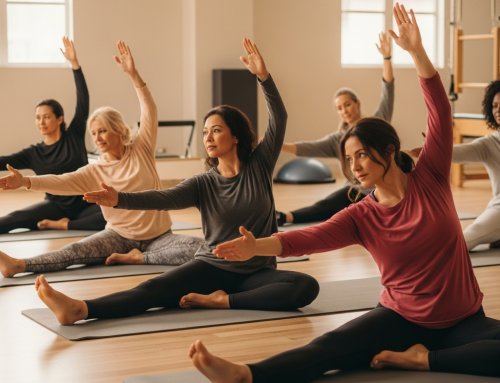
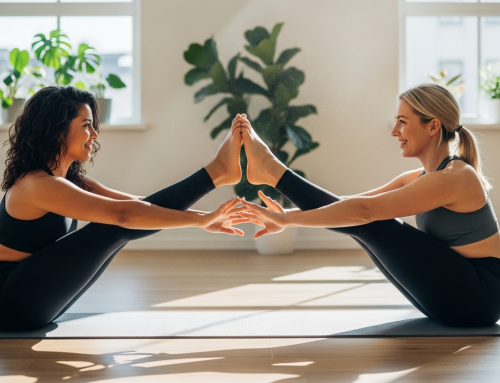
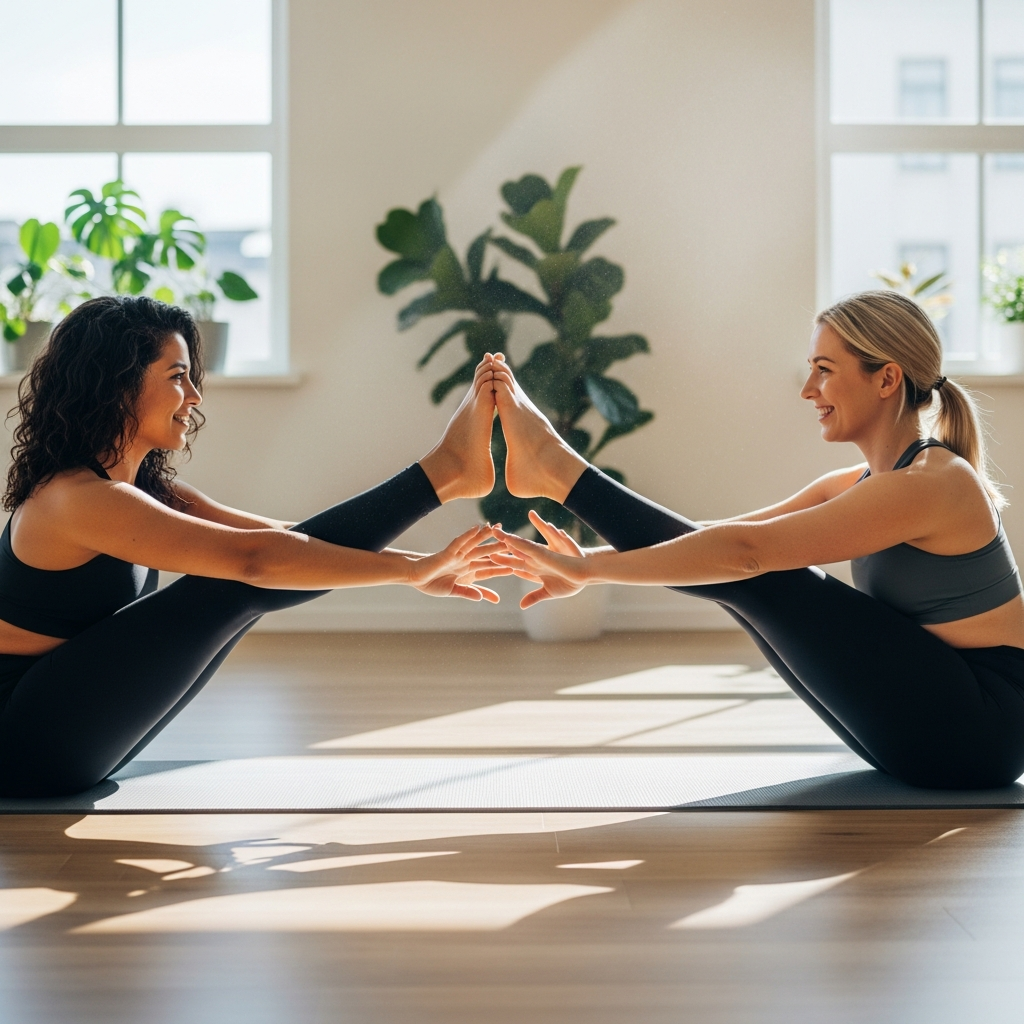
Pilates is commonly classified into two types: mat-based and equipment-based. Mat-based Pilates is the most widely recognized form where exercises are performed on a padded mat using your own body weight as resistance. It primarily focuses on strengthening the body’s core muscles while improving postural alignment and flexibility.
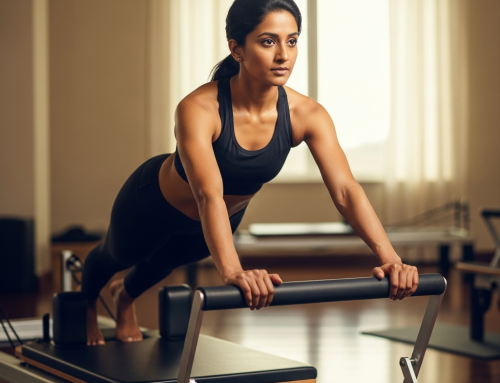
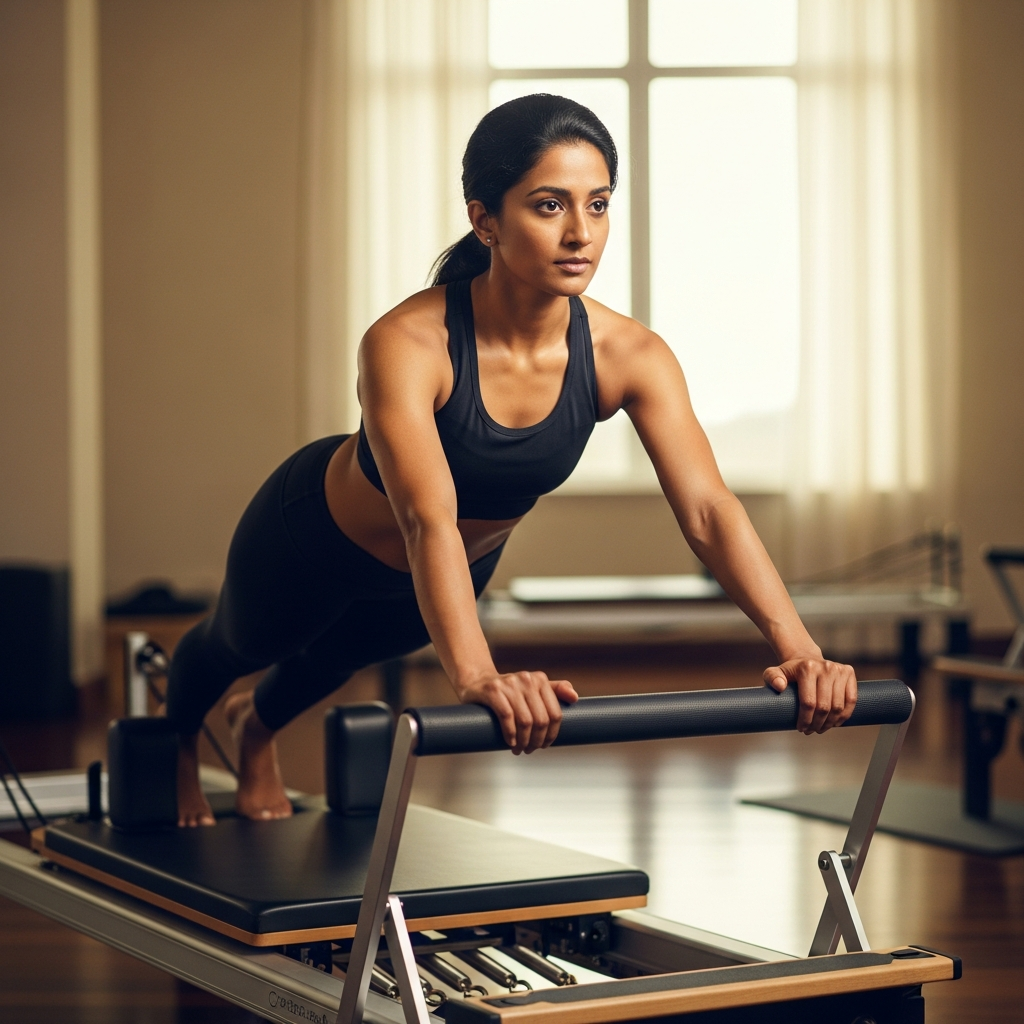
On the other hand, equipment-based Pilates involves specially designed equipment like the Reformer, Cadillac, and Wunda Chair, which use springs and pulleys to create resistance. These machines allow for a wider range of exercises and can be used to provide support for beginners or extra resistance for seasoned practitioners.
One of the key principles of Pilates is ‘centering’. It refers to the concept of focusing on the center of the body (the powerhouse) to control all movements. Other principles include concentration, control, precision, breath, and flow. These principles together create a harmonious blend that aims to connect the mind and body, enhancing awareness and control while promoting mindfulness.
Pilates offers a myriad of benefits. It improves muscle tone, strength, and flexibility. It enhances body awareness, posture, and alignment, which can help reduce the risk of injury and alleviate certain types of back pain. It also promotes efficient movement patterns, making everyday activities easier and improving athletic performance.
Moreover, Pilates encourages mindful movement. It requires concentration and focus on every movement and breath, which can lead to improved mental clarity and reduced stress levels.
Despite its numerous benefits, it’s essential to note that Pilates is not a cardiovascular workout. While it does contribute to overall fitness and can complement a cardio routine, it shouldn’t replace cardio workouts entirely. For comprehensive fitness, it is recommended to combine Pilates with regular cardio exercises like walking, running, swimming, or cycling.
In conclusion, Pilates is a versatile workout that caters to everyone from fitness novices to professional athletes. By emphasizing controlled movements and focusing on core strength and flexibility, it offers an effective way to improve physical strength, enhance body awareness, promote efficient movement, and even contribute to mental well-being. Whether you’re looking for a way to spice up your workout routine, recover from an injury, or simply want a practice that connects mind and body, Pilates could be an excellent choice.
Pilates is a form of exercise that focuses on balance, posture, strength, and flexibility. Developed by Joseph Pilates in the early 20th century, this workout regime is designed to improve physical strength, flexibility, and enhance mental awareness. Here is a detailed examination of what Pilates is like, along with step-by-step guidance on how to get started.
**What Kind of Workout is Pilates?** Pilates primarily targets the core, although it provides a full-body workout. It accentuates controlled movements, conscious breathing, and alignment of the spine while strengthening the deep torso muscles.
Pilates is often likened to yoga, but they’re different in their focus. Yoga is more about flexibility and creating balance in the body through various poses; Pilates is more centered on relaxing tense muscles and strengthening the body.
**Mat Pilates:** Mat Pilates exercises are performed on a mat and utilize your own body weight for resistance. These workouts are designed to help improve posture, flexibility, and balance. Even though it may seem mild compared to high-intensity workouts, mat Pilates can be quite challenging since it requires precision, control, and technique.
**Getting Started with Mat Pilates:** Here’s a simple exercise to get you started: The Pilates Hundred.
1. Lie on your back on the mat with your knees bent, feet flat on the floor. 2. Raise your legs so your thighs are perpendicular to the floor, and your knees are bent at a 90-degree angle. 3. Lift your head, neck, and shoulders off the mat while reaching your arms towards your feet. 4. Pump your arms up and down while breathing in for five counts and out for five counts. 5. Repeat this ten times to complete 100 counts.
Ensure you maintain control and precision during each movement. If you feel any discomfort or pain in your neck or lower back, lower your legs towards the floor or place them down entirely.
**Pilates Classes:**
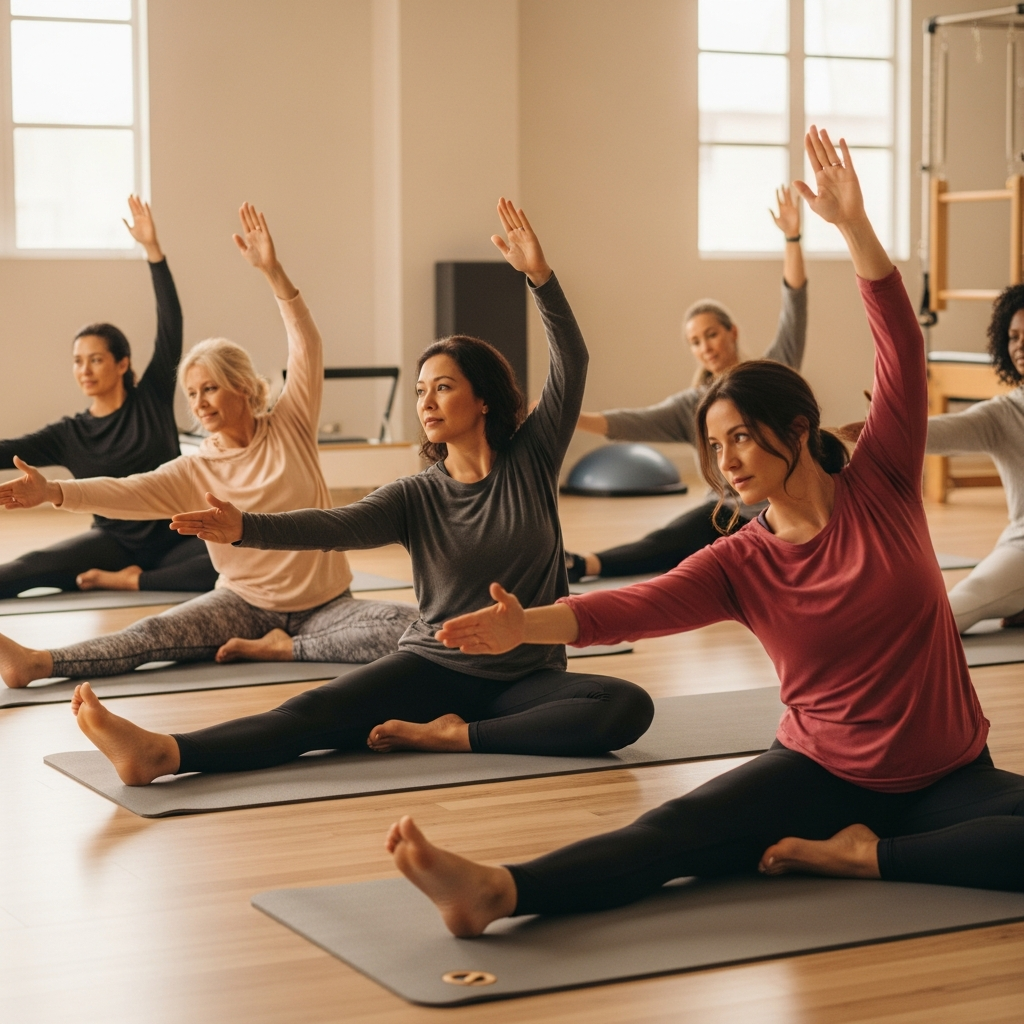
Pilates classes can be a great way to learn the correct techniques and benefit from the camaraderie of a group setting. In a class, you’ll encounter two main types of Pilates
1. Mat Classes: These classes are performed on a mat, often with props like fitness balls and resistance bands. It’s a good place to begin if you’re new to Pilates.
2. Reformer Classes: These classes use a specialized piece of equipment called a Reformer, a sliding platform with a stationary foot bar, springs, and pulleys that provide resistance. Reformer classes can be more intense and challenging than mat classes and are often recommended for individuals who have mastered the basic Pilates exercises.
**Choosing the Right Pilates Class:**
Here are some actionable tips to choose the right Pilates class
1. Assess Your Fitness Level: If you’re new to Pilates or have any health concerns, start with a beginner’s class. If you’re more experienced and looking for a challenge, opt for an intermediate or advanced class.
2. Check Instructor Credentials: Ensure your instructor is certified from a reputable Pilates training program. They should be able to modify exercises to accommodate different ability levels and health conditions.
3. Determine Your Goals: If you’re looking to enhance overall fitness and core strength, a mat class may be sufficient. If you’re seeking rehabilitation after an injury or wish to focus on precise areas, private sessions on the Reformer might be better.
Pilates, whether on a mat or a Reformer, offers numerous health benefits, including improved strength, balance, and flexibility. Remember, consistency is key in Pilates. Practice regularly, maintain proper form, and you will see positive changes in your body and mind.
Unraveling the Pilates Workout: Challenges, Solutions, and Expert Tips
Pilates is a unique form of exercise that specifically targets the body’s core muscles – the abdomen, lower back, hips, and thighs. But it’s not just about strengthening your core; it’s a holistic workout that emphasizes proper postural alignment, core strength, muscular balance, and flexibility. Despite its growing popularity, many misconceptions surround Pilates, which can lead to challenges for beginners. Let’s debunk some of these myths and provide solutions and expert tips for an effective Pilates workout.
Misconception 1: Pilates is only for women or dancers. Truth: Pilates is for everyone – men, women, athletes, dancers, seniors, and even those rehabilitating from injuries. It is a versatile and adaptable workout that can be modified to suit different fitness levels and needs.
Misconception 2: Pilates is easy. Truth: While Pilates may appear calm and controlled, it’s not always easy. The exercises require precision, control, and a strong mind-body connection. The challenge lies in performing the movements correctly rather than quickly.
Common Challenge: Maintaining correct form. Solution: As a beginner, understanding the correct form can be tricky. Pay close attention to your instructor during classes and don’t hesitate to ask questions or for modifications. Investing in a few private sessions can also provide personalized guidance. Remember, practice makes perfect!
Expert Tip: Always engage your core before initiating any movement. This will help you maintain good form and protect your spine.
Misconception 3: Pilates and Yoga are the same. Truth: While both promote strength, flexibility, and mindfulness, they are not the same. Pilates is more dynamic with a strong focus on core strength and stability, while yoga emphasizes flexibility and spirituality.
Common Challenge: Differentiating between Mat Pilates and Pilates Classes. Solution: Mat Pilates is usually a group class performed on a mat, using your own body weight for resistance. Pilates classes, however, may involve apparatus like the Reformer, Cadillac, and Wunda Chair, which provide resistance through springs. Both forms are beneficial but offer different experiences.
Expert Tip: Start with mat classes to understand the basic principles of Pilates. Once you’re comfortable, you can explore equipment-based classes for added variety and challenge.
Misconception 4: Pilates is a quick fix for weight loss. Truth: While Pilates can contribute to weight loss by increasing muscle tone and boosting metabolism, it should not be considered a quick fix. A balanced diet and regular cardio are also important for sustainable weight loss.
Common Challenge: Not seeing immediate results. Solution: Patience is key. Changes in the body take time and consistency. Focus on how you feel – increased strength, improved posture, reduced stress – these are all indicators of progress.
Expert Tip: Combine Pilates with cardio activities like swimming, cycling, or brisk walking for a well-rounded fitness routine.
Misconception 5: All Pilates exercises are safe for everyone. Truth: Like any workout, not all exercises are suitable for everyone. Individuals with certain health conditions or injuries should consult their doctor before starting Pilates.
Common Challenge: Feeling discomfort or pain during exercises. Solution: Listen to your body. If an exercise causes discomfort or pain, stop immediately and notify your instructor. They can provide modifications or alternative exercises.
Expert Tip: Always start with beginner classes or workouts and progress gradually. Overdoing it can lead to injury.
In conclusion, Pilates is a rewarding workout that offers numerous benefits when performed properly. Understanding its principles and addressing common challenges can enhance your experience and results. Remember to seek guidance from certified instructors, listen to your body, and most importantly, enjoy the process as you discover the transformative power of Pilates!
Discovering Pilates: A Comprehensive Guide to Your New Workout Regimen
Pilates is a unique form of exercise that emphasizes the balanced development of the body through core strength, flexibility, and awareness in order to support efficient, graceful movement. Originally developed by Joseph Pilates in the early 20th century, it’s now embraced worldwide for its health and fitness benefits.
Pilates can be performed on a mat, using your body weight for resistance, or on specialized equipment with springs to provide additional resistance. Both forms of Pilates focus on control and quality of movement rather than quantity, making it an effective and non-impact form of exercise that can be enjoyed by people of all ages and fitness levels.
### What To Expect In A Pilates Workout
Pilates workouts typically last between 45 to 90 minutes, covering a variety of exercises that aim to develop core control, improve posture, increase flexibility, and enhance mind-body awareness.
In a typical mat Pilates session, you can expect a series of floor exercises performed in a specific sequence. These exercises target the deep muscles of the abdomen and spine to improve overall stability and balance. You may use small pieces of equipment like magic circles, resistance bands, foam rollers, or Pilates balls to add challenge or assistance to your workout.
In a Pilates equipment class, you’ll use apparatus like the Reformer, Cadillac, or Wunda Chair. These machines use springs to create resistance, enabling a wide range of exercises to be performed in different positions – standing, sitting, lying down, or kneeling.
### The Pilates Journey: Timelines & Progress
Starting any new fitness regimen can feel daunting, but it’s important to remember that Pilates is a journey. It is not unusual to feel challenged by new movements and concepts in your initial sessions. However, with consistent practice, these exercises will become more familiar.
Beginner Pilates enthusiasts should aim for at least one to two sessions per week. After two to three months of regular practice, you can expect to see improvements in your strength, flexibility, and posture.
As you progress, you may wish to increase the intensity of your workouts by incorporating advanced exercises or using equipment like the Pilates Reformer. The beauty of Pilates lies in its versatility – there is always room to grow and challenges to meet, regardless of your fitness level.
### Next Steps: Incorporating Pilates Into Your Life
If you are considering including Pilates in your fitness routine, start by finding a qualified instructor or reputable Pilates studio. It’s essential to learn the proper form and techniques to maximize the benefits and prevent injury.
Some beginners find it helpful to start with private sessions before joining group classes, as this provides an opportunity to learn the basics and address any personal needs or concerns.
Remember, consistency is key in Pilates. Make time for regular practice, even if you can only spare 15 minutes a day. As Joseph Pilates himself said, “A few well-designed movements properly performed in a balanced sequence are worth hours of doing sloppy calisthenics.”
### Practical Guidance: Tips For Success
1. **Be patient with yourself**: Progress may seem slow at first, but remember that quality trumps quantity in Pilates. 2. **Focus on breath**: Breathing is crucial in Pilates. It helps engage your core, enhances your movement, and maintains your focus. 3. **Listen to your body**: If a movement doesn’t feel right, don’t force it. Your instructor can provide modifications. 4. **Invest in good equipment**: If practicing at home, ensure you have a good quality mat and consider investing in some basic Pilates equipment like resistance bands or a magic circle. 5. **Stay hydrated**: Like any physical activity, staying hydrated is important. Drink water before and after your workout.
In conclusion, Pilates is an engaging, versatile, and beneficial workout that suits people of all fitness levels. Whether you’re looking to enhance your flexibility, improve your core strength, or find an exercise that truly resonates with you, Pilates is a journey worth embarking on.
In conclusion, Pilates is much more than just a casual workout—it is a comprehensive exercise routine that focuses on the mind-body connection, balance, coordination, and strength. It’s a versatile and adaptable fitness regimen that can be tailored to meet the needs of individuals, regardless of their fitness level or experience.
Pilates is a unique form of exercise that emphasizes the balanced development of the body through core strength, flexibility, and awareness in order to support efficient, graceful movement. This distinctive approach sets it apart from many other forms of exercise. The focus on strengthening the core and improving postural alignment not only helps sculpt your body but also ensures it is functioning at its best.
One of the key takeaways from our discussion is that Pilates is not just about physical exertion—it’s also about mental awareness. It encourages you to be mindful of your body, your movements, and your breathing patterns. This mindfulness often translates to daily life, helping you move more efficiently, reducing the risk of injury, and improving your physical performance in other activities as well.
Another important point to remember is that Pilates is suitable for everyone. Whether you’re a seasoned athlete, a beginner, recovering from an injury, or even an expectant mother—Pilates can be modified and adapted to suit your individual needs and goals. It’s an inclusive workout method that respects your body’s limits while still pushing you to reach your potential.
Moreover, Pilates is not just about isolated exercises—it’s a comprehensive system of physical conditioning. The workout comprises hundreds of exercises that are performed on a mat or on specialized equipment. The variety keeps the workout interesting and challenging, ensuring that you’re continually progressing and adapting.
Lastly, Pilates is more than just a passing trend—it’s a sustainable way of staying fit and healthy. The benefits are not just short-lived but have long-term effects on your physical and mental well-being. Regular practice can lead to improved strength, increased flexibility, better coordination and balance, enhanced muscular control, improved posture, and a more toned body.
We hope this article has given you a comprehensive understanding of what Pilates is and how it can benefit you. However, the best way to truly understand and appreciate Pilates is to experience it for yourself.
We invite you to contact us and start your Pilates journey today. Whether you’re looking to start a new fitness regimen, complement your existing workout routine, or recover from an injury—our team of certified Pilates instructors can assist you. We offer a variety of classes catered to different skill levels and objectives. Get in touch with us to discuss your fitness goals and learn how Pilates can help you achieve them. Remember, your health and well-being are an investment, not an expense. So why wait? Start your Pilates journey today—it’s never too late to take the first step towards a healthier, stronger you.