Unraveling the Magic of Pilates: A Comprehensive Guide to Your New Favorite Workout
As you dive headfirst into the world of fitness and well-being, you may have come across the term ‘Pilates’ more than once. This workout regime has been around for almost a century, gaining substantial traction in recent years for its positive impact on both physical and mental health. If you ever found yourself wondering, “What kind of workout is Pilates?”, then you’re in the right place. This comprehensive guide will help you understand the essence of Pilates, the magic of mat Pilates, and how Pilates classes can transform your fitness journey.
Pilates is not just another workout fad; it’s a holistic approach to wellness that harmonizes the mind, body, and spirit. It’s an exercise method that will challenge your strength, flexibility, and concentration. As Joseph Pilates, the founder of this profound exercise system, once said, “In 10 sessions you’ll feel the difference, in 20 you’ll see the difference, and in 30 you’ll have a new body.”
So, why should you care about Pilates? The simple answer is that this low-impact exercise regime benefits everyone, regardless of age or fitness level. Whether you’re an office worker struggling with posture issues, an athlete looking to enhance your performance, or someone just wanting to keep fit and healthy, Pilates offers a wide array of benefits that extend far beyond the mat.
In this comprehensive guide, we will delve into the nitty-gritty of Pilates, its origin, principles, and various forms – with a special focus on mat Pilates. We will also discuss what to expect from a typical Pilates class, and how to prepare for one.
To begin with, we will explore what sets Pilates apart from other workouts. Unlike many other forms of exercises that focus on mindless repetitions, Pilates emphasizes mindful movements and quality over quantity. It is centered around the philosophy of control, precision, and focus.
Next, we will delve into the heart of mat Pilates. While Pilates can be performed using various equipment, mat Pilates relies solely on your body weight and gravity. It’s a great entry point for beginners and a challenging variation for seasoned practitioners.
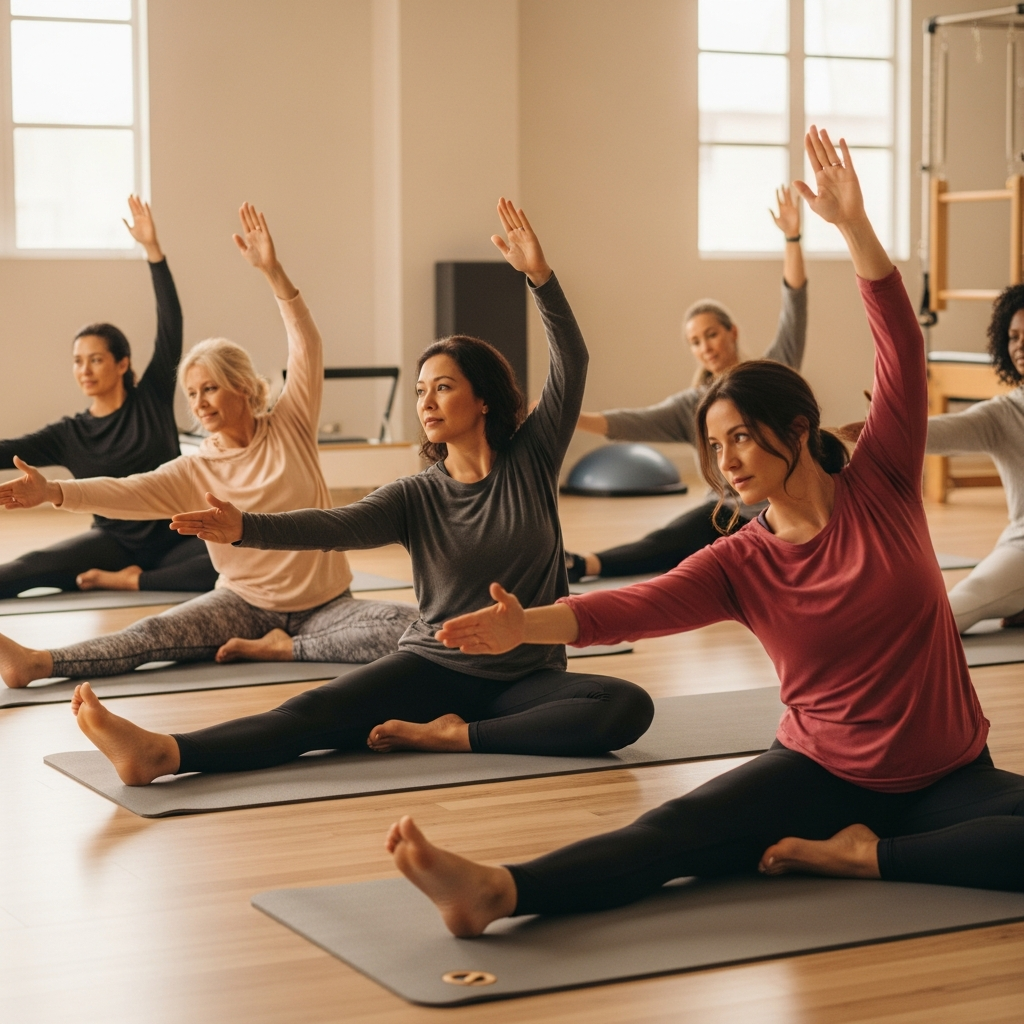
Then, we will take you through a virtual tour of a typical Pilates class. From the ambiance of the studio, the warmth of the instructors, to the structure of the sessions, we will provide insights into what you can expect from your first Pilates class, and how you can make the most out of it.
Finally, we will share some tips and tricks on how to prepare for a Pilates class – what to wear, what to bring, and what mindset to carry.
Understanding Pilates is more than learning a new form of workout; it’s about embracing a lifestyle that promotes balance, strength, and inner peace. Whether you are a fitness enthusiast or someone just starting your fitness journey, this guide promises to equip you with the knowledge and inspiration to incorporate Pilates into your routine.
As you navigate through this guide, remember that every body is unique and every individual’s experience with Pilates will be different. The beauty of Pilates lies in its adaptability – it can be as gentle or as challenging as you need it to be.
So buckle up and embark on this exciting journey towards improved health, enhanced fitness, and a renewed sense of well-being. Let’s unravel the magic of Pilates together.
Pilates: An Overview
Pilates is a comprehensive mind-body workout that was developed in the early 20th century by Joseph Pilates. It is a low-impact exercise methodology that emphasizes physical balance, core strength, flexibility, and mind-body connection. The name ‘Pilates’ comes from its creator, who believed that mental health and physical health are interrelated.
The Pilates method of exercise is unique in its approach, as it combines elements of yoga, martial arts, and Western forms of exercise. It was initially designed to assist injured dancers and soldiers in safely regaining their physical strength and overall fitness. Today, Pilates has evolved into a versatile fitness tool that can benefit everyone, regardless of age or fitness level.
Pilates is centered around six fundamental principles: concentration, control, centering, flow, precision, and breathing. These principles lay the foundation for the Pilates workout.
Concentration is the first principle and is fundamental to the practice of Pilates. Pilates demands intense focus; each movement needs to be performed with total attention to maximize its effectiveness.
Control is the second principle. Every Pilates exercise is done with complete control of the muscles being used. There are no random or uncontrolled movements in Pilates. This not only ensures a safe workout but also helps to develop an understanding of how your body moves and functions.
Centering is the third principle and refers to the concept of physically bringing the focus to the center of the body (the powerhouse area which encompasses the abdomen, lower back, hips, and buttocks). All Pilates exercises are sourced from this powerhouse, which makes this form of exercise beneficial for developing core strength.
The fourth principle is flow. This principle refers to the smooth, continuous transitions between each exercise. The aim is to create a workout that flows efficiently with minimal wasted effort. The movements are not rushed but are done with grace and fluidity.
Precision, the fifth principle, is integral to Pilates. In Pilates, the focus is on doing one precise and perfect movement, rather than many half-hearted ones. Every movement has a purpose, and every instruction is crucial to the success of the overall exercise.
The last principle is breathing. Proper breathing is essential in Pilates. It oxygenates the blood, helps to maintain concentration and control, and activates the muscles. Joseph Pilates emphasized using a very full breath in his exercises. He believed that it was important to fully exhale to help strengthen the core muscles.
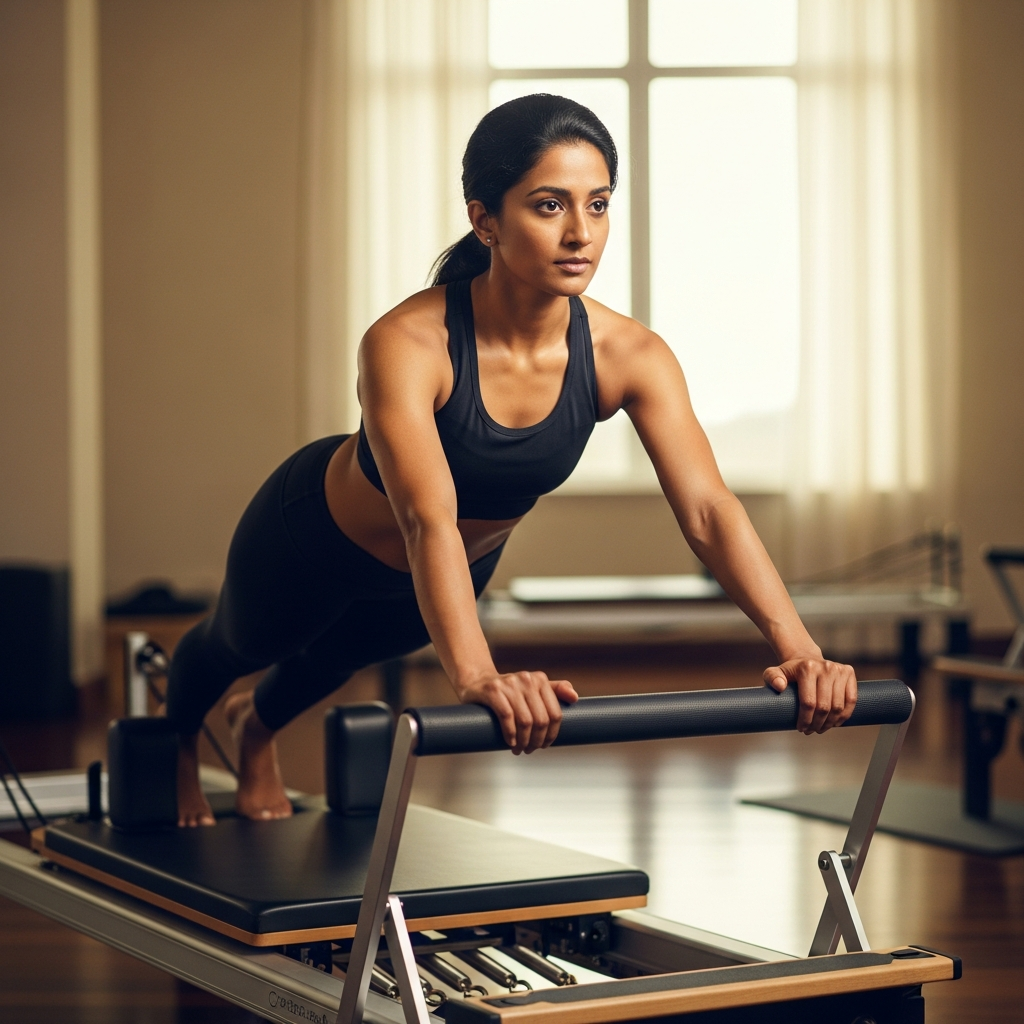
The Pilates workout is typically divided into mat work and apparatus work. Mat work involves a series of exercises performed on a mat, using your own body weight as resistance. Apparatus work involves the use of specially designed equipment, like the reformer, a sliding platform with spring resistance.
Pilates exercises are designed to stretch, strengthen, and balance the body. They target the core muscles but also work other areas such as the buttocks, thighs, arms, and back. Pilates workouts can be tailored to individual needs, and they are often used in physical therapy programs to speed recovery from injuries.
Pilates is more than just a workout. It’s a method of conditioning that develops body awareness, improves posture, and enhances physical grace. It’s a discipline that promotes mindfulness and sharpens your focus. It’s a lifestyle choice that encourages healthy habits and a positive body image.
In conclusion, Pilates is a versatile workout that can benefit everyone. It’s an excellent choice for those who want to improve their physical strength, flexibility, balance, and mental focus. Whether you’re young or old, fit or out of shape, Pilates has something to offer you.
Pilates is a dynamic workout method that challenges the body, mind, and spirit through controlled movements, stretches, and breathwork. Rooted in the principles of concentration, control, centering, flow, precision, and breathing, Pilates can transform your physical and mental wellness. Whether you are a beginner or an experienced athlete, Pilates can be tailored to your needs, offering a variety of exercises that can be done on a mat or specialized equipment.
Let’s delve into the distinctive characteristics that make Pilates an exceptional workout regime.
**Understanding Pilates**
Developed by Joseph Pilates in the early 20th century, Pilates focuses on the harmonious integration of body and mind. Unlike other workout methods that emphasize repetition and intensity, Pilates accentuates precise movements that require mental focus and physical control. This approach results in improved posture, muscle tone, balance, and joint mobility without adding bulk or stressing your joints.
**The Two Types of Pilates**
Pilates can be divided into two categories: mat Pilates and reformer Pilates.
***Mat Pilates***
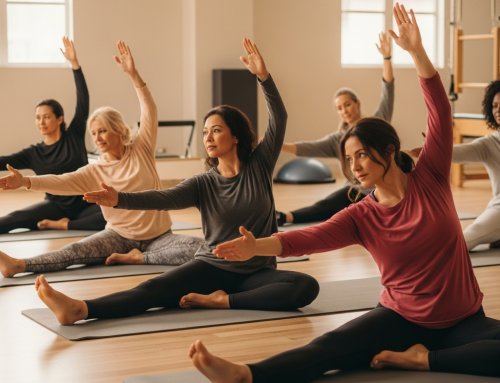
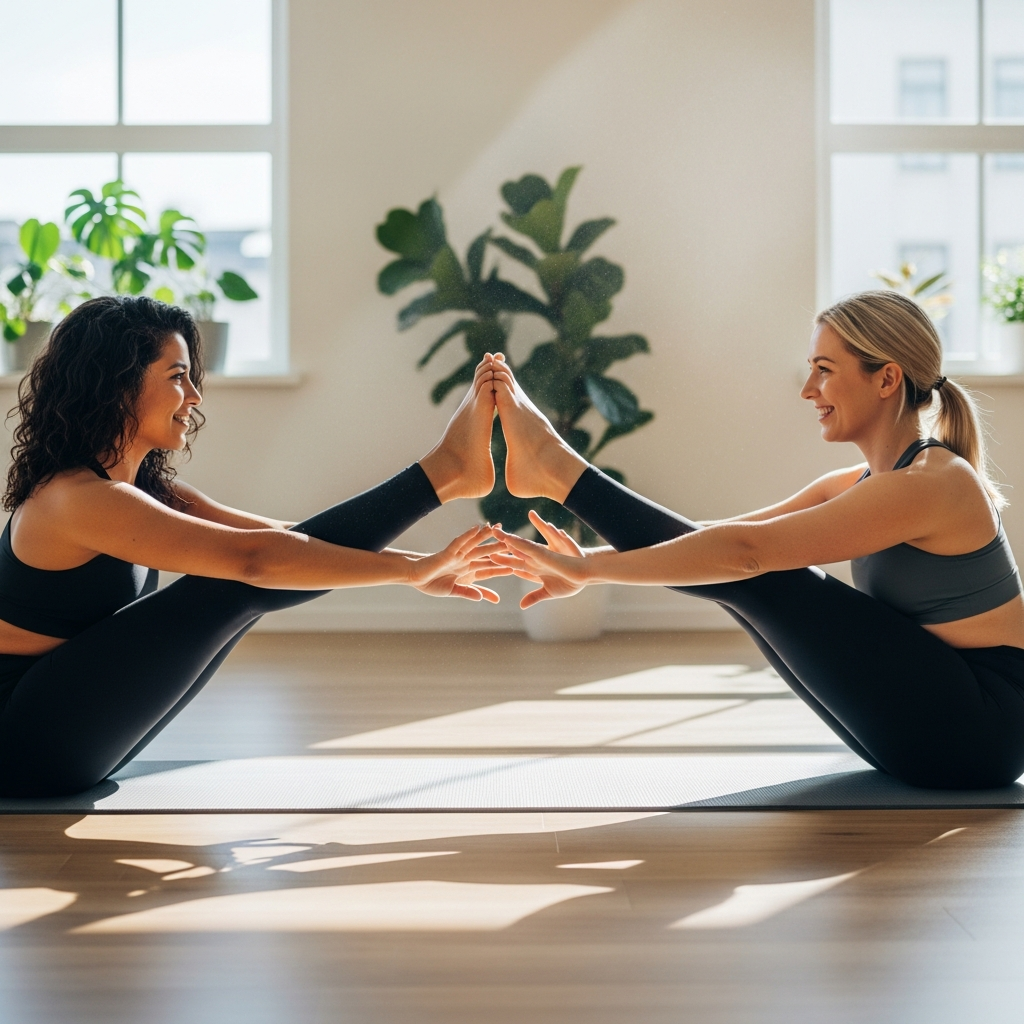
As the name suggests, mat Pilates is performed on a mat, much like yoga. It focuses on using your own body weight as resistance and concentrates on strengthening the core. The exercises are often slow and controlled, emphasizing proper posture and precise movement.
For instance, ‘the hundred’ is a classic mat Pilates exercise. To perform this exercise
1. Lie flat on your back on the mat. 2. Lift your legs to a 45-degree angle while keeping them straight. 3. Curl your head and shoulders off the mat while extending your arms straight towards your feet. 4. Pump your arms up and down while inhaling for five counts and exhaling for five counts. 5. Repeat for a total of 100 counts.
***Reformer Pilates***
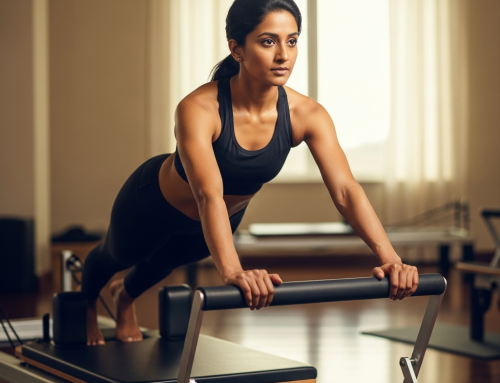
Reformer Pilates is performed on a piece of equipment called a “reformer”. The reformer includes a flat platform that moves back and forth on wheels within a frame. It uses springs for resistance, along with several attachments for a versatile series of exercises. The resistance created by the pulley and spring system can provide a more challenging strength and endurance workout than mat Pilates.
A popular reformer Pilates exercise is the ‘footwork’. Here’s how to perform it
1. Lie on your back on the reformer with your feet on the footbar. 2. Extend your legs fully while pushing the carriage away. 3. Bend your knees and control the carriage as it comes back in. 4. Repeat this series with feet in different positions (heels, toes, wide, narrow) to work different muscle groups.
**Choosing the Right Pilates Class**
Now that you understand what Pilates is and the difference between mat and reformer Pilates, it’s important to choose the right class for you.
***Beginner Classes***
If you’re new to Pilates, look for beginner classes. These classes focus on fundamental movements and exercises, helping you build a strong foundation before progressing to more advanced techniques.
***Intermediate and Advanced Classes***
As you become more comfortable with Pilates, you might want to explore intermediate or advanced classes. These classes incorporate more challenging exercises and sequences, offering a more intense workout.
***Specialized Pilates Classes***
There are also specialized Pilates classes targeting specific needs such as prenatal Pilates for expectant mothers, post-rehabilitation Pilates for those recovering from injuries, and athletic performance Pilates for athletes wanting to enhance their performance.
In conclusion, Pilates is a versatile workout that can meet various fitness goals and needs. Whether you’re looking to improve your posture, increase core strength, enhance flexibility, or simply introduce a new exercise regime into your life, Pilates offers a powerful way to engage your body and mind. Remember to always consult with a professional before starting any new workout regimen and ensure you’re performing the exercises correctly to avoid injury. Happy practicing!
Understanding Pilates: A Comprehensive Guide to Challenges, Solutions, and Expert Tips
Pilates is a holistic workout regimen that focuses on core strength, flexibility, and overall body awareness. Rooted in the philosophy of mind-body connection, it is often associated with ballet dancers or athletes due to its emphasis on alignment and precision. This article aims to demystify Pilates, addressing common misconceptions, challenges, solutions, and providing expert tips for beginners and enthusiasts alike.
Misconceptions and Clarifications
One of the common misconceptions about Pilates is that it’s only for the flexible or fit. This couldn’t be further from the truth. Pilates is for every body type, age, and fitness level. The exercises are designed to be modified to suit individual needs, making them accessible for beginners, those recovering from injuries, or seasoned fitness enthusiasts.
Another myth is that Pilates is similar to Yoga. While both emphasize mind-body connection, Pilates focuses more on strength, muscle toning, body control, and flexibility. Unlike Yoga, which includes spiritual and meditative elements, Pilates is predominantly a physical exercise regimen.
Common Challenges
One of the primary challenges faced by beginners in Pilates is mastering the art of controlled movements. Pilates exercises require controlled, precise movements and breathing patterns that can be difficult for newcomers. Overcoming this challenge requires patience and consistent practice.
Another challenge is the misconception that faster equals better. In Pilates, slower is often better as it demands more control and precision, leading to better results. It’s not about how many repetitions you can do in a minute, but how well you can perform each move.
Solutions
To overcome the challenge of controlled movements, start slow. Familiarize yourself with basic Pilates principles like centering, concentration, control, precision, breath, and flow before moving on to more complex exercises. This will help you build a strong foundation.
To combat the misconception that faster is better, remind yourself that Pilates is not about speed. Quality over quantity is the mantra. Remember, it’s more beneficial to perform a few exercises with perfect form than many with poor form.
Expert Tips
1. Choose the Right Class: There are various types of Pilates classes, including Mat Pilates and Reformer Pilates. Mat Pilates is done on the floor using a mat and your body weight, making it great for beginners. Reformer Pilates uses a machine for added resistance and is generally more challenging. Choose a class that suits your fitness level and goals.
2. Mind Your Breathing: Proper breathing is fundamental in Pilates. Deep, controlled breathing helps activate your muscles, maintain control, and improve focus. It’s important to synchronize your breath with your movements for maximum benefits.
3. Listen to Your Body: While it’s good to push yourself, never force your body into positions that cause discomfort or pain. Pilates should feel challenging but not painful. If you feel pain, stop and seek guidance from your instructor.
4. Consistency is Key: Like any workout regimen, consistency is crucial in Pilates. Regular practice helps improve strength, flexibility, and muscle tone. Aim for at least two sessions per week for noticeable results.
5. Seek Professional Guidance: Lastly, while there are numerous Pilates resources available online, nothing beats the guidance of a certified Pilates instructor, particularly for beginners. They can correct your form, modify exercises to suit your level, and provide personalized advice to maximize your Pilates experience.
In conclusion, Pilates is an adaptable and comprehensive workout that caters to everyone. Though it comes with its set of challenges, the right approach, coupled with consistency and professional guidance, can help you overcome these hurdles and reap the many benefits of this holistic fitness regimen.
The Unveiling of Pilates: Expectations, Timelines, and Next Steps
Pilates is a holistic workout discipline that focuses on core strength, flexibility, balance, and endurance. Originally designed by Joseph Pilates in the early 20th century, it is a low-impact exercise regimen emphasizing proper postural alignment, core strength, and muscle balance. Pilates can be performed on a mat or using specific equipment like a Reformer.
As opposed to conventional workouts, where specific muscle groups are isolated and worked upon, Pilates engages the whole body to ensure balanced muscle development. This fitness system includes a series of controlled movements that tone the body, improve balance, and enhance flexibility while promoting mind-body synergy.
Expectations from a Pilates Workout
In a typical Pilates class, you can expect to do a series of movements that will challenge your strength, flexibility, and balance. These movements are performed on a mat or using specialized equipment, depending on the type of class you’ve selected.
These exercises are designed to target your ‘powerhouse’ or core – the area from your lower abdominals through to your lower back. However, in Pilates, every part of the body gets a workout. It’s not unusual to find your legs, arms, and even your feet engaging in unfamiliar ways.
One of the defining features of Pilates is its emphasis on form and alignment. Expect your instructor to frequently correct your posture and technique. This focus on alignment decreases the risk of injury and increases the efficiency of your workout.
Timelines:
The timeline for seeing results from Pilates can vary based on factors such as your frequency of workouts, your level of fitness when you begin, and whether you’re practicing mat or equipment-based Pilates. However, with consistent practice — ideally three times per week — you might start noticing improvements in strength, posture, and overall muscle tone within a few weeks.
Joseph Pilates himself famously said, “In 10 sessions, you feel better, 20 sessions you look better, 30 sessions you have a completely new body.” While this timeline might not hold true for everyone, it underscores the importance of consistency and commitment in experiencing the transformative effects of Pilates.
Next Steps:
If you’re interested in starting Pilates, the first step is to find a class that suits your needs. Pilates can be categorized into two main types — mat Pilates and reformer Pilates.
Mat Pilates is performed on the floor using a yoga or Pilates mat, requires no special equipment, and can be done virtually anywhere. It is a great place to start your Pilates journey as it introduces you to the basic principles and exercises.
Reformer Pilates is performed on a machine called a reformer, which features a sliding carriage and adjustable springs to regulate tension and resistance. Reformer Pilates classes tend to be more intense than mat classes, offering a more dynamic, whole-body workout.
Before joining a class, do some research to ensure the studio and instructor are reputable. Look for instructors who are certified from recognized institutions.
Remember, it’s important to start slow. Don’t be discouraged if you find the exercises challenging at first. Over time, as your core strength and flexibility increase, you’ll be able to perform the movements with greater ease.
In conclusion, Pilates is a comprehensive workout system that can transform your body and mind. With patience, persistence, and proper guidance, you’ll soon start to notice improvements in your overall health and fitness. Remember, the journey of Pilates is not just about the destination — it’s about how you get there.
In conclusion, we hope that this comprehensive guide has helped you to better understand what Pilates is all about. Pilates is a versatile and adaptable workout method that is suited to people of all ages, fitness levels, and abilities. It offers numerous benefits, including improved flexibility, enhanced strength, better posture, increased core stability, and improved mental wellbeing.
By focusing on the core principles of control, concentration, centering, precision, breath, and flow, Pilates connects the mind and body to create a harmonious balance. Whether you’re recovering from an injury, looking to enhance your athletic performance, or simply wanting to improve your overall wellbeing, Pilates could be the perfect choice for you.
Unlike other workouts that target specific muscle groups, Pilates aims to improve the body as a whole. It develops a strong core, which is the foundation for overall strength and stability, and helps to improve posture and alignment. This not only helps to prevent injuries but also enhances performance in other activities and sports.
Moreover, Pilates is unique in its ability to be modified according to individual needs and goals. Whether you’re a beginner looking for a gentle introduction to exercise or an athlete seeking to challenge yourself, there is a Pilates workout for you.
Mental wellness is another area where Pilates shines. Through its emphasis on mindful movement and breath control, Pilates can help to reduce stress and promote a sense of calm and relaxation. This makes it an excellent choice for anyone seeking a holistic approach to fitness that encompasses both physical and mental wellbeing.
Pilates is not just a workout; it’s a lifestyle change that promotes healthier habits and a more active lifestyle. By incorporating Pilates into your routine, you’re not only working towards a fitter body but also a healthier mind.
We understand that starting a new fitness routine can be daunting. The plethora of information available can make it challenging to know where to start or how to incorporate Pilates into your existing routine. That’s why we’re here to help.
Whether you’re new to Pilates or an experienced practitioner looking to deepen your practice, our team of qualified instructors is ready and eager to assist. We offer a range of classes to suit all levels and provide tailored guidance to ensure that everyone gets the most out of their Pilates experience.
So why wait? Start your Pilates journey today. Contact us to find out more about our services or to book your first class. We can’t wait to help you discover the incredible benefits of Pilates and support you on your journey to improved fitness and wellbeing. Remember, every journey starts with a single step, and taking the plunge into Pilates could be the step that leads you towards a healthier and more active life. So, don’t hesitate, get in touch with us today. Your body and mind will thank you.