Are you on the hunt for a workout that not only helps build your strength but also promotes improved body alignment and enhances your overall sense of well-being? If so, it might be time for you to dive into the world of Pilates. A fitness system designed to strengthen the body, enhance mobility, and promote mindful movement, Pilates can be an incredibly beneficial addition to anyone’s fitness routine.
Pilates is not just a workout; it’s a comprehensive system of physical and mental conditioning. It’s about moving your body in better ways, reducing your risk of injury, and enhancing your physical performance in every aspect of life, whether that’s professional sports or simply getting through the day without discomfort. So if you’ve ever wondered what kind of workout Pilates is, you’re in the right place.
In this blog post, we will delve into the rich history and philosophy of Pilates, the benefits it offers, and different types of Pilates such as mat Pilates and reformer Pilates. We’ll explain how it differs from other forms of exercise and why it’s not just another gym class. We believe that understanding what Pilates is all about will help you appreciate why it matters to your health, fitness, and overall well-being.
Developed in the early 20th century by Joseph Pilates, a German physical trainer, this exercise system aims to unite mind and body through its unique approach. Today, millions worldwide enjoy the benefits of Pilates, and it’s recommended by many health professionals as a tool for injury recovery, prevention, and overall wellness.
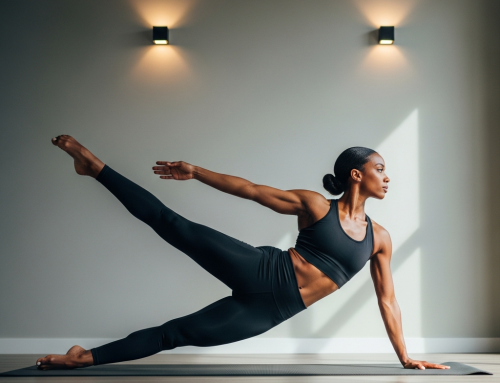
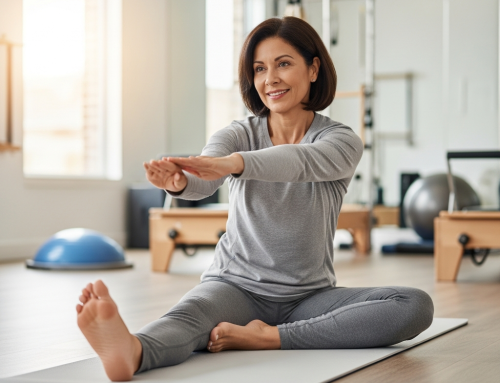
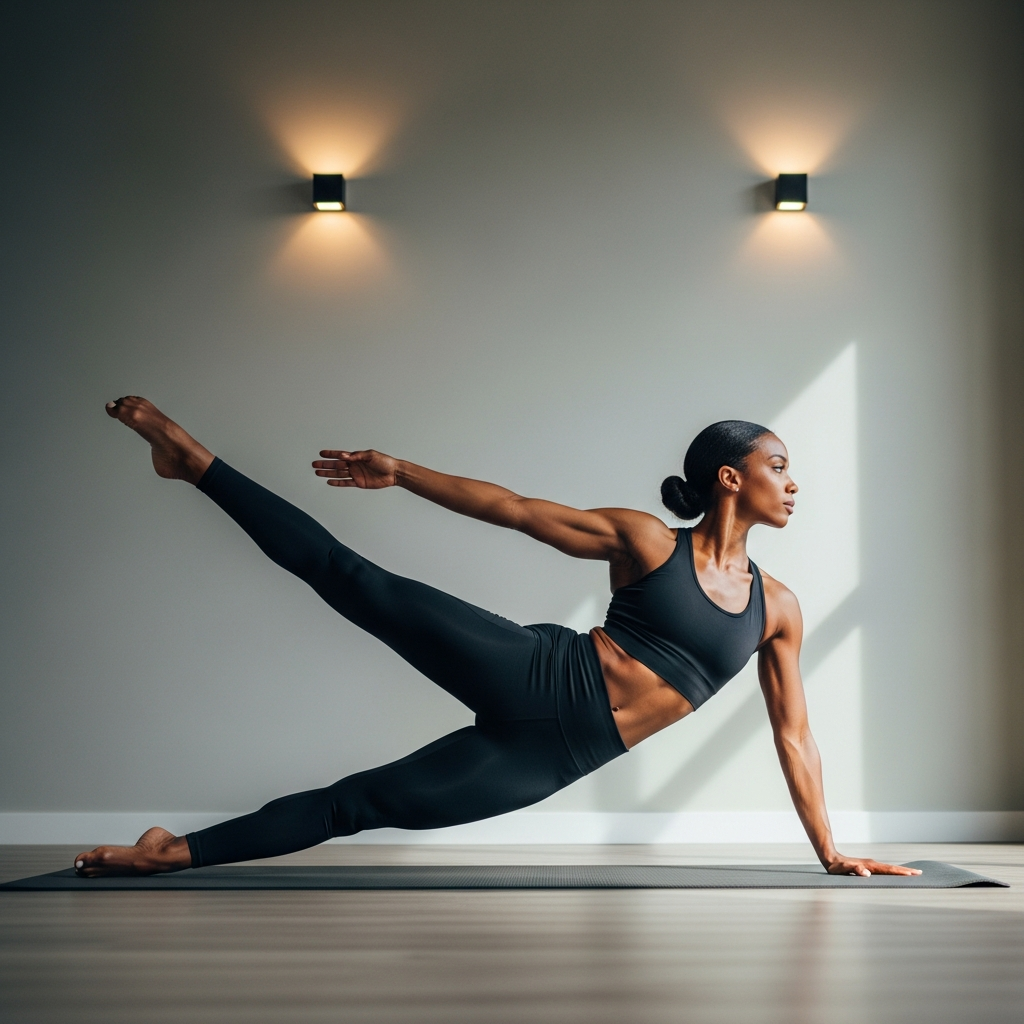
First, we’ll explore Mat Pilates. It is performed on the floor using an exercise mat and employs controlled breathing during body weight resisted movement to build core strength. It’s a great way to start your Pilates journey as it lays the foundation for many principles used in its various forms.
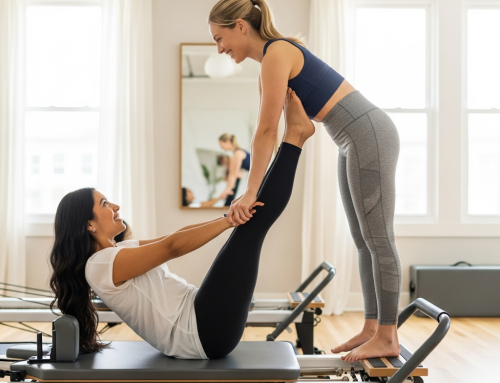
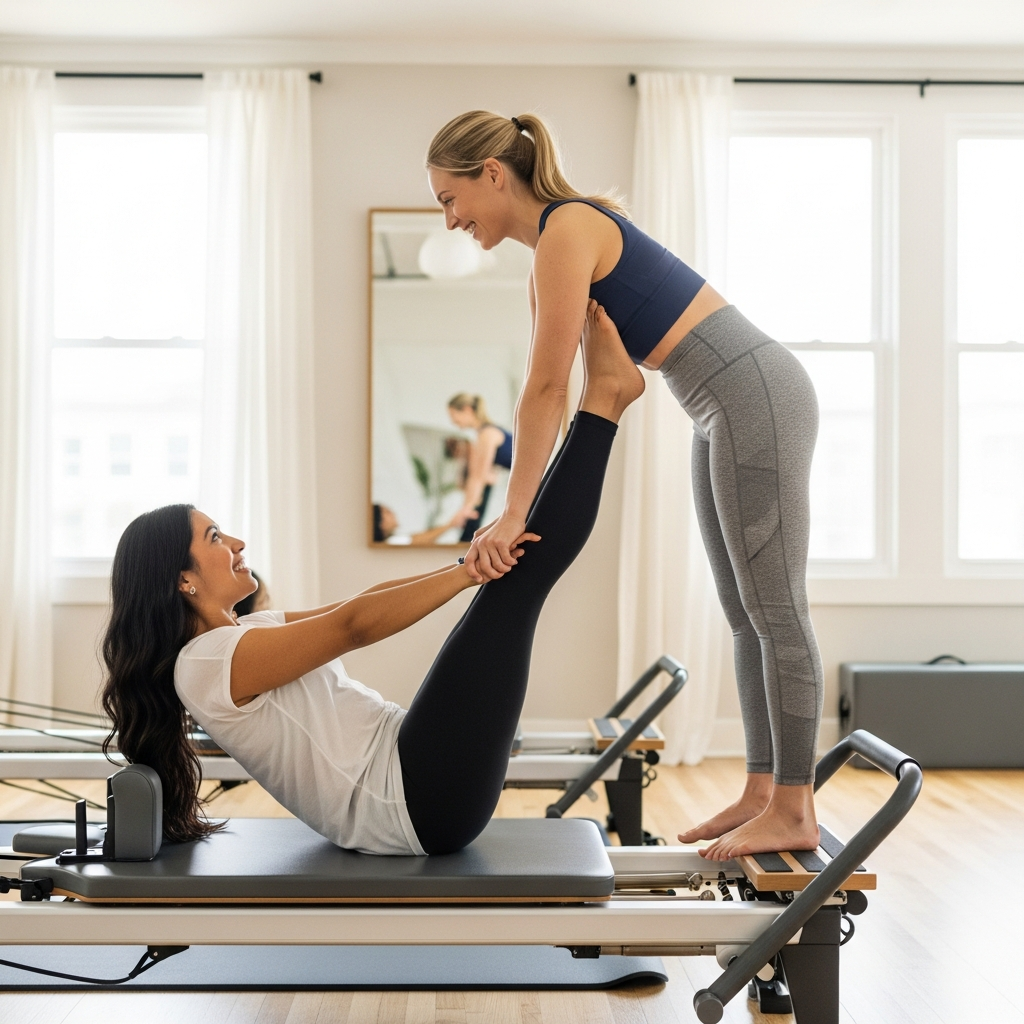
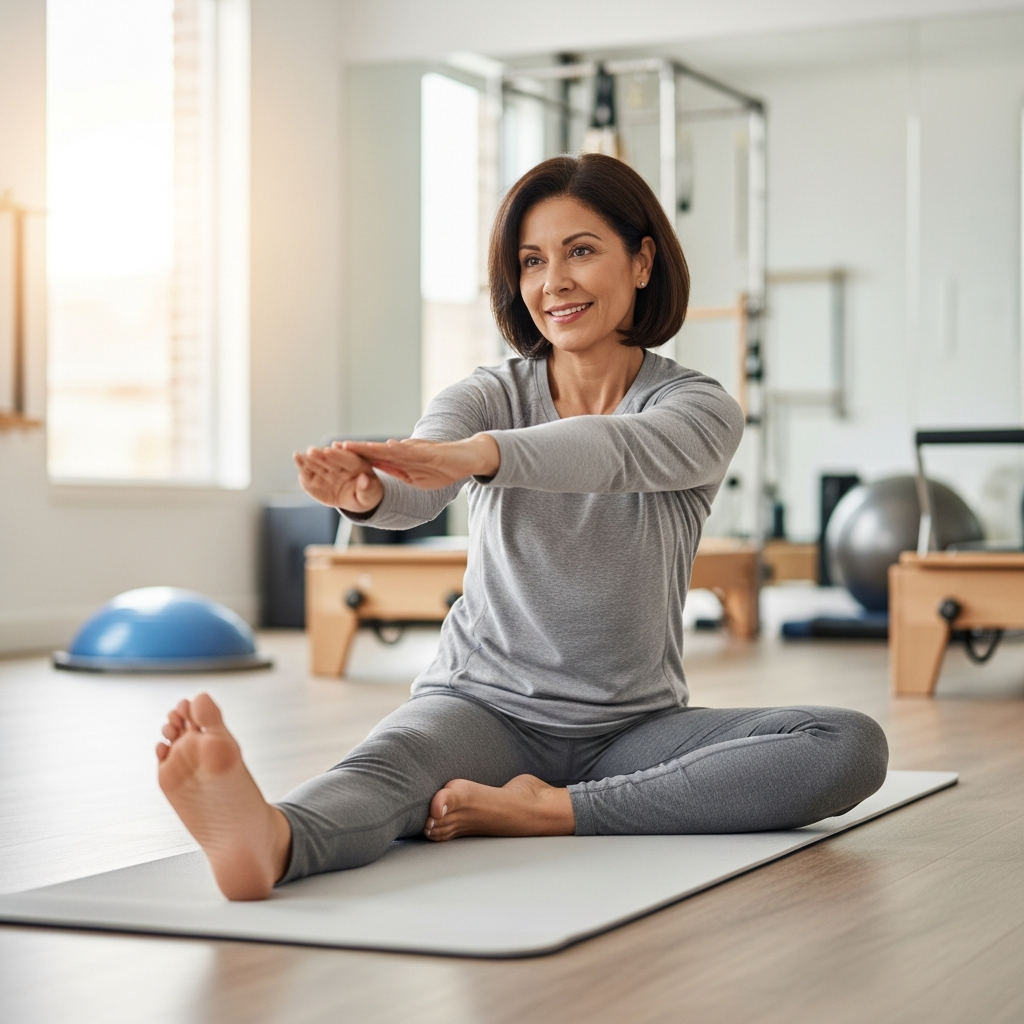
Next, we’ll take a closer look at Reformer Pilates. This form of Pilates utilizes a specially designed piece of equipment known as a Reformer. The Reformer adds resistance to the Pilates exercises via the use of the springs which form part of the machine. Reformer Pilates can be adapted to perform hundreds of exercises and is suitable for every fitness level.
The beauty of Pilates is its adaptability and accessibility. Whether you’re young or old, fit or out of shape, flexible or stiff as a board, Pilates has something to offer you. It’s not about perfection; it’s about making steady progress at your own pace.
So why should you care about Pilates? Well, if you want an exercise system that not only makes you stronger and more flexible but also improves your posture, balance, and coordination, Pilates could be just what you need. And if you’re interested in an exercise form that helps reduce stress, enhance body awareness, and promote mental focus, then Pilates could indeed be your workout of choice.
By the end of this blog post, our aim is to give you a deeper understanding of what a Pilates workout entails – the principles it’s based on, the benefits it provides, and the different forms it comes in. Whether you’re a fitness enthusiast looking for a new challenge, a beginner seeking a safe and effective way to get in shape, or someone recovering from injury, we believe that Pilates has much to offer. So let’s dive into this fascinating world of strength, flexibility, balance, and mindful movement. Welcome to the world of Pilates!
Unraveling the Core of Pilates: A Comprehensive Guide to This Unique Workout Regime
Pilates, an innovative fitness regime designed to improve physical strength, flexibility, balance, and mental awareness, has grown in popularity over the decades. With its roots reaching back to the early 20th century, the practice of Pilates has evolved to become a quintessential part of the fitness world, offering a holistic approach to body conditioning and maintenance.
Devised by Joseph Pilates during World War I, this fitness method was initially created to assist injured dancers and soldiers in improving their physical strength and recovery process. Pilates believed that the key to achieving optimal health lies within the balance of mind, body, and spirit. His philosophy, “First educate the child,” emphasizes the importance of teaching children about physical fitness as a preventative measure for illness and imbalance in later life.
The Pilates workout is much more than a series of repetitive exercises. It is a disciplined practice that demands concentration and commitment from its practitioners. Unlike traditional workouts that focus on specific muscle groups, Pilates addresses the body as an integrated whole. It aims to foster a deep connection between the mind and body by coordinating breath, concentration, control, precision, flow, and centering – these six principles form the core of Pilates and make it distinct from other fitness workouts.
Breathing is a fundamental aspect of Pilates. Joseph Pilates advocated for the idea of ‘forced exhalation,’ where one expels all the air from the lungs in order to stimulate circulation and awaken muscles. This type of breathing has been shown to better oxygenate the blood, reduce stress, and even improve digestion.
Concentration is another pillar in the Pilates workout. When performing each movement, students are encouraged to be fully present and mindful. This level of attention helps in gaining maximum value from each movement and fosters a heightened level of body awareness.
Control, rather than high intensity or repetition, is the key in Pilates. Each movement should be performed with the utmost control to avoid injury and ensure effectiveness. This focus on control helps to improve coordination and balance, strengthen the body’s core muscles, and enhance overall physical performance.
Precision is a crucial element in Pilates. The aim is not to perform a high number of exercises but to execute a few with perfect form. This precision leads to superior muscle control and balance over time.
Flow is the seamless, graceful, and fluid transition from one exercise to the next, creating a strong connection between the mind and body. This principle encourages efficiency of movement, contributing to increased flexibility and gracefulness.
Finally, centering refers to the concept of focusing on the body’s core (the area between the lower ribs and pubic bone) during workouts. Joseph Pilates referred to this area as the ‘powerhouse’ of the body, believing that all energy for exercise starts here and then radiates outwards.
A typical Pilates workout includes a variety of exercise sequences that are performed on a mat or specially designed Pilates equipment like the Reformer, Cadillac, and Wunda Chair. These workouts are designed to challenge the body’s strength, flexibility, and endurance while maintaining a focus on mindfulness and breath control.
Pilates is suitable for all fitness levels and ages because of its emphasis on controlled, precise movements and low impact on joints. It can be particularly beneficial for individuals seeking post-rehabilitative exercise or those looking to improve their athletic performance.
In conclusion, Pilates is not just a workout – it’s a way of life. It encourages practitioners to be mindful of their bodies, making it a holistic practice that promotes overall health and wellbeing. Whether you’re a fitness enthusiast looking for a new challenge or someone just venturing into the world of exercise, Pilates offers a comprehensive workout that strengthens the body, calms the mind, and uplifts the spirit.
Pilates: A Comprehensive Exercise Guide
If you’re considering a fitness regimen that can enhance your strength, flexibility, and mental awareness, Pilates could be the perfect choice for you. But what exactly is Pilates, and how can you incorporate it into your routine? Let’s break it down.
Pilates is a physical fitness system developed in the early 20th century by Joseph Pilates, a German physical trainer. It emphasizes the balanced development of the body through core strength, flexibility, and awareness to support efficient, graceful movement.
There are two basic forms of Pilates: Mat Pilates and Reformer Pilates.
1. Mat Pilates: This form of Pilates is performed on a mat and uses your body weight as resistance. It primarily focuses on strengthening the body’s core, which includes the muscles of the abdomen, back, and hips, often referred to as the “powerhouse.”
A typical Mat Pilates workout might include a series of exercises such as The Hundred (a breathing exercise that also targets core strength and stability), The Roll-Up (a slow, precise move that stretches the spine and the muscles of the back and hamstrings), Leg Circles (which promote hip flexibility and core stability), and The Teaser (a complex move that strengthens the entire powerhouse).
To get started with Mat Pilates at home, all you need is a yoga or Pilates mat. Start with simple exercises like pelvic curls or chest lifts, gradually increasing intensity as your strength improves. Remember to keep your movements slow and controlled—Pilates is about quality, not quantity.
2. Reformer Pilates: This form uses a special machine called a Reformer, which is a sliding platform with a stationary foot bar, springs for resistance, and straps to hold onto. Reformer Pilates workouts are more intense and dynamic than mat workouts because they add resistance to the Pilates exercises via the use of the springs which form part of the machine.
A typical Reformer Pilates workout might include exercises like Footwork (which targets leg strength and flexibility), Leg Circles and Froggies (which improve hip flexibility, leg strength, and core stability), Front Splits (which promote hip flexibility and leg strength), and Rowing (which strengthens the back, shoulders, and arms).
If you’re interested in trying out Reformer Pilates, look for a local studio that offers classes. Most studios will offer beginner classes where you can learn the basics under the guidance of a certified instructor. It’s crucial to start slow and gradually increase the intensity of your workouts to avoid injury.
In conclusion, whether you choose Mat or Reformer Pilates, remember that this is a discipline that emphasizes mind-body connection—so maintain your focus on your body and breath as you perform the exercises. With time, you’ll improve your strength, flexibility, and overall health.
Pilates is more than just a workout—it’s a lifestyle that encourages body awareness, mindful movement, and balanced strength. By incorporating Pilates into your regular fitness routine, you’re investing in a healthier, more mindful future for your body.
Demystifying Pilates: Your Ultimate Guide to Understanding and Mastering this Unique Workout
Pilates is a unique form of exercise developed by Joseph Pilates in the early 20th century that harmonizes mind, body, and spirit. This workout method emphasizes the body’s core — the abdomen, obliques, lower back, inner and outer thigh, and so on. It’s a full-body fitness regimen that uses a variety of equipment, such as the reformer, Cadillac, and Wunda Chair, as well as mat exercises.
However, as popular as Pilates is becoming, several misconceptions and challenges often prevent people from diving into this transformative workout. This article aims to debunk these misconceptions, address common challenges, and offer expert tips to help you fully harness the benefits of Pilates.
Misconceptions About Pilates
1. Pilates is just for women: This is one of the most common misunderstandings. Pilates was created by a man (Joseph Pilates) for men, although it benefits everyone. It enhances flexibility, strength, and balance, which are essential for both genders.
2. Pilates is like Yoga: Though they share similarities in fostering mind-body connection, Pilates focuses more on strength, muscle toning, body control, and flexibility with an emphasis on the body’s core.
3. Pilates is easy: While it’s true that Pilates exercises can be modified to fit different fitness levels, when performed correctly with the proper form and control, it can be challenging even for seasoned athletes.
Now, let’s delve into some challenges and solutions.
Common Challenges in Pilates and Solutions
1. Difficulty with Concentration: Pilates requires intense focus as each exercise needs to be done with proper form and control. Beginners may find this challenging. Solution: Start with basic exercises and gradually work your way up to more complex moves as your concentration improves.
2. Struggling with Breath Control: In Pilates, breath control is crucial. Some people find it hard to coordinate their movements with their breathing. Solution: Practice deep, controlled breathing even outside your workout sessions. Over time, this will enhance your lung capacity and make breath control easier during workouts.
3. Difficulty in Maintaining Consistency: Like any fitness regimen, consistent practice is key to seeing results in Pilates. It can be challenging to stick to a routine especially if you’re new to the workout. Solution: Establish a regular Pilates schedule. Consider joining a class or hiring a trainer to hold you accountable.
Expert Tips for Mat Pilates and Reformer Pilates
1. Mat Pilates: Mat exercises are great for beginners as they help build a strong foundation. They primarily use body weight as resistance, focusing on control and precision. Tip: Always ensure proper alignment during exercises. Maintain a neutral spine and avoid straining your neck. Also, focus on quality over quantity – it’s not about how many repetitions you can do, but how well you do each one.
2. Reformer Pilates: The reformer is a piece of equipment that provides resistance through springs, which can be adjusted to alter the intensity of the workout. It’s excellent for enhancing strength, flexibility, and balance. Tip: Take your time to get familiar with the reformer under professional supervision. Always listen to your body and adjust the resistance levels as needed to ensure the exercises challenge but don’t strain you.
In conclusion, Pilates is a dynamic and versatile workout that offers numerous benefits when done correctly and consistently. Whether you prefer mat or reformer Pilates, remember to focus on the principles of control, centering, flow, breath, precision, and concentration. Don’t let misconceptions deter you or challenges hinder your progress. With practice and patience, you’ll see improvements not only in your physical health but also in your mental and emotional well-being.
Understanding Pilates: Expectations, Timelines, and Next Steps
Pilates is a comprehensive mind-body workout that blends strength, flexibility, and mindful movement to elevate your fitness level. Invented by Joseph Pilates in the early 20th century, this form of exercise can be done on a mat or using specialized equipment known as a reformer.
Originally designed for dancers and soldiers in rehabilitation, Pilates focuses on the core, or what Joseph Pilates referred to as the “powerhouse” of the body – the muscles of the abdomen, lower back, and hips. The principles of Pilates revolve around concentration, control, centering, flow, precision, and breathing.
The type of workout Pilates provides depends largely on the form you choose. Mat Pilates, as the name suggests, is performed on a mat and uses your own body weight for resistance. It emphasizes controlled breathing during body weight resisted movements to build core strength, improve flexibility and enhance body awareness.
On the other hand, Reformer Pilates involves a bed-like frame with a flat platform (the carriage), which rolls back and forth on wheels. The carriage is attached to one end of the reformer by a set of springs that provide differing levels of resistance as the carriage is pushed or pulled along the frame. Such exercises offer a balanced workout that challenges strength, flexibility, and coordination.
Now that you know what type of workout Pilates provides, let’s dive into what you can expect when you start your journey towards practicing Pilates.
When you first start Pilates, expect to feel a bit awkward or confused – this is normal for beginners in any new form of exercise. In the beginning, your focus should be on understanding the basic principles and getting comfortable with the movements. You might not feel sore after your first few sessions, but don’t let that fool you into thinking you didn’t get a good workout. Pilates is about precision and control, not high repetitions and muscle fatigue.
The timeline for seeing results from Pilates varies depending on factors like the frequency of workouts, existing fitness levels, diet, and lifestyle. However, you should start noticing changes in your body, like improved posture and muscle tone, within a few weeks of consistent practice. More significant changes, like weight loss or improved strength, may take a few months. Remember, consistency is key with any form of exercise, and Pilates is no exception.
The next steps after beginning your Pilates journey depend on your personal goals. If you’re practicing Pilates for general well-being, continuing with your routine should suffice. However, if you have specific goals like rehabilitating an injury, improving athletic performance, or building core strength, you might want to consider working with a Pilates instructor who can customize a routine to meet your needs.
The beauty of Pilates is its versatility. You can do it at home with just a mat and online instruction, join a group class for added motivation, or work one-on-one with an instructor for personalized attention. You can also choose to focus solely on mat exercises or incorporate the use of a reformer for added resistance and variety.
In conclusion, Pilates is a versatile and comprehensive workout that can cater to individuals of all fitness levels. It’s not just about building strength or losing weight – it’s about creating a harmonious relationship between the mind and body through controlled, precise movements. Whether you choose to practice mat Pilates or reformer Pilates, the key is to stay consistent and patient with your progress. With time and practice, you will start noticing improvements in your strength, flexibility, and overall wellbeing.
So, are you ready to embark on your Pilates journey? Remember, the first step is always the hardest, but once you get moving, your body (and mind) will thank you!
In conclusion, Pilates is a form of low-impact exercise that aims to strengthen muscles while improving postural alignment and flexibility. It’s a workout that emphasizes the balance between mind and body, with a focus on the quality of movement rather than quantity. The exercises in Pilates target the core, although they work other areas of your body as well.
Pilates isn’t just for fitness fanatics. It’s actually an accessible way to build strength in your core muscles for better posture, balance and flexibility. If you’re considering a Pilates class for beginners, know that you won’t need any special equipment or clothes—just comfortable attire that won’t hinder your movements.
There are two basic forms to choose from: mat classes and reformer classes. Mat Pilates is a series of exercises performed on the floor using gravity and your own body weight to provide resistance. The main aim is to condition the body’s core by developing pelvic stability and abdominal control. On the other hand, Reformer Pilates is performed using the Pilates reformer machine and can be adapted in many ways to suit each person’s abilities.
One of the advantages of Pilates is that it focuses on toning the muscles with springs, bands, or your own body weight rather than heavy weight lifting. This helps lead to leaner muscles, increased flexibility and improved balance. Moreover, Pilates can be beneficial for just about everyone, regardless of age or fitness level. Whether you’re an athlete looking to diversify your training or someone just getting started on your fitness journey, Pilates presents a great starting point.
Pilates aids in injury recovery but it also helps prevent future injuries by improving flexibility and strength. It is an effective post-rehabilitation exercise as it allows certain muscle groups to be worked in isolation. Furthermore, Pilates exercises promote increased awareness of your own body. You become more mindful of how you move, leading to improved body control, precision and efficiency with movement.
Regularly practicing Pilates can transform the way your body looks, feels and performs. It builds strength without excess bulk, creating a sleek, toned body with slender thighs and a flat abdomen. It teaches body awareness and good posture. Pilates improves flexibility, agility and economy of motion, and it can even help alleviate back pain.
In the modern fast-paced world where stress is a common factor, Pilates helps to calm the mind by reducing anxiety and depression. The slow, controlled movements can make you feel more in tune with your body, and the emphasis on breathing can also improve relaxation.
Pilates is a versatile workout method that can be tailored to meet your individual needs. Whether you’re recovering from an injury, you’re an elite athlete, or you’re somewhere in between, Pilates can provide a suitable workout. It’s a holistic approach to fitness that not only transforms the body, but also inspires the mind.
If you are interested in exploring Pilates further or you have specific fitness goals you want to reach, we encourage you to contact us. Our team of expert trainers are more than happy to assist and guide you on your Pilates journey. Let us help you create a personalized program that suits your needs and enables you to enjoy all the benefits that Pilates has to offer. Don’t hesitate – reach out today and take the first step towards a healthier, stronger and more flexible you.