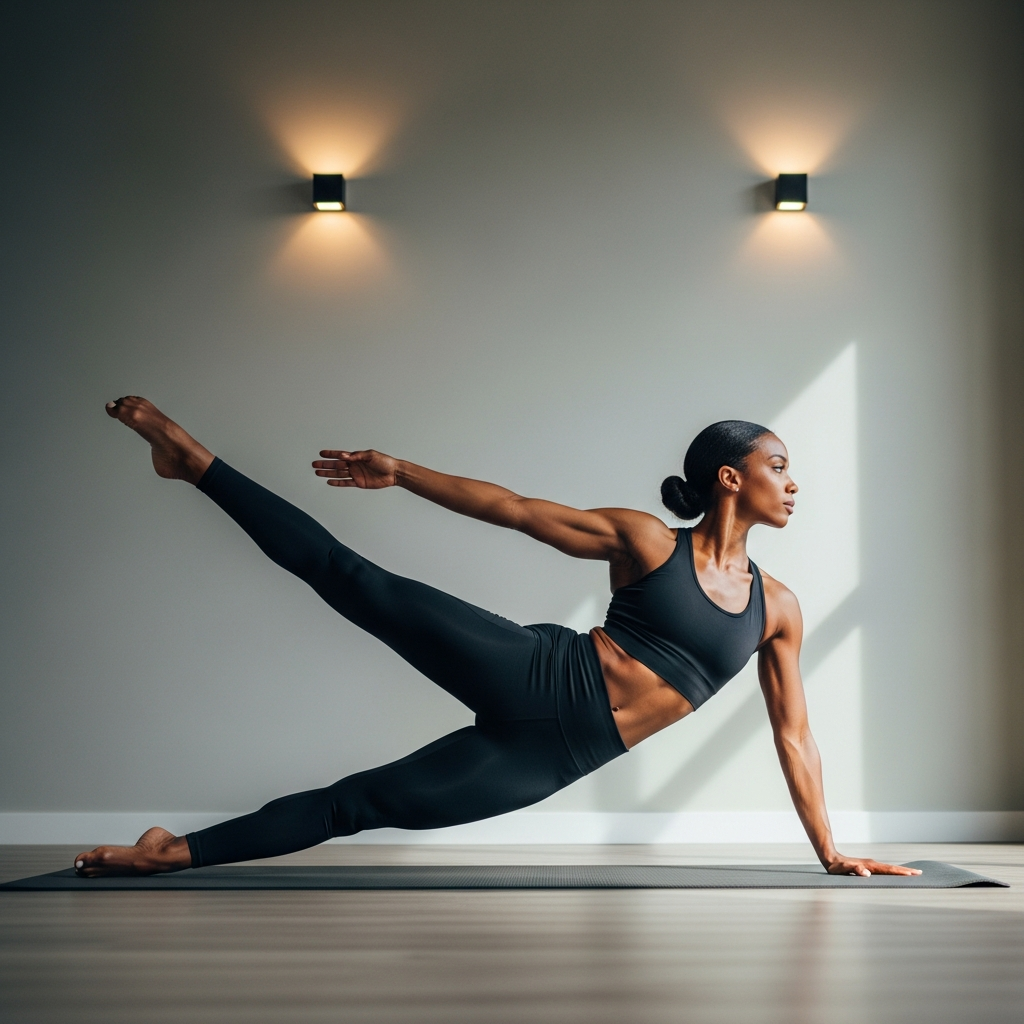
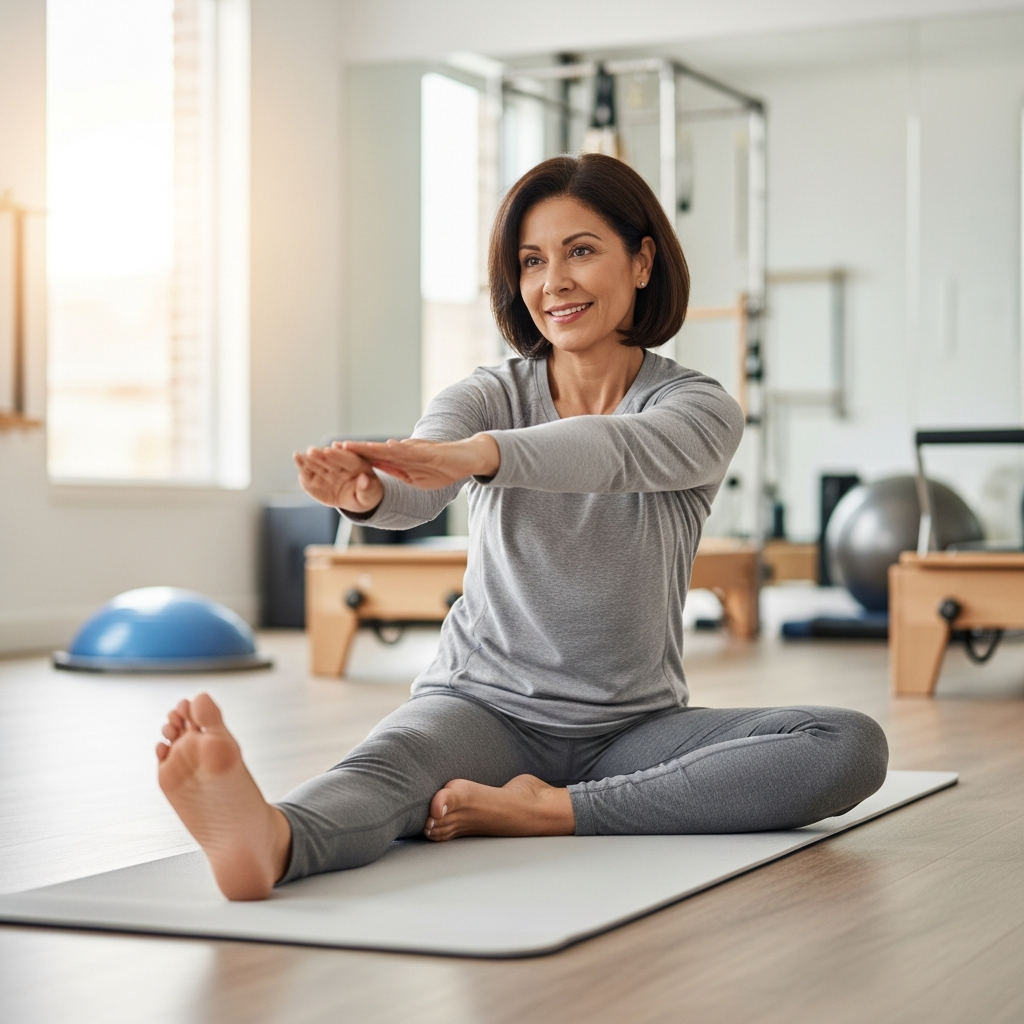
Pilates vs Yoga: A Comprehensive Guide to Your Ideal Fitness Regime
Do you find yourself standing on the crossroads of physical fitness and wellness, wondering whether to take the path leading to Pilates, or the one that veers towards Yoga? Both have been touted as mind-body practices with numerous health benefits, but how do you decide which one is right for you? You’re not alone. The Pilates vs Yoga debate has been an ongoing one for fitness enthusiasts and experts alike. This comprehensive guide aims to shed light on the distinctive features and benefits of both these practices, helping you make an informed decision tailored to your personal health goals.
Pilates and Yoga possess unique characteristics that can make them appear similar at first glance, but they are fundamentally different in their approach to mind-body wellness. The focus of this blog post is to clarify these differences and similarities, and provide you with a detailed understanding of Mat Pilates, Reformer Pilates, and various forms of Yoga.
Mat Pilates is a series of exercises performed on a mat, using your own body weight as resistance. These workouts are designed to improve flexibility, strength, balance, and body awareness. Reformer Pilates, on the other hand, involves performing exercises on a reformer machine. This machine uses springs for resistance providing a more challenging workout aimed at enhancing strength, flexibility, coordination, and balance.
Yoga is an ancient practice that focuses on strength, flexibility, and breathing to boost physical and mental wellbeing. Its main components are postures (a series of movements designed to increase strength and flexibility) and breathing. It has various forms each with its own focus, such as Hatha Yoga for beginners, Ashtanga for a more vigorous workout, and Vinyasa for those who enjoy a flow of postures.
In this blog post, we will delve deep into the principles and methods of Pilates and Yoga. We will explore the origins of these practices, their techniques, the equipment used, and their impact on overall health and fitness. Furthermore, we’ll discuss the pros and cons of Mat Pilates, Reformer Pilates, and Yoga, to help you understand which practice aligns best with your fitness objectives.
Why should you care about the Pilates vs Yoga debate? Well, understanding the fundamental differences between these two practices can be a game-changer for your fitness journey. Choosing the right fitness regime can greatly impact your physical improvement, mental wellbeing, and overall quality of life. Whether you aim to enhance your physical strength, improve flexibility, alleviate stress, or simply adopt a healthier lifestyle, this guide is designed to assist you in making an informed decision.
By the end of this blog post, you will have a clear understanding of Pilates and Yoga, their similarities, differences, and unique benefits. You will be equipped with the knowledge to choose a practice that matches your personal needs and fitness goals. So whether you’re a seasoned fitness enthusiast looking to try something new, or a beginner embarking on your wellness journey, this comprehensive guide is for you.
Stay tuned as we unravel the intricate tapestry of Pilates and Yoga and embark on this enlightening journey of fitness and wellness. Let’s delve into the world of mindful movements and conscious breathing, as we discover the perfect balance between strength and flexibility, mind and body, effort and relaxation. Welcome to your ultimate guide to Pilates vs Yoga. Let’s get started!
Pilates vs Yoga: Understanding the Fundamentals
Pilates is a dynamic and compelling system of exercise that focuses on improving flexibility, strength, and body awareness. It is a methodical practice that requires concentration and focus. Often compared to yoga due to its emphasis on mind-body connection, the two disciplines, while sharing some similarities, are distinct in their approach to physical wellness and fitness.
Originating in the early 20th century, Pilates was developed by Joseph Pilates, a German physical trainer. He designed it as a rehabilitation program for veterans of the First World War. Today, it has evolved into a popular form of exercise embraced by fitness enthusiasts, athletes, and those seeking an effective form of physical rehabilitation.
The fundamentals of Pilates are rooted in six key principles: concentration, control, centering, precision, breath, and flow.
Concentration refers to the mind-body connection that is crucial in performing Pilates exercises correctly and effectively. It involves focusing on each movement to ensure optimal alignment and control.
Control emphasizes maintaining an element of muscle control throughout each exercise. Unlike other forms of exercise that rely on momentum, Pilates encourages slow and deliberate movements that engage both the mind and body.
Centering is the process of physically bringing the focus to the center of the body – the powerhouse area which encompasses the abdomen, lower back, hips, and buttocks. All Pilates exercises are powered from this center, promoting strength and stability.
Precision is a fundamental principle that focuses on the quality of movements over quantity. Each exercise should be performed with meticulous attention to detail to ensure correct form and alignment.
Breath is integral to Pilates. Controlled breathing not only promotes relaxation but also stimulates the flow of oxygen into the muscles, facilitating their work. Joseph Pilates recommended exhaling with force to rid the lungs of stale air, followed by a natural inhale.
Flow refers to the smooth transition from one exercise to another, creating a rhythmic flow. The aim is to establish a connection among exercises and to perform them with grace and ease.
Pilates exercises usually involve the use of specially designed equipment like the reformer, Cadillac, and Wunda chair. However, mat Pilates can be performed without any equipment, using only the body’s weight for resistance.
Comparatively, yoga is an ancient practice that originated in India more than 5,000 years ago. It’s not just an exercise, but a philosophy that unites the mind, body, and spirit. While it also emphasizes flexibility, strength, balance, and breath control, yoga often has a greater focus on relaxation and spirituality.
The primary difference between Pilates and yoga lies in their ultimate goals. Yoga aims to unite the mind, body, and spirit, leading to a state of peace and enlightenment. On the other hand, Pilates is more physically inclined, aiming to develop and maintain strength, flexibility, and overall body fitness.
It’s also worth noting that while both practices can help to reduce stress and anxiety, yoga often places a stronger emphasis on relaxation and meditation. Pilates tends to be more dynamic and energizing, focusing on muscle toning, improving posture, and increasing core strength.
In conclusion, while Pilates and yoga share some common attributes in their focus on mind-body connection and use of controlled movements and breathing techniques, they are distinct disciplines each offering unique benefits. Pilates is a versatile fitness method that can cater to varying fitness levels and goals – whether it’s rehabilitation, body toning, improving posture, or enhancing athletic performance. It is a practice that combines the serenity of mindful movement with the vigor of physical conditioning.
Pilates vs Yoga: Deciphering the Differences and Determining the Best Fit for You
As an expert content writer specializing in Pilates, I frequently encounter the question, “What’s the difference between Pilates and yoga?” Many people tend to throw these two practices into the same bucket, often due to their shared emphasis on improving flexibility, strength, and mind-body connection. However, while they might seem similar at first glance, they have unique philosophies, techniques, and benefits.
Let’s delve into what differentiates Pilates from yoga and how you can determine the best fit for your personal fitness journey.
1. The Philosophical Differences
Pilates and yoga are both mind-body practices, but they are rooted in different philosophies. Yoga, originating from ancient India, is a spiritual practice designed to unify mind, body, and spirit. It incorporates meditation and breathwork to promote relaxation and mindfulness.
On the other hand, Pilates, created by Joseph Pilates in the 20th century, focuses on physical fitness. It emphasizes proper postural alignment, core strength, and muscle balance without as much emphasis on spiritual development.
2. Techniques & Exercises
In yoga, you’ll find a variety of poses (asanas) held for a certain duration to build flexibility and strength. Many yoga styles also incorporate pranayama (breathwork) and meditation for a holistic experience.
In contrast, Pilates involves a series of controlled movements designed to strengthen the body’s core (the abdomen, lower back, hips, and glutes). It encourages precision and control over each movement, with an emphasis on proper breathing techniques to enhance effectiveness.
3. Mat Pilates vs Mat Yoga
Mat-based workouts are common in both disciplines. In mat yoga, you’ll use your body weight to create resistance while executing various poses. There’s a wide range of styles from gentle Hatha Yoga to more vigorous Ashtanga Yoga.
Mat Pilates, on the other hand, includes exercises performed on a mat and primarily focuses on core strengthening and spine mobility. The exercises can be modified to suit all fitness levels. An example of a mat Pilates exercise is the ‘Hundred’, where you lie on your back, lift your legs and head off the mat, and pump your arms up and down while inhaling and exhaling for a count of 100.
4. Reformer Pilates
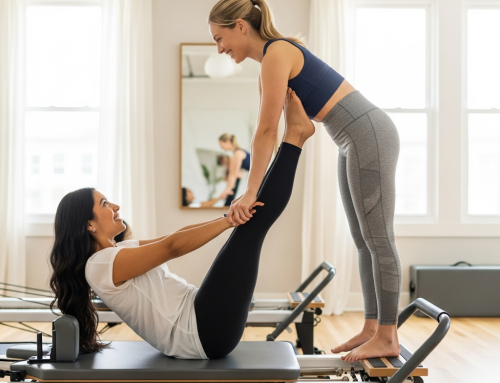
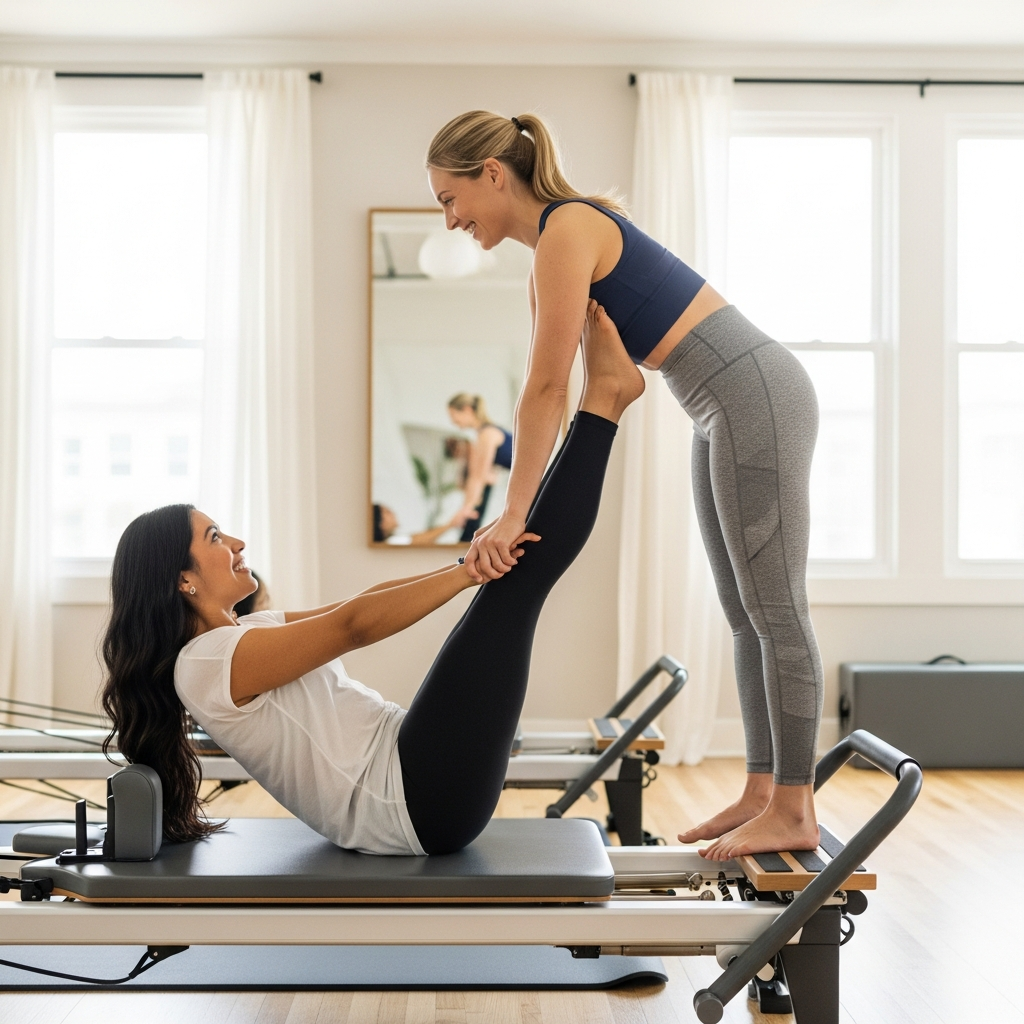
Reformer Pilates utilizes a unique piece of equipment called a Reformer, a sliding carriage rigged with springs, bars, and straps. This allows for a wider variety of exercises and provides added resistance compared to mat Pilates. For example, the ‘Footwork’ exercise on the Reformer targets lower body strength and flexibility. You’ll lie on your back, place your feet on the footbar, and push the carriage away using your leg muscles while maintaining core engagement.
5. Which is Best for You?
Choosing between Pilates and yoga ultimately depends on your personal fitness goals. If you’re seeking a more spiritual practice that improves flexibility and reduces stress, yoga might be your best bet.
However, if your aim is to build core strength, improve posture, and enhance body awareness without as much spiritual focus, then Pilates would be the better fit. It’s important to remember that both practices can complement each other well; many individuals find it beneficial to incorporate both yoga and Pilates into their fitness routines.
In conclusion, both Pilates and yoga offer unique benefits and can significantly contribute to overall wellness. It’s worthwhile to experiment with both to discover which practice resonates with you, or perhaps you might find incorporating both into your routine provides the most comprehensive benefits. Remember that every body is different, so it’s about finding what works for you.
Pilates vs Yoga: Demystifying Common Challenges, Misconceptions, and Best Practices
Pilates and yoga are two popular fitness systems that, while having some similarities, are inherently different. Both are low-impact exercises that focus on using bodyweight resistance, but the similarities end there. This article will delve into the nuances of each, address common misconceptions, and provide expert tips and best practices.
The primary difference between Pilates and yoga lies in their focus. Pilates primarily targets the core, although it offers a full-body workout. It emphasizes correct postural alignment, core strength, muscle balance, and flexibility. On the other hand, yoga aims to create a balance between mind, body, and spirit. It emphasizes flexibility and broad muscle groups and includes meditative elements.
One common misconception is that Pilates is just a set of exercises, while yoga is a complete lifestyle. While yoga does have a broader philosophy attached to it, including meditation and ethical principles, Pilates also has a comprehensive set of principles including concentration, control, precision, breathwork, flow, and centering.
Mat Pilates and Reformer Pilates are two types of Pilates with varying degrees of intensity and equipment used. Mat Pilates is performed on a mat and uses body weight for resistance. Reformer Pilates uses a machine called a reformer to provide a more challenging workout.
Challenges often encountered by beginners include understanding the complexities of both disciplines. For instance, in Pilates, the emphasis on small movements that need to be performed precisely can be difficult to grasp. On the other hand, yoga poses can be challenging for those with limited flexibility.
Here are some solutions and best practices
1. Start with Basics: As with any fitness regime, it’s crucial to start with the basics. Beginners should take introductory classes to understand the fundamentals of either Pilates or yoga.
2. Use Props: Props such as blocks, straps, and bolsters can be beneficial for beginners in yoga to help them ease into the poses. In Pilates, the reformer machine itself can be adjusted to suit different levels of fitness and flexibility.
3. Focus on Form: In both Pilates and yoga, proper form is crucial. Incorrect form can lead to injuries and hinder progress. Be sure to listen carefully to your instructor’s cues and ask for help if you’re unsure about a movement or pose.
4. Consistency is Key: Consistency is far more important than intensity when starting either Pilates or yoga. Regular practice helps in developing muscle memory, improving flexibility, and gradually increasing strength.
5. Listen to Your Body: Both Pilates and yoga are centered around mind-body connection. It’s important to listen to your body and not push beyond your limits.
6. Breathing Techniques: Both Pilates and Yoga emphasize the importance of breathing. In Pilates, the focus is on lateral breathing (breathing into the sides and back of your rib cage), while yoga has a variety of breathing techniques, each serving different purposes.
7. Personalize Your Practice: Everyone’s body is unique, so what works for one person might not work for another. Don’t hesitate to modify poses or exercises to suit your body’s needs.
8. Patience: Both Pilates and yoga require patience. Progress may be slow, but the benefits are long-lasting.
In conclusion, while Pilates and yoga have their similarities, they are indeed different disciplines with distinct focuses. Whether you choose Pilates or yoga (or both!) will depend on your personal fitness goals and preferences. Remember to start slow, focus on form, be consistent, listen to your body, and maintain a positive attitude. With patience and dedication, the benefits of both practices will soon be evident.
Pilates Vs Yoga: A Comprehensive Comparison and Guide
Pilates and yoga are two popular physical fitness systems. While they may look similar and even share some common elements, each has its unique principles, benefits, and techniques. This article aims to provide a comprehensive understanding of what Pilates is, how it differs from yoga, and what you can expect when embarking on either journey. We will also delve into the different forms of Pilates, namely mat Pilates and reformer Pilates, offering practical guidance for beginners.
Pilates is a physical fitness method developed in the early 20th century by Joseph Pilates, a German physical trainer. It focuses on improving core strength, flexibility, coordination, and balance. Pilates exercises are characterized by controlled movements that require concentration and precision, and they often target deep muscles in the abdomen and back.
Yoga, on the other hand, is an ancient practice that originated in India more than 5,000 years ago. It combines physical postures, breathing exercises, meditation, and ethical disciplines. While it strengthens and stretches the body, yoga is also deeply rooted in spiritual traditions and aims to promote harmony between mind, body, and spirit.
In comparing the two, Pilates is more focused on physical conditioning and rehabilitation. It emphasizes correct postural alignment, core strength, muscle balance, and joint mobility. Yoga, however, while also promoting strength and flexibility, places a significant emphasis on relaxation, mindfulness, and inner peace.
Now that you understand the basics, let’s delve into the specifics of mat Pilates and reformer Pilates.
Mat Pilates is often the first step for beginners. It requires little equipment – just a mat – but don’t let that fool you into thinking it’s easy. Mat routines challenge your body by using your own weight as resistance. These exercises help to build a strong core – the powerhouse of your body – and improve your overall body strength and flexibility.
Reformer Pilates, on the other hand, involves a specific machine designed by Joseph Pilates himself. The reformer is a sliding carriage rigged with springs, bars, and straps, providing resistance to work muscles throughout the body more intensely. Reformer Pilates can be more challenging and versatile than mat work as it offers a wider variety of exercises.
Both forms of Pilates have their benefits. Mat classes are more accessible and easier to integrate into a home workout routine, while reformer classes offer more resistance and versatility, targeting more specific muscle groups, which can be particularly beneficial for rehabilitation or sport-specific conditioning.
When starting your Pilates journey, it’s recommended to begin with mat exercises to familiarize yourself with the essential principles such as concentration, control, centering, precision, breath and flow. These principles form the foundation of all Pilates practice.
Once you’ve mastered the basics on the mat, you may choose to progress to reformer Pilates for more advanced workouts. While it may seem simple, the transition often needs professional guidance to ensure the correct use of the machine and avoid injuries.
As for timelines, remember that every individual is unique. The time it takes to see noticeable changes from practicing Pilates can vary based on factors such as your fitness level, the frequency of your workouts, your diet, and your sleep patterns. Generally, though, with consistent practice (at least two or three times per week), you may start to see improvements in your strength, flexibility, and posture within a couple of months.
In conclusion, while Pilates and yoga both offer valuable benefits for mind-body health, they each have distinct focuses. Choosing between them depends on what you’re seeking – whether it’s physical conditioning and core strengthening (Pilates), or a holistic practice that integrates physical postures with mindfulness and spirituality (yoga). Starting with mat Pilates and progressing to reformer Pilates can be a rewarding journey for those interested in the former. As with any fitness regimen, consistency is key, and professional guidance can ensure you practice safely and effectively.
In conclusion, both Pilates and yoga are exceptional forms of exercise that offer numerous health benefits. They are both mind-body disciplines that can enhance physical strength, flexibility, posture, mental awareness, and overall well-being. However, the choice between Pilates and yoga hinges on your personal goals and needs.
Yoga is typically associated with enhancing spirituality, flexibility, and balance. It often focuses on static poses and breath control to promote a sense of inner peace and tranquility. The practice of meditation and deep relaxation in yoga helps manage stress, anxiety, and promotes a heightened state of mental clarity and calmness.
Pilates, on the other hand, is more centered on physical conditioning, especially targeting the core. It emphasizes on body alignment, muscle balance, and precise movements. Pilates is known for developing strength, stability, flexibility, improved posture, and toned muscles without adding bulk. If you’re looking for a workout that will help you develop a strong core – abdominals, back, hips, glutes – Pilates could be your go-to discipline.
If you’re torn between choosing Pilates or yoga, remember that you don’t have to choose one over the other. Many people practice both yoga and Pilates to get the combined benefits. Doing so can provide comprehensive fitness and wellness benefits – the mindfulness and breathing techniques from yoga can complement the strength and stability you gain from Pilates.
In choosing between Pilates and Yoga, consider your personal fitness goals, preferences, and needs. If you want a more spiritual or holistic approach that incorporates meditation and deep relaxation techniques while enhancing flexibility and balance, then yoga may be more suitable for you. However, if your objective is to strengthen your core and improve physical fitness and posture through precise, controlled movements, then Pilates might be the better fit.
Remember that both practices require consistency to see results. Whether it’s yoga or Pilates, starting slow with beginner’s classes or private lessons can help you understand the basics and ease into the practice.
We hope this article has given you a clearer understanding of Pilates vs Yoga. It’s important to remember that while they are different, they both aim to improve your physical and mental well-being. The best way to decide which one is right for you is to give both a try. You might find that you prefer one over the other, or you might find that a combination of both suits your personal needs best.
If you’re still unsure and need further guidance, don’t hesitate to contact us. Our team of experts are always available to assist you in making the best decision for your health and wellness journey. They can provide further information, answer any questions you have, or even help you find a suitable class to get started. Remember, the key to a successful fitness journey is finding an activity that you enjoy and that meets your personal goals. Don’t be afraid to explore and try new things!
Your journey to health and wellness begins with that first step. Take it today with us and discover the incredible benefits of Pilates and Yoga. Contact us now!