The Power of the Mat: Is Mat Pilates as Effective as You Think?
Introduction
If you’ve ever thought about trying Pilates but been discouraged by the idea of intricate machines or high-intensity workouts, then you might find comfort in the simplicity and accessibility of mat Pilates. The question remains, however: Is mat Pilates as effective? This question has sparked numerous debates among fitness enthusiasts and experts alike. This blog post is dedicated to demystifying this debate and providing you with a comprehensive understanding of mat Pilates and its efficacy.
Pilates, a method of exercise developed by Joseph Pilates in the early 20th century, is revered globally for its ability to strengthen the core, improve flexibility, enhance body awareness, and promote overall body strength. With two primary types – mat Pilates and reformer Pilates – choosing between the two can be quite daunting, especially when your ultimate goal is to achieve effective results.
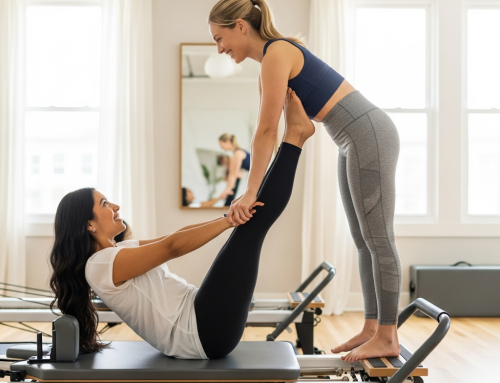
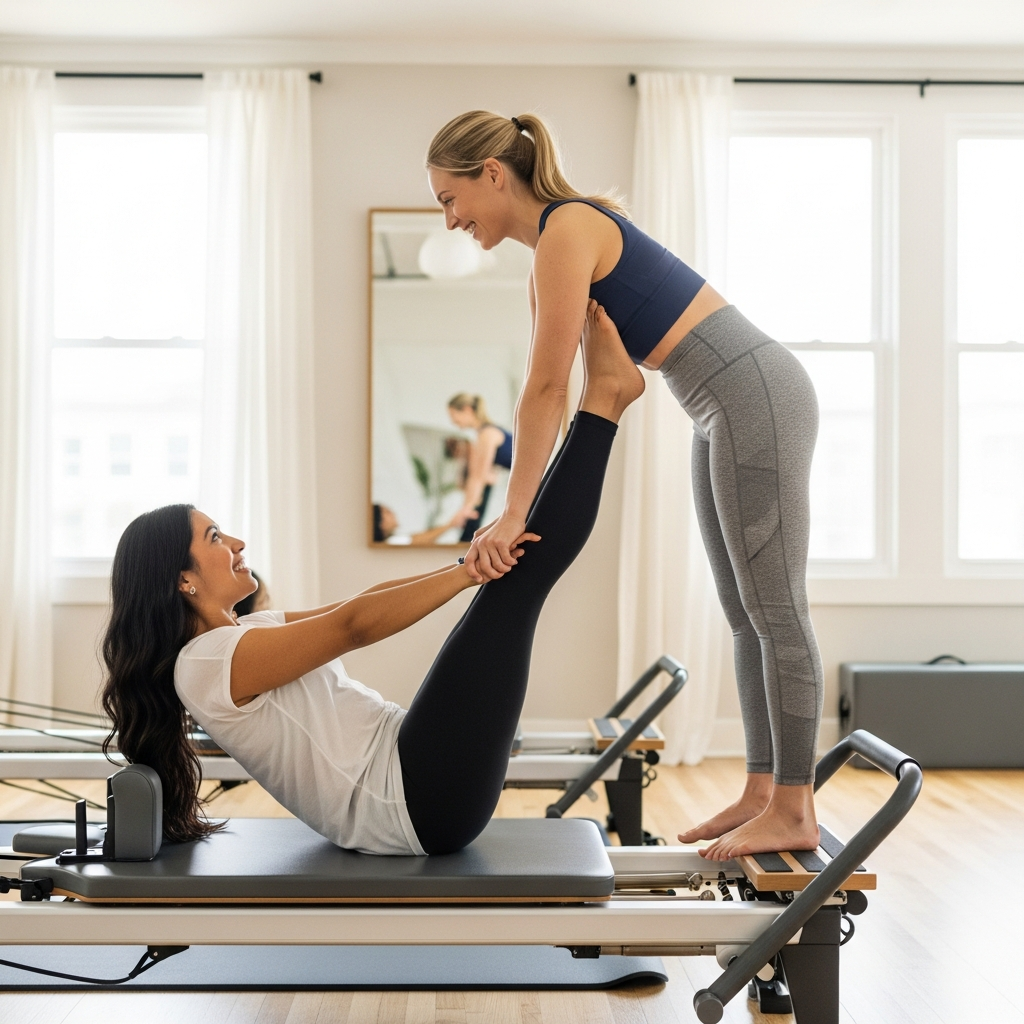
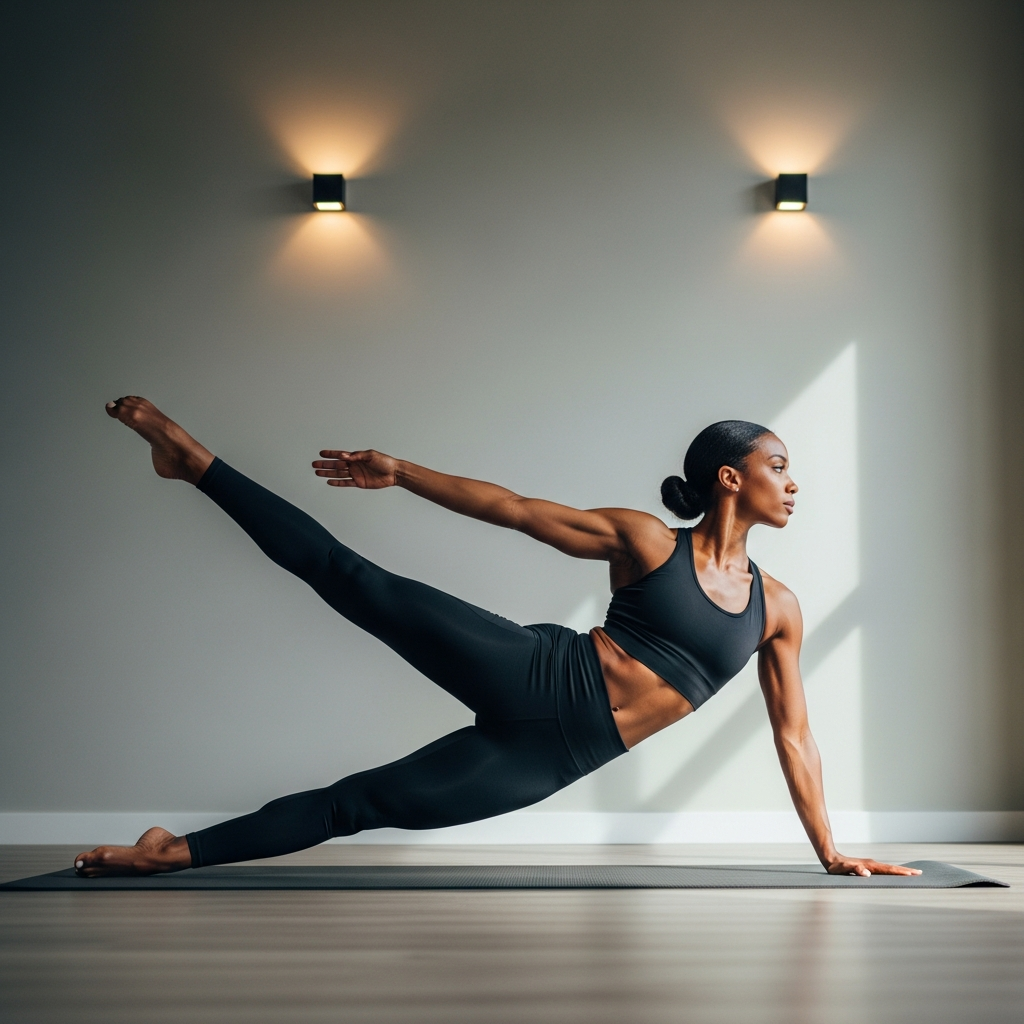
Mat Pilates, as the name suggests, is performed on a mat and utilizes your own body weight for resistance. On the other hand, reformer Pilates employs a specialized piece of equipment known as a reformer – a sliding carriage rigged with springs, bars and straps – to provide a more challenging resistance-based workout. While it might be easy to assume that the reformer, with its sophisticated apparatus and increased resistance, offers a more effective workout, this isn’t necessarily the case.
In this blog post, we will delve into the world of mat Pilates, dissecting its components, benefits, and effectiveness. We’ll compare it with reformer Pilates, providing a balanced viewpoint to help you decide which is best suited to your fitness goals. We will also look at scientific studies that back up the effectiveness of mat Pilates. By understanding both types of Pilates better, you will be able to make an informed decision about which one is right for you.
Why is this important? Well, the world of fitness is teeming with countless exercise routines and methodologies, each promising transformative results. Among them, Pilates stands out for its focus on controlled movements, precision, and mind-body connection. But to maximize your results and enjoy your workout, it’s crucial to choose the type of Pilates that aligns with your fitness goals, abilities, and preferences.
In our quest to answer the question: “Is mat Pilates as effective?”, we’ll explore various dimensions of this exercise form: its history, its principles, its benefits, and how it compares to reformer Pilates. We’ll also share insights from fitness experts and medical practitioners about the effectiveness of mat Pilates.
So whether you’re a seasoned fitness enthusiast considering a shift to Pilates, a beginner curious about starting your fitness journey with mat Pilates, or a Pilates veteran wondering if you’re missing out by skipping the reformer, this blog post will provide you with the insights you need. It’s time to roll out your mat and delve deeper into the power and potential of mat Pilates! Because when it comes to fitness, knowledge is just as important as the workout itself.
Pilates is a body conditioning routine that seeks to build flexibility, strength, endurance, and coordination without adding muscle bulk. It is more than a set of exercises but is a complete system that integrates the body and mind, developed by Joseph Pilates in the early 20th century. He named his method ‘contrology,’ referring to the way it encourages the use of the mind to control the muscles. Pilates also emphasizes proper breathing, correct spinal and pelvic alignment, and concentration on smooth flowing movement. The focus is on quality of movement rather than quantity, which makes one feel invigorated rather than exhausted after a session.
Joseph Pilates believed that mental and physical health were interconnected. His method was influenced by western forms of exercise, including boxing, gymnastics, and Greco-Roman wrestling. Pilates immigrated to the US in the 1920s and opened a studio in New York, where he taught his method – which he called “contrology” – until his death in 1967.
Today, Pilates is a well-recognized and widely practiced discipline, with two key types: mat Pilates and reformer Pilates. Mat Pilates is performed on the floor using a mat and utilizes controlled movements, whereas reformer Pilates uses a specialized piece of equipment called a reformer, which provides resistance with a series of springs and ropes.
But how effective is mat Pilates? This question can be seen from various angles – fitness, strength, flexibility, balance, and overall health.
Mat Pilates exercises are performed in a sequence that aims to develop control of the body, improve flexibility, and build strength and endurance in the body’s core. The exercises require concentration and coordination, as they are not performed rapidly or repeated excessively. The focus is rather on precise movements that require control and form to engage muscles properly.
Mat Pilates tends to target the core muscles more directly with its movements. The core is seen as the ‘powerhouse’ of the body and includes the abs, lower back, hips, and glutes. However, Pilates does not just focus on the core. It is a complete body workout that helps improve postural alignment, muscle tone, balance, joint mobility, and reduce stress.
One of the primary benefits of mat Pilates is its accessibility. It requires no special equipment, and exercises can be modified to suit different levels of fitness and ability. Moreover, it can be done anywhere – at home, in a park, or in a dedicated Pilates studio. This flexibility makes it a popular choice for many who want to maintain their fitness routine while traveling, or those who prefer to workout at home.
However, the effectiveness of mat Pilates is not just about physical benefits. Pilates also emphasizes the connection between mind and body, with a focus on mindful movements. It encourages awareness of your body, your breathing, your movement – and how they all connect. This mindfulness can elevate your mood, reduce stress levels, and contribute to a greater sense of overall well-being.
While mat Pilates might not provide the added resistance that a Reformer or other Pilates apparatus provides, it’s still an effective workout that can provide real results. It helps to develop muscle tone, improve flexibility, increase joint mobility and stability, enhance balance and coordination, promote better posture, reduce stress and increase energy levels.
In conclusion, mat Pilates can indeed be as effective as other forms of exercise in promoting physical strength and mental wellbeing when performed correctly and regularly. As with any form of physical activity, consistency is key to seeing results. Whether you’re a seasoned athlete looking to diversify your workouts or a beginner looking for a low-impact introduction to fitness, mat Pilates offers a comprehensive approach to mind-body wellness.
The Effectiveness of Mat Pilates
Pilates is a method of exercise that emphasizes balance, flexibility, posture, and strength. It was developed in the early 20th century by Joseph Pilates and has evolved over the years into various forms, including mat Pilates and reformer Pilates. The question often arises: Is mat Pilates as effective as other types? Let’s delve into this topic with practical, step-by-step guidance and real-world examples.
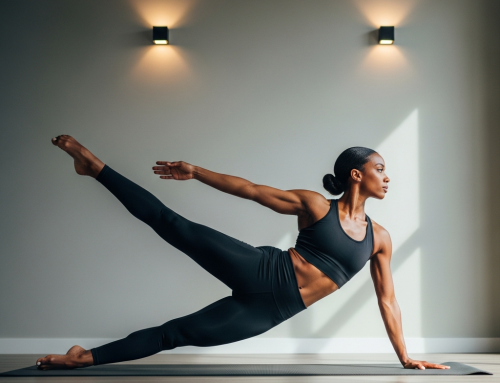
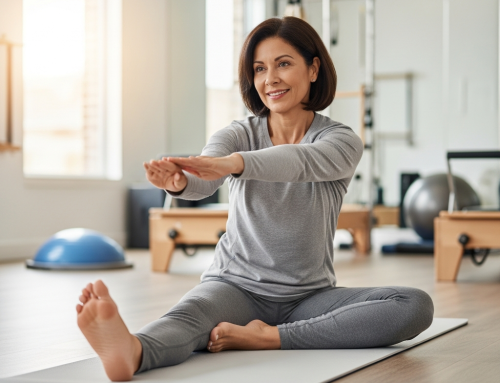
Mat Pilates, as the name suggests, is performed on a mat, using your body weight and gravity to provide resistance. It is the most traditional form of Pilates and can be done virtually anywhere with minimal equipment. On the other hand, reformer Pilates involves using a specially designed machine called a reformer, which uses springs and pulleys to provide resistance.
The Effectiveness of Mat Pilates
1. Flexibility and Balance: Mat Pilates exercises are excellent for improving flexibility and balance. For instance, the ‘Saw’ exercise, where you sit tall with legs extended and wide apart, twisting your torso from the waist and reaching your hand towards your opposite foot, is an excellent routine for stretching your hamstrings and lower back. Repeated practice can enhance your flexibility over time.
2. Core Strength: Mat Pilates is particularly effective in strengthening your core muscles. The ‘hundred’ exercise, where you lie on your back, lift your legs and head, and pump your arms up and down while engaging your abdominal muscles, is a classic mat Pilates exercise that targets the core.
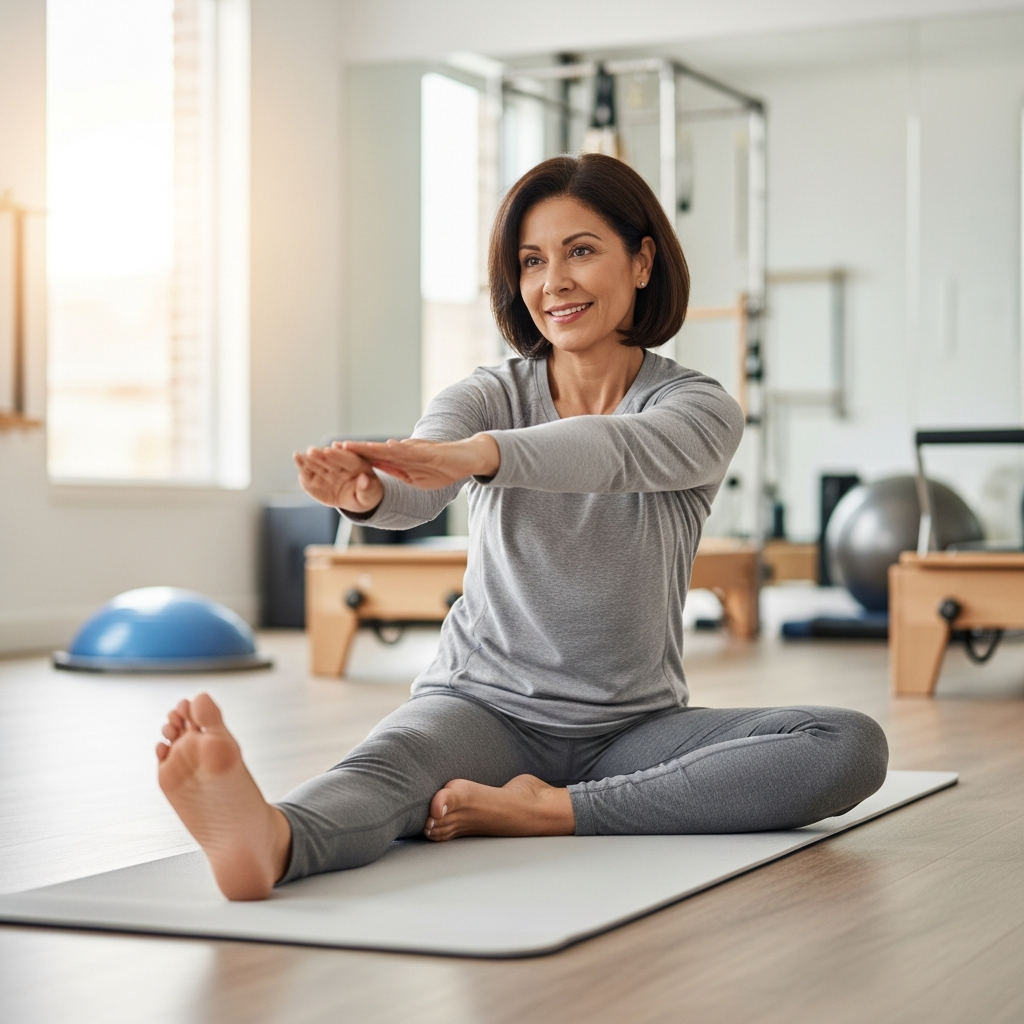
3. Improving Posture: Mat Pilates exercises like the ‘Spine Stretch Forward’ help to elongate the spine, correct postural imbalances and alleviate back pain. This exercise involves sitting tall with your legs extended in front of you and reaching forward while keeping your spine long.
4. Convenience: One of the key advantages of mat Pilates is its convenience. You can perform mat Pilates at home, in the park, or even when travelling. All you need is a mat and enough space to move around.
Comparing Mat and Reformer Pilates
While both forms of Pilates offer similar benefits such as improved flexibility, balance, and strength, there are some differences.
1. Resistance: A reformer provides adjustable resistance using springs, which can make exercises more challenging and helps in muscle toning and strength. In mat Pilates, your body weight and gravity provide resistance.
2. Variety: Reformer Pilates offers a wider variety of exercises as compared to mat Pilates. This can keep your workouts interesting and challenging.
3. Precision: The reformer can help ensure correct form and alignment due to its structured design, which can be beneficial for beginners or those recovering from injuries.
4. Cost: Mat Pilates is generally more accessible and affordable as it requires less equipment and space.
In conclusion, mat Pilates can be just as effective as reformer Pilates if practiced consistently and correctly. Depending on your goals, resources, and personal preference, you might find one type more suitable than the other. If you’re new to Pilates, starting with mat exercises can be a good way to familiarize yourself with the principles of Pilates before moving on to more advanced techniques or equipment. Remember to consult with a qualified instructor or a healthcare professional before starting any new exercise regimen.
Is Mat Pilates as Effective? A Comprehensive Insight
Pilates, a centuries-old practice founded by Joseph Pilates, has emerged as one of the most preferred fitness regimens in the modern world. Its diverse variations, notably mat and reformer Pilates, have sparked a debate among fitness enthusiasts regarding their effectiveness. This article aims to shed light on mat Pilates, its effectiveness, common challenges, solutions, and expert tips to maximize your Pilates routine.
Firstly, let’s address a common misconception: Mat Pilates is not as effective as reformer Pilates. This belief stems from the idea that more equipment equates to a better workout. However, both mat and reformer Pilates can be highly effective when performed correctly. They serve different purposes and can complement each other to create a balanced regimen.
Mat Pilates focuses on using your body as the primary resistance tool, targeting your core muscles—also known as your “powerhouse”—to improve strength, flexibility, balance, and body awareness. It’s an excellent starting point for beginners due to its simplicity and focus on mastering form and technique.
Reformer Pilates uses a specialized machine to incorporate resistance training. It offers a more intense workout, enhancing strength, flexibility, coordination, and balance. It’s also excellent for rehabilitation purposes due to its adjustable resistance levels.
Now, let’s delve into common challenges faced in mat Pilates and their solutions
1. Difficulty in maintaining proper form: Mat Pilates requires precision and control with each movement. Beginners may struggle with maintaining proper form throughout the exercises.
Solution: Practice makes perfect. Regularly practicing the exercises helps improve your technique over time. Taking classes under a certified instructor can also help correct improper form and reduce the risk of injury.
2. Limited resistance: Unlike reformer Pilates, mat exercises offer limited resistance, which some may find less challenging.
Solution: Introduce small equipment like resistance bands, Pilates rings, or even Pilates balls into your mat routine. These tools can add an element of resistance and variety to your workout, making it more challenging and engaging.
3. Progress plateau: You may reach a point where you feel you’re no longer making progress with mat Pilates.
Solution: Mix up your routine with different exercises or try more advanced moves. Incorporating reformer sessions can also provide a different kind of challenge and accelerate your progress.
Expert Tips for Maximizing Your Mat Pilates Routine
1. Focus on Quality, Not Quantity: Pilates emphasizes precision and control. It’s not about how many repetitions you can do but how well you execute each movement. Concentrate on the quality of each exercise to reap maximum benefits.
2. Engage Your Core: Remember, the core is the powerhouse in mat Pilates. Always engage your core muscles during each exercise for better stability and control.
3. Prioritize Your Alignment: Proper body alignment is crucial in mat Pilates. Be conscious of your posture throughout the exercise to avoid strain or injury.
4. Breathe: Breathing plays a vital role in Pilates. It helps you execute movements with control and precision. Practice inhaling deeply through the nose and exhaling fully through the mouth.
5. Patience is Key: Progress in Pilates doesn’t happen overnight. It requires consistent practice and patience. Celebrate small victories along the way!
In conclusion, mat Pilates is indeed effective, offering a plethora of benefits, including improved strength, flexibility, balance, and body awareness. While it may present certain challenges, these can be overcome with practice, patience, and the right techniques, making mat Pilates an integral part of a balanced fitness regimen. Whether you choose mat Pilates, reformer Pilates, or a combination of both, the most critical factor is enjoying the process and listening to your body’s needs.
Mat Pilates is a form of exercise that focuses on the use of the body’s core — the abdomen, obliques, lower back, inner and outer thigh, and so on. It was developed by Joseph Pilates in the early 20th century as a way to rehabilitate injured soldiers in World War I. Today, it has evolved into a popular form of exercise for people of all fitness levels due to its focus on body-mind synergy. But a question often arises: Is mat Pilates as effective as other forms of this exercise, including reformer Pilates? The answer depends on your specific fitness goals, but generally, yes, mat Pilates can be just as effective.
Mat Pilates relies on the practitioner’s body weight and movement to provide resistance and stimulation, much like Yoga. This form of Pilates is great for improving flexibility, balance, and core strength. It also helps in enhancing body awareness, promoting better posture, and reducing stress levels. Mat Pilates exercises are designed to strengthen your body’s power center — the powerhouse, which includes the abdominals, lower back, hips, and buttocks.
Reformer Pilates, on the other hand, involves a special machine with a flat platform that moves back and forth along a carriage. The user can adjust the machine to provide varying levels of resistance. Reformer Pilates offers all the benefits of mat Pilates but adds an extra level of intensity due to the resistance provided by the machine. It also allows for more varied exercises than mat Pilates.
The effectiveness of mat Pilates versus reformer Pilates often comes down to personal goals and preference. If you’re seeking to improve core strength, flexibility, and balance without spending on equipment or gym memberships, mat Pilates may be the best option for you. On the other hand, if you’re looking for a more rigorous workout that can target specific muscle groups more intensely, you might prefer reformer Pilates.
As for timelines and what to expect, it’s important to remember that progress in Pilates, like any form of exercise, is highly individual. Generally, however, beginners can expect to start seeing and feeling improvements in their strength, flexibility, and overall well-being within a few weeks of consistent practice.
Consistency is key in Pilates. If you’re practicing mat Pilates at home, aim for at least 20-30 minutes per day, three to four days per week. For those attending group classes or private sessions, two to three classes per week are usually recommended.
The first few sessions of mat Pilates might be challenging as you learn to engage your core and coordinate your movements. But don’t get discouraged. As with any new skill, it takes time to master the techniques. With patience and consistency, the movements will become more natural, and your strength and flexibility will improve.
As for next steps, if you’re interested in starting mat Pilates, you might consider attending a beginner’s class or hiring a certified instructor for private lessons. They can guide you through the basic movements and ensure your form is correct to prevent injuries. Alternatively, there are plenty of online resources, including video tutorials and apps, that can guide you through mat Pilates workouts at home.
In conclusion, mat Pilates can be as effective as reformer Pilates depending on your specific goals. It is an accessible form of exercise that requires little equipment and can be done anywhere. With consistent practice, mat Pilates can improve core strength, flexibility, balance, and overall well-being. Remember that progress takes time and patience, but the results are worth it.
In conclusion, the question of whether mat pilates is as effective as other forms of pilates or fitness workouts is dependent on several factors. These include individual fitness goals, physical condition, and personal preferences.
Mat pilates, as we have discussed throughout this article, is a low-impact exercise that strengthens the core, improves flexibility, and enhances body balance and coordination. It’s an exercise routine that can be done anywhere and anytime, with or without equipment, making it highly accessible for everyone. The workouts can be modified to suit different fitness levels and capabilities, from beginners to advanced practitioners, ensuring a safe and effective workout routine.
One major advantage of mat pilates is its emphasis on quality over quantity. It is not about how many repetitions you can do, but about executing each move with precision and control. This focus on form and technique makes mat pilates an efficient workout, targeting specific muscle groups effectively. It improves posture, reduces back pain, and helps in injury rehabilitation.
However, it’s essential to note that while mat pilates does offer numerous benefits, it might not provide the same level of cardiovascular workout or intense strength training that other forms of exercise do. If your primary goal is weight loss or building significant muscle mass, combining mat pilates with other forms of cardio or strength training exercises may be more beneficial.
It is also worth noting that while mat pilates can be done at home with minimal equipment, having a trained instructor to guide you can significantly improve your experience and results. An experienced instructor can ensure correct form and alignment, provide modifications to suit your capabilities, and challenge you to progress in your practice. This professional guidance can reduce the risk of injuries and maximize the benefits you get from your workout.
In essence, mat pilates is indeed an effective workout method that can contribute significantly to overall health and well-being. It might not be the fastest way to lose weight or build muscles, but it offers a holistic approach to fitness that improves physical strength, flexibility, balance, and mental focus. Whether you are looking for a low-impact exercise routine, wanting to strengthen your core, or seeking to improve your posture and flexibility, mat pilates can be an excellent choice.
Remember, every body is unique, and what works best for one person might not work as well for another. It’s crucial to listen to your body and choose a workout that you enjoy and that meets your specific fitness goals. If you’re considering mat pilates, why not give it a try? You might just find it to be the perfect fit for you.
At our studio, we offer both private and group mat pilates classes led by certified instructors. Our team is dedicated to helping you achieve your fitness goals in a safe, supportive, and empowering environment. If you have any questions or need further information about mat pilates or how to get started, don’t hesitate to contact us. We are here to assist you on your fitness journey. So, take the first step towards a healthier and stronger you. Contact us today to schedule your first mat pilates class!