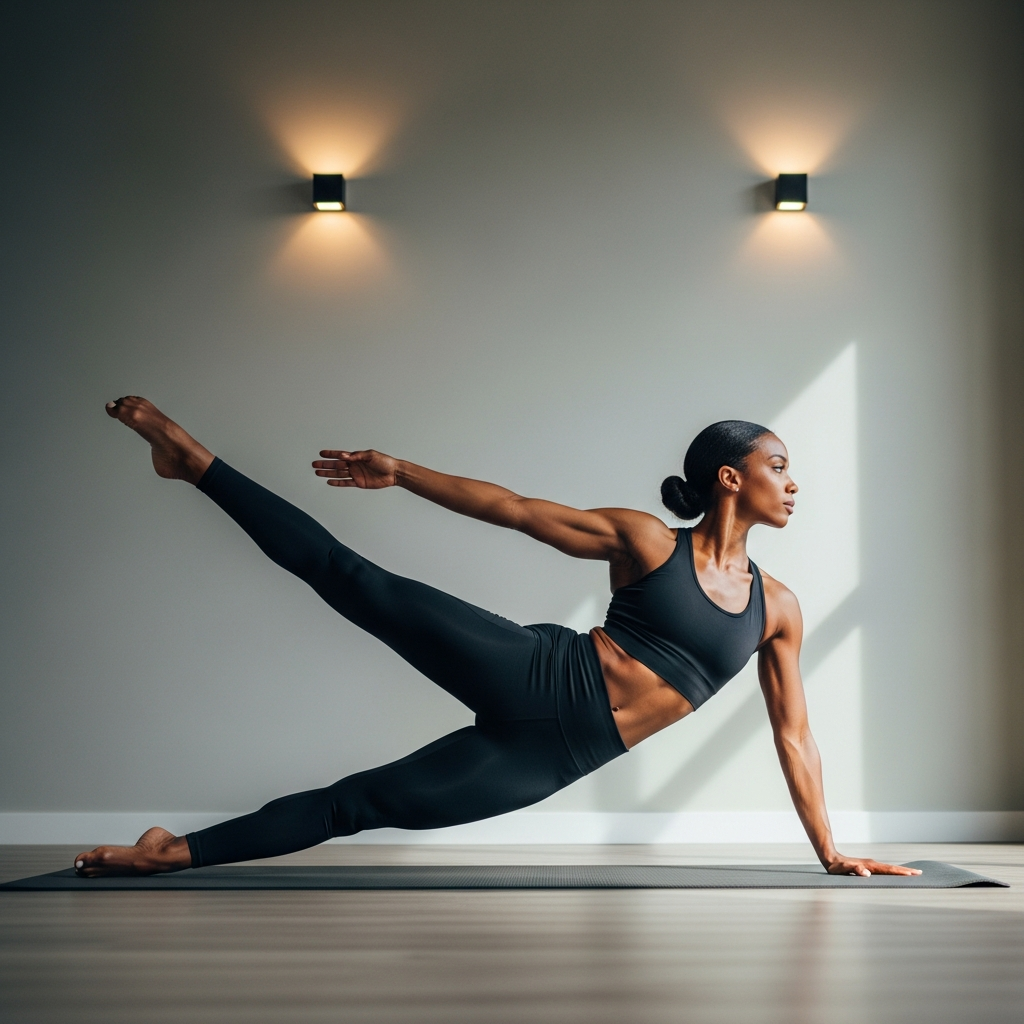
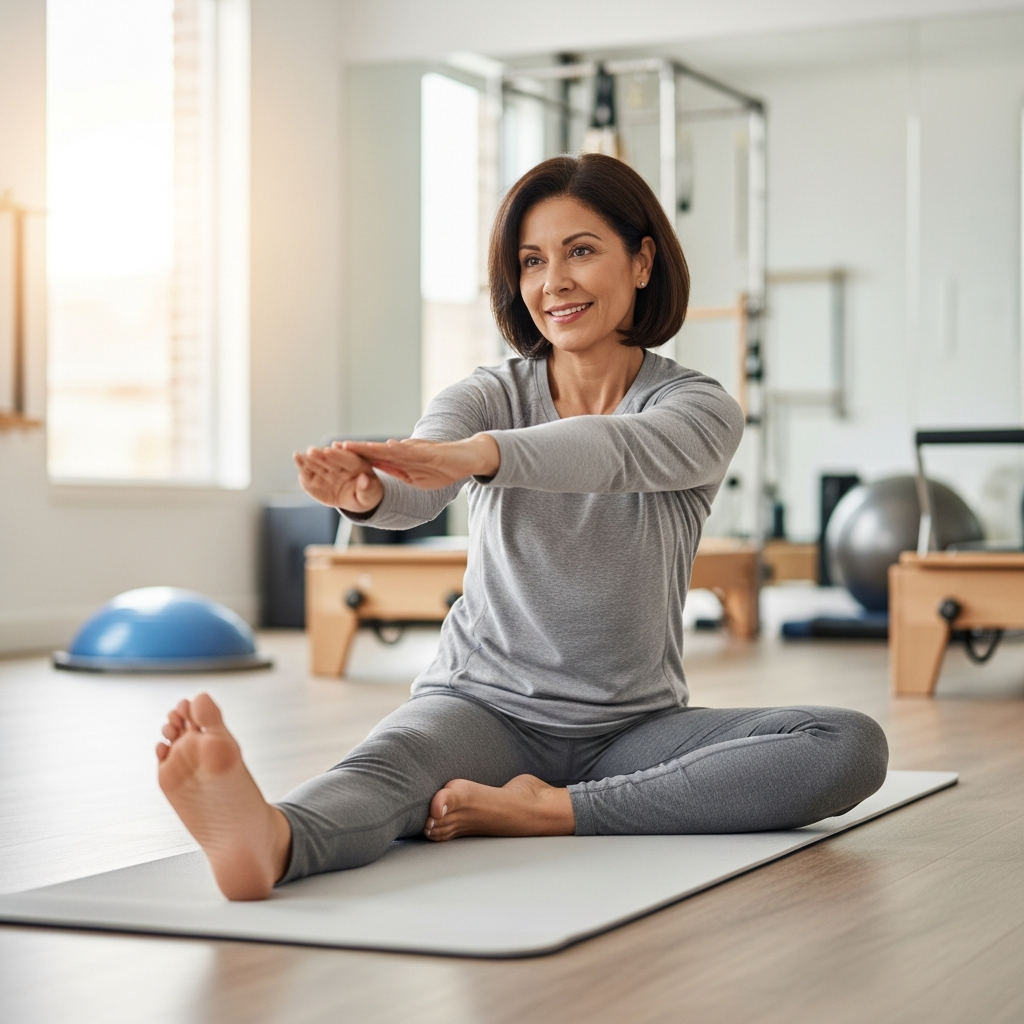
Is Mat Pilates For Beginners? Unleashing the Power of Core Stability and Flexibility
Are you looking to shake up your fitness routine with something different, something that engages your body and mind in equal measure, and is also beginner-friendly? If your answer is yes, let’s dive into the world of Pilates, specifically Mat Pilates, to unravel its incredible benefits for beginners and beyond.
Pilates, a fitness system developed by Joseph Pilates in the early 20th century, has taken the world by storm. It embodies the perfect amalgamation of strength, balance, flexibility, and mind-body connection. With a plethora of variations like Mat Pilates, Reformer Pilates, and more, it caters to a wide range of fitness goals and levels, making it a versatile regime for everyone.
Mat Pilates, as the name suggests, is a type of Pilates performed on a mat. It primarily focuses on exercises that revolve around core strength, balance, and flexibility. The question that often surfaces for many novices in the fitness realm is—Is Mat Pilates suitable for beginners? This post aims to demystify this question and guide you through your first steps into this holistic practice.
In this comprehensive guide, we will cover the basics of Pilates, its origin and philosophy, the difference between Mat Pilates and Reformer Pilates, benefits of Mat Pilates for beginners, and tips to get started. We will also answer some frequently asked questions related to Mat Pilates for beginners.
Understanding these facets is crucial for beginners as it sets the stage for a fruitful and injury-free practice. Whether you’re looking to enhance your fitness level, recover from an injury, or simply want to try something new, understanding the nature and benefits of Mat Pilates can help you make an informed decision.
The reason this matters to you as a reader is that finding the right fitness regime can be an overwhelming task, especially if you’re a beginner. You might be unsure about the requirements, benefits, and potential challenges of different workouts. With a myriad of options available, it’s essential to choose a practice that aligns with your fitness goals, physical capabilities, and personal interests.
In the case of Mat Pilates, it’s not just about the physical benefits like improved flexibility, better posture, and increased core strength. It’s also about cultivating a sense of mindfulness and body awareness that transcends the mat and permeates into your daily life.
If you’ve ever wondered if Mat Pilates is for you, or if you’re simply curious about what this practice entails, this post is exactly what you need. Stay tuned as we delve into the world of Mat Pilates, shedding light on its numerous benefits for beginners, and how it can become an integral part of your wellness journey.
Remember, every fitness journey starts with a single step. Let this guide be that first step into the world of Mat Pilates for you. So, are you ready to roll out your mat?
Is Mat Pilates for Beginners?
When we talk about fitness and exercise regimes, the world of Pilates often rings a bell. Pilates is a physical fitness system developed in the early 20th century by Joseph Pilates, who intended it to be a comprehensive regimen focusing on the mind-body connection. It emphasizes the balanced development of the body through core strength, flexibility, and awareness to support efficient, graceful movement. As a matter of fact, the popularity of Pilates has grown exponentially over the past few decades due to its proven benefits for overall health, posture, muscle tone, flexibility, and mental well-being.
One of the common questions that beginners often ask is “Is mat Pilates for beginners?” The answer is a resounding yes. Mat Pilates is not only suitable for beginners, but it also lays the groundwork for a well-rounded Pilates practice. It allows beginners to understand the fundamental principles and techniques that are essential for advanced forms of Pilates.
Mat Pilates is a series of exercises from within the larger Pilates methodology that are performed on a mat. Unlike other forms of Pilates that use various equipment, mat Pilates only requires a padded mat. This simplicity makes it accessible to beginners as it requires minimal equipment and can be done almost anywhere, from the comfort of your home to a serene outdoor setting.
The basics of mat Pilates revolve around several key principles: centering, concentration, control, precision, breath, and flow. Let’s delve into these principles to better understand this form of exercise.
1. Centering: This principle focuses on physical centering by bringing the focus to the center of the body (the powerhouse area which spans from the lower ribs to the pubic bone). Every movement in Pilates should start from the powerhouse and flow outward to the limbs.
2. Concentration: Pilates requires intense focus and awareness. The connection between mind and body is crucial in Pilates. Every movement is done with full attention to ensure it is performed correctly.
3. Control: Unlike other forms of exercise, Pilates doesn’t focus on repetitions but rather on performing movements with control. This principle eliminates unnecessary strain on muscles and joints, reducing the risk of injury while enhancing physical benefits.
4. Precision: Precision is key in Pilates, and it goes hand-in-hand with control. The objective is not to perform many repetitions, but to execute a few, precise and perfect movements. Each movement must be performed in a certain way to achieve maximum benefit.
5. Breath: Controlled breathing plays a vital role in Pilates. Joseph Pilates advocated using breath to cleanse the body and invigorate the mind. Most Pilates exercises coordinate with the breath, and using the breath properly is an integral part of Pilates exercise.
6. Flow: Pilates aims at creating a flow through smooth and continuous movements. Each exercise is connected to the next through a fluid motion, encouraging efficiency and elegance in movement.
Mat Pilates offers a variety of exercises that beginners can choose from, which can be modified to suit individual needs. Some of the beginner-friendly exercises include the Pilates Hundred, Rolling Like a Ball, Single Leg Circles, and Criss Cross.
Mat Pilates for beginners can be incredibly beneficial, providing a strong foundation and understanding of the Pilates method. It helps improve flexibility, increase muscle strength and tone, particularly of your abdominal muscles, lower back, hips and buttocks, balance muscular strength on both sides of your body, enhance muscular control of your back and limbs, improve stabilization of your spine, improve posture, improve physical coordination and balance, relax your shoulders, neck and upper back, safe rehabilitation of joint and spinal injuries, prevent musculoskeletal injuries and increase body awareness.
Before you start your mat Pilates journey as a beginner, remember that patience is key. It takes time to learn the exercises and even longer to see improvements. But with consistent practice, you’ll quickly start to notice a difference in your strength, flexibility, and overall well-being. Always remember to listen to your body and move at your own pace.
In conclusion, mat Pilates is indeed for beginners. It provides an excellent entry point into the world of Pilates by teaching the fundamentals of breath, control, precision, centering, and flow. By starting with mat Pilates, beginners can build a strong foundation in understanding their bodies and the principles of Pilates before moving on to more advanced exercises or incorporating Pilates equipment.
Is Mat Pilates Suitable for Beginners?
If you’re a newcomer to the world of fitness or an experienced athlete looking to diversify your workout routine, you may be wondering: Is mat Pilates suitable for beginners? The answer is a resounding yes! Mat Pilates is not only accessible for beginners but it’s also a highly effective way to build strength, flexibility, and body awareness. Let’s delve into what mat Pilates is, its benefits, and how you can get started.
What is Mat Pilates?
Mat Pilates is a low-impact exercise regimen that emphasizes body alignment, core strength, and muscle balance. Unlike reformer Pilates, which uses a specialized machine for resistance, mat Pilates only requires a mat and occasionally small props like resistance bands or Pilates balls. This minimalist approach makes mat Pilates an ideal choice for beginners. You can focus on mastering the basic principles without the distraction of learning how to use complex equipment.
Benefits of Mat Pilates for Beginners
1. Improved Core Strength: Mat Pilates focuses on strengthening the body’s core muscles – the abs, lower back, hips, and buttocks. A strong core can improve your overall balance and stability, making daily tasks easier and sports performance better.
2. Enhanced Flexibility: Mat Pilates includes plenty of stretching exercises that help increase your body’s flexibility. Enhanced flexibility not only helps prevent injury but also aids in improving your range of motion.
3. Better Body Awareness: Mat Pilates requires you to be mindful of your body alignment throughout the workout. This heightened focus on body awareness can improve your posture and movement efficiency.
How to Get Started with Mat Pilates
As a beginner, it’s crucial to start slowly and focus on learning the correct form. Here are some steps to guide you
1. Choose the Right Mat: A standard yoga mat won’t suffice as it’s too thin. You need a Pilates mat that offers more cushioning to protect your spine during various exercises.
2. Start with a Class: A qualified instructor can provide the guidance necessary for beginners. They’ll ensure you’re performing exercises correctly and safely. Look for beginner classes in local studios, community centers, or even online platforms.
3. Learn the Basic Exercises: Some fundamental mat Pilates exercises for beginners include the Pilates bridge, the hundred, and the swan dive. These exercises work various parts of the body and help you develop a solid foundation.
4. Listen to Your Body: Pushing too hard when you’re just starting out can lead to injuries. It’s essential to listen to your body and rest as needed. Remember, consistency is more important than intensity in the long run.
Mat Pilates vs. Reformer Pilates for Beginners
While both forms of Pilates offer similar benefits, they differ in complexity and equipment used. Mat Pilates is simpler and easier to start with as it requires minimal equipment. On the other hand, reformer Pilates involves using a reformer machine, which can be intimidating for beginners.
That said, mat Pilates can be just as challenging as reformer Pilates. The lack of machine assistance means your body has to do more work, making mat Pilates a powerful tool for building strength and flexibility.
In conclusion, mat Pilates is not only suitable for beginners but also offers a myriad of benefits from improved core strength to enhanced flexibility and better body awareness. By starting slowly, focusing on the correct form, and listening to your body, you can make the most of your mat Pilates journey. So roll out your mat and get started on this rewarding path to fitness!
The Beginner’s Guide to Mat Pilates: Challenges, Solutions, and Expert Tips
Mat Pilates, a form of exercise developed by Joseph Pilates in the early 20th century, has gained immense popularity due to its focus on core strength, flexibility, balance, and overall mind-body connection. But is mat Pilates suitable for beginners? Absolutely. This article will debunk some common misconceptions, identify challenges faced by beginners, provide solutions and share expert tips to make your mat Pilates journey seamless and enjoyable.
Common Misconceptions:
Misconception 1: Mat Pilates is Easy While it may appear slow-paced and straightforward, mat Pilates is a challenging workout that requires concentration, control, precision, breath control and flow of movement.
Misconception 2: Mat Pilates is only for Women Pilates is beneficial for everyone, regardless of age or gender. It was actually developed by a man (Joseph Pilates) and was initially popular among male athletes.
Misconception 3: Mat Pilates and Reformer Pilates are the Same While they share foundational principles, mat Pilates focuses more on using your body weight for resistance and controlling movements, while Reformer Pilates utilizes a reformer machine to add resistance.
Common Challenges & Solutions:
Challenge 1: Difficulty Maintaining Form Beginners often struggle with maintaining the correct form during exercises. Solution: Attend classes led by certified instructors who can provide hands-on guidance. Also, practice in front of a mirror to check your alignment.
Challenge 2: Breath Control
In mat Pilates, breath must be synchronized with movement – this could be tricky for beginners. Solution: Regular practice will make this second nature. Try exercises like “The Hundred” to improve breath control.
Challenge 3: Limited Flexibility
Some beginners may find certain positions difficult due to limited flexibility. Solution: Regular mat Pilates will gradually improve your flexibility. Remember, it’s not about how deep a stretch you can achieve, but maintaining control and form throughout.
Expert Tips:
Tip 1: Start Slow
Don’t rush into advanced exercises. Master the basics first like the Pilates breath, neutral spine, and the Pilates stance.
Tip 2: Consistency is Key Consistency trumps intensity in Pilates. It’s better to do a shorter session regularly than an intense, longer session sporadically.
Tip 3: Listen to Your Body Pilates is all about body awareness. If an exercise feels uncomfortable or painful, stop and ask your instructor for modifications.
Tip 4: Use Props
Props like resistance bands, Pilates rings, or small balls can help beginners perform exercises with better control and alignment.
Tip 5: Join Group Classes Joining group classes can provide motivation and community. Plus, having an instructor present ensures that you’re performing exercises correctly.
In conclusion, mat Pilates is indeed suitable for beginners. It offers a holistic approach to fitness that promotes strength, flexibility, and mind-body connection. Despite the challenges that may arise, with consistent practice, professional guidance and patience, beginners can reap the numerous benefits of this exercise form. The journey of mat Pilates is one of continuous learning and improvement – so start where you are, use what you have, and do what you can. Your mat awaits!
“Mat Pilates for Beginners: What to Expect, Timelines, and Next Steps”
Mat Pilates is an effective, accessible form of exercise that focuses on core strength, flexibility, and overall body awareness. It’s an ideal choice for beginners and advanced practitioners alike, thanks to its adaptability and scalability based on individual fitness levels.
For those new to the world of Pilates, mat Pilates is an excellent starting point. Unlike reformer Pilates, which uses a machine with springs for resistance, mat Pilates relies on bodyweight and gravity to challenge and strengthen the body.
**What to Expect**
Your first mat Pilates class might feel a little daunting, but remember everyone was once in your shoes. Here’s what you can typically expect from your initial sessions
1. **Introduction to the Basics:** Instructors usually start by teaching beginners basic principles of Pilates: centering, concentration, control, precision, breath, and flow. These principles are the backbone of all Pilates workouts.
2. **Simple Moves:** You’ll be introduced to simple moves that target your core (or ‘powerhouse’ as it’s often referred to in Pilates), as well as your lower and upper body. Some of these moves include The Hundred, The Roll Up, Leg Circles, and Spine Stretch.
3. **Breathing Techniques:** Breathing is an integral part of Pilates. You’ll learn how to breathe correctly (generally inhaling through the nose and exhaling through the mouth) to help you move more effectively and deliver oxygen-rich blood to your muscles.
4. **Alignment and Control:** Expect a lot of emphasis on proper alignment and control over your movements. This focus helps prevent injuries and ensures you get the most out of each exercise.
**Timelines**
The timeline for progress in mat Pilates varies significantly from person to person, depending largely on factors like consistency, overall health, and fitness level. However, Joseph Pilates himself famously said, “In 10 sessions you’ll feel the difference, in 20 sessions you’ll see the difference, and in 30 you’ll have a new body.” While this might not be a universal truth, it illustrates the potential of consistent practice.
Most beginners start to feel stronger and more flexible within a few weeks of regular (2-3 times per week) mat Pilates classes. You might also notice improvements in posture, balance, and body awareness quite quickly.
**Next Steps**
After you’ve become comfortable with basic mat Pilates exercises, you can start to incorporate more complex moves into your routine. Your instructor will guide you through this progression, tailoring the challenge to your developing skills.
If you want to add variety to your Pilates practice or further challenge yourself, consider trying a reformer Pilates class. The reformer machine adds resistance to the exercises, providing a different kind of challenge and targeting different muscle groups.
Another step could be incorporating Pilates into your daily life. Small adjustments like practicing good posture at your desk or performing a few stretches during your lunch break can help reinforce what you’ve learned in class.
**Practical Guidance**
1. **Find a Qualified Instructor:** A knowledgeable instructor is crucial when starting mat Pilates. They can ensure you’re performing exercises correctly and provide modifications if necessary.
2. **Invest in a Good Mat:** A thick, supportive mat is essential for comfort and safety during Pilates workouts.
3. **Listen to Your Body:** Not every exercise is suitable for everyone. If something doesn’t feel right, let your instructor know so they can provide an alternative.
4. **Patience is Key:** Progress may be slow initially, but consistency is key. Stick with it, and you’ll start to see and feel the benefits.
In conclusion, mat Pilates offers a comprehensive workout that is adaptable for beginners. With a qualified instructor, consistent practice, and a focus on mastering the basics, you’ll be well on your way to developing a stronger, more flexible, and balanced body.
In conclusion, mat Pilates is not only suitable for beginners, but it’s also an excellent entry point into the world of Pilates. The mat variant of this workout system provides an ideal platform for beginners to learn the fundamental principles of Pilates, including concentration, control, centering, flow, precision, and breathing. Beginners can take advantage of the simplicity of mat Pilates, which requires no special equipment (other than a mat), and can be practiced almost anywhere, from the comfort of your home to a lush green park.
Mat Pilates helps beginners understand and connect with their bodies in a unique way. This form of exercise teaches you how to control your muscles, especially the core, promoting not just physical, but also mental wellness. It enhances body awareness, improves posture, flexibility, and balance, and reduces stress levels. Remember that mat Pilates is not about speed or repetition; it’s about precision and mindfulness. Each movement should be carried out with maximum focus and control.
Despite being beginner-friendly, mat Pilates can still pose challenges for newcomers. The key to overcoming these is patience and persistence. Don’t be discouraged if you can’t perform certain exercises initially. With time, as your strength, flexibility, and control improve, you’ll find these exercises becoming more manageable. It’s also important to remember that Pilates is not a one-size-fits-all solution. Each person’s body is different, and what works for one may not work for another. Therefore, it’s crucial to listen to your body and modify exercises as needed.
Learning the correct form is essential in mat Pilates to maximize benefits and prevent injury. Hence, beginners are strongly encouraged to start their Pilates journey under the guidance of a certified instructor. An instructor can provide personalized advice, correct your form during practice, and help you make the necessary modifications based on your capabilities and limitations.
So, if you’re a beginner looking for a low-impact, yet effective workout that not only tones your body but also calms your mind, mat Pilates could be the ideal choice for you. However, remember that consistency is key in Pilates, just like any other fitness regimen. It’s not about doing one intense workout session and then taking a week off. It’s about incorporating Pilates into your regular fitness routine and making it a part of your lifestyle.
Now that you understand the benefits and challenges of mat Pilates for beginners, it’s time to take action. Embark on your Pilates journey today with us! We have a team of certified Pilates instructors who are passionate about helping beginners like you get started on the right track. Whether you need assistance with learning the basics or require guidance on how to perfect your form, we are here to help.
Don’t wait for tomorrow to start focusing on your fitness and wellness. Reach out to us today to schedule your first mat Pilates session. We look forward to helping you embrace this transformative workout system and assisting you in achieving your fitness goals. Your journey to a stronger, more flexible, and healthier body begins with that first step. Let’s take it together!