Unraveling the World of Club Pilates Class Types
Are you on the quest to find a holistic fitness regimen that not only tones your body but also promotes balance, flexibility, and strength? Look no further than Pilates. Named after its creator, Joseph Pilates, this unique fitness approach has been providing individuals worldwide with a robust and versatile workout method for nearly a century. But amidst the growing popularity of Pilates, a new trend is emerging in the fitness realm: Club Pilates. It’s redefining the conventional Pilates experience with its wide array of class types designed to cater to diverse fitness goals and needs. This blog post aims to guide you through an in-depth exploration of Club Pilates class types, an essential read for anyone considering joining this healthful and dynamic community.
Within the realm of fitness, Pilates stands as a beacon for those seeking a workout routine that goes beyond simple body sculpting. Pilates, particularly mat Pilates, is a mind-body exercise that emphasizes proper breathing, correct spinal and pelvic alignment, and concentration on smooth flowing movements. It’s not only about physical fitness; it’s also about improving mental awareness and reducing stress. Now imagine marrying this holistic approach with tailored classes that cater to everyone from beginners to seasoned athletes.
Club Pilates is the answer to this call. With over 500 studios across the United States and even more globally, Club Pilates is pioneering a unique approach to this time-tested workout regimen. The cornerstone of this new approach lies in the variety of classes they offer. From beginner-friendly sessions to advanced Reformer classes, there’s something for everyone at Club Pilates.
In this blog post, we will delve into the various class types offered by Club Pilates. We’ll walk you through the distinct features of each class, how they can help you meet your specific fitness goals, and why they might be the perfect addition to your fitness journey. We will cover topics such as the different levels of difficulty, the equipment used, and what you can expect from each class.
The insights we’ll share are not just theoretical; they’re based on the real experiences of Club Pilates members who have reaped the benefits of these classes. Whether you are a seasoned Pilates practitioner looking to spice up your routine or a complete beginner wanting to dip your toes in the Pilates world, this guide is for you.
Why should you care about Club Pilates class types? Because finding a workout routine that matches your fitness level, health goals, and personal preferences can be the game-changer in your fitness journey. With the right class, you can maximize your results, stay motivated, and truly enjoy the process. And who knows? You might just find the perfect fit that makes exercise not just a routine but a lifestyle.
So, let’s embark on this journey of discovery together. We’ll shed light on all you need to know about Club Pilates class types, providing you with the knowledge and confidence to take the next step towards your fitness goals. After all, understanding is the first step in any journey. So lace up your trainers, grab your water bottle, and dive into the diverse world of Club Pilates classes. Your ultimate guide awaits!
Stay tuned as we unpack each class type, offering you a comprehensive view of what to expect when joining the Club Pilates community. Your ideal workout routine could be just a few clicks away!
Pilates is a form of low-impact exercise that aims to strengthen muscles while improving postural alignment and flexibility. Originating from the 20th century physical fitness realm, it was innovated by Joseph Pilates, a physical trainer from Germany. The exercise form places a strong emphasis on the mind-body connection, with the core, or ‘powerhouse’, being the primary focus. While Pilates can be done with just a mat and your body weight, it is often enhanced with specialized equipment like reformers.
Club Pilates takes this traditional exercise form to the next level. As one of the largest networks of Pilates studios worldwide, Club Pilates offers a variety of class types that cater to different fitness levels and goals, providing an inclusive environment for those interested in this method of exercise.
The framework of Club Pilates classes is built upon the principles laid by Joseph Pilates – concentration, control, center, flow, precision, and breath. Each class type at Club Pilates has been designed to reinforce these principles while introducing new challenges to keep the workout engaging and effective.
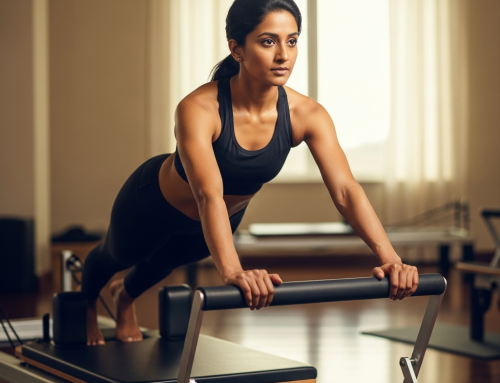
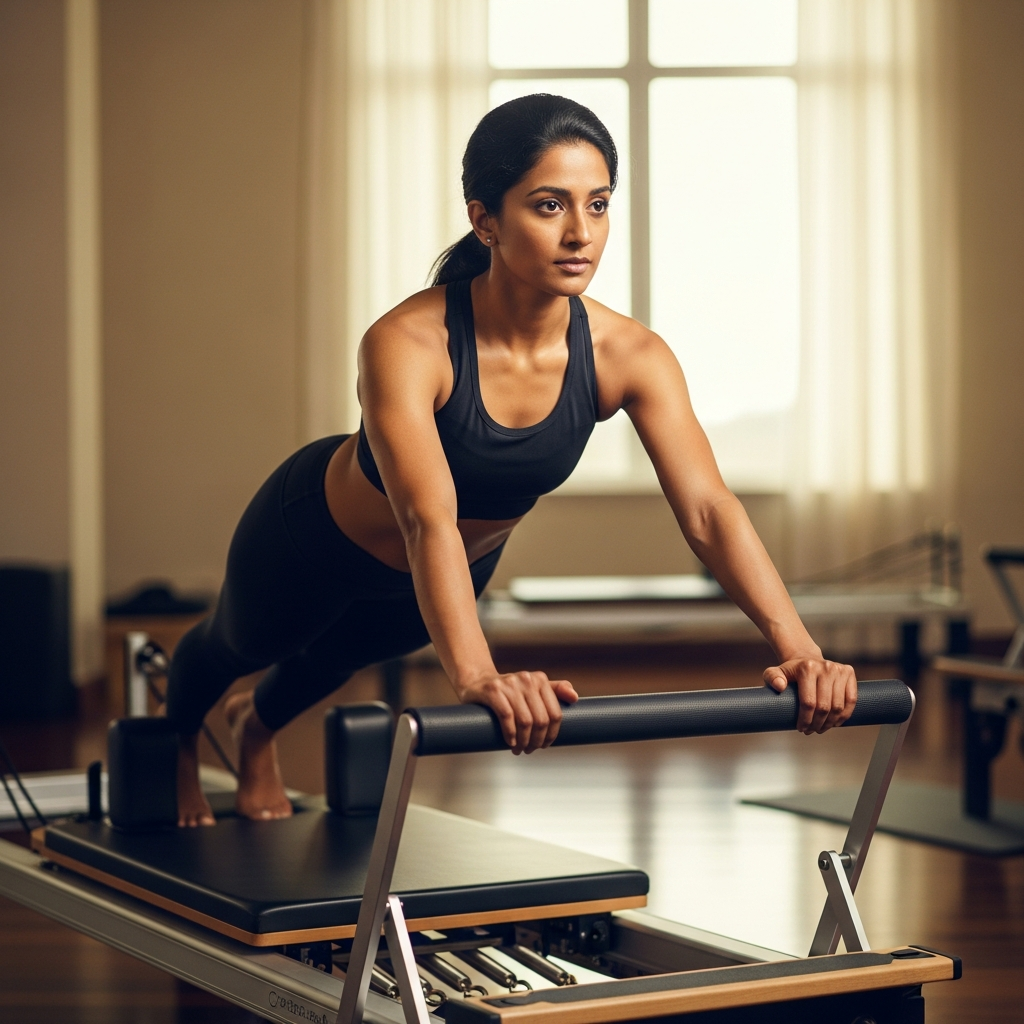
1. **Reformer Classes**: The Reformer is a bed-like frame with a flat platform on it, called the carriage, which rolls back and forth on wheels within the frame. These classes utilize the reformer machine, allowing for a diverse range of exercises that can be performed in various positions. This class type is perfect for those looking to enhance their strength, flexibility, coordination, and balance.
2. **Cardio Sculpt Classes**: These are high-intensity classes that combine traditional Pilates exercises with cardio activities. The aim is to enhance cardiovascular fitness while also building muscle tone. These classes often utilize jumping boards and TRX systems alongside Pilates equipment for a full-body workout.
3. **TRX Classes**: Club Pilates offers classes that incorporate TRX suspension training system into a traditional Pilates routine. TRX training utilizes body weight exercises to develop strength, balance, flexibility, and core stability simultaneously. It leverages gravity and the user’s body weight to complete the exercises.
4. **Barre Classes**: These classes incorporate elements of ballet, Pilates, and yoga into a full-body workout. They focus on isometric strength training combined with high reps of small range-of-motion movements. Barre classes also involve mat work and core work.
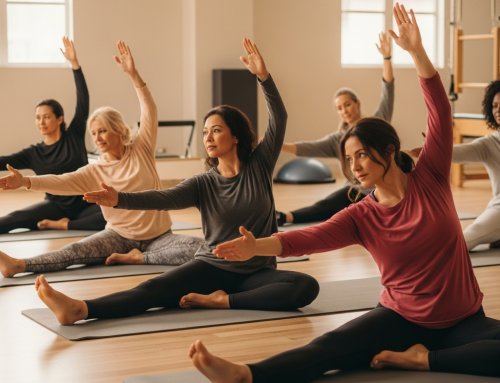
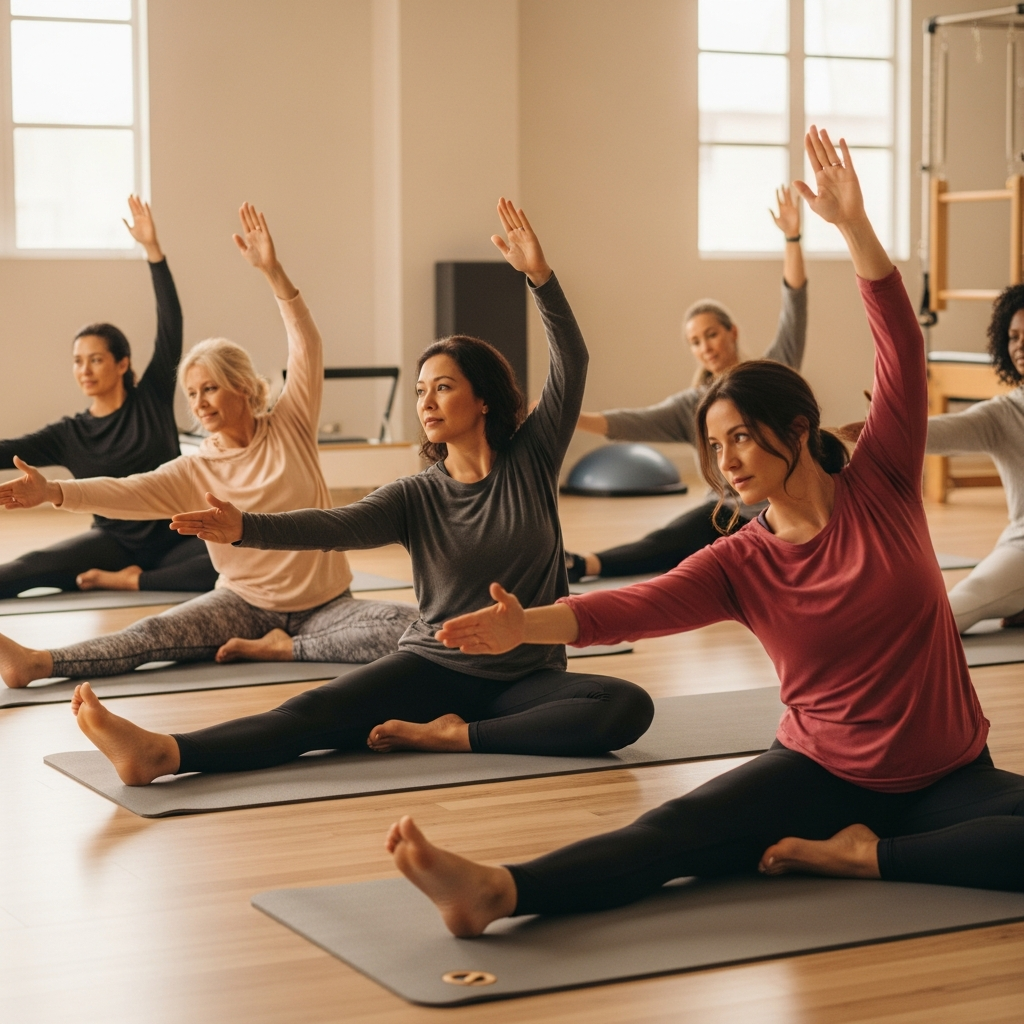
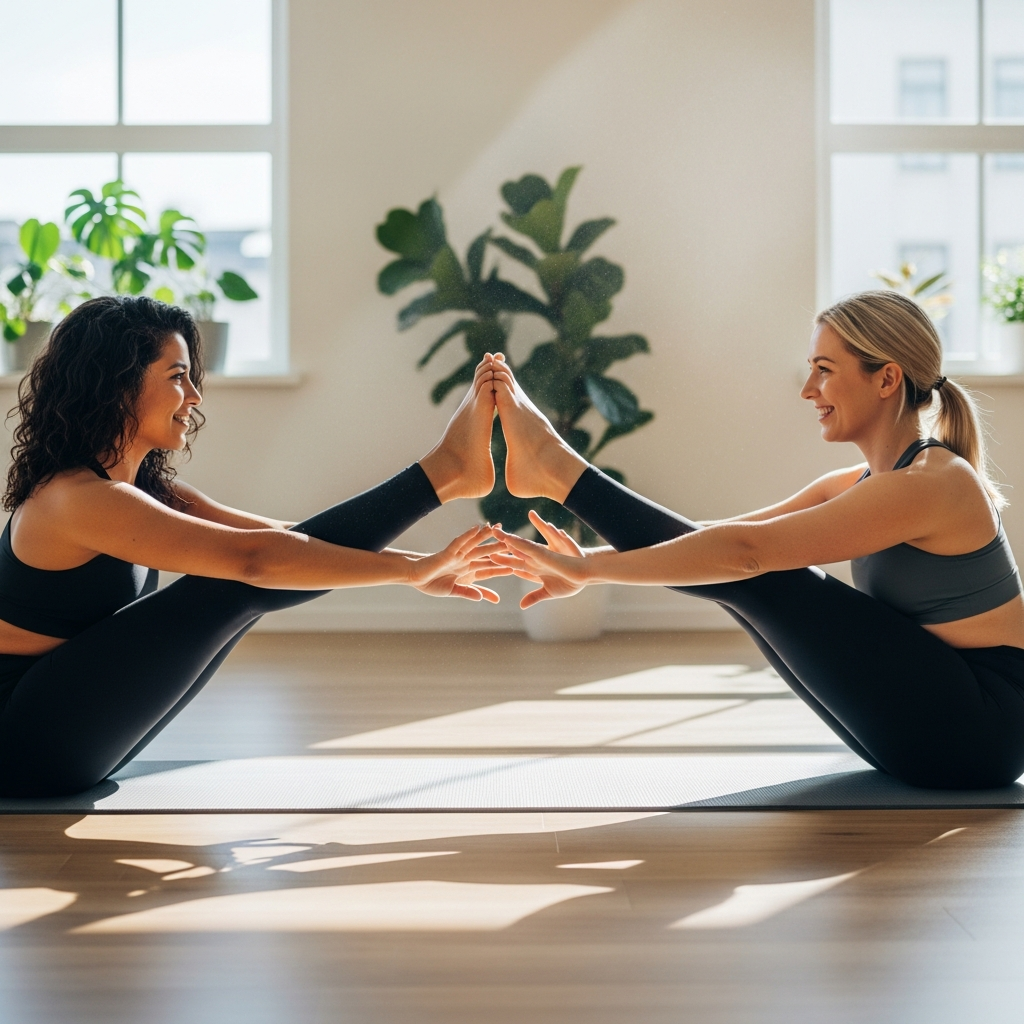
5. **Mat Classes**: Mat classes are a great way to learn the basics of Pilates. The exercises focus on strengthening the core and improving posture through a series of low-impact stretching and conditioning exercises. They are conducted on a mat, often using body weight or small pieces of equipment.
6. **Private and Semi-Private Classes**: For those looking for a more personalized experience, Club Pilates offers private and semi-private classes. These can be tailored to address specific needs or goals, such as injury recovery, prenuptial toning, or advanced athletic training.
Each Club Pilates class type is available in four levels: CP Level 1 (Foundations), CP Level 1.5 (Progressions), CP Level 2 (Evolution), and CP Level 2.5 (Mastery). This structured level system allows members to progress at their own pace, ensuring a safe yet challenging workout.
Club Pilates classes are taught by certified instructors who have undergone comprehensive training in the Club Pilates method. These instructors are well-equipped to guide practitioners of all levels, from beginners to advanced, ensuring that everyone gets the most out of their workouts.
In conclusion, Club Pilates offers a wide range of class types that cater to different fitness levels and goals. Each class is designed to reinforce the principles of Pilates while introducing new challenges to keep workouts engaging and effective. Whether you’re new to Pilates or an experienced practitioner, Club Pilates has a class that can help you reach your fitness goals.
An In-Depth Guide to Club Pilates Class Types
Club Pilates is a popular fitness franchise that offers an extensive range of pilates classes, each designed to cater to different fitness levels, goals, and preferences. Whether you are a beginner looking to explore the world of pilates or an advanced practitioner aiming to intensify your routine, Club Pilates has a class type for you. Let’s delve into the various class types, what they entail, and how you can benefit from them.
1. **Intro Class**
For beginners or those new to Club Pilates, the Intro Class is a fantastic starting point. This complimentary, 30-minute session provides an opportunity to familiarize yourself with the studio, equipment, and basic pilates movements. You will get an overview of Club Pilates’ method and a preview of their regular classes. To maximize this experience, arrive early, discuss any health concerns with the instructor, and don’t hesitate to ask questions.
2. **CP Reformer Flow**
The CP Reformer Flow classes form the core of Club Pilates’ offerings. These classes utilize the reformer machine, a staple tool in pilates that uses springs to create resistance. The reformer helps enhance flexibility, strength, balance, and coordination.
CP Reformer Flow classes come in levels 1.0 (for beginners), 1.5 (for those who’ve mastered the basics), and 2.0 (for advanced practitioners). As you progress through these levels, the complexity of movements and intensity increases. For example, in a level 2.0 class, you might perform advanced exercises like the “overhead” or “snake,” which are challenging for both strength and flexibility.
3. **CP Cardio Sculpt**
If your goal is to boost cardiovascular fitness while toning your body, the CP Cardio Sculpt class is ideal. This class combines reformer-based Pilates with low impact, heart-pumping exercises. The result is a full-body workout that enhances muscular endurance and burns calories.
Imagine yourself doing jump board exercises on the reformer, an effective way to elevate your heart rate while lying down – a unique experience that’s both challenging and fun.
4. **CP Center + Balance**
The CP Center + Balance class focuses on improving core strength, stability, and balance. Here, you’ll use props like the Bosu ball, TRX straps, and foam rollers to challenge your body in novel ways.
For instance, performing the “plank” exercise on the TRX straps not only works your abdominals but also demands stability from your entire body, enhancing overall balance and coordination.
5. **CP Restore**
The CP Restore class is a slower-paced session that combines pilates with mindful movement, stretching, and relaxation techniques. It’s perfect for recovery days or when you need a stress-relieving workout. During this class, you might perform deep stretches using the reformer or engage in breath-focused exercises to promote relaxation.
6. **CP Suspend**
In CP Suspend, you’ll use the TRX Suspension Trainer in conjunction with the reformer to deliver a dynamic, full-body workout. The combination of suspension training and pilates offers unique benefits — you challenge your body in all planes of motion, enhancing functional fitness.
In a typical CP Suspend class, you might experience performing a “suspended lunge” using the TRX straps — a fantastic way to strengthen your lower body while promoting balance and stability.
Understanding these Club Pilates class types can help you choose the one that best suits your fitness goals and preferences. Don’t be afraid to try different classes — variety can keep your workouts exciting and challenge your body in new ways. Remember to communicate with your instructor about any concerns or goals you have; they can help modify exercises to suit your needs.
Pilates is a journey, not a destination. So, enjoy the process and reap the numerous benefits of this holistic exercise method. Whether you opt for mat Pilates or reformer classes, remember that consistency is key. Over time, you’ll notice improvements in strength, flexibility, posture, and overall wellness. Happy practicing!
Deconstructing Club Pilates Class Types: Common Challenges, Solutions, and Expert Tips
Introduction
Pilates is a system of exercises designed to improve physical strength, flexibility, posture, and mental awareness. It offers a plethora of benefits, including improved body composition, enhanced mobility, injury prevention, and stress reduction. However, the diversity of Club Pilates class types can be daunting for newcomers. This guide aims to clarify misconceptions and provide best practices for Pilates and mat Pilates classes.
Common Challenges
1. Choosing the Right Class Type: With so many class options available, beginners often struggle to identify the best one for their needs. Club Pilates offers four levels: CP Intro (for beginners), CP Level 1, CP Level 1.5, and CP Level 2. Each level has different subtypes, including Reformer Flow, Cardio Sculpt, Center & Balance, etc.
2. Pilates Jargon: Terms like ‘Powerhouse’, ‘Peel off the mat’, or ‘Scoop your abdominals’ can be confusing for newcomers.
3. Physical Limitations: People with physical constraints may find some exercises challenging or even impossible.
Solutions and Best Practices
1. Guided Selection: It’s advisable to start with the CP Intro class to familiarize yourself with basic Pilates principles. As your strength and confidence grow, you can progress to more advanced levels. Consulting with an instructor can provide personalized guidance based on your fitness level and goals.
2. Understand the Terminology: Familiarize yourself with common Pilates terms before starting classes. ‘Powerhouse’ refers to the core muscles, ‘peel off the mat’ means to lift your body part by part from the floor, and ‘scoop your abdominals’ is about pulling in your stomach muscles.
3. Adaptation and Modification: Club Pilates instructors are trained to offer modifications for each exercise, accommodating various fitness levels and physical limitations.
Expert Tips
1. Consistency is Key: Like any fitness regimen, the benefits of Pilates are most notable with consistent practice. Aim for at least two to three sessions per week.
2. Mind-Body Connection: Pilates isn’t just about physical movement; it’s also about connecting with your body. Focus on your breathing, alignment, and the quality of each movement rather than the number of repetitions.
3. Use of Props: Don’t shy away from using props like the Pilates ring, balls, or bands. They can add resistance, provide support, and make exercises more challenging or accessible.
Misconceptions
1. Pilates is Just for Women: While it’s true that many Pilates practitioners are women, the method is equally beneficial for men. Joseph Pilates, the creator of the method, was a man, and he created it as a form of rehabilitation for soldiers during World War I.
2. Pilates is Easy: While it may not seem as intense as other workouts like HIIT or CrossFit, Pilates requires precision, control, and mental focus. It’s challenging in its unique way.
3. You Need to be Flexible for Pilates: Flexibility is a result of practicing Pilates, not a prerequisite. The exercises are designed to gradually improve your flexibility over time.
Conclusion
Understanding the different Club Pilates class types and their respective benefits can greatly enhance your Pilates journey. Remember to stay consistent, maintain a strong mind-body connection, and don’t hesitate to use props or ask for modifications as needed. Regardless of your fitness level or physical constraints, there’s a Pilates class out there that can cater to your needs and help you achieve your health and fitness goals.
Club Pilates offers a variety of class types to suit every level of fitness. Whether you’re new to Pilates or an experienced practitioner, there’s a class type that’s perfect for you. Here’s a detailed overview of what you can expect from each type, the timelines involved, and the next steps you can take to enhance your Pilates journey.
1. Introduction Class: This is a complimentary 30-minute session designed for individuals who are new to Pilates. It’s an excellent opportunity to familiarize yourself with the Reformer and other Pilates equipment. The instructor will guide you through the basic principles of Pilates, including alignment, breathing, and core activation. Expect a low-intensity workout that leaves you feeling confident and excited about your next class.
2. Level 1.0 (Foundation): This is a 50-minute beginner’s class that builds on the principles introduced in the introduction class. You’ll learn to perform a variety of exercises on the Reformer, TRX, springboard and more. This class establishes the foundation for your Pilates practice, improving your strength, flexibility, and overall body awareness.
3. level 1.5 (Progression): This intermediate level class takes you deeper into the Pilates method. The exercises become more challenging, focusing on balance, coordination, and improved posture. This 50-minute class is perfect for those who have mastered the basics and are ready for the next challenge.
4. Level 2.0 (Evolution): This advanced level class is a dynamic, fast-paced workout that pushes you to your limits. Expect complex movements that engage your entire body, promoting muscular endurance and improved cardiovascular health. This 50-minute class is ideal for advanced practitioners who want to maximize their Pilates practice.
5. Cardio Sculpt: If you’re looking to add a cardio element to your Pilates workout, this is the class for you. This high-energy, 50-minute class combines traditional Pilates exercises with low-impact cardio moves. Expect to sweat and leave feeling invigorated.
6. Reformer Flow: This class focuses on the seamless flow of movements performed on the Reformer, promoting a sense of rhythm and fluidity. This 50-minute class is perfect for individuals looking for a mindful, focused workout.
Now, in terms of timelines, it’s important to remember that Pilates is a journey, not a destination. It takes time to master the form and technique of each exercise, and progress may vary from person to person. As a general rule of thumb, you can expect to see noticeable improvements in your strength, flexibility, and posture after about 10-12 sessions. However, the benefits of Pilates go far beyond physical changes; many practitioners also report improvements in their mental wellbeing, stress levels, and overall quality of life.
As for next steps, it’s a good idea to speak with your instructor or studio manager to determine which class type is right for you. They can provide valuable input based on your fitness level, goals, and any potential limitations you may have. Once you’ve chosen a class type, it’s all about consistency. Aim to attend at least 2-3 classes per week for optimal results.
It’s also helpful to complement your Pilates classes with some form of cardiovascular exercise, such as walking, cycling, or swimming. This will enhance your overall fitness and help you get the most out of your Pilates practice.
Pilates is a versatile, adaptable method of exercise that can be tailored to meet the needs of virtually anyone. So whether you’re looking to improve your posture, build strength, recover from an injury, or simply feel better in your body, Club Pilates has a class type that’s perfect for you. Happy practicing!
In conclusion, exploring the diverse range of Club Pilates class types can be a truly transformative journey. Each class type has been meticulously designed to target and enhance specific areas of the body and aspects of fitness. Whether you’re a beginner or an experienced Pilates practitioner, there’s a class type at Club Pilates that can cater to your needs, help you reach your fitness goals, and elevate your overall wellness.
The CP Reformer Flow is a perfect starting point for those new to Pilates. This class familiarises you with the reformer equipment and the basic principles of Pilates. As you build strength, flexibility, and body awareness, you can gradually progress to more advanced levels.
For those seeking a more challenging workout, CP Center and Balance and CP Suspend classes offer a dynamic fusion of Pilates with elements of barre and TRX suspension training. These classes can significantly enhance your core strength, balance, coordination, and endurance.
The CP Restore class provides an excellent opportunity to release tension and restore your body through gentle stretching exercises. This class is ideal for those seeking to improve flexibility, recover from injuries, or simply unwind after a stressful day.
If you’re looking for a way to transform your body composition and boost your metabolism, the CP Cardio Sculpt class, which combines high-intensity interval training (HIIT) with Pilates, can be an excellent choice. This class can help you burn calories, build lean muscle mass, and improve cardiovascular fitness.
Remember that every individual’s fitness journey is unique. It’s essential to listen to your body and choose the class type that aligns with your current fitness level, goals, and preferences. The skilled instructors at Club Pilates are always available to guide you in choosing the right class type and ensuring that you perform the exercises safely and effectively.
Moreover, apart from enhancing physical fitness, Pilates classes at Club Pilates offer numerous other benefits. They help improve posture, boost mental well-being, enhance body awareness, and promote a sense of community. The emphasis on controlled, mindful movements can help cultivate a deeper mind-body connection and promote relaxation and stress relief.
Additionally, Club Pilates offers flexibility in terms of schedule with classes available throughout the day. This means you can easily fit your Pilates workout into your busy schedule. Moreover, the supportive and welcoming environment at Club Pilates studios can make your workout experience even more enjoyable and rewarding.
In essence, the varied Club Pilates class types offer an effective, holistic approach to fitness that goes beyond mere physical exercise. They offer a balanced blend of strength, flexibility, balance, endurance, and relaxation exercises that can enhance your overall wellness and improve your quality of life.
If you’re curious to explore the world of Pilates or wish to intensify your current practice, we invite you to experience the transformative power of Club Pilates classes. Our expert team is ready to assist you in embarking on this rewarding journey towards enhanced fitness and wellness. Don’t hesitate to contact us for guidance, support, and any queries you may have about Club Pilates class types. Start your Club Pilates journey today!