Unraveling the Essence of a Pilates Instructor: A Comprehensive Guide
Are you intrigued by the transformative power of Pilates? Do you find yourself captivated by how this unique form of exercise seamlessly blends mind-body wellness with physical strength and flexibility? If you’ve found yourself caught in the gravitational pull of Pilates, it’s likely that a Pilates instructor has played a significant role in your journey. But what exactly is a Pilates instructor, and why are they so pivotal to your Pilates practice?
In today’s fast-paced, health-conscious society, Pilates has emerged as a go-to fitness regimen for those seeking to build lean muscle, improve posture, enhance flexibility, and foster a sense of mental tranquility. Central to every Pilates session is the guiding hand of an experienced Pilates instructor, whose knowledge and expertise shape the course of your fitness journey. In this blog post, we will delve into the world of a Pilates instructor, illuminating their role, their training, and their impact on your overall wellness.
A Pilates instructor is a certified professional who is trained to teach Pilates exercises to individuals or groups. Their work isn’t confined to merely showing you the ropes; they’re instrumental in helping you understand the nuances of each movement, ensuring you’re performing them correctly to maximize benefits while minimizing the risk of injury. They are well-versed in both mat Pilates and reformer Pilates, understanding the subtle differences and unique benefits of each.
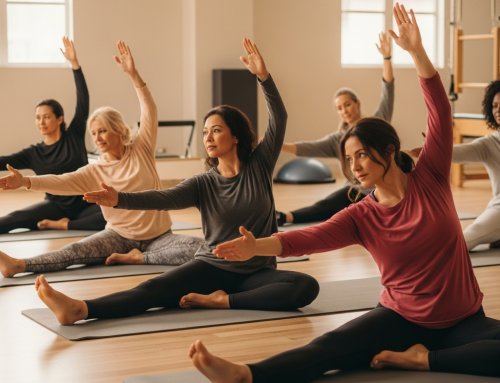
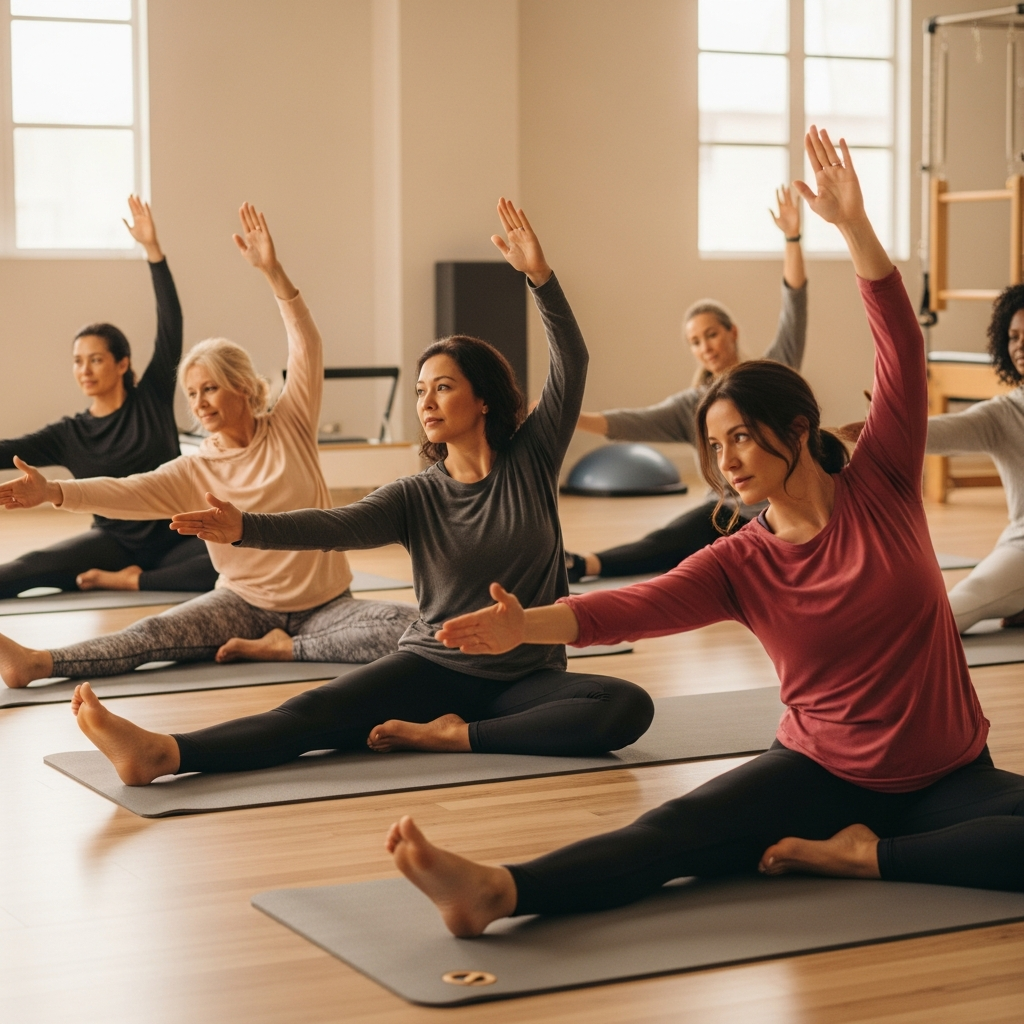
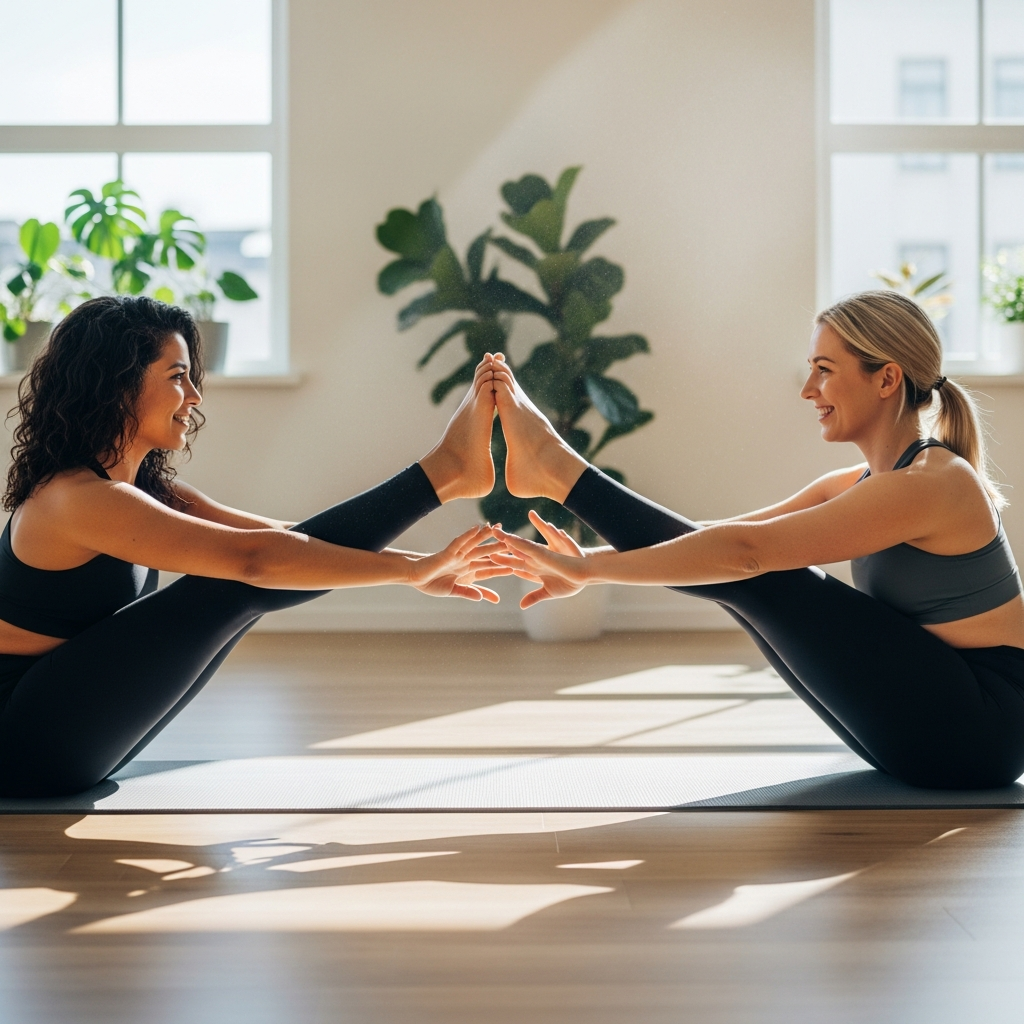
Mat Pilates, often considered the foundation of Pilates practice, focuses on controlled movements performed on a mat. It’s where most people start their Pilates journey, learning the essential principles of centering, control, flow, breath, precision, and concentration. A Pilates instructor tailors these mat exercises to suit various fitness levels, ensuring that everyone from beginners to seasoned practitioners can find challenge and growth.
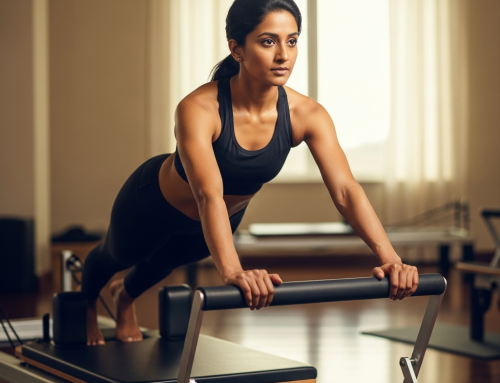
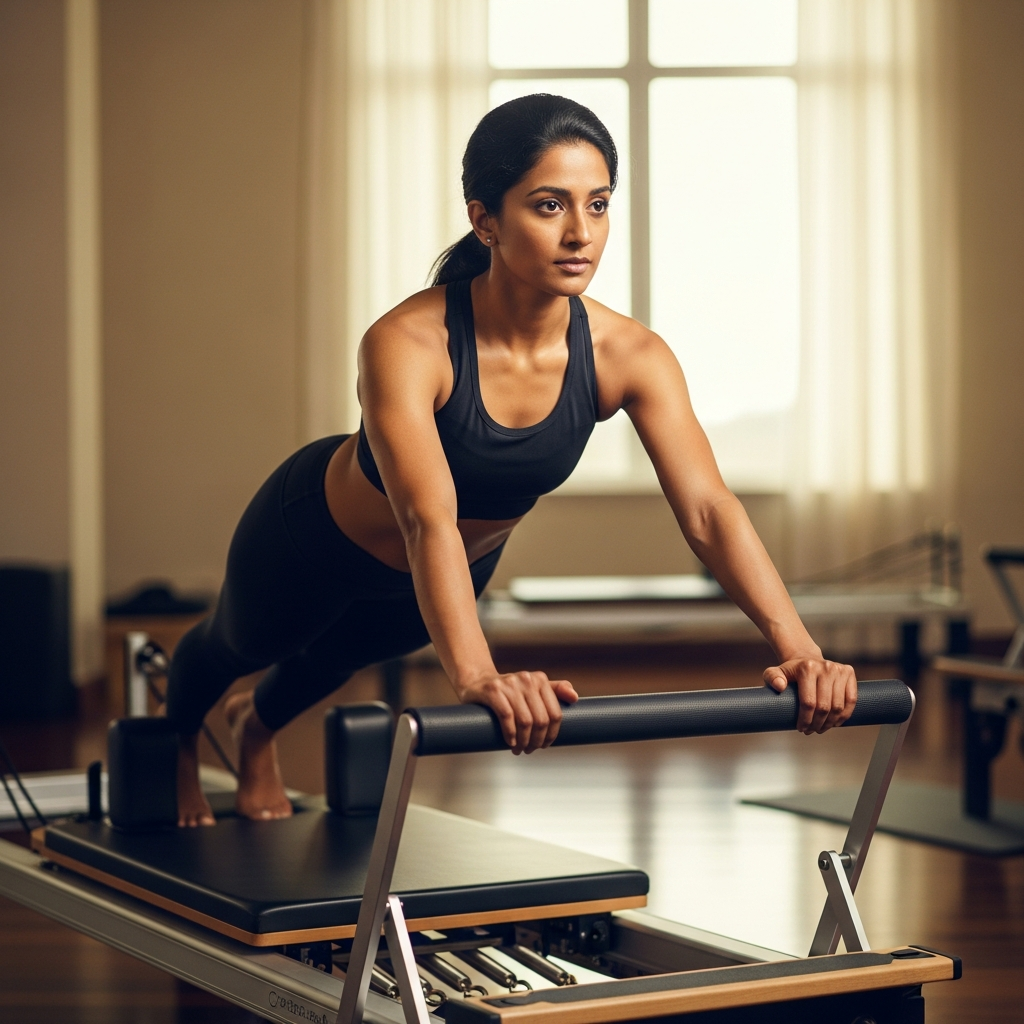
Pilates classes, on the other hand, often incorporate specialized equipment such as reformers, Cadillac, or Wunda chairs. These classes allow for a wider range of exercises and resistance levels, providing a more dynamic and intense workout. The Pilates instructor’s role here expands to include instruction in the safe and effective use of this equipment.
But the duties of a Pilates instructor extend beyond the physical realm. They are also responsible for creating a nurturing and motivating environment that encourages students to push their boundaries while respecting their bodies. They foster a sense of community within their classes, making every participant feel seen, heard, and appreciated.
Why does all this matter to you? Whether you’re a seasoned Pilates practitioner or someone hoping to embark on a path of physical transformation, understanding the role of a Pilates instructor can significantly enhance your fitness journey. It helps you appreciate the science and art behind each movement you make, bringing more mindfulness to your practice. Moreover, it allows you to make an informed choice when selecting an instructor whose style aligns with your fitness goals and personal preferences.
In this blog post, we will explore the intricate components of a Pilates instructor’s work, their training process, and how their expertise can shape your Pilates experience. We will delve into the specifics of mat Pilates and Pilates classes, highlighting how an instructor can guide you through each to unleash your true potential. In doing so, we hope to provide you with a deeper understanding of this remarkable fitness practice and its transformative powers.
Stay tuned as we unravel the intricacies of a Pilates instructor’s work, revealing how they can unlock the door to a stronger, healthier, and more mindful you.
The Fundamentals and Framework of Being a Pilates Instructor
A Pilates instructor is a highly skilled and trained professional who guides individuals through the world of Pilates, a system of exercises designed to enhance physical strength, flexibility, coordination, posture, and mental awareness. Their role goes beyond simple demonstration, encompassing teaching, coaching, and inspiring students to achieve their fitness goals while prioritizing safety and personal growth.
The Pilates system was developed by Joseph Pilates in the early 20th century as a comprehensive method of body conditioning and mind-body connection. Pilates is based on six core principles: concentration, control, centering, flow, precision, and breath. A good Pilates instructor embodies these principles in their teaching methodology.
To become a Pilates instructor, one must undergo a comprehensive training program that covers anatomy, physiology, and the understanding of the Pilates repertoire. They learn how to modify exercises for different body types and abilities, making Pilates accessible to everyone irrespective of age or fitness level.
Anatomy knowledge is crucial for a Pilates instructor. They need to comprehend the human musculoskeletal system deeply to understand how the body moves and functions. This knowledge helps them teach exercises accurately while minimizing the risk of injury. It also allows them to offer modifications and adjustments for various physical conditions or limitations that students may have.
A well-trained Pilates instructor also has an inherent understanding of movement patterns. Pilates exercises are not just about isolated movements; they’re about moving the body as a whole in a balanced way. Thus, instructors must understand how different parts of the body interact with each other during exercise.
Another critical element in a Pilates instructor’s training is learning how to guide students in connecting their mind and body through breath control. Breath is a central aspect of Pilates and serves as an internal rhythm for performing exercises. It not only helps to oxygenate the muscles but also focuses the mind and helps to integrate the body and mind in movement.
Once qualified, a Pilates instructor will typically teach both mat and equipment-based classes. Mat Pilates uses the body’s weight and gravity to provide resistance, while equipment-based Pilates, such as Reformer Pilates, uses specially designed equipment to add resistance and assist with movements. An instructor must be adept at both styles and able to teach a diverse range of students, from beginners to advanced practitioners.
Beyond the technical skills, a Pilates instructor also possesses excellent communication and interpersonal skills. They must be able to create a welcoming environment where students feel comfortable and motivated. They need to communicate effectively with students of varying fitness levels and provide clear instruction, feedback, and encouragement.
Furthermore, a Pilates instructor should have a strong commitment to their own professional development. The field of Pilates is dynamic, with new research, techniques, and approaches continually emerging. As such, instructors should stay up-to-date with the latest developments through ongoing education and training.
Additionally, a successful Pilates instructor embodies a healthy lifestyle and serves as a role model for students. They not only teach Pilates but also live by its principles, promoting overall wellness and balance in their own lives.
In conclusion, a Pilates instructor is much more than a fitness trainer. They are educators, motivators, and custodians of Joseph Pilate’s original method. They possess in-depth knowledge of anatomy, physiology, and the Pilates system itself. Yet they also have the communication skills and empathy to create an inclusive, supportive environment that promotes both physical fitness and mental well-being. Through their guidance, they help others discover the transformative power of Pilates and reach their health and fitness goals.
The Essential Guide to Understanding the Role of a Pilates Instructor
A Pilates instructor is a certified professional who guides students in learning and improving their practice of Pilates. This fitness system, developed by Joseph Pilates in the early 20th century, focuses on core strength, flexibility, and overall body awareness.
A Pilates instructor’s role is not just about teaching the exercises; it’s about promoting a holistic approach to health and fitness. They educate students about the principles of Pilates, including concentration, control, centering, flow, precision, and breathing.
1. Teaching & Guiding
A major part of a Pilates instructor’s job is to conduct classes. These can range from beginner sessions to advanced ones, from mat Pilates to equipment-based classes. Let’s consider mat Pilates: this class would primarily involve floor exercises using your body weight and gravity for resistance. An example scenario: an instructor might guide a class through exercises like the “Hundred,” “Roll-Up,” or “Teaser,” ensuring every student maintains correct form and breath control.
2. Personalizing Instruction
Every student is unique, with different fitness levels, body types, and health conditions. A skilled Pilates instructor tailors their instruction to meet individual needs. For example, if a student has lower back issues, the instructor might modify exercises to avoid strain and focus on strengthening the supporting muscles around the spine.
3. Ensuring Safety
Pilates instructors need to ensure a safe training environment. They should be knowledgeable about anatomy and physiology to prevent injuries. In a Reformer class, for instance, an instructor must ensure that students use the machine correctly. Misuse can lead to injuries such as muscle strains or sprains.
4. Motivating
Instructors must motivate their students to continue their practice and strive for improvement. This could involve setting attainable goals for each student or providing constructive feedback. For instance, in a Pilates class using Magic Circles, the instructor might encourage a student struggling to maintain the squeeze by suggesting ways to improve their grip or adjust their posture.
5. Continuous Learning
Being a Pilates instructor also means remaining a student. Instructors need to stay updated with the latest research, techniques, and equipment. They often attend workshops or additional training sessions to enhance their skills.
6. Building a Community
A Pilates instructor also plays a crucial role in creating a supportive community. By fostering a welcoming, inclusive environment, they encourage students to connect with each other, increasing their commitment to the practice.
Now, to become a Pilates instructor, you need to undergo comprehensive training and acquire certification from a recognized Pilates organization like the Pilates Method Alliance (PMA). The training usually involves coursework on Pilates principles, anatomy, and teaching techniques, as well as supervised teaching hours.
Remember that being a Pilates instructor is not just about the physical aspect; it’s also about having strong communication skills, patience, empathy, and a passion for health and wellness. If you love helping others and have an interest in fitness and body movement, becoming a Pilates instructor could be an excellent career choice for you.
In conclusion, a Pilates instructor plays many roles: teacher, coach, motivator, safety supervisor, student, and community builder. It’s a career that offers personal satisfaction, the opportunity to make a positive impact on others’ lives, and the chance to promote the practice of Pilates—a system that fosters physical strength, flexibility, and mental awareness.
What is a Pilates Instructor? Common Challenges, Solutions, and Expert Tips
A Pilates instructor is a trained professional who guides individuals or groups through Pilates exercises. These exercises, developed by Joseph Pilates in the early 20th century, focus on improving flexibility, strength, and body awareness, emphasizing the core muscles. These professionals are well-versed in mat Pilates and reformer Pilates, using various equipment such as resistance bands, exercise balls, and Pilates rings.
However, becoming a Pilates instructor presents its own unique challenges, misconceptions, and best practices. Here we will delve into these aspects and also offer some expert advice.
Common Challenges:
1. Comprehensive Training: One of the significant challenges in becoming a Pilates instructor is the intensive training required. It demands a great deal of time, effort, and financial investment, which can be daunting for many.
2. Anatomy Knowledge: A deep understanding of human anatomy is vital for teaching Pilates effectively. This can be challenging for those without a background in physical education or related fields.
3. Client Requirements: Every client has different fitness levels and goals. Meeting individual needs while ensuring safety can be challenging.
Solutions:
1. Choose a Reputable Training Program: Opt for an instructor training program that is recognized by the Pilates Method Alliance (PMA) or another reputable body. These programs typically provide a comprehensive curriculum that includes both practical and theoretical knowledge.
2. Continuing Education: Engage in ongoing learning about human anatomy and the latest developments in Pilates to expand your knowledge base. This will equip you to handle diverse client requirements.
3. Client-Centered Approach: Tailor your classes to meet the individual needs of your clients. Use modifications and progressions to ensure safety and effectiveness.
Expert Tips:
1. Practice What you Preach: Stay fit and continue your own Pilates practice. This not only helps maintain your physical condition but also enhances your teaching skills as you experience the exercises firsthand.
2. Stay Updated: Keep abreast of the latest trends and research in Pilates. This will allow you to incorporate new methods or equipment into your classes, making them more engaging and effective.
3. Build a Support Network: Connect with other Pilates instructors to share experiences, advice, and support. This can help you navigate the challenges of the profession.
Misconceptions:
1. Pilates is Only for Women: This is a widespread misconception. Pilates was developed by a man (Joseph Pilates) and is beneficial for everyone, regardless of gender.
2. Mat Pilates is Easier than Reformer Pilates: Both types of Pilates have their unique challenges and benefits. While mat Pilates requires greater control and balance, reformer Pilates offers more resistance and versatility.
3. Becoming a Pilates Instructor is Easy: This misconception can lead to underestimating the effort required, leading to inadequate preparation. It requires in-depth knowledge, comprehensive training, and a commitment to continuous learning.
Best Practices:
1. Prioritize Safety: Always prioritize the safety of your clients. Ensure they are performing exercises correctly to prevent injury.
2. Provide Clear Instructions: Clear, concise cues and demonstrations can help clients perform exercises effectively.
3. Encourage Feedback: Encouraging clients to provide feedback can help you tailor your classes more effectively to their needs.
In conclusion, being a Pilates instructor is rewarding but it does require commitment, knowledge, and passion. By understanding common challenges and misconceptions, adopting best practices, and implementing expert tips, you can excel in this fulfilling career.
What is a Pilates Instructor: Expectations, Timelines, and Next Steps
A Pilates Instructor is a fitness professional who teaches Pilates, a body conditioning routine that helps build flexibility, endurance, and coordination in the legs, abdominals, arms, and back. The role of a Pilates Instructor involves guiding individuals through exercises that target specific parts of the body, mainly focusing on core strength, balance, and flexibility. These professionals are equipped with a deep understanding of human anatomy and the principles of body movement.
Expectations from a Pilates Instructor
1. Comprehensive Knowledge and Skills: A good Pilates instructor is expected to have a thorough understanding of Pilates exercises and their impacts on different body types. They should be able to modify exercises to cater to individual needs, based on factors like fitness levels, age, and health conditions.
2. Communication: Clear communication is critical in this role. The Pilates Instructor should be able to explain each exercise’s purpose and technique, ensuring that clients perform them correctly to prevent injuries.
3. Motivation: A Pilates Instructor should motivate clients to achieve their fitness goals. This involves encouragement during sessions, setting achievable targets, and providing positive feedback.
Becoming a Pilates Instructor: Timelines and Next Steps
The journey to becoming a Pilates Instructor varies in duration depending on your dedication, prior experience, and the type of certification you choose. However, typically it takes anywhere from six months to a year to become a certified Pilates Instructor.
Here are the next steps towards becoming a certified Pilates Instructor
1. Enroll in a Pilates Instructor Certification Program: This is the first step in your journey. There are various programs available, both online and in-person. Be sure to choose one that’s accredited by a recognized fitness or Pilates association to ensure its legitimacy.
2. Complete the Coursework: Coursework typically includes anatomy, teaching methodology, and an in-depth study of Pilates exercises. You will also learn about modifications for different fitness levels and how to design a complete Pilates program.
3. Practical Training: Most programs require a certain number of hours of practical training. This includes observing classes, assisting a certified instructor, and eventually teaching under supervision.
4. Examination: After completing your coursework and practical training, you will need to pass an examination. This usually includes a written test on theory and a practical demonstration of your teaching skills.
5. Continuing Education: Once you become a certified Pilates Instructor, it’s important to continue learning. Regularly attending workshops or additional courses can help you stay updated with the latest trends in Pilates.
Mat Pilates and Pilates Classes
Mat Pilates is a type of Pilates performed on a mat, making it easily accessible for beginners. It focuses on controlled breathing during body weight resisted movement to build core strength.
As a Pilates Instructor, you could run Mat Pilates classes where exercises are performed in a group setting. These classes cater to various fitness levels by modifying exercises to be more or less challenging, ensuring all clients get the most from their workout.
In conclusion, becoming a Pilates Instructor involves dedication, time, and a commitment to learning. But the rewards of helping others achieve their fitness goals and maintaining a healthy lifestyle yourself make it a truly fulfilling career choice. Whether you choose to specialize in mat Pilates or teach in a fully-equipped Pilates studio, the key is continuous learning and adapting to your clients’ needs.
In conclusion, a Pilates instructor is a trained professional who guides and supports individuals in performing Pilates exercises, a fitness system developed in the early 20th century by Joseph Pilates. These instructors are the backbone of any quality Pilates training program. They are responsible for creating a safe and encouraging environment for all fitness levels, so that anyone can enjoy and benefit from this highly effective form of exercise.
A Pilates instructor has a deep understanding of human anatomy and the principles of Pilates, which includes concentration, control, centering, flow, precision, and breathing. They apply these principles to develop and implement a range of exercises tailored to the specific needs and abilities of their clients. Whether you’re recovering from an injury, preparing for an athletic event, or simply looking to improve your overall fitness, a Pilates instructor can offer expert guidance and support.
The role of a Pilates instructor extends beyond simply demonstrating exercises. They play an integral part in their clients’ journey towards better health and wellness. By observing clients perform exercises, they are able to provide immediate feedback and make necessary modifications to ensure optimal alignment and execution. Furthermore, they also help motivate clients to stay committed to their fitness goals and maintain a positive mindset.
Education and certification are fundamental components to becoming a successful Pilates instructor. Reputable certification programs require rigorous training that includes practical and theoretical exams to ensure a comprehensive understanding of Pilates methods. Instructors are also encouraged to regularly participate in continuing education courses to stay abreast of new research and techniques in the field.
Remember, the effectiveness of your Pilates workout largely depends on the quality of instruction you receive. Hence, it’s crucial to choose an instructor who is not only certified but also has a passion for teaching and a commitment to their client’s progress.
In the end, it’s important to note that the role of a Pilates instructor is multifaceted. They are teachers, motivators, and guides who help clients achieve their fitness goals. They provide a safe and supportive environment for clients to explore the benefits of Pilates, whether they’re beginners or advanced practitioners. A Pilates instructor’s ultimate goal is to empower individuals to take control of their own health and wellbeing.
As you embark on your Pilates journey, remember that the right instructor can make all the difference. Their expertise, passion, and dedication can help you enjoy the process while achieving your fitness goals. If you’re ready to experience the benefits of Pilates under the guidance of a professional, don’t hesitate to reach out to us.
We invite you to contact us today for any assistance you may need in finding the perfect Pilates instructor for your needs. Our team of certified and experienced instructors is ready to guide you on your journey to improved wellness and fitness. Whether you’re just starting out or looking to take your Pilates practice to the next level, we’re here to support you every step of the way.
Let us assist you in unlocking the full potential of Pilates. Contact us today, and let’s start your journey towards a stronger, healthier you.