Unraveling the Pilates Universe: A Deep Dive Into Pilates Instructor Jobs
Are you someone who thrives on health and fitness, finds joy in movement, and dreams of turning your passion into a fulfilling career? Then, you might have already considered becoming a Pilates instructor. But what does it really take to embark on such a journey? What are the rewards and challenges of being a Pilates professional? If you’re curious about these questions, stick around because we’re about to unravel the universe of Pilates instructor jobs.
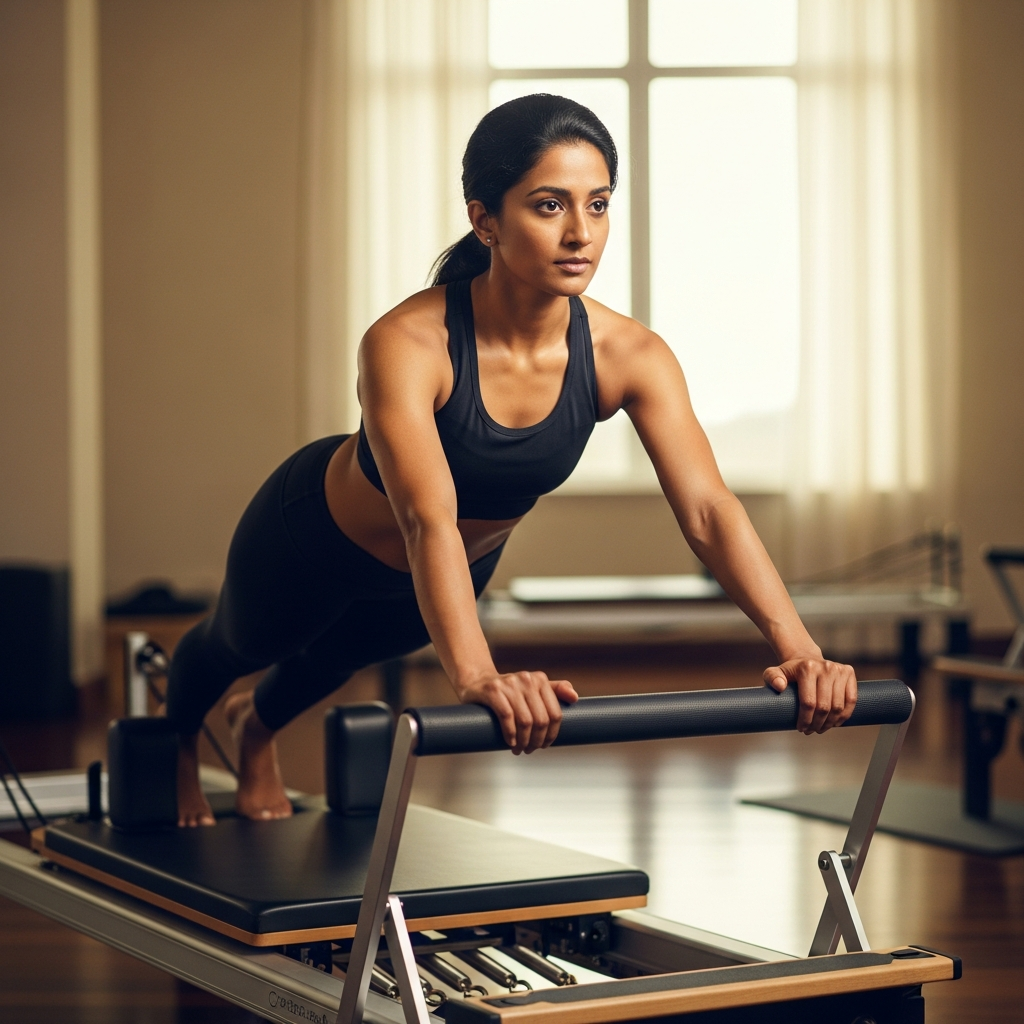
The world of Pilates is rich and diverse, offering numerous opportunities for those who wish to immerse themselves in it. Whether it’s mat Pilates, reformer Pilates or studio-based classes, the demand for qualified instructors is growing every day. Not just in gyms or fitness studios, but also in rehabilitation centers, corporate wellness programs, and even online platforms. However, like any profession, becoming a Pilates instructor requires more than just a passion for fitness. It takes dedication, training, and a deep understanding of this transformative discipline.
In this article, we will explore everything you need to know about becoming a Pilates instructor. We’ll delve into the educational requirements, the different training programs available, and the skills you need to succeed in this role. We’ll also give you an insight into the day-to-day life of a Pilates instructor, their earning potential, and the many career pathways it can lead to.
But why should this matter to you? Well, whether you’re contemplating a career change or you’re an avid Pilates enthusiast thinking about taking your love for this practice to the next level, understanding what a Pilates instructor job entails can help you make an informed decision. It can also provide you with a deeper appreciation of the work that goes behind each Pilates class you attend.
Many people are drawn to Pilates because of its focus on balance, flexibility, and core strength. But beyond the physical, Pilates also promotes mindfulness and holistic well-being. As a Pilates instructor, you have the opportunity to guide others in their journey towards better health and improved quality of life. It’s a role that’s both rewarding and meaningful.
However, it’s not all about the sun salutations and deep breathing. Being a Pilates instructor can be physically demanding and mentally challenging. It requires a high level of commitment, continuous learning, and the ability to connect with a diverse range of people.
So, are you ready to dive into the world of Pilates instructor jobs? Are you eager to discover what it takes to turn your passion for Pilates into a rewarding career? If so, keep reading. This comprehensive guide will provide you with valuable insights, practical advice, and insider tips to help you navigate your path in the world of Pilates.
Whether you’re a fitness enthusiast looking to turn your passion into a profession, or a seasoned practitioner considering a career change, this piece is your launchpad into the dynamic world of Pilates instruction. So, roll out your mat and prepare for an enlightening journey into the heart of the Pilates universe.
Pilates Instructor Jobs: An Exploration of Fundamentals and Framework
Pilates, a body conditioning routine that helps build flexibility, muscle strength, and endurance, is a popular fitness regimen across the globe. The method, developed by Joseph Pilates in the 20th century, emphasizes proper postural alignment, core strength, muscle balance, and improved mental awareness. As a result of its growing popularity, there is a rising demand for experienced, qualified Pilates instructors.
With the rise in interest in fitness and wellness, a career as a Pilates instructor can be rewarding and fulfilling. To understand what this role involves and how to succeed in it, we must delve into the fundamentals of this profession.
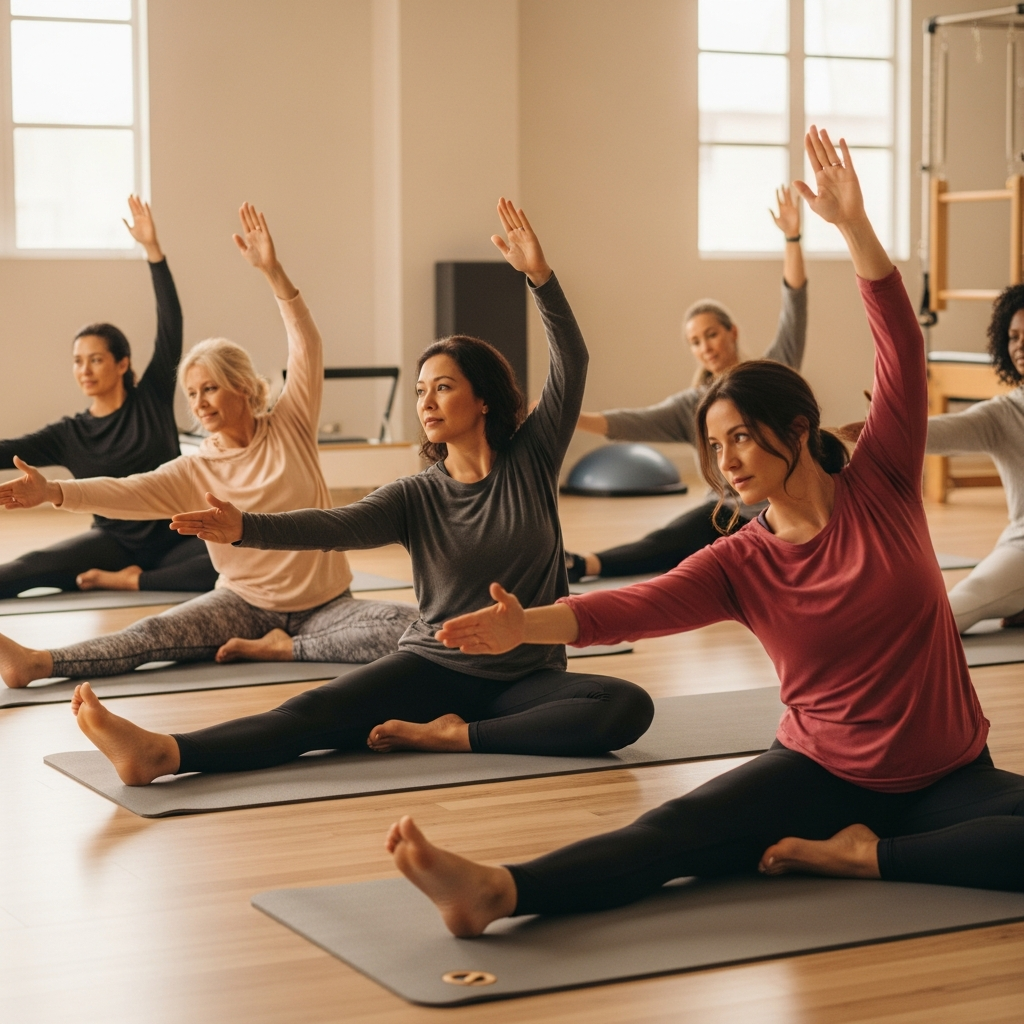
A Pilates instructor teaches Pilates exercises to individuals and groups in studios, fitness centers, or private settings. These professionals are well-versed in the principles of Pilates and understand how to modify exercises to accommodate various levels of fitness and different physical conditions. They also need an intuitive understanding of human anatomy to ensure the safety and effectiveness of the exercise routines they prescribe.
The job of a Pilates instructor is multi-faceted. Besides teaching, they also play a pivotal role in designing individual or group fitness programs that cater to the specific needs and goals of their clients. They may work with clients recovering from injuries, those aiming for weight loss, athletes seeking performance improvement, or individuals simply wanting to improve their physical fitness levels.
A significant part of a Pilates instructor’s job is to ensure the correct execution of exercises by their clients. They are responsible for demonstrating exercises, observing clients while they perform them, correcting their postures, and providing feedback. This requires keen observational skills, an in-depth understanding of the Pilates methodology, and excellent communication skills.
Becoming a professional Pilates instructor requires rigorous training and certification. Numerous organizations provide Pilates instructor training programs, including the Pilates Method Alliance (PMA) and the Body Arts and Science International (BASI). These programs often involve hundreds of hours of coursework, including anatomy, principles of Pilates, mat exercises, and equipment-based exercises.
After completing the coursework, prospective instructors must pass practical and written exams to demonstrate their comprehension and ability to teach Pilates effectively. Once they receive certification, they are eligible to teach Pilates in various settings. However, the learning does not stop there. To maintain their certification, Pilates instructors must continue their education and training periodically.
Being a Pilates instructor also requires a high level of physical fitness. Instructors must be able to demonstrate exercises effectively and work with clients who have varying fitness levels. They also need to possess the endurance to teach multiple classes a day. Therefore, personal commitment to Pilates and maintaining their physical fitness is crucial for these professionals.
In terms of environment, Pilates instructors work in a variety of settings, including gyms, fitness centers, dance studios, rehabilitation centers, or in clients’ homes. Some instructors may choose to open their own studios. The job can offer flexibility in terms of schedule but may require working during early mornings, late evenings, or weekends when clients are available.
Additionally, successful Pilates instructors need to possess certain personal qualities. Patience is vital as clients may take time to learn and master exercises. Empathy is also important as clients may come with different physical abilities or limitations. Furthermore, excellent communication skills are crucial for explaining exercises clearly and motivating clients.
The profession’s financial prospects can vary widely based on several factors such as the instructor’s level of experience, location, whether they work for a studio or run their own business, and the type of clients they train. However, the growing interest in Pilates indicates that the demand for qualified instructors will continue to rise.
In conclusion, becoming a Pilates instructor involves comprehensive training and certification, a commitment to fitness, and the ability to work with a diverse range of clients. The job requires a blend of technical knowledge, physical ability, and interpersonal skills. With the increasing focus on wellness and physical fitness, a career as a Pilates instructor offers exciting opportunities for those passionate about helping others achieve their fitness goals.
The Landscape of Pilates Instructor Jobs: A Comprehensive Guide
As an expert in the field of Pilates, I am often asked about the opportunities that exist for those considering a career as a Pilates instructor. This guide aims to provide practical, step-by-step guidance for individuals interested in this rewarding and fulfilling profession.
Step 1: Understand the Role of a Pilates Instructor
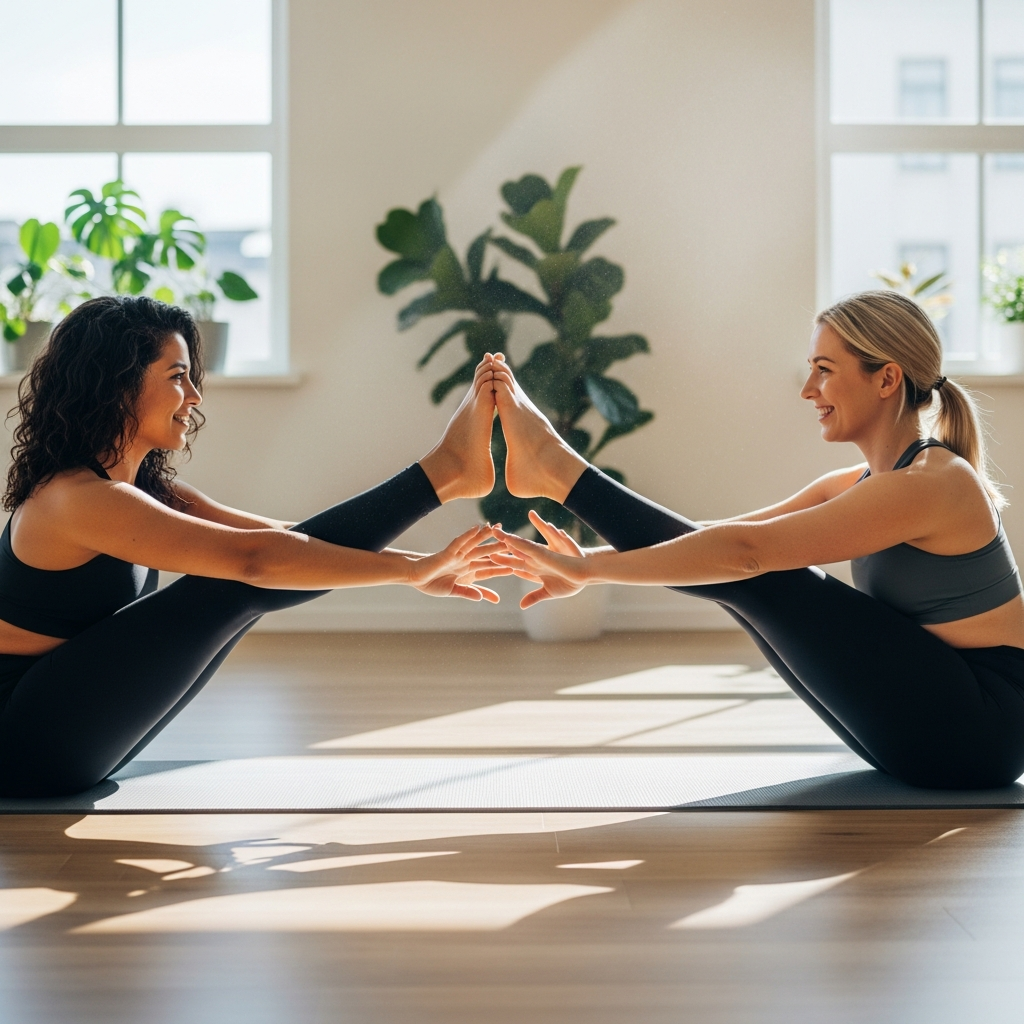
Before you delve into the world of Pilates instruction, it’s crucial to understand what the job entails. A Pilates instructor guides students through exercises that promote strength, flexibility, and balance. They may teach mat Pilates, a form that uses body weight for resistance, or they might instruct classes utilizing Pilates machines like reformers. They need to be able to adjust exercises to accommodate different fitness levels and physical conditions.
Step 2: Get Certified
To become a professional Pilates instructor, you must first become certified. There are many different certification programs available, but most require a combination of coursework, a practical examination, and teaching hours. Look for a program that is accredited by a reputable organization like the Pilates Method Alliance.
Step 3: Gain Experience
After certification, it’s time to gain some real-world experience. Many new instructors begin by teaching mat classes at fitness centers, community centers, or even at clients’ homes. Some choose to work at an established Pilates studio where they can learn from experienced instructors and gradually take on more advanced classes.
Step 4: Specialize
Once you’ve gained some experience, consider specializing in a particular type of Pilates or working with a specific population. For example, you might choose to become an expert in mat Pilates or focus on teaching classes for seniors or pregnant women. Specializing can increase your marketability and allow you to charge higher rates.
Step 5: Build Your Brand
As you gain experience and establish your niche, it’s important to build your brand. This might involve creating a professional website, becoming active on social media, or even opening your own Pilates studio. Networking with other fitness professionals and participating in continuing education can also help you stay current and increase your visibility in the field.
A Real-World Example:
Let’s consider a real-world example to illustrate these steps. Meet Lisa, a certified Pilates instructor who specializes in mat Pilates.
After getting her certification, Lisa started teaching mat classes at a local community center. She quickly realized that she had a knack for helping beginners feel comfortable and confident in their Pilates practice. This inspired her to specialize in beginner-friendly mat Pilates.
Lisa decided to build her brand around this specialty. She created a website and social media profiles where she shares beginner-friendly Pilates tips and exercises. She also started offering private lessons for beginners who want more personalized instruction.
Today, Lisa has a thriving business teaching mat Pilates to beginners. She loves helping her students discover the benefits of Pilates, and her students appreciate her patient, supportive approach.
This is just one example of the many paths you can take as a Pilates instructor. The key is to combine your passion for Pilates with your unique skills and interests to create a fulfilling career that brings real value to your students.
In conclusion, becoming a Pilates instructor involves more than just loving the practice; it requires commitment, hard work, and strategic planning. But for those who are passionate about Pilates and eager to share its benefits with others, it can be an incredibly rewarding career path.
Unraveling the Pilates Instructor Job: Challenges, Solutions, and Expert Tips
Pilates is a form of exercise that focuses on the development of the body’s core strength, flexibility, and overall awareness. It has become increasingly popular in recent years due to its benefits for both physical and mental health. As a result, the demand for qualified Pilates instructors has grown significantly. However, as with any profession, there are common challenges, solutions, and best practices associated with pilates instruction.
Common Challenges:
1. Certification Process: One of the most prominent challenges facing prospective Pilates instructors is the certification process. It involves rigorous training, both theoretical and practical, which can be time-consuming and financially demanding.
2. Client Retention: Keeping clients engaged and committed to their Pilates practice is another challenge. This can be particularly difficult when clients don’t see immediate results or have unrealistic expectations about the benefits of Pilates.
3. Class Planning: Designing a class that suits all levels of fitness and expertise can be daunting. It’s important to maintain a balance between challenging and motivating clients without discouraging or overwhelming them.
4. Professional Development: The fitness industry is ever-evolving, and new techniques and trends can often overshadow traditional methods. Keeping up-to-date with these changes while maintaining the integrity of classical Pilates principles can be a challenge.
Solutions & Best Practices:
1. Choose the Right Certification Program: Select a certification program that offers comprehensive training in both mat and apparatus Pilates. These courses should cover anatomy, biomechanics, and the history and principles of Pilates. Consider programs that offer ongoing support even after certification.
2. Clear Communication: Set realistic expectations for your clients from the beginning about the time it may take to see results from their Pilates practice. Regularly communicate with them about their progress and modify their program as needed.
3. Class Design: Plan your classes with a balanced approach. Begin with easier exercises and gradually increase the intensity. Incorporate both mat and apparatus exercises to offer variety and keep clients engaged.
4. Continuous Education: Stay up-to-date with industry trends by attending workshops, seminars, and conferences. Join professional Pilates associations for networking and learning opportunities. Remember, continuing education is an investment in your career.
Expert Tips:
1. Authenticity: Be true to the principles of Pilates in your teaching. While it’s important to stay current with trends, don’t lose sight of the foundational principles of Pilates that make it a unique and effective form of exercise.
2. Empathy: Understand that everyone’s body is different, and progress will vary from person to person. Be patient with your clients and offer them personalized attention and advice.
3. Creativity: Keep your classes fresh and exciting by incorporating new exercises or variations on traditional ones. This will keep your clients motivated and looking forward to their next session.
4. Maintain Your Practice: As a Pilates instructor, it’s essential to maintain your personal Pilates practice. This not only keeps you fit but also helps you understand the challenges your clients might face in their own workouts.
In conclusion, becoming a successful Pilates instructor involves overcoming challenges, implementing effective solutions, and following industry best practices. It requires dedication, continuous learning, creativity, and a deep understanding of the principles of Pilates. By doing so, you can make a significant impact on the health and well-being of your clients while enjoying a rewarding career in this growing field.
Pilates Instructor Jobs: Expectations, Timelines, and Next Steps
Pilates has become one of the most popular fitness trends worldwide, with its focus on core strength, flexibility, and mind-body connection. Consequently, the demand for certified Pilates instructors has surged. If you’re passionate about fitness and wellness and enjoy helping others achieve their health goals, becoming a Pilates instructor could be an exciting career path for you. This guide will provide detailed information about what to expect, timelines, and next steps to consider when pursuing a Pilates instructor job.
**What to Expect as a Pilates Instructor**
As a Pilates instructor, you’ll play a crucial role in training and guiding individuals or groups through a series of exercises that improve balance, posture, strength, and flexibility. You can expect to work in various settings such as fitness centers, dedicated Pilates studios, community centers, or even provide private lessons.
Your primary responsibilities will include designing personalized Pilates programs for clients of different skill levels and needs, demonstrating exercises, correcting clients’ form to prevent injuries, and motivating them to reach their fitness goals. Additionally, you’ll need to stay updated with the latest Pilates techniques and trends to provide top-notch instruction.
Being a Pilates instructor is not solely about teaching; it also involves building relationships. You’ll interact with many people, each with unique personalities and needs. Excellent communication skills are essential for explaining complex movements effectively and building rapport with your clients.
**Timelines for Becoming a Pilates Instructor**
Becoming a certified Pilates instructor doesn’t happen overnight. The timeline varies depending on the certification program you choose and the amount of time you can dedicate to training. Generally, it can take anywhere from six months to two years to become fully certified.
The first step is to gain experience by participating in various Pilates classes, including mat Pilates and equipment-based classes. This exposure will help you understand the different techniques and decide which certification track aligns with your career goals.
Next, you’ll need to enroll in a Pilates instructor training program. Programs can range from 100 to 500 hours, encompassing coursework, practical training, observation hours, and a final exam. Some programs offer modules focusing on mat Pilates, while others provide comprehensive training covering all Pilates equipment.
After completing your course, you’ll need to pass a certification exam from a recognized Pilates association like the Pilates Method Alliance (PMA). It’s important to remember that maintaining your certification will require continuous education.
**Next Steps for Aspiring Pilates Instructors**
1. **Gain Experience in Pilates**: Start by attending a variety of Pilates classes to familiarize yourself with the practice. Mastery of the exercises and understanding the principles behind them is crucial before you start teaching others.
2. **Choose a Training Program**: Research and select a comprehensive Pilates instructor training program that suits your career goals. Ensure the program is recognized by national or international Pilates associations for credibility.
3. **Complete Your Training**: Dedicate yourself to the coursework, observe experienced instructors, and practice teaching others. The more hands-on experience you gain, the more confident and competent you’ll be as an instructor.
4. **Earn Your Certification**: After successfully completing your training program, prepare for and pass the certification exam to become a certified Pilates instructor.
5. **Begin Teaching**: Start by teaching beginner classes or offering one-on-one sessions. As you gain confidence and experience, you can advance to teaching more complex classes or even open your own Pilates studio.
6. **Continue Learning**: The field of Pilates is continually evolving. Keep up with new techniques and theories by attending workshops, webinars, and conferences. You can also pursue advanced certifications to specialize in areas like rehabilitation or pre/postnatal Pilates.
In conclusion, becoming a Pilates instructor is a rewarding career for those passionate about fitness and helping others. With dedication, patience, and continuous learning, you can excel in this field and make a significant impact on your clients’ health and well-being.
In conclusion, the role of a Pilates instructor is undeniably rewarding and fulfilling. Through this profession, you have the opportunity to positively impact individuals’ health, fitness, and overall well-being. As we’ve detailed in this article, becoming a Pilates instructor involves a comprehensive journey of acquiring knowledge, honing skills, earning certifications, and gaining hands-on experience.
One of the first key takeaways is that a deep-seated passion for Pilates and a commitment to promoting wellness are essential prerequisites for this career. As an instructor, you will be responsible for teaching students the fundamental principles of Pilates and guiding them through a series of exercises designed to strengthen their core, improve their flexibility and balance, and promote their overall health. Your passion for Pilates will motivate your students to commit to their fitness goals and persist through challenging workouts.
Secondly, becoming a certified Pilates instructor demands dedication and effort. You must complete a comprehensive training program that includes coursework on anatomy, physiology, movement mechanics, and the principles of Pilates. This rigorous education prepares you to instruct a diverse range of students safely and effectively. Additionally, earning a certification from a reputable organization enhances your credibility as an instructor and opens up numerous job opportunities.
Furthermore, gaining practical experience is vital for honing your teaching skills. Whether through internships, volunteer work, or part-time jobs, hands-on experience allows you to apply what you’ve learned in training, develop your unique teaching style, and learn how to adapt your instruction to meet the needs of different students.
Lastly, pursuing a career as a Pilates instructor requires continual learning and development. The field of fitness and wellness is dynamic, with new research findings and trends emerging regularly. To maintain your effectiveness as an instructor and stay competitive in the job market, you must commit to ongoing professional development through workshops, seminars, or advanced certifications.
In terms of job prospects, Pilates instructors have various employment options, from working in fitness centers, health clubs, and Pilates studios, to offering private lessons or even starting their own business. The demand for Pilates instructors is expected to increase in the coming years, driven by a growing awareness of the importance of physical fitness and the unique benefits that Pilates offers.
Aspiring to become a Pilates instructor is indeed a noble and fruitful journey. However, the road may seem daunting without proper guidance. That’s where we come in. Our team is dedicated to supporting your journey to becoming a successful Pilates instructor. Whether you’re looking for advice on choosing a training program, preparing for certification exams, or finding job opportunities, we’re here to assist.
You’ve learned about the rewarding nature of a Pilates instructor’s job, the rigorous training and certifications involved, the importance of hands-on experience, and the need for continual professional development. Now it’s time to take action. Don’t let your passion for Pilates and your dream of teaching others go wasted. Contact us today for personalized assistance and guidance. Embark on your journey towards a fulfilling career as a Pilates instructor with confidence and enthusiasm. Your dream job awaits!