The Path to Becoming a Pilates Instructor: A Comprehensive Timeline
Have you ever found yourself in the middle of a Pilates class, marveling at the grace and precision of your instructor, and wondered what it would take to become one yourself? Perhaps you’re drawn to the idea of transforming bodies and minds through the power of Pilates. Or maybe you’re seeking a career that combines your passion for fitness with the opportunity to inspire others. Regardless of your motivation, the journey to becoming a Pilates instructor is both rewarding and challenging. In this blog post, we’ll delve into the specifics of this journey, breaking down the time commitment and steps involved.
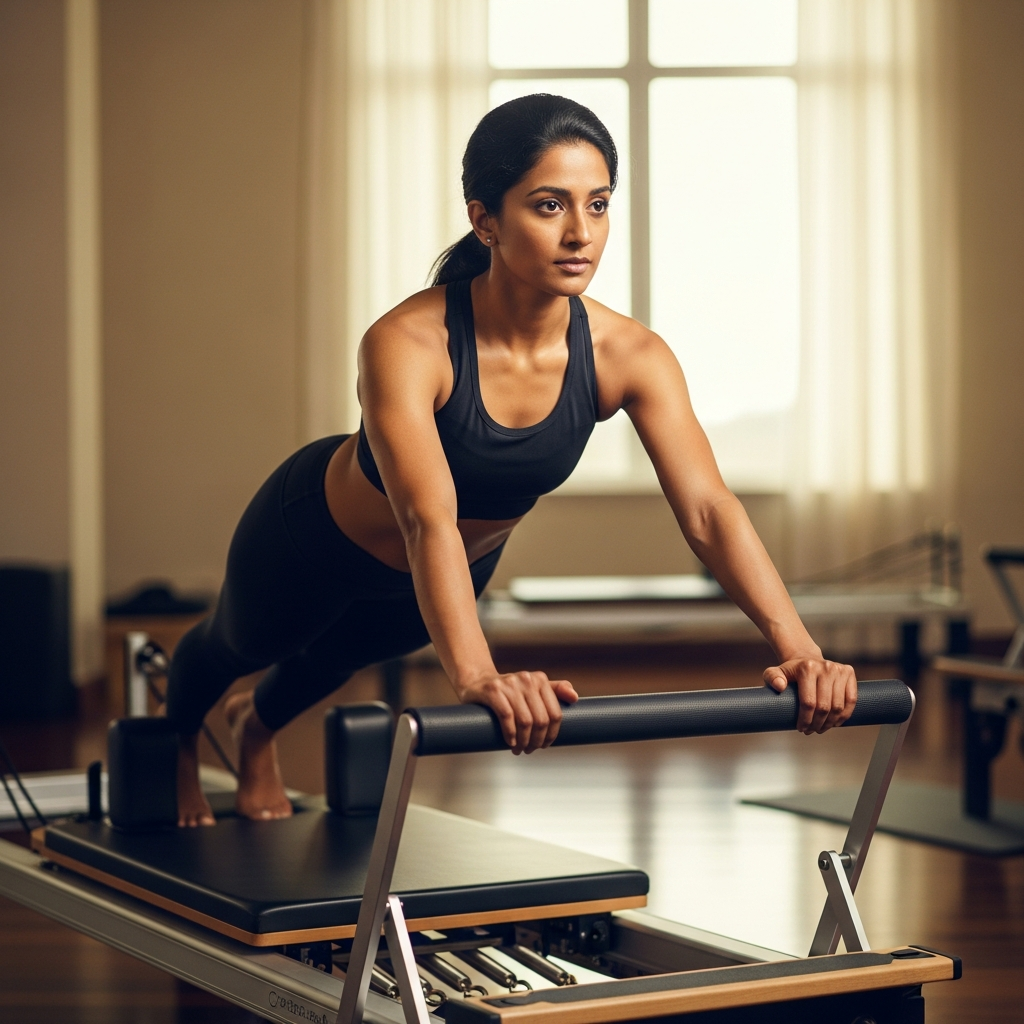
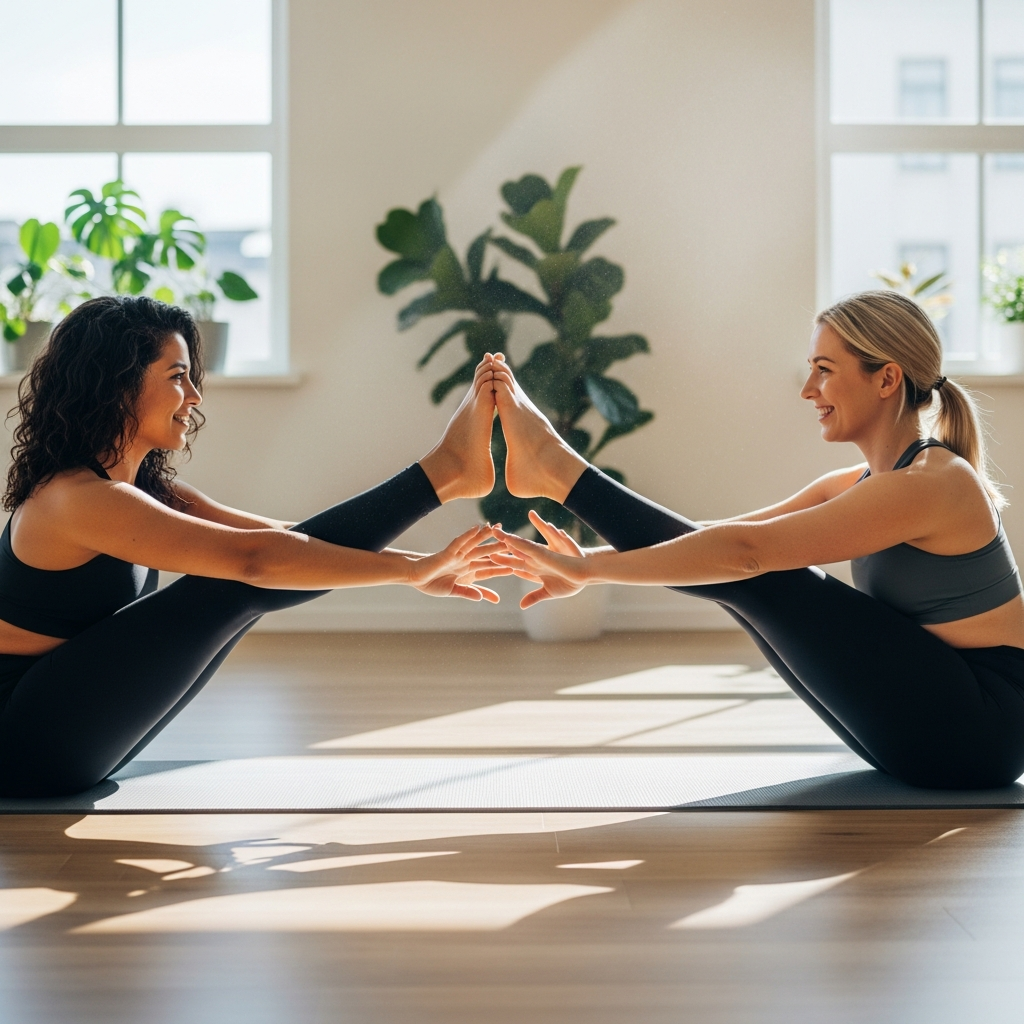
Pilates, named after its inventor Joseph Pilates, is a physical fitness system that emphasizes proper postural alignment, core strength and muscle balance. It’s a method that can be adapted to any fitness level, making it a popular choice for a wide range of individuals — from rehab patients to elite athletes, and everyone in between. There are two major forms of Pilates: Mat Pilates, which is performed on a mat and uses body weight for resistance, and reformer Pilates, which utilizes a specialized machine for added resistance and stability.
Becoming a reputable Pilates instructor requires deep knowledge and understanding of these practices along with dedication, patience, and commitment. The process involves rigorous training courses, practical teaching hours, examinations and continuing education. The timeline varies widely depending on several factors: the specific program chosen, the type of certification desired (mat or comprehensive), previous experience and personal pace.
In this comprehensive guide, we’ll walk you through every step on the path to becoming a Pilates instructor. We’ll discuss the prerequisites for becoming an instructor, explore the various training programs available, break down the certification process, and even provide some tips for landing your first job in this rewarding field. By the end of this post, you’ll have a clear idea of what the journey entails and how to embark on it yourself.
Why does this matter to you? If you’re considering becoming a Pilates instructor, understanding the commitment involved is crucial to making an informed decision. Moreover, if you’re a Pilates enthusiast interested in deepening your practice, knowledge of the training process can enhance your respect for the instructors who guide you through each session. And even if you’re just a casual reader, understanding the rigorous process behind becoming a Pilates instructor may give you a new appreciation for this popular form of exercise.
The journey to becoming a Pilates instructor can be long and challenging, but it’s also incredibly rewarding. Not only will you have the opportunity to transform your own mind and body through in-depth Pilates study, but you’ll also gain the skills and knowledge necessary to guide others on their own wellness journeys. So, whether you’re considering a career change, looking to deepen your own Pilates practice, or simply curious about what goes into becoming a Pilates instructor, read on. The path to achieving your goal starts here.
Becoming a Pilates Instructor: Time, Training, and Dedication
Pilates is a form of exercise that emphasizes the balanced development of the body through core strength, flexibility, and awareness to support efficient, graceful movement. Originally developed by Joseph Pilates in the early 20th century, this holistic approach to physical wellness has gained global recognition for its effectiveness in improving overall body fitness, posture, and muscular balance. As such, the demand for qualified Pilates instructors has increased significantly over the years.
The journey to becoming a certified Pilates instructor is both exciting and challenging, demanding a deep understanding of the human body and the unique mechanics of Pilates. The time it takes to become a Pilates instructor can vary greatly depending on several factors such as the type of certification pursued, the depth of the program, and an individual’s personal commitment and pace of learning.
For someone completely new to Pilates, the journey begins with becoming a proficient student. It is advisable to have at least one year of Pilates experience before attempting to become an instructor. This initial phase helps to develop a solid foundation in the principles and techniques of Pilates and is crucial in understanding the physical demands and subtle nuances of the practice.
Following this period of self-practice, prospective instructors then embark on a Pilates teacher training program. These programs typically cover a wide range of topics including anatomy, physiology, movement principles, teaching methodology, and special populations. In-depth study of Pilates Exercises from beginner level to advanced, use of Pilates apparatus like Reformer, Cadillac, Chairs, Barrels, and small equipment are also part of these programs.
The duration of these programs can significantly influence how long it takes to become a certified Pilates instructor. A comprehensive Pilates instructor training program can take anywhere from six months to two years to complete. This includes both theoretical studies and practical training hours.
Theoretical studies often involve a series of modules or courses covering the principles of Pilates, anatomy, and teaching methodology. Practical training, on the other hand, involves directly applying this theoretical knowledge. This includes observation hours, where the trainee observes experienced instructors teaching classes; self-practice hours, where the trainee practices the exercises and routines themselves; and teaching hours, where the trainee teaches classes under the supervision of a mentor.
In order to become a fully certified Pilates instructor, one must pass both written and practical examinations. These exams test the trainee’s comprehension of Pilates theory as well as their ability to teach a safe, effective, and enjoyable Pilates class.
It is worth noting that becoming a proficient Pilates instructor is not just about clocking the requisite number of training hours or passing an exam. It demands constant learning, practice, and refinement of skills. Even after obtaining certification, successful Pilates instructors often continue their education by attending workshops, courses, and conferences.
It is also important to consider that each training program can have its own prerequisites. Some might require a basic certification in group fitness or personal training, or a background in health-related fields like physical therapy or exercise science. Others might require applicants to have a certain number of hours of Pilates practice under their belt.
The journey to becoming a Pilates instructor requires a significant investment of time and effort. However, the rewards – both personal and professional – are immense. As a certified Pilates instructor, you will have the opportunity to help others improve their fitness, wellness, and quality of life while deepening your own understanding and practice of Pilates.
In summary, the time it takes to become a Pilates instructor is not only influenced by the length and intensity of the training program but also by personal factors such as previous experience, pace of learning, commitment to practice and continuing education. Each journey is unique and what is most important is that the aspiring Pilates instructor is passionate about the practice, dedicated to learning, and committed to helping others achieve their fitness goals.
The Journey to Becoming a Pilates Instructor: A Comprehensive Guide
Becoming a Pilates instructor is an exciting journey of personal growth and skill development. Pilates is a popular exercise modality with a rich history and a focus on core strength, flexibility, and overall body awareness. If you’re considering becoming a Pilates instructor, you’re likely curious about the time commitment involved. This guide will provide you with a detailed understanding of the process.
The time it takes to become a certified Pilates instructor can vary greatly depending on several factors. These include the type of certification program you choose, your previous experience with Pilates, the depth of knowledge you want to achieve, and the amount of time you can dedicate to your studies each week.
Generally, it can take anywhere from six months to two years to become a fully certified Pilates instructor. However, this timeline can be shorter or longer based on your personal circumstances.
### Step 1: Master Pilates as a Student
Before you can teach Pilates, it’s essential to become proficient in the practice yourself. This usually means attending regular mat Pilates and equipment-based Pilates classes for at least a year before beginning your teacher training. This stage is crucial for building a strong foundation in Pilates principles, understanding exercise modifications, and improving your own body awareness.
### Step 2: Enroll in a Comprehensive Pilates Teacher Training Program
Next, you’ll need to enroll in a reputable Pilates teacher training program. There are many different programs available, ranging from weekend courses to full-length programs that span several months or even years.
When choosing a program, consider its length and depth of instruction. Many comprehensive programs require between 450-500 hours of study, including coursework, observation hours, practice teaching hours, and self-practice hours.
For example, if you dedicate 20 hours per week to your training program, you could complete a 500-hour program in approximately six months. However, if you can only commit 10 hours per week, it could take up to a year to complete the same program.
### Step 3: Complete Your Coursework
Your coursework will cover a wide range of topics, including anatomy, Pilates principles, exercise technique, and teaching methodology. This stage is where you’ll gain the theoretical knowledge necessary to teach Pilates effectively.
### Step 4: Complete Observation Hours
Observation hours involve watching experienced instructors teach Pilates classes. These hours allow you to see how the principles you’ve learned in your coursework are applied in real-world settings.
### Step 5: Complete Self-Practice Hours
Self-practice hours are just as they sound – time spent practicing Pilates exercises on your own. These hours help you develop a deeper personal understanding of the exercises, allowing you to better instruct your future students.
### Step 6: Complete Practice Teaching Hours
In this stage of your training, you’ll begin teaching Pilates classes under supervision. These hours provide valuable hands-on experience and feedback, helping you refine your teaching skills before becoming fully certified.
### Step 7: Pass Your Final Exam
Finally, you’ll need to pass a comprehensive final exam to earn your certification. This exam typically involves both a written test and a practical demonstration of your teaching skills.
Remember, becoming a Pilates instructor is a journey, not a race. Take the time to fully absorb and understand the material in your training program. The more knowledge and experience you gain, the more effectively you’ll be able to teach your future students.
In conclusion, while the timeline to become a Pilates instructor can vary significantly based on personal circumstances and program selection, with dedication and commitment, you can achieve your goal. Embrace the journey and remember: every step brings you closer to becoming an effective and inspiring Pilates instructor.
Becoming a Pilates Instructor: Timeline, Challenges, and Solutions
Becoming a proficient Pilates instructor is a rewarding but serious commitment. It requires time, money, patience, and discipline. The journey can be complex and challenging; however, with the right guidance and approach, it can be an enriching experience.
Many prospective instructors often ask, “How long does it take to become a Pilates instructor?” The answer to this question varies widely depending on several factors, including the specific training program, your prior Pilates experience, your learning pace, and the amount of time you can devote to study and practice.
On average, comprehensive Pilates training programs can take anywhere from 6 months to over a year to complete. These programs typically require between 450 to 500 hours of lecture, self-study, observation, and student teaching.
Common Challenges
The journey to become a Pilates instructor comes with its set of challenges. Here are a few common ones
1. Time commitment: Comprehensive Pilates certification programs require significant time investments. Balancing training, self-study, observation hours and teaching practice with personal and professional commitments can be challenging.
2. Financial investment: Quality Pilates training programs can be expensive, ranging from $3,000 to $5,000. The costs encompass tuition, books, classes and possibly travel or accommodation expenses for non-local programs.
3. Physical demands: Teaching Pilates isn’t just about knowing the movements—it’s about demonstrating them. This can be physically demanding, particularly for those new to the discipline.
4. Learning curve: Understanding the principles of Pilates and learning how to teach them effectively takes time. For some people, mastering the complex movements and techniques can be challenging.
Solutions and Tips
Despite these challenges, becoming a Pilates instructor is achievable with the right strategies
1. Plan your time: Prioritize your time and set a realistic schedule that allows you to complete your study and practice hours. Remember, it isn’t a race. It’s more important to fully understand and embody the Pilates principles than to rush through the program.
2. Budget: Research different training programs, their costs, and what they offer. Save ahead of time, or consider programs that offer payment plans or scholarships.
3. Stay fit: Regularly practicing Pilates will keep you physically prepared for the demands of teaching. Incorporate other forms of exercise like cardio and strength training to maintain overall fitness.
4. Seek support: Surround yourself with a supportive community. This could include fellow trainees, experienced instructors, or even a mentor. They can offer advice, provide feedback, and help you navigate through your training journey.
Best Practices
Remember, becoming a proficient Pilates instructor extends beyond the training program. Here are some best practices to enhance your teaching skills
1. Continue learning: Pilates is a discipline with depth. Continue attending workshops, seminars, and advanced courses to deepen your knowledge and stay updated with the latest techniques.
2. Practice teaching: The more you teach, the more comfortable you will become. Start by teaching family and friends before moving on to larger classes.
3. Master the basics: While Pilates has numerous exercises, mastering the basic mat exercises provides a solid foundation for teaching all levels and apparatuses.
4. Embody the Pilates principles: Pilates isn’t just about physical fitness; it’s about mind-body connection. Embody the principles of control, concentration, centering, precision, breath, and flow in your practice and teaching.
Conclusion
Becoming a Pilates instructor is a journey that requires commitment, time, and patience. However, with careful planning, dedicated practice, continuous learning, and a passion for Pilates, you can overcome challenges and become an effective and inspiring instructor. Remember, each person’s journey is unique, so focus on your personal growth rather than comparing your progress with others.
Journey to Becoming a Pilates Instructor: Timeline, Expectations, and Next Steps
Pilates is a form of exercise that emphasizes controlled movements, flexibility, and core strength. It’s a discipline that has gained popularity over the years due to its low impact nature and versatility, making it suitable for people of all ages and fitness levels. If you have a passion for Pilates and wish to share its benefits with others, becoming a certified Pilates instructor could be the perfect career path for you. Let’s delve into what you can expect, the timeline involved, and next steps in this rewarding journey.
Firstly, it’s essential to understand that becoming a Pilates instructor is a commitment that requires considerable time and effort. The process includes in-depth study, hands-on training, and passing certification exams.
To become a Pilates instructor, you must first be a seasoned Pilates practitioner. This means regularly attending Pilates classes, preferably different types such as mat Pilates and equipment-based Pilates, to gain a holistic understanding of the discipline. Typically, it’s recommended to have at least one year of consistent Pilates practice before considering an instructor training program.
Once you have a solid foundation in Pilates practice, you can start looking into accredited Pilates instructor training programs. These programs vary in length, but on average you can expect to complete your training anywhere between 12 to 18 months. Comprehensive programs cover a wide range of subjects including Pilates mat work, exercise adaptation, anatomy and physiology, teaching techniques, client assessment, and use of Pilates equipment such as reformers and Cadillac.
A full comprehensive Pilates instructor certification course usually requires about 500 hours of study and practice. This is typically broken down into classroom learning (about 100-200 hours), observation hours (watching experienced instructors teach), student teaching hours (under supervision), and personal practice hours. Some training programs also require written and practical exams to measure your understanding and ability to teach Pilates effectively.
While the time frame to become a Pilates instructor can seem daunting, it’s important to remember that this period is crucial for you to gain a deep understanding of Pilates principles and techniques, as well as to develop your teaching skills. Many training programs offer flexible schedules, allowing you to pace yourself according to your personal and professional commitments.
Upon completion of your training program, the next step is to pass the certification exam by a recognized Pilates Method Alliance (PMA) or another reputable body. This exam typically includes both a written and practical portion. Passing this exam will officially make you a certified Pilates instructor.
After becoming certified, continuous learning is key. The world of fitness and wellness is always evolving, and as a Pilates instructor, it’s important to stay updated with the latest research and trends. This can be done through continuing education courses, workshops, and seminars.
Additionally, building experience is crucial. Initially, you may start by offering private classes or working at local gyms or Pilates studios. As you gain more experience and confidence, you can consider opening your own Pilates studio or offering specialized services such as post-rehabilitation Pilates or pre/postnatal Pilates.
In conclusion, the journey to becoming a Pilates instructor involves an investment of time, effort, and dedication. It can take anywhere between a year to two years depending on the intensity of the program and your personal schedule. However, the reward of guiding others towards better health and wellness can make every effort worth it. Always remember to enjoy your own practice, keep learning, and share your passion for Pilates with others.
In conclusion, the journey to becoming a certified Pilates instructor can be a rewarding experience that requires dedication, time, and a deep passion for the discipline. As we’ve discussed, the timeline for becoming a Pilates instructor varies depending on several key factors including the type of certification you seek, the number of hours you can dedicate to training per week, your prior experience and knowledge, and the specific requirements of the training program you choose to pursue.
Most comprehensive Pilates instructor training programs require a minimum of 450-500 hours of training, which includes lectures, self-study, observation hours, student teaching and personal practice. If you can dedicate 15-20 hours per week for training, you might be able to complete your certification in as little as six months. However, for many people who are balancing other work or family responsibilities, the process may take up to one to two years.
The journey to becoming a Pilates instructor is much more than just learning the exercises. It involves understanding the underlying principles and philosophy of Pilates, gaining a comprehensive knowledge of human anatomy and movement, and developing the skills to effectively teach and motivate students of different fitness levels and abilities. It’s important to choose a reputable training program that provides a well-rounded curriculum and emphasizes hands-on practice and mentorship.
Moreover, if you’re interested in specializing in a particular area such as rehabilitation or pre/postnatal Pilates, additional training may be required which could lengthen your overall timeline. Once you become certified, continuous learning and professional development are essential to keep your teaching skills fresh and stay updated with the latest research and trends in Pilates and fitness industry.
It’s important to note that becoming a successful Pilates instructor is not just about the time it takes to get certified. It’s about your commitment to learning, your passion for helping others improve their health and well-being, and your ability to create a safe, positive and inspiring training environment for your students.
Remember, each person’s journey to becoming a Pilates instructor is unique, and there’s no ‘one size fits all’ answer to how long it takes. Whether you’re a seasoned fitness professional looking to expand your skill set or a Pilates enthusiast wanting to turn your passion into a career, becoming a Pilates instructor can be a fulfilling and life-changing journey.
If you feel ready to embark on this exciting path, we’re here to help. Contact us today for personalized guidance and support throughout your Pilates instructor training process. Our experienced team can provide you with valuable advice, help you find the right training program that fits your needs, and support you every step of the way. Let’s start your journey to becoming a Pilates instructor together!