Embracing the Future: The Rise of Pilates Training Online
Are you among the millions of people worldwide who are passionate about fitness, yet struggle to carve out time for regular gym or studio classes? Or perhaps you live in a remote location where access to fitness facilities is limited? Maybe you’re simply drawn to the convenience, comfort, and privacy of working out at home. If any of these scenarios resonate with you, then this comprehensive guide on online Pilates training is written precisely with you in mind.
Pilates, a unique system of physical conditioning that blends strength, flexibility, and mindful movement, has been growing in popularity for decades. It’s a dynamic and versatile fitness regimen that can be adapted for people of all ages and fitness levels. Traditionally, Pilates training has been offered in dedicated studios, often featuring specialized equipment like the Reformer, Cadillac, and Wunda Chair. However, as with many things in our increasingly digital world, Pilates training is evolving. The rise of online Pilates classes is a testament to this evolution.
In this expansive guide, we will delve into the world of online Pilates training. You’ll discover what online Pilates entails, the benefits and downsides compared to traditional studio classes, and how to get started with mat Pilates right in your own living room. We’ll explore various online platforms offering Pilates classes at different levels, from beginner to advanced. We’ll also provide expert tips on how to make the most of your online Pilates experience, ensuring you get optimal results from each session.
Why does this matter? As the world becomes more connected digitally, it’s crucial to understand how this shift impacts all spheres of our lives – including fitness. Online Pilates training offers a wealth of benefits, such as convenience, flexibility, cost-effectiveness, and accessibility. It opens up new possibilities for people who may not have had access to quality Pilates training in the past.
However, like any form of physical exercise, it’s important to approach online Pilates with a good understanding of what it involves. This ensures safety, effectiveness, and a satisfying workout experience. Plus, with so many online classes available, it can be challenging to know which one is right for you. That’s where this guide comes in.
Whether you’re a seasoned Pilates enthusiast considering the switch to online classes or a complete beginner curious about this highly beneficial form of exercise, this guide will provide you with the information and resources you need. By understanding the ins and outs of online Pilates training, you can make informed decisions about your fitness journey.
So, are you ready to embrace the convenience and flexibility of online Pilates? It’s time to roll out your mat, power on your device, and explore the fantastic world of Pilates training online. Your path to increased strength, flexibility, balance, and overall wellness could be just a few clicks away.
Pilates Training Online: A Comprehensive Guide
Pilates is a form of exercise that emphasizes the balanced development of the body through core strength, flexibility, and awareness to support efficient, graceful movement. Developed by Joseph Pilates in the 1920s, this exercise regime is now a popular choice for many who wish to improve their health and fitness. With advancements in technology and the growing demand for remote fitness solutions, Pilates training online has become a viable and increasingly popular option for many.
Joseph Pilates designed this method as a holistic approach to well-being. He believed that mental and physical health are interconnected. The discipline focuses not just on physical exercises but also encourages practitioners to develop a keen sense of body awareness. The movements in Pilates, often referred to as exercises, are designed to align the spine and strengthen the core – the powerhouse of the body.
Pilates exercises are based on six main principles: concentration, control, center, flow, precision, and breathing. Concentration and control involve being mentally present and controlling each movement. The center principle focuses on engaging the core muscles for stabilization. Flow refers to fluidity of movement, precision to performing each movement correctly, and breathing to coordinating breath with movement for maximum efficiency. These principles make Pilates a mindful exercise routine that connects the body and mind.
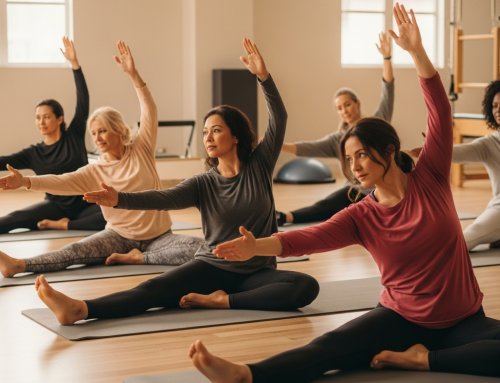
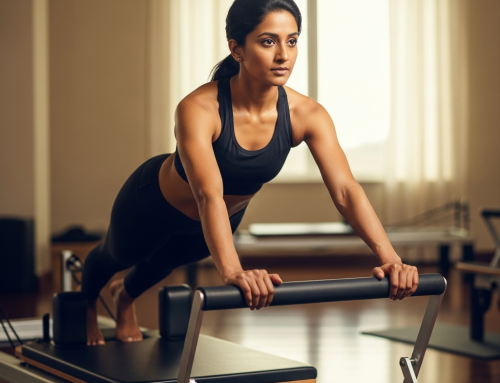
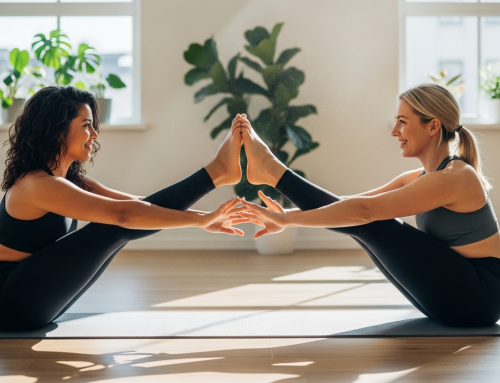
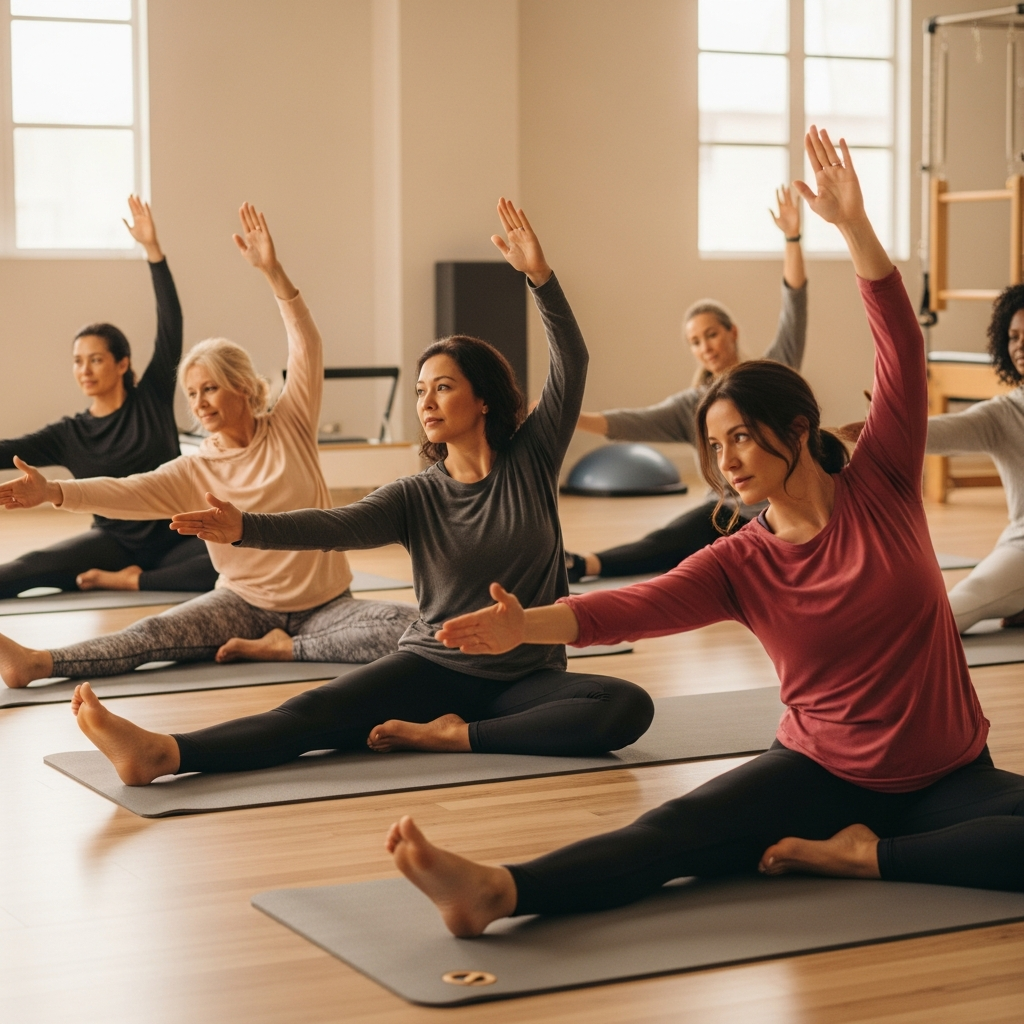
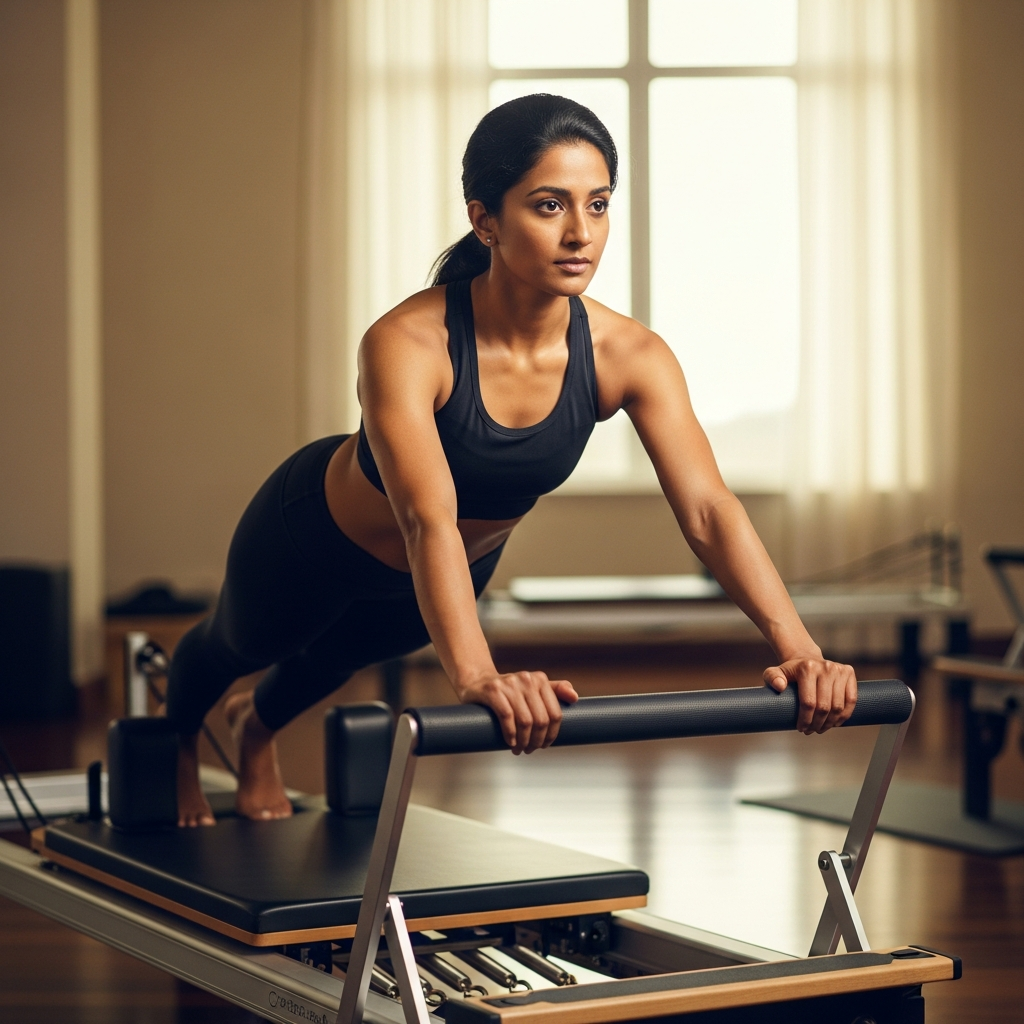
In a traditional setting, Pilates can be performed on a mat or using specialized equipment like the Reformer, Cadillac, or Wunda Chair. While mat-based Pilates uses body weight as resistance, equipment-based Pilates uses the tension of springs to add resistance.
With the advent of online training, Pilates has become even more accessible. Online Pilates training provides a flexible, convenient alternative to traditional studio classes. It allows individuals to practice at their own pace, in their own space, and at a time that suits them best. This is particularly beneficial for those with busy schedules who find it challenging to fit regular studio sessions into their day.
Online Pilates classes often provide a variety of options for different fitness levels, ranging from beginner to advanced. These classes are typically well-structured, comprising warm-up, a series of exercises targeting different muscle groups, and a cool-down phase.
One of the main advantages of online Pilates classes is that they often come with a library of workouts that can be accessed anytime. This means you can choose a workout that suits your current mood, energy level, and time availability. Whether it’s a quick 15-minute morning routine or an intense hour-long session, there’s something for everyone.
However, it is critical to note that while online Pilates training provides flexibility and convenience, it also requires self-discipline and commitment. Without a trainer physically present to correct form, there is a higher responsibility on the individual to ensure exercises are performed correctly and safely.
A key aspect in online Pilates training is ensuring you maintain proper form throughout each exercise. This includes keeping your spine aligned, your core engaged, and being mindful of your breathing. Many online classes offer detailed instructions and tips to help you achieve this.
Despite the absence of physical interaction in online training, many platforms provide ways for participants to connect with instructors or other members through interactive features like live chats or forums. Some online Pilates programs also offer personalized feedback via video analysis or one-on-one virtual sessions.
In conclusion, online Pilates training provides a flexible and convenient way to enjoy the many benefits of this holistic exercise regime. It offers the ability to practice anywhere at any time, with a wealth of resources available at the click of a button. However, it is crucial to approach online training with a mindful attitude, ensuring exercises are carried out correctly and safely. With discipline and commitment, online Pilates training can certainly contribute to improved strength, flexibility, balance and overall wellness.
In the next part of this guide, we will delve into how to choose the right online Pilates program and what to look out for to ensure you maximize your online Pilates experience.
Embracing the Digital Era: An In-Depth Guide to Online Pilates Training
With the advent of digital technology, getting fit and staying in shape has never been more convenient. Let’s dive into the subject of Pilates training online. Whether you’re a beginner or an experienced practitioner, this guide will provide you with detailed, step-by-step instructions on how to maximize your Pilates training in the comfort of your own home.
Advantages of Online Pilates Training
Before we delve into the specifics, let’s discuss why online Pilates training can be a great option. Firstly, it offers flexibility. You’re not bound by the schedule of a fitness studio; you can practice at your own pace, whenever it suits you. Secondly, it’s cost-effective. You save on commuting costs and often pay less for online classes than for in-person ones. Lastly, it provides comfort and privacy. For those who are anxious about attending traditional classes, online training offers a safe space to start.
Choosing the Right Online Pilates Class
The first step is to select an appropriate online class. Look for certified instructors who provide clear instruction and demonstrate each movement correctly. Websites like Pilates Anytime and Pilatesology offer a wide range of classes catering to different skill levels and fitness goals.
Mat Pilates vs Equipment-Based Pilates
There are two main types of Pilates: Mat Pilates and equipment-based Pilates. Mat Pilates does not require any special equipment except for a mat and possibly some small props like a Pilates ring or resistance band. On the other hand, equipment-based Pilates use machines like the Reformer or Cadillac. For beginners and those on a budget, mat Pilates is the best choice as it can be done anywhere with minimal equipment.
Scenario 1: Beginner Mat Pilates Class
If you’re new to Pilates, start with a beginner mat class that focuses on the fundamentals. Here’s a step-by-step guide to a typical beginner class
1. Warm-Up: Start with a warm-up to prepare your body for the workout. This often includes gentle stretches and breathing exercises to engage your core.
2. Pilates Exercises: The instructor will guide you through a series of exercises targeting different muscle groups. As a beginner, you’ll start with basic movements like the Hundred, Roll-Up, and Single Leg Circles.
3. Cool Down: The session ends with a cool-down period to help your muscles relax and recover. This usually includes stretches and relaxation exercises.
Scenario 2: Intermediate Mat Pilates Class
Once you’ve mastered the basics, move on to an intermediate mat class. These classes introduce more complex movements and require greater strength and flexibility.
1. Warm-Up: Similar to the beginner class, but the warm-up exercises might be more challenging.
2. Pilates Exercises: In addition to the basic exercises, you’ll learn more advanced moves like the Open Leg Rocker and Corkscrew.
3. Cool Down: The cool-down phase remains important, incorporating more advanced stretching techniques.
Tips for Successful Online Training
1. Set Up Your Space: Find a quiet, well-lit space where you won’t be interrupted. Make sure there’s enough room for you to move freely.
2. Get the Right Equipment: Invest in a good-quality Pilates mat. If you’re doing equipment-based Pilates, ensure your equipment is safe and well-maintained.
3. Stay Consistent: Consistency is key in Pilates. Aim for at least three sessions per week.
4. Listen To Your Body: Don’t push yourself too hard. If something feels uncomfortable or painful, stop and adjust your position.
5. Seek Feedback: Consider scheduling periodic live sessions with your instructor for personalized feedback.
In conclusion, online Pilates training can be an effective and convenient way to stay fit and healthy. By choosing the right class, setting up your space, and staying consistent, you can reap the myriad benefits of Pilates, right from your home.
Mastering Pilates Training Online: Challenges, Solutions, and Expert Tips
Online fitness training has become a new normal in recent times, and Pilates is no different. However, transitioning from in-person classes to online sessions can be daunting. This comprehensive guide will help you understand and overcome the common challenges of online Pilates training, offering practical solutions and expert tips to enhance your experience.
Challenges and Solutions:
1. Lack of personalized feedback: One of the significant challenges of online Pilates training is the lack of real-time feedback, which you usually get in a physical class setting. Without an instructor present to correct your form or posture, it’s easy to execute exercises incorrectly, leading to less effective workouts or even injury.
Solution: Opt for live Pilates classes rather than pre-recorded sessions. This allows your instructor to correct your form in real-time. Additionally, ensure your camera is positioned correctly so the instructor can view your entire body during the session.
2. Limited space: Many people struggle with limited space at home, which can make certain Pilates exercises challenging.
Solution: Try to clear as much space as possible for your workout. If you can’t find enough room for certain exercises, communicate this issue with your instructor who can modify the exercises to suit your space constraints.
3. Lack of motivation: Without the communal energy of a physical class, staying motivated can be difficult.
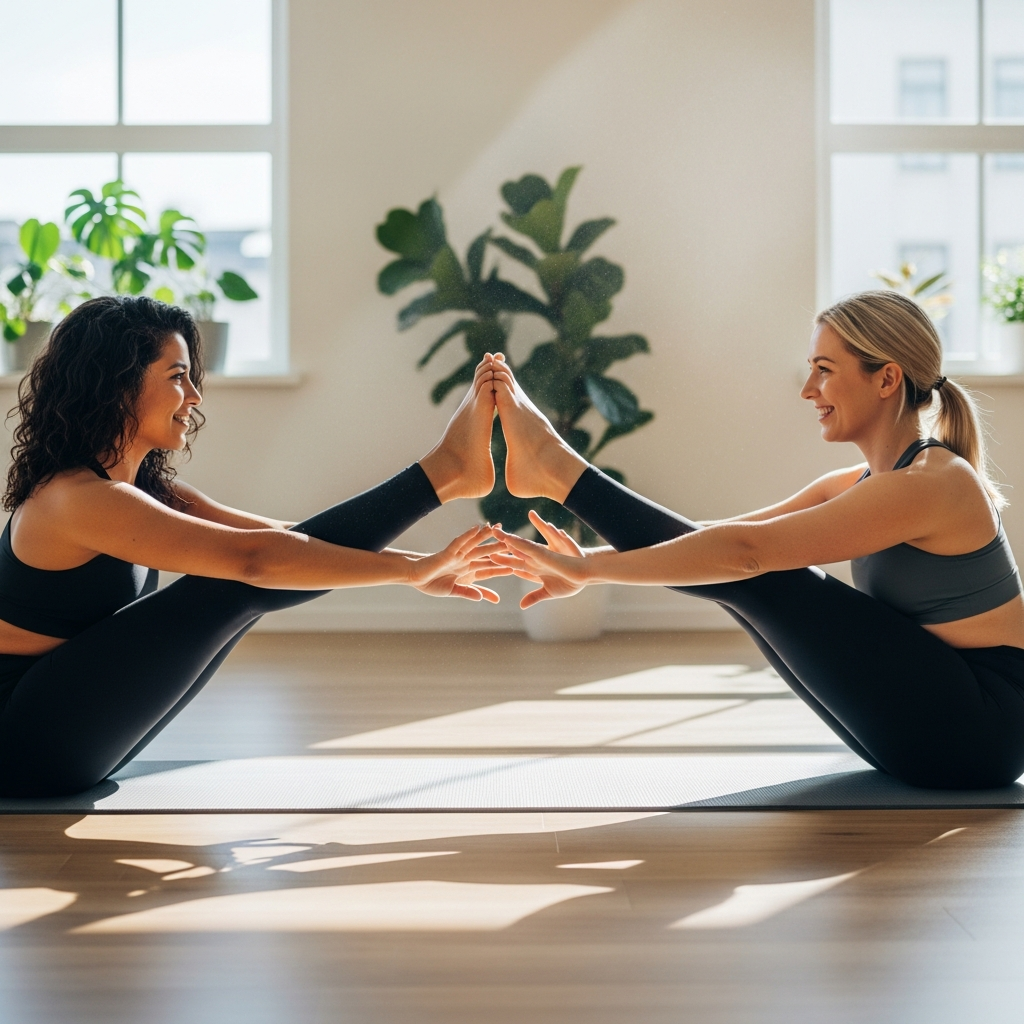
Solution: Join classes with friends to keep each other accountable or schedule your workouts in your calendar as non-negotiable appointments. You can also set specific goals and rewards for achieving them.
Expert Tips:
1. Choose the right platform: Not all online Pilates classes are created equal. Some platforms offer pre-recorded classes, while others offer live sessions. Some focus on mat Pilates, others on reformer or apparatus-based workouts. Pick a platform that suits your preferences and needs.
2. Invest in good equipment: While many online Pilates classes don’t require any equipment, investing in a good quality Pilates mat can enhance your experience. A thicker, denser mat provides more support for your body than a standard yoga mat. For more advanced workouts, you might also consider a Pilates ring, resistance bands, or small weights.
3. Create a conducive environment: Try to make your workout space as inviting as possible. This could mean setting up your mat in a well-lit, airy room, or playing some calming music in the background.
Misconceptions:
1. Online Pilates is easier than studio sessions: Just because you’re at home doesn’t mean the workout will be easier. The intensity of the workout depends on your effort and the type of class you choose.
2. Online Pilates isn’t effective: Many people believe that they won’t get the same results from online Pilates as they would from an in-studio class. However, if done correctly and consistently, online Pilates can be just as effective as in-person sessions.
3. You need expensive equipment for online Pilates: While certain forms of Pilates use specialized equipment, many classes can be done with just a mat or even no equipment at all.
To conclude, while there are certain challenges to online Pilates training, with the right strategies and mindset, you can overcome these hurdles and enjoy an effective and convenient workout at home. Remember, the key to success in any fitness routine is consistency, dedication, and the right guidance. So, roll out your mat, log into your class, and embrace the world of online Pilates training!
Pilates Training Online: What to Expect, Timelines, and Next Steps
As we shift further into the digital age, fitness regimes have adapted to suit our increasingly online lifestyles. One such adaption is the rise of online Pilates training. Whether you’re a busy professional, unable to leave your home, or simply prefer a more private setting for your workouts, online Pilates training could be a great fit for you. Here’s a comprehensive guide on what to expect, key timelines, and the next steps to successfully embark on your online Pilates journey.
Online Pilates Training: What to Expect
When you sign up for online Pilates training, you are essentially bringing the tranquility and discipline of a pilates studio into your home. You can expect to find a variety of courses tailored to different skill levels—from beginners to advanced practitioners—offered in both live and pre-recorded formats.
Most online Pilates programs offer a mix of mat Pilates and apparatus-based classes such as reformer Pilates. Mat Pilates is a series of exercises performed on a mat, using your own body weight and gravity as resistance. It focuses on core strength, flexibility, balance, and overall body awareness. Apparatus-based Pilates, on the other hand, utilizes specialized equipment like reformers, towers, or chairs to provide resistance, making the workout more challenging.
Live classes offer real-time interaction with instructors and fellow participants, which can be a motivating factor for some. Pre-recorded sessions offer flexibility as you can perform them at your convenience. Ensure that whichever program you choose offers a comprehensive range of workouts that cater to your fitness level and personal goals.
Timelines: Setting Your Pace
The beauty of online Pilates training is that it allows you to set your own pace. If you’re new to Pilates, it’s recommended to start with two to three sessions per week. This frequency provides enough practice to start feeling and seeing changes in your body, without overdoing it.
As you become more comfortable with the exercises and start to build strength and endurance, you might choose to increase the frequency of your sessions. Remember, consistency is key in Pilates. Regular practice will help you perfect the techniques, deepen your understanding of the principles, and will lead to noticeable improvements in posture, flexibility, and muscle tone.
Next Steps: Getting Started with Online Pilates
1. Find the Right Program: With so many online Pilates classes available, it’s important to find one that suits your needs. Look for programs that offer a mix of mat and apparatus workouts, cater to your skill level, and provide both live and pre-recorded sessions. Many platforms offer trial periods, making it easier for you to test the waters before committing fully.
2. Set Up Your Space: Make sure you have a quiet, open space big enough for your mat and any other equipment you might need. It’s crucial that you feel comfortable and undisturbed during your sessions.
3. Get the Necessary Equipment: For mat Pilates, all you need is a good quality Pilates mat. If you wish to try apparatus-based workouts, consider investing in a Pilates reformer or other equipment like magic circles, resistance bands, or Pilates balls.
4. Consistency is Key: Schedule your classes or practice times as you would any other important appointment. Consistent practice will yield better results.
5. Listen to Your Body: While Pilate is a low-impact exercise form, it’s important to listen to your body. If something doesn’t feel right, don’t push yourself too hard. Seek advice from your instructor or a health professional.
Remember, online Pilates training is supposed to be convenient and enjoyable. With the right program and a consistent routine, you’ll be well on your way to achieving your fitness goals from the comfort of your own home.
In conclusion, the world of Pilates training online offers a wealth of opportunities for both beginners and advanced students to refine and deepen their practice. The digital revolution has made it possible for anyone, regardless of location or schedule, to engage with this phenomenal physical discipline. But as we’ve explored throughout this article, not all online Pilates training platforms are created equal. Therefore, it is crucial to make informed decisions when choosing the platform that best suits your needs.
One of the key takeaways from our discussion is the importance of finding an online platform that offers a comprehensive range of classes catering to different skill levels. This ensures that as you progress in your Pilates journey, you’ll always have access to appropriate and challenging workouts. Additionally, comprehensive platforms often provide a variety of styles and instruction methods, allowing you to find a teaching style that resonates with you.
Another essential factor to consider is the qualification and experience of the instructors offering the online classes. The best online Pilates platforms are those that boast highly trained and experienced instructors who can guide you through the exercises safely and effectively. They should also be able to provide modifications for different abilities or those dealing with injuries. This not only ensures you get the most out of each workout but also minimizes the risk of injury.
We’ve also highlighted the importance of community in an online Pilates platform. Learning Pilates can be challenging, and having a supportive community can make your journey more enjoyable and motivating. Look for platforms that encourage interaction between members and offer opportunities to connect with instructors for advice or feedback.
Furthermore, we’ve emphasized the convenience factor of online Pilates training. No longer do you need to commute to a studio or adhere to a strict class schedule. With online Pilates, you can practice at your own pace, in your own space, and at a time that fits your schedule.
Lastly, we’ve discussed the affordability of online Pilates training. Without the overhead costs associated with running a physical studio, online platforms can often offer high-quality Pilates training at a fraction of the cost. This opens up the possibility of Pilates training to more people, making it a more accessible form of exercise.
However, navigating the world of online Pilates can be overwhelming, with numerous platforms vying for your attention. That’s where we come in. We can help you find the right online Pilates training that aligns with your fitness goals, personal preferences, and budget.
In all, the world of online Pilates training is vast and varied, promising a suitable option for every individual. Whether you are a seasoned practitioner or an absolute beginner, there is an online platform out there ready to support your fitness journey. Remember that the best platform for you is one that caters to your specific needs and helps you progress towards your individual goals.
Are you ready to kick-start your online Pilates journey? Or perhaps you need help finding the perfect platform? Don’t hesitate to reach out to us. We’re here to assist you every step of the way, ensuring you get the most out of your online Pilates training experience. Contact us today – let’s embark on this exciting fitness journey together!