Pilates vs Goat Yoga: A Comprehensive Guide on Fitness Trends
Introduction:
Are you stuck in the rut of your usual fitness routine and looking for something a bit more adventurous? Or perhaps you’re a Pilates enthusiast curious to explore other trending wellness practices? If you’ve heard about the latest fitness trend, Goat Yoga, and are wondering how it compares to your beloved Pilates practices, you’ve landed in the right place.
In today’s fast-paced world, it’s no surprise that we are continually seeking innovative ways to keep our minds and bodies fit. The age-old practice of Pilates has proven to be a reliable method for enhancing physical strength, flexibility, and mental awareness. However, in recent years, there’s been an unexpected newcomer in the fitness arena – Goat Yoga. Yes, you read that right! This intriguing combination of yoga with the delightful interaction of goats has piqued the interest of wellness aficionados worldwide.
This blog post aims to delve deep into the world of Goat Yoga and its comparison with traditional Pilates practices like mat Pilates and reformer Pilates. We endeavor to provide a comprehensive understanding of these fitness trends, enabling you to make informed decisions about your wellness journey.
We will kick off our discussion by exploring the roots of Pilates – both mat and reformer practices – shedding light on its principles, benefits, and why it has been a staple in many people’s fitness routines for decades. We will then leap into the curious world of Goat Yoga, getting to grips with its origin, what a typical session looks like, and of course, the benefits (and fun!) that come along with it.
The intersection of Pilates and Goat Yoga may not seem evident at first glance. However, as we delve deeper into their core principles and benefits, you will find surprising similarities and contrasts that could potentially enhance your overall fitness experience.
Why does this matter to readers like you? If you’re a fitness enthusiast, understanding the various practices available can help you diversify your routine and make it more enjoyable. For Pilates practitioners, you might find that incorporating elements from Goat Yoga could add an unexpected yet delightful twist to your regimen. Conversely, if you’re already a fan of Goat Yoga, learning about Pilates could provide you with additional techniques to further strengthen your core and improve flexibility.
Moreover, with the ongoing pandemic turning our lives upside down, there’s never been a better time to explore new fitness trends from the comfort of home. Whether it’s mat Pilates, reformer Pilates or even Goat Yoga, these practices not only boost physical wellness but also offer a much-needed respite for mental health.
Stay tuned as we embark on this exciting journey of exploration and discovery in the world of fitness trends. By the end of this article, you will be well-equipped with knowledge about Goat Yoga and Pilates, enabling you to decide which practice, or perhaps a blend of both, best suits your wellness objectives. Let’s dive in and unravel the fascinating details of these unique fitness trends!
Understanding Pilates and Its Interplay with the Emerging Trend of Goat Yoga
The Pilates Methodology
Pilates is a physical fitness system that was developed in the early 20th century by Joseph Pilates. Named after its inventor, it’s a discipline that emphasizes the balanced development of the body through core strength, flexibility, and awareness to support efficient, graceful movement.
The prime focus of Pilates is on strengthening the ‘powerhouse’ of the body – the muscles spanning from the base of the torso to the pelvis, including the lower back, abdomen, hip, and buttock muscles. Pilates exercises are designed not only to tone and strengthen these muscles but also to improve posture, provide flexibility and balance, unify body and mind, and create a more streamlined shape.
Pilates’ six key principles – concentration, control, centering, precision, breath, and flow – form the foundation of this discipline. Concentration and mindfulness mobilize the body to perform each exercise with maximum benefit. Control over every movement means that each exercise is done with muscular control, which eliminates unnecessary stress on the body. Precision is fundamental in Pilates – attention to detail ensures that the appropriate muscle groups are activated in the correct order. Breath control is crucial; Joseph Pilates advocated using the lungs strongly to pump air fully in and out of the body. Finally, flow gives each exercise a smoothness that connects all functional movements.
Pilates can be performed on a mat or on specialized equipment such as the Reformer, Cadillac, and Wunda Chair. Mat Pilates uses gravity and body weight to provide resistance, while equipment-based Pilates utilizes springs to create additional resistance. Regardless of how it is performed, Pilates offers a range of health benefits including improved muscle tone, balanced muscular strength on both sides of the body, enhanced muscular control, improved stabilization of the spine, increased body awareness, stress management, and relaxation.
The Emergence of Goat Yoga
The concept of Goat Yoga originated in the United States and has been gaining popularity worldwide. This unique practice combines traditional yoga poses with the presence of live, friendly goats. The idea behind this new trend is to create a joyful and therapeutic environment that allows individuals to relax, laugh, and alleviate stress while performing their yoga routines.
Interplay between Pilates and Goat Yoga
Given that Pilates and Goat Yoga both focus on mental and physical well-being, it’s no surprise that the two can be integrated. The result is a hybrid workout that harnesses the core-strengthening and body-balancing benefits of Pilates with the therapeutic effects of interacting with goats during the practice.
In a typical Goat Pilates session, participants perform Pilates exercises on mats while goats roam freely around them. The goats are trained to interact with the participants, often climbing onto their backs during certain poses, which adds a playful element to the workout.
While it might seem unusual, the physical interaction with goats can enhance the Pilates experience. The additional weight of the goats can deepen muscle engagement and intensify the workout, especially for exercises focusing on core strength and stability. Moreover, balancing a goat on your back during a pose can challenge your balance, thereby enhancing your body awareness – a key principle of Pilates.
On the mental wellness front, the interaction with goats releases feel-good hormones in the brain, reducing stress, and promoting a sense of calm and happiness. This aligns with the Pilates principle of mind-body connection.
Conclusion
While traditionalists might argue that adding goats to the mix deviates from Joseph Pilates’ original methodology, it’s essential to understand that Pilates – like any discipline – can be adapted and modified to suit individuals’ unique needs and interests. In this case, Goat Pilates offers a novel approach that combines physical exercise with animal-assisted therapy. It’s a testament to the versatility and adaptability of Pilates, further proving its relevance and applicability in our ever-evolving world.
Pilates vs. Goat Yoga: A Comprehensive Comparison and Guide
Pilates, mat Pilates, reformer Pilates, and even the unexpected trend of goat yoga have gained popularity over the years, each offering unique benefits and fun experiences. As a Pilates expert, I’ll guide you through these practices, comparing them with goat yoga and providing actionable advice to help you choose the right workout routine for you.
Firstly, let’s understand what each practice entails.
Pilates is a fitness system developed in the early 20th century by Joseph Pilates. It focuses on controlled movements, aiming to improve flexibility, build strength, and develop control and endurance in the entire body. It puts emphasis on alignment, breathing, developing a strong core, and improving coordination and balance.
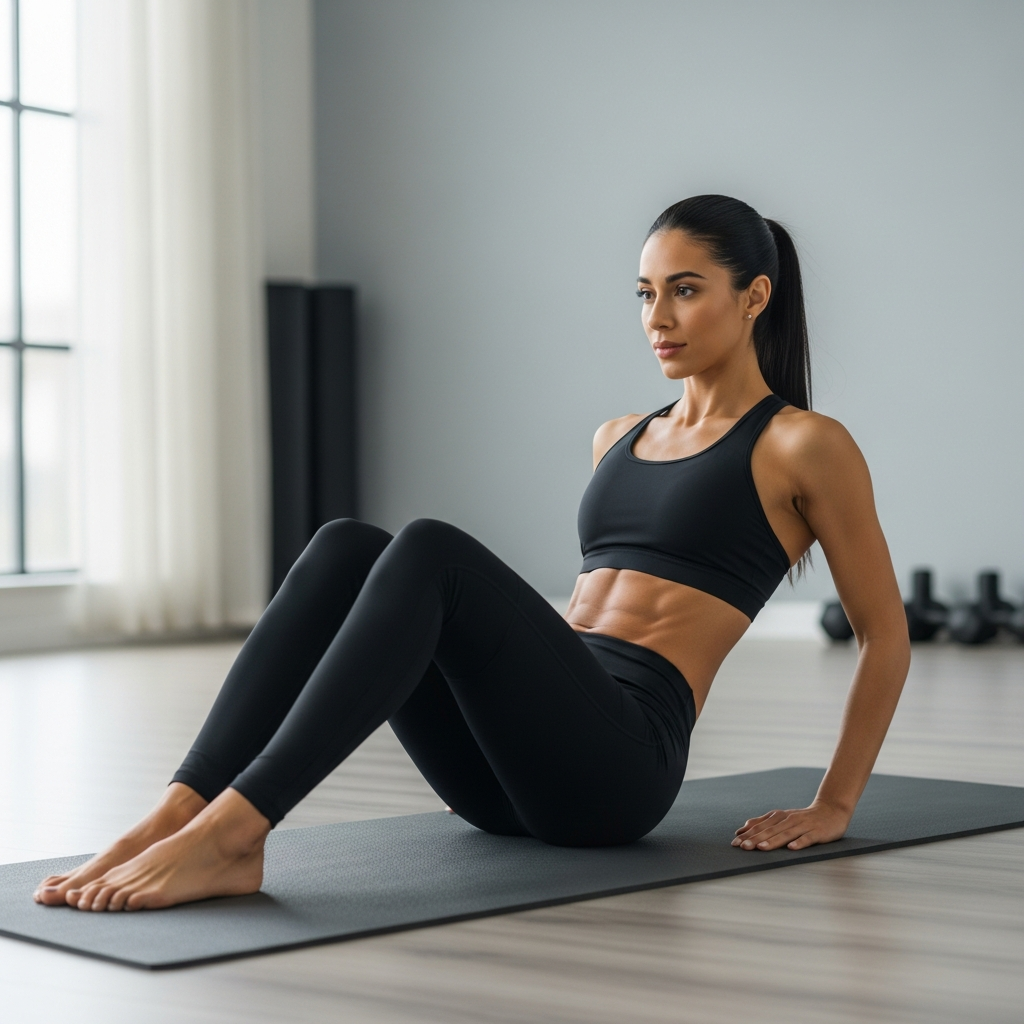
Mat Pilates is a series of exercises from within the Pilates Method designed specifically to be performed on a mat. It’s a great way to get a total body workout, and with only your bodyweight required, it’s an accessible way to build strength in your core and flexibility.
Reformer Pilates, unlike mat Pilates, uses a reformer machine that adds resistance to the Pilates exercises via springs. This can be more challenging than mat Pilates as it adds an extra element of control and balance.
Goat yoga is a recent trend that combines yoga poses with the presence of live goats. The goats interact with participants, often climbing onto their backs during poses. This form of yoga is intended to be therapeutic, promoting relaxation and laughter.
Now let’s dive into specific scenarios where each might be applicable
1. **If you’re seeking a full-body workout**: Regular Pilates is your go-to. It’s designed to give your whole body a workout and especially targets your core which helps improve general fitness and overall well-being.
2. **If you’re looking for an accessible home workout**: Mat Pilates is perfect. All you need is a mat and enough space to move around. It’s great for improving flexibility and toning body muscles.
3. **If you’re up for a challenge**: Reformer Pilates stands out. The use of the reformer machine makes exercises more challenging, as it adds an aspect of resistance training. This is particularly beneficial for those looking to enhance strength and tone up.
4. **If you want stress relief with a twist**: Goat yoga is a delightful option. The presence of the friendly goats adds a fun, unusual element that can help alleviate stress and bring joy.
Here are some actionable tips to keep in mind
1. **For Pilates beginners**: Start with mat Pilates before moving onto reformer Pilates. This will allow you to understand the basic exercises and principles first.
2. **Choosing between Mat Pilates and Reformer Pilates**: While both are effective, your choice should depend on your personal goals. If you’re looking to improve core strength and flexibility, mat Pilates is ideal. If you’re aiming for more defined muscles and strength, reformer Pilates is the way to go.
3. **Before starting goat yoga**: Make sure you’re comfortable with animals and not allergic to them. Also, remember this form of yoga is less about the physical workout and more about the fun and therapeutic aspect of interaction with the goats.
4. **General tip for all practices**: Always start with a qualified instructor. They can guide you through the right postures, prevent injuries, and ensure you are getting the most out of your workout.
In conclusion, whether it’s Pilates, mat Pilates, reformer Pilates, or even goat yoga, each practice offers unique benefits that cater to different fitness goals and preferences. It’s all about finding the one that suits your needs best and brings you joy in the process!
The Intersection of Pilates and Goat Yoga: Challenges, Solutions, and Expert Tips
The fitness industry is a dynamic field that frequently introduces new trends to keep exercise routines fresh and engaging. One of the most recent, and arguably one of the most unusual, is goat yoga. While it might sound whimsical, many have found it a fun way to combine animal therapy with traditional yoga. But where does pilates, and specifically mat and reformer pilates, fit into this new trend?
**Common Challenges**
1. **Distraction**: Perhaps the most apparent challenge when incorporating goats into a pilates routine is the potential for distraction. Goats are curious creatures, and their antics may divert your attention from maintaining proper form and concentration, which are crucial in pilates.
2. **Space and Equipment**: Unlike yoga, which requires just a mat, pilates often involves equipment like reformers, which are bulky and may not be suitable for outdoor settings where goat yoga usually takes place.
3. **Safety**: Goats are generally friendly animals but can be unpredictable. There is a potential risk of injury from a playful headbutt or an accidental step from a goat.
**Solutions and Best Practices**
To overcome these challenges, consider the following solutions
1. **Structured Sessions**: To minimize distractions, sessions should be structured so goats are introduced at specific times, such as during cool-down periods when concentration on form is less critical.
2. **Mat Pilates**: Opting for mat pilates instead of reformer pilates can solve the space and equipment issue. Mat pilates exercises focus on the same principles as reformer pilates. They aim to strengthen the core, improve flexibility, and enhance mind-body connection but require only a mat.
3. **Professional Supervision**: Ensure that all sessions are supervised by a professional who can manage the goats and ensure participant safety.
**Expert Tips**
1. **Set Expectations**: If you’re an instructor, make sure participants know what to expect from a goat pilates session. It’s different from a traditional class and the focus may be more on fun and relaxation than intense workouts.
2. **Choose Suitable Exercises**: Some pilates exercises may not be appropriate for a goat yoga setting. Choose exercises that can be done safely even with distractions.
3. **Stay Flexible**: Embrace the unpredictability that comes with mixing animals and exercise. Stay flexible and maintain a sense of humor.
**Addressing Misconceptions**
1. **Goat Yoga vs. Pilates**: Goat yoga and pilates are not the same. Yoga focuses on flexibility and mindfulness, while pilates emphasizes core strength and stability. However, goat pilates can offer a unique blend of these disciplines, providing both a physical workout and a fun, stress-relieving experience.
2. **Goat Pilates isn’t “Serious” Exercise**: While it may not be as intense as a standard pilates class, goat pilates still requires balance, strength, and coordination, making it a worthwhile physical activity.
**Conclusion**
Incorporating the playful element of goat yoga into the discipline of pilates can create an exciting and unique fitness experience. Though there are challenges to consider, with the right approach and adaptations, you can enjoy the benefits of pilates while engaging in this fun new trend. Just remember to keep an open mind, expect the unexpected, and above all, have fun!
Unveiling the Unconventional: Goat Yoga and its Intersection with Pilates
For those who have been actively exploring the world of fitness, the term “Goat Yoga” might not sound all that strange. A recent trend that has taken the wellness world by storm, Goat Yoga is exactly what it sounds like: a yoga session with live goats. It’s a fun, unique way to bring more joy into your exercise routine. But how does this relate to Pilates, and can the principles of Pilates be applied in such an unconventional setting? Let’s explore.
First, let’s clarify what Goat Yoga is. In a typical Goat Yoga session, participants perform traditional yoga poses while small goats roam around, often climbing onto participants or cuddling up next to them. The presence of these adorable animals is meant to enhance the calming and therapeutic effects of yoga, reducing stress and promoting a sense of holistic well-being.
Now, if you’re wondering how this can be integrated with Pilates, let’s delve into the principles of Pilates. Pilates is a comprehensive body conditioning routine that helps build flexibility, muscle strength, endurance, and mind-body awareness. Key principles include concentration, control, centering, flow, precision, and breath – all of which can be applied in any fitness setting, including Goat Yoga.
Concentration in Pilates refers to being completely aware of what you’re doing at any given moment. The control refers to using your mind to control your muscles, making sure every movement is deliberate and purposeful. Centering is about focusing on the powerhouse area (the centre of the body) to bring balance. The flow aims for smooth, continuous movements rather than jerky ones. Precision is about doing each exercise correctly rather than rushing through them. Finally, breath ensures you’re breathing correctly – inhaling and exhaling fully and properly.
When applied to Goat Yoga, these principles will not only enhance your experience but also ensure you’re reaping the full benefits of your exercise. Concentration will help you stay focused amidst the playful distractions of the goats. Control will ensure you’re maintaining proper form even when a goat hops onto your back during a plank. Centering will help you maintain balance when a goat nudges you slightly during a pose. The flow will help you transition smoothly between poses, even with the unpredictable movements of the goats around you. Precision will ensure you’re performing each pose correctly, and proper breathing will keep you relaxed and grounded.
If you’ve tried mat Pilates, Goat Yoga won’t be too far off. The primary difference is the unpredictable element of live goats, which can make the session more fun and challenging. If you’re used to reformer Pilates, Goat Yoga might feel a bit different since it involves more freeform movements and less equipment. However, the core principles remain the same, and the added element of fun can be a refreshing change.
So, what timeline should you expect for integrating Pilates principles into Goat Yoga? It relies entirely on individual progress and comfort levels. For beginners, it’s recommended to start with simpler poses that allow for easy interaction with the goats, gradually introducing more complex poses as they become more comfortable and confident.
As for next steps, if you’re interested in trying Goat Yoga with a Pilates twist, seek out specialized studios or farms that offer this unique fusion. Do some research to find reputable providers who prioritize both the safety of participants and the welfare of the goats. Before your first session, familiarize yourself with basic yoga poses and Pilates principles to ensure a smooth, enjoyable experience.
Remember, while fitness is an important aspect of our lives, it doesn’t have to be monotonous or strenuous always. The combination of Goat Yoga and Pilates offers an intriguing blend of fun, relaxation, and effective physical conditioning, proving that fitness can indeed be joyful. So why not give it a try? You might just find your new favorite way to work out!
In conclusion, the fusion of yoga with the playful ambiance created by goats, known as goat yoga, has proven to be an innovative and exciting experience that offers numerous benefits. Goat yoga represents a unique blend of physical activity, mental wellness, and emotional rejuvenation, even as it carries the traditional yoga principles of balance, strength, and flexibility.
One of the key takeaways from this discourse on goat yoga is that it offers a holistic approach to wellness. Beyond the physical benefits that typical pilates and yoga classes offer, such as improved strength, flexibility, and body balance, goat yoga provides an added layer of emotional and mental benefits due to the involvement of these adorable creatures. The goats add an element of fun and happiness to the process, helping to release stress and create a positive mental state.
Moreover, goat yoga is accessible to everyone, regardless of their fitness level or yoga proficiency. The goats create an environment that is less intimidating and more welcoming for beginners. Their presence helps to break down barriers of self-consciousness or worry about not being able to perform certain poses perfectly. This creates a less competitive and more supportive environment that makes practicing yoga more enjoyable.
The practice of goat yoga also avails participants the opportunity to connect with nature and animals. This connection can offer therapeutic benefits, especially for those living in urban settings where such opportunities are limited. The goats’ unassuming nature and playful antics can bring smiles, laughter, and a sense of peace to participants.
Furthermore, goat yoga can also play a significant role in promoting community building. The shared experience of practicing yoga in such a unique setting fosters a sense of camaraderie among participants. It encourages people to step out of their comfort zones, engage with others in their community, and create lasting memories together.
However, it’s important to remember that while goat yoga is a fun and therapeutic activity, it’s not a substitute for regular exercise or traditional yoga practices. For those seeking to improve their physical fitness, traditional pilates or yoga classes may be more suitable. Goat yoga should be viewed as a supplement to these practices, offering a unique way to relax, de-stress, and add an element of fun to your fitness regimen.
If you’re intrigued by the prospect of incorporating goat yoga into your wellness routine, we are here to help. At our facility, we offer well-structured goat yoga classes facilitated by experienced instructors in a safe and comfortable environment. Our goats are well-trained, friendly, and love interacting with participants. We also offer traditional pilates and yoga classes, providing a comprehensive approach to fitness and wellness.
We encourage you to contact us for more information about our goat yoga classes or any other questions you might have about our services. Our team is always ready to assist you in your journey towards better health and wellness. Whether you’re curious about goat yoga or interested in exploring other forms of pilates or yoga, we’re here to offer guidance and support every step of the way.
Give yourself the gift of this unique experience. Let the playful energy of our goats add a touch of joy to your fitness journey. Reach out to us today, and let’s take the first step towards a more balanced, healthy, and joyful you. After all, life is not just about being fit, but also about finding joy in the process, and what better way to do that than with the playful companionship of goats during a revitalizing yoga session?