Unveiling the Power of Pilates: Your Key to Fitness and Wellness
Hook: Are you looking for a fitness regimen that not only tones your body but also enhances your mind-body connection? Welcome to the world of Pilates, a fitness system designed to improve physical strength, flexibility, and posture, while enhancing mental awareness.
Pilates has been the secret fitness mantra of many celebrities, athletes, and fitness enthusiasts around the world. While it may look similar to yoga or other forms of exercise, Pilates is a unique system of body conditioning that integrates muscle control, breathing, flexibility, strength training, and body awareness. It’s a whole-body workout that promises to add a new dimension to your fitness journey.
In this blog post, we will delve into the world of Pilates with a focus on two of its popular styles – Mat Pilates and Reformer Pilates. We’ll demystify what they are, their benefits, and how they can help you achieve your fitness goals. This information matters because understanding the intricacies of these types of Pilates can help you make an informed choice about the best fitness approach for you.
In the world of Pilates, Mat and Reformer workouts are two sides of the same coin – both being rooted in the foundational principles set down by Joseph Pilates in the early 20th century. However, the way they are performed and the equipment used makes all the difference.
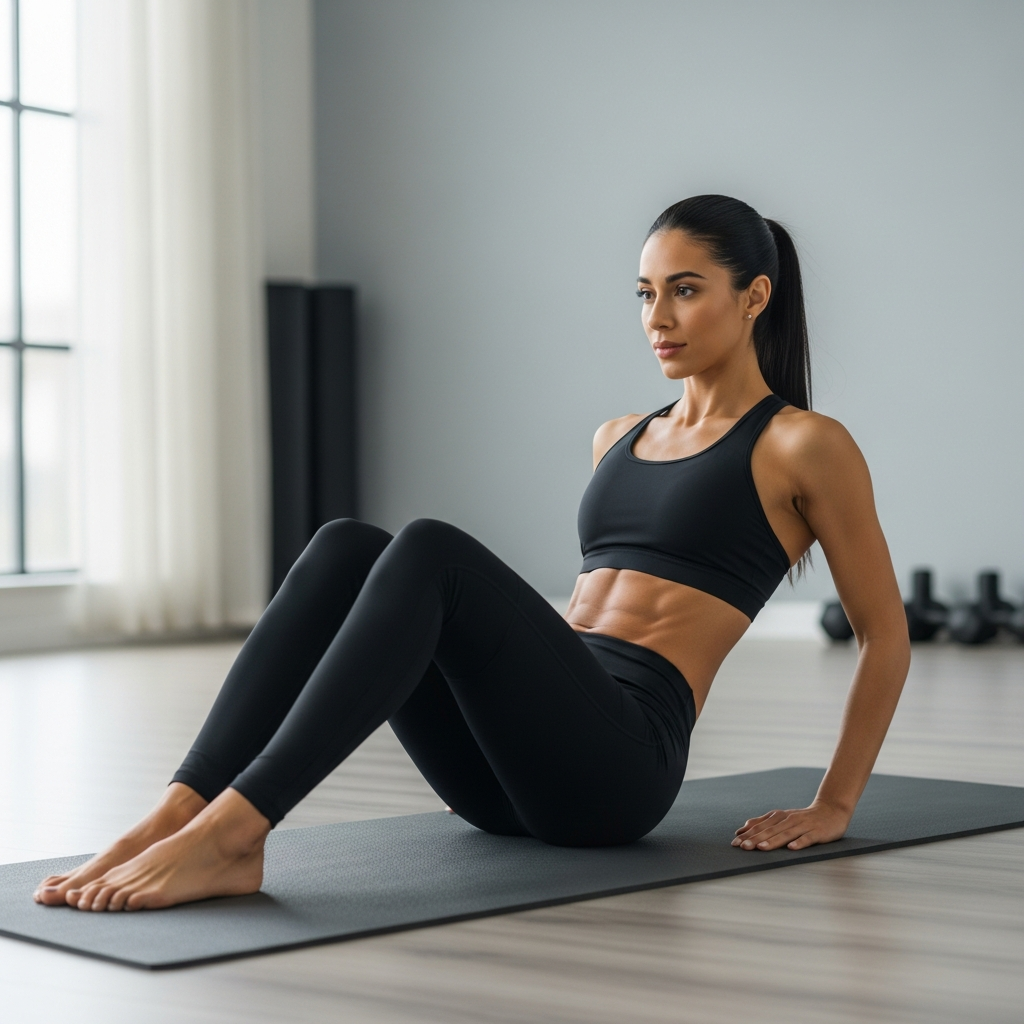
Mat Pilates is performed on the floor using a yoga or Pilates mat. It relies on your body weight as resistance and focuses on using controlled movements and breath to work your core muscles. On the other hand, Reformer Pilates uses a specialized piece of equipment called a Reformer – a sliding carriage rigged with springs, bars, and straps – offering a more dynamic and intensive workout.
The beauty of Pilates lies in its versatility. Whether you are a seasoned athlete looking for cross-training options, a fitness novice aiming to kickstart your journey, or someone in rehabilitation post an injury or surgery, Pilates can be tailored to meet your individual needs and fitness levels.
By the end of this post, you will have a clear understanding of what Mat Pilates and Reformer Pilates entail, their distinctive benefits, and how to incorporate them into your fitness regime. This blog post is not just an informational guide but a doorway to a new perspective on fitness and wellness.
In the subsequent sections, we will dive deep into each style of Pilates, highlighting the exercises involved, the techniques used, and the results you can expect. We will also compare Mat and Reformer Pilates, helping you identify which one aligns best with your fitness objectives.
Unveiling the power of Pilates is about embracing a fitness discipline that holistically works on your body and mind. It’s about discovering a new way to look at fitness – not as a chore but as a lifestyle that promises overall wellness and vitality. So, roll out your mat or hop onto the Reformer, and let’s dive into the world of Pilates!
Whether your goal is to sculpt your body, improve your athletic performance, or boost your mental well-being, Pilates holds the key. So stay tuned as we unravel the magic of Pilates for you!
Understanding the Framework and Fundamentals of Pilates Attic
Pilates Attic, as the name suggests, is not just about practicing Pilates in a secluded space, like an attic. Instead, it represents a deeper philosophy and approach to the world-renowned fitness system known as Pilates. The concept embodies the idea of creating a personal, intimate space for engaging in transformative physical and mental exercises. This article aims to offer detailed insights into the fundamentals and framework of Pilates and its application within the context of the Pilates Attic concept.
Let’s start with Pilates itself. Developed by German-born physical trainer Joseph Pilates in the early 20th century, Pilates is a unique system of controlled movements that blend strength and flexibility training. The primary objective of Pilates is to improve posture, balance, flexibility, and strength.
Joseph’s initial motivation was to help dancers and athletes recover from injuries and improve their performance. However, it quickly became apparent that his techniques were equally beneficial for anyone seeking overall better health and wellness.
The beauty of Pilates lies in its principles: concentration, control, centering, flow or efficiency of movement, precision, and breathing. These principles form the basis of every Pilates workout and are what differentiates Pilates from other forms of exercise.
1. Concentration: Pilates demands intense focus on each movement. The mind-body connection is crucial in executing the exercises correctly.
2. Control: Every exercise involves complete muscle control. There are no sloppy or uncontrolled movements in Pilates.
3. Centering: All movements in Pilates originate from the body’s powerhouse— the area encompassing the abdomen, lower back, hips, and buttocks.
4. Flow: Each exercise flows into the next with fluidity and grace, promoting efficiency of movement.
5. Precision: Accuracy is essential in Pilates. The focus is on doing one precise movement, rather than many half-hearted ones.
6. Breathing: Proper breathing techniques are integral to Pilates. Deep, controlled breathing activates muscles and enhances the effectiveness of the exercises.
Now let’s explore the concept of the ‘Pilates Attic’. The attic often symbolizes a personal, private space where one can retreat from the world. It’s a place of isolation, but not in a negative sense. Rather, it’s about creating a sanctuary where one can focus wholly on mind-body wellness.
The Pilates Attic concept promotes the idea of carving out a specific space—either physically or metaphorically—for dedicated Pilates practice. This space should be free from distractions, allowing the practitioner to fully concentrate on the movements and principles of Pilates.
The framework of Pilates Attic involves regular practice in this defined space, adhering to Pilates principles. It encourages the development of a strong core, increased flexibility, and improved mind-body awareness.
In terms of equipment, the Pilates Attic does not necessarily need expensive or elaborate machinery. The beauty of Pilates is its adaptability. You can perform various exercises using a mat and your body weight. However, for more advanced or targeted training, equipment like resistance bands, Magic Circles, or even a Pilates reformer can be useful.
In conclusion, the fundamentals and framework of the Pilates Attic concept revolve around creating an intimate, personal space for practicing Pilates. It’s about self-improvement and transformation through adherence to the core principles of Pilates—concentration, control, centering, flow, precision, and breathing—within this dedicated space. The ultimate goal is to enhance physical strength and flexibility, improve posture and balance, and foster a strong connection between mind and body. Regardless of your current fitness level or abilities, embracing the Pilates Attic approach can guide you on a path towards better health and wellness.
Exploring the Pilates Attic: A Step-by-Step Guide to Pilates, Mat Pilates, and Reformer Pilates
Pilates has long been lauded as a comprehensive workout regime that combines strength, flexibility, and mindfulness. Whether you’re a seasoned fitness enthusiast or a beginner looking to embark on your fitness journey, the ‘Pilates Attic’ is a metaphorical treasure trove of exercises and methods to explore. In this article, we delve deep into this attic, offering step-by-step guidance on Pilates, Mat Pilates, and Reformer Pilates.
Section 1: Pilates Basics
Pilates is a physical fitness system developed by Joseph Pilates in the early 20th century. It emphasizes the balanced development of the body through core strength, flexibility, and awareness to support efficient, graceful movement.
Step-by-step guidance:
1. Start with Breathing – Every Pilates exercise begins and ends with focused breathing. Inhale deeply through your nose, filling your belly first then your chest. Exhale through your mouth, fully emptying your lungs.
2. Engage Your Core – Known as ‘centering’, this step involves engaging the muscles of your core (the area from your lower ribs to your hips). Imagine pulling your belly button towards your spine and maintaining this engagement throughout each exercise.
3. Head and Neck Alignment – Ensure your head and neck are aligned with your spine at all times. This helps in reducing strain and promoting better posture.
4. Control over Movement – Pilates is not about speed but control. Each movement should be smooth and deliberate.
Section 2: Mat Pilates
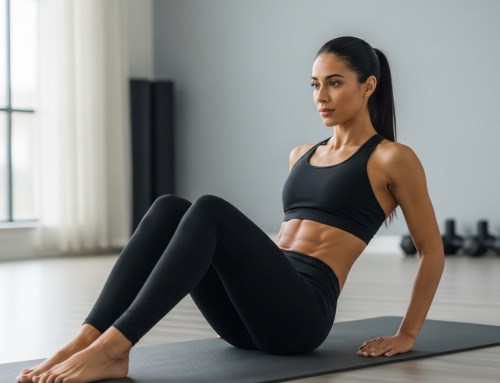
Mat Pilates is performed on a mat and primarily focuses on strengthening the core. However, it also gives a workout to the whole body.
Step-by-step guidance:
1. The Hundred – Lie down on your back with legs in a tabletop position (knees above hips, shins parallel to the floor). Lift your head, neck, and shoulders off the mat while reaching your arms forward. Pump your arms up and down while breathing in for five counts and out for five counts.
2. Roll Up – Start lying flat on your back with arms extended overhead. Inhale and start to curl your head and shoulders off the mat, then exhale as you continue to roll up to a seated position, reaching towards your toes. Inhale at the top, then exhale as you reverse the movement, uncurling your spine back down onto the mat.
Section 3: Reformer Pilates
Reformer Pilates utilizes a unique piece of equipment called a reformer, designed by Joseph Pilates himself. The reformer provides resistance through springs and ropes, adding an extra challenge to the workout.
Step-by-step guidance:
1. Footwork – Lie on your back on the reformer with your feet on the foot bar. Push out until your legs are straight, then resist the springs as you control the carriage back in.
2. Leg Circles – Attach the straps to your feet and extend your legs to the ceiling. Circle your legs outward for five repetitions, then reverse the circle for five more repetitions.
In all aspects of Pilates, remember that consistency is key. Whether you’re rolling out a mat at home or sliding onto a reformer in a studio, make Pilates a regular part of your fitness routine for optimal results. Start slow, be patient with your progress, and most importantly, enjoy the journey of exploration in this vast Pilates Attic!
Understanding the Pilates Attic: Overcoming Challenges, Implementing Solutions, and Mastering Techniques
The Pilates attic is often misunderstood, with many associating the term with a physical location or a special variety of Pilates. However, in the world of Pilates, the ‘attic’ is a metaphorical term that refers to the advanced level of Pilates training. It symbolizes a space where the most intricate and complex exercises lie, ready for practitioners who have mastered the foundational and intermediate levels and are looking to further challenge themselves.
Common Challenges:
1. Intensity of Workouts: Advanced Pilates exercises are significantly more intense than beginner or intermediate levels. They demand more from your core strength, flexibility, control, and balance. It can be demanding and overwhelming for some practitioners.
2. Risk of Injuries: With the increased complexity and intensity of workouts, the risk of injuries also escalates. Without proper technique and guidance, it can lead to strains, sprains, or other injuries.
3. Maintaining Consistency: With the high level of physical and mental strength required, some practitioners may struggle to maintain consistency in their practice.
Solutions and Expert Tips:
1. Gradual Progression: Jumping directly into advanced exercises can be detrimental. Instead, progressively build up your strength and proficiency in Pilates. As Joseph Pilates said, “Rome was not built in a single day.” The progression should be slow and steady, ensuring that you are comfortable and competent at each level before moving onto the next.
2. Expert Guidance: It’s essential to have a certified Pilates instructor guiding you through these advanced exercises. Their professional expertise can help correct your form, reduce the risk of injury, and help you gain maximum benefits from each exercise.
3. Modify Exercises: Not all exercises will suit everyone. Depending on your strength, flexibility, and overall health condition, some advanced exercises might need to be modified. An experienced Pilates instructor can help customize the exercises to suit your individual needs.
4. Consistency is Key: Advanced Pilates requires consistent practice. If you find it challenging to maintain regularity, consider integrating Pilates into your daily routine. Even a short, focused session each day can bring substantial benefits over time.
5. Core Strength: Core strength is the foundation of all Pilates exercises. Incorporate exercises like planks, bridges, and leg circles in your routine to improve your core strength and stability.
Whether you’re practicing mat Pilates or reformer Pilates, these tips apply equally. Mat Pilates is a great way to start your journey, as it requires no specialized equipment and can be done anywhere. However, as you progress, you might want to consider reformer Pilates. The reformer machine provides resistance through springs and ropes, adding an additional challenge and helping you push your limits.
Misconceptions:
1. You Need to Be Extremely Fit: While advanced Pilates does require a certain level of fitness, you don’t need to be an elite athlete to reach the ‘attic.’ With consistent practice and gradual progression, anyone can aim for advanced Pilates.
2. Advanced Pilates is Only for the Young: Age is just a number when it comes to Pilates. With its focus on controlled movements and flexibility, Pilates can be practiced by individuals of all age groups.
3. All Exercises Are High Impact: Contrary to popular belief, not all advanced Pilates exercises are high impact. Many exercises focus on controlled movements and balance rather than high-energy actions.
In conclusion, reaching the ‘Pilates attic’ requires patience, consistency, and expert guidance. Overcoming the associated challenges may seem daunting initially, but with the right approach and mindset, it’s certainly achievable. Remember, the ultimate goal of Pilates is not just physical strength and flexibility, but also mental well-being and improved overall health. Embrace the journey as much as the destination.
The Pilates Attic: What to Expect, Timelines, and Next Steps
The Pilates attic is not a physical space; rather, it is a metaphorical representation of the deeper layers of Pilates practice. The Pilates attic is the space where you delve into the intricate details of Pilates, exploring its complexities and nuances. Here, you go beyond the basics and start to understand how this mind-body exercise affects your overall health and well-being. Whether you’re practicing mat Pilates, reformer Pilates or other variations, the Pilates attic is an integral part of your journey. Let’s delve deeper into what you can expect, the timelines, and next steps to take to further enrich your Pilates experience.
WHAT TO EXPECT
As you journey into the Pilates attic, expect a greater emphasis on precision, control, and breathwork. These are the guiding principles of Pilates and play a significant role in its effectiveness. You will learn to perfect your form and alignment, ensuring that each movement is executed with utmost efficiency and minimal strain on your body.
In mat Pilates, for example, you will delve deeper into mastering fundamental exercises like the Hundred, Roll Up, and Saw. The focus will shift from merely performing these exercises to executing them with more precision and control. This may entail a greater emphasis on engaging the core muscles, perfecting alignment, and synchronizing breath with movement.
In reformer Pilates, you will explore advanced exercises that challenge your strength, flexibility, and balance. The reformer machine will provide a supportive yet challenging environment for you to push your boundaries. You may work on exercises like the Short Spine Massage or Russian Splits that require a high level of control and precision.
TIMELINES
The journey into the Pilates attic does not have a fixed timeline; it is a continuous process that evolves as you deepen your practice. However, it is crucial to have a strong foundation before you delve deeper. Typically, after practicing Pilates for about 6-12 months, you may be ready to explore the Pilates attic. This timeline can vary from person to person, depending on factors like fitness level, consistency of practice, and individual progress.
NEXT STEPS
Once you feel ready to explore the Pilates attic, consider these next steps
1. Seek guidance: Work with a certified Pilates instructor who can guide you through this deeper exploration. They can provide personalized feedback and modifications to help you refine your practice.
2. Practice regularly: Consistency is key in Pilates. Aim for at least 3-4 sessions per week to maintain progress and continue to challenge yourself.
3. Focus on quality: It’s not about how many exercises you do, but how well you do them. Prioritize quality over quantity and take the time to perfect each movement.
4. Incorporate props: Props like the magic circle, Pilates ball, or resistance bands can add variety and challenge to your practice, helping you deepen your understanding of the exercises.
5. Listen to your body: Pay attention to how your body feels during and after each session. This can provide valuable insights into areas of strength and weakness and guide your practice.
6. Keep learning: Continue to educate yourself about Pilates. Attend workshops, read books, or watch instructional videos to enhance your knowledge and understanding.
Remember, the journey into the Pilates attic is not about achieving perfection; rather, it’s about striving for progress and deepening your understanding of this holistic exercise method. Keep an open mind, stay patient with yourself, and enjoy the journey as you explore the wonderful complexities of Pilates.
In conclusion, entering the Pilates attic opens up a world of exploration and self-improvement, providing you with numerous health and wellness benefits while also offering an enjoyable means of keeping fit. The key takeaways from this discussion are profound, and they present Pilates as more than just a physical fitness regimen.
Firstly, we delved into the history of Pilates, learning about its founder, Joseph Pilates, and his vision for it as a comprehensive system of physical and mental conditioning. From its humble beginnings in the early 20th century to its current worldwide phenomenon status, Pilates has remained consistent in its core principles.
Secondly, we emphasized the importance of the six key principles of Pilates: Centering, Concentration, Control, Precision, Breath, and Flow. These principles are fundamental to every Pilates exercise and are what sets it apart from other fitness methodologies. They are not merely instructions for movements but are also philosophies that can be applied to everyday life.
Thirdly, we explored the various forms of Pilates, from mat-based exercises to reformer Pilates. Each offers unique benefits and challenges, making Pilates a versatile fitness solution for people of all ages and fitness levels. Whether you’re recovering from an injury, looking to improve your athletic performance, or seeking a low-impact exercise regimen, there is a Pilates form to suit your needs.
Next, we discussed the numerous benefits of practicing Pilates regularly. These include improved strength, flexibility, balance, posture, and core stability. Moreover, it has been shown to enhance mind-body connection, reduce stress levels, and even improve mental health. Pilates is not only about building a stronger body but also about cultivating a healthier mind.
Lastly, we shed light on the importance of professional guidance in practicing Pilates. While it’s possible to do Pilates at home using online resources, nothing beats the personal attention and expertise provided by a certified Pilates instructor. They can ensure that you’re doing exercises correctly, help modify exercises to suit your abilities, and provide motivation and support throughout your fitness journey.
In summary, Pilates is a holistic exercise system that offers physical, mental, and emotional benefits. It’s adaptable, comprehensive, and enjoyable, making it a great choice for anyone looking to improve their overall health and wellbeing.
However, the journey into the Pilates attic can be overwhelming without guidance. You may find yourself unsure of where to start or how to progress, or you may have specific goals that require expert advice. This is where we come in.
Our team of certified Pilates instructors is dedicated to helping you navigate your Pilates journey. We offer personalized training programs, workshops, and classes to cater to your specific needs and goals. Whether you’re a beginner just starting out or an experienced practitioner looking to deepen your practice, we have the resources and expertise to assist you.
So don’t hesitate. Step into the Pilates attic with us. You’ll discover not only a new way of exercising but also a new way of living – healthier, happier, and more balanced. Contact us today to start your Pilates journey. Your body and mind will thank you.