The Power of Pilates: Unmasking the Role of a Pilates Instructor
Have you ever wondered how the seemingly effortless and fluid movements of Pilates practitioners are sculpted? What magic lies behind the transformation from awkward beginner to graceful pro? The key element, often hidden behind the scenes, is the pivotal role of a Pilates instructor. Through their expert guidance, they transform disjointed movements into a symphony of strength and flexibility. But who is a Pilates instructor, really? What do they do, and why are they so critical to your Pilates practice?
Pilates is more than just a set of exercises; it’s a holistic method of body conditioning that combines strength, flexibility, and mindfulness. Traditional or mat Pilates, contemporary Pilates, or Pilates classes in a gym setting – all of these variations require the watchful eye and skilled direction of a qualified Pilates instructor.
In this blog post, we will dive deep into the world of Pilates instructors, uncovering both the vital nature of their role and the nuances that make them an integral part of your fitness journey. You’ll discover what a Pilates instructor does, the training they undergo, their responsibilities in a class setting, and most importantly, how they can be the guiding force in enhancing your overall wellbeing.
Understanding the role of a Pilates instructor matters not only for aspiring instructors but also for anyone who practices Pilates. Knowing what to expect from your instructor can significantly improve your training experience. It sets a clear expectation, helping you make well-informed decisions about choosing the right class or even considering a career in this rewarding field.
So, why does a Pilates instructor play such an important role in your Pilates journey? To answer this question, imagine attempting to put together a complex puzzle without a picture guide. You might eventually piece parts of it together through trial and error, but the process would be painstakingly slow and potentially incorrect. A Pilates instructor serves as this guide, providing a clear image of the final result, and directing you through each movement to ensure you’re performing exercises correctly and efficiently.
Whether you are just setting foot in the realm of Pilates or are a seasoned practitioner, gaining insight into the role of a Pilates instructor can significantly enhance your understanding and appreciation of this transformative practice. So, let’s unravel the fascinating world of Pilates instruction together, to help you make the most of your Pilates experience. After all, every symphony needs a conductor, and every Pilates enthusiast deserves a phenomenal instructor.
Stay tuned as we delve deeper into the role of a Pilates instructor, their training and responsibilities, as well as the importance of their expert guidance in your fitness journey. This exploration will not only enhance your understanding but will also equip you with valuable information to help you choose the right instructor for your needs. Because in the realm of Pilates, your instructor is more than just a teacher—they are your guide to a healthier, stronger, and more flexible self.
Understanding the Role of a Pilates Instructor
The world of fitness is multifaceted and involves several modalities that cater to different individual needs and goals. One such modality is Pilates, a unique, comprehensive workout that focuses on improving body strength, flexibility, and overall wellness. At the heart of this discipline is the Pilates Instructor, an essential figure who guides students through the intricacies of the practice. This article aims to provide a comprehensive understanding of what a Pilates Instructor is, detailing their roles, training, and importance in the realm of Pilates.
Pilates refers to a physical fitness system developed in the early 20th century by Joseph Pilates. It emphasizes the balanced development of the body through core strength, flexibility, and awareness to support efficient, graceful movement. The Pilates method is a series of about 500 exercises inspired by calisthenics, yoga, and ballet.
A Pilates Instructor is a fitness professional who specializes in teaching and guiding individuals through Pilates exercises. As an expert in this fitness modality, a Pilates Instructor’s role is multifaceted, encompassing teaching classes, creating personalized workout plans, providing instructions on proper form and technique, and ensuring the safety of all participants.
To become a Pilates Instructor, individuals undergo rigorous training that includes comprehensive theoretical and practical modules covering human anatomy, the principles of Pilates, exercise science, and teaching techniques. This training equips them with the necessary skills to effectively guide students through various Pilates exercises with precision and safety.
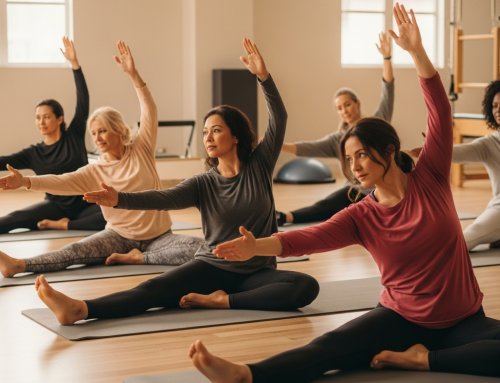
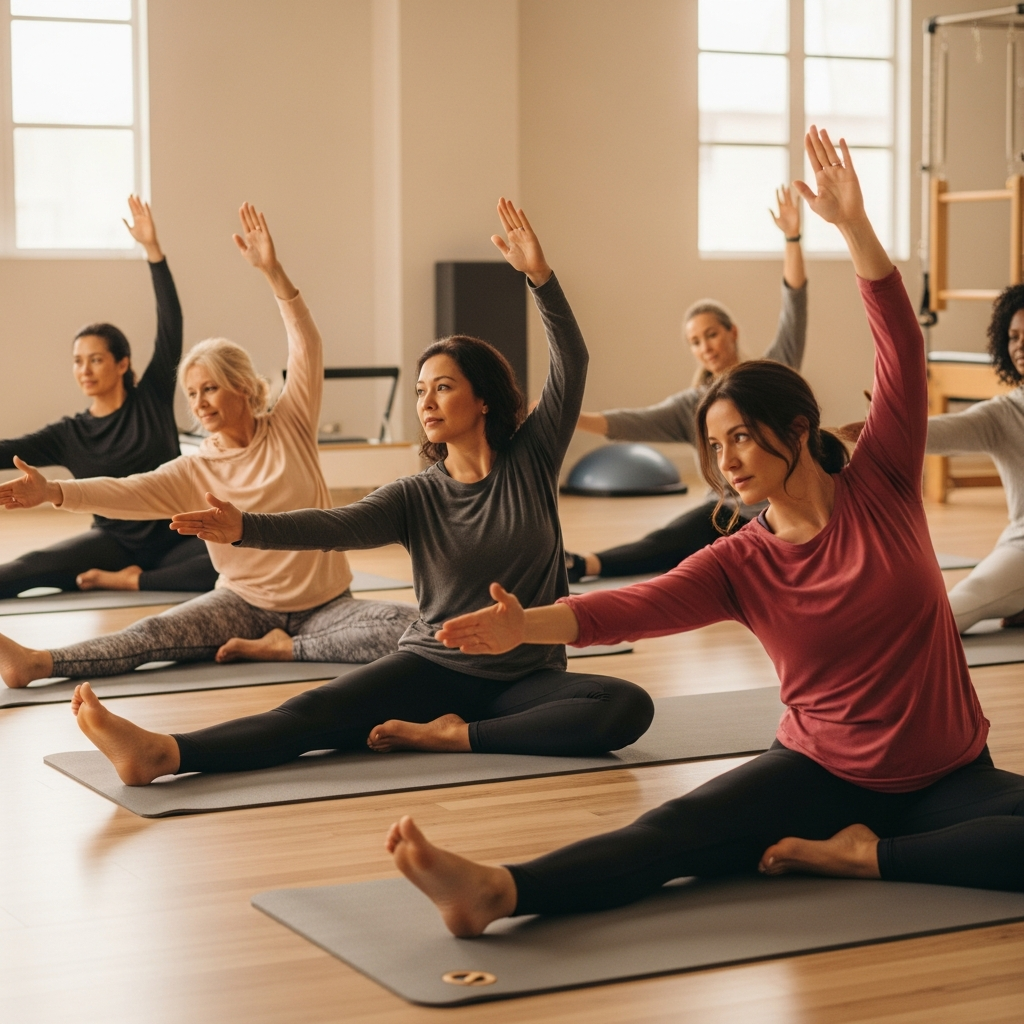
A core aspect of a Pilates Instructor’s role is to teach Pilates classes. This involves guiding students through a series of exercises that target specific muscles and parts of the body. They lead both group classes and one-on-one sessions, modifying exercises based on individual abilities and goals.
Additionally, Pilates Instructors are expected to create individualized workout plans for their students. These plans are tailored to meet the unique needs and fitness goals of each student, whether they’re seeking to improve their overall body strength, recover from an injury, or enhance their athletic performance.
Providing proper instruction on form and technique is another crucial responsibility of a Pilates Instructor. Each Pilates exercise requires careful attention to alignment and movement. An Instructor ensures that students perform each exercise correctly to maximize its benefit and prevent potential injuries. They often use verbal cues and physical adjustments to guide students in maintaining proper form.
A Pilates Instructor is also responsible for ensuring the safety of all participants during a session. They must be able to recognize the physical limitations of their students, modifying exercises as necessary to accommodate these limits. This aspect of their role requires a deep understanding of anatomy and physiology, as well as the ability to observe and respond to individual needs.
Beyond physical training, a Pilates Instructor also plays a significant role in supporting the mental well-being of their students. Pilates is as much a mind-body practice as it is a form of physical exercise. Instructors encourage mindfulness, concentration, and body awareness during workouts, helping students connect with their bodies and improve their overall wellness.
In conclusion, a Pilates Instructor is more than just a fitness trainer. They are educators, motivators, and wellness advocates who use their expertise in the Pilates method to guide individuals on their journey toward improved physical strength, flexibility, and mental clarity. By understanding the roles and responsibilities of a Pilates Instructor, we can appreciate the value they bring to the fitness world and the integral part they play in promoting health and well-being through the practice of Pilates.
A Pilates instructor is a fitness professional who is trained and certified to teach Pilates, a form of exercise developed in the early 20th century by Joseph Pilates. This discipline focuses on improving flexibility, strength, and body awareness, all without building bulk.
A Pilates instructor’s role is multifaceted. They design and lead Pilates classes or individual sessions, ensure the correct technique is maintained, advise on the correct posture, and modify exercises for those with injuries or health conditions.
Here’s a detailed step-by-step guide to better understanding what a Pilates instructor does, how they prepare for classes, and how they guide their students.
1. **Understanding Pilates**
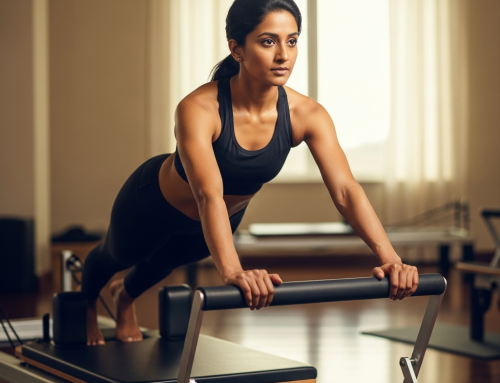
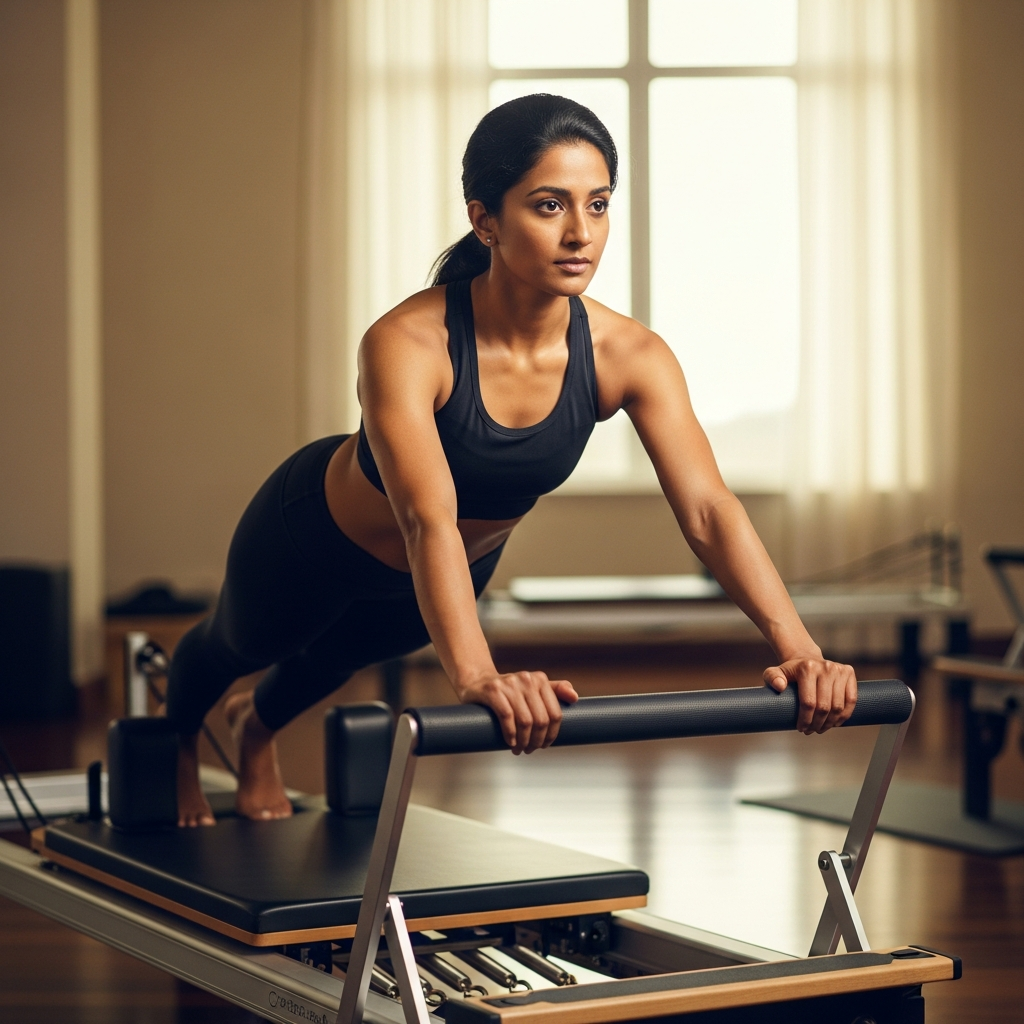
To start, a Pilates instructor has an in-depth understanding of the Pilates method. This includes both mat Pilates, performed on a mat and focuses primarily on strengthening the core, and apparatus Pilates, which incorporates equipment like the reformer, Cadillac, or Wunda chair.
For example, an instructor may teach a mat class that emphasizes the ‘Powerhouse’ muscles (the abdomen, lower back, hips, and buttocks). They’ll guide students through exercises like ‘The Hundred’, ‘Roll Up’, and ‘Scissors’, ensuring each movement is performed with control and precision.
2. **Designing a Class or Session**
A Pilates instructor carefully plans each class or session based on the skill level and needs of their students. For beginners, they will focus on basic exercises that help build core strength and flexibility.
For example, in a beginner’s class, an instructor might start with ‘The Hundred’ to warm up the body then proceed to exercises like ‘Rolling Like a Ball’ to engage the core and ‘Spine Stretch Forward’ to improve flexibility.
3. **Teaching and Guiding Students**
During a class or session, a Pilates instructor guides students through each exercise, demonstrating the movement, explaining its benefits, and providing modifications as needed. They also observe students closely to ensure that they are using the correct technique and not risking injury.
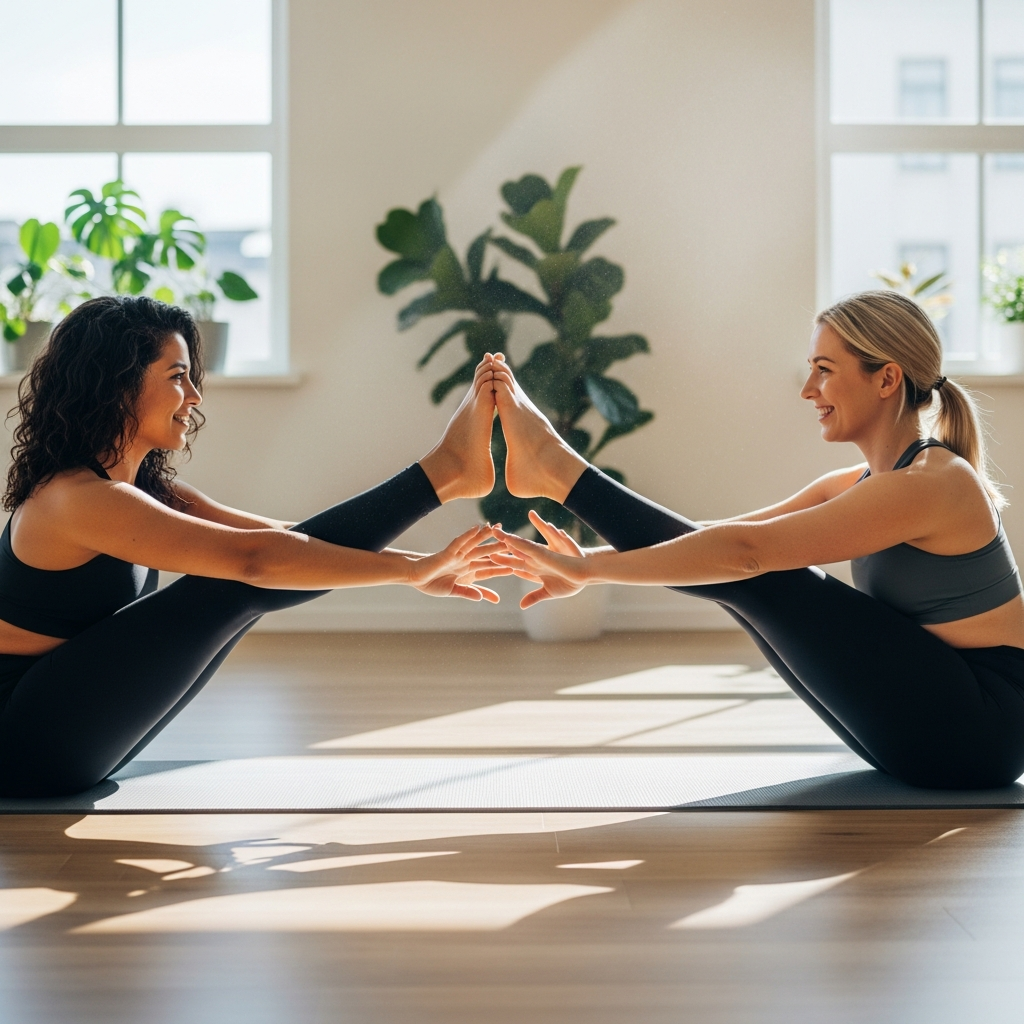
For instance, during a ‘Teaser’ exercise in a mat Pilates class, an instructor might notice a student struggling to keep their legs extended. They might suggest a modification, like bending the knees or reducing the range of movement.
4. **Modifying Exercises**
A crucial part of a Pilates instructor’s role is modifying exercises for different abilities and health conditions. They need to understand how to adjust each exercise to make it more challenging for advanced students or easier for beginners or those with health issues.
For instance, if a student with lower back pain attends a class, the instructor could modify exercises like ‘The Swan Dive’ to reduce strain on the back, possibly suggesting a milder arch or even using props for added support.
5. **Continual Learning**
As in any profession, continuing education is vital for a Pilates instructor. They need to stay updated with the latest research in fitness and health, learn new exercises or variations, and continually refine their teaching skills.
For example, an instructor might attend a workshop on incorporating resistance bands into mat Pilates classes to provide extra challenge and variety for their students.
In conclusion, a Pilates instructor is not merely an exercise guide; they are educators and facilitators who create a supportive environment where individuals can improve their fitness, strength, and flexibility at their own pace. They make Pilates accessible and enjoyable for everyone, regardless of age or fitness level. If you’re interested in Pilates, seeking out a qualified instructor could be your first step towards a healthier and more balanced lifestyle.
The Pilates Instructor: Common Challenges, Solutions, and Expert Tips
A Pilates instructor is a highly skilled professional who has extensively trained in the Pilates method to guide and instruct individuals or groups in this form of physical fitness. They are well-versed in both mat Pilates and apparatus-based Pilates, tailoring each session to suit the unique needs and goals of their clients. In addition to teaching Pilates exercises, a qualified instructor also educates clients on the principles of body alignment, core strength, flexibility, and body-mind awareness.
**Common Challenges**
1. *Understanding the Complexity of Pilates*: Pilates is a complex exercise system that requires deep understanding and mastery. A common challenge for instructors is ensuring they have a thorough knowledge of the exercises and the ability to properly demonstrate and communicate them to their clients.
2. *Adapting to Individual Needs*: Each client’s physical condition, capabilities, and goals are unique. Instructors face the challenge of customizing routines to cater to these individual needs while maintaining the integrity of the Pilates method.
3. *Maintaining Client Engagement*: Keeping clients motivated and engaged can be challenging. Instructors must create varied and stimulating workouts that not only achieve fitness goals but also keep clients interested.
4. *Physical and Mental Fatigue*: Teaching multiple sessions daily can be physically demanding and mentally exhausting for instructors.
**Solutions**
1. *Continuous Learning*: To master the complexity of Pilates, instructors need to be committed to continuous learning. This includes attending workshops, seminars, and obtaining additional certifications.
2. *Individual Assessment*: Prior to starting a Pilates program, instructors should conduct a thorough assessment of each client’s physical condition, abilities, and goals. This allows them to customize routines effectively.
3. *Variety in Classes*: Instructors can use a variety of exercises, apparatus, and teaching methods to keep classes engaging and stimulating.
4. *Self-Care*: Instructors should prioritize their own physical and mental health. Regular exercise, proper nutrition, adequate rest, and mindfulness practices can help mitigate fatigue.
**Expert Tips**
1. *Focus on Quality, Not Quantity*: Pilates is about performing movements with control and precision. Instructors should emphasize the quality of each movement over the number of repetitions.
2. *Communication is Key*: Clear, concise communication is essential in teaching Pilates. Instructors should continually improve their communication skills to ensure they can effectively instruct and correct their clients.
3. *Patience and Empathy*: Instructors should show patience and empathy towards their clients. Recognizing that everyone progresses at their own pace helps create a positive and supportive environment.
4. *Stay Updated*: The world of fitness is always evolving, and Pilates is no exception. Instructors should stay updated on the latest trends and research in the field.
**Misconceptions and Best Practices**
A common misconception about Pilates is that it’s easy or only for women. In reality, Pilates is a challenging workout beneficial for all genders and fitness levels. It requires strength, precision, and control, and its benefits include improved flexibility, posture, balance, and overall body strength.
Another misconception is that Pilates is similar to yoga. While both promote flexibility and mind-body awareness, Pilates focuses more on core strength, body alignment, and muscle balance.
As for best practices, Pilates instructors should ensure they are certified through a reputable training program. They should also maintain their certification by completing continuing education courses.
Instructors should always prioritize safety in their classes. This includes properly setting up equipment, demonstrating exercises correctly, monitoring clients during workouts, and modifying exercises as necessary.
Lastly, it’s important for instructors to establish a strong rapport with their clients. This includes being approachable, attentive, and responsive to client feedback.
In conclusion, being a Pilates instructor is both challenging and rewarding. It requires a deep understanding of the Pilates method, strong communication skills, patience, and empathy. But with continuous learning, adaptability, and a passion for promoting health and wellness, instructors can provide valuable and effective Pilates instruction to their clients.
A Pilates instructor is a fitness professional who teaches Pilates, a form of exercise that focuses on flexibility, strength, and endurance movements. Pilates emphasizes proper postural alignment, core strength, and muscle balance. The instructor guides students through exercises that target the core and other areas of the body, using specialized equipment or simply a mat.
Becoming a Pilates instructor is a journey that requires dedication, a deep understanding of the human body, and a passion for helping others achieve their fitness goals. This profession is not just about teaching; it’s about inspiring others to improve their fitness levels and overall health.
## The Journey of Becoming a Pilates Instructor
The journey to becoming a Pilates instructor usually begins with a passion for fitness and an interest in the principles of Pilates.
### Education and Training
In terms of education, there are no strict prerequisites. However, a background in health, anatomy, or physical education can be beneficial. Most importantly, you should have a solid understanding of how the human body works.
The next step is to get certified as a Pilates instructor. There are many different Pilates certifications available, but most comprehensive programs require a minimum of 450-500 hours of training, which includes coursework, hands-on training, observation hours, personal practice, and teaching hours. These programs often cover mat Pilates first, followed by training on Pilates apparatus like the reformer, Cadillac, and chairs.
### Gaining Experience
Once you’re certified, it’s time to start gaining experience. This could involve teaching Pilates classes at a local gym or fitness center, providing one-on-one instruction, or even opening your own Pilates studio if you’re up for the challenge. It’s essential to continue learning and honing your skills as you gain more experience. Attend workshops, take advanced courses and learn from other seasoned instructors.
## What to Expect as a Pilates Instructor
As a Pilates instructor, expect to work with a diverse range of clients. Some may be athletes looking to improve their performance, while others might be recovering from injuries or dealing with chronic conditions.
You’ll need to assess each client’s fitness level and create personalized exercise programs to help them reach their goals. This requires excellent communication and listening skills, as well as the ability to motivate and inspire others.
Teaching Pilates can be physically demanding, as you’ll often need to demonstrate exercises and correct clients’ form. However, it’s also incredibly rewarding to see how your guidance can help others enhance their health and wellness.
## The Rewards of Being a Pilates Instructor
Being a Pilates instructor is more than just a job. It’s a career that allows you to make a positive impact on people’s lives every day. You can help clients improve their fitness levels, manage pain, recover from injuries, and boost their confidence.
Plus, it’s an opportunity to do what you love and share your passion for Pilates with others. Whether you’re teaching mat Pilates to a group of beginners or guiding a private client through an advanced reformer workout, you’ll get the satisfaction of knowing that you’re making a difference.
## Next Steps
If you’re interested in becoming a Pilates instructor, your first step should be to start practicing Pilates regularly if you aren’t already. It’s crucial to experience firsthand the benefits and challenges of the exercises you will be teaching. You might even want to try taking classes from different instructors to get a feel for various teaching styles.
Next, research Pilates instructor certification programs. Look for one that is comprehensive and well-respected in the industry. Make sure it covers both mat and apparatus training, and that it includes ample time for hands-on training and teaching practice.
Finally, once you’re certified, start gaining experience wherever you can. The more experience you gain, the more skilled you’ll become as an instructor. Remember, becoming a great Pilates instructor is a journey, so be patient with yourself and enjoy the process.
In conclusion, a Pilates instructor is a professional who is trained and certified to teach Pilates, a form of low-impact exercise that focuses on flexibility, muscular strength and endurance. The movements involved in Pilates put emphasis on proper postural alignment, core strength and muscle balance. In essence, a Pilates instructor guides you through exercises either on a mat or on specialized equipment, helps you improve your strength, flexibility and balance, and assists you in mastering the precise movements required in this form of exercise.
To become a competent Pilates instructor, individuals must undergo extensive training and education in the Pilates method. This includes understanding the underlying principles of the exercises, knowing how to use various pieces of Pilates equipment, learning about human anatomy and movement, and being able to modify exercises to cater to individual needs. Most importantly, a good Pilates instructor should have a keen eye for detail, as well as excellent communication and interpersonal skills to be able to instruct and motivate students effectively.
The role of a Pilates instructor extends beyond merely teaching exercises. They are responsible for creating an environment that is conducive to learning and growth. They must instill confidence in their students, helping them understand their bodies better and encouraging them to challenge themselves within their individual limits. By doing this, they help their students achieve their fitness goals, improve their overall well-being, and enhance their quality of life.
Furthermore, a Pilates instructor also plays an instrumental role in injury prevention and rehabilitation. By focusing on alignment and balanced muscle development, they can help prevent injuries associated with muscle imbalances. For individuals recovering from injuries, Pilates can be an effective way of rebuilding strength and stability without putting undue stress on the body.
Choosing the right Pilates instructor is crucial to your Pilates journey. A good instructor will make sure that you’re performing exercises correctly to maximize effectiveness and avoid injury. They will be able to adapt exercises to suit your personal needs, whether you’re a beginner or an advanced student, pregnant, recovering from an injury, or have any health conditions.
Whether you’re new to Pilates or a seasoned practitioner, a skilled Pilates instructor can help you get the most out of your workout, push you to your full potential and ensure your safety throughout the process. By working with a Pilates instructor, you’ll be able to learn the correct technique, improve faster, and stay motivated and accountable.
Given the complexity of the human body and the precision required in Pilates, it’s essential to work with a professional who understands the intricate dynamics of this form of exercise. At our studio, our certified instructors are dedicated to providing you with personalized attention and guidance. They will help you develop strength, flexibility, balance, and body awareness, all while ensuring that your Pilates experience is safe, effective, and enjoyable.
If you are ready to embark on your Pilates journey or if you’re looking to take your practice to the next level, we invite you to contact us. Our team is more than willing to assist you and answer any questions you may have. Let us guide you towards achieving your fitness goals and enhancing your overall well-being. Reach out today, and let’s start this rewarding journey together. Remember, your health is an investment, not an expense. Invest in yourself today with Pilates.