Unraveling the Power of Pilates: An Inside Look at this Holistic Workout
Have you ever found yourself standing in front of a Pilates studio, peering inside at an array of peculiar machines and a group of people in deep concentration? Perhaps you’ve heard whispers of its transformative effects on the body and mind, piquing your curiosity about this enigmatic workout regime. Maybe you’re a fitness enthusiast looking for a new challenge, or someone just starting on your fitness journey, searching for a workout that’s more than just lifting weights. If any of these scenarios resonate with you, then you’re in the right place. Prepare to unravel the mystery of Pilates and discover how this holistic workout can transform your life.
Pilates is a form of exercise that focuses on balance, strength, flexibility, and awareness to support efficient, graceful movement. It was developed by a German physical trainer named Joseph Pilates in the early 20th century. Joseph Pilates designed this unique form of exercise as a way to rehabilitate injured soldiers during World War I. Today, it has evolved into a popular fitness routine that is practiced worldwide by individuals of all ages and fitness levels.
This blog post will delve into the depths of Pilates, providing you with an understanding of its core principles and methods. We will explore the different styles of Pilates, including mat Pilates and equipment-based Pilates classes, to help you identify which style may be the best fit for your needs and goals. We will also touch on the history of Pilates, its health benefits, and what you can expect from your first Pilates class.
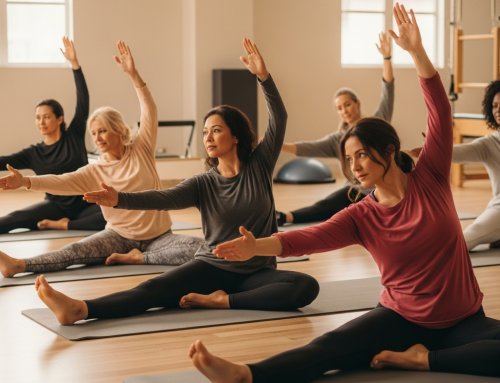
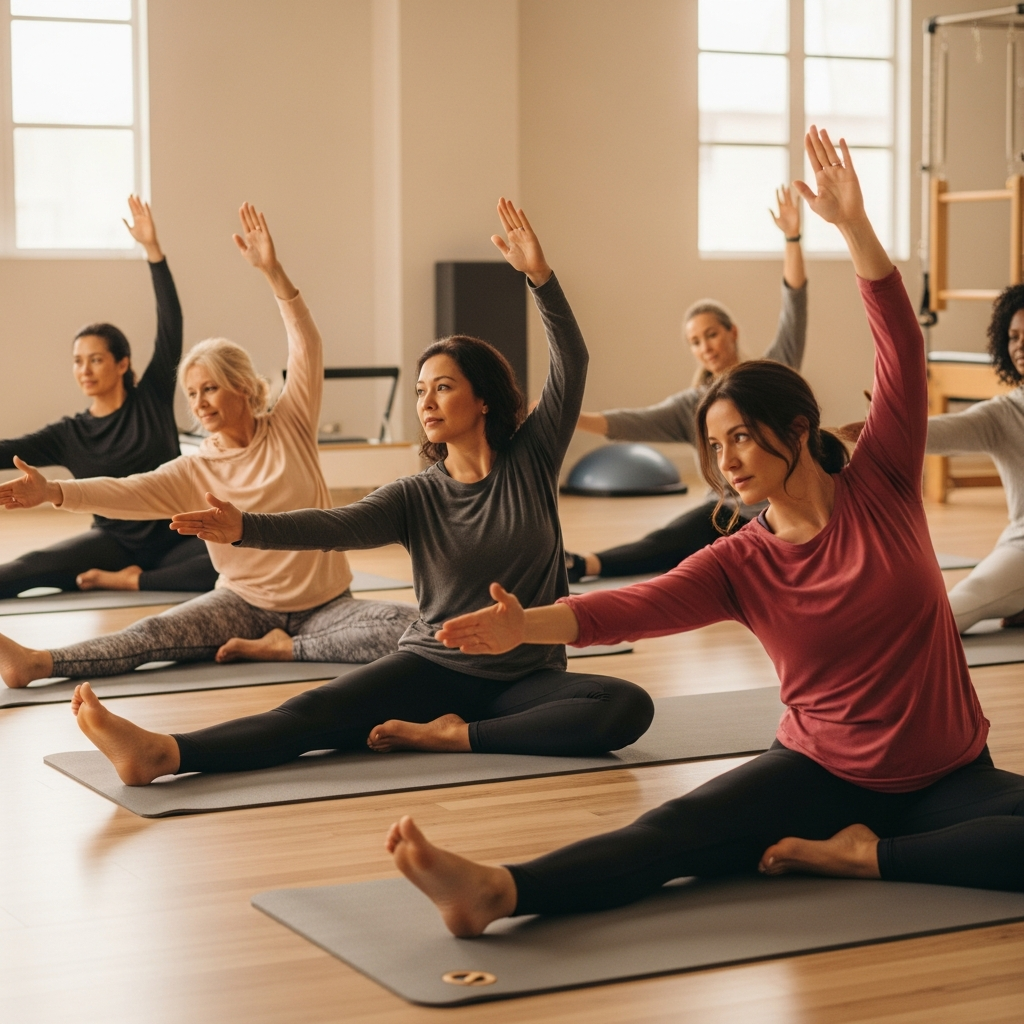
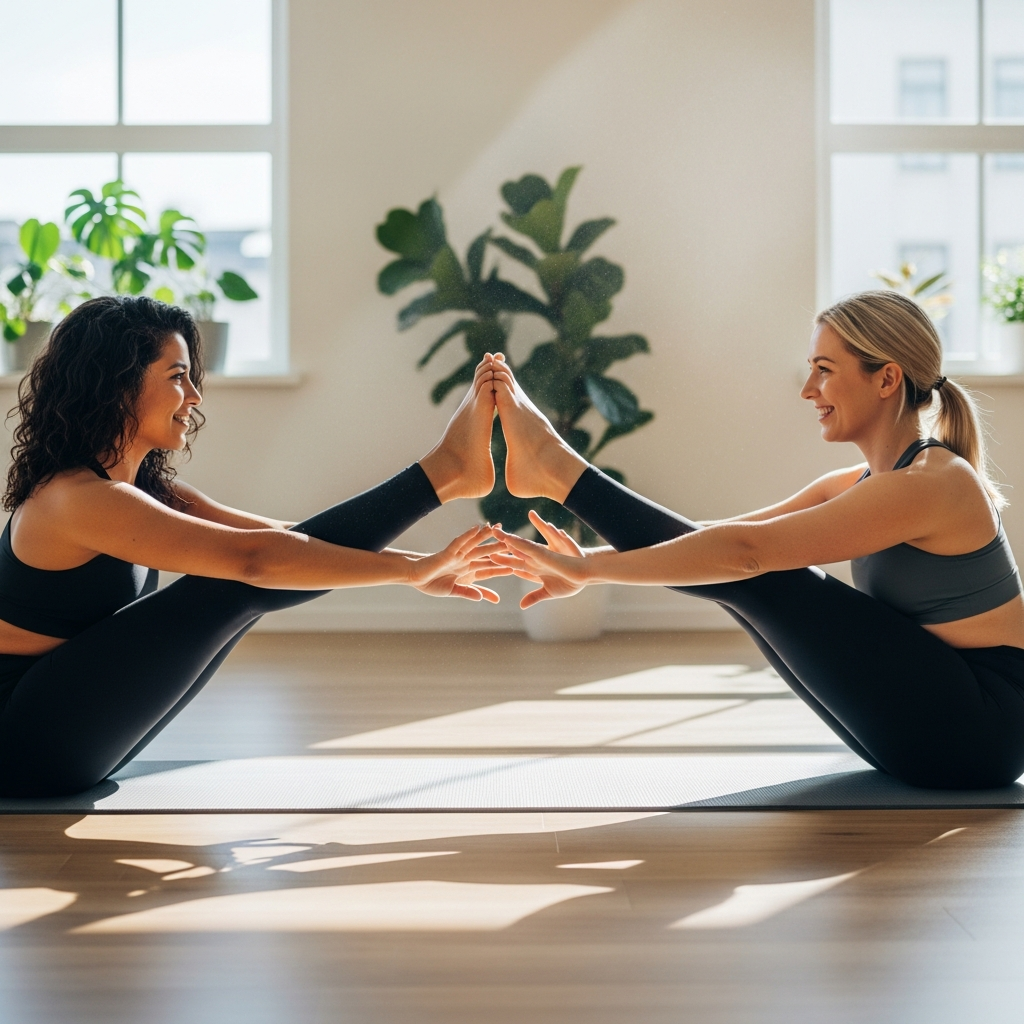
In the world of Pilates, mat classes are often where beginners start their journey. These classes use your body weight and gravity to create resistance and are primarily focused on strengthening the core. However, mat Pilates is more than just a killer ab workout. It’s a full-body conditioning program that helps to improve flexibility, muscle tone, body balance, spinal support, low back health, sports performance, and body-mind awareness.
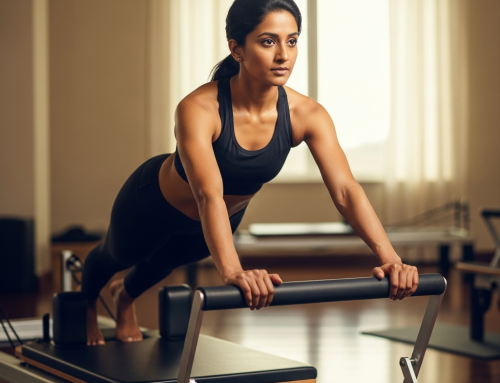
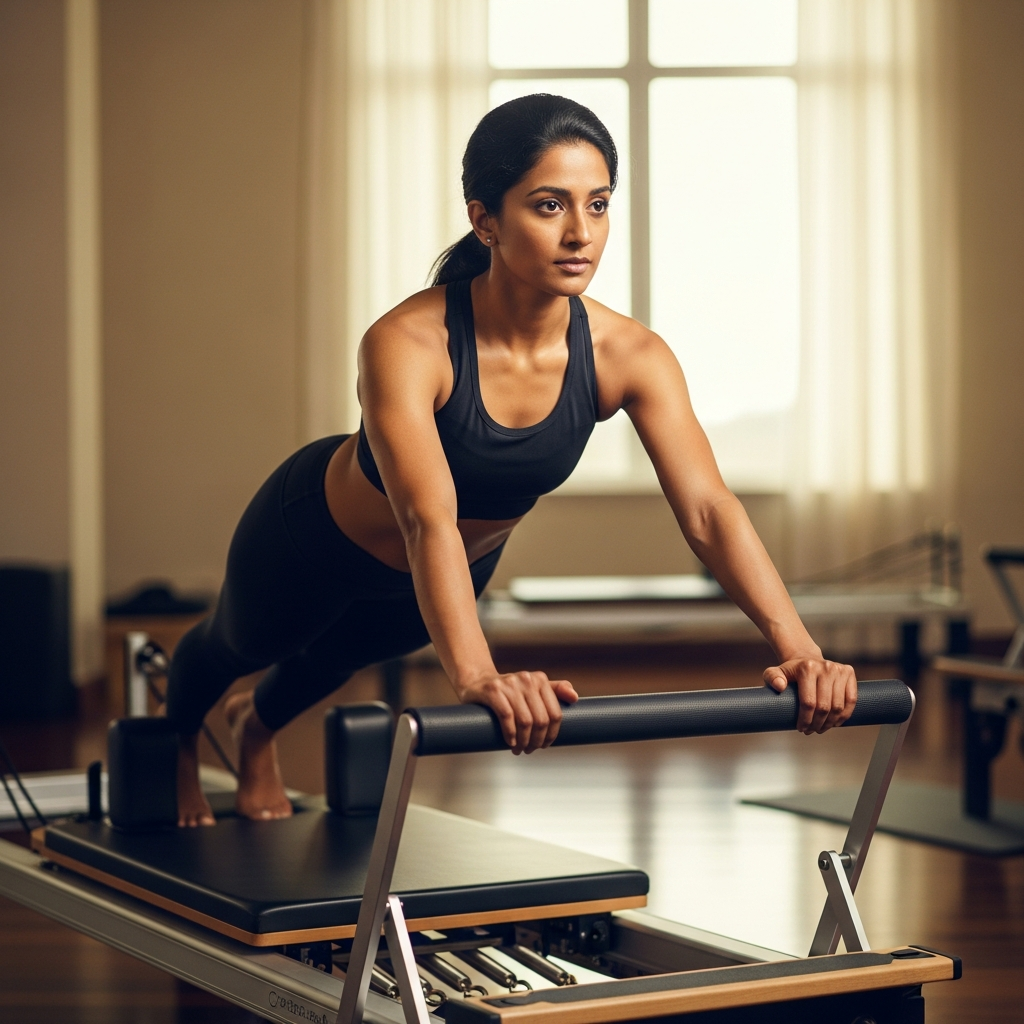
On the other hand, Pilates classes that use equipment, such as the reformer, Cadillac, or Wunda Chair, offer a different experience. These machines use springs to create resistance, allowing for more varied and intense workouts. They can be adjusted to suit any fitness level and provide a more dynamic range of motion, ensuring a well-rounded and comprehensive workout.
Understanding what kind of workout Pilates is can help you appreciate its potential benefits and determine whether it’s right for you. This matters because selecting the right exercise routine can be the difference between achieving your fitness goals or falling short.
Whether you’re seeking to improve your physical strength, enhance your flexibility, rehabilitate an injury, or find a sense of calm amidst a hectic lifestyle, Pilates may very well be the answer. As we delve deeper into this subject, you’ll discover that Pilates is more than just a workout—it’s a holistic approach to wellness that integrates the mind, body, and spirit. So stick around and join us on this enlightening journey into the world of Pilates.
The Fundamentals and Framework of Pilates: A Transformative Workout Regime
Pilates, a physical fitness system developed in the early 20th century by Joseph Pilates, is a comprehensive workout regimen that emphasizes the balanced development of the body through core strength, flexibility, and awareness. This unique form of exercise, which has been popularized globally, fosters improved posture, coordination, and mental focus.
Joseph Pilates, a German physical-culturist, created this system during World War I with an intention to strengthen the mind-body connection. He was inspired by the Greek ideal of a man balanced in body, mind, and spirit. His method initially known as “Contrology” focussed on the idea of muscle control. He believed that it was not repetition of exercises that would lead to a healthy body, but rather the precision and control over the movements.
Pilates is based on six principles: centering, concentration, control, precision, breath, and flow.
1. Centering: This principle refers to the concept of physically bringing the focus to the center of the body – the powerhouse area between the lower ribs and pubic bone. Every movement in Pilates should begin from the center and extend outwards.
2. Concentration: Pilates demands intense focus and awareness. The connection between the body and mind is crucial as every movement has a purpose that must be consciously performed.
3. Control: As earlier stated by Joseph Pilates, control, not intensity or repetition of movement, is key in Pilates. Every movement is deliberate, requiring control over all parts of your body.
4. Precision: Accuracy is paramount in Pilates. Attention to detail ensures that the appropriate muscle groups are targeted in each exercise.
5. Breath: Joseph Pilates emphasized using a very full breath in his exercises. He advocated for thinking of the lungs as bellows – using them strongly to pump the air fully in and out of the body. Most Pilates exercises coordinate with the breath, and using the breath properly is an integral part of Pilates exercise.
6. Flow: Pilates exercise is done in a flowing manner. Fluidity, grace, and ease are goals applied to all exercises. The energy of an exercise connects all body parts and flows through the body in an even way. Pilates equipment, like the reformer, are very good mirrors of one’s flow and concentration as they tend to bang around and suddenly become quite “machine-like” if one loses ones control and flow.
Pilates can be done on a mat, using your body weight for resistance, and on Pilates equipment with springs to provide additional resistance. Mat Pilates and reformer Pilates are the most common forms of practice. Mat classes primarily focus on working the core muscles, while the reformer class offers a full-body workout.
The benefits of Pilates are manifold: it improves flexibility, builds strength and develops control and endurance in the entire body. It puts emphasis on alignment, breathing, developing a strong core, and improving coordination and balance. Joseph Pilates himself claimed that his method promotes a feeling of physical and mental well-being and develops not only the body, but also the mind and spirit.
Pilates is a versatile and adaptable method. It can be customized to suit everyone from rehab patients to elite athletes, making it a popular choice for people of all ages and fitness levels. It’s also an excellent workout for injury recovery because it’s low-impact and can be tailored to work around injured areas.
In conclusion, Pilates is a comprehensive workout regime that aims at promoting balanced muscle development, flexibility, and increased mental awareness. Its unique blend of strength and mobility exercises makes it a perfect choice for individuals seeking to improve their physical fitness and mental well-being.
Unraveling the Workout Wonder: Pilates
Pilates is a comprehensive, low-impact workout regimen designed to enhance flexibility, strength, balance, and mind-body awareness. Named after its creator, Joseph Pilates, this form of exercise focuses on the core or the ‘powerhouse’ of the body. It encourages the use of the body as an integrated whole, promoting symmetry, alignment and fluidity of movement.
Whether you are a fitness enthusiast looking for a new challenge, a beginner hoping to improve your physical health, or someone recovering from an injury, Pilates has something to offer. It is adaptable and can be modified to suit individual needs and objectives.
Let’s delve into a deeper understanding of what Pilates is and how you can incorporate it into your fitness routine.
**Scenario 1: Pilates for Beginners**
As a beginner, mat Pilates is a great place to start. This form of Pilates uses your own body weight for resistance and focuses on improving core strength and overall flexibility.
A typical mat Pilates class includes a warm-up session, a series of exercises targeting different muscle groups, and a cool-down period. The exercises are performed in a specific order, with an emphasis on precision and control.
Actionable advice: Start slow. Listen to your body and don’t push yourself too hard too soon. Find a qualified instructor who can guide you through the basics and help you understand correct posture and alignment.
**Scenario 2: Pilates for Fitness Enthusiasts**
If you’re already involved in regular exercise and looking for something to shake up your routine, Pilates can provide a refreshing change. It offers a full-body workout that challenges your strength, endurance, and flexibility in new ways.
In addition to mat Pilates, you might want to explore Pilates classes using equipment like the reformer, cadillac, or Wunda chair. These machines add an extra layer of resistance to the exercises, providing a more challenging workout.
Actionable advice: Incorporate Pilates into your fitness regime 2-3 times a week for best results. You’ll start to see improvements in your posture, core strength, and overall muscle tone.
**Scenario 3: Pilates for Rehabilitation**
Pilates is also widely used as a rehabilitation tool. Its focus on controlled movements and improving strength and flexibility in a balanced way makes it particularly beneficial for people recovering from injuries or with chronic pain.
Clinical Pilates, offered by physiotherapists, is often recommended for rehabilitation purposes. These classes are tailored to your specific needs and closely supervised to ensure safety and effectiveness.
Actionable advice: Always consult your healthcare provider before starting Pilates as part of your rehabilitation program. They can advise you on the appropriate level of exercise and any modifications necessary for your condition.
To sum up, Pilates is not just an exercise; it’s a holistic approach to wellness. The beauty of Pilates lies in its versatility. Whether you prefer mat Pilates or classes using equipment, whether you’re a fitness enthusiast looking for a new challenge or someone in need of physical rehabilitation, there’s a version of Pilates that’s right for you.
Remember, like any fitness regimen, consistency is key in Pilates. Regular practice will help you reap its numerous benefits – from improved core strength and flexibility to better posture and enhanced mind-body connection. So why wait? Roll out your mat and begin your Pilates journey today.
Pilates: An Insight into the Workout, Its Challenges, and Effective Solutions
Pilates is a type of low-impact workout that aims to strengthen muscles while improving postural alignment and flexibility. It targets the core, but it also exercises the entire body. Pilates can be done on a mat or using special apparatus—like the reformer, a pilates machine—and can be modified to suit individual needs, making it accessible for beginners and experts alike.
However, there are common misconceptions about Pilates that may deter some from trying it. Some people believe it’s only for women or dancers, but Pilates is beneficial for everyone. It’s a balanced workout that promotes full-body fitness, regardless of age or gender. Another misconception is that Pilates is easy or just about stretching. In reality, Pilates can be as challenging as you make it. It requires concentration, control, precision, breath, and flow—all elements that can make it quite challenging.
One common challenge people face when starting Pilates is understanding and engaging the core correctly. Pilates focuses heavily on ‘the powerhouse,’ a term used to describe the center of the body—spanning from the bottom of the ribs to the hip line. This area plays a crucial role in stabilizing the body and supporting the spine. Initially, beginners may find it difficult to engage their powerhouse. To overcome this challenge, focus on practicing slow, controlled movements and maintaining steady breaths. A qualified Pilates instructor can guide you through this process during initial classes.
Another challenge with Pilates is maintaining proper form throughout an exercise. Pilates isn’t about doing a lot of repetitions, but rather doing a few with precision. It’s easy to lose focus and compromise form, especially when you’re new to the workout. Therefore, it’s important to learn each exercise correctly from the start. If you’re unsure about your form, don’t hesitate to ask your instructor for help. As you continue your practice, maintaining proper form will become second nature.
Now let’s talk about mat Pilates and Pilates classes. Mat Pilates is a type of Pilates done on a mat, similar to yoga. It relies on bodyweight for resistance and focuses on developing core strength, flexibility, and overall muscle tone. It’s a great option for beginners, as it offers an introduction to the fundamental exercises and principles of Pilates. However, mat Pilates can be challenging for those with limited mobility or severe chronic pain. In such cases, a trained instructor can provide modifications to the exercises.
Pilates classes, on the other hand, often incorporate equipment such as reformers, towers, or Pilates chairs. These tools provide resistance that can be adjusted according to an individual’s ability, making the workouts adaptable and versatile. Pilates classes are typically more dynamic and intense than mat Pilates, offering a higher level of challenge. However, they may be intimidating for beginners due to the variety of equipment used. Don’t let this discourage you—remember that everyone was a beginner at some point. Most classes are designed to cater to all levels, with instructors providing modifications and guidance throughout the session.
To make the most out of your Pilates workout, here are some expert tips
1. Consistency is key: Like any other fitness regimen, the benefits of Pilates are most apparent when practiced consistently. Aim for at least two to three sessions per week.
2. Listen to your body: Each person’s body is unique and responds differently to exercise. If a certain move doesn’t feel right or causes pain, stop and consult your instructor.
3. Focus on breath: In Pilates, breath is used to provide energy for the exercises and to help focus the mind. Good breathing not only improves your workout but also reduces stress and promotes relaxation.
4. Embrace the learning process: Pilates is a journey, not a destination. Don’t be discouraged if you find some exercises challenging at first. With practice and patience, you’ll improve over time.
In conclusion, Pilates is a versatile workout that offers numerous benefits, including improved strength, flexibility, and balance. Despite the common misconceptions and challenges faced by beginners, with consistent practice and proper guidance, anyone can master the art of Pilates and reap its rewards.
Pilates is a form of low-impact exercise that aims to strengthen muscles while improving postural alignment and flexibility. The exercises primarily target the core, but they can also work other areas of your body. Developed in the early 20th century by Joseph Pilates, it has grown in popularity worldwide due to its versatility and effectiveness.
So, what kind of workout is Pilates?
Pilates exercises are typically performed on a mat or on specialized equipment and include strengthening and stretching exercises. This unique form of exercise emphasizes proper breathing, correct spinal and pelvic alignment, and concentration on smooth, flowing movement to train several muscle groups at once. It’s a body-conditioning routine that helps build flexibility, lean muscle strength, and endurance in the legs, abdominals, arms, hips, and back.
There are two types of Pilates: Mat Pilates and Reformer Pilates. Mat Pilates is performed on the floor using a mat and uses the body’s own weight as resistance. It focuses on training the body’s core by developing pelvic stability and abdominal control. Reformer Pilates, on the other hand, utilizes a machine known as a Reformer to provide a more challenging workout. The Reformer uses a series of springs and pulleys to create resistance, providing a full body workout.
A typical Pilates workout is expected to last about 45 minutes to an hour. For beginners, you can expect a slow pace as you get introduced to the exercises and the equipment. As you progress, the intensity of the workouts will increase.
In terms of timelines, it’s recommended that you do Pilates two to three times per week for optimal results. However, how soon you start seeing results depends on several factors like your fitness level before starting Pilates, the intensity of your workouts, and whether you’re combining it with other forms of exercise or diet changes.
For beginners, you may start seeing improvements in your overall flexibility, posture, and body awareness after just a few weeks of regular practice. For more noticeable changes in muscle strength and size, it may take up to eight weeks.
Here are some next steps to get you started on your Pilates journey
1. **Find a class or an instructor**: You can find Pilates classes at most fitness centers or you can hire a private instructor. The advantage of a class is that you can meet other Pilates enthusiasts, while a private instructor can provide personalized attention and a workout tailored to your needs.
2. **Choose your type of Pilates**: As mentioned earlier, there are two main types of Pilates – Mat and Reformer. If you’re a beginner, it’s recommended to start with Mat Pilates as it’s simpler and focuses on mastering the basics.
3. **Get the right equipment**: For Mat Pilates, all you need is a good quality mat. For Reformer Pilates, the equipment will be provided at the studio.
4. **Remember to warm up**: Just like any other workout, it’s essential to warm up before starting your Pilates session to avoid injury.
5. **Listen to your body**: One of the most important aspects of Pilates is body awareness. Listen to your body and don’t push it too hard. If a certain exercise feels uncomfortable or painful, stop doing it and consult with your instructor.
In conclusion, Pilates is a versatile workout that can be tailored to suit everyone from beginners to advanced athletes. Whether you’re looking to improve your posture, increase your flexibility, or build strength, Pilates is a great choice. Remember to start slow, listen to your body, and most importantly, enjoy the process.
In conclusion, Pilates is a versatile and adaptable workout regimen that caters to various skill levels, body types, and health conditions. It is a unique blend of strength training, flexibility enhancement, and core stability building, designed to provide holistic fitness benefits. Pilates is a non-impact form of exercise that focuses on precision, control, and form rather than speed and repetition, making it an excellent choice for those seeking a mindful and balanced approach to fitness.
One of the key takeaways from our discussion is that Pilates is much more than just a workout. It is a method that promotes body awareness, good posture, and easy, graceful movements. It also enhances the mind-body connection, a crucial aspect often overlooked in conventional workout regimens.
Pilates also stands out because of its focus on the core. This focus helps improve balance, stability, and overall body strength. A strong core is essential not only for athletes but also for everyday activities. Pilates exercises are designed to strengthen this area in a balanced way, which can help reduce the risk of injury and improve overall fitness performance.
Furthermore, Pilates is customizable. Whether you are a beginner or an advanced athlete, young or old, healthy or recovering from an injury, you can tailor Pilates to meet your needs and goals. You can perform Pilates with equipment like reformers and cadillacs in a studio setting or with just a mat in the comfort of your own home.
Pilates is also an excellent complement to other forms of exercise. For instance, if you are a runner or cyclist, Pilates can help balance your muscle development, improve your performance and reduce the risk of injury. If yoga is your preferred mode of exercise, integrating Pilates can help enhance your core strength and stability.
Lastly, the benefits of Pilates extend beyond physical fitness. Regular practice can lead to improved mental well-being. The concentration required to perform each exercise with precision turns each workout into a form of meditation, reducing stress and promoting a sense of calm.
In light of all these benefits, it’s easy to see why Pilates has gained such a strong following worldwide. However, as with any fitness regimen, it’s crucial to learn and practice Pilates under proper guidance. Incorrect form or technique can lead to ineffective workouts or even injury.
If you’re interested in exploring the world of Pilates, we’re here to help. Our team of certified professionals can guide you through each exercise, ensuring that you’re performing them correctly and safely. We offer both in-studio and online sessions, as well as personalized programs tailored to your specific needs and goals.
Investing in your health and fitness is one of the best decisions you can make. And with Pilates, you’re choosing a method that not only enhances your physical strength and flexibility but also promotes mental well-being. So why wait? Contact us today and let us guide you on your journey to a healthier, happier, and more balanced life.