Unraveling the Pilates Puzzle: Is Pilates Hard for Beginners?
Have you ever gazed at a pilates class in progress, marveled at the strength, flexibility, and grace of the participants, and wondered if you could ever do that? Or perhaps you’ve heard friends wax lyrical about the transformative power of Pilates and wistfully wished you could experience it too, but are held back by the fear of its perceived difficulty. If this resonates with you, then you’re in the right place. In this comprehensive guide, we’re going to explore the question, “Is Pilates hard for beginners?”
Pilates, a mind-body centered form of exercise, has been lauded for its myriad health benefits such as improved flexibility, increased muscle strength and tone, enhanced mental wellbeing, and better posture. Developed by physical-culturist Joseph Pilates in the early 20th century, it’s an exercise method that emphasizes balanced development of the body through core strength, flexibility, and awareness to support efficient, graceful movement.
As with any new form of exercise or skill, starting Pilates can seem daunting. The initial perception of complexity, the unfamiliarity with the equipment, or even just stepping out of your comfort zone can make it seem like a mountain too steep to climb. But is Pilates really as hard for beginners as it may appear? This post will delve deep into this question, debunk some myths, and provide a fresh perspective for those contemplating embarking on a rewarding Pilates journey.
We will cover everything from mat Pilates – the most common form of this exercise that focuses on core strength and stability – to Pilates classes that utilize specialized apparatus. We’ll discuss what beginners can expect in their first class, how to prepare, and tips to overcome common challenges newcomers face. Our aim is to empower you with knowledge and confidence so that stepping into that first Pilates session feels less like launching into the unknown and more like embarking on an exciting new journey.
Not only will we explore how hard Pilates is for beginners, but we’ll also provide insights into how you can make the transition easier and more enjoyable. Further, we’ll discuss how Pilates can be adapted to suit different fitness levels and needs. Whether you’re a seasoned athlete looking to supplement your training, recovering from an injury, or completely new to the world of fitness, Pilates offers something for everyone.
Why does this matter? In a world where we’re constantly bombarded with quick-fix fitness fads and miracle weight loss solutions, Pilates stands out as a holistic, sustainable approach to health and wellness. It’s not just about sculpting a lean body or burning calories – it’s about building a harmonious relationship with your body, developing mindfulness, and cultivating a sense of inner balance. It’s about learning to move with efficiency and grace in your everyday life. However, the perceived difficulty can often stop people from reaping these benefits.
By demystifying Pilates and providing a clear, realistic picture of what beginners can expect, this guide aims to break down barriers and encourage more people to experience the transformative power of Pilates. So, buckle up and get ready to dive into the world of Pilates – your body and mind will thank you!
Is Pilates Hard for Beginners? Unraveling the Fundamentals and Framework of Pilates Practice
As a practice designed to strengthen the body, particularly the core, and improve overall fitness and wellbeing, Pilates has gained significant popularity over the past decades. Developed by Joseph Pilates in the early 20th century, this workout regime is rooted in principles of control, concentration, fluidity, precision, breathing and centering. But one question that often surfaces among those considering embarking on this fitness journey is: Is Pilates hard for beginners?
To better understand Pilates and its complexity for beginners, it is crucial to delve into its fundamental principles and framework. Understanding these will provide a clearer picture of what beginners can expect from their initial Pilates classes.
1. Control: Known as ‘Contrology’ by Joseph Pilates, control refers to the conscious, deliberate movement required in all Pilates exercises. This principle is based on the idea that every movement should be intentional and mindful, controlling every part of your body at all times. For beginners, this could be challenging as it requires a high level of awareness of one’s body.
2. Concentration: In Pilates, the mind-body connection is paramount. Concentration is crucial in ensuring that you’re performing each exercise correctly and effectively. This mind-body synergy may feel foreign to beginners, especially those who are used to more mindless or passive forms of exercise.
3. Fluidity: Unlike workouts that consist of abrupt and isolated movements, Pilates stresses the importance of smooth, continuous motions. Each movement flows into the next, which not only makes the workout seem more graceful but also ensures muscles are worked evenly. For beginners, achieving this fluidity might take time and practice.
4. Precision: Precise movement is a fundamental aspect of Pilates. Each exercise has a purpose and should be executed with meticulous attention to detail. This precision may be difficult for beginners as it requires knowledge of correct anatomical alignment and understanding of each exercise’s purpose.
5. Breathing: Proper breathing technique is central to Pilates. Joseph Pilates believed that deep, controlled breaths could help cleanse the body and invigorate the mind. While this might seem straightforward, synchronizing breath with movement can be challenging for novices.
6. Centering: Often referred to as the ‘powerhouse’ in Pilates, the body’s center is the focal point of all exercises. It includes the abdomen, lower back, hips, and buttocks. Harnessing strength from this center can be a new concept for beginners who are used to exercising individual muscle groups separately.
Given these principles, it’s understandable why beginners might perceive Pilates as hard. It demands attention, control, and precision, and introduces a different approach to exercise that emphasizes the integration of mind and body. Furthermore, its emphasis on core strengthening and stability can be challenging for those not accustomed to engaging these muscles.
Yet, the perceived difficulty shouldn’t deter beginners from trying Pilates. The beauty of this workout regime lies in its adaptability. Pilates exercises can be modified to cater to different fitness levels and physical limitations. Beginners typically start with basic exercises that help them build a strong foundation, developing strength, flexibility and control before progressing to more advanced movements.
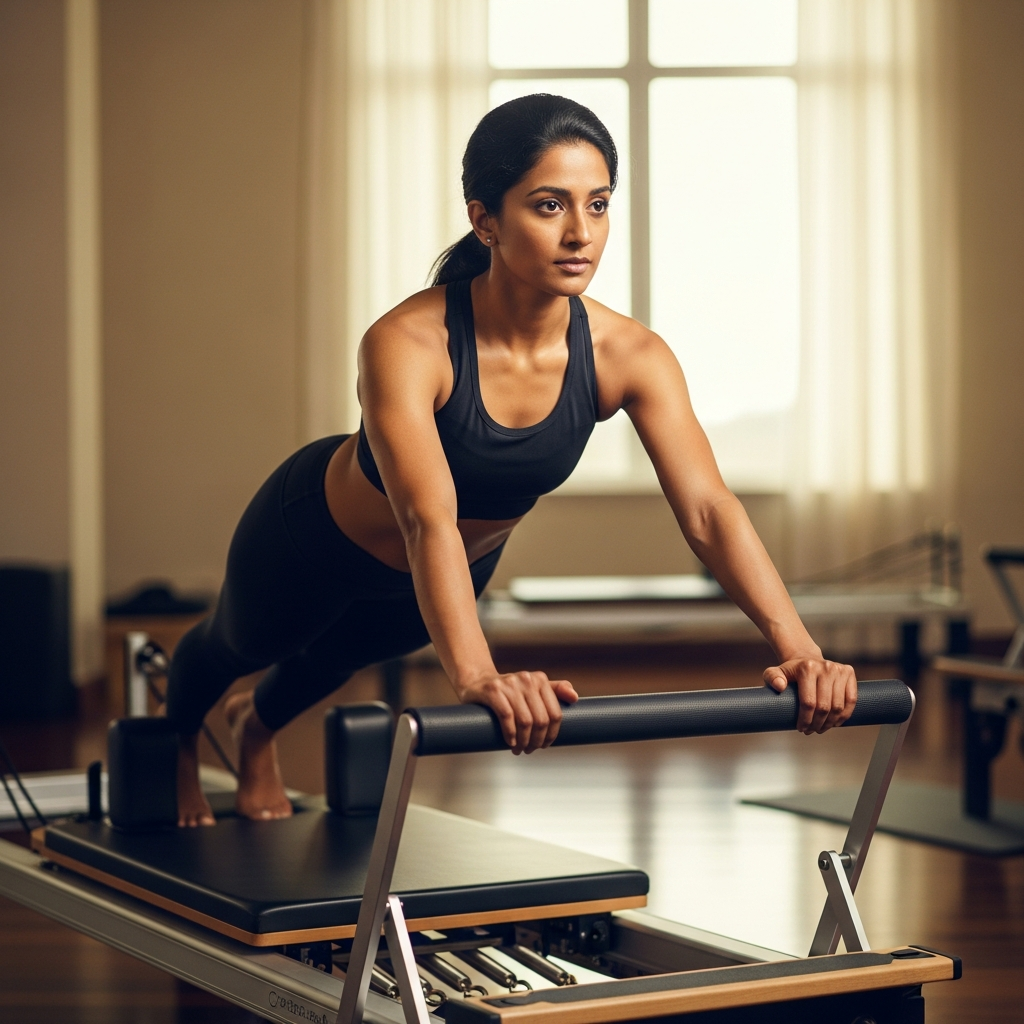
Moreover, Pilates is low-impact, making it less daunting for beginners. It doesn’t put undue stress on joints and can be done on a mat or using special equipment like a reformer. This versatility appeals to a broad spectrum of individuals, from athletes to seniors, and those recovering from injuries.
In conclusion, while Pilates may present initial challenges for beginners due to its unique principles and approach, it is not insurmountably hard. With patience, practice, and proper instruction, beginners can gradually master the fundamentals of Pilates and reap its numerous benefits such as improved strength, flexibility, balance, and overall body awareness.
Is Pilates Hard for Beginners? A Comprehensive Guide
Pilates, a method of exercise that emphasizes body balance, muscle strength, and flexibility, has been a popular fitness regimen for quite some time. However, if you’re a beginner, you might wonder: is Pilates hard?
The truth is, like any new workout regimen, Pilates can be challenging at first. However, with perseverance, proper guidance, and regular practice, it becomes easier and enjoyable. This guide will help beginners navigate the Pilates realm with practical advice and real-world examples.
1. Understanding Pilates
Firstly, it’s important to understand what Pilates is all about. Originating from the work of Joseph Pilates in the early 20th century, this exercise method focuses on core strength, flexibility, and awareness to support efficient and graceful movement. The main types are Mat Pilates (done on a mat) and Equipment-based Pilates (conducted on specialized equipment like the Reformer).
2. Mat Pilates for Beginners
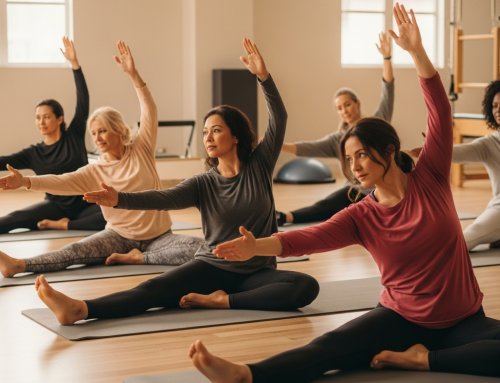
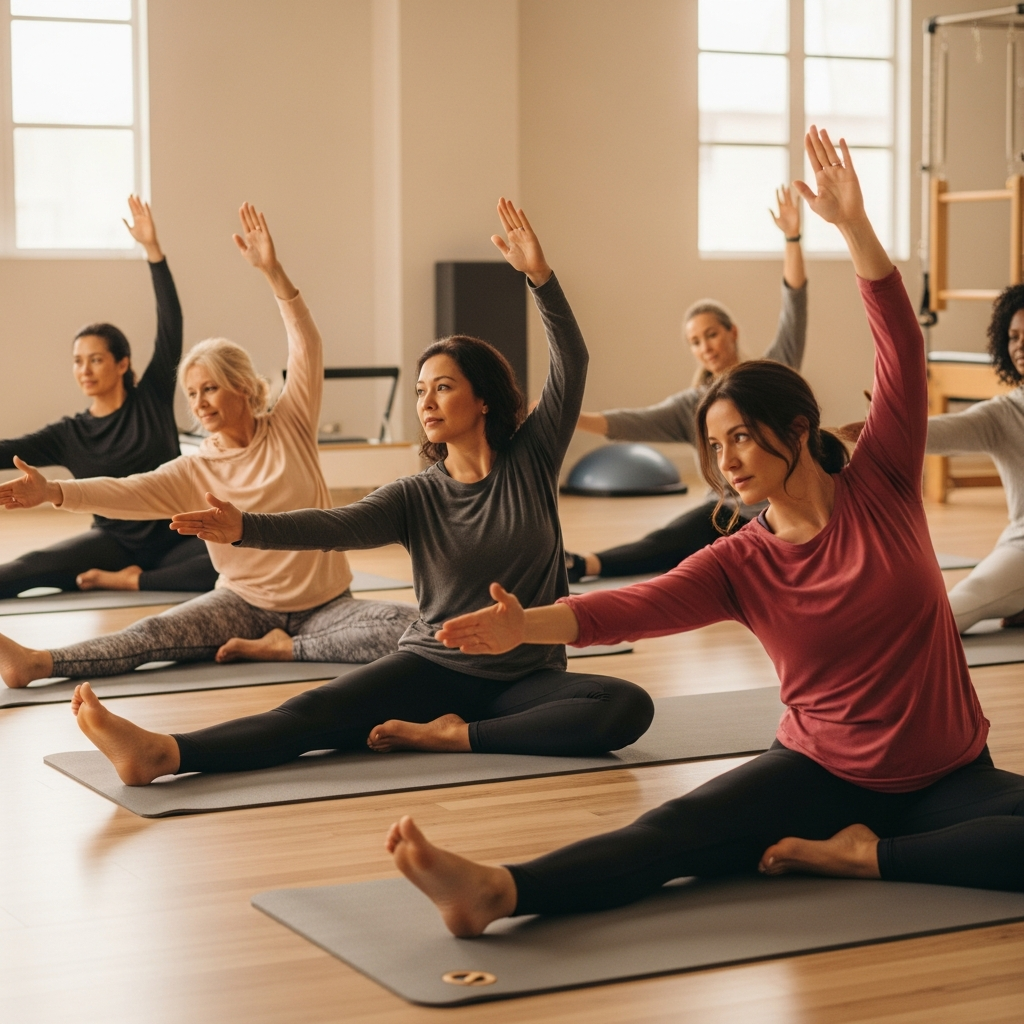
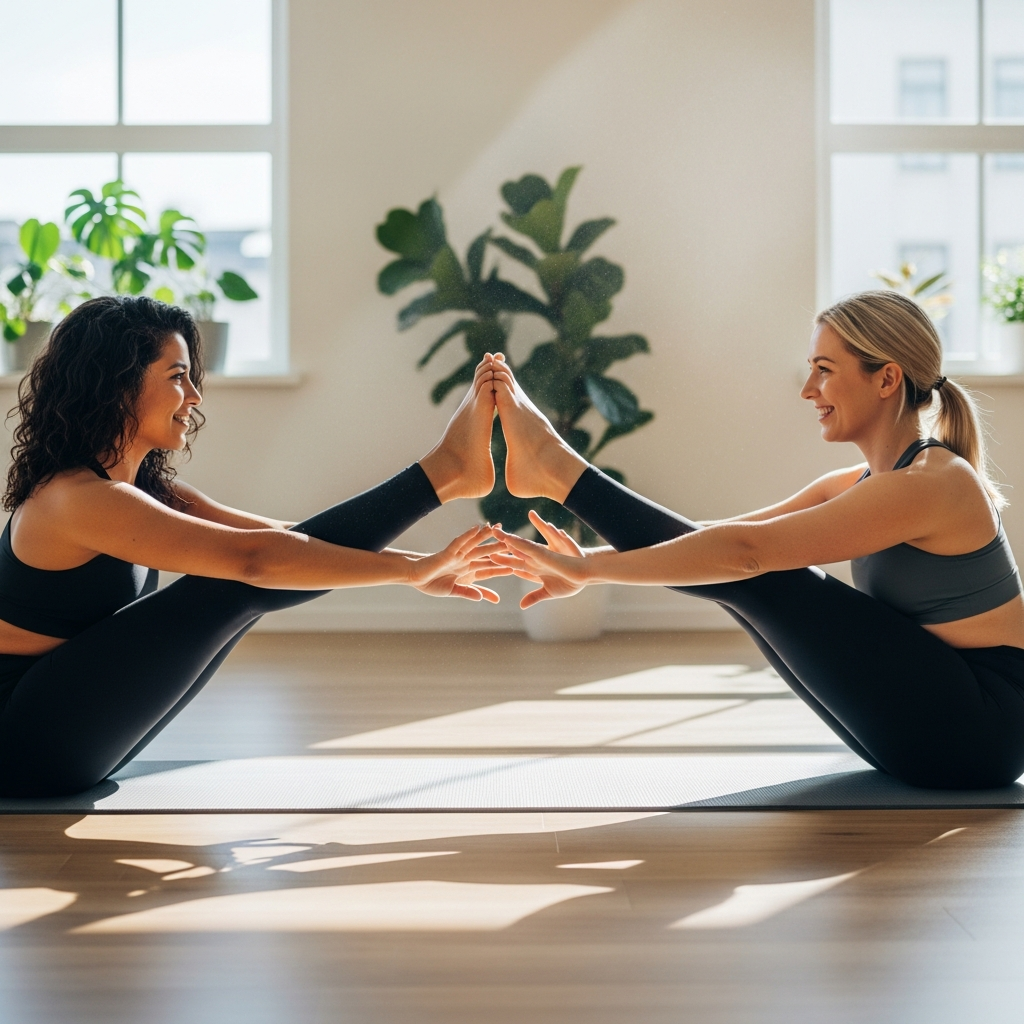
Mat Pilates is a great starting point for beginners. The exercises are primarily performed in sitting or reclining positions, and they involve controlling your muscles to lift against gravity and resist force.
For instance, the ‘Pilates Hundred’ is a classic mat exercise. Here’s how to do it
– Lie on your back on the mat with arms by your sides. – Lift both legs in the air with knees bent at 90 degrees. – Lift your head and shoulders off the mat while pumping your arms up and down. – Breathe in for five pumps and out for five pumps. – Repeat this cycle ten times to complete a hundred pumps.
This might be challenging initially, but with practice, you’ll see improvement. Start small with fewer pumps and gradually work your way up to a hundred.
3. Equipment-Based Pilates for Beginners
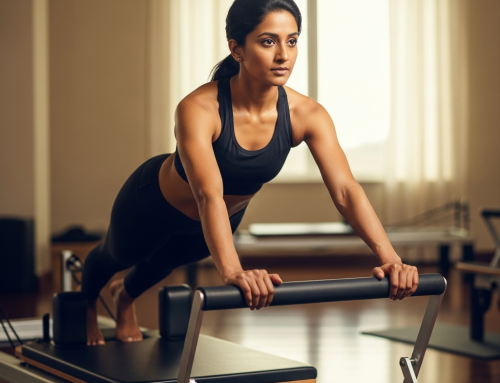
Equipment-based Pilates classes often use a machine called a Reformer. It might look intimidating, but don’t be deterred. A qualified instructor will guide you through the process.
A typical beginner’s exercise on the Reformer is the ‘Footwork’. It strengthens your legs and teaches you about alignment and control.
– Sit on the Reformer with your back against the shoulder rests. – Place your feet on the footbar, hip-width apart. – Push out until your legs are straight but not locked. – Slowly return to the starting position. – Repeat this movement for about ten times.
Just like with any new exercise, you may initially struggle. But remember that it’s completely normal. With regular sessions, you’ll soon get the hang of it.
4. Joining Pilates Classes
When you’re new to Pilates, joining a class with a certified instructor can be beneficial. They will provide guidance, correct your form, and help you understand the principles of Pilates.
It’s key to communicate with your instructor about your fitness level and any concerns you might have. They can modify exercises to suit your needs and ensure you’re not pushing beyond your limits.
5. Consistency is Key
Pilates isn’t just about physical strength; it’s also about mental persistence. You might not see immediate results, but don’t let that discourage you. Consistent practice is crucial for progress in Pilates.
6. Listen to Your Body
Finally, remember to listen to your body. If something doesn’t feel right, stop. It’s better to do fewer repetitions correctly than many with improper form. And if you have any pre-existing medical conditions or injuries, always consult with a healthcare professional before starting Pilates.
In conclusion, while Pilates might seem hard for beginners initially, remember that every expert was once a beginner. Embrace the challenge, practice regularly, listen to your body, and soon enough, you’ll not only master the movements but also enjoy the numerous health benefits that Pilates offers.
Is Pilates Hard for Beginners?
Pilates is often perceived as a challenging workout, especially for beginners, due to its focus on core strength, flexibility, and body control. However, like any other fitness regimen, the difficulty level can be modulated based on your fitness level and familiarity with the exercises. Here we will address common challenges faced by beginners, propose solutions, and provide expert tips to help ease the journey into Pilates.
Common Challenges
1. Understanding the Fundamentals: Pilates is based on six key principles – centering, concentration, control, precision, breath, and flow. For beginners, understanding and incorporating these principles into their workout can be challenging.
2. Core Strength: Pilates exercises require a strong core. Beginners might find it hard to engage their abdominals properly, which can lead to ineffective workouts and potential injuries.
3. Flexibility: Many Pilates exercises require a certain degree of flexibility. Beginners with limited flexibility may find some exercises difficult.
4. Coordination and Balance: Pilates involves multi-tasking as you coordinate your breath with movement while maintaining balance. This can be daunting for beginners.
Solutions
1. Start with Basics: Beginners should start with basic classes where the instructor introduces the principles of Pilates, correct alignments, and basic exercises. As you gain understanding and strength, gradually move on to more advanced classes.
2. Focus on Core: Work on improving your core strength through simple abdominal exercises. Remember, the goal is not just to have a flat stomach but to build deep abdominal strength that supports your back and allows you to perform activities with ease and grace.
3. Improve Flexibility: If flexibility is an issue, incorporate stretching into your routine. Start slowly and do not push yourself too hard initially. Gradually, your flexibility will improve.
4. Practice: With practice, your coordination and balance will improve. Take it slow and focus on mastering each exercise.
Expert Tips
1. Get a Physical Check-up: Before starting any new fitness program, it’s always advisable to get a physical check-up. Discuss with your doctor if Pilates is suitable for you, especially if you have any existing medical conditions.
2. Choose the Right Class: For beginners, a mat Pilates class is an excellent place to start. Mat Pilates uses your own body weight for resistance and helps you learn the basics. As you gain strength and confidence, consider trying equipment-based Pilates classes.
3. Quality Over Quantity: In Pilates, precision is more important than doing numerous repetitions. Focus on performing each exercise with control and proper form.
4. Listen to Your Body: If an exercise causes pain, stop. It’s crucial to listen to your body and not push beyond its limits.
5. Consistency is Key: Like any other form of exercise, consistency is key in Pilates. Aim for at least two sessions a week to see improvements in strength, flexibility, and body awareness.
Misconceptions
1. Pilates Only for Women: This is a common misconception. Pilates was developed by a man (Joseph Pilates) and is beneficial for everyone, irrespective of gender.
2. Pilates is Easy: While some may perceive Pilates as easy compared to high-intensity workouts like CrossFit or HIIT, it is not a walk in the park. The exercises require strength, flexibility, and precision, making it challenging yet rewarding.
3. You Need Special Equipment: While some Pilates exercises do use equipment like reformers and Cadillac, you can perform many exercises with just a mat, making it accessible for everyone.
In conclusion, while Pilates can be challenging for beginners, with understanding, practice, and consistency, it becomes easier. Remember that every expert was once a beginner. Don’t let initial challenges deter you from experiencing the numerous benefits of Pilates, including improved strength, flexibility, balance, and overall wellness.
Is Pilates Hard for Beginners? – Expectations, Timelines, and Next Steps
When embarking on a new fitness regimen, it’s normal to have numerous questions and concerns. If you’re considering Pilates, one of the first questions you may ask is, “Is Pilates hard for beginners?” The answer, like many things in life, depends on your perspective, physical condition, and commitment.
Pilates is a comprehensive workout system that focuses on core strength, flexibility, and overall body awareness. For beginners, the initial challenge comes from the unique combination of strength, balance, and flexibility that Pilates demands. But don’t let this deter you. With time, patience, and practice, you can master the fundamentals of Pilates and reap its numerous benefits.
Expectations
For your first Pilates class, start with an open mind. Pilates is different from most traditional exercises as it involves slow, controlled movements that require concentration and precision. The focus on mind-body connection might be new for beginners, especially if you’re used to workouts that emphasize speed or repetition.
It’s crucial to understand that Pilates isn’t about perfection from day one. In fact, Joseph Pilates, the creator of the system, famously said, “Rome was not built in a day.” This embodies the patience required in the practice of Pilates. The movements might feel awkward initially as your body is learning to move in new ways. You might also discover muscles you didn’t know you had!
Timelines
Everyone’s Pilates journey is unique and depends on various factors including your fitness level, consistency of practice, and personal goals. As a general guideline, beginners can expect to start feeling changes in their body after about 10 classes. You might notice improved posture, increased core strength, and better flexibility.
In about 20 classes, you’ll start to see changes. Your muscles will become toned, your movements more fluid, and you’ll likely experience an increase in strength and stamina. By 30 classes, these changes will become a habit. You will have developed a new body awareness, improved your core strength, and significantly increased your flexibility.
Next Steps
1. Start with Mat Pilates: Mat Pilates is the best place to start for beginners. It uses your body weight for resistance and focuses on developing core strength, flexibility, and stability. It introduces you to the basic principles of Pilates, including breath control, centering, concentration, control, precision, and flow.
2. Attend Beginner Classes: Most Pilates studios offer classes specifically designed for beginners. These slower-paced classes focus on teaching the fundamental movements and concepts of Pilates.
3. Consistency is Key: Try to attend at least two classes per week. Consistency is important for building strength and muscle memory.
4. Private Sessions: If you’re struggling with the basics or have specific medical concerns, consider booking a few private sessions. A one-on-one session allows the instructor to focus on your unique needs and help you master the proper form.
5. Progress at Your Own Pace: Everyone’s body is different. Don’t get discouraged if you’re not able to perform certain exercises initially. With regular practice, your strength and flexibility will improve.
6. Invest in Proper Attire: Comfortable clothing that allows for easy movement is essential. Most people wear leggings or shorts and a fitted top. Footwear is typically barefoot or socks with grip.
7. Mind Your Body: Listen to your body and take breaks when needed. It’s better to perform fewer repetitions with correct form than many with poor form.
In conclusion, while Pilates may be challenging for beginners, it’s not insurmountable. The key is to approach it with patience and persistence. Remember that every expert was once a beginner too. As you embark on your Pilates journey, enjoy the process of learning and discovering the strength and flexibility of your body. With each class, you’ll get closer to your fitness goals and become more attuned to your body. The magic of Pilates lies not just in the destination but also in the journey.
In conclusion, it is essential to understand that Pilates, like any new fitness regimen, may initially present some difficulties for beginners due to its unique blend of strength, flexibility, and awareness training. However, these initial challenges should not discourage anyone from embarking on their Pilates journey.
The beauty of Pilates lies in its adaptability to different fitness levels and needs, making it an excellent choice for beginners. While certain moves may seem complex at first glance, remember that Pilates emphasizes precision and control over speed and repetition. This means that you have the liberty to take your time and learn the techniques at your own pace, gradually building up your strength and flexibility.
Indeed, Pilates provides a holistic approach to fitness that extends beyond mere physical conditioning. It involves a deep connection between mind and body, promoting not just physical health but also mental well-being. As you continue with your Pilates practice, you will notice improvements not only in your core strength and flexibility but also in your posture, balance, and overall body awareness.
Moreover, the benefits of Pilates are not just confined to the mat or reformer. The lessons learned in Pilates classes – such as the importance of breath control, proper alignment, and mindful movements – can be integrated into your daily life, helping you to move more efficiently and live more healthily.
Starting Pilates as a beginner may indeed be challenging but remember this: every expert was once a beginner. The key is to start slow, be patient with yourself, and embrace the process of learning. Don’t be afraid to ask for modifications or assistance if you find certain exercises too challenging at first. With time, practice, and consistency, you will get stronger, more flexible, and more confident in your Pilates abilities.
And remember, you don’t have to embark on your Pilates journey alone. Our team of knowledgeable and supportive instructors are here to guide you every step of the way. Whether you’re interested in private sessions, group classes, or even online lessons, we are committed to helping you achieve your fitness goals and make the most of your Pilates experience.
In summary, while Pilates may initially be hard for beginners, it is a journey worth embarking on. The rewards – from a stronger core and improved flexibility to better posture and enhanced mind-body awareness – are too great to pass up. So why wait? Start your Pilates journey today. Embrace the challenge, enjoy the process, and look forward to the transformation that awaits you.
If you have any questions or need further guidance, don’t hesitate to contact us. We’re here to support and empower you on this exciting journey towards better health and wellness. Whether you’re a beginner starting from scratch or an experienced practitioner looking to refine your skills, we look forward to helping you achieve your Pilates goals. Remember, every step you take towards fitness is a step towards a healthier, happier you. Contact us today and let’s get started!