Decoding the Costs: What You Should Expect to Pay for Pilates Classes
Are you captivated by the world of Pilates and considering incorporating this form of exercise into your fitness regimen? Or perhaps you’re an avid practitioner looking to understand the financial implications better. Either way, you’ve come to the right place. Today, we dive headfirst into answering the question that’s been on the minds of many: “How much do Pilates classes usually cost?”
Pilates, a body conditioning routine designed to build flexibility, muscle strength, and endurance, has gained popularity due to its ability to transform the body and mind alike. With its roots dating back to the early 20th century, it was created by Joseph Pilates – a man who believed in the power of a strong mind-body connection. Fast forward to today, and Pilates has evolved into a robust fitness regimen with several variants like Mat Pilates and Reformer Pilates.
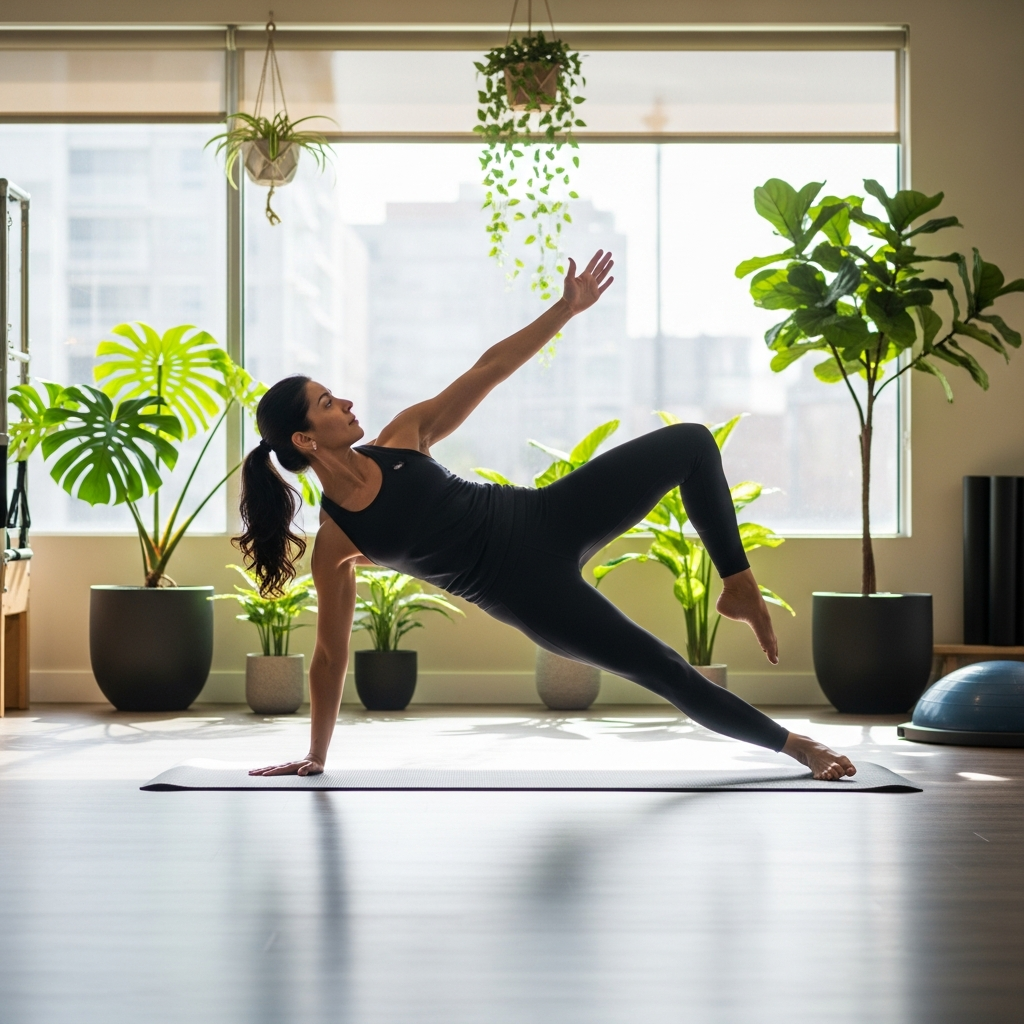
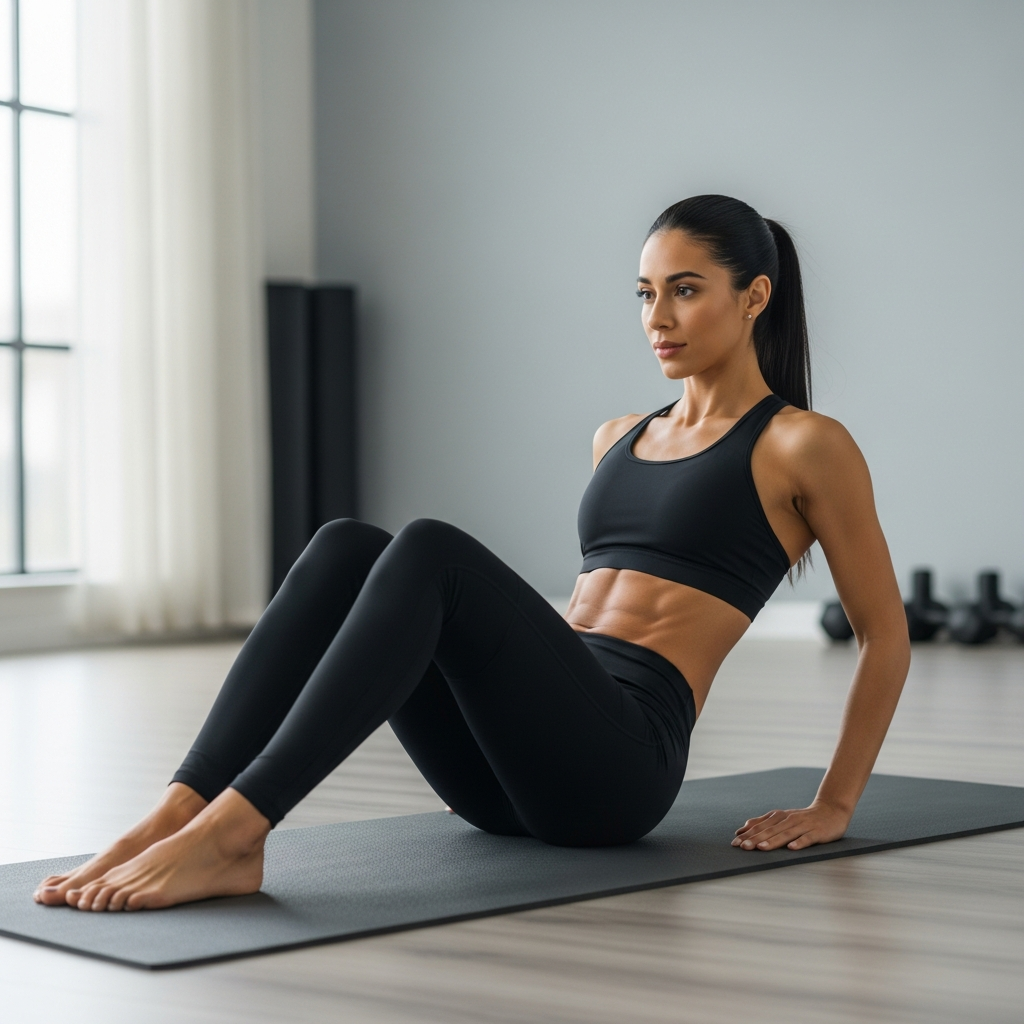
Mat Pilates is performed on a padded mat using your own body weight as resistance. It’s an excellent starting point for beginners thanks to its focus on key principles like core strength, balance, and flexibility. On the other hand, Reformer Pilates involves a specialized piece of equipment known as a reformer – a sliding platform with a stationary foot bar, pulleys, and springs that provide resistance. This variant offers a more intense workout and can target nearly every part of the body.
While these two are the most popular forms, Pilates also includes other types such as Clinical Pilates, Classical Pilates, and Contemporary Pilates each with their own unique features and benefits. But no matter which type you choose, one common question remains: how much will it cost?
This article will serve as your comprehensive guide to understanding the pricing of Pilates classes. We’ll unravel factors that influence cost, compare the pricing between Mat and Reformer Pilates, and even provide insights into how to get the most bang for your buck. Whether you’re a seasoned Pilates enthusiast or a curious newcomer, this guide aims to provide the clarity you need to make informed decisions about your fitness investment.
Why does this matter? Well, understanding the costs associated with Pilates classes can help you plan and budget effectively for your fitness journey. It’s about making sure that your commitment to health and well-being doesn’t become a financial burden. Moreover, knowing the cost beforehand can help you evaluate different studios, packages, and options available, ensuring you choose the one that best suits your budget, needs, and fitness goals.
Pilates is more than just a form of exercise; it’s a lifestyle choice that promotes overall well-being. As such, it’s crucial to consider every aspect – including cost – before diving in. Stay with us as we delve into the world of Pilates pricing, allowing you to embark on this rewarding journey with confidence and peace of mind.
Remember, investing in your health is one of the most significant investments you can make. And like any investment, it pays to be informed. So let’s get started!
The Cost Breakdown of Pilates Classes
Pilates, a structured physical fitness system developed in the early 20th century by Joseph Pilates, has become a prevalent choice for individuals worldwide who are interested in enhancing their overall health and wellbeing. The Pilates method emphasizes the importance of mind-body connection by focusing on core strength, flexibility, balance, and endurance.
This fitness regimen, often preferred for its low-impact exercises, can be beneficial to a wide range of people, regardless of age or fitness level. It is particularly popular among athletes seeking functional strength and injury prevention, seniors aiming to maintain mobility and balance, and individuals rehabilitating from physical injuries. Moreover, Pilates is also favored by those pursuing weight loss, stress reduction, and improved posture.
In terms of cost, Pilates classes can vary significantly based on several factors. Let’s delve deeper into the framework that determines the cost of Pilates classes to better understand this aspect.
Firstly, the type of class you choose plays a significant role in determining the cost. Generally, Pilates classes fall into two categories: group classes and private lessons. Group classes are typically cheaper, ranging from $15 to $50 per class, depending on the studio or gym’s location and reputation. They allow the teacher to instruct multiple students simultaneously, making it a more affordable option for many. However, these classes lack the individual attention that private lessons offer.
Private lessons, on the other hand, provide one-on-one training with a certified Pilates instructor. These sessions offer personalized attention, tailored workouts, and direct feedback on your technique. Naturally, this level of individualized service comes with a higher price tag. Private sessions can range from $50 to $150 per hour depending on the instructor’s qualifications and studio location.
Secondly, the experience and qualifications of the Pilates instructor also significantly influence the cost. Instructors with extensive training, certifications from reputable Pilates associations, and years of teaching experience often charge more for their expertise. Moreover, instructors who specialize in specific areas such as rehabilitative Pilates or prenatal Pilates may also command higher rates.
Thirdly, the location of the Pilates studio or gym affects the price. Classes in urban areas with a higher cost of living, like New York City or San Francisco, are usually more expensive than those in smaller towns or rural areas. High-end studios with state-of-the-art equipment and amenities may also charge premium rates.
Lastly, the pricing structure of the studio or gym can impact the cost of classes. Some establishments offer package deals or memberships which can reduce the price per class if you commit to multiple sessions. For example, a ten-class package might cost less per class compared to buying each class individually. Similarly, a monthly membership allowing unlimited classes could be more cost-effective if you plan to attend classes frequently.
In conclusion, while Pilates offers numerous health and wellness benefits, it’s crucial to consider the expenditures associated with it. The cost of Pilates classes can vary greatly depending on the type of class, the instructor’s qualifications, the location of the studio, and its pricing structure. By understanding these factors, you can make an informed decision that fits your fitness goals and budget.
Remember, investing in Pilates is an investment in your health and wellbeing. The benefits you’ll reap — such as improved core strength, flexibility, balance, and endurance — are well worth the cost. As Joseph Pilates once said, “Physical fitness is the first requisite of happiness.” So, whether you choose to take group classes or private sessions, in a high-end studio or a community center, remember that the most important thing is to find a routine that works for you and stick to it.
Pilates has become an increasingly popular form of exercise over the last few decades, renowned for its ability to improve flexibility, strength, balance, and body awareness. If you’re considering incorporating Pilates into your routine, one of the key considerations will be the cost of classes. This guide will give you a detailed overview of what you can expect to pay for Pilates classes.
Let’s start with a general ballpark figure. In the United States, Pilates classes can range from as low as $10 per class at a community center to as high as $75 per class at a high-end, boutique studio. Most classes fall somewhere in the middle of that range, with an average cost of $20-$50 per class.
There are several factors that can affect the price of a Pilates class
1. Type of Class: There are two main types of Pilates classes: mat classes and reformer classes. Mat classes usually cost less because they require less equipment and can accommodate more students. Expect to pay anywhere from $10-$25 per mat class. Reformer classes use a piece of equipment called a Pilates reformer, which adds resistance to the exercises and can provide a more challenging workout. These classes are typically smaller and therefore cost more, ranging from $25-$75 per class.
2. Location: As with most things, location affects price. Classes in large cities or upscale neighborhoods will generally be more expensive than those in smaller towns or less affluent areas.
3. Instructor’s Experience: Highly qualified instructors with years of experience or special certifications often charge higher rates than less experienced instructors.
4. Studio Reputation: Established studios with a loyal clientele and positive reviews often charge more than newer, less-known studios.
Now let’s dive deeper into some specific scenarios and advice.
Scenario 1: You’re new to Pilates and want to try it out without committing too much money upfront. In this case, look for studios that offer introductory deals for new clients. Many studios offer discounted packages for your first few classes or first month of unlimited classes. For example, a studio might offer a 5-class pack for $50 or a month of unlimited classes for $100 as an introductory offer.
Scenario 2: You’re planning to do Pilates regularly and want to get the most bang for your buck. In this case, you might want to consider buying a class package or a membership. Most studios offer discounts if you buy classes in bulk. For instance, a single class might cost $25, but a package of 10 classes might cost $200, bringing the cost-per-class down to $20.
Some studios also offer monthly or annual memberships, which can be a good deal if you plan on attending classes regularly. For example, an unlimited monthly membership might cost $150-$250 depending on the studio and location. If you attend three classes per week, that brings your cost per class to $12.50-$20.83, which is significantly less than you would pay for single classes.
Scenario 3: You’re interested in doing reformer Pilates but are concerned about the cost. One option to make it more affordable is to look for group reformer classes rather than private sessions. While private sessions can provide personalized attention and adjustments, they are also significantly more expensive, typically costing $75-$150 per session. Group reformer classes, on the other hand, can bring the cost down to $25-$50 per class.
In conclusion, while Pilates classes can be an investment, there are ways to make them more affordable depending on your situation and goals. By doing your research, taking advantage of introductory offers and class packages, and choosing the right type of class for you, you can enjoy the many benefits of Pilates without breaking the bank.
How Much Do Pilates Classes Usually Cost? An In-depth Guide to Understanding Pilates Pricing
As a fitness regimen that combines strength, flexibility, and mind-body awareness, Pilates has grown in popularity and has been praised for its ability to improve posture, muscle tone, balance, and joint mobility. However, one of the most common questions people ask when considering Pilates is: “How much do Pilates classes usually cost?”
This article will tackle this question head-on, addressing common misconceptions, providing best practices, and offering expert tips on navigating the world of Pilates pricing.
Common Challenges:
Understanding the cost of Pilates classes can be a challenge due to a variety of factors. Prices can vary greatly depending on location, the type of class (private or group), the experience level of the instructor, and the type of Pilates (mat or reformer).
A common misconception is that all Pilates classes are expensive. However, costs can range from as low as $10 for a group mat class at a community center to over $100 for a private reformer session at an upscale studio. The average price is typically around $20-$50 per class.
Furthermore, many people are not aware of the differences between mat and reformer Pilates. Mat Pilates uses your own body weight for resistance and can be done virtually anywhere with a simple mat. On the other hand, reformer Pilates involves a specialized machine with springs for resistance. Due to the additional equipment and often smaller class sizes, reformer classes typically cost more than mat classes.
Solutions:
To navigate these challenges, here are some strategies you can employ
1. Shop Around: Just like any service, prices vary greatly from studio to studio. Check out multiple locations, compare their offerings, and see which one offers the best value for your budget.
2. Group vs. Private: Group classes are generally more affordable than private sessions. If you’re new to Pilates or working within a tight budget, group classes could be a great option.
3. Package Deals: Many studios offer package deals, where you can buy a set number of classes at a discounted rate. This could be a smart investment if you plan to attend classes regularly.
4. Online Classes: With the rise of digital fitness, many instructors offer online Pilates classes, often at a lower cost than in-person sessions.
Expert Tips:
1. Understand the Value: When considering the cost of Pilates, it’s important to understand the value you’re receiving. Pilates is not just a workout—it’s an investment in your health and well-being. The benefits you reap, like better posture, increased flexibility, and improved core strength, often outweigh the cost.
2. Start with Mat Pilates: If you’re new to Pilates and concerned about cost, starting with mat Pilates can be a cost-effective way to learn the basics before investing in more expensive reformer classes.
3. Prioritize Qualified Instructors: While it might be tempting to opt for the cheapest class available, it’s crucial to ensure that your instructor is certified and experienced. A qualified instructor will help you get the most out of your sessions and reduce the risk of injury.
4. Look for Introductory Offers: Many studios offer discounted rates for first-time clients. This can be a great way to try out different studios and find one that fits your needs and budget.
In conclusion, the cost of Pilates classes can vary greatly, but with some savvy strategies and a focus on value over price, you can find an option that fits your fitness goals and your budget. Remember that Pilates is an investment in your health—its benefits extend beyond the studio and into your everyday life.
The cost of Pilates classes can vary greatly, depending on various factors such as location, type of class, studio, instructor experience, and whether you opt for private or group sessions. When starting your Pilates journey, it’s crucial to understand these variables to establish a budget that suits your fitness goals and financial capabilities.
**Location and Studio**
Geographical location significantly influences the cost of Pilates classes. In metro cities, classes may range from $20 to $50 per group session. However, in smaller towns or suburban areas, you may find classes costing around $10 to $25.
The reputation and amenities of the studio also play a significant role in determining the class price. High-end studios with state-of-the-art equipment and facilities often charge more than smaller, less-equipped studios. Additionally, studios offering specialized classes or having highly qualified instructors usually come with higher price tags.
**Type of Class**
Primarily, Pilates classes are divided into two main types: Mat Pilates and Reformer Pilates.
1. **Mat Pilates:** As the name suggests, Mat Pilates involves exercises performed on a mat, using your own body weight for resistance. It’s a great introduction to the Pilates method, focusing on core strengthening, balance, and flexibility. Being less equipment-intensive, mat classes are typically less expensive than reformer classes, ranging from $10 to $25 per session.
2. **Reformer Pilates:** This type of Pilates uses a piece of equipment called a reformer – a sliding platform with a stationary foot bar, springs for resistance, and straps for arms and legs. Due to the need for specialized equipment and often smaller class sizes for safety and individual attention, reformer classes are generally more costly than mat classes, with prices ranging from $25 to $50 per session.
**Private vs. Group Classes**
The choice between private and group classes also impacts the cost. Private sessions, where you receive one-on-one attention from the instructor, are more expensive, ranging from $50 to $150 per hour. On the other hand, group classes, where you share the instructor’s attention with others, are more budget-friendly, typically priced from $10 to $50 per session.
**Instructor Experience**
The expertise and qualifications of the instructor can influence the price. Renowned instructors or those with advanced certifications may charge more for their extensive knowledge and experience.
**Timelines and Packages**
Most studios offer package deals for a series of classes, which can bring down the cost per class. For instance, a package of ten classes might cost $200 instead of $250 ($25 per class). Some studios also offer unlimited monthly memberships ranging from $100 to $200.
As for timelines, most Pilates classes last around 45 minutes to an hour. For beginners, it’s recommended to start with 2-3 classes per week, allowing your body to adapt to the new exercise regime.
**Next Steps**
1. **Research:** Look up Pilates studios in your local area and compare their prices. Check their websites or call them directly to inquire about the costs for different types of classes.
2. **Trial Classes:** Many studios offer discounted or even free trial classes. This can provide a great opportunity to experience a class before committing financially.
3. **Budgeting:** Based on your research, decide what you can afford to spend on Pilates classes per week or month. Remember to factor in any additional costs such as required equipment or attire.
4. **Booking:** Once you’ve made your decision, go ahead and book your classes.
Remember, while cost is a factor, it’s also important to consider the quality of instruction and how comfortable you feel in the studio environment. Investing in your health and well-being through Pilates can bring about numerous physical and mental benefits that far outweigh the financial cost.
In conclusion, Pilates is an exceptional exercise regime with a wide array of benefits that can help anyone looking to improve their physical strength, flexibility, balance, and mental wellbeing. However, like any worthwhile investment in your health and fitness, it does come with a cost.
The cost of Pilates classes can vary significantly based on a variety of factors such as the location, the experience and qualifications of the instructor, the size of the class, and whether you choose to take private or group sessions. In general, group classes are more affordable, typically ranging from $15 to $55 per session. On the other hand, private sessions offer personalized attention and instruction but come at a higher price, often between $50 to $150 per session.
Moreover, there are also options for semi-private classes and duets which offer a balance between personalized attention and affordability. In addition to these, some studios offer introductory packages or monthly memberships which can be economical if you plan to attend classes regularly.
It’s important to remember that while cost is certainly a significant factor to consider, it should not be the only one. The quality of instruction, the convenience of the class schedule, the cleanliness and ambiance of the studio, and how comfortable and supported you feel in the class are all equally crucial. After all, Pilates is not just an exercise; it’s a lifestyle choice that requires commitment and consistency.
That being said, it’s also worth noting that investing in Pilates classes could potentially save you money in the long run by improving your overall health and reducing the risk of injuries and health conditions associated with a sedentary lifestyle. Not to mention, the benefits of Pilates go beyond just physical health. It can also help reduce stress, improve mental clarity and boost your mood.
Lastly, don’t let the cost deter you from trying out this amazing exercise form. There are many ways to make Pilates more affordable. For instance, you can take advantage of introductory offers, look for discounted packages, or even try online Pilates classes which are generally cheaper and offer the convenience of working out from home.
We hope this article has given you a comprehensive understanding of how much Pilates classes usually cost and the factors that influence it. But remember, each person’s Pilates journey is unique, and what works best for you will depend on your personal goals, preferences, and budget.
If you have any further queries or need assistance in finding the right Pilates class for you, don’t hesitate to contact us. We have a team of experienced professionals who are here to guide you on your journey towards better health and fitness through Pilates. We believe that everyone, regardless of their financial circumstances, should have the opportunity to experience the transformative power of Pilates. Let us help you find the best options that suit your needs and budget. So, why wait? Start your Pilates journey today. Contact us now!