The Legacy of Joseph Pilates: The Man Behind the Mat
Are you curious about the story behind your Pilates class? Do you ever wonder who is responsible for the precise, controlled movements that work to strengthen your core and improve your flexibility? The answer lies in one man: Joseph Pilates. This blog post will delve into his life, philosophy, and how his revolutionary fitness method has influenced millions of lives worldwide.
Joseph Pilates, often hailed as a visionary and a pioneer in the world of fitness, was the inventor of the renowned physical fitness system – Pilates. Despite the popularity of Pilates classes today, many aren’t aware of its fascinating historical roots. The man behind this enduring fitness regimen led a life just as dynamic and robust as the exercises he created. The story of Joseph Pilates is one of resilience, innovation, and a relentless pursuit of holistic health.
In this blog post, we will dive deep into the life of Joseph Pilates—his early years, the development of his unique fitness philosophy, and how he established an exercise regimen that has stood the test of time. We’ll explore the core principles of Pilates, the benefits of mat Pilates, and how his revolutionary approach to physical fitness has shaped modern Pilates classes.
The story of Joseph Pilates is not just a tale about the development of a fitness system. It’s a story that encapsulates the power of perseverance, innovation, and belief in one’s ideas. Understanding this history can provide a richer context for your own Pilates practice, whether you’re a beginner starting with mat Pilates or an experienced practitioner taking advanced Pilates classes.
Understanding who Joseph Pilates was and what he envisioned for his method is crucial for anyone practicing or considering Pilates. It’s more than just knowing the origin—it’s about appreciating its purpose and potential to transform your body and mind. Joseph Pilates once said, “Physical fitness is the first requisite of happiness.” As we delve into his life and legacy, you’ll discover how his method brings this statement to life.
We will cover:
1. Joseph Pilates: His Life and Vision – Learn about the man who started it all—his early years, his struggle with health issues, and how he overcame them to develop a unique fitness philosophy.
2. The Birth of Pilates – Understand how Joseph Pilates developed his method, the influences that shaped it, and how it evolved over time.
3. Core Principles of Pilates – Discover the foundational principles that underpin every Pilates class you attend, from concentration and control to precision and flow.
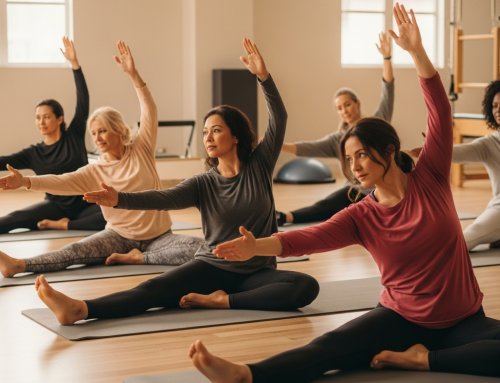
4. Mat Pilates: The Beginning – Explore the benefits and role of mat Pilates. This form of Pilates, which Joseph Pilates initially developed, remains a popular choice today for its convenience and effectiveness.
5. Modern Pilates Classes – Uncover how Joseph Pilates’ original method has adapted to modern needs while staying true to its core principles.
Whether you’re a seasoned Pilates devotee or a curious newcomer, understanding the roots of this practice will enrich your experience and deepen your appreciation for this time-tested method. The story of Joseph Pilates is a testament to the power of innovation, determination, and belief in the transformative power of physical fitness.
So join us as we step back in time to explore the world of Joseph Pilates – an extraordinary man whose vision and philosophy continue to inspire and shape the world of fitness today. You will find that this journey into the past not only illuminates the origins of your Pilates practice but also provides insights and inspiration that you can apply to your own journey towards holistic wellbeing.
Joseph Pilates: The Man Behind the Movement
The fitness world has seen many trends come and go, but one that has remained consistent in its popularity is Pilates. This movement method, renowned for its focus on core strength, flexibility, and balance, owes its inception to one man: Joseph Pilates. Understanding Joseph Pilates – his life, philosophy, and the development of his method – provides crucial context to this popular form of exercise.
Born in Germany in 1883, Joseph Hubertus Pilates was a frail child who suffered from asthma, rickets, and rheumatic fever. These health challenges sparked his lifelong commitment to physical fitness and well-being. He devoted himself to studying various forms of exercise, including yoga, martial arts, gymnastics, boxing, and even the training regimens of ancient Greek and Roman athletes.
In his early adulthood, Pilates worked as a circus performer, boxer, and self-defense instructor. During World War I, he was interned in England as a German citizen, where he taught wrestling and self-defense to his fellow internees. It was during this period that he began developing his system of exercises.
During the global Influenza epidemic in 1918, Pilates reputedly boosted the immunity of his fellow internees through rigorous exercise, and none of them succumbed to the virus. This experience further solidified his belief in the interconnection of physical fitness, health, and overall wellbeing.
After the war, Pilates returned to Germany where he began refining his method, originally called “Contrology.” This system emphasized the importance of mind-body connection in physical fitness. The exercises were designed to work with the body’s natural movements, improving flexibility, strength, control, and endurance.
In 1925, Pilates was invited to train the German army, but he chose to emigrate to the United States instead. On the journey over, he met his future wife Clara, a nurse, who shared his passion for health and fitness. They settled in New York City and opened a fitness studio, teaching their method of exercise to a diverse clientele, including dancers, athletes, and individuals recovering from injuries.
Pilates’ method was revolutionary in many respects. He believed the modern lifestyle, bad posture, and inefficient breathing lay at the roots of poor health. His exercises aimed to correct these issues by promoting core strength and flexibility, two factors that enhance overall body health. Each exercise was designed with a specific purpose and intended to be performed with control and precision to maximize its effectiveness.
The Pilates method also emphasizes the principle of mind-body unity, a concept ahead of its time. According to Pilates, physical health cannot be achieved without the simultaneous health of the mind. He believed in the power of concentration and focus in executing exercises and promoted the use of controlled breathing to enhance relaxation and mental clarity.
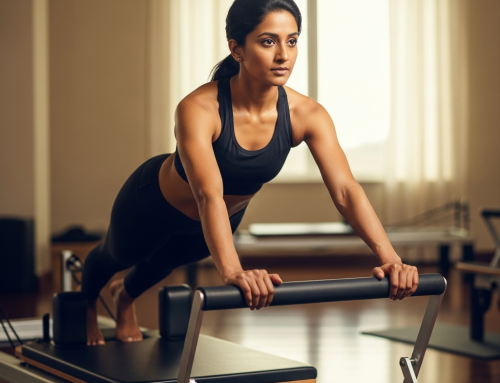
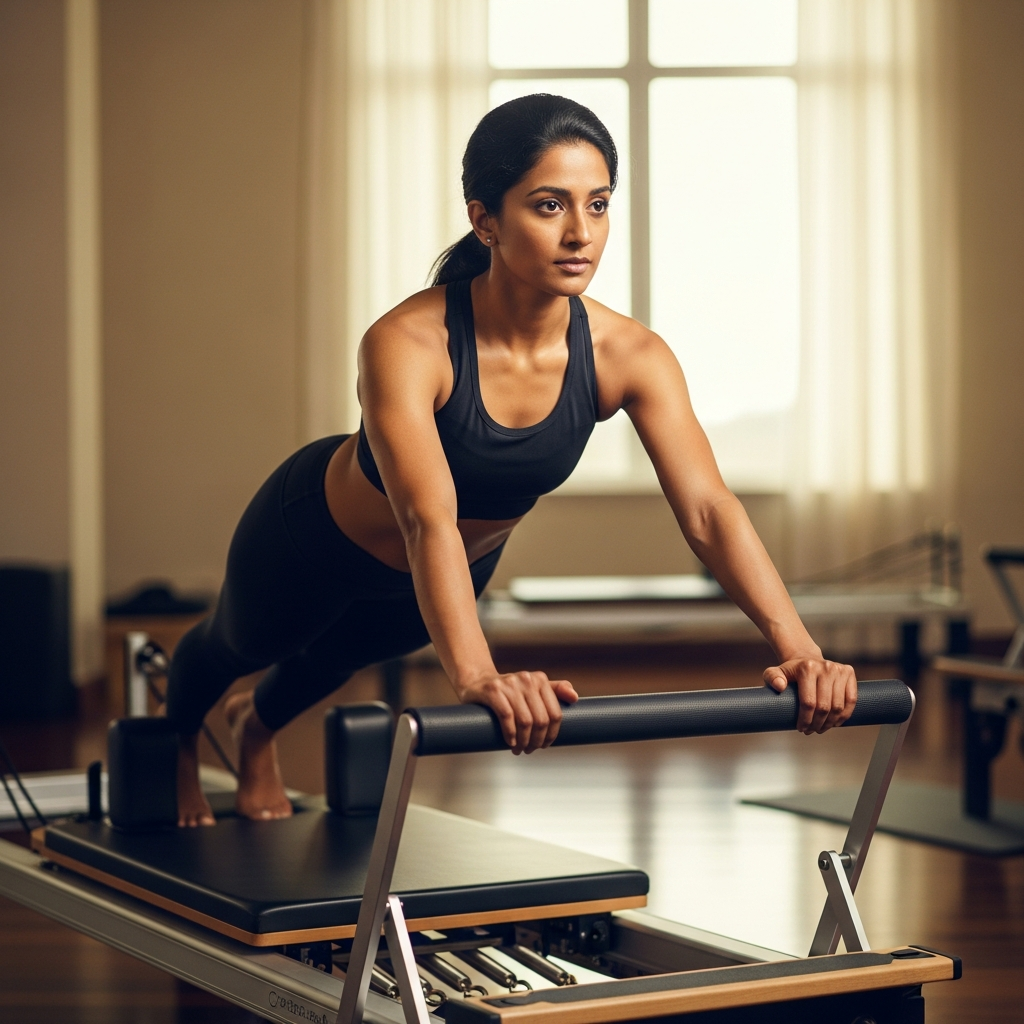
Pilates equipment, such as the Reformer and the Cadillac, were designed by Joseph Pilates himself. These machines use springs to provide resistance, allowing for a wide range of exercises that can be adapted to any fitness level. The equipment enables a unique balance of strength and flexibility training that is hard to achieve with other forms of exercise.
Joseph Pilates continued teaching and refining his method until his death in 1967. His wife Clara carried on their work, training instructors and spreading the Pilates method. Today, millions of people worldwide practice Pilates. The method has evolved over time, with new variations and techniques developed, but the core principles remain consistent: balance, strength, flexibility, and the power of the mind-body connection.
In conclusion, understanding Joseph Pilates – his life, his philosophy, and the development of his method – gives us valuable insight into this transformative form of exercise. His commitment to physical fitness as a means to overall well-being is a philosophy that resonates with many today. His innovative method, combining elements of strength, flexibility, balance, and mind-body connection, has proven to be a timeless approach to physical fitness. Therefore, when we speak about Pilates, we are not just referring to a type of exercise, but a holistic philosophy of health pioneered by Joseph Pilates.
The Legacy of Joseph Pilates and The Transformative Power of His Method
Joseph Pilates, the man behind the Pilates exercise phenomenon, left behind a legacy that continues to shape the fitness world. His method, referred to as Contrology in his time, has evolved into a comprehensive system of exercises known as Pilates.
Born in Germany in 1883, Joseph Hubertus Pilates was a sickly child who suffered from asthma, rickets, and rheumatic fever. Determined to overcome his physical challenges, he turned to exercise and developed a system that focused on the mind-body connection, aiming to achieve balance and holistic health.
By the early 1920s, Joseph had perfected his method and began teaching it to others. His method was initially popular among dancers for its benefits in improving flexibility, balance, and core strength. Today, it is widely recognized and practiced worldwide for its overall health benefits.
So, how can we learn from Joseph Pilates’ teachings and apply them in our modern-day workout routines?
1. **Understanding the Pilates Principles**: Pilates is based on six fundamental principles: concentration, control, centering, flow, precision, and breathing. These principles are not just mere guidelines for performing exercises; they are philosophies that you can apply to all aspects of life. For instance, ‘concentration’ in Pilates urges you to be fully present and aware of your body movements. Similarly, you can apply this principle to your daily tasks by focusing all your attention on the task at hand.
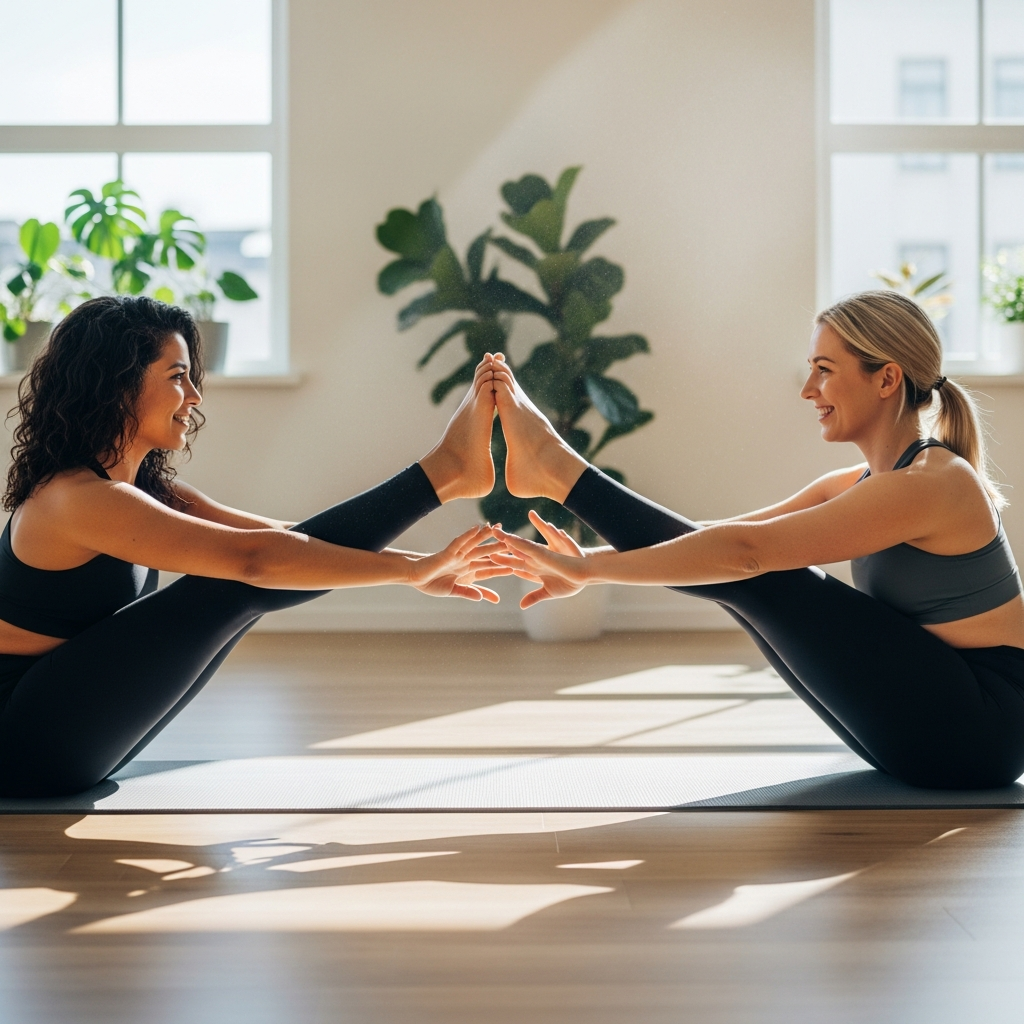
2. **Incorporating Mat Pilates**: Mat Pilates is a series of exercises performed on a mat, utilizing your body weight for resistance. It’s a great starting point for beginners. Take the ‘Pilates Hundred’, for example. This exercise involves lying on your back and raising your legs and head slightly off the ground, then pumping your arms up and down while breathing in and out. This exercise, which was one of Joseph Pilates’ original creations, is known for strengthening the core and increasing endurance.
3. **Utilizing Pilates Apparatus**: In addition to Mat Pilates, Joseph also invented several pieces of equipment to help enhance his exercises. The Reformer, perhaps the most known Pilates apparatus, is a bed-like frame with a flat platform that rolls back and forth on wheels. The platform is attached to one end of the reformer by a set of springs that provide differing levels of resistance. Exercises on the Reformer can be done lying down, sitting, standing, or even perched on the shoulder blocks. These exercises provide a balanced workout for the body, improving strength, flexibility, and balance.
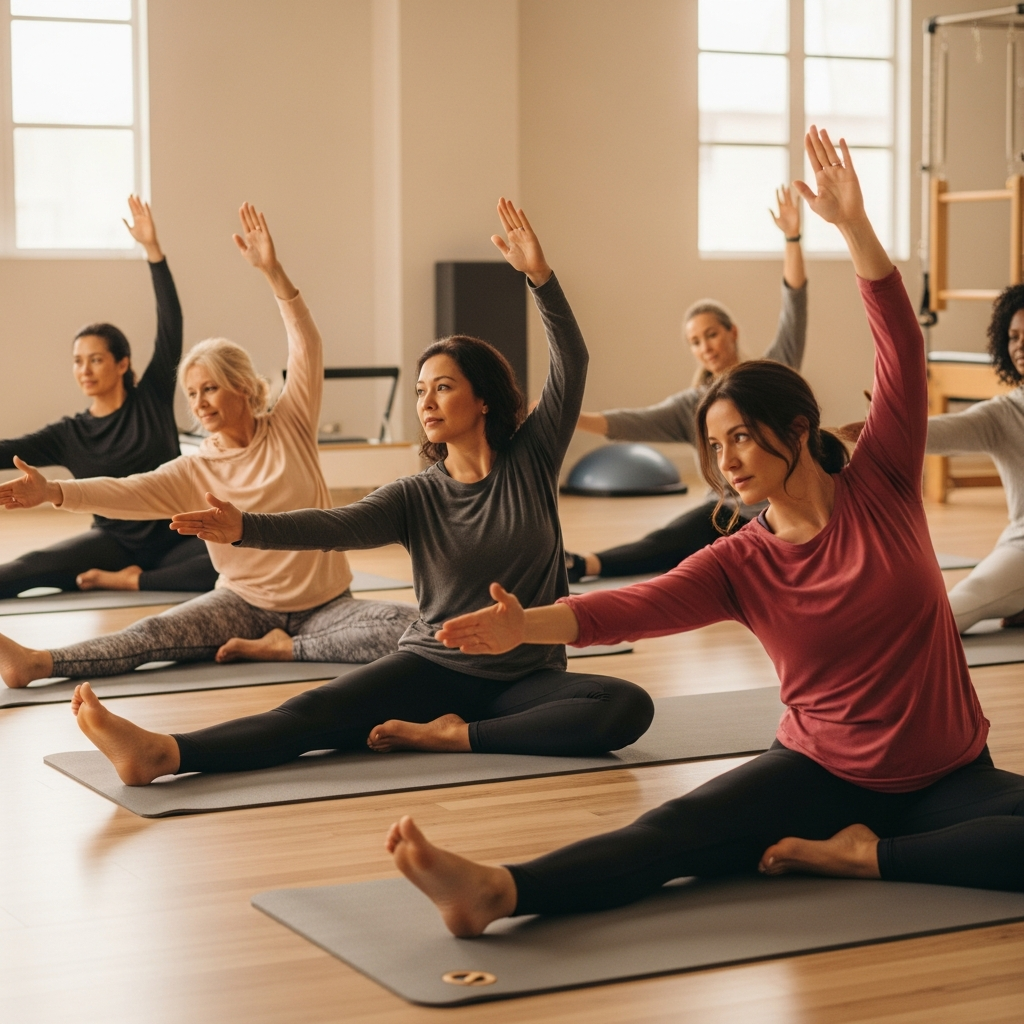
4. **Joining Pilates Classes**: Joining a Pilates class can be a great way to start or maintain your Pilates journey. Instructors in classes guide you through the exercises, ensuring you maintain proper form and avoid injuries. They also provide modifications for different skill levels so everyone can participate.
5. **Consistency is Key**: Just like Joseph Pilates advocated, consistency is key in seeing results. Whether you’re attending Pilates classes or practicing at home, make sure to keep a regular schedule. Even just 15-30 minutes a day can have significant health benefits over time.
6. **Pilates as a Lifestyle**: Beyond being a physical exercise, Pilates is a way of life. It’s about maintaining control and balance not only in your movements but in your daily life as well. Regular practice can help improve posture, reduce stress, and increase energy levels.
In conclusion, Joseph Pilates’ methods continue to influence and shape the fitness world. His holistic approach to health – emphasizing the connection between mind and body – is a testament to his genius. By understanding his principles, incorporating Mat Pilates and Pilates apparatus into our routines, joining Pilates classes, and practicing consistently, we can fully embrace the transformative power of Pilates.
Joseph Pilates: Unraveling the Man, the Method, and the Misconceptions
Joseph Pilates, the founder of the Pilates method, is often shrouded in mystery and misconceptions. This article aims to demystify the man, his unique exercise regimen, and provide insightful tips for those considering mat Pilates or Pilates classes.
Joseph Pilates was born in Germany in 1883, a frail child who suffered from multiple health conditions. Determined to improve his health, he studied various forms of exercise including yoga, martial arts, gymnastics, and boxing. The culmination of these disciplines led to his creation of ‘Contrology,’ later known as Pilates. His method focuses on controlled movements, core strength, flexibility, and overall mind-body connection.
One common misconception about Pilates is that it’s an easy form of exercise for those seeking a gentle workout. While it can be modified to suit different fitness levels, Pilates requires mental concentration, physical control, and precision. It’s not uncommon for beginners to find the exercises challenging, but with regular practice, the movements become second nature.
Another misconception is that Pilates is only about core strength. Although it’s true that Pilates focuses on strengthening the ‘powerhouse’ (a term coined by Joseph Pilates to describe the area from the bottom of the ribs to the top of the hips), it is a full-body workout. It aims to create balanced muscle development, improve posture, increase flexibility, and enhance mind-body awareness.
Now, let’s delve into some challenges and solutions when starting with Pilates
Challenge #1: Difficulty in Understanding the Principles Pilates has six key principles: centering, concentration, control, precision, breath, and flow. As a beginner, understanding and applying these principles can be challenging.
Solution: Find a qualified instructor who can guide you through these principles in simple terms. A good instructor will explain the purpose of each principle and how it applies to each exercise. Remember, Pilates is about quality over quantity, so take your time to learn the fundamentals.
Challenge #2: Lack of Flexibility Many people shy away from Pilates because they believe they’re not flexible enough. However, Pilates is designed to improve flexibility over time.
Solution: Mat Pilates is a great starting point. It includes several exercises that gently stretch your muscles, increasing your flexibility gradually. Don’t force your body into positions it’s not ready for; instead, allow yourself to progress at your own pace.
Challenge #3: Difficulty in Finding the Right Class With so many types of Pilates classes available, from mat classes to reformer classes, it can be overwhelming to choose the right one.
Solution: Start with mat Pilates. It requires no equipment, focuses on mastering control and precision, and forms the foundation for all other Pilates work. Once you’re comfortable with mat work, consider trying a reformer class for added resistance and variety.
Now, let’s wrap up with some expert tips
Tip #1: Consistency is key. Like any other exercise regimen, consistent practice yields better results. Aim for at least two to three sessions per week.
Tip #2: Dress comfortably. Wear clothing that allows you to move freely but isn’t too baggy. This helps your instructor see your movements and make necessary corrections.
Tip #3: Don’t compare yourself to others. Pilates is a personal journey. Focus on your own progress and remember that everyone’s body moves and strengthens differently.
In conclusion, Joseph Pilates created a method of exercise that is as relevant today as it was in the early 20th century. Pilates is more than a workout—it’s a way of enhancing your mind-body connection, improving your overall health, and building strength from the inside out. So, whether you’re considering a mat Pilates class or a private session, remember the words of Joseph Pilates himself, “Patience and persistence are vital qualities in the ultimate successful accomplishment of any worthwhile endeavor.”
Exploring the Legacy of Joseph Pilates: What to Expect, Timelines, and Next Steps
Joseph Pilates, a name synonymous with physical fitness and health, was the ingenious mind behind the holistic exercise system known today as Pilates. Born in 1883 in Mönchengladbach, Germany, Joseph Pilates was a sickly child who suffered from asthma, rickets, and rheumatic fever. This early struggle with health sparked his lifelong fascination with the human body and its potential for resilience and recovery.
Joseph Pilates dedicated his life to improving physical and mental health by developing a unique system of exercises. This system was designed to strengthen the human mind and body, which he believed were inextricably linked. His method, originally called ‘Contrology’, emphasizes the importance of mind control over muscles, focusing on core postural muscles that help keep the body balanced and provide support for the spine.
Pilates’ work was groundbreaking in the early 20th century and remains profoundly influential today. But what can you expect if you decide to delve into the world of Pilates, inspired by its founder’s principles?
**What to Expect**
Whether you’re considering joining a Pilates class or practicing at home with mat Pilates, here’s what you can anticipate.
*Physical Benefits*: Pilates is renowned for its ability to build strength without excess bulk, capable of creating a sleek, toned body with slender thighs and a flat abdomen. Expect improvements in flexibility, agility, and economy of motion. It can even help alleviate back pain.
*Mental Benefits*: Pilates exercises require concentration and focus on your mind-body connection – which can make it an excellent stress-relieving practice. Expect a sense of calm and increased mindfulness after each session.
*Individualized Approach*: Pilates is adaptable to many fitness levels and needs. Whether you’re a senior just starting to exercise, an elite athlete, or somewhere in between, the foundations of Pilates movement apply to you.
**Timelines**
Results from Pilates vary based on your commitment and initial fitness level. However, Joseph Pilates himself claimed, “In 10 sessions, you feel better, 20 sessions you look better, 30 sessions you have a completely new body.”
While this might not be entirely accurate for everyone, it gives an optimistic timeline for those committed to the practice. Most practitioners begin to see and feel a difference in their bodies after about six weeks of regular sessions (at least twice a week).
**Next Steps**
1. *Find a Class or Instructor*: Look for Pilates classes in your local area, or find a certified instructor who can guide you through the exercises. Ensure your chosen class or instructor is reputable and suits your fitness level and goals.
2. *Invest in a Mat*: If you’re practicing mat Pilates at home, invest in a quality Pilates mat. They are typically thicker than yoga mats to cushion the spine during certain exercises.
3. *Start Slowly*: Begin with basic exercises and gradually move on to advanced ones as you build strength and flexibility.
4. *Listen to Your Body*: Pilates should challenge you but not cause pain. Always listen to your body and adjust exercises as necessary.
5. *Consistency is Key*: Make Pilates part of your regular fitness routine to maximize benefits.
The legacy of Joseph Pilates lives on through the millions who practice his method worldwide. As a beginner, your journey will be unique. Still, with patience, persistence, and a mindful approach, you can expect to see tangible improvements in your physical strength, flexibility, and mental clarity. The journey towards a ‘completely new body’ might not be easy, but with Pilates, it is certainly possible.
As we conclude this deep dive into the life and works of Joseph Pilates, it’s clear that his impact on the world of fitness and wellness is both profound and enduring. From his humble beginnings to his innovative creation of the Pilates method, Joseph Pilates established a legacy that continues to be celebrated by fitness enthusiasts worldwide.
Joseph Pilates was not just a man, but a movement guru who painstakingly developed a system that hinged on the belief of a strong correlation between physical and mental health. His ideas were revolutionary for his time, but have since been validated by modern science, reinforcing the importance of his contributions.
One of the key takeaways from Joseph Pilates’ philosophy is his emphasis on holistic wellness. The Pilates method is not just about exercise or physical fitness, but also about mental strength and spiritual well-being. His exercises aim to meld mind, body, and spirit, which is an integral part of the enduring appeal of Pilates.
Furthermore, Pilates’ focus on core strength and flexibility has proven to be highly beneficial for people of all fitness levels. The exercises he developed help to build strength from within, leading to improved posture, greater balance, and enhanced physical performance. This focus on core strength also helps to protect against injuries, making it an excellent choice for those in rehabilitation or those looking to prevent injury.
Joseph Pilates also emphasized the importance of proper breathing techniques in his exercises. He believed that proper breathing could cleanse the body and invigorate the mind, leading to increased focus and clarity. This belief, once considered unconventional, is now widely accepted in the fitness world, further testifying to Joseph Pilates’ ahead-of-his-time thinking.
His method’s adaptability is also noteworthy. Whether you’re a professional athlete or a senior citizen, the Pilates method can be tailored to meet your individual needs and abilities. This flexibility has helped to make Pilates a universally appealing fitness option.
Above all, Joseph Pilates was a true pioneer, never afraid to challenge conventional thinking and always striving to improve and refine his technique. His dedication to his craft and his unwavering belief in his method’s benefits have left an indelible mark on the fitness world.
As we look back at the life and accomplishments of Joseph Pilates, it’s clear that his vision for holistic health and wellness is more relevant today than ever before. His teachings continue to inspire and guide us in our pursuit of optimal health and well-being.
If you’re interested in exploring the transformative potential of the Pilates method, we invite you to contact us. Our team of certified Pilates instructors is passionate about helping individuals harness the power of Pilates to improve their physical strength, enhance mental clarity, and achieve holistic wellness. Whether you’re new to Pilates or looking to deepen your practice, we would be honored to be part of your journey.
In closing, let’s remember Joseph Pilates’ own words, which encapsulate his method’s essence: “Physical fitness is the first requisite of happiness.” As we navigate the challenges and stresses of modern life, may we all find happiness in the strength and peace that comes from a balanced mind and body, just as Joseph Pilates envisioned. Remember, your fitness journey is just one call away. Contact us today, and let’s embark on this journey together.