Unraveling the Fitness Enigma: The Differences Between Pilates and Mat Pilates
Have you ever walked into a fitness center, spotted a tantalizing schedule of various Pilates classes, and found yourself torn between choosing a traditional Pilates class and a Mat Pilates one? You are not alone. For many fitness enthusiasts, distinguishing between these two forms of Pilates can be as perplexing as solving a Rubik’s cube. But do not fret! We are about to delve into the world of Pilates and break down the differences between Pilates and Mat Pilates.
Pilates, an exercise regimen that has been embraced worldwide for its array of benefits, was developed in the early 20th century by Joseph Pilates. Originally, it was used as a rehabilitation method for injured soldiers during World War I before it gradually evolved into a popular fitness routine. The beauty of Pilates lies in its ability to blend body strength, flexibility, and mindful breathing into an exercise form that enhances your physical and mental well-being.
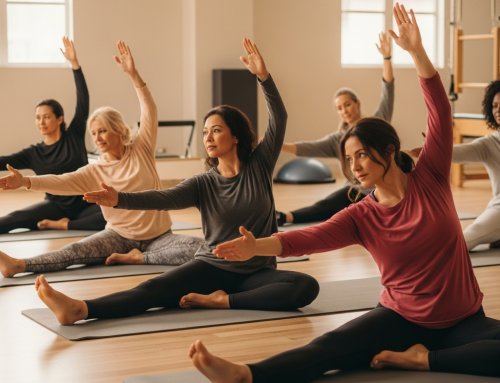
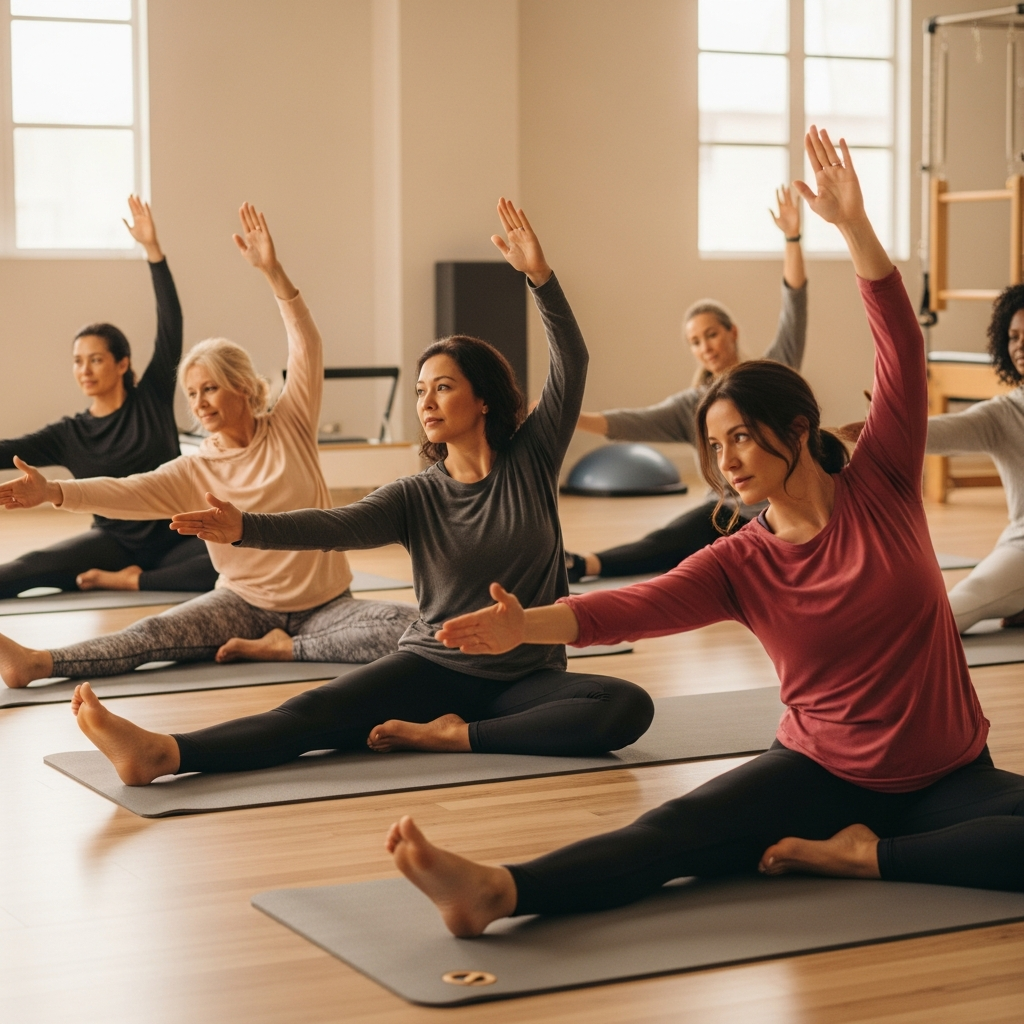
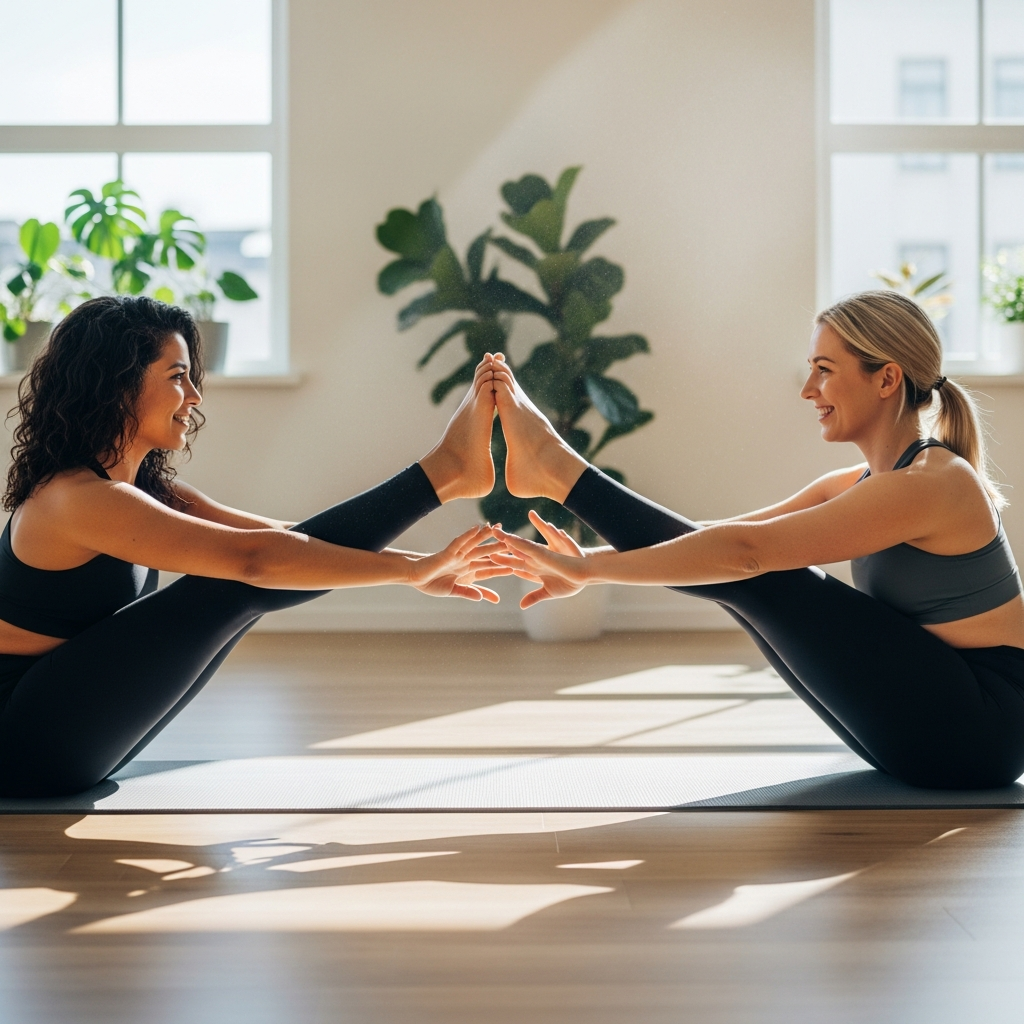
Mat Pilates, on the other hand, is a style of Pilates that is performed on a mat, using only the body’s own weight for resistance. It focuses on the ‘Powerhouse’ – a term coined by Joseph Pilates to refer to the muscles of the core. Many people often mistake Mat Pilates for being the entirety of the discipline, but it is, in fact, just one facet of the comprehensive practice that is Pilates.
So why should you care about these differences? The answer lies in how these distinctions translate into varying benefits and challenges. Understanding these variances will help you pick the right class that suits your fitness goals and needs. Whether you’re seeking to enhance your core strength, improve flexibility, or even rehabilitify from physical ailments, knowing what each form of Pilates offers will guide you to make an informed decision.
In this blog post, we will dive deep into the distinguishing elements between Pilates and Mat Pilates. We will explore the unique equipment used in traditional Pilates classes that are absent in Mat Pilates, and how these apparatuses can augment your workout intensity. We will also unmask the common misconceptions surrounding these two forms of Pilates and shine light on the true essence of this wonderful exercise regimen.
Moreover, we will delve into the specific benefits of each form, discussing how the use of different muscles and intensity levels can cater to varying fitness objectives. This comparative analysis will provide a comprehensive understanding of these two forms of Pilates, helping you decide which one might be the best fit for your personal fitness journey.
To sum up, this blog post seeks to dispel confusion, equip you with knowledge, and guide you towards making the best decision for your health and fitness journey. So, whether you are a seasoned fitness buff looking to switch up your routine or a novice just starting on your fitness journey, this exploration of Pilates vs. Mat Pilates will offer valuable insight to steer your path. Stay tuned to unravel the intricacies of Pilates and discover a workout that is not just physically rewarding but mentally stimulating as well.
Get ready to embark on a journey of discovery through the fascinating world of Pilates, where every twist, stretch, and breath brings you one step closer to a healthier, stronger, and more flexible self. Let’s unravel this fitness enigma together!
Understanding the Distinctions: Pilates and Mat Pilates
Pilates is a physical fitness system that was developed in the early 20th century by Joseph Pilates, a German physical trainer. This method of body conditioning is designed to build strength, flexibility, endurance, and coordination without adding muscle bulk. It’s often said that Pilates is not just an exercise regimen, but a lifestyle that promotes overall well-being and physical fitness.
Pilates works on the core principle of muscle control; every movement is deliberate and controlled to avoid injury and produce positive results. It incorporates six key principles: concentration, control, centering, precision, breath, and flow. Here’s a brief look at each principle
1. Concentration: Pilates demands intense focus and attention to each movement. 2. Control: Every exercise is done with complete muscular control to avoid injury and maximize benefits. 3. Centering: The physical center of the body (the area between the lower ribs and pubic bone) is the focal point of all Pilates exercises. 4. Precision: Each movement in Pilates is precise and aims for perfect execution. 5. Breath: Joseph Pilates emphasized using the breath properly to oxygenate the blood and cleanse the body. 6. Flow: Exercises are done in a flowing manner, with each movement leading smoothly into the next.
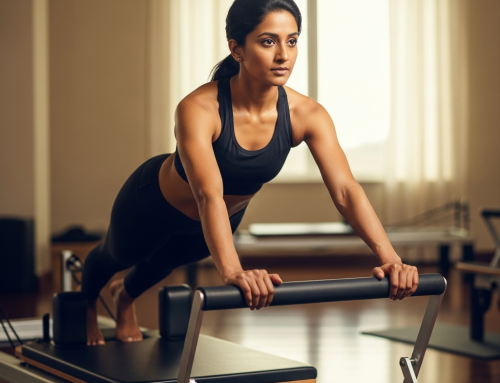
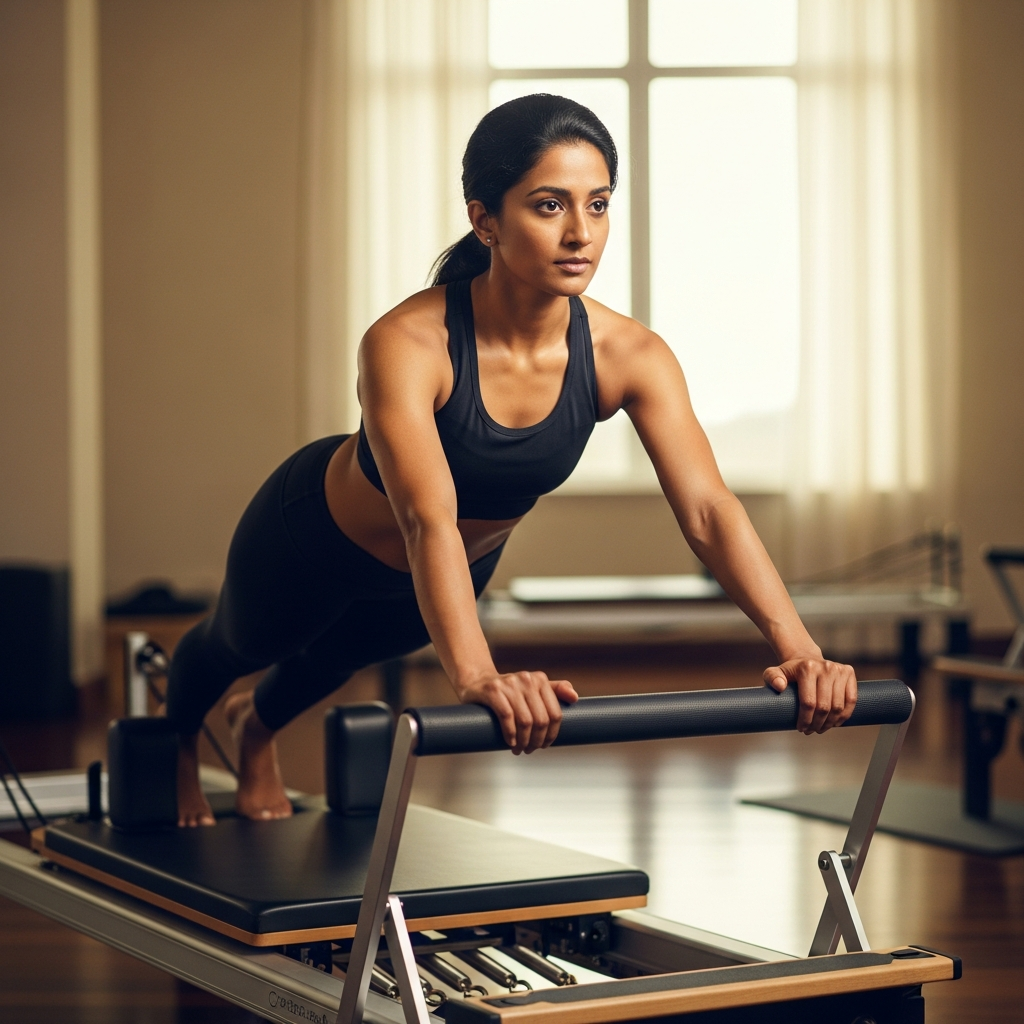
Pilates exercises are typically performed on a mat or with specialized equipment such as the Reformer, Cadillac, or Wunda Chair. These machines use springs to create resistance, helping to develop a strong “powerhouse” (the term used in Pilates to refer to the central core of the body including the abdomen, lower back, hips, and buttocks).
Now, let’s delve into the world of Mat Pilates. Mat Pilates is a series of exercises from the Pilates Method designed specifically to be performed on a mat. While it might seem that Mat Pilates is a different discipline, it’s actually just one component of the comprehensive Pilates system.
Mat Pilates focuses mainly on exercises that use the body’s own weight and resistance. The primary aim here is to reinforce the powerhouse and improve overall flexibility. The exercises are achieved in a specific order, prioritizing quality over quantity.
The main difference between Pilates (when referring to the full system with equipment) and Mat Pilates lies in the use of apparatus. The Reformer, Cadillac, and other Pilates machines offer a wider range of exercises and resistance levels. They allow for more modifications and can be easier for beginners to use, due to the support they provide. These machines also provide resistance that can be adjusted to challenge the body as strength and proficiency increase.
In contrast, Mat Pilates may be more challenging for beginners because it requires controlling your body without the assistance of the machines. However, it’s highly accessible since it requires no special equipment beyond a mat, allowing you to practice virtually anywhere.
Both forms of Pilates focus on the same principles and aim to enhance strength, flexibility, balance, and body awareness. Regardless of the type you choose, Pilates can be a beneficial addition to any fitness regimen.
In conclusion, while Pilates and Mat Pilates stem from the same fitness philosophy, they differ mainly in their execution – one incorporates specialized equipment for a variety of resistance exercises, while the other relies on body weight and gravity on a mat. The choice between Pilates and Mat Pilates will depend on your personal fitness goals, accessibility to equipment, and preference for workout style. Both methods offer a holistic approach to fitness that targets the entire body, promoting strength, flexibility, and a mindful connection between body and mind.
Decoding the Distinction: Pilates vs. Mat Pilates
When it comes to fitness methodologies, Pilates has established itself as a comprehensive system that focuses on core strength, flexibility, and overall body awareness. However, among newcomers and even seasoned practitioners, there’s often confusion about the difference between Pilates and Mat Pilates. To dispel the confusion, let’s delve deeper into the characteristics of each and explore their unique benefits.
Pilates: An Overview
Developed by Joseph Pilates in the early 20th century, Pilates is a low-impact exercise method that aims to strengthen muscles while improving postural alignment and flexibility. The system emphasizes mind-body connection, with practitioners encouraged to focus on their breath, body movement, and how they feel during the workout.
Typically, Pilates exercises can be performed on a mat or using special apparatus. These include the Reformer, Cadillac, and Wunda Chair, each designed to provide resistance that can be adjusted according to the ability of the practitioner. In a Pilates class, you could be working on these machines under the guidance of a certified instructor.
Mat Pilates: The Basics
Mat Pilates, as the name suggests, is a subset of Pilates performed on a mat, much like yoga. It does not involve any equipment except for small props like resistance bands, magic circles, or hand weights. Mat workouts primarily engage your ‘powerhouse’ – a term that refers to the core muscles including your abs, lower back, pelvic floor, hips and glutes.
Despite its simplicity, Mat Pilates isn’t necessarily easier. In fact, without machines to assist with movement, you’re relying solely on your body for resistance. This can challenge your strength and endurance even more.
Key Differences
1. Equipment: The primary difference between general Pilates and Mat Pilates is the use of equipment. Traditional Pilates involves several apparatus that add resistance to the exercises, making them more challenging and diverse. On the other hand, Mat Pilates only requires a mat and occasionally minor props.
2. Variety of Exercises: Regular Pilates, with its array of equipment, offers a wider variety of exercises compared to Mat Pilates. This can keep workouts engaging and allow for more customization based on individual needs and fitness levels.
3. Cost and Accessibility: Mat Pilates classes are usually cheaper than equipment-based Pilates classes due to the cost of machinery. Moreover, Mat Pilates can be done at home with minimal space, making it more accessible.
4. Intensity: While both forms work towards enhancing strength, flexibility, and body awareness, the use of resistance in Pilates can make it more intense. However, don’t underestimate Mat Pilates. The challenge here is using your own body weight as resistance, which can be equally demanding.
Choosing between Pilates and Mat Pilates
The choice between Pilates and Mat Pilates depends on your personal fitness goals, budget, and preference. If you’re seeking variety and a more rigorous workout with targeted resistance, traditional Pilates might be the way to go. However, bear in mind that these classes often come at a higher cost due to the specialized equipment.
On the other hand, if you prefer a minimalist approach that can be done anywhere, Mat Pilates is an excellent option. It’s budget-friendly, convenient, and perfect for building a strong core and improving stability and balance.
In conclusion, whether you choose Pilates or Mat Pilates, consistency is key. Both forms offer unique benefits and are exceptional ways to boost strength, flexibility and overall wellbeing. Don’t hesitate to try both before deciding which one aligns best with your lifestyle and fitness objectives. Remember, the best workout is the one you enjoy and will stick with in the long run.
Unraveling the Core of Pilates: A Deep Dive into Pilates and Mat Pilates
Pilates, a physical fitness system developed in the early 20th century by Joseph Pilates, has garnered a dedicated following for its focus on strengthening the core, improving flexibility, and promoting overall body awareness. However, some people may be confused by the differentiation between Pilates and mat Pilates.
The confusion is understandable as both forms of Pilates share common principles such as concentration, control, centering, flow, precision, and breath. They both aim to strengthen the body in an even way, with particular emphasis on core strength to improve general fitness and wellbeing. But despite their similarities, they are not exactly the same.
The main difference between Pilates and mat Pilates lies in the equipment used and the muscles targeted during the exercises. Traditional Pilates, often referred to as apparatus Pilates, utilizes several pieces of equipment designed by Joseph Pilates himself. These include the Reformer, Cadillac, Wunda Chair, and more.
On the other hand, mat Pilates is performed solely on a mat, similar to a yoga mat. Mat Pilates focuses primarily on exercising the core and stabilizing muscles, while traditional Pilates targets the whole body and provides resistance through the apparatus used.
One common misconception is that mat Pilates is easier than apparatus Pilates. This is not always the case. Mat exercises require you to lift and control your own body weight which can be challenging. The absence of equipment means that the body must work harder to achieve the desired movement patterns.
However, don’t let this deter you from trying mat Pilates. The beauty of this form lies in its simplicity and accessibility. You can perform mat Pilates anywhere with just a mat and your body. This makes it an ideal choice for those who prefer to exercise at home or lack access to a fully-equipped Pilates studio.
If you’re new to Pilates, mat Pilates can be a great place to start. It teaches you the basic principles and techniques that are fundamental to all forms of Pilates. Once you’ve mastered the basics, you can then choose to advance to apparatus Pilates if you wish.
On the other hand, apparatus Pilates offers a more varied and dynamic workout due to the different equipment involved. The resistance provided by the equipment can be adjusted to cater to your level of strength and fitness. This allows for a more tailored and progressive workout, making it suitable for people of all fitness levels.
The choice between mat Pilates and apparatus Pilates ultimately comes down to your personal preference and fitness goals. If you prefer a more accessible and cost-effective form of exercise, mat Pilates may be the way to go. If you enjoy variety in your workouts and have access to a Pilates studio, apparatus Pilates could be your best choice.
Regardless of your choice, here are some expert tips to help you get the most out of your Pilates sessions
1. Quality Over Quantity: Pilates emphasizes proper form over repetitions. Focus on performing each movement with precision and control rather than trying to do as many repetitions as possible.
2. Breathe: Proper breathing is central to Pilates. It helps facilitate movements and maintain focus. Always remember to inhale deeply into the back and sides of your rib cage, and exhale fully.
3. Listen To Your Body: If a movement feels uncomfortable or causes pain, stop doing it. Consult with your instructor to ensure you’re doing the exercises correctly and modify them if necessary.
4. Consistency Is Key: Like any form of exercise, consistency is crucial in Pilates. Regular practice will help improve your strength, flexibility, and body awareness.
5. Seek Expert Guidance: If you’re new to Pilates, consider taking classes from a certified instructor. They can help ensure you’re performing the exercises correctly and safely, and provide modifications suitable for your fitness level.
In conclusion, both Pilates and mat Pilates offer unique benefits and can be great additions to your fitness routine. Understanding their differences can help you choose the form that best suits your needs and goals. Whether you opt for mat or apparatus Pilates, remember that the ultimate goal is to create a stronger, more flexible, and balanced body.
Pilates Vs. Mat Pilates: Knowing the Differences, Expectations, and Progression Pathways.
Pilates is a fitness system developed in the early 20th century by Joseph Pilates, a German physical trainer. He designed it as a method of body conditioning that increases flexibility, strengthens muscles, and improves overall health. Pilates focuses not only on physical but also on mental well-being, emphasizing proper breathing, correct alignment, and smooth, flowing movement.
There are two primary forms of Pilates: mat Pilates and reformer Pilates, often simply referred to as ‘Pilates’. While they share the same foundational principles, there are distinct differences between the two that can affect your workout experience and outcomes.
Mat Pilates, as the name suggests, is performed on a mat, similar to yoga. The exercises in mat Pilates primarily target your core (or ‘powerhouse’ as Joseph referred to it) – the area from your transverse abdominis to your glutes and hips. However, mat Pilates isn’t just about abs; it also includes exercises for the whole body. Mat workouts are heavily focused on improving your body’s strength and flexibility through your own body weight.
On the other hand, ‘Pilates’ or Reformer Pilates involves the use of specialized equipment named ‘reformer’, a sliding platform with a stationary foot bar, springs, and pulleys that provide resistance. Reformer Pilates provides a more dynamic and intense full-body workout and allows for a wider variety of exercises compared to mat Pilates.
So, what can you expect from each type?
When starting with mat Pilates, expect a focus on controlled movements primarily engaging your core. The goal of these exercises is to strengthen your body while simultaneously improving your flexibility and balance. You’ll need to have patience as these subtle movements require precision and can be quite challenging initially.
Reformer Pilates, on the other hand, offers a more physically engaging workout. Expect to use not just your core, but your entire body. The reformer’s resistance can be adjusted to different levels, making it suitable for beginners and advanced students alike. It’s not uncommon to feel the burn of your muscles working and to see faster visible body toning results with consistent reformer Pilates.
In terms of timelines, both mat and reformer Pilates offer progressive workouts. For mat Pilates, you might start with basic exercises to familiarize yourself with the method and gradually move to more advanced movements as your strength and flexibility improve. It’s a slow and steady progression that helps build a strong foundation for your body.
With reformer Pilates, the timeline can be slightly quicker due to the versatility of the equipment. You can quickly modify the exercises to increase their intensity or target different muscle groups. However, it is essential to ensure that you are performing the exercises correctly to avoid injury.
As for next steps, if you are new to Pilates, it might be beneficial to start with mat Pilates. This will allow you to understand the basic principles of Pilates including breath control, centering, concentration, control, precision, and flow. Once you’re comfortable with these principles, you can then transition to reformer Pilates if you wish.
Finding a qualified instructor is crucial for both mat and reformer Pilates. They will guide you through each exercise, ensuring that you’re performing them correctly and safely. Many gyms offer group classes, but if you prefer a more personal approach, consider finding a private instructor.
In conclusion, both forms of Pilates provide excellent ways to strengthen your body, improve your flexibility, and enhance your overall well-being. The choice between mat and reformer Pilates depends on your personal goals, preferences, and current fitness level. Remember, the best exercise routine is the one that you enjoy and can stick with consistently. So, whether you choose mat or reformer Pilates, the most important thing is to get moving and enjoy the journey to a healthier you!
In conclusion, Pilates and Mat Pilates, while both stemming from the same fitness philosophy, offer different experiences and benefits that cater to a range of fitness goals and needs.
Pilates, in its traditional form, is a comprehensive system that uses a variety of specialized equipment like the Reformer, Cadillac, and Wunda Chair to provide resistance and support. This allows for a vast array of exercises that target every muscle group in the body. With the ability to modify exercises, Pilates can be adapted to meet the needs of anyone from beginners to advanced practitioners. The emphasis on controlled movements, alignment, and breathing not only strengthens the body, but also increases flexibility and improves posture and coordination.
Mat Pilates, on the other hand, requires no equipment other than a mat. It is a more focused form of Pilates that primarily targets the core muscles or the ‘powerhouse’ of the body – the abdomen, lower back, hips, and buttocks. It is immensely beneficial in building core strength and stability, improving flexibility, and correcting postures. Mat exercises also help enhance mind-body awareness as they require concentration to perform movements correctly. However, Mat Pilates may not offer the same level of challenge or variety as equipment-based Pilates.
Both forms of Pilates encourage a holistic approach to fitness – one that encompasses not just physical strength and flexibility, but also mental focus and breath control. The choice between Pilates and Mat Pilates largely depends on your fitness goals, personal preferences, and resources. If you seek versatility, enjoy working with equipment, and prefer a more personalised workout regime, then traditional Pilates could be your pick. If you are looking for a cost-effective, accessible form of exercise that still delivers on core strength and flexibility, then Mat Pilates would be an excellent choice.
Regardless of which route you choose, remember that consistency is key to seeing results in any fitness regime. Whether you’re looking to strengthen your core, improve your posture, increase your flexibility, or simply add a new dimension to your fitness routine, both Pilates and Mat Pilates have a lot to offer. It’s all about finding the right fit for you.
We hope this article has helped clarify the differences between Pilates and Mat Pilates, and will assist you in making an informed decision about which method suits your individual needs and goals. If you’re still unsure, or if you’re ready to start your Pilates journey, we’re here to help.
Our team of experienced Pilates instructors can guide you through both forms of Pilates, ensuring that your workouts are safe, effective, and tailored to your needs. We offer a range of Pilates classes for all levels of experience, from beginners to advanced practitioners.
Remember, the first step is often the hardest. But once you take that step, you’re on your way to experiencing the countless benefits of this holistic fitness system.
So why wait? Contact us today to arrange a consultation or book your first Pilates class. Let’s get started on your Pilates journey together. Experience the difference it can make to your strength, flexibility, posture, and overall well-being. You’ll be amazed at what you can achieve with regular Pilates practice. Your body will thank you for it!