Mat Pilates vs Yoga: A Comprehensive Guide to Your Optimal Workout
Hook: Are you torn between the world of mat Pilates and yoga, unsure about which one will serve your wellness goals better? You’re not alone! These two forms of exercise have been subject to comparison for years, and it’s time we settled the debate.
Context: Pilates and yoga, both renowned for their incredible benefits in improving strength, balance, flexibility, and mental well-being, are regularly pitted against each other. However, they each offer unique advantages that cater to different needs and preferences. Within the realm of Pilates itself, there’s a further distinction between mat Pilates and reformer Pilates, adding another layer to this fitness conundrum. But today, we’re focusing on mat Pilates – an exciting, challenging workout that stands as a formidable contender in the match-up against yoga.
The topic of Mat Pilates vs Yoga is gaining traction among fitness enthusiasts, beginners and experts alike. As a fitness novice, you might be seeking guidance on where to start. As a seasoned practitioner, you may be considering a switch or incorporating variety in your regimen. Regardless of where you stand, this comprehensive guide will shed light on these two popular forms of exercise.
What will be covered: This blog post will delve into the origins, principles, practice, and benefits of mat Pilates and yoga. We’ll discuss what sets them apart and also identify their shared benefits. We’ll explore the nature of a typical mat Pilates class and a yoga session, while highlighting the physical and mental aspects they target differently. Furthermore, we’ll provide some insights to help you decide which of these two disciplines aligns best with your personal fitness goals.
Why this matters to readers: In today’s fast-paced world, taking the time to engage in any form of physical activity is an investment in your overall well-being. The choice between mat Pilates and yoga can significantly influence how well you connect with your workout, and subsequently, how consistently you pursue it. Understanding these two routines’ similarities, differences, and unique benefits can inform your decision-making process and lead you to the workout that resonates with you most.
In this exploration of mat Pilates vs yoga, we’re not looking to declare a definitive winner. After all, personal preference and individual fitness goals play a significant role in determining which is ‘better’. Instead, our aim is to provide a comprehensive understanding of these two disciplines, empowering you to make an informed choice about which route to take on your fitness journey.
So, whether you’re after the strength-building focus of a mat Pilates class or the meditative flow of a yoga session, read on to discover what each has to offer. By the end of this blog post, you should have a clear idea about where your interests lie and feel confident in taking the next step towards your fitness goals.
Remember, every journey starts with a single step; let this be yours. Dive into this comprehensive guide of mat Pilates vs yoga and open the door to a healthier, happier you. Fitness is not about being better than someone else; it’s about being better than you used to be. So, let’s start exploring these two incredible fitness disciplines and see which one will help you become the best version of yourself.
Understanding the Fundamentals of Mat Pilates and its Distinction from Yoga
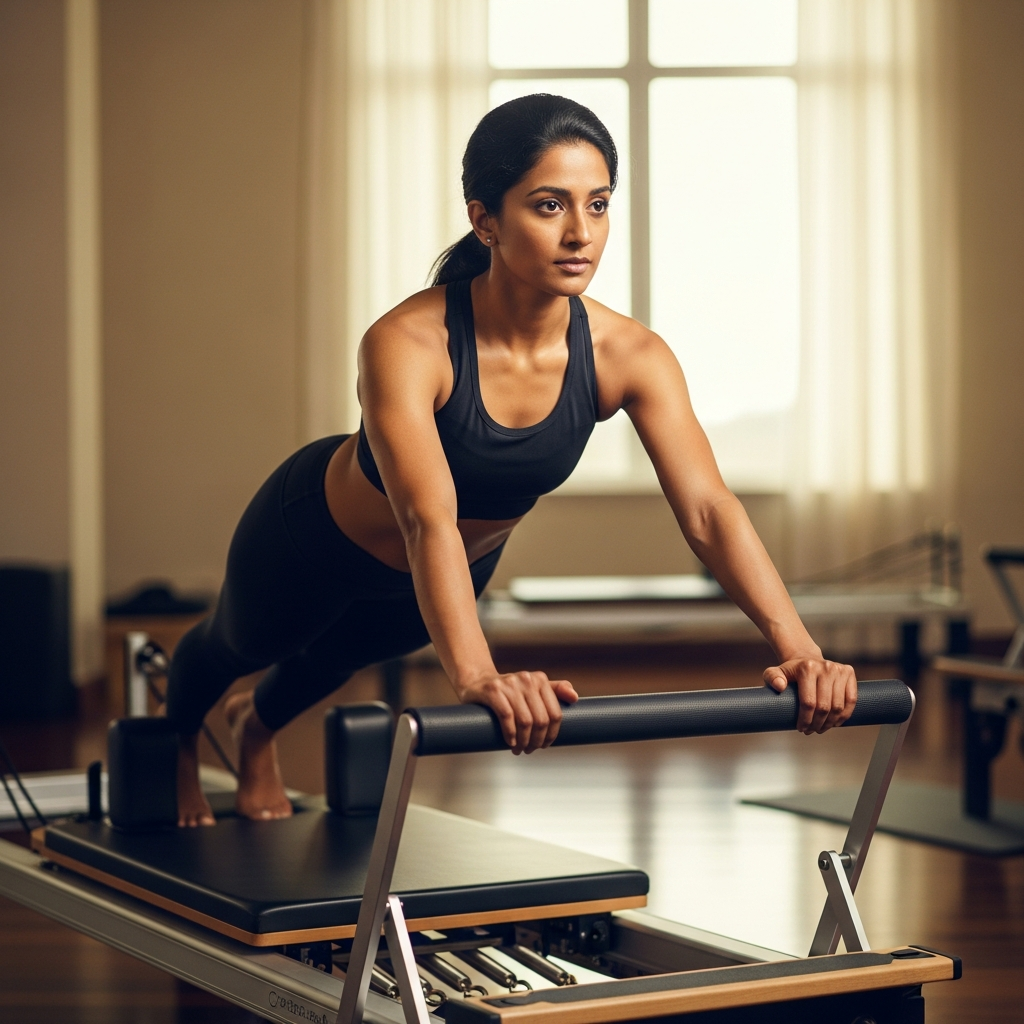
Pilates, named after its creator Joseph Pilates, is a physical fitness system that was developed in the early 20th century. It is a method that focuses on improving strength, flexibility, and body awareness without necessarily building bulk. The emphasis is on the balanced development of the body through core strength, flexibility, and awareness in order to support efficient and graceful movement. Mat Pilates, being one type of Pilates, is typically performed on a mat and uses the weight of the body as the primary source of resistance.
Mat Pilates is grounded on six essential principles: concentration, control, centering, precision, breath, and flow. These principles form the framework for all Pilates work.
1. Concentration: The mind-body connection is critical in Pilates. It is important to be mentally present and fully engaged in each movement to reap the maximum benefits.
2. Control: Every Pilates exercise is done with complete muscular control. No body part is left to its own devices or momentum.
3. Centering: The center, or ‘powerhouse’, encompasses the abdomen, lower and upper back, hips, buttocks, and inner thighs. All Pilates exercises are sourced from this center, creating a strong core.
4. Precision: In Pilates, attention to detail is vital. Every movement has a purpose, and each must be performed with utmost precision to be effective.
5. Breath: Proper breathing techniques are essential in Pilates. It not only oxygenates the muscles but also reduces tension in the upper neck and shoulders.
6. Flow: Pilates exercises are performed with a sense of fluidity and grace. The goal is to create a movement flow through the use of appropriate transitions.
Now, when comparing Mat Pilates to yoga, it’s important to note that while they may seem similar on the surface – both are low-impact exercises done on a mat, for instance, they have different objectives and employ different methods.
Yoga is a centuries-old practice that focuses on the harmony between mind and body. It combines physical postures, breathing exercises, and meditation or relaxation. Yoga aims to improve flexibility and balance, build strength, and promote relaxation and mental clarity.
On the other hand, Mat Pilates places a heavier emphasis on physical conditioning. Its primary goal is to strengthen the body’s ‘powerhouse’, or core muscles, while also improving postural alignment and flexibility.
The movements in Mat Pilates are more dynamic and systematic than in yoga. Each exercise has a prescribed number of repetitions and is performed with precision and control. The pace in Pilates can be faster than in yoga, where poses are often held for longer periods.
Moreover, while yoga often includes a spiritual aspect with meditation and mindfulness practices, Pilates is primarily a physical workout. Although the mind-body connection is integral in both, Pilates does not incorporate spirituality in its practice.
In conclusion, Mat Pilates is a structured workout with a focus on core strength, flexibility, and overall body awareness. While it shares some similarities with yoga, its objectives, pacing, and emphasis on the powerhouse set it apart. It provides an excellent way to improve body strength and flexibility, improve posture, and enhance mind-body awareness. It is adaptable to many fitness levels and needs, making it a versatile fitness approach. Whether one chooses Mat Pilates or yoga largely depends on their personal fitness goals and preferences.
Mat Pilates vs Yoga: A Detailed Comparison
Pilates and yoga have been long-standing favorites in the fitness world. Both offer numerous health benefits, including improved flexibility, better posture, and reduced stress. However, if you’re considering trying one or both of these practices, you might be wondering: what’s the difference between Mat Pilates and yoga? Which one is right for me? Let’s dive in and explore the unique attributes of each.
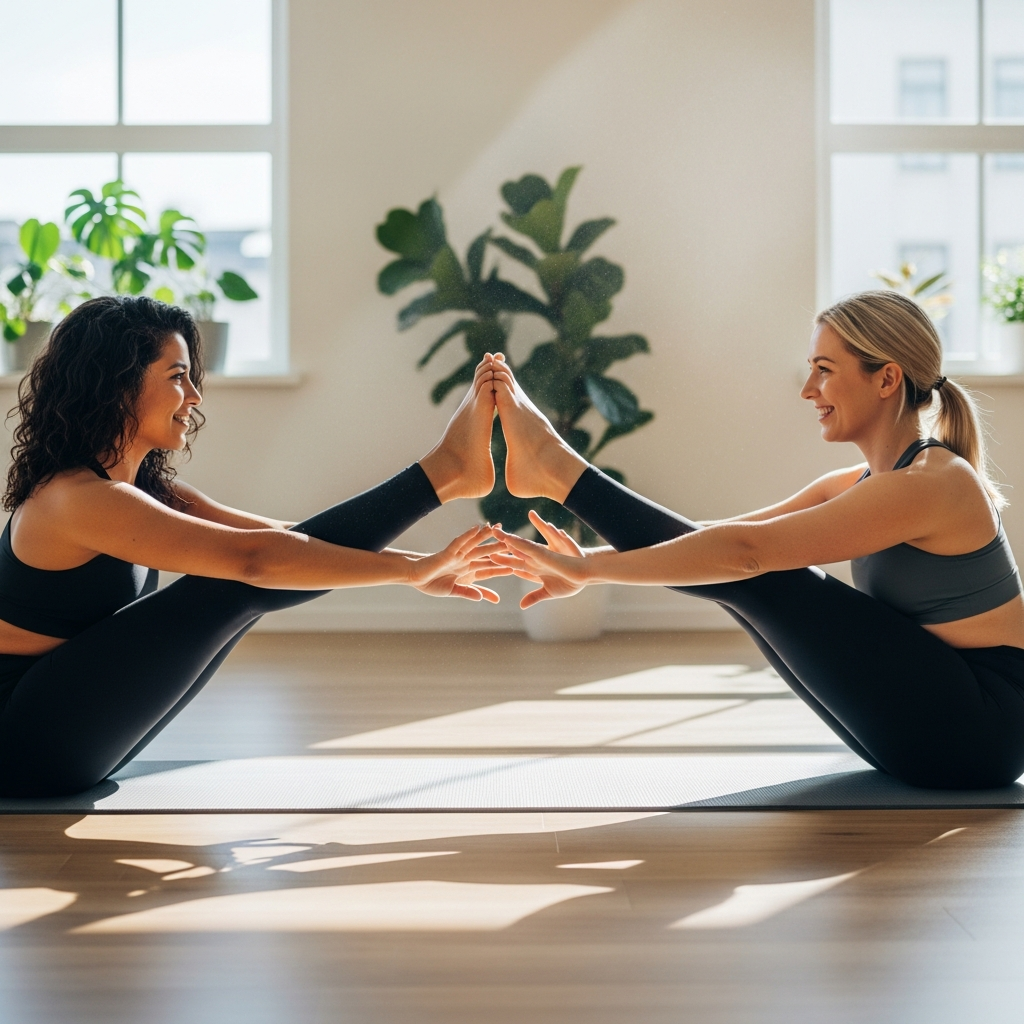
Mat Pilates and yoga may seem similar at first glance. Both involve exercises performed on a mat and emphasize mind-body connection. However, they focus on different aspects of physical fitness and wellness.
Mat Pilates, developed by Joseph Pilates in the 20th century, concentrates on core strength, flexibility, and overall body awareness. It includes a series of controlled movements designed to strengthen your body’s “powerhouse” – the abdomen, lower back, hips, and buttocks. Mat Pilates exercises can be modified to suit different fitness levels, making it accessible to beginners and challenging for advanced practitioners.
On the other hand, yoga is an ancient practice that originated in India over 5,000 years ago. It focuses on flexibility, balance, strength, breath control and the pursuit of mental harmony. Yoga poses (asanas) work on all parts of the body and are typically performed in a flowing sequence connected by breath (vinyasa).
Now that we have a basic understanding of the two practices, let’s look at some specific scenarios to help you decide which might be best for you
1. **Strength Building**
If your primary fitness goal is to build core strength, Mat Pilates might be a better fit. The targeted exercises such as the Hundred, Roll-Up, and Scissor focus specifically on strengthening the core muscles.
Actionable Advice: Try incorporating a Mat Pilates routine into your weekly workout schedule. Start with basic exercises and gradually add more challenging ones as you gain strength.
2. **Flexibility**
If flexibility is what you’re after, yoga might be your best bet. Poses like the Downward-Facing Dog, Pigeon Pose, and Forward Bend are designed to stretch and lengthen the muscles.
Actionable Advice: Consistency is key in improving flexibility. Try practicing yoga a few times a week, holding each pose for multiple breaths to deepen the stretch.
3. **Stress Relief**
Both Pilates and yoga are great for stress relief, but they approach it differently. Yoga often includes meditation and deep breathing exercises, which can help calm the mind. Mat Pilates, while focusing less on the spiritual aspect, still promotes mental clarity through concentrated movement.
Actionable Advice: Consider what type of stress relief works best for you. If you’re seeking a holistic approach to mental and physical health, try yoga. If you prefer a workout that keeps your mind engaged with the body, give Mat Pilates a go.
4. **Injury Rehabilitation**
Both practices can aid in injury rehabilitation. Mat Pilates can be particularly beneficial for those recovering from back injuries due to its emphasis on core strengthening. Yoga, with its focus on gentle stretching and flexibility, can be beneficial for a wide range of physical rehabilitation.
Actionable Advice: Always consult your healthcare provider or a physical therapist before starting any new exercise regimen following an injury.
In conclusion, whether you should opt for Mat Pilates or yoga depends largely on your individual fitness goals and preferences. You might even find that a combination of both suits you best! Remember, the most important thing is to listen to your body and choose an exercise routine that you enjoy and can stick with consistently. So why not give both a try and see what resonates with you? Happy exercising!
Mat Pilates vs. Yoga: Common Challenges, Solutions, and Expert Tips
As a pilates enthusiast or someone just exploring the realm of body-mind fitness, you may have come across an age-old debate: Mat Pilates vs. Yoga. These two practices may seem similar at first glance, but they each have unique features, benefits, and challenges. This guide aims to provide in-depth insights, dispel common misconceptions, and offer expert tips to help you navigate your fitness journey.
Let’s start by understanding the distinct differences between Mat Pilates and yoga.
Mat Pilates is a series of exercise routines performed on a mat, focusing on core strength, stability, flexibility, muscle control and balance. The exercises are designed to improve posture, balance and coordination by targeting the deep muscles of the abdomen and spine.
Yoga, on the other hand, is an ancient practice that aims to create harmony between the mind and body. It comprises postures (asanas), breathing exercises (pranayama), meditation, and ethical principles. Yoga offers multiple benefits like increased flexibility, improved strength, better respiratory function, and enhanced mental wellness.
Despite their differences, both practices can complement each other beautifully when combined effectively.
1. Common Challenges
One of the biggest challenges when comparing Mat Pilates and yoga is understanding their unique focal points. Yoga promotes overall wellness—physical, mental, and spiritual—while Pilates primarily focuses on physical conditioning, particularly core strength.
For beginners, both practices can be intimidating due to the complexity of some poses or exercises. Additionally, both Pilates and yoga require consistency for noticeable improvements, which can be challenging for some individuals.
2. Solutions
The solution to these challenges lies in understanding your personal fitness goals and preferences. If you’re seeking a holistic wellness approach that includes meditation and spiritual growth, yoga may be your choice. However, if you aim to build core strength, improve posture, and enhance muscle tone, Mat Pilates could be the ideal option.
For beginners, start with basic classes or poses and gradually progress to more complex levels. Remember, both practices are not about perfection but progression. Consistency is key in both Pilates and yoga; hence, setting a regular schedule may help overcome this challenge.
3. Expert Tips
a. Understand Your Body: Before starting either practice, understand your body’s strengths and limitations. This awareness will help you perform the exercises correctly and prevent injuries.
b. Quality over Quantity: Both Pilates and yoga emphasize the quality of movement over the number of repetitions or the amount of time spent practicing. Focus on executing each pose or exercise with precision and control.
c. Use Props: Props like yoga blocks, straps, or Pilates balls can be highly beneficial, especially for beginners. They can make positions more comfortable and help you achieve better alignment.
d. Listen to Your Body: Both practices require a high level of body awareness. If something doesn’t feel right, modify the pose or exercise or avoid it altogether.
e. Consistency is Key: Regular practice yields the best results in both Pilates and yoga. Make them a part of your lifestyle rather than a sporadic activity.
f. Professional Guidance: Consider seeking professional guidance, especially when starting out. A certified instructor can ensure you’re performing the exercises correctly and safely.
Misconception: One common misconception is that Mat Pilates is easier than yoga or vice versa. The truth is, the difficulty level depends on multiple factors like the complexity of the poses or exercises, your fitness level, flexibility, strength, and most importantly, your understanding of the practice.
Best Practices: Whether you choose Mat Pilates or yoga, it’s essential to warm up before starting your routine to prepare your body for the workout. Practice on a comfortable mat to protect your body during floor exercises. Stay hydrated and maintain a balanced diet to support your fitness journey.
Both Mat Pilates and yoga provide profound benefits when practiced correctly and consistently. They can complement each other for a well-rounded fitness routine. Remember, the best practice is the one that you enjoy and can sustain in the long run.
Mat Pilates vs. Yoga: Expectations, Timelines, and Next Steps
When it comes to low-impact physical fitness, Mat Pilates and Yoga are two popular choices. Both are beneficial for improving flexibility, strength, and mental wellness. However, they have distinctive characteristics, practices, and goals. Let’s take a deep dive into these two disciplines to help you determine which one aligns with your fitness objectives.
Mat Pilates and Yoga: What to Expect
Mat Pilates is a series of exercises inspired by calisthenics, yoga, and ballet. Its primary focus is on strengthening the core, which includes the abdomen, lower back, hips, and buttocks. Pilates exercises also work on the whole body, promoting balanced muscle development and increasing flexibility. The exercises are performed on a mat, using your body weight as resistance.
Yoga, on the other hand, is a comprehensive practice that combines physical postures (asanas), meditation, and breathing exercises (pranayama). It promotes flexibility, strength, balance, and relaxation. Yoga poses range from gentle to challenging, catering to all fitness levels.
The Difference in Timelines
While both Mat Pilates and Yoga provide immediate benefits such as stress relief and improved posture, the timeline for more noticeable changes varies. Consistency is key in both practices.
In Mat Pilates, significant improvements in core strength can be observed within 10-12 consistent sessions. Enhanced posture, muscle tone, and flexibility become evident around the same time frame.
For Yoga, the timeline is more subjective as it depends on the type of yoga you practice and individual commitment. Typically, with regular practice (3-5 times a week), physical changes like increased flexibility and improved balance may be noticed in 3-4 weeks. The mental benefits such as stress reduction and improved focus can be felt almost immediately.
Next Steps: Choosing Between Mat Pilates and Yoga
The choice between Mat Pilates and Yoga ultimately comes down to your personal fitness goals, preferences, and needs.
If you want a workout that focuses on core strength, muscle toning, and overall physical resilience, Mat Pilates may be the better choice for you. It’s also a great option if you’re looking to enhance functional fitness or rehabilitate from an injury.
Yoga is more suitable for those seeking a holistic approach to fitness that combines physical postures, meditation, and breathwork. It is ideal for stress reduction, flexibility, and balance.
Practical Guidance
Before committing to either practice, attend a few beginner classes or view online tutorials to get a feel for both disciplines. This will help you decide which one resonates more with you.
In terms of practical guidance, here are some tips for getting started with Mat Pilates or Yoga
1. Equipment: For both practices, you need a good quality mat that provides enough cushioning and grip. In some advanced Pilates exercises, you may require props like resistance bands or Pilates balls.
2. Clothing: Comfortable, breathable clothing that allows free movement is recommended for both Pilates and Yoga. Avoid very loose clothing as it can interfere with poses or exercises.
3. Training Frequency: Ideally, aim for 3-5 sessions per week for progress in both Pilates and Yoga. Remember, consistency is more important than the duration of the session.
4. Learning: Both practices require proper form and alignment to be effective and prevent injury. Initially, it is advisable to learn from a certified instructor who can correct your posture and technique.
In conclusion, both Mat Pilates and Yoga offer numerous health benefits. The best practice for you depends on your personal fitness goals and preferences. Whichever you choose, both will lead you on the path of enhanced physical and mental wellbeing.
In conclusion, both Mat Pilates and yoga are effective physical activities that offer numerous health benefits. Choosing between the two largely depends on your personal fitness goals, physical condition, and preferences.
Mat Pilates primarily focuses on core strength, providing a comprehensive workout for your abdomen, lower back, hips, and buttocks – collectively known as the ‘powerhouse’. It is an excellent choice for individuals seeking to enhance their overall body strength, particularly in their core area. Mat Pilates can improve your posture, balance, and flexibility while also helping to prevent injuries. It is a controlled form of exercise that requires precision and concentration, making it an ideal choice for those who prefer slower-paced workouts that emphasize quality over quantity.
On the other hand, yoga is not merely a physical exercise but also a mental and spiritual discipline. It emphasizes mindfulness, relaxation, and the harmonization of mind, body, and spirit. Yoga promotes flexibility, enhances breathing, reduces stress, and improves mental wellness. It includes a variety of styles – from relaxing Yin Yoga to vigorous Vinyasa – offering options for all fitness levels. If you are looking for a holistic approach to health and wellness that extends beyond physical fitness, yoga could be the right choice for you.
However, it is important to note that these two are not mutually exclusive. In fact, many practitioners incorporate elements of both Mat Pilates and yoga into their fitness routines to enjoy the unique benefits of each. For instance, you may choose to practice Mat Pilates to strengthen your core and improve your physical strength and combine it with yoga to enhance flexibility and promote mental wellness.
In terms of difficulty and accessibility, both Mat Pilates and yoga cater to all levels of fitness. There are beginner-friendly classes that provide foundational knowledge and skills, as well as advanced classes that offer more challenging workouts. It’s all about finding the right level and style that suits your personal needs and goals.
Now you’ve been equipped with information about Mat Pilates and yoga, the ball is in your court. Remember, the best exercise routine is one that you enjoy and can stick to consistently. Listen to your body and choose what feels best for you. If you’re unsure or have specific health concerns, it’s always a good idea to consult with a professional.
Here at [Your Company], we have a team of certified Pilates and yoga instructors who can provide personalized advice and guidance. Whether you’re new to fitness or looking to shake up your current routine, we’re here to assist. We offer a variety of classes for all levels, as well as one-on-one training sessions for more personalized instruction.
Why not take the first step towards a healthier and happier you? Contact us today to find out more about our Pilates and yoga classes. Let’s work together on a fitness journey tailored to your unique needs and goals. Remember, it’s not about being the best; it’s about being the best that you can be. So why wait? Reach out to us today, and let’s start this exciting journey together!