The Power of Pilates: Exploring the Benefits of Mat and Reformer Pilates
Introduction:
Are you considering taking up a new fitness regimen and find yourself curious about Pilates? Or perhaps you are a seasoned fitness enthusiast searching for ways to amp up your routine? Either way, you’ve arrived at the right place. The world of Pilates, both mat and reformer, offers a plethora of benefits that can transform your body and mind in ways you never imagined. But what exactly are these benefits? How does Pilates truly impact your overall wellbeing? This post will give you a comprehensive understanding of the many advantages of incorporating Pilates into your lifestyle.
Since its inception in the early 20th century by Joseph Pilates, this form of exercise has grown in popularity and is now practiced worldwide. Known for its focus on core strength, flexibility, and overall body awareness, Pilates has become a staple in many fitness routines. It’s much more than just a workout; it’s a way to enhance your health and improve your physical performance in every aspect of life.
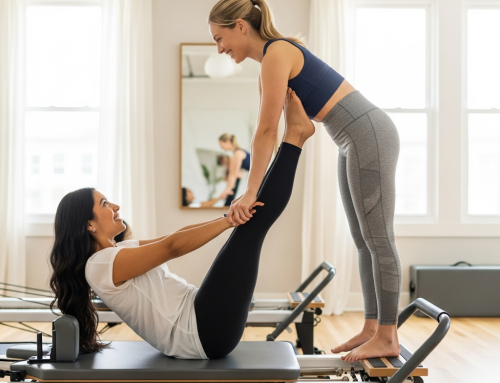
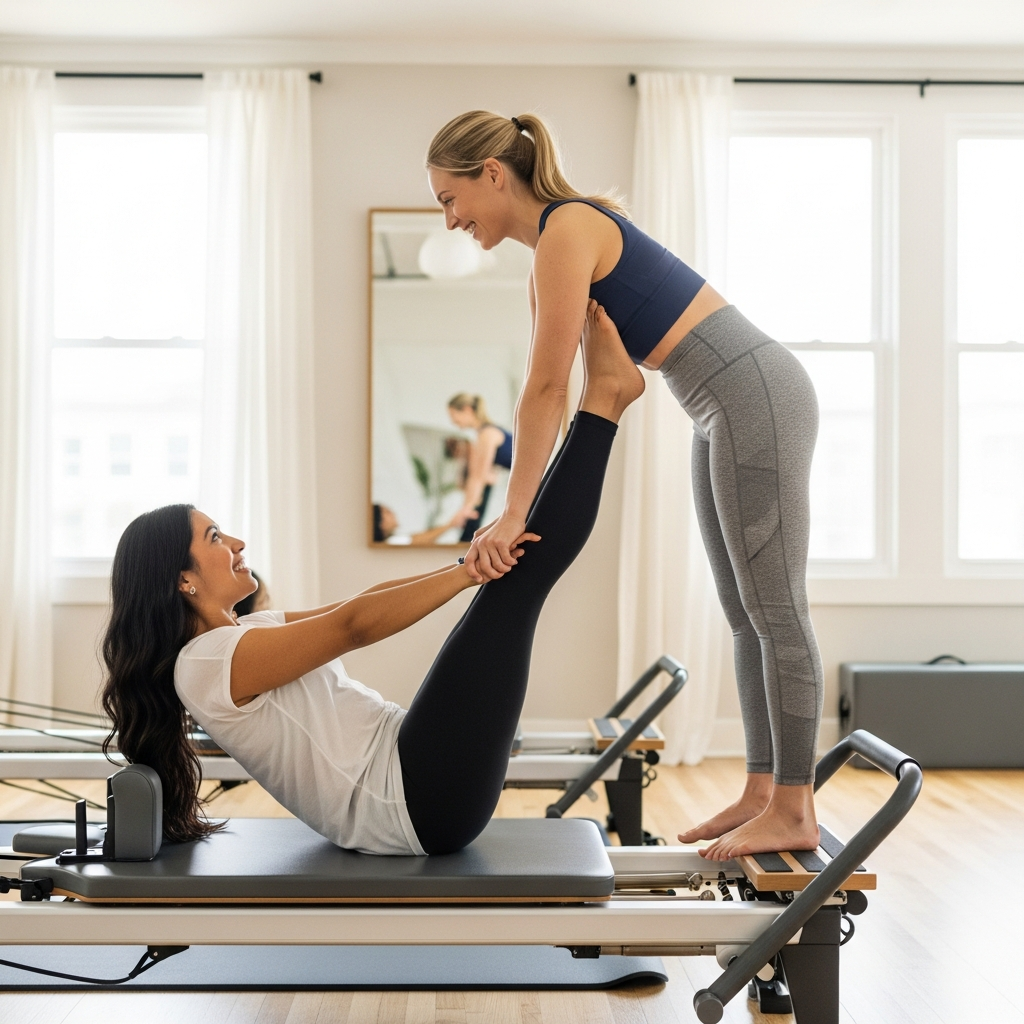
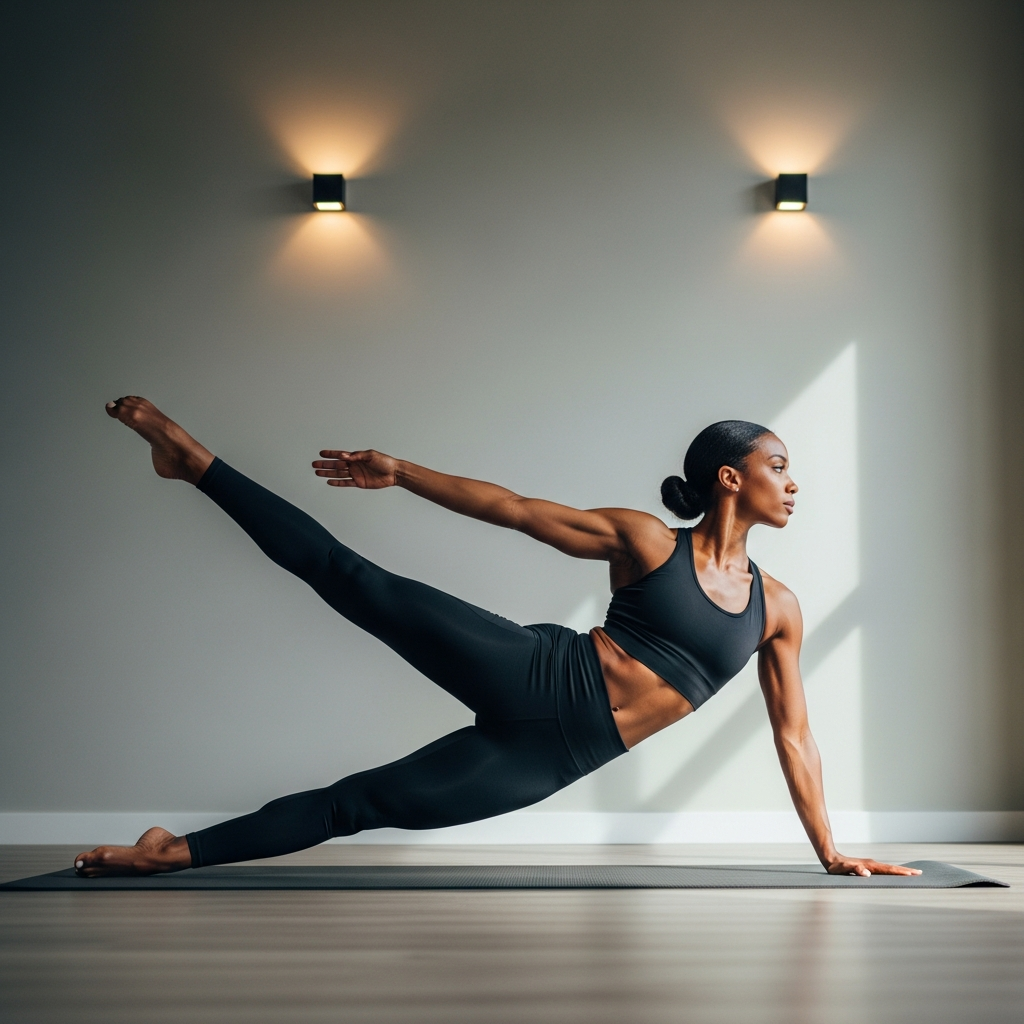
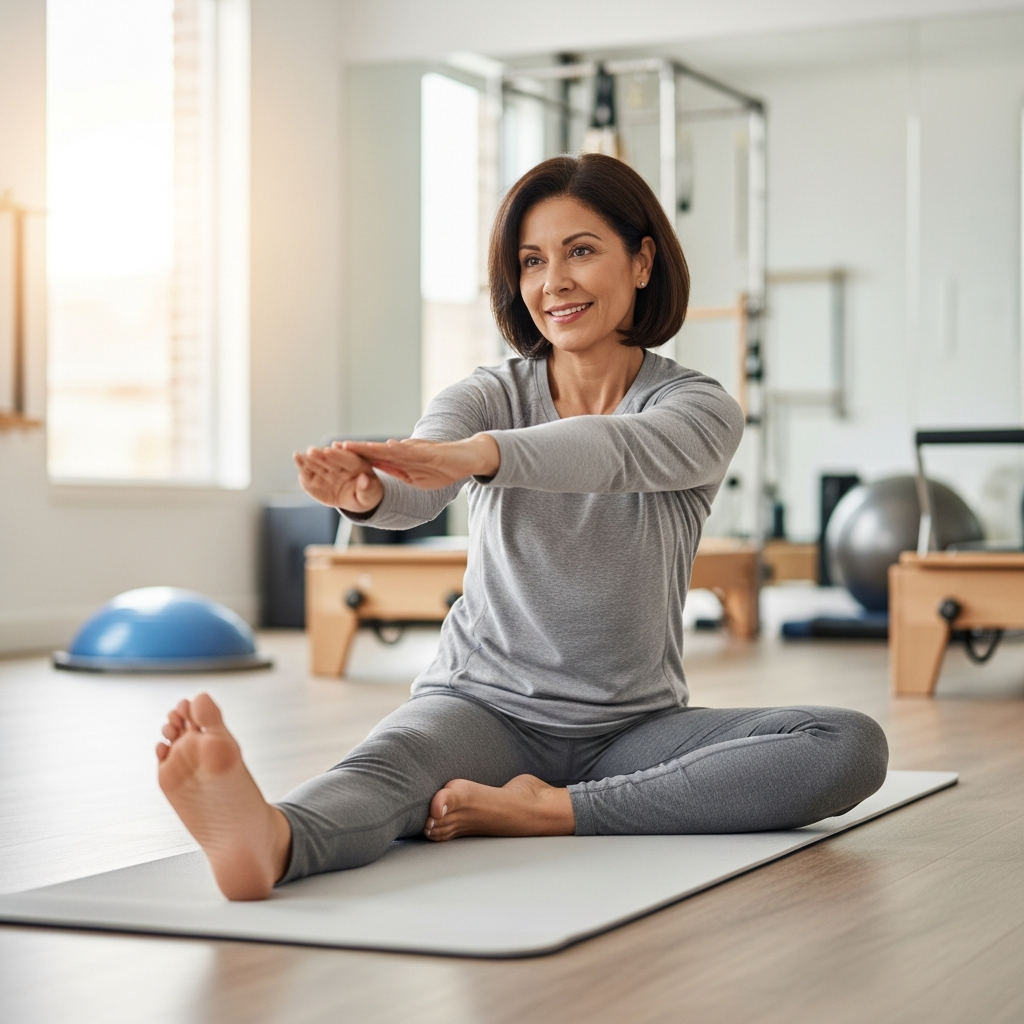
There are two main types of Pilates: mat Pilates and reformer Pilates. Mat Pilates is performed on the floor using a mat, which may be thicker than standard yoga mats to cushion pressure points. Mat Pilates exercises are performed in a seated or reclining position, focusing on body balance, core awareness, and flexibility. On the other hand, reformer Pilates involves a special machine that provides resistance with a series of springs and ropes. Reformer Pilates works on improving overall strength, flexibility, coordination, and balance.
In this blog post, we will delve deep into the benefits of both mat and reformer Pilates. We will discuss how these exercises can enhance your flexibility, improve your posture, increase your core strength and stability, contribute to weight loss, prevent injuries, alleviate back pain, reduce stress, and even improve your mental health. Each of these benefits will be discussed in detail, providing you with a deeper understanding of what you stand to gain from this remarkable form of exercise. We will also share tips on how to get started with Pilates and how to make the most of your practice.
Why does all this matter? It’s simple: understanding the benefits of Pilates can help you make an informed decision about whether or not to incorporate it into your fitness routine. Moreover, even if you’re already practicing Pilates, knowing its potential benefits can help you focus your workouts and gain more out of each session.
Whether you’re new to Pilates or have been practicing for years, this blog post will offer valuable insights into the profound impact this exercise can have on your body. So, are you ready to unlock the power of Pilates and discover what it can do for you? Stay tuned as we embark on this journey to explore the plethora of benefits that await you in the world of Pilates.
The Benefits of Pilates: A Comprehensive Insight
Background Section:
Pilates is a physical fitness system developed in the early 20th century by Joseph Pilates, an influential innovator in the realm of physical wellness. Today, it’s practiced worldwide and particularly in Western countries such as the United States, Canada, and the United Kingdom. Pilates is a low-impact exercise method that focuses on core strength, flexibility, and overall body awareness. It’s a comprehensive system of carefully controlled movements that are performed on specialized equipment or a mat.
At its core, Pilates is a unique fusion of body and mind, drawn from elements of yoga, ballet, and calisthenics. The primary aim is to improve posture, strengthen the core (which includes muscles of the abdomen, low back, and hips), and promote overall body flexibility. Its unique approach to exercise, mental focus, and body wellness makes it an essential part of any fitness regimen.
The philosophy of Pilates revolves around the principles of control, concentration, centering, precision, breath, and flow. These principles guide the practice and provide a framework for understanding its benefits.
Control refers to the notion that every movement originates from a central source of stability (the ‘powerhouse’ or core). This principle encourages practitioners to use their bodies in an efficient and balanced manner.
Concentration underlines the emphasis on being mindful during each exercise. The smallest movements require the deepest thought and precision for effective execution. The mind-body connection is crucial in Pilates as it enhances body awareness and coordination.
Centering is the concept that all energy for Pilates exercises begins from the body’s core and flows outward to the limbs. By focusing on keeping your core engaged during every movement, you can achieve better stability and control.
Precision is integral in Pilates; the goal is not to do a lot of repetitions but to perform a few with meticulous attention to form and detail. This element helps improve muscle function and joint stability, leading to better body alignment and posture.
Breath is another vital component of Pilates. Joseph Pilates advocated for full, intentional breaths during the exercises, often pairing specific movements with inhalation or exhalation. Proper breathing helps practitioners focus, energize their movements, and activate their core muscles.
Flow is the seamless transition from one exercise to the next, creating a smooth, continuous movement throughout the session. This fluidity adds a grace and efficiency to the movements that can enhance strength and flexibility.
The benefits of Pilates are manifold. Regular practice can lead to improved core strength and stability, increased muscle control and balance, enhanced flexibility, improved posture, and better coordination. In addition to these physical benefits, Pilates also offers mental benefits such as stress reduction and increased concentration.
Pilates is adaptable to many fitness levels and needs. Whether you’re an older adult just starting to exercise, an elite athlete, or somewhere in between, the foundations of Pilates movement apply to you. Building from core strength, focusing on proper alignment, and working toward a balanced body all make Pilates a go-to choice for people of all ages and fitness levels.
It’s important to note that while Pilates can significantly contribute to your overall wellness regime, it doesn’t replace the need for regular cardiovascular exercise or a healthy diet. Instead, it’s a component of a well-rounded fitness program.
In conclusion, Pilates is a versatile exercise method that offers numerous benefits for individuals of all fitness levels. Its focus on mindful movement, core strength, and overall body awareness makes it an excellent choice for those seeking a balanced approach to fitness that engages both the body and mind.
The Benefits of Pilates: Embrace the Power of Physical Well-being
Pilates has been in the spotlight for its remarkable influence on both physical and mental well-being. The method, invented by Joseph Pilates in the 1920s, combines elements of yoga, martial arts, and Western forms of exercise. Whether you’re practicing on a mat or on a reformer machine, Pilates offers a range of benefits that cater to everyone from athletes to seniors. Here are some specific scenarios and actionable advice to help you explore the wonders of this fitness regimen.
1. Improved Flexibility and Balance
One of the key benefits of Pilates is its ability to improve flexibility and balance, essential for everyone, especially as we age. Regular Pilates exercises stretch your muscles and increase your range of motion. For instance, the ‘Saw’ exercise in mat Pilates involves twisting your waist and stretching to touch the outside of your foot with your opposite hand. This not only works your obliques but also stretches your hamstrings.
Actionable Advice: Start with basic stretches and gradually increase the intensity as your flexibility improves. Aim for at least three sessions per week.
2. Increased Core Strength
Pilates focuses on strengthening your core – the powerhouse of your body. This includes your abs, lower back, hips, and glutes. Exercises like ‘The Hundred’ in mat Pilates or ‘Footwork’ series on a reformer machine engage these muscles, improving your overall strength and stability.
Actionable Advice: Incorporate a variety of Pilates exercises that work your core. Remember, consistency is key; try to practice these exercises at least three times per week.
3. Enhanced Mind-Body Connection
Pilates isn’t just about the physical; it also emphasizes mindfulness and breath control. This focus on the mind-body connection can improve mental clarity and reduce stress levels. For example, the ‘Pilates Breath’ involves deep, coordinated breathing while performing exercises, promoting relaxation and concentration.
Actionable Advice: While performing Pilates exercises, concentrate on your breath – inhale deeply through the nose and exhale fully through the mouth. Try to set aside at least 10 minutes each day for this mindful practice.
4. Posture Improvement
Poor posture can lead to a slew of health issues, including back pain and decreased lung capacity. Pilates helps correct poor posture by strengthening the muscles that support your spine. Exercises like ‘Spine Stretch Forward’ in mat Pilates or ‘Short Spine’ on a reformer machine can help lengthen and straighten your spine.
Actionable Advice: Pay attention to your form during each exercise, ensuring your spine remains in neutral alignment. Try to incorporate Pilates into your routine at least twice per week for noticeable improvement in posture.
5. Low Impact, High Results
Pilates is a low-impact form of exercise, making it suitable for people of all fitness levels and ages. It is especially beneficial for those recovering from injury or dealing with chronic joint issues. Reformer Pilates, with its sliding platform and adjustable springs, can provide a supportive environment to gently strengthen muscles without straining joints.
Actionable Advice: If you’re new to Pilates or recovering from an injury, consider starting with private sessions. A qualified instructor can tailor a program to suit your needs and monitor your progress closely.
In conclusion, Pilates is a versatile form of exercise with numerous benefits. Whether you choose mat or reformer Pilates, this regimen can improve flexibility, core strength, mental clarity, and posture while providing a low-impact workout. Remember, everyone’s body is unique, so what works for one person may not work for another. Always listen to your body and seek professional guidance when needed to maximize the benefits of your Pilates practice.
The Benefits of Pilates: Common Challenges, Solutions, and Expert Tips
Pilates is a mind-body workout that targets your core muscles while simultaneously promoting overall strength, flexibility, and balance. Whether practiced on a mat or a specially designed Pilates reformer machine, this exercise method offers remarkable benefits. However, it also presents its unique challenges. Here, we delve into the benefits of Pilates, common misconceptions, and best practices to optimize your Pilates routine.
The Benefits of Pilates
Pilates is indeed a multi-faceted discipline that brings about physical, mental, and emotional benefits. Physically, it enhances strength, flexibility, balance, and coordination, focusing significantly on core strength. Regular practice can lead to improved posture and alignment, increased muscle tone and endurance, and decreased risk of injuries.
On the mental level, Pilates encourages mindfulness and concentration. It requires focus on breath control, body movements, and alignment. This mindful movement practice can lead to enhanced mental clarity, stress reduction, and better sleep quality.
Despite its many advantages, Pilates isn’t without its challenges. Some people find it difficult initially due to its focus on precision and control. Others may struggle with the balance between strength and flexibility or find some movements difficult.
Common Misconceptions about Pilates
One common misconception about Pilates is that it’s a women-only exercise. In reality, Pilates was created by a man – Joseph Pilates – for everyone, irrespective of gender or age. Men can benefit from the strength training and core stability that Pilates offers.
Another misconception is that Pilates is easy or less intense than other workouts. This could not be further from the truth. Pilates workouts can be modified to suit beginners or ramped up to challenge even the most seasoned athletes.
A third misconception is that you need expensive equipment to do Pilates. While a reformer can add variety and intensity to your workout, mat Pilates can be just as effective and can be done anywhere with minimal equipment.
Common Challenges and Solutions in Pilates
A major challenge in Pilates is the emphasis on precision and control, often proving difficult for beginners. However, this can be addressed by starting slow, focusing on mastering the basic principles before progressing to more advanced exercises.
Another challenge is maintaining proper form during exercises, especially as fatigue sets in. This can be overcome by keeping sessions short initially, gradually increasing the length as strength and stamina improve.
One more challenge is the misconception that faster is better. In Pilates, slower, controlled movements are more effective in targeting muscles and promoting stability. To overcome this, focus on quality over quantity, paying close attention to the form and execution of each exercise.
Expert Tips for Practicing Pilates
Whether you’re a beginner or a seasoned practitioner, here are some expert tips to optimize your Pilates routine
1. Always Warm Up: Warming up prepares your body for exercise and reduces the risk of injury.
2. Focus on Form: Pilates is all about control and precision. Ensure you maintain proper form throughout each exercise.
3. Listen to Your Body: Don’t push yourself too hard too soon. If an exercise feels uncomfortable or painful, modify it or try a different one.
4. Regular Practice: Consistency is key in Pilates. Aim for at least two to three sessions per week.
5. Mix it Up: Incorporate both mat and reformer exercises into your routine to keep things interesting and challenge your body in different ways.
Pilates offers a holistic approach to fitness and wellness. However, like any other exercise regimen, it requires patience, dedication, and correct practice to reap its full benefits. By understanding its challenges, demystifying misconceptions, and following best practices, you can optimize your Pilates practice for maximum benefits.
Unveiling the Benefits of Pilates: Expectations, Timelines, and Next Steps
Pilates, a body conditioning routine that may help build flexibility, muscle strength, and endurance in the legs, abdominals, arms, hips, and back, has gained a considerable amount of attention in recent years. It puts emphasis on spinal and pelvic alignment, breathing, and developing a strong core or center, and improving coordination and balance. Pilates’ system allows for different exercises to be modified in range of difficulty from beginner to advanced. Intensity can be increased over time as the body conditions and adapts to the exercises.
What To Expect From Pilates
When you first embark on your Pilates journey, you can expect to experience improvements in several key areas. These include enhanced muscle tone and strength, particularly your core muscles – the powerhouse of your body. This is because Pilates involves precise moves and specific breathing techniques. It’s not about going for a sweaty run or lifting heavy weights. Instead, it’s about control and precision, with a strong emphasis on technique and correct movement.
Pilates also improves your balance and posture by focusing on your alignment. This can help to reduce the risk of injury and improve your overall athletic performance. Additionally, you might notice an increase in flexibility and joint mobility. This is because Pilates exercises promote lengthening of the muscles and increasing range of motion.
There are two main types of Pilates: mat Pilates and reformer Pilates. Mat Pilates is done on the floor using a yoga or Pilates mat and focuses on using your own body weight as resistance. On the other hand, reformer Pilates involves a special machine with a sliding carriage rigged with springs, bars, and straps. The resistance given by the pulley and spring system can provide a more challenging strength and endurance workout than mat Pilates.
Timelines
The timeline for seeing benefits from Pilates can vary based on individual fitness levels, frequency of sessions, and personal goals. However, a standard rule of thumb is that you may start to see physical changes in as little as six to eight weeks of consistent training. This is assuming that you’re participating in Pilates sessions or classes at least two to three times per week.
Remember that these are just guidelines. Some individuals may notice improvements earlier, while others may require more time. It’s all about progression and not perfection in Pilates.
Next Steps
If you’re ready to reap the benefits of Pilates, the next steps are to find a class or an instructor who can guide you through the exercises correctly. Whether you choose mat or reformer Pilates will depend on your personal preference, goals, and budget.
Before your first session, make sure to wear comfortable clothing that allows you to move freely. Do remember to bring along a towel and a water bottle to keep yourself hydrated throughout the session.
During the session, pay close attention to your instructor’s guidance on body alignment, breathing, and form. Don’t worry if you can’t perform the exercises perfectly right away; it’s more important to do them correctly than to do them quickly.
Finally, be patient with yourself. While Pilates is known for providing significant fitness benefits, these won’t happen overnight. Continue practicing regularly and consistently, and over time, you’ll start to see and feel the difference.
In conclusion, the benefits of Pilates – improved strength, flexibility, balance, and posture – can be enjoyed by individuals of all fitness levels. So don’t hesitate; start exploring this incredible exercise system today!
In conclusion, Pilates is a comprehensive exercise regimen that offers a unique combination of strength, flexibility, and mindful awareness that can benefit individuals of all ages and levels of fitness. This low-impact form of exercise is not only safe and effective but also widely recognized for its numerous physical and mental benefits.
One of the most significant benefits of Pilates is improved physical fitness. Regular practice can lead to increased muscle strength, particularly in the core area, resulting in better posture and alignment. Pilates also enhances flexibility and balance, both vital components to maintaining overall body health. People who regularly participate in Pilates exercises often report improved joint mobility and decreased pain and stiffness.
Beyond physical benefits, Pilates also offers considerable mental benefits. Its focus on breath control and mindful movement encourages a sense of calm and increased focus. This can lead to reduced levels of stress and anxiety, better sleep quality, and an overall enhanced sense of wellbeing.
What sets Pilates apart from other forms of exercise is its adaptability. Whether you are an athlete looking to enhance your performance, a senior seeking to maintain mobility, or someone recovering from injury or illness, Pilates can be adapted to suit your individual needs and capabilities. It’s a form of exercise that grows with you, allowing for progression and challenge as your strength and flexibility improve.
Moreover, incorporating Pilates into your routine doesn’t require a significant time commitment or special equipment. Many exercises can be performed at home with minimal space, making it an accessible option for those with busy lifestyles. Of course, attending classes or sessions with a certified instructor will provide additional benefits such as personalized guidance and correction.
In summary, Pilates is a holistic approach to fitness that not only strengthens the body but also fosters a sense of mental clarity and calmness. Whether you’re looking to improve your physical health or seeking a mindful way to manage stress, Pilates offers an adaptable, accessible solution that can be tailored to your unique needs and goals.
However, as with any new fitness regimen, it’s essential to consult with a healthcare professional before starting Pilates, especially if you have any pre-existing health conditions.
We hope this overview has shed some light on the manifold benefits of Pilates and has inspired you to consider incorporating this dynamic exercise system into your lifestyle. As experts in Pilates instruction, we are here to guide you on your journey to improved health and fitness.
We invite you to reach out to us for further information or assistance in starting your Pilates journey. Our team of certified instructors is ready and eager to help you explore the benefits of Pilates and develop a practice that is uniquely suited to your individual needs and goals. Whether you’re just starting out or looking to deepen your existing practice, we’re here to provide the support and guidance you need.
Remember, the first step is always the most important one. So why wait? Contact us today and take the first step towards a healthier, more balanced life through the power of Pilates.