The Path to Becoming a Pilates Instructor: Unraveling the Qualifications and Certifications You Need
Are you passionate about Pilates and aspire to help others harness the transformative power of this holistic fitness system? If you are captivated by the idea of combining your love for fitness with a rewarding career, then becoming a Pilates instructor could be your ideal professional path. However, navigating the journey to becoming a Pilates instructor can be daunting. What qualifications do you need? What does the certification process entail? And how do you select the right training program for your unique goals? Don’t worry, we have got you covered.
Pilates, a comprehensive exercise regimen that fortifies the body and mind, has enjoyed exponential popularity since its inception by Joseph Pilates in the early 20th century. It’s a form of exercise that harmonizes strength training, flexibility, and mindfulness — making it a preferred choice for individuals who seek a balanced approach to fitness. With the surging interest in Pilates comes an increased demand for qualified instructors. Whether you’re interested in teaching mat Pilates classes at your local gym, opening your own Pilates studio, or even offering online classes, it’s essential to have the right qualifications.
In this article, we aim to demystify the process of becoming a Pilates instructor. We’ll guide you through the necessary qualifications required, delve into the intricacies of certification programs, and provide tips on choosing the right course to align with your professional aspirations. Furthermore, we’ll explore the importance of understanding the principles of Pilates and how continuous education can help you stay updated with industry trends and advancements.
Understanding the qualifications needed to become a Pilates instructor is crucial for several reasons. Firstly, it ensures that you’re equipped with the appropriate skills and knowledge to teach safely and effectively. Instructing Pilates isn’t merely demonstrating exercises; it requires a deep understanding of human anatomy, movement principles, and the ability to modify routines to cater to different bodies and fitness levels.
Secondly, having the correct qualifications increases your credibility as an instructor. In a market teeming with fitness professionals, credentials matter. They distinguish you as a trusted expert in your field and can significantly influence your employment opportunities and earning potential.
Lastly, the journey to becoming a Pilates instructor is a considerable investment of time, effort, and finances. Understanding what qualifications are needed can help you make informed decisions about your professional development and ensure that your investment yields the best possible returns.
Whether you’re just starting your journey in the Pilates world or you’re a seasoned practitioner ready to take the next step, this comprehensive guide is for you. We’ve designed it to provide you with a clear roadmap of the qualifications needed to be a Pilates instructor, helping you turn your passion into a fulfilling career. So, get ready to dive deep into the world of Pilates instruction and take the first step towards your new professional journey.
What Qualifications Do I Need to Be a Pilates Instructor?
Background
The world of physical fitness is vast and diverse, with one of its most enduring practices being Pilates. Invented in the early 20th century by German fitness enthusiast Joseph Pilates, this discipline focuses on strengthening the mind-body connection, enhancing flexibility, and improving overall body strength – particularly in the core. Today, Pilates is a global phenomenon, enjoyed by millions for its unique blend of physical conditioning and stress reduction. As the popularity of Pilates continues to surge, so does the demand for qualified instructors.
Becoming a fully qualified Pilates instructor involves a combination of formal education, practical training, and certification. However, before delving into the specifics of the qualifications needed, it’s essential to understand the core principles that underpin Pilates.
Pilates Principles
Joseph Pilates based his exercise system on six key principles: Centering, Concentration, Control, Precision, Breath, and Flow. These principles are not only the foundation for the exercises but are also integral to the philosophy of Pilates as a holistic approach to wellness.
1. Centering: This principle involves focusing on the body’s core – often referred to as the ‘powerhouse’ in Pilates – which includes the abdomen, lower back, hips, and buttocks. All Pilates exercises emanate from the powerhouse, promoting symmetry and balance.
2. Concentration: Pilates requires the practitioner to be fully engaged mentally as well as physically. It’s not about mindless repetition but rather about being in tune with one’s body and movements.
3. Control: Every move in Pilates should be performed with control to ensure correct form and prevent injury. This principle also helps to strengthen the mind-body connection.
4. Precision: In Pilates, quality trumps quantity. It’s not about how many repetitions you can do, but how accurately you can execute each move.
5. Breath: Proper breathing is essential in Pilates. Joseph Pilates believed that deep, controlled breathing could help cleanse the body and invigorate the mind.
6. Flow: Lastly, Pilates exercises should flow smoothly from one to the next, promoting gracefulness and efficiency in movement.
Understanding and embodying these principles is a crucial first step for anyone aspiring to be a Pilates instructor.
Qualifications Needed
Now, let’s delve into the qualifications necessary to become a Pilates instructor. There are three key qualification pillars you need to consider: Education, Experience, and Certification.
1. Education: While there are no strict educational requirements for becoming a Pilates instructor, having a background in health, fitness, anatomy, or physiology can be incredibly beneficial. Some Pilates instructor training programs may even require a basic understanding of these areas as a prerequisite for admission.
2. Experience: Practicing Pilates regularly and mastering the techniques and principles is an integral part of becoming an instructor. The more experience you have as a practitioner, the better you’ll be able to guide others on their Pilates journey.
3. Certification: This is the most formalized qualification for becoming a Pilates instructor. There are many different certification programs available, from foundational mat certifications to comprehensive programs that cover all apparatuses and advanced techniques. Most programs will require a combination of coursework, practical training, and a final exam to earn certification. It’s essential to choose a program that’s accredited by a reputable fitness or Pilates association to ensure your certification will be recognized.
In conclusion, becoming a qualified Pilates instructor requires a deep understanding of the practice’s underlying principles, significant practical experience, and formal certification. These qualifications ensure that you can safely and effectively guide others in this transformative practice. Embarking on this journey requires commitment and passion, but the rewards – both personal and professional – can be immensely fulfilling.
Qualifications Required to Become a Pilates Instructor
Becoming a Pilates instructor can be a rewarding career path for fitness enthusiasts, personal trainers, or anyone passionate about health and wellness. However, it requires a certain level of expertise, patience, and dedication. Here are detailed steps and qualifications you need to be a qualified Pilates instructor.
1. Passion for Pilates: As with any career, passion is the first prerequisite. Having a genuine interest in Pilates itself will keep you motivated during your learning journey and later on when teaching your own classes.
2. Regular Pilates Practitioner: It’s helpful to have been a regular participant in Pilates classes before deciding to become an instructor. This hands-on experience will give you an understanding of how classes are structured, how instructors interact with students, and what techniques are most effective.
3. Comprehensive Pilates Training Program: The key to becoming a great Pilates instructor is a comprehensive training program. These programs typically cover both mat and apparatus exercises and delve into the theory behind Joseph Pilates’ method. Look for programs that offer at least 450 hours of instruction, practice, observation, and apprenticeship.
For instance, the Pilates Method Alliance (PMA) certified program provides a comprehensive curriculum that includes both practical training and theoretical knowledge. While not all employers require PMA certification, it can give you a competitive edge.
4. Anatomy and Physiology Knowledge: A strong understanding of human anatomy and physiology is crucial for Pilates instructors. Many training programs include these subjects in their curriculum, but if yours doesn’t, consider enrolling in a separate course. This knowledge will allow you to understand how different exercises affect the body and help you to prevent injuries in your students.
5. Teaching Skills: Being an effective instructor is about more than just knowing the movements. You’ll also need to be able to communicate clearly with students, adjust your teaching style to different learning styles, and provide constructive feedback. Some of this will come with experience, but your training program should also help you develop these skills.
6. First Aid and CPR Certification: In many regions, it’s compulsory for fitness instructors to have a current first aid and CPR certification. This ensures you’re prepared in case of any medical emergency that might occur during a class.
7. Obtain Insurance: Professional liability insurance is crucial for all fitness instructors, including those teaching Pilates. It protects you against potential lawsuits from students who may get injured during your class.
8. Continuing Education: The field of Pilates is continuously evolving, and it’s important to stay updated with the latest research, techniques, and teaching methods. Many certified programs require ongoing professional development to maintain your certification.
For example, let’s say you’re interested in specializing in Mat Pilates. In this scenario, after your initial training, you might choose to attend workshops or additional courses specifically focusing on advanced mat techniques or modifications for special populations, such as pregnant women or seniors.
9. Real-world Experience: Start gaining experience by offering free classes to friends or volunteering at a local studio. Once you’re comfortable, you can start charging for classes or apply for a job at a Pilates studio.
In conclusion, becoming a certified Pilates instructor requires a combination of passion, knowledge, practical training, and teaching skills. It’s a journey that demands dedication and commitment but ultimately leads to a rewarding career in the health and wellness industry. Through this role, you can inspire others to lead healthier lives while also staying fit and active yourself.
The Path to Becoming a Pilates Instructor: Qualifications, Challenges, and Expert Tips
As Pilates continues to grow in popularity for its varied benefits such as core strengthening, flexibility enhancement, and injury prevention, more individuals are drawn towards becoming a Pilates instructor. However, journeying into the world of Pilates instruction is not without its challenges. It requires a particular set of qualifications and a significant commitment to learning and practice. In this article, we will explore the common challenges, solutions, and expert tips for those interested in becoming a Pilates instructor.
**Educational Requirements and Qualifications**
The first step to becoming a Pilates instructor is understanding the educational requirements. While it’s not mandatory to have a bachelor’s degree in physical education or related fields, having one can be beneficial. The most crucial qualification is completing a comprehensive Pilates instructor training program that is nationally or internationally recognized. This program should cover both mat and apparatus Pilates exercises.
There are various Pilates certification programs available, but it’s essential to select one accredited by reputable organizations such as the Pilates Method Alliance (PMA). A comprehensive program typically includes 450-500 hours of training, including instruction in anatomy, physiology, teaching methodology, and supervised teaching.
**Common Challenges and Solutions**
One common challenge aspiring instructors face is the financial investment required for certification. Comprehensive Pilates programs can cost several thousand dollars. However, many training centers offer payment plans, scholarships, or work-study programs. It’s also worth noting that this financial investment often leads to a rewarding career with good income potential.
Another challenge is the time commitment required for comprehensive training. Between coursework, observation hours, practice teaching, and self-practice, qualifying as a Pilates instructor can take several months to over a year. It’s important to schedule your time effectively and remember that this investment of time will ensure you become a well-rounded, competent instructor.
Misconceptions about Pilates can pose another challenge. Some people think that Pilates is only for women or that it’s easy and doesn’t require much strength or effort. As an instructor, part of your role is to educate people about the benefits of Pilates for everyone, regardless of gender, age, or fitness level. It’s essential to stress that Pilates can be as challenging as you make it, with modifications available for beginners through to advanced levels.
**Expert Tips**
1. **Choose the Right Program**: Ensure you select a certification program that aligns with your career goals. If you wish to teach mat Pilates in a gym setting, a mat certification may suffice. However, if you plan to work in a dedicated Pilates studio or offer comprehensive Pilates training, consider a comprehensive certification.
2. **Continuous Learning**: Becoming a Pilates instructor is a journey, not a destination. Even after certification, continue learning through workshops, advanced training courses, and conferences. This will not only deepen your understanding of Pilates but also keep your teaching methods fresh and innovative.
3. **Mentorship**: Seek guidance from experienced instructors. A mentor can provide valuable insights into teaching techniques, business management, and client relationships.
4. **Practice**: Practice what you preach. Regularly performing Pilates will not only keep you fit but also help you understand the exercises better. This will enhance your ability to explain and demonstrate them to your clients.
5. **Patience**: Remember that becoming an effective Pilates instructor takes time and patience. You might not have a full class schedule straight away, and that’s okay. Be patient, keep improving your skills, and your clientele will grow over time.
In conclusion, becoming a Pilates instructor requires more than just a love for the exercise form. It involves a significant commitment of time, energy, and resources. However, with the right qualifications, continuous learning, and a positive mindset, you can overcome challenges and enjoy a rewarding career in this dynamic field of fitness.
Aspiring to be a Pilates instructor is a rewarding career choice that not only enhances your fitness knowledge and expertise but also allows you to help others improve their health and wellness. Here, we’ll guide you through the qualifications, timelines, and next steps involved in becoming a qualified Pilates instructor.
To begin with, it’s important to know that a high school diploma or equivalent is typically the minimum educational requirement to start a career as a Pilates instructor. However, being successfully employed and considered reputable in this field entails more specialized training, certification, and experience.
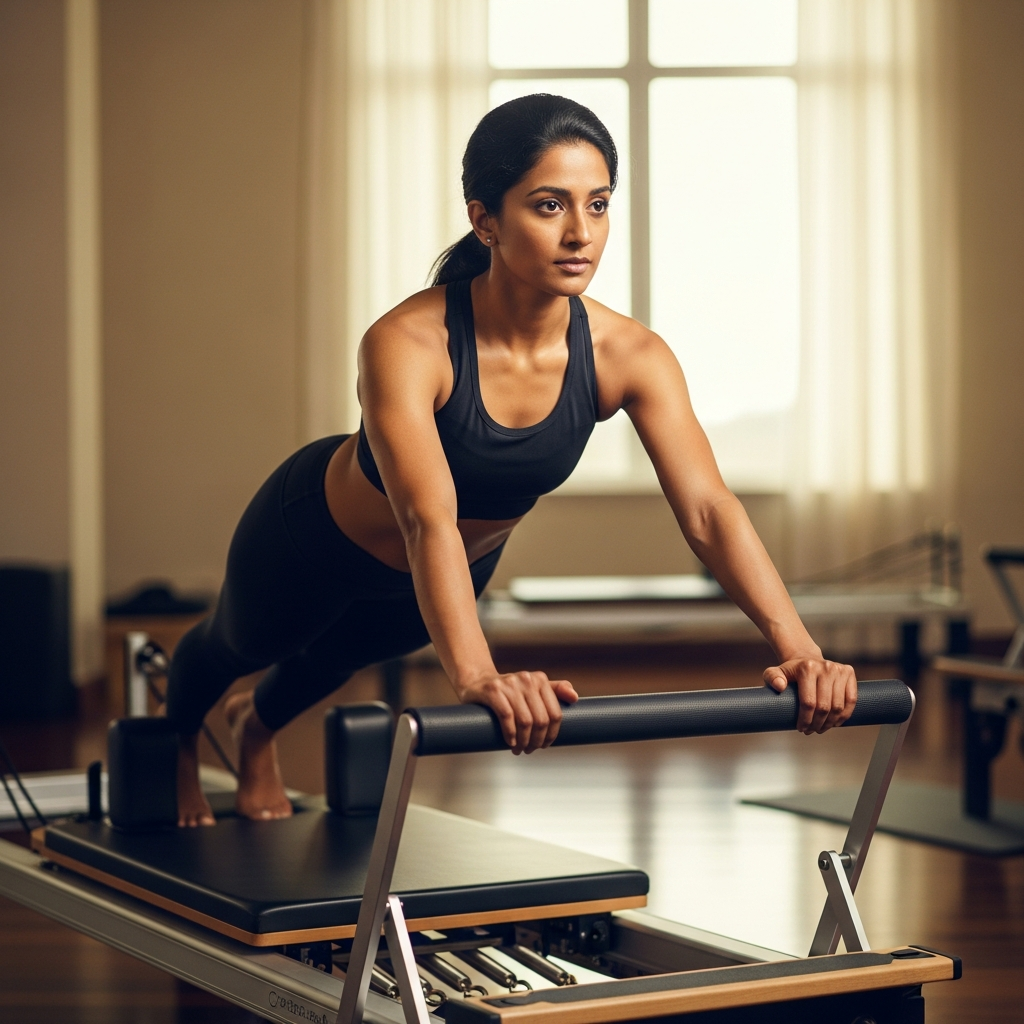
Firstly, the most foundational qualification for becoming a Pilates instructor is obtaining a Pilates certification. These certifications are offered through several accredited organizations, including the Pilates Method Alliance (PMA) and Balanced Body. To acquire a comprehensive understanding of Pilates, you should consider certification programs that cover all Pilates apparatus, including the reformer, Cadillac, chair, and mat work.
The duration of these programs varies but typically requires between 300-500 hours of training. This includes both theoretical coursework and practical hands-on training. The coursework often includes anatomy, exercise physiology, and the history and principles of Pilates. The practical part involves supervised teaching where you learn how to design and conduct Pilates classes effectively. This immersive training allows for a thorough understanding of Pilates exercises and how they impact different body types.
Upon completion of the required hours of training, you will need to pass a written and practical exam to obtain your certification. The written exam typically covers theoretical knowledge, while the practical exam evaluates your ability to teach a Pilates class.
Secondly, while not always required, it’s highly recommended to gain some experience before teaching. This can be done by observing classes, assisting in classes or even teaching under the supervision of an experienced instructor. This hands-on experience provides valuable insights into class management, client interaction, and handling of potential issues that may arise during a class.
In addition to certification and experience, another key aspect of becoming a successful Pilates instructor is continuing education. The field of fitness and wellness is continually evolving, so it’s crucial to stay updated with the latest research, techniques, and trends. Many certifying organizations offer continuing education courses that can be taken after initial certification. These courses not only help in maintaining your certification but also enable you to specialize in areas such as Mat Pilates, Reformer Pilates, or Pilates for special populations like seniors or pre/postnatal clients.
Lastly, securing a job as a Pilates instructor involves building a strong resume that highlights your certification, special skills, and experience. You may choose to work at a fitness center, Pilates studio, rehabilitation center, or even start your own Pilates classes.
To summarize, becoming a Pilates instructor involves several steps: obtaining a high school diploma or equivalent, completing a comprehensive Pilates certification program, gaining practical experience, continuing education, and finally applying for jobs in the field. The entire process can take anywhere from a few months to a couple of years depending on the time you invest in training and gathering experience.
Remember, being a Pilates instructor is not just about teaching exercises; it’s about promoting a holistic lifestyle of wellness. Therefore, possessing good communication skills, patience, empathy, and a genuine passion for health and fitness will significantly enhance your effectiveness and success in this profession.
In conclusion, the journey to becoming a certified Pilates instructor is one that requires dedication, time, effort, and a genuine passion for fitness and wellness. It’s not merely about knowing the physical movements and sequences of Pilates. Instead, it’s about understanding the underlying principles that power this form of exercise, being able to teach them effectively and safely to a wide range of individuals, and continuously learning and growing as a fitness professional.
To recap, there are several key qualifications you will need on this journey. Firstly, you’ll need to have a high school diploma or GED equivalent. This is the bare minimum in terms of education that most Pilates instructor training programs will require.
Next, you’ll need to complete a comprehensive Pilates instructor training program, which typically includes 450-500 hours of training spread over several months. This program should cover the full spectrum of Pilates exercises, principles, teaching methods, anatomy, physiology, and more. It’s crucial to choose a program that is accredited by a recognized body such as the Pilates Method Alliance (PMA) or the National Pilates Certification Program (NPCP).
In addition to completing your training program, you’ll also need to pass a certification exam to become a fully certified Pilates instructor. This exam will test your knowledge and understanding of Pilates principles, exercises, teaching methods, and more. It’s also worth noting that many employers prefer instructors who are certified by recognized bodies like the PMA or NPCP.
Moreover, you’ll need to gain some practical experience. This can be through teaching practice sessions as part of your training program or by shadowing and assisting experienced instructors. The more experience you have, the better prepared you’ll be to teach your classes effectively.
Lastly, to truly stand out as a Pilates instructor, consider specializing in a specific area of Pilates or working with certain populations. There are further certifications available in these areas, such as pre and postnatal Pilates, Pilates for older adults, and Pilates for athletes. These can add value to your teaching and open up a wider range of teaching opportunities.
Remember that becoming a Pilates instructor is not a one-time event but an ongoing journey. To maintain your certification, you’ll need to complete continuing education courses regularly. This is a chance to keep learning and growing, to stay updated with the latest research and trends in Pilates, and to continue enhancing your teaching skills.
Becoming a Pilates instructor is a rewarding career path that allows you to help others achieve their fitness goals while doing something you love. Yes, it requires hard work and dedication, but the results are well worth the investment.
If you are ready to embark on this exciting journey, or if you have any questions or need further guidance, don’t hesitate to contact us. We offer a comprehensive Pilates instructor training program that is recognized by the PMA and NPCP, and we’re here to support you every step of the way. Let us help you turn your passion for Pilates into a rewarding career. Contact us today to get started!