Looking for Pilates Classes Close to Pleasant Grove? Here’s What to Know
You know that moment when you’re scrolling through fitness class schedules at 11 PM, squinting at your phone screen, trying to figure out if “reformer fundamentals” is code for “prepare to discover muscles you didn’t know existed”? Yeah… we’ve all been there.
Maybe you’ve been thinking about Pilates for months now. Your friend Sarah won’t stop raving about how it’s changed her back pain, your doctor mentioned something about core strength during your last visit, or perhaps you caught a glimpse of yourself in a store window and thought, “When did my posture start resembling a question mark?”
Here’s the thing about living in Pleasant Grove – we’re blessed with this amazing community feel, but sometimes that means fewer fitness options than you’d find in, say, downtown Salt Lake City. You’re not exactly spoiled for choice when it comes to specialized classes. So when you finally decide you’re ready to try something new (and let’s be honest, maybe finally do something about that lower back that’s been staging a revolt), you want to make sure you’re choosing wisely.
The whole Pilates thing can feel a bit… intimidating, can’t it? I mean, you’ve seen those Instagram videos of impossibly flexible people contorting themselves on strange-looking equipment that resembles medieval torture devices. Or maybe you’ve heard it’s “just stretching” and wondered if it’s really worth your time and money. Spoiler alert: it’s neither as scary as it looks nor as simple as some people claim.
But here’s what really matters – and this is something I’ve learned from working with countless people who were exactly where you are right now – the right Pilates class can be absolutely transformative. Not in some mystical, crystals-and-essential-oils way, but in a very real, “wow, I can actually touch my toes again” and “my jeans fit better” kind of way. It’s one of those rare forms of exercise that somehow manages to be both gentle enough for beginners and challenging enough to keep you engaged for years.
The tricky part? Finding the right fit. Because not all Pilates classes are created equal, and definitely not all instructors understand what it’s like to be someone who hasn’t exercised regularly since… well, let’s not put a date on it. Some classes feel like boot camp in disguise, others move so slowly you wonder if you’re actually burning any calories, and then there are those where everyone else seems to speak fluent Pilates while you’re still trying to figure out what a “neutral spine” is supposed to feel like.
Living in Pleasant Grove gives you some unique advantages, though. You’re close enough to tap into the broader Salt Lake area’s fitness scene, but you’re also in a community where instructors tend to really know their students. Where else can you find a fitness class where the teacher remembers that your left shoulder acts up and automatically offers modifications?
That said, you’ve got decisions to make. Mat classes versus reformer sessions. Group classes or semi-private instruction. Morning slots that’ll have you up before the sun, or evening classes that compete with dinner prep and kids’ homework time. Studios that feel more like spas, and others that remind you of your high school gym… but in a good way.
And let’s talk about what you’re really wondering about – will this actually help with your specific goals? Whether that’s strengthening your core after having kids, improving your posture from too many hours hunched over a computer, or just finding a form of exercise that doesn’t make you dread working out. The short answer is probably yes, but the longer answer involves understanding what to look for and, more importantly, what questions to ask.
Over the next few minutes, we’re going to walk through everything you need to know about finding the right Pilates class in and around Pleasant Grove. We’ll cover the different types of classes (and trust me, there are more options than you might think), what to expect in your first session, how to spot a great instructor, and those practical details like pricing and scheduling that can make or break your fitness routine.
Because here’s the thing – you’re already here, reading this, which means you’re ready to make a change. Now let’s make sure you make the right one.
What Exactly Is Pilates, Anyway?
You know how everyone talks about Pilates like it’s this magical cure-all? Well… it kind of is, but probably not in the way you’re thinking. Pilates isn’t just fancy stretching or “yoga for people who can’t sit still” (though I’ve definitely heard that one before).
Think of Pilates like learning to drive a really well-engineered car. At first, you’re focused on all the controls – where’s the brake, how do I adjust the mirrors, why is this turn signal clicking so loudly? But once you get the hang of it, everything works together smoothly. That’s your core and the rest of your body in Pilates.
Joseph Pilates – yes, that was his actual last name, which seems almost too convenient – developed this method back in the 1920s. He called it “Contrology” originally, which honestly sounds way more intimidating than it needs to. The guy was obsessed with the idea that your mind and body should work as one unit, not like two roommates who barely talk to each other.
The Core Truth (Pun Intended)
Here’s where things get a bit counterintuitive. When most people think “core,” they picture six-pack abs and those brutal crunches from high school gym class. But your core in Pilates? It’s more like the foundation of a house – it includes everything from your diaphragm at the top to your pelvic floor at the bottom, plus all the deep muscles that wrap around your spine like a natural back brace.
Pilates folks call this your “powerhouse,” and honestly, that name makes way more sense. It’s not just about looking good in a crop top (though that might be a nice side effect). It’s about creating stability so the rest of your body can move efficiently. Like having a really solid internet connection – everything else just works better.
Mat Work vs. Equipment Classes
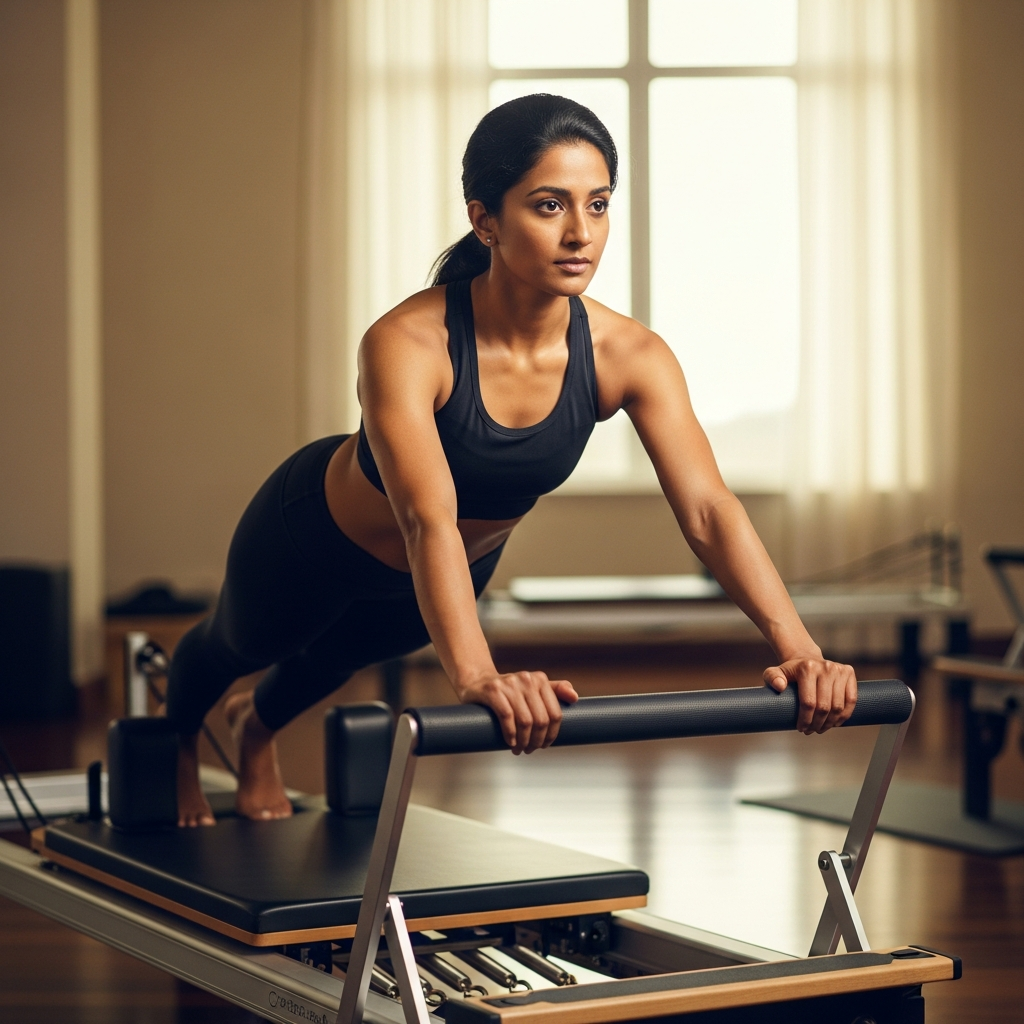
This is where people get confused, and I don’t blame them. Walk into any Pilates studio and you’ll see what looks like medieval torture devices mixed with playground equipment. Those contraptions – the Reformer, the Cadillac, the Chair – they’re not meant to intimidate you (well, maybe a little).
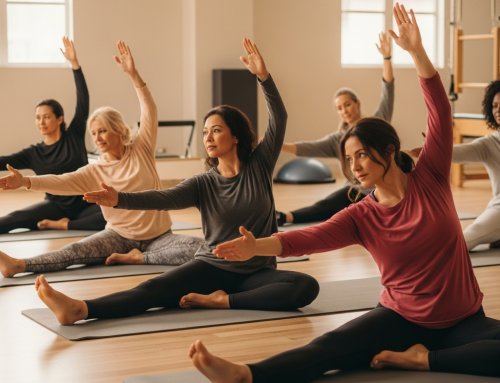
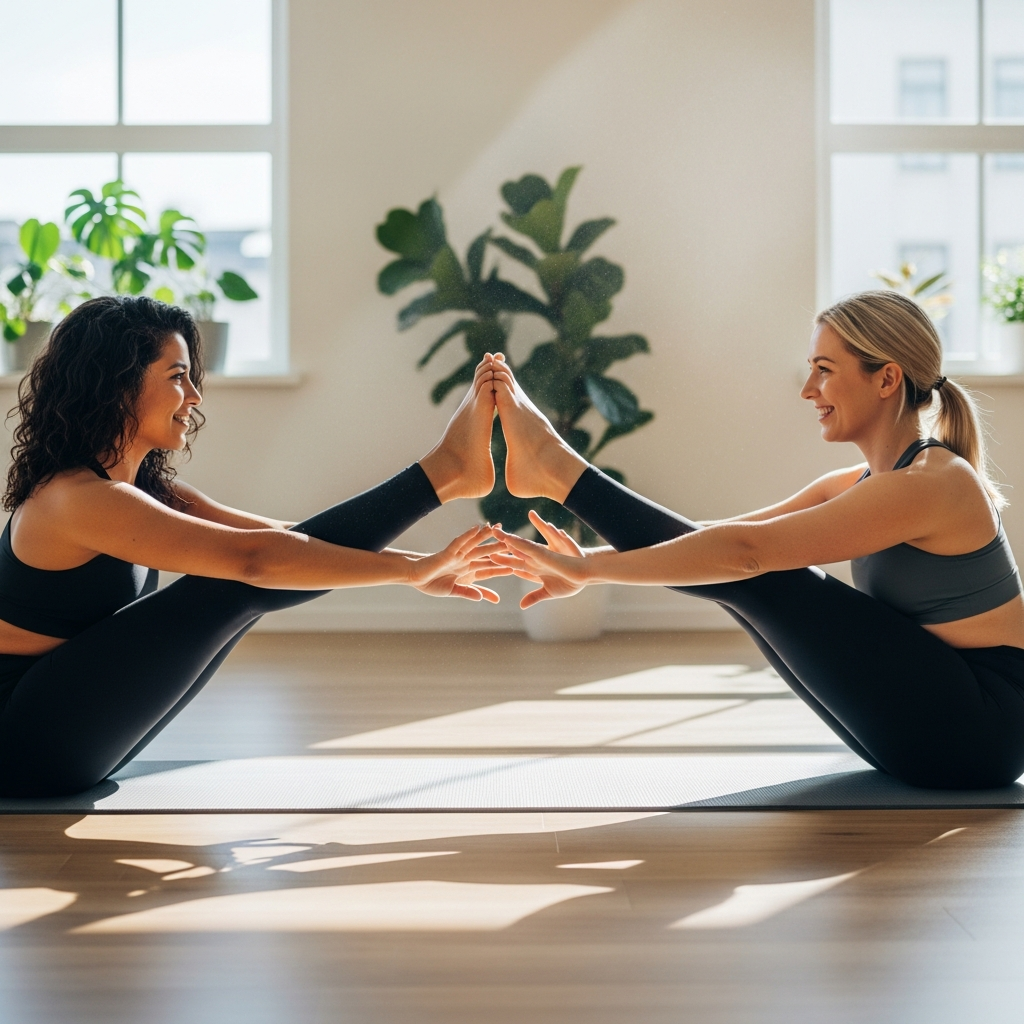
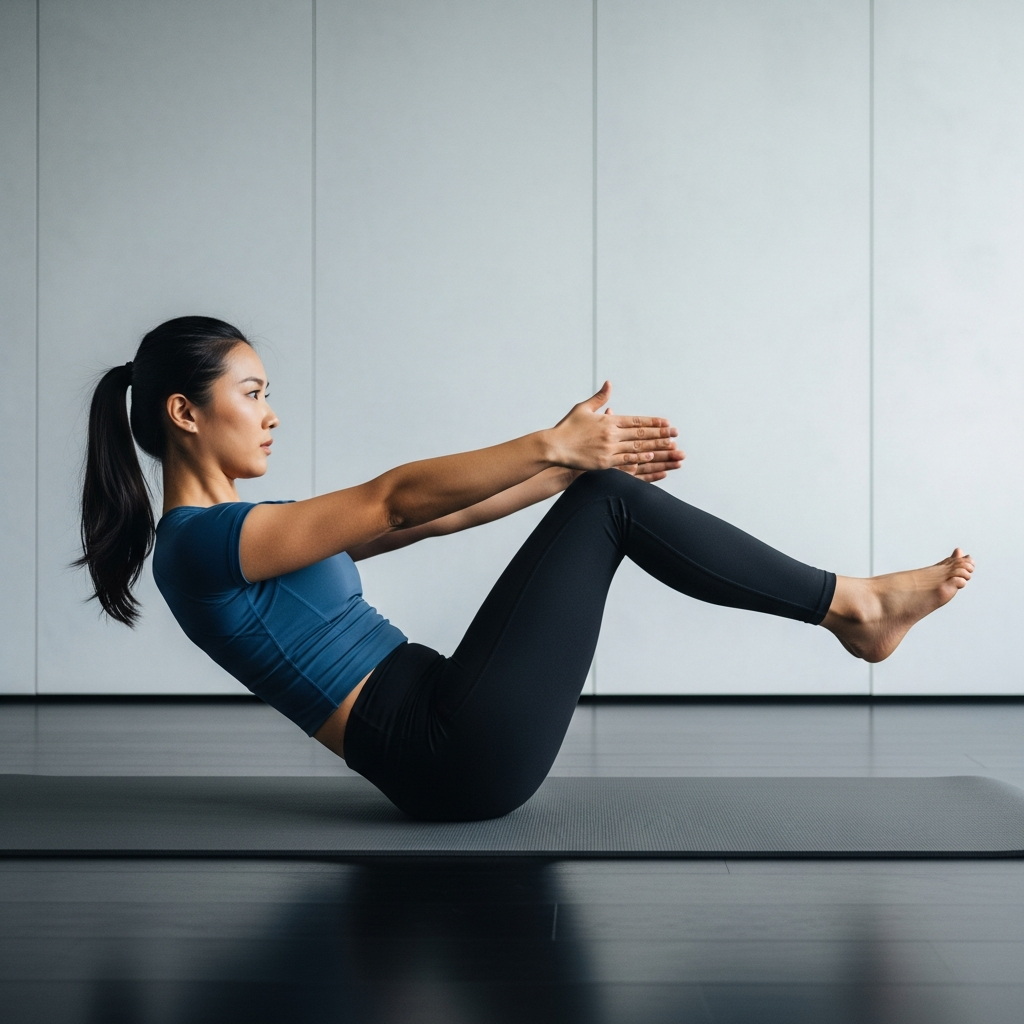
Mat classes are exactly what they sound like – you, a mat, and gravity doing most of the work. It’s deceptively challenging because you don’t have springs and pulleys helping or resisting your movements. Your body has to figure it out on its own, which can be humbling… ask me how I know.
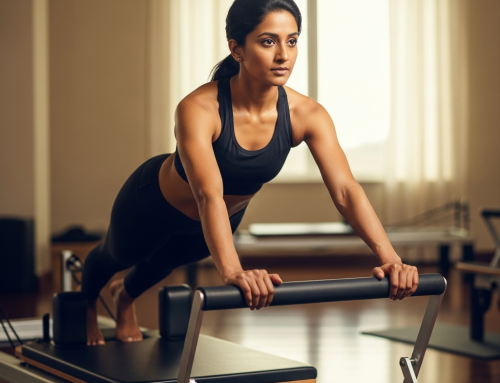
Equipment classes use those intimidating-looking machines, but here’s the thing – they’re actually designed to help you. The springs provide resistance that can make exercises easier OR harder, depending on how they’re set up. It’s like having a really good workout buddy who knows exactly when to give you a boost and when to make you work harder.
The Mind-Body Connection Everyone Talks About
Look, I used to roll my eyes at this phrase too. “Mind-body connection” sounds like something you’d hear at a wellness retreat where everyone wears white linen and speaks in whispers. But there’s actually something to it, especially if you’re dealing with weight management.
In Pilates, you can’t just zone out and go through the motions like you might on a treadmill. Every movement requires focus, control, and precision. You’re constantly thinking about your alignment, your breathing, which muscles are working… it’s like meditation, but you’re also getting stronger.
This focus carries over into other areas – including how you think about food, movement throughout your day, even how you handle stress. When you’re more aware of your body, you tend to make better choices for it. Not because someone told you to, but because you actually feel the difference.
Why Your Doctor Might Recommend It
Here’s something interesting – Pilates has serious street cred in the medical world. Physical therapists love it because it’s low-impact but highly effective for building strength and improving posture. The controlled movements and emphasis on proper alignment make it safer than many other exercise forms, especially if you’re dealing with joint issues or past injuries.
For weight management specifically, Pilates works on multiple levels. Yes, you’re burning calories, but you’re also building lean muscle mass, improving your posture (hello, instantly looking 10 pounds lighter), and developing better body awareness. It’s like compound interest for your fitness – the benefits build on each other over time.
Vetting Instructors – The Red Flags Nobody Talks About
Here’s what most people don’t realize when they’re studio shopping: that bubbly instructor leading the intro class might not actually be qualified to help you avoid injury. I know, I know – she seems so enthusiastic! But enthusiasm doesn’t equal expertise.
Look for instructors with comprehensive certification from recognized programs like BASI, Romana’s Pilates, or Power Pilates. These aren’t weekend workshop certificates – we’re talking 600+ hours of training. And here’s the thing… a good instructor will actually ask about your health history before your first class. If someone just waves you in without asking about back problems or recent surgeries, that’s a massive red flag.
Watch how they handle modifications too. The best instructors I’ve worked with don’t just demonstrate the “easy version” – they explain *why* you might need it and how it still benefits your body. That kind of knowledge? It comes from real training, not YouTube tutorials.
The Equipment Quality Test (It’s Easier Than You Think)
You don’t need to be a Pilates equipment expert to spot quality gear – though the studios definitely hope you won’t notice the difference. Here’s my quick assessment trick: sit on a reformer and check if the carriage glides smoothly. Jerky movement means worn springs or poor maintenance, and that affects your workout quality (not to mention safety).
The straps should feel secure in your hands, not frayed or stretched out. And those foam pads? They should actually provide cushioning, not feel like you’re lying on a pancake. I’ve seen too many people develop wrist pain from studios that skimp on equipment maintenance.
Pro tip: peek into their storage areas if possible. Well-maintained studios keep their props organized and clean. If the foam rollers look like they’ve been through a blender… maybe keep looking.
Class Size Mathematics – Why Smaller Isn’t Always Better
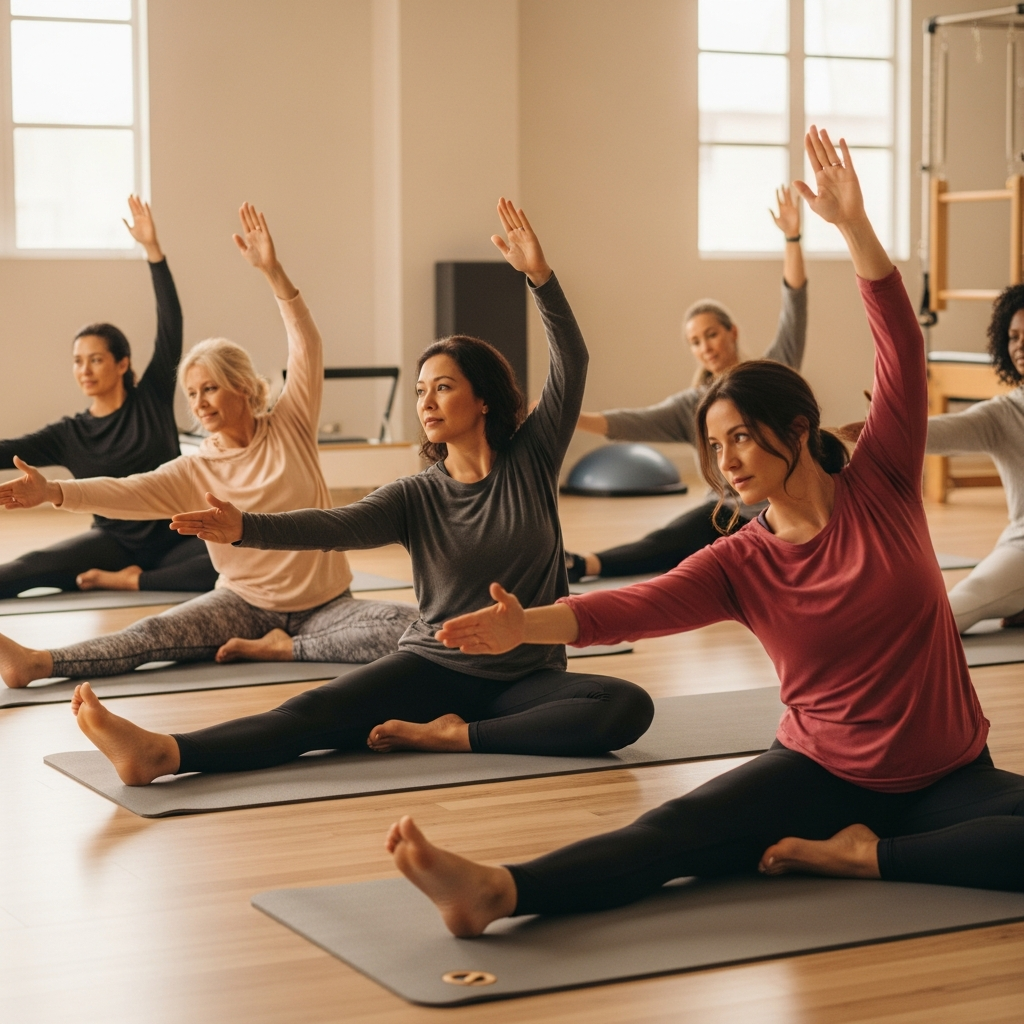
Everyone assumes smaller classes are automatically better, but here’s what I’ve learned from working with clients who’ve tried everything: it depends on your personality and goals. Those tiny 3-person classes? They’re amazing if you want intensive correction and don’t mind being the center of attention. But if you’re self-conscious about your flexibility (or lack thereof), you might actually feel more comfortable in a group of 8-10 people.
The sweet spot for most beginners? Six to eight students with one instructor. It’s enough individual attention without feeling like you’re under a microscope. And honestly, watching other people struggle with the same moves can be oddly reassuring – you realize everyone’s figuring it out together.
The Hidden Costs They Don’t Advertise
Studio pricing can be trickier than a mortgage application, and they’re not always upfront about the extras. That introductory package might seem like a steal until you realize it expires in 30 days whether you use all the classes or not. Always ask about
Package expiration dates – some studios give you months, others give you weeks. Freezing policies – what happens when you get sick or go on vacation? Equipment rental fees – yes, some places charge extra for props. Cancellation penalties – missing a class shouldn’t cost you a fortune.
And here’s something most people don’t think to ask: what’s their policy on switching between class types? You might start with beginner mat classes but want to try the reformer later. Flexible studios let you mix and match within your package.
Making Your Trial Classes Count
Don’t waste your trial classes by just showing up unprepared. Arrive 15 minutes early – not to impress the instructor, but to observe the vibe. Are people chatting and helping each other, or does everyone look stressed? The studio culture matters more than you’d think.
Try different times and instructors if possible. That 6 AM class might have a completely different energy than the evening session. And please, wear form-fitting clothes on your first visit. I know it feels exposing, but loose clothing makes it impossible for instructors to see your alignment – which defeats the whole purpose.
Actually, that reminds me… bring a water bottle and small towel. Not because Pilates is super sweaty (though some classes can be), but because staying hydrated helps prevent those awful muscle cramps that can happen when you’re using muscles in new ways.
The best studios will follow up after your trial – not with aggressive sales calls, but with genuine check-ins about how you felt. That kind of attention to your experience? That’s where you want to invest your time and money.
The “I’m Too Out of Shape” Mental Block
Here’s the thing – this one gets almost everyone. You’re scrolling through Pilates class descriptions, seeing words like “core strength” and “flexibility,” and suddenly you’re convinced everyone else will be bending like pretzels while you can barely touch your toes.
But here’s what I wish more people knew: Pilates instructors have seen it all. That wobbly plank? They’ve coached hundreds through it. Can’t do a roll-up without using your hands? Neither could half the “advanced” students when they started.
The solution isn’t waiting until you’re “ready” (spoiler alert: that day never comes). It’s finding beginner-friendly classes – and actually, most Pleasant Grove studios are pretty good about this. Call ahead and ask about their true beginner classes. Not the “beginner-friendly” ones that assume you know a teaser from a saw, but actual ground-zero classes.
The Intimidation Factor at Boutique Studios
Let’s be real – walking into some Pilates studios can feel like entering an exclusive club where everyone’s wearing $200 leggings and discussing their weekend in Napa. It’s… a lot.
I’ve heard this from so many people, especially around Pleasant Grove where you’ve got everything from community center classes to high-end reformer studios. The fancy places can feel intimidating, but honestly? Most of the time, people are too focused on not falling off their reformer to judge your workout gear.
That said, if the vibe feels off, trust your gut. There are plenty of welcoming studios out there. Look for places that emphasize community over competition. Check their social media – do they showcase real people or just impossibly bendy Instagram models? The difference tells you everything.
Scheduling Reality vs. Pilates Class Times
This one’s brutally practical, but… Pilates class schedules can be weird. Lots of morning classes (great if you’re a early bird, not so much if you’re rushing kids to school). Evening classes that start at 6:30 when you’re stuck in traffic. Weekend slots that fill up faster than concert tickets.
And don’t get me started on the whole “book 24 hours in advance” thing some places require. Life happens. Kids get sick. Work explodes. Suddenly you’re paying for classes you can’t attend.
Solution? Look for studios with flexible policies – some offer makeup classes or credit systems. Community centers often have drop-in options, though the trade-off might be less individual attention. It’s about finding what works for your actual life, not your ideal Pinterest-board life.
The Equipment Learning Curve
Reformers look like medieval torture devices if you’ve never seen one before. All those springs and pulleys and… wait, am I supposed to lie on that moving platform?
This is where group classes can actually work against you. In a packed reformer class, there’s often limited time for individual instruction. You’re trying to figure out which spring setting to use while everyone else is already flowing through the exercise.
My suggestion? Many studios offer equipment orientation sessions – short, inexpensive classes that walk you through the basics. Worth every penny. Or start with mat classes where the only equipment you need to master is… well, the mat.
The Consistency Challenge
Here’s where I’ll be brutally honest – Pilates isn’t a quick fix. Those Instagram transformation posts showing dramatic changes after two weeks? That’s not most people’s reality.
Real benefits take time. Consistent time. And when you’re juggling work, family, and everything else, “consistent” can feel impossible. You’ll have good weeks and terrible weeks. Sometimes you’ll go three weeks without a class and feel like you’re starting over.
The trick isn’t perfection – it’s showing up when you can and not beating yourself up when you can’t. Maybe you can’t do three classes a week like the ideal plan suggests. Fine. One class consistently beats three classes sporadically.
Consider this: even professional Pilates instructors have weeks where their practice falls apart. They get sick, go on vacation, deal with life stuff. The difference is they don’t let a rough patch become a permanent exit.
Some Pleasant Grove studios offer monthly memberships instead of class packages, which can take the pressure off. Use it when you can, don’t stress when you can’t.
What to Expect in Your First Few Classes
Let’s be honest – your first Pilates class might feel a bit overwhelming. You’re learning new terminology (what the heck is a “teaser”?), figuring out how your body moves in ways it’s probably forgotten, and trying not to compare yourself to the person next to you who’s been doing this for three years.
Here’s the thing: everyone feels lost at first. That graceful instructor who makes everything look effortless? They once confused their left from their right during single-leg circles too. The good news is that Pilates instructors are used to beginners, and most studios around Pleasant Grove create welcoming environments where you can fumble through those first sessions without judgment.
You’ll probably feel muscles you didn’t know existed – and that’s completely normal. Don’t expect to nail every exercise right away. Actually, don’t expect to nail most exercises right away. Pilates is about precision and control, which takes time to develop. Think of it like learning to drive stick shift… you’re going to stall a few times before you get the hang of it.
Timeline for Real Results
I wish I could tell you that you’ll transform after one magical class, but that’s not how bodies work. Most people start noticing subtle changes – better posture, less back tension, improved balance – after about 4-6 weeks of consistent practice. That’s assuming you’re going 2-3 times per week, not just when you remember or feel motivated.
The more dramatic changes – significant strength gains, noticeable body composition shifts, that “Pilates posture” everyone talks about – typically show up around the 3-4 month mark. Some people see changes sooner, others take longer. Age, starting fitness level, consistency, and honestly, genetics all play a role.
Here’s what’s realistic to expect month by month
– Month 1: Learning the basics, occasional muscle soreness, maybe sleeping better – Month 2-3: Movements start feeling more natural, you notice better posture throughout your day – Month 4-6: Real strength improvements, friends might comment on how you’re carrying yourself differently – Beyond 6 months: This is where Pilates really shines – continued strength gains, injury prevention, that centered feeling that becomes second nature
Finding Your Rhythm and Building Consistency
Starting something new is exciting for about two weeks. Then life gets in the way, motivation wanes, and suddenly you’re making excuses about why you can’t make it to class. Sound familiar?
The studios near Pleasant Grove that thrive understand this pattern. Look for places that make it easy to stay consistent – flexible scheduling, reasonable cancellation policies, maybe packages that give you a gentle financial nudge to keep showing up.
Start with a realistic commitment. If you’re already juggling work, family, and everything else life throws at you, don’t promise yourself daily classes. Twice a week is plenty to see progress. Once a week? You’ll maintain some benefits but progress will be slow. Three times a week is the sweet spot if you can swing it – but better to commit to twice weekly and actually do it than to aim for three and constantly feel guilty about missing sessions.
Building on Your Foundation
after you’ve been practicing for a few months – and this is important – reassess your goals. Maybe you started wanting to strengthen your core after back pain, but now you’re curious about more advanced equipment. Or perhaps you began with group classes but realize you’d benefit from some individual attention to work on specific alignment issues.
Many Pleasant Grove area studios offer progression paths. You might start with beginner mat classes, then add some equipment work, maybe try intermediate classes after six months. Don’t rush this progression though. Advanced doesn’t necessarily mean better – it just means different challenges.
Some people find their groove and stick with the same class format for years. Others like variety and cross-train with different instructors or class styles. There’s no wrong approach… well, except maybe jumping into advanced classes before you’re ready and getting frustrated or injured.
The key is listening to your body and being honest about what’s working. If you’re consistently dreading classes, something needs to change – maybe the instructor’s style doesn’t click with you, or the class time doesn’t work with your energy levels.
Remember, this is supposed to enhance your life, not become another source of stress. Find what works, be patient with the process, and trust that consistency beats perfection every single time.
Ready to Take That First Step?
You know what? Starting something new – especially when it involves your body and health – can feel pretty overwhelming. Maybe you’re sitting there right now, scrolling through class schedules and wondering if you’ll be the only person who doesn’t know a teaser from a roll-up. (Spoiler alert: you won’t be!)
Here’s the thing about Pilates… it’s not about being perfect from day one. It’s about showing up, breathing through the movements, and giving yourself permission to be a beginner. Those instructors you’ll meet? They’ve all been where you are right now. They remember what it felt like to wobble through their first hundred or wonder if their core would ever actually engage.
The beauty of having so many options right here in Pleasant Grove is that you really can find your fit. Maybe you’ll discover you love the energy of a group class – there’s something infectious about everyone breathing and moving together. Or perhaps you’ll find that private sessions give you the confidence to really focus on your form without worrying about keeping up with anyone else.
And honestly? Your body is going to thank you for this. Not just because Pilates is incredible for strength and flexibility (though it absolutely is), but because you’re choosing to invest in yourself. You’re saying, “I matter. My health matters. My well-being matters.”
That first class might feel a little awkward – most first times do. But by your third or fourth session, you’ll start noticing things. Maybe your posture feels different when you’re sitting at your desk. Perhaps those stairs don’t leave you quite as winded. Small changes, but they add up in ways that’ll surprise you.
Don’t get caught up in finding the “perfect” studio or the “ideal” time. Sometimes good enough is… well, good enough to get started. You can always adjust as you go. The most important thing is taking that first step, even if your schedule isn’t perfectly aligned or you’re not sure about the instructor or you’re worried about what to wear.
Your future self – the one who’s stronger, more balanced, maybe dealing with less back pain – is going to be so grateful that you decided to start. Not someday. Not when everything is perfect. But now.
We’re Here When You’re Ready
Look, we get it. Adding something new to your routine while you’re working on your health goals can feel like a lot. But here’s what we’ve learned after helping so many people: movement and wellness work best when they support each other, not compete for your attention.
If you’re curious about how Pilates might fit into your overall wellness plan – or if you just want to chat about what you’re hoping to achieve – we’re here. No pressure, no sales pitches. Just real conversation about what might work best for you, right where you are today.
Give us a call whenever you’re ready. Sometimes talking through your goals with someone who understands the bigger picture can make all the difference in taking that next step forward.