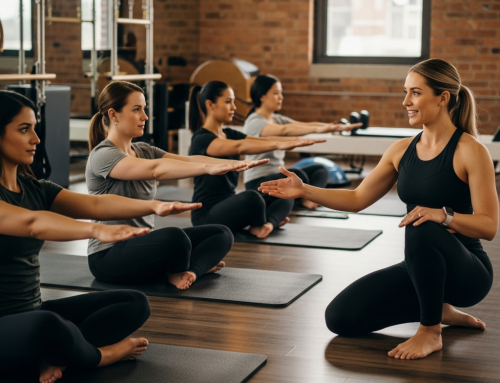
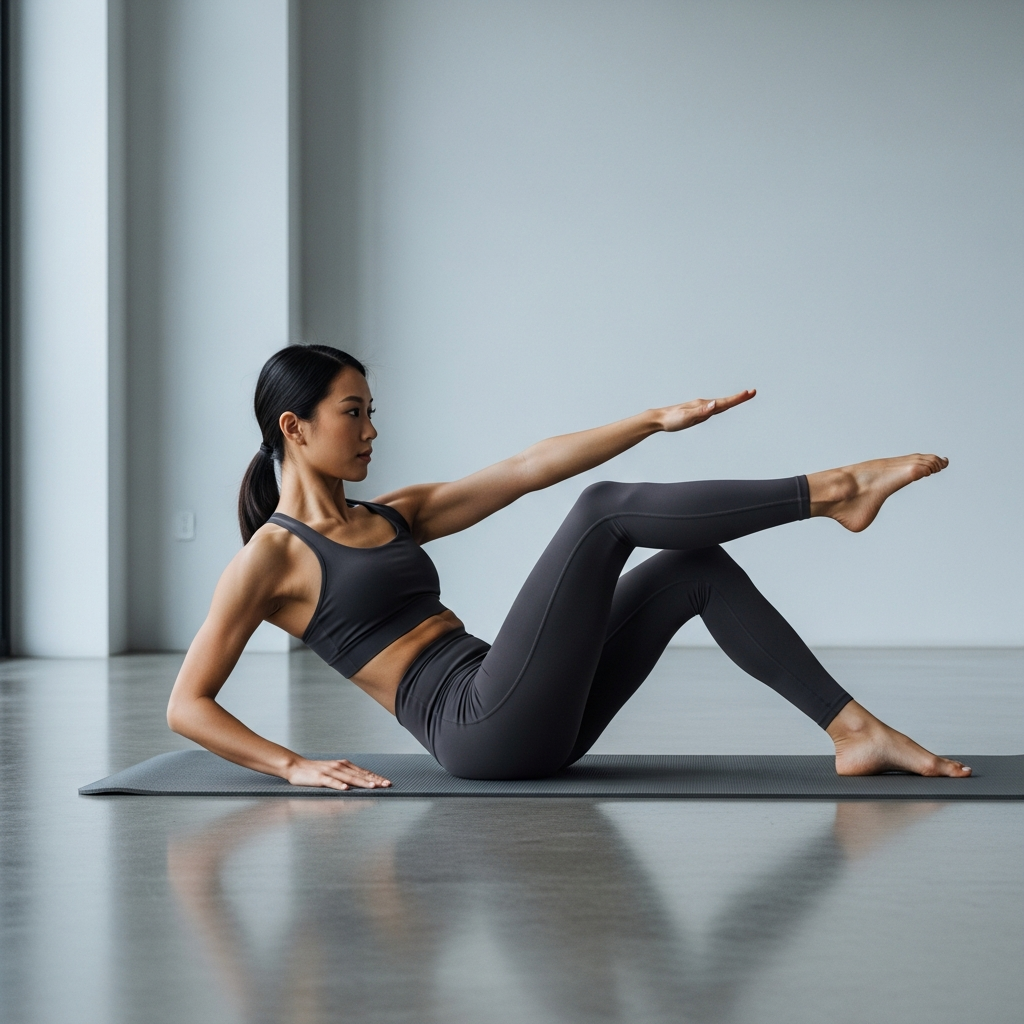
How Pilates Studios Near Irving Support Low-Impact Fitness
Your knees creak when you get out of bed. Your lower back protests after sitting at your desk all day. And that gym membership you bought with such good intentions? Well, let’s just say the rowing machine and you aren’t exactly best friends anymore.
Sound familiar? You’re not alone in this.
Here’s the thing – somewhere along the way, many of us got this idea that exercise has to hurt to work. That we need to be dripping sweat, gasping for air, and feeling like we got hit by a truck the next day. But what if I told you that’s not just wrong… it’s actually counterproductive for sustainable weight loss and long-term health?
I’ve been watching clients struggle with this misconception for years. They’ll come into our clinic, frustrated because they tried that high-intensity boot camp class and couldn’t walk properly for a week. Or they pushed through joint pain during their runs until something finally gave out. The guilt they carry about “not being tough enough” breaks my heart because – honestly – they’re missing the entire point.
Your body isn’t the enemy here. It’s actually trying to tell you something important.
See, when we’re carrying extra weight (and let’s be real, most of us are), our joints are already working overtime. Adding high-impact movements on top of that? It’s like asking someone who’s already juggling six balls to suddenly juggle ten. Sure, some people can do it… but most of us are going to drop everything and feel pretty defeated about it.
That’s where something like Pilates comes in – and I know what you’re thinking. “Isn’t that just stretching for rich housewives?” Trust me, I used to think the same thing. But after seeing client after client transform their bodies, their posture, and their relationship with movement through low-impact methods, I’ve become a complete convert.
Think about it this way: if your car needed repairs, you wouldn’t take a sledgehammer to it, right? You’d use the right tools, work methodically, and focus on fixing the underlying issues. That’s essentially what good low-impact fitness does for your body.
And here in Irving – well, we’re pretty lucky actually. This area has some fantastic studios that really understand how to work with real bodies, not just the Instagram-perfect ones we see in fitness ads. Places where you can show up feeling stiff and skeptical, and leave feeling… different. Stronger, maybe. More aware of how your body actually moves through space.
The beautiful thing about Pilates (and I promise I’m not just saying this because it sounds nice) is that it meets you exactly where you are. Dealing with a cranky shoulder? There are modifications. Haven’t exercised in five years? No problem. Need something that won’t aggravate your sciatica? They’ve got you covered.
But here’s what really gets me excited about this approach – it’s not just about the physical changes, though those are pretty amazing. It’s about shifting your entire mindset around movement. Instead of dreading exercise or viewing it as punishment for what you ate yesterday, you start to actually look forward to it. You begin to understand how your body works instead of just pushing through pain and hoping for the best.
In the next few sections, we’re going to explore exactly how studios in and around Irving are making this happen. We’ll talk about what makes Pilates so effective for people who are tired of high-impact torture sessions. You’ll learn how to spot a quality studio (because let’s face it, not all of them are created equal), and we’ll dive into the specific ways this type of movement supports not just weight loss, but the kind of sustainable lifestyle changes that actually stick.
Oh, and for those of you wondering about cost, time commitment, or whether you’re “fit enough” to start… we’ll tackle those concerns head-on too. Because the last thing you need is another barrier between you and feeling good in your own skin.
Ready to discover what movement can feel like when it’s actually working with your body instead of against it?
What Makes Pilates Different from Everything Else You’ve Tried
You know that feeling when someone tells you Pilates is “just stretching with fancy names”? Yeah, they’re missing the point entirely.
Think of Pilates like learning to drive a manual transmission car. Sure, you could probably figure out the basics by watching someone else, but there’s this whole intricate system happening beneath the surface – the clutch, the timing, the subtle coordination between your hands and feet. That’s what makes Pilates so effective for people dealing with joint issues, weight concerns, or those who’ve sworn off high-impact exercise forever.
The method was actually developed by a guy named Joseph Pilates (clever, right?) who was dealing with his own health challenges. He was sickly as a kid – asthma, rickets, rheumatic fever – and became obsessed with finding ways to strengthen his body without beating it up. Fast forward through two world wars, and he’d created this system that focuses on what he called the “powerhouse” – basically everything from your ribs to your hips.
The Magic of Moving Slowly (And Why Your Ego Might Hate It)
Here’s where it gets counterintuitive. In our culture of “no pain, no gain” and 45-minute sweat-fests, Pilates asks you to slow way down. I mean, way down.
It’s like the difference between speed-reading and really absorbing a good book. Sure, you can rush through the movements, but you’ll miss all the subtle stuff that actually makes the difference. When you’re moving slowly, your brain has time to figure out which muscles should be working (and which ones need to chill out and stop compensating for everything else).
This is particularly brilliant for people carrying extra weight or dealing with joint discomfort. Your knees don’t have to absorb the shock of jumping around, but your muscles? They’re working harder than they would in most cardio classes because they’re under tension for longer periods.
The Low-Impact Sweet Spot
Let’s talk about what “low-impact” actually means – because it’s not code for “easy” or “gentle workout for beginners only.”
Low-impact simply means your feet aren’t constantly leaving the ground and slamming back down. No jumping, no running, no jarring your joints with repetitive pounding. But here’s the thing that surprises people… you can absolutely get your heart rate up and build serious strength without any of that.
Think about it like swimming versus running on concrete. Both can leave you exhausted, but one feels like you’re fighting the pavement while the other supports your body as you work. Pilates studios have figured out how to create that same supportive environment on dry land.
Your Core Isn’t Just About Abs (Sorry, Instagram)
This might be the most misunderstood part of Pilates. Everyone thinks it’s about getting those perfectly defined abs you see on social media, but your “core” in Pilates terms is more like the foundation of a house.
It includes your diaphragm up top, your pelvic floor down below, and all those deep muscles that wrap around your spine like a natural back brace. When these muscles learn to work together properly – and I mean really work together, not just contract randomly – everything else gets easier.
Walking up stairs? Easier. Carrying groceries? Less likely to tweak your back. Getting up from a chair without that little grunt sound? Yeah, that becomes possible again.
The Equipment Isn’t Scary (Promise)
Those contraptions you see through studio windows might look like medieval torture devices, but they’re actually genius pieces of engineering. The reformer – that sliding bed thing with springs and pulleys – provides resistance in both directions.
It’s like having a workout partner who’s always there to challenge you but also support you when you need it. The springs can assist your movements when you’re building strength or challenge you when you’re ready for more. Actually, that reminds me of those resistance bands everyone bought during the pandemic, except these are precise, calibrated, and won’t snap you in the face.
The beauty is that everything can be modified. Can’t lie flat? The equipment adjusts. Shoulder issues? There are ways around that. It’s like having a custom workout that adapts to your body, rather than forcing your body to adapt to some one-size-fits-all routine.
Start Small and Build Your Foundation
Here’s what most people get wrong about Pilates – they think they need to master everything in the first week. Trust me, your body will thank you for taking it slow. Most Irving studios offer beginner classes specifically designed for newcomers, and honestly? These are gold mines for learning proper form.
Look for classes labeled “Pilates Fundamentals” or “Beginner Flow.” These typically run 45-50 minutes and focus on core engagement, breathing patterns, and basic movements. You’ll spend time learning how to properly activate your deep abdominal muscles – something that sounds simple but actually takes practice to master.
Pro tip: Don’t skip the mat classes just because the reformer machines look more impressive. Mat work builds the foundational strength you’ll need for everything else… and it’s usually more budget-friendly while you’re figuring out if Pilates clicks for you.
Time Your Classes Like a Pro
Here’s something most people don’t consider – when you go matters more than you think. Morning classes tend to be smaller and less rushed, which means more individual attention from instructors. If you’re dealing with chronic pain or recovering from an injury, that extra guidance is invaluable.
Evening classes? They’re great for stress relief after work, but they fill up fast. Book at least a week ahead, especially for popular 6 PM slots. Weekend workshops are another hidden gem – many Irving studios offer longer sessions (90 minutes or more) that dive deeper into specific techniques or problem areas like lower back pain or hip mobility.
Actually, speaking of timing… if you’re new to exercise or haven’t been active in a while, don’t jump into daily classes. Your muscles need recovery time. Start with 2-3 sessions per week, leaving at least one rest day between classes.
Navigate Studio Pricing Without Breaking the Bank
Let’s talk money – because Pilates can get expensive if you’re not strategic about it. Most Irving studios offer new client specials that are significantly cheaper than regular rates. We’re talking packages like 3 classes for $99 instead of the usual $35+ per drop-in class.
Here’s the insider scoop: many studios run their best promotions in January (New Year motivation) and September (back-to-school energy). But don’t wait for sales if you’re ready to start – the health benefits compound over time, so earlier is always better than later.
Consider unlimited monthly packages if you plan to attend 8+ classes per month. The math usually works out better, plus you won’t feel pressure to “use up” a class package before it expires. Some studios also offer discounted rates for off-peak hours – think 10 AM classes when most people are at work.
Choose Equipment Classes Strategically
The reformer gets all the attention, but different equipment serves different purposes. If you’re dealing with knee issues, the chair might be your best friend – it allows for seated exercises that build serious core strength without stressing your joints.
The Cadillac (that tower-looking apparatus) is fantastic for people with shoulder problems or limited mobility. You can do exercises lying down, seated, or standing, and the spring resistance is incredibly adjustable.
Don’t feel pressured to try every piece of equipment immediately. Most instructors recommend spending 4-6 weeks on reformer basics before branching out. This gives you time to understand Pilates principles without getting overwhelmed by different machines.
Maximize Your Instructor Relationship
Here’s something that’ll transform your experience – arrive 10 minutes early and chat with your instructor. Tell them about any pain points, previous injuries, or specific goals. Good instructors will modify exercises on the spot and offer alternatives you might not have considered.
Don’t be shy about asking questions during class, either. Something like “I’m not feeling this in my core – am I doing it wrong?” shows you’re engaged and helps the instructor help you better.
Many Irving studios also offer semi-private sessions (2-3 people) that cost more than group classes but less than one-on-one training. These are perfect for working on specific issues or learning more advanced techniques with personalized attention.
Remember – your instructor wants you to succeed. They’d rather you modify an exercise and do it correctly than struggle through improper form. That’s not giving up; that’s being smart about your body’s current abilities while building toward something stronger.
When Your Body Doesn’t Cooperate (And What to Do About It)
Let’s be real – you walk into that pristine Pilates studio, everyone looks graceful and controlled, and you’re wondering if your body got the memo. That burning sensation in your abs after three minutes? Completely normal. Feeling like a newborn giraffe trying to coordinate your breathing with movement? We’ve all been there.
The biggest shock for most people isn’t the difficulty – it’s how *different* it feels. You might crush a 5K run, but ask your deep core muscles to engage while maintaining perfect spinal alignment, and suddenly you’re discovering muscles you didn’t know existed. Don’t worry, this isn’t a sign you’re out of shape. It’s actually a sign that Pilates is doing exactly what it’s supposed to do – waking up those stabilizing muscles that have been taking a back seat.
Here’s what helps: start with modified versions of everything. Most Irving studios offer beginner classes where props like blocks, straps, and bolsters become your best friends. Think of them as training wheels – you’re not cheating, you’re building the foundation properly.
The Coordination Conundrum
You know that moment when the instructor says “breathe in, extend your right leg, rotate your spine, and engage your powerhouse” all at once? Your brain might just… freeze. It’s like trying to pat your head and rub your belly while reciting the alphabet backwards.
This coordination challenge trips up about 90% of newcomers, and honestly? It should. You’re literally rewiring how your body moves. Instead of getting frustrated, break it down. Focus on one element at a time – maybe just the breathing for the first few sessions. Then add the movement. Then the alignment cues.
Most Irving instructors get this. They’ll often give you permission to ignore half the cues and just focus on whatever feels manageable. Some days that might be just showing up and moving your body gently. And that’s perfectly fine.
The Flexibility Reality Check
Here’s something nobody talks about enough – you don’t need to be flexible to start Pilates. But you will quickly realize where your body holds tension. That tight hip flexor from sitting at your desk all day? It’s about to introduce itself very loudly.
The temptation is to push through, to force that stretch. Don’t. Pilates works best when you respect your current range of motion and gradually expand it. Your body didn’t get tight overnight, and it won’t release overnight either.
What actually works? Consistency over intensity. Those micro-improvements add up faster than dramatic forcing sessions that leave you sore and discouraged. Plus, many Irving studios offer complementary stretching classes or will suggest specific stretches to do at home between sessions.
The Comparison Game (And How to Win by Not Playing)
Walking into class and seeing someone flow through advanced movements while you’re still figuring out basic breathing? That’s going to sting a little. Social media doesn’t help – everyone’s posting their most graceful, Instagram-worthy moments, not the wobbly attempts or the “wait, which way does my leg go again?” moments.
Here’s the thing though – that person who looks so effortless probably started exactly where you are. They just had a head start. Instead of comparing yourself to them, try comparing yourself to… well, yourself from last week. Did you hold that plank a few seconds longer? Did you remember to breathe through that challenging sequence?
The best Pilates studios near Irving cultivate an environment where everyone’s focused on their own practice. You’ll quickly notice that people aren’t watching and judging – they’re too busy concentrating on their own alignment and breathing.
Making Peace with the Slow Burn
Maybe you’re coming from high-intensity workouts where you’re used to feeling completely spent afterward. Pilates might leave you thinking, “Wait, that’s it?” Then you wake up the next day and discover muscles you forgot existed.
This is actually Pilates working as intended. It’s not about crushing yourself – it’s about precise, controlled movement that challenges your body in entirely new ways. Some days you’ll leave feeling energized rather than exhausted. Other days, you’ll feel like you’ve been put through a very polite, very controlled blender.
Both experiences are normal. Both are valuable. The key is trusting the process, even when it feels different from what you’re used to.
What to Expect in Your First Few Classes
Here’s the truth – your first Pilates class might feel awkward. You’re going to discover muscles you forgot existed, and that’s completely normal. Don’t expect to nail every movement right away… honestly, even people who’ve been doing Pilates for years are still perfecting their form.
Most Irving studios offer beginner-friendly classes, but you’ll still spend those first few sessions figuring out what “engage your core” actually means (spoiler alert: it’s not just sucking in your stomach). Your instructor will likely give you modifications – use them. There’s no prize for struggling through the full version when your body isn’t ready yet.
The good news? You’ll probably feel taller walking out of that first class. Something about all that spine lengthening and posture work… it’s like getting a tune-up you didn’t know you needed.
Timeline for Real Results
Let’s talk realistic expectations here. You’re not going to transform your entire body in two weeks, despite what those Instagram ads promise.
Weeks 1-4: You’ll start noticing better posture and maybe sleeping a bit better. Your balance might improve – you know, not wobbling when you put on your socks. Some people feel less back pain pretty quickly, especially if poor posture was contributing to their discomfort.
Months 2-3: This is when things get interesting. Your core strength starts becoming noticeable in everyday activities. Carrying groceries feels easier. You might catch yourself naturally standing straighter without thinking about it.
Months 4-6: Now we’re talking real changes. Your flexibility improves, your endurance builds, and those Pilates movements that seemed impossible? They’re starting to click. You’ll probably notice your clothes fitting differently – not necessarily weight loss, but your body composition shifting.
Remember, consistency trumps intensity every time. Two classes a week beats one marathon session followed by three weeks of nothing.
Building Your Routine (Without Burning Out)
Starting a new fitness routine is like dating – you want to take it slow and not overwhelm yourself right out of the gate. Most Irving Pilates studios recommend beginning with 1-2 classes per week. That gives your body time to recover and your brain time to process all those new movement patterns.
Once you’ve been at it for about a month, you can consider bumping up to 2-3 classes weekly. But here’s where people often mess up – they go from zero to hero, signing up for unlimited classes and burning themselves out within six weeks.
Think of it this way: you’re building a habit, not training for the Olympics. Miss a week because life happened? No big deal. Just get back to it when you can.
Finding Your Pilates Community
One thing that surprises people about Pilates studios is how welcoming they tend to be. It’s not like some gyms where everyone’s competing or judging… Pilates attracts people who are more focused on how they feel than how they look.
Don’t be shy about chatting with other students before or after class. You’ll find people from all walks of life – retirees staying active, busy professionals managing stress, athletes cross-training, people recovering from injuries. Actually, some of my favorite conversations have happened in those few minutes before class starts.
Many studios also host workshops or special events. These can be great for diving deeper into specific aspects of Pilates or just connecting with your studio community.
When to Level Up
You’ll know you’re ready for intermediate classes when the beginner movements start feeling… well, boring. When you can hold proper form throughout most of the class without your instructor constantly correcting you. When you’re not completely exhausted afterward but feel energized instead.
Some studios offer assessments or will chat with you about progression. Don’t rush it though – there’s always something to refine in your form, even with basic movements.
Making It Sustainable
The studios that thrive in Irving understand that their members need flexibility. Look for places that offer multiple class times, maybe some virtual options, and instructors who get that life happens.
Consider what works with your schedule long-term, not just your current motivation level. That 6 AM class might sound great when you’re fired up, but if you’re not naturally a morning person… well, you know how that story ends.
The goal isn’t to become a Pilates perfectionist – it’s to find movement that supports your life and makes you feel stronger, more balanced, and more comfortable in your own skin.
You know what’s really beautiful about finding the right low-impact fitness approach? It’s not just about the physical changes – though those matter tremendously. It’s about rediscovering what your body can do when you give it the right kind of attention and care.
The Pilates studios scattered throughout Irving aren’t just exercise facilities… they’re spaces where people come to rebuild their relationship with movement. Maybe you’ve been carrying around old injuries, or perhaps you’re dealing with joint pain that makes traditional workouts feel impossible. That’s okay. Actually, it’s more than okay – it’s exactly why these gentle, mindful approaches to fitness exist.
Finding Your Perfect Fit
What strikes me most about the Pilates community here is how welcoming it feels. You don’t need to arrive with perfect flexibility or core strength. You don’t need special equipment or expensive gear. You just need to show up – and honestly, that first step through the door is often the hardest part.
The instructors at these local studios? They’ve seen it all. The person who hasn’t exercised in years, the former athlete dealing with chronic pain, the busy parent who barely has time to breathe… They understand that everyone’s starting point looks different, and more importantly, they know how to meet you exactly where you are.
Building Sustainable Habits
Here’s something I’ve learned over the years: sustainable weight loss and improved fitness aren’t about dramatic transformations or punishing workouts. They’re about consistency, patience, and finding movement that actually feels good in your body. Pilates offers exactly that – a way to strengthen and stretch without the high-impact stress that can derail your progress.
When you’re working with medical weight loss goals, every piece of the puzzle matters. The low-impact nature of Pilates means you can maintain regular movement even when your joints are feeling sensitive or when you’re adjusting to dietary changes. It’s like having a reliable friend in your fitness routine – always there when you need it, never asking more than you can give.
You Don’t Have to Figure This Out Alone
If you’ve been struggling with finding the right exercise approach, or if you’re feeling overwhelmed by all the fitness options out there, you’re not alone in that frustration. Sometimes the hardest part isn’t the workout itself – it’s just knowing where to begin.
That’s where we come in. Our team understands the unique challenges that come with medical weight loss, and we know how to help you create a comprehensive plan that includes gentle, effective movement. We’re not here to push you into anything that doesn’t feel right for your body or your life right now.
Whether you’re curious about trying Pilates, need help coordinating your fitness routine with your weight loss goals, or just want to talk through what sustainable movement might look like for you… we’re here. Reach out when you’re ready. There’s no pressure, no judgment – just support from people who genuinely want to see you succeed.
Your body has carried you through so much already. It deserves movement that honors its strength while supporting its healing. Let’s figure out what that looks like for you.