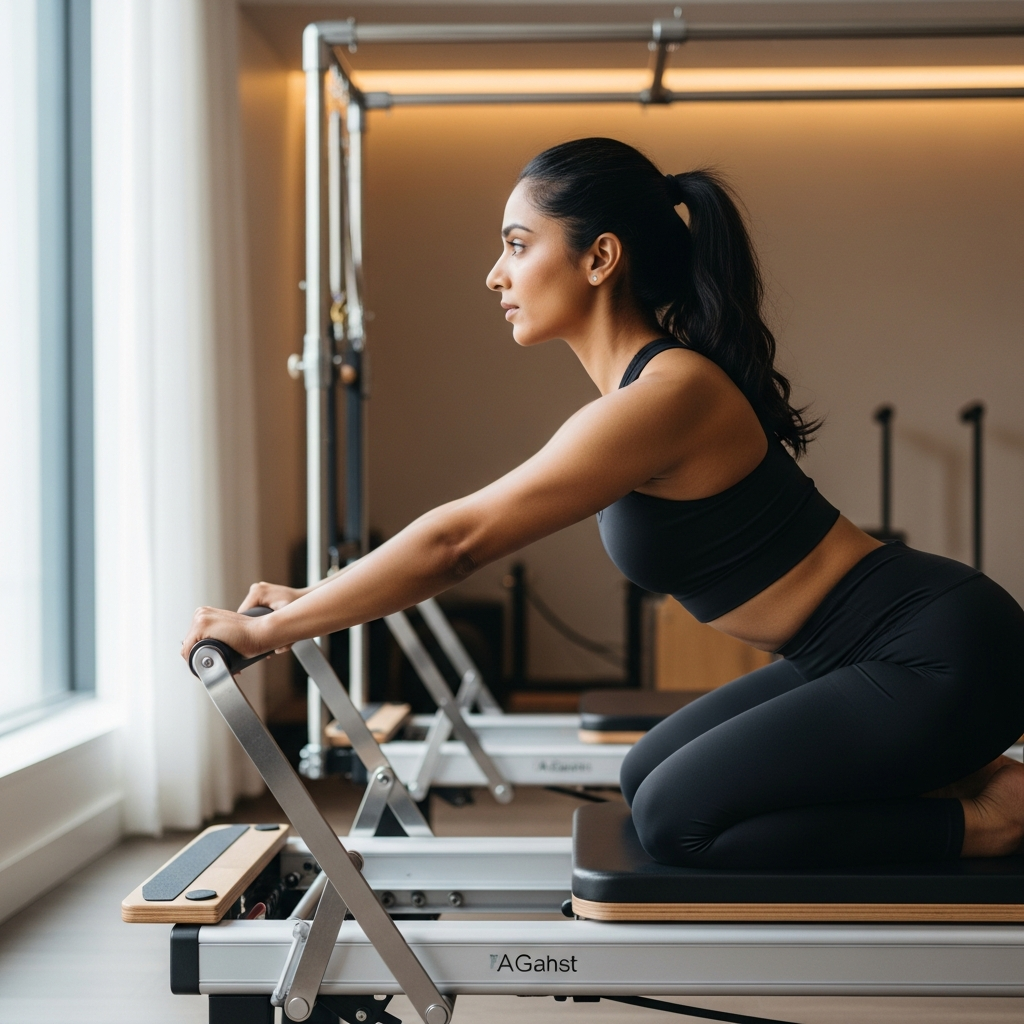
How Often Should You Take Pilates Classes if You’re in Grand Prairie?
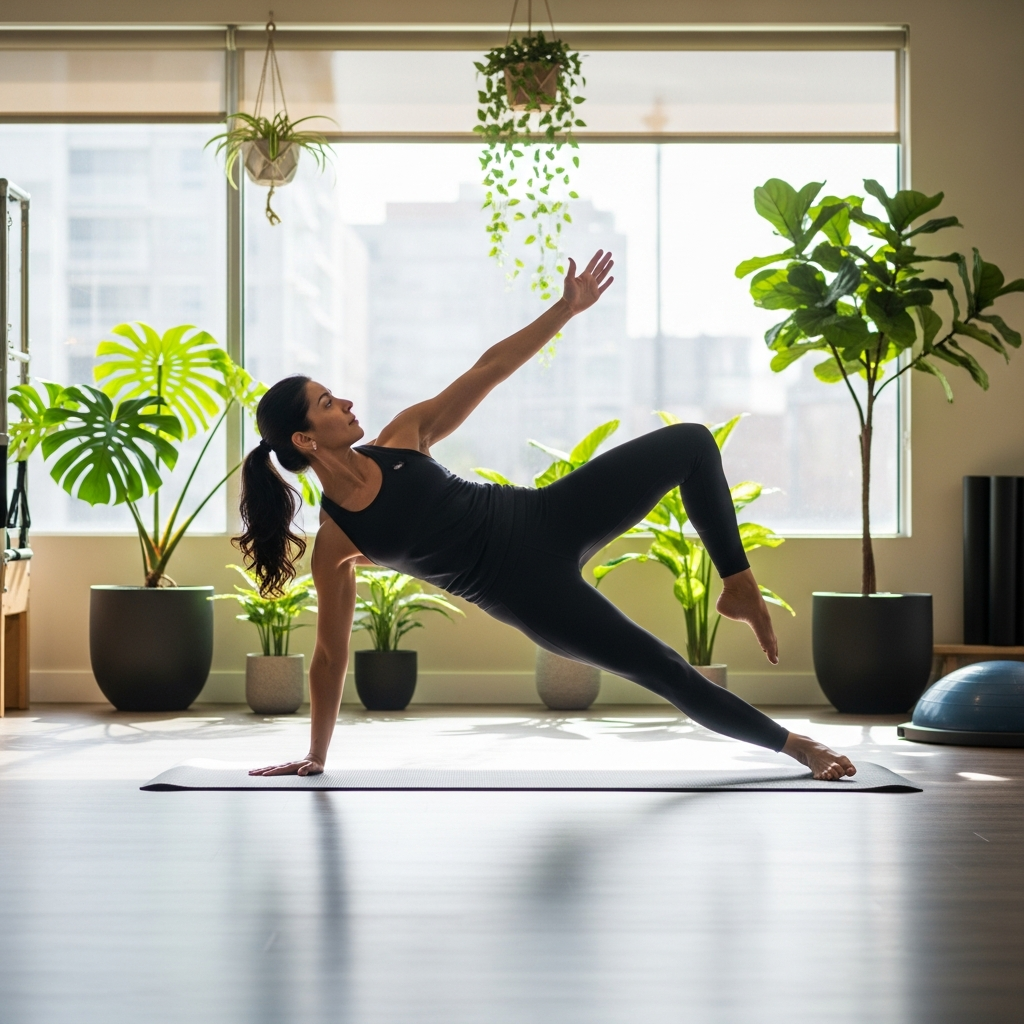
You know that moment when you’re standing in your workout clothes, car keys in hand, trying to decide if you should hit that Pilates class tonight or just… not? Maybe you’ve already been three times this week and you’re wondering if that’s too much. Or perhaps you went once last month and guilt is creeping in because your instructor probably thinks you’ve disappeared off the face of the earth.
Trust me, you’re not alone in this mental gymnastics routine.
I was talking to Sarah the other day – she’s been coming to our clinic for about six months now – and she confessed something that made me laugh out loud. She’d been going to Pilates classes at three different studios around Grand Prairie, not because she was studio-hopping for variety, but because she was convinced each instructor thought she was a slacker for not showing up more often. The woman was literally sneaking around town to avoid awkward small talk about her attendance!
Here’s the thing though… Sarah’s confusion isn’t really about Pilates scheduling. It’s about something much bigger.
When you’re working on losing weight – especially if you’re doing it the smart, sustainable way with medical guidance – exercise becomes this weird pressure cooker of expectations. You want results (obviously), but you’re also terrified of overdoing it and burning out. You’ve probably been down that road before, right? That cycle where you go from zero to hero, hitting classes daily for two weeks, only to crash and burn so hard you don’t see the inside of a studio for three months.
And if you’re specifically considering Pilates in Grand Prairie, well… you’ve got options. Lots of them. From the fancy reformer studios in the newer developments to the more intimate mat classes tucked into strip centers. But more options can sometimes mean more confusion, not less.
The real question isn’t just “how often should I go?” – though we’ll definitely tackle that. It’s more like: How do you find that sweet spot where Pilates actually supports your weight loss goals without becoming another source of stress in your already-busy life?
Because let’s be honest – you’ve got enough on your plate. Between work, family, and everything else Grand Prairie throws at you (hello, traffic on 360!), the last thing you need is to turn Pilates into another thing you’re “failing” at.
What I’ve learned from working with hundreds of people who are trying to lose weight sustainably is that the “how often” question is really personal. It depends on your fitness background, your other activities, your schedule, your body’s recovery needs, and honestly? Your personality type too. Some people thrive on routine and want to go the same days every week. Others need flexibility built into their plan or they’ll rebel against the whole thing.
The tricky part about Pilates specifically – especially if you’re new to it – is that it doesn’t always feel like “real” exercise at first. You might leave a class thinking, “Was that enough? Should I have sweated more? Did I even burn any calories?” Meanwhile, your core is quietly getting stronger and your posture is slowly improving, but those changes are subtle. They sneak up on you.
That’s actually one of the reasons Pilates works so well for sustainable weight loss, but it can also make it harder to gauge if you’re doing “enough.”
In this piece, we’re going to figure out what “enough” actually means for you. We’ll look at how Pilates fits into a realistic weight loss plan, what research says about frequency (spoiler: it’s probably different than you think), and how to navigate the specific Pilates landscape here in Grand Prairie without overwhelming yourself or your wallet.
Most importantly, we’ll talk about how to make this sustainable. Because honestly? I’d rather see you go to Pilates once a week for the next year than have you burn out in a month trying to be perfect.
Your future self will thank you for finding that balance – and your body will too.
What Makes Pilates Different (And Why That Matters)
Here’s the thing about Pilates – it’s not like hopping on a treadmill where you can just… zone out and let your legs do the talking. Every single movement requires your brain to have a serious conversation with your muscles. Think of it like learning to play piano versus banging on the keys. Sure, both make sound, but only one creates music.
That mind-muscle connection? It’s exhausting in the best possible way. You know how after a really intense conversation you feel mentally drained even though you were just sitting there? Pilates does that to your entire body. You’re constantly thinking about your alignment, breathing, engaging your core (that mysterious “powerhouse” everyone keeps talking about), and trying not to let your shoulders creep up to your ears.
The Recovery Reality Check
This is where things get a bit counterintuitive, and honestly, it confused me for the longest time too. You’d think because Pilates isn’t leaving you drenched in sweat like a spin class, your body would be ready to go again the next day. Wrong.
Your muscles are doing this incredibly precise, controlled work – imagine holding a heavy box perfectly still versus swinging it around. The stillness is actually harder, right? That’s what your muscles experience during those slow, deliberate Pilates movements. They’re working overtime to stabilize, control, and maintain proper form.
Plus – and this is the part nobody warns you about – you’re using muscles you probably haven’t had a proper conversation with in years. Ever done your first Pilates class and discovered muscles in places you forgot existed? That’s your body basically saying, “Oh, so we’re doing THIS now?”
The Beginner’s Paradox
When you’re starting out, you’re essentially learning a new language. Your instructor might as well be speaking ancient Greek when they say things like “neutral pelvis” and “breathe into your back ribs.” (Seriously, who knew ribs could breathe?)
But here’s what’s actually happening in those first few weeks – your nervous system is frantically trying to rewire itself. It’s like updating your phone’s operating system, except the phone is your body and the update takes several weeks instead of twenty minutes.
This is why beginners often feel more tired after class than advanced students. It’s not that you’re out of shape (well, maybe a little), but your brain is working overtime trying to process all this new information while your body attempts to follow instructions it’s never received before.
Understanding Your Body’s Adaptation Timeline
Your body adapts to new exercise in phases, kind of like how you adjust to a new job. First week? Everything feels impossible and you question all your life choices. After a month? You start recognizing patterns. Three months in? You actually know where the coffee machine is and can have a conversation while making copies.
With Pilates, most people start feeling more comfortable around week 4-6. That’s when the movements begin to feel less like you’re trying to pat your head and rub your stomach simultaneously. But here’s the kicker – just because something feels easier doesn’t mean your muscles aren’t working. They’re just getting smarter about how they work.
The Quality vs. Quantity Debate
This brings us to something that drives fitness enthusiasts crazy – Pilates isn’t really about “more is better.” It’s more like… cooking a perfect steak. You can’t rush it, you can’t blast it with high heat and hope for the best. Low, slow, controlled – that’s where the magic happens.
I’ve seen people do Pilates every single day and wonder why they’re not seeing results, while others go twice a week and transform their entire posture. The difference? The twice-a-week people are actually letting their bodies absorb and integrate what they’re learning.
Think of it this way – if you’re trying to learn French, cramming vocabulary every single day might actually hurt your progress. Sometimes you need that space between lessons for your brain to file everything away properly. Your muscles work similarly… they need time to process, repair, and come back stronger.
Start Small, Build Smart
Look, I get it – you’re excited about Pilates and want to dive in headfirst. But here’s the thing your instructor probably won’t tell you on day one: doing too much too soon is the fastest way to burn out or, worse, get injured.
Start with two classes per week, max. I know, I know… it doesn’t sound like much. But your core muscles – the ones Pilates loves to wake up from their deep slumber – need time to recover. Think of it like learning to play piano. You wouldn’t expect to nail Chopin after a week, right?
Give yourself at least one rest day between sessions during your first month. Your body will thank you, and honestly? You’ll actually see better results this way.
The Sweet Spot for Most People
After you’ve been at it for about six weeks (and trust me, those first few weeks feel like an eternity when you’re shaking through a plank), you can bump up to three classes weekly. This is where the magic happens.
Three times a week gives you that perfect balance – enough consistency to build strength and flexibility, but not so much that you’re dragging yourself to class feeling defeated. It’s like… think of it as the Goldilocks zone of Pilates. Not too little, not too much, just right.
Space these sessions throughout the week if possible. Monday, Wednesday, Friday works great. Or Tuesday, Thursday, Saturday. The key is avoiding back-to-back days until your body adapts – which usually takes about two to three months.
Listen to Your Body (It’s Smarter Than You Think)
Here’s something they don’t put in the brochures: some weeks you’ll feel unstoppable, ready to conquer every reformer exercise. Other weeks? You’ll feel like you’re made of concrete. That’s completely normal.
Your body has seasons, just like the weather outside. Hormones, stress, sleep quality, what you ate for lunch – it all affects how you feel during class. On days when everything feels harder than usual, don’t push through like you’re training for the Olympics. Scale back, focus on form, or even skip a session if needed.
Actually, that reminds me… one of my favorite instructors always says, “Better to show up and do 50% than not show up at all.” Sometimes just moving your body gently is exactly what you need.
Mixing It Up: Variety Is Your Friend
Once you’ve established that three-times-weekly rhythm, consider mixing different types of classes. Mat classes, reformer sessions, maybe some chair work if your studio offers it. Each variation challenges your body differently – and honestly, it keeps things from getting boring.
Some people in Grand Prairie love doing two reformer classes and one mat class each week. Others prefer all mat classes because they can practice at home between studio visits. There’s no “right” way, only what works for your schedule and your body.
The Reality Check: Life Happens
Let’s be real for a minute. You’re going to have weeks where you only make it to one class. Or none. Your kid gets sick, work explodes, your car breaks down – life has this funny way of interrupting our best-laid plans.
Don’t let guilt spiral into giving up entirely. I’ve seen too many people adopt an all-or-nothing mentality that ultimately leads to… well, nothing. One class per week is infinitely better than zero classes per week. Even fifteen minutes of Pilates exercises at home beats throwing in the towel completely.
When More Might Be Better
If you’ve been consistent for six months or more and you’re feeling strong, you might consider adding a fourth weekly session. This is typically when people start seeing those subtle but noticeable changes – better posture throughout the day, less back pain, clothes fitting differently.
But here’s the catch: only add more if you genuinely enjoy it. The moment Pilates starts feeling like punishment rather than self-care, you’ve crossed a line. Exercise should enhance your life, not dominate it.
Remember, consistency trumps intensity every single time. Three moderate sessions per week for a year will transform your body far more than six intense sessions per week for a month followed by burnout.
Your future self – the one standing taller, moving more gracefully, and feeling stronger – will thank you for taking the steady, sustainable approach.
The “I’m Too Sore to Move” Dilemma
Let’s be real – after your first few Pilates classes, you’re going to feel muscles you didn’t even know existed. I’m talking about that deep, “did I really use my inner thighs to do… what exactly?” kind of soreness. And here’s what happens: you feel so beat up that you skip the next class, then the next one, and suddenly it’s been three weeks.
The thing is, this soreness isn’t necessarily a bad sign – it means your body is waking up. But you don’t need to suffer through it like some kind of fitness martyr. Start with just two classes per week, with at least one full day between sessions. Your body needs time to repair and adapt, especially in the beginning.
Actually, that reminds me of something my instructor always says: “Pilates shouldn’t feel like you got hit by a truck.” If you’re barely able to walk the day after class, you might be pushing too hard too fast. It’s not a competition, even though that competitive voice in your head might be screaming otherwise.
Schedule Juggling (AKA Life Gets in the Way)
Here’s where things get tricky in Grand Prairie – you’ve got work, kids’ soccer games, that endless commute on I-30, and suddenly your perfectly planned Pilates schedule falls apart. Sound familiar?
The key isn’t finding more time… it’s being smarter about the time you have. Look for studios that offer early morning or late evening classes. Some places even have lunch-hour sessions – though let’s be honest, sweating during lunch isn’t everyone’s cup of tea.
Here’s a game-changer: stop thinking you need hour-long classes every single time. Many studios offer 45-minute express sessions, and honestly? Sometimes those are exactly what you need. Twenty minutes of focused movement beats zero minutes of sitting on your couch feeling guilty about missing class.
The Intimidation Factor
Walking into a Pilates studio for the first time can feel like entering some exclusive club where everyone already knows the secret handshake. You see people flowing through movements that look impossibly graceful while you’re just trying to figure out which way is “up” on the reformer.
Here’s the truth – everyone started exactly where you are. That person doing perfect teaser rolls? She probably fell off the reformer during her first month (don’t worry, the machines have safety features).
Most Grand Prairie studios offer beginner-friendly classes or even private sessions to get you started. Yes, private sessions cost more, but think of it as an investment in not feeling completely lost during group classes. Even just one or two private sessions can give you enough confidence to jump into regular classes without that deer-in-headlights feeling.
The Plateau Problem
After a few months, something weird happens – Pilates starts feeling… easy? Well, not easy exactly, but familiar. You’re not seeing those dramatic changes you experienced in the beginning, and motivation starts to wane. This is completely normal, by the way.
Your body adapts – that’s what bodies do. But here’s where frequency becomes your friend. Instead of doing the same routine twice a week, mix it up. Try mat classes if you’ve been doing reformer work. Add a third session focusing on a different piece of equipment. Or – and this might sound counterintuitive – sometimes the solution is actually scaling back to focus on form over frequency.
Money Matters (Because Let’s Talk Real Numbers)
Pilates isn’t cheap, and pretending otherwise doesn’t help anyone. In Grand Prairie, you’re looking at anywhere from $25-35 per class, and that adds up fast when you’re trying to go three times a week.
Here’s where you need to get creative. Many studios offer package deals that bring the per-class cost down. Some have community classes at reduced rates. And here’s a secret – ask about work-study programs. Many places will let you help with studio tasks in exchange for discounted classes.
You might also consider alternating between studio classes and home practice using online videos. It’s not the same as having an instructor correct your form, but it keeps you moving on your off days without breaking the bank. Just don’t rely solely on videos – you really do need that expert eye to catch the little things that make a big difference in your practice.
What to Expect in Your First Month
Let’s be real here – you’re not going to wake up after your first Pilates class feeling like a completely different person. I wish I could tell you otherwise, but that’s just not how bodies work.
Most people feel… well, confused after their first class. You might wonder if you did anything right, or if that burning sensation in muscles you forgot you had is normal (it is). Your instructor probably corrected your form fifteen times, and you might’ve felt like everyone else knew some secret Pilates language you hadn’t learned yet.
That’s completely normal. Actually, it’s a good sign – it means you’re challenging your body in new ways.
By week three or four, something shifts. You’ll start recognizing the exercise names, your balance won’t feel quite so wobbly, and – this is the big one – you’ll begin to feel those deep stabilizing muscles actually working. It’s like your body finally gets what you’re asking it to do.
The Three-Month Reality Check
Here’s where things get interesting, but also where expectations need a reality check. After three months of consistent classes (we’re talking 2-3 times per week here), you should notice some real changes
Your posture will probably improve – friends might even comment that you’re standing taller. Your core strength? Definitely better, though you might not see a six-pack in the mirror yet. That takes longer… much longer.
You’ll likely feel more stable doing everyday things. Getting up from chairs, carrying groceries, even just walking – it all feels more controlled, more intentional. One of my favorite client testimonials was from someone who said, “I realized I could pick up my toddler without wincing for the first time in years.”
But here’s what probably won’t happen in three months: dramatic weight loss or a complete body transformation. Pilates is amazing for building strength and improving how you move, but it’s not a magic bullet for dropping dress sizes.
Planning Your Pilates Path Forward
So what does a sustainable Pilates routine actually look like? Most people find their sweet spot somewhere between attending classes regularly and not burning out.
If you’re just starting, consider booking your classes in advance – like, actually put them in your calendar and treat them like important appointments. Because they are. I’ve seen too many people with good intentions who let classes slide when life gets busy.
For the first three months: Stick to your 2-3 classes per week schedule. Don’t add extra workouts just yet – your body is already adapting to new movement patterns, and that takes energy.
Months 3-6: This is when you might want to experiment. Maybe add a different style of Pilates class, or incorporate some light cardio on your off days. Your body can handle more variety now.
Beyond six months: You’re officially not a beginner anymore. You might find yourself gravitating toward more advanced classes, or maybe you’ll discover you love the fundamentals and want to perfect them. Both paths are completely valid.
When Progress Feels Slow
There will be weeks when you feel like nothing’s changing. You’ll walk into class feeling stiff, struggle with exercises that felt easier last week, or just feel… blah.
This happens to everyone. Really. Even people who’ve been doing Pilates for years have off weeks.
Sometimes your body needs time to integrate all the new movement patterns you’re learning. Sometimes life stress affects how you feel in class. Sometimes you’re just having an off day, and that’s okay.
The key is showing up anyway – not to push through pain or ignore what your body’s telling you, but to maintain the routine. Some of my most breakthrough moments in Pilates happened during classes where I felt like I was moving through molasses.
Building Your Support System
One thing that really helps with consistency? Finding your people. Whether that’s the person who always sets up their mat next to yours, or the instructor who remembers your name and asks how your week went.
Don’t underestimate how much this matters. Having people who expect to see you makes it harder to skip, and celebrating small victories with others who understand the work makes the whole experience more enjoyable.
Consider joining any workshops or special events your studio offers. They’re usually fun, and they help you feel more connected to the Pilates community you’re building.
Finding Your Perfect Pilates Rhythm
You know what’s beautiful about all this? There’s no magic formula that works for everyone. Your neighbor might thrive on five classes a week while you find your sweet spot at twice weekly sessions – and both of you are absolutely crushing it.
The key is listening to your body… and I mean really listening. Not the part of your brain that says “I should be doing more” or “everyone else seems stronger.” I’m talking about that deeper awareness that tells you when you need rest, when you’re ready to push a little harder, or when life gets chaotic and you need to scale back without guilt.
Remember – consistency beats intensity every single time. It’s better to show up twice a week for six months than to burn yourself out with daily sessions for three weeks. Think of it like watering a plant. You can’t flood it once and expect it to thrive… it needs steady, regular care.
And here’s something I want you to remember on those days when motivation feels low: progress isn’t always linear. Some weeks you’ll feel like you’re flying through movements that used to challenge you. Other weeks? You might struggle with exercises that felt easy last month. That’s completely normal – your body is constantly adapting, recovering, growing stronger in ways you can’t always see or feel immediately.
The Grand Prairie fitness community has something special going for it. There’s this supportive energy that makes trying new things feel less intimidating. Whether you’re walking into your first class or your hundredth, that sense of belonging matters more than perfect form or keeping up with everyone else.
If you’re dealing with weight management goals alongside your Pilates practice, you’re already making such a smart choice. The mind-body connection you develop on the mat translates into better awareness of hunger cues, stress patterns, and what your body actually needs. It’s like building an internal compass that guides you toward healthier choices naturally.
But here’s the thing – and I can’t stress this enough – you don’t have to figure this all out alone. Whether you’re wondering how Pilates fits into your weight loss plan, feeling overwhelmed by conflicting fitness advice, or just needing someone to help you create a realistic routine that actually works with your life… that’s exactly what we’re here for.
We’ve helped so many people in Grand Prairie find their rhythm – not just with Pilates, but with creating sustainable, enjoyable approaches to health that don’t feel like punishment. Sometimes it takes a conversation with someone who gets it, who’s seen what works and what doesn’t, to help you cut through all the noise and focus on what will actually serve you.
Your health journey deserves the same kind of personalized attention you’d expect for anything else important in your life. So if you’re feeling stuck, curious, or ready to take the next step – whatever that looks like for you – we’d love to chat. No pressure, no sales pitch… just real talk about what might work best for your unique situation and goals.
Because at the end of the day, the best fitness routine is the one you’ll actually stick with. And you deserve all the support you can get in finding yours.