Why Pilates Is Becoming a Go-To Workout in Pleasant Grove
You know that feeling when you’re scrolling through social media and suddenly *everyone* seems to be doing something you’ve never really considered? Last month, it was sourdough bread. Before that, maybe it was cold plunges or meditation apps. Well, here in Pleasant Grove, there’s a new trend that’s actually sticking around – and honestly, it’s one that might surprise you.
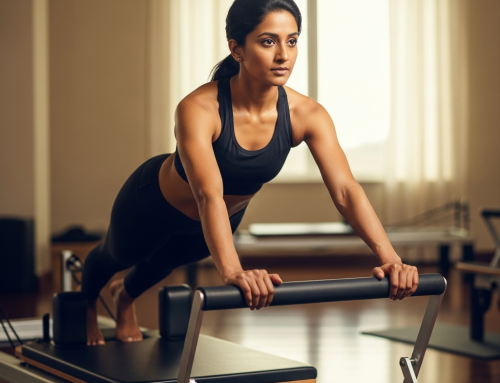
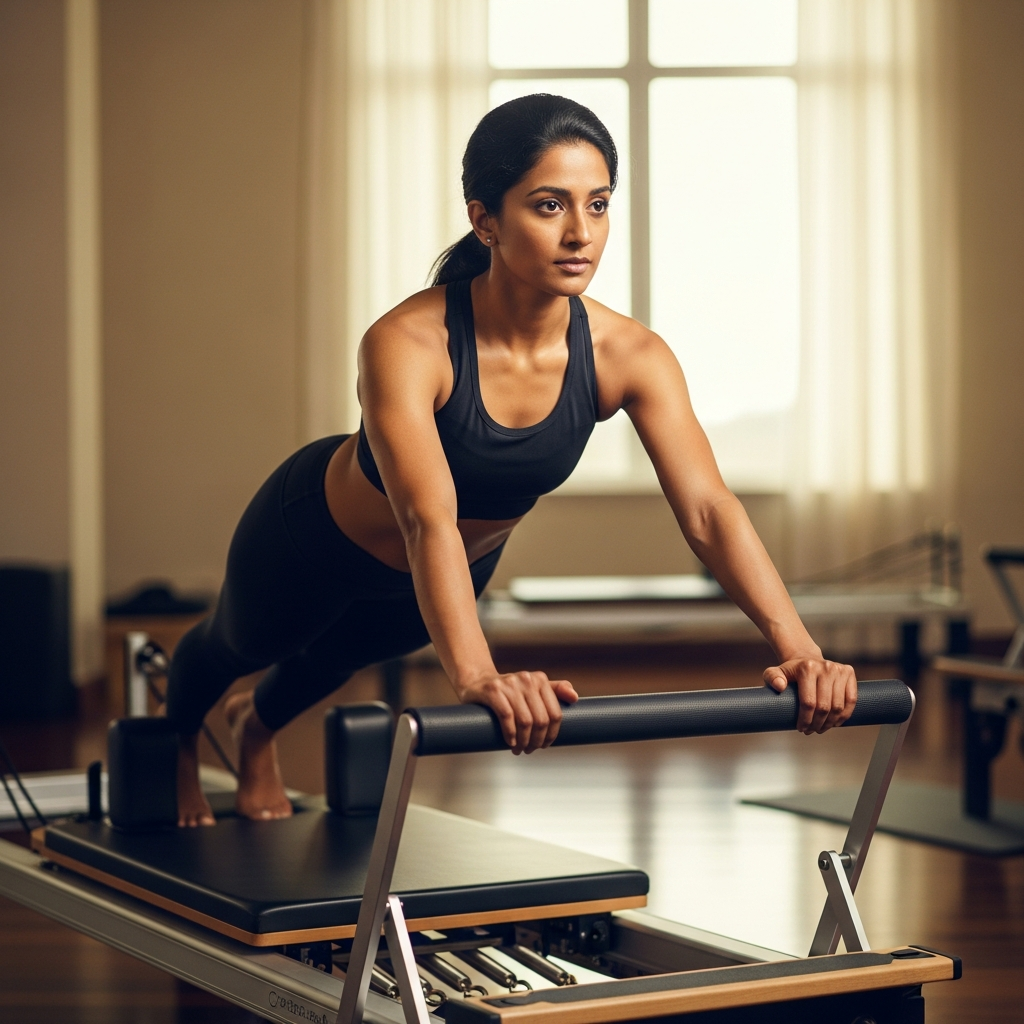
I’m talking about Pilates. Yeah, that workout you probably associate with dancers or super flexible people who can touch their toes without wincing. The one that looks… let’s be honest… kind of intimidating when you see those reformer machines with all their springs and pulleys.
But here’s the thing – and I can’t stress this enough – Pilates isn’t what most of us think it is.
Sarah, one of my clients at the clinic, put it perfectly last week: “I thought Pilates was just expensive stretching for people who already had their lives together.” She laughed as she told me this, flexing a shoulder that hadn’t bothered her in months. “Turns out, it’s actually the thing that *helped* me get my life together.”
That’s the shift I keep seeing in Pleasant Grove. People aren’t just discovering Pilates – they’re discovering that it solves problems they didn’t even realize were connected to movement. Like how sitting at a desk for eight hours creates this weird chain reaction of tight hips, rounded shoulders, and that nagging lower back pain that makes you grunt when you get up. Or how stress literally lives in our bodies, creating tension patterns that no amount of weekend warrior workouts seem to fix.
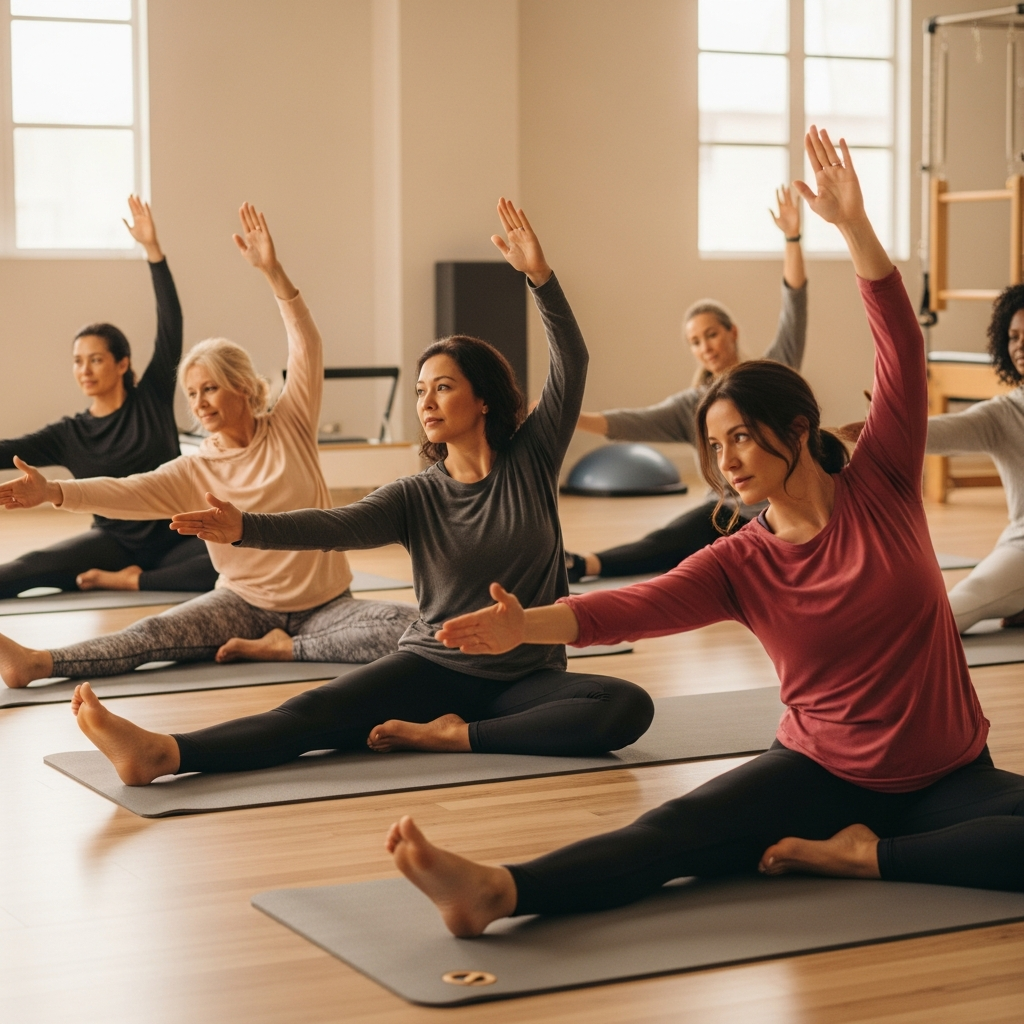
You’ve probably noticed the studios popping up around town. There’s that bright, airy space on Main Street where you can see people moving slowly and deliberately through their sessions. The converted warehouse downtown that always seems to have cars in the parking lot, even at 6 AM. And if you’re like most people, you’ve probably walked by, curious but not quite ready to commit.
Maybe you’ve been dealing with your own stuff. The knee that tweaks when you go up stairs. The fact that you can’t look over your shoulder to back out of a parking space without your whole upper body protesting. Or perhaps it’s bigger than that – maybe you’re carrying stress in ways that show up as headaches, restless sleep, or just feeling… disconnected from your own body.
The thing about Pleasant Grove is that we’re a community of people who work hard. We’ve got tech workers hunched over keyboards, teachers on their feet all day, parents lifting kids and car seats and grocery bags. We’re active, sure – but we’re also dealing with the reality of modern life creating some pretty specific physical challenges.
And that’s where this whole Pilates thing gets interesting. Because unlike the high-intensity workouts that leave you exhausted (but somehow still tight and achy), or the gentle yoga classes that feel good but don’t quite address your core weakness… Pilates seems to meet people exactly where they are.
I’ve watched clients transform not just their bodies, but their relationship with exercise itself. People who used to dread working out because it felt like punishment are suddenly looking forward to their sessions. Folks who thought they were “too old” or “too out of shape” are discovering strength they didn’t know they had.
The science backs this up, of course – and we’ll get into that. But more importantly, the people in our community are living proof that this isn’t just another fitness fad. This is something that’s changing how Pleasant Grove moves, feels, and approaches wellness.
So whether you’re dealing with chronic pain, feeling disconnected from your body, or just curious about what all the buzz is about… stick with me. We’re going to explore why Pilates is taking off here, what makes it different from other workouts, and – most importantly – whether it might be the missing piece in your own health puzzle.
Because sometimes the best solutions are the ones hiding in plain sight, waiting for us to be ready to see them differently.
What Exactly Is Pilates, Anyway?
You know how everyone talks about Pilates but… do we actually know what it is? I mean, beyond “it’s good for your core” or “celebrities do it.” Let me break it down for you – and trust me, it’s way more interesting than you might think.
Pilates is basically a movement system that treats your body like a finely tuned orchestra. Every muscle has to play its part, but some are first chair violin while others provide the steady rhythm section. Your core? That’s your conductor, keeping everything in sync.
The whole thing was invented by a guy named Joseph Pilates back in the early 1900s. He was this fascinating character – part gymnast, part yogi, part physical therapist. During World War I, he actually rigged up springs and pulleys to hospital beds so injured soldiers could exercise while bedridden. Pretty ingenious, right? That’s where those intimidating-looking Pilates machines (called “reformers”) come from.
The Mind-Body Thing That Actually Makes Sense
Here’s where Pilates gets interesting – and honestly, a little weird if you’re used to traditional workouts. You’re not just moving your body; you’re thinking about every single movement. It’s like… imagine you’re learning to drive a manual transmission car. At first, you’re consciously thinking about every gear shift, when to use the clutch, how much gas to give. That’s Pilates.
But here’s the thing – this hyper-awareness isn’t just new-age nonsense. When you’re forced to really concentrate on how you’re moving, your brain literally rewires itself to create better movement patterns. It’s like upgrading your body’s operating system.
I’ll be honest – this was the hardest part for me to wrap my head around initially. We’re so used to zone-out workouts (hello, Netflix and treadmill) that having to be mentally present for every rep feels… exhausting. But also kind of addictive once you get the hang of it.
Six Principles That Sound Simple but Aren’t
Joseph Pilates built his method around six core principles, and they’re deceptively straightforward
Concentration – You can’t just go through the motions. Every movement requires your full attention, like threading a needle while someone’s talking to you.
Control – This isn’t about speed or power; it’s about precision. Think of it like being a surgeon rather than a lumberjack. Quality over quantity, always.
Centering – Everything radiates from your “powerhouse” – basically your core, but extending from your ribcage to your pelvis. It’s your body’s command center.
Flow – Movements should connect seamlessly, like a dancer moving through choreography rather than a robot performing isolated tasks.
Precision – Better to do three perfect repetitions than ten sloppy ones. This is where Pilates gets its reputation for being “harder than it looks.”
Breathing – And not just any breathing – specific breathing patterns that coordinate with each movement. It’s like learning to pat your head and rub your belly, but more useful.
Why Your Body Responds So Differently
The counterintuitive thing about Pilates? You might leave a session feeling like you barely broke a sweat, then wake up the next day with muscles you forgot you had talking to you. This happens because Pilates works your stabilizing muscles – the ones that usually coast along while your bigger, showier muscles do all the work.
It’s like the difference between lifting a heavy box off the ground versus holding that same box perfectly still while someone tries to knock it out of your hands. Same muscles, completely different challenge.
Your body also has to learn to work as a integrated system rather than isolated parts. Most workouts are like training individual instruments. Pilates is like teaching the whole orchestra to play a symphony together. The result? Better posture, fewer injuries, and this weird sense that your body finally knows what it’s doing.
Actually, that reminds me – this is probably why so many people in Pleasant Grove are gravitating toward it. We’re all dealing with the aftermath of sitting at desks, hunching over phones, and generally treating our bodies like vehicles we occasionally remember to maintain. Pilates doesn’t just address the symptoms; it rewrites the whole program.
The learning curve can be steep, I won’t lie. But once things start clicking? It’s like your body just… works better.
Finding Your First Pilates Studio (Without the Intimidation Factor)
Look, I get it – walking into a new fitness studio can feel like entering some exclusive club where everyone already knows the secret handshake. But here’s the thing about Pilates studios in Pleasant Grove: most of them are ridiculously welcoming.
Start with a beginner-friendly class (they’ll usually say “all levels” or “foundation” in the description). Don’t worry about having the fanciest gear – grip socks are nice but not essential for your first class. Most studios rent mats for a few bucks, though… actually, that reminds me – always check if they provide props like blocks and straps. Some places are fully stocked, others expect you to bring your own.
Here’s an insider tip: call ahead and mention you’re new. Seriously. The front desk can usually steer you toward an instructor who’s particularly good with beginners, or let you know if a specific class tends to move fast.
What to Actually Expect in Your First Class
Your instructor will probably ask about injuries or concerns – don’t just say “I’m fine” if you’re not. That lower back twinge from your desk job? Mention it. They can offer modifications that’ll actually help instead of making things worse.
The pace might surprise you. Pilates isn’t like spinning where you’re dripping sweat in five minutes. It’s more like… solving a puzzle with your body. You’ll hold positions that seem simple until suddenly your abs are screaming (in a good way, mostly).
Don’t get frustrated if you can’t nail everything immediately. I’ve seen people who’ve been doing Pilates for years still wobble during single-leg exercises. The woman next to you who looks like she was born doing the teaser? She probably started exactly where you are now.
The Equipment Situation (And Why You Don’t Need Much)
Here’s what you actually need: comfortable clothes that won’t ride up during inversions, and maybe those grip socks if you’re taking mat classes. That’s it for starters.
The reformer machines look intimidating with all those springs and pulleys, but think of them as your helpful assistant rather than some medieval torture device. The resistance actually makes many exercises easier by supporting your movements. It’s like having training wheels that make you stronger instead of more dependent.
If you’re doing home practice (and you should, even just 10 minutes here and there), invest in a decent mat first – not one of those thin yoga mats that’ll leave your tailbone screaming on hard floors. You want something with actual cushioning.
Building Your Practice Without Burning Out
This is where people mess up. They get all excited, sign up for unlimited classes, then flame out after two weeks because they’re sore and overwhelmed.
Start with once or twice a week, max. Your body needs time to adapt to all these new movement patterns. Plus, Pilates has this sneaky way of making muscles you forgot you had suddenly very vocal about their existence.
Here’s a strategy that works: pair your studio classes with short home sessions. Maybe 15 minutes of basic exercises on non-studio days. It keeps the movements fresh in your mind without overdoing it.
And honestly? Don’t feel like you need to master everything immediately. I know people who’ve been doing Pilates for years and still modify certain exercises. It’s not about perfection – it’s about consistency and gradual improvement.
Making It Stick When Life Gets Crazy
Because let’s be real – life happens. Work explodes, kids get sick, the car breaks down. Having a backup plan keeps you from falling off the wagon completely.
Download a Pilates app for those chaotic weeks when getting to the studio feels impossible. Even 10 minutes of focused movement is better than nothing. I like to think of it as maintenance mode – you’re not necessarily progressing, but you’re not losing ground either.
Schedule your classes like important appointments. Put them in your calendar with notifications. Treat them as non-negotiable time for yourself… because they should be.
And here’s something nobody tells you: it’s okay to have favorite instructors. If you click with someone’s teaching style, take their classes regularly. That connection can be the difference between sticking with it and giving up when things get tough.
The goal isn’t to become a Pilates influencer or nail every advanced move. It’s to feel stronger, move better, and maybe – just maybe – stop wincing every time you get out of bed in the morning.
“I’m Not Flexible Enough for This”
Here’s the thing everyone gets wrong about Pilates – you don’t need to be flexible to start. It’s like saying you need to be clean before you shower. The whole point is that Pilates *creates* flexibility, not the other way around.
I’ve watched countless Pleasant Grove residents walk into their first class convinced they’ll embarrass themselves because they can’t touch their toes. (Honestly? Most of us can’t when we start.) But here’s what actually happens: you modify everything. Can’t reach your feet during the roll-up? Bend your knees. Can’t hold that teaser position? Use your hands for support.
The real solution is finding an instructor who actually gets this – someone who’ll show you three different ways to do every exercise instead of just demonstrating the “perfect” version. Many local studios offer beginner series specifically designed for the “I haven’t moved my body intentionally since high school” crowd.
The Cost Reality Check
Let’s be honest – Pilates isn’t cheap. Between the specialized equipment and small class sizes, you’re looking at anywhere from $25-40 per class in Pleasant Grove. That adds up fast, and it’s a legitimate concern when you’re already managing a household budget.
But here’s what I’ve seen work: start with mat classes (way less expensive), look for new student packages (most studios offer them), or try the group reformer classes instead of privates. Some people split packages with friends or take advantage of off-peak pricing.
Actually, that reminds me – several Pleasant Grove studios now offer sliding scale pricing or work-study programs. It doesn’t hurt to ask. The worst they can say is no, and you might be surprised how many instructors want to make their classes accessible.
“I Don’t Feel Like I’m Getting a Real Workout”
This one drives me crazy because it usually comes from people who equate sweating buckets with effectiveness. Pilates works differently – it’s not about that burning, gasping-for-air feeling you get from high-intensity workouts.
The challenge here is mental. You’re doing tiny, precise movements that seem easy until suddenly your abs are shaking like a leaf and you realize you’ve been holding your breath. The “burn” in Pilates is subtle but deep. You might not feel completely wiped out afterward, but try walking upstairs the next day…
If you need that intense feeling to feel accomplished, try adding some cardio elements to your routine – maybe alternate Pilates days with walks around Pleasant Grove’s beautiful trails. Or look for Pilates fusion classes that blend traditional movements with more dynamic elements.
The Intimidation Factor at Studios
Walking into a Pilates studio can feel like entering some exclusive club where everyone already knows the secret handshake. All those machines look like medieval torture devices, and everyone else seems to flow through movements while you’re still figuring out which way is up.
The solution? Most studios offer equipment orientations or “Pilates 101” workshops. Take advantage of these – seriously. It’s worth spending an hour learning how the reformer works before jumping into a class where you’re trying to figure out springs and pulleys while also attempting to engage your core.
Also, arrive early to your first few classes. Most instructors are happy to show you basic setup and answer questions when they’re not managing a full room of people. Don’t be that person who shows up right as class starts and then feels lost the entire time.
Making It Stick When Life Gets Crazy
This is probably the biggest challenge – maintaining consistency when work gets hectic, kids get sick, or life just… happens. Pilates benefits build on each other, so sporadic attendance means you’re constantly starting over.
Here’s what actually works: treat it like a doctor’s appointment. Put it in your calendar and don’t negotiate with yourself. Start with just once a week – consistency beats intensity every time. Some weeks that might mean a 20-minute online session in your living room instead of a full studio class, and that’s perfectly fine.
The key is removing friction. Keep your Pilates clothes in your car, find a studio that’s actually on your route to work, or set up a simple mat space at home. The easier you make it to show up, the more likely you’ll actually do it.
Setting Realistic Expectations – It’s Not Magic (Sorry)
Look, I’m going to be straight with you about Pilates because there’s enough misleading fitness hype out there already. If you’re expecting to transform into a Greek goddess after three sessions… well, let’s recalibrate those expectations a bit.
Most people start noticing subtle changes around the 4-6 week mark – maybe your posture feels a bit taller when you’re walking through the grocery store, or you realize you’ve been sitting at your desk for hours without that familiar lower back ache creeping in. The real magic? It happens gradually, almost sneakily.
Your core strength will probably surprise you first. That whole “I can barely hold a plank for 10 seconds” situation tends to improve pretty quickly – within 2-3 weeks, you might find yourself thinking “wait, when did that get easier?” But here’s the thing about Pilates… it’s sneaky. Just when you think you’ve mastered something, your instructor will add a tiny modification that makes you realize you’re still very much a work in progress.
The flexibility gains take longer – we’re talking 2-3 months before you notice significant changes. And strength? True, functional strength that translates to real life (like carrying all your groceries in one trip because you refuse to make two)… that’s more of a 6-8 week timeline.
What Those First Few Weeks Really Look Like
Okay, real talk – your first class might be humbling. You’ll probably spend half the time trying to figure out what the heck your instructor means by “engage your transverse abdominis” while everyone else seems to intuitively know exactly which muscles those are. That’s completely normal.
Week one through three? You’re basically learning a new language. Your body’s trying to understand these precise, controlled movements that feel nothing like the cardio classes you might be used to. Don’t be surprised if you feel muscles you forgot existed – especially the next day when you’re reaching for something on a high shelf and suddenly remember yesterday’s session.
Around week four, something clicks. Not everything, mind you – you’re not suddenly a Pilates prodigy – but you start moving with more intention. The breathing pattern that felt so awkward? It’s starting to feel… less awkward. Maybe not natural yet, but less like you’re trying to pat your head and rub your stomach simultaneously.
By week six to eight, you’ll probably catch yourself automatically engaging your core when you bend over to pick something up. It’s one of those “oh, this is actually working” moments that makes all those wobbly single-leg stands worth it.
Building Your Pilates Routine (Without Overwhelming Yourself)
Here’s where people often go wrong – they either jump in with unrealistic frequency or they treat Pilates like a once-in-a-while thing. The sweet spot for most people? 2-3 times per week, consistently.
Starting with twice a week is perfectly reasonable. Actually, it’s smart. Your body needs time to process and adapt to these new movement patterns. Going every day right out of the gate is like trying to read War and Peace when you usually stick to Instagram captions – technically possible, but probably not the best strategy.
If you’re combining Pilates with other activities (which you probably should), think of it as your movement foundation rather than your only form of exercise. It plays beautifully with walking, swimming, or even weight training – it’s like having a really solid backup singer that makes everyone else sound better.
Next Steps: Finding Your Pilates Path
The beautiful thing about Pleasant Grove’s Pilates scene is that you’ve got options. Maybe you start with a beginner series at one of the established studios – most offer intro packages that let you try different instructors and class styles without committing to a massive upfront cost.
Consider privates or semi-privates if you’re dealing with specific issues or just want more personalized attention. Yes, they’re pricier, but think of it as an investment in actually learning the method properly rather than just going through the motions.
And here’s something nobody talks about – don’t feel locked into your first choice. If the vibe isn’t right at one studio, try another. The Pilates community here is pretty welcoming, but every place has its own personality. Find where you feel comfortable being a beginner… because spoiler alert: we’re all beginners at something in Pilates, even years in.
Finding Your Perfect Fit
You know what? There’s something pretty magical happening in Pleasant Grove right now. People are discovering that fitness doesn’t have to mean dreading your workout or forcing yourself through routines that leave you feeling defeated. Instead, they’re finding their way to studios where the lights are softer, the music is calmer, and – here’s the kicker – they actually look forward to showing up.
It makes sense when you think about it. We’ve all been there… that cycle of starting strong with some intense workout program, only to burn out after a few weeks because our bodies are screaming and our schedules can’t keep up. But Pilates? It’s different. It meets you where you are – whether you’re dealing with a cranky lower back, recovering from an injury, or just tired of feeling disconnected from your own body.
The beauty of what’s happening in our community is that it’s not just about the physical changes, though those are pretty incredible too. It’s watching someone stand a little taller after a few sessions, or hearing them mention that their chronic hip pain has finally eased up. It’s seeing people develop this quiet confidence that comes from truly understanding how their body moves and – maybe more importantly – how to take care of it.
And honestly? The timing couldn’t be better. We’re all carrying so much stress these days, and finding something that actually helps you process it instead of just adding another item to your to-do list… that’s gold. Pilates gives you that hour where your biggest concern is whether you’re engaging your core properly or if you can hold that plank for five more seconds.
What really gets me excited is how this isn’t just another fitness trend that’ll fade away. The people discovering Pilates in Pleasant Grove aren’t just trying it out – they’re making it part of their lives. They’re bringing their friends, talking about how much better they’re sleeping, and actually sticking with it because it feels good, not because they feel like they have to.
Ready to See What All the Buzz Is About?
Look, I get it if you’re feeling a bit curious but also maybe a little intimidated. Starting something new – especially when it comes to fitness – can feel overwhelming. But here’s what I want you to know: you don’t have to figure this out alone.
Whether you’re wondering if Pilates might help with that nagging shoulder tension, curious about how it could fit into your weight management goals, or just ready to try something that won’t leave you exhausted… we’re here to chat. No pressure, no sales pitch – just real conversation about what might work for your body and your life.
Give us a call or stop by. We’d love to talk about what you’re dealing with, what you’re hoping to achieve, and how we might be able to help. Sometimes the best thing you can do for yourself is simply ask questions and see what options are out there. You might just discover that this whole Pilates thing that’s got everyone talking in Pleasant Grove is exactly what you’ve been looking for.