7 Benefits of Taking Pilates Classes in Fort Worth
You know that feeling when you walk past a studio window and see people flowing through these graceful movements that look impossibly elegant? Their bodies seem to bend and stretch in ways that make you think, “I could never do that.” Meanwhile, you’re carrying groceries up the stairs and your back’s already protesting.
I get it. I used to think Pilates was just for dancers and celebrities with personal trainers – you know, those people who seem to glide through life without ever throwing their back out reaching for a coffee mug. But here’s the thing I discovered (and wish I’d known years earlier): Pilates isn’t about being perfect or pretzel-flexible. It’s about feeling strong in your own body again.
Maybe you’ve been dealing with nagging aches that seem to multiply with each birthday. Or perhaps you’re tired of starting and stopping workout routines because everything feels too intense, too jarring, or just… too much. You’re not alone in this. So many of us are walking around feeling disconnected from our bodies – like we’re just heads carrying around these vessels that occasionally remind us they exist through various complaints.
The truth is, Fort Worth has become something of a hidden gem for Pilates enthusiasts, and there’s a reason why. This city has embraced the practice in a way that feels authentic and accessible, not intimidating or exclusive. From converted warehouses in the Cultural District to cozy neighborhood studios tucked away in places you’d never expect, there’s something here for everyone.
But let’s be honest – you’re probably not here because you’re already convinced about Pilates. You might be here because your doctor mentioned “core strength” during your last visit, or because a friend keeps raving about how much better she feels since starting classes. Maybe you’re dealing with stress that feels like it’s physically weighing you down, or you’re simply tired of exercise routines that leave you more exhausted than energized.
Here’s what I want you to know: Pilates isn’t going to transform your life overnight (despite what those Instagram ads promise). But it might just give you back something you didn’t realize you’d lost – that sense of moving through the world with confidence and ease.
The beautiful thing about taking Pilates classes specifically is that you’re not figuring it out alone. There’s something powerful about being in a room with other people who are also working on getting stronger, more flexible, more balanced. It’s not competitive in the way a gym can feel. Instead, there’s this quiet camaraderie that develops when everyone’s focused on the same goal: feeling better in their bodies.
And Fort Worth? Well, this city has a way of making everything feel a little more welcoming. The studios here tend to reflect that Texas hospitality – they’re places where you can show up exactly as you are, whether that’s completely new to exercise or coming back after time away.
What I love most about the Pilates scene here is how practical it is. These aren’t classes designed to make you look like a fitness model (though you might be surprised by how your body changes). They’re designed to help you carry groceries without wincing, play with your kids without getting winded, or simply wake up feeling like your body is on your side rather than working against you.
In the next few minutes, we’re going to explore seven specific ways that Pilates classes in Fort Worth can make a real difference in how you feel day to day. We’ll talk about everything from the obvious benefits – like getting stronger and more flexible – to the surprising ones you might not have considered. Things like how certain breathing techniques can actually help you sleep better, or how focusing on precise movements for an hour can quiet that constant mental chatter that follows you everywhere.
Whether you’re someone who’s never set foot in a fitness studio or you’re a seasoned exerciser looking for something different, there’s probably something here that will resonate with where you are right now. Because ultimately, this isn’t about adding another item to your already overwhelming to-do list – it’s about finding something that actually makes everything else feel a little easier.
What Exactly Is Pilates, Anyway?
You’ve probably heard the word “Pilates” thrown around at dinner parties and gym conversations, but if you’re like most people, you might be a little fuzzy on what it actually *is*. Don’t worry – you’re not alone in this confusion.
Think of Pilates as the sophisticated cousin of your typical workout. While your regular gym session might have you huffing and puffing through burpees (and questioning your life choices), Pilates works more like a master chess player – strategic, deliberate, and surprisingly powerful in ways you don’t immediately see.
Created by Joseph Pilates back in the early 1900s, this method focuses on what he called your “powerhouse” – basically everything from your ribs to your hips. It’s like building a strong foundation for a house, except the house is your body, and the foundation determines whether you’re going to stand tall and confident or… well, not.
The Mind-Body Connection That Actually Makes Sense
Here’s where things get interesting – and honestly, a bit weird if you’re used to zone-out workouts. Pilates demands that your brain show up to class too.
You know how you can totally space out on the elliptical, mentally planning your grocery list while your legs do their thing? Yeah, that’s not happening in Pilates. Every movement requires this almost annoying level of concentration. You’re thinking about your breathing, your alignment, which muscles are working, how your spine is positioned…
It’s like trying to pat your head and rub your stomach while reciting the alphabet backward. Sounds ridiculous, but that’s exactly why it works so well. Your brain and body start communicating better, which – and this might sound a little woo-woo – actually translates into better coordination and body awareness in your daily life.
Why Fort Worth Is Having a Pilates Moment
Fort Worth has always been a city that appreciates both tradition and innovation, and Pilates fits right into that sweet spot. You’ve got busy professionals who need something that works efficiently, parents juggling seventeen different schedules, and retirees who want to stay active without beating up their joints.
The beauty of Pilates is that it doesn’t discriminate. Whether you’re a former athlete trying to reclaim some of that old strength or someone who’s been sedentary for years (hey, no judgment here), Pilates meets you where you are. It’s like having a workout that scales up or down depending on your needs.
The Equipment Situation – Don’t Panic
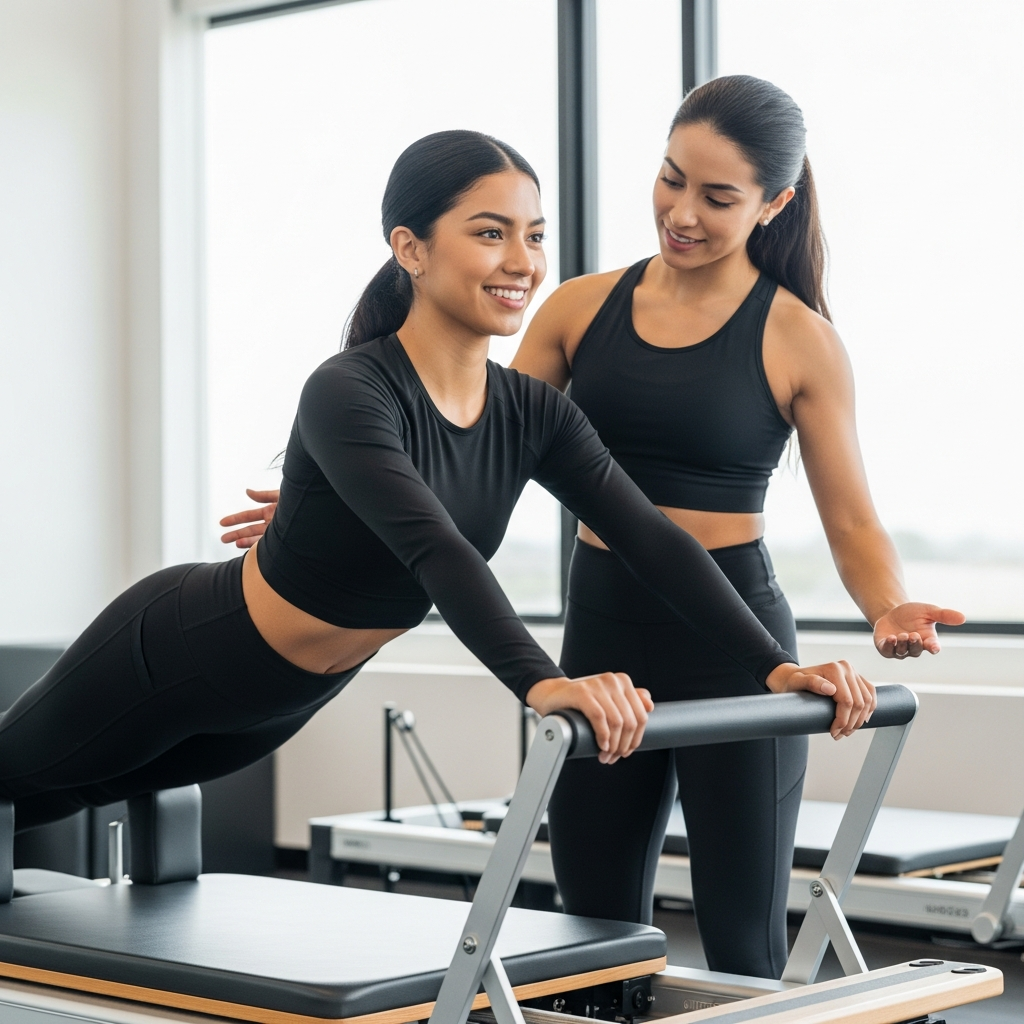
Now, let’s talk about those intimidating-looking contraptions you might’ve seen in Pilates studios. The Reformer looks like something between a medieval torture device and a piece of space-age equipment. I get it – it’s weird.
But think of these machines as your workout assistants, not your enemies. They provide resistance and support in ways that make exercises both more challenging and more accessible. It’s counterintuitive, but that spring resistance actually helps you move better, not harder.
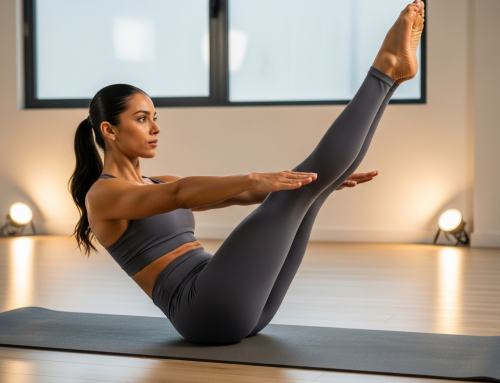
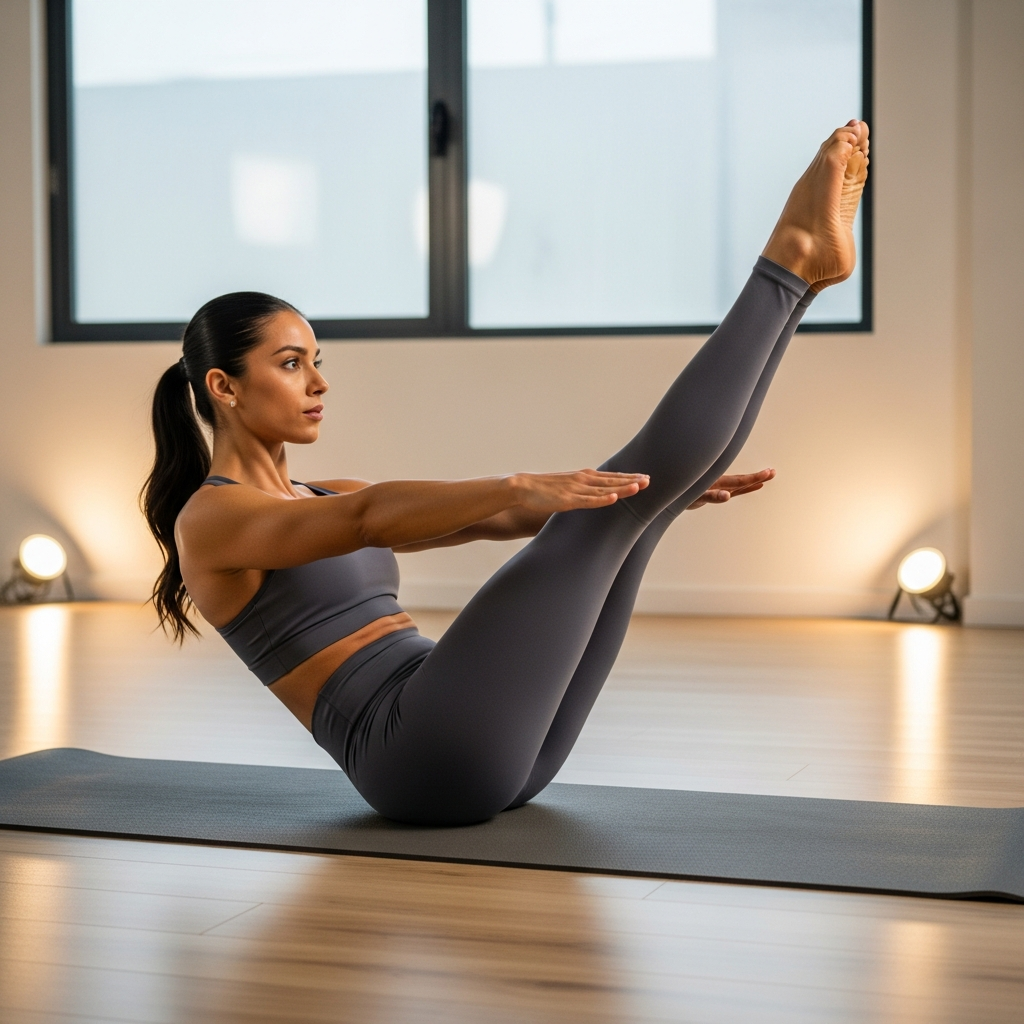
You can absolutely do Pilates on just a mat – in fact, mat Pilates is where most people start, and it’s plenty challenging on its own. Joseph Pilates designed his original exercises to be done anywhere, anytime. The fancy equipment came later.
Core Strength vs. Six-Pack Abs – The Real Talk
Here’s something that trips people up: when Pilates instructors talk about “core strength,” they’re not necessarily talking about getting washboard abs (though that might be a nice side effect).
Your core is more like the foundation and frame of a building – it includes deep muscles you’ve probably never heard of, your diaphragm, pelvic floor, and a whole network of stabilizers that keep you upright and moving efficiently. It’s the difference between having a strong exterior shell and having structural integrity throughout your entire body.
The Breathing Thing – Yes, It Actually Matters
If you’ve never taken a Pilates class, the emphasis on breathing might seem… excessive. Why are we talking so much about something we do automatically?
Well, most of us are actually pretty terrible breathers. We’re shallow, stressed, and inefficient – kind of like trying to run a car on fumes. Pilates breathing is more intentional, coordinated with movement, and designed to actually support what you’re doing instead of just keeping you alive.
It takes some getting used to, honestly. But once you figure it out, it’s like upgrading from dial-up internet to fiber optic – everything just works better.
Finding Your Perfect Fort Worth Studio Match
Here’s the thing about Pilates studios – they’re not all created equal, and what works for your neighbor might feel completely wrong for you. I always tell clients to think of studio hunting like dating… you wouldn’t marry the first person you meet, right?
Start by checking out three different studios in your area. Most offer introductory packages – usually around $99 for unlimited classes in your first month. That’s your golden ticket to test the waters. Pay attention to more than just the instructor’s credentials (though those matter). Notice the vibe. Are people chatting before class or staring at their phones? Does the front desk actually greet you, or do they barely look up? These details matter more than you’d think.
Pro tip: Visit during different times of day. That 6 AM crowd is going to have a completely different energy than the post-work session at 6 PM. Find your tribe.
Maximizing Your First Month (Without Burning Out)
I see this mistake constantly – people sign up for unlimited classes and try to go every single day. Your body will stage a revolt, trust me on this one.
Start with 2-3 classes per week, and here’s the secret sauce: alternate between beginner and intermediate levels. Even if you’re athletic, Pilates uses muscles in ways your body hasn’t experienced. That burn you feel? It’s different from your usual workout burn.
Schedule your classes like appointments – actually put them in your calendar. The studios I recommend in Fort Worth (like Studio Barre and Club Pilates) have great apps that let you book ahead. Book a week’s worth at once, ideally the same days each week. Your body loves routine, and you’ll stop making excuses when it becomes as automatic as brushing your teeth.
One more thing – bring a water bottle and a small towel. You’ll thank me later.
The Equipment Learning Curve (It’s Less Scary Than It Looks)
Those reformer machines look like medieval torture devices, don’t they? I get it. But here’s what nobody tells you: the springs are your friends, not your enemies.
During your first few classes, don’t worry about “keeping up” with everyone else. Focus on these basics instead
– Keep your core engaged (imagine someone’s about to playfully punch you in the stomach) – Breathe with the movement, not against it – If something hurts – not challenges you, but actually hurts – speak up immediately
The instructors worth their salt will give modifications for everything. Actually, let me rephrase that – good instructors will offer modifications before you even ask. If yours doesn’t, find a new studio.
Building Your Home Practice (Without Buying Everything)
You don’t need to transform your living room into a mini studio, despite what Instagram might suggest. Start simple.
A good mat is non-negotiable – invest in something thick enough that your tailbone doesn’t scream when you’re doing roll-ups. I recommend at least 6mm thickness. Beyond that? A resistance band and maybe some 2-3 pound weights will cover 80% of what you need.
YouTube has some excellent follow-along sessions, but here’s my insider tip: record yourself doing a few moves from class on your phone (after getting permission, obviously). Not to post anywhere – just for reference. Sometimes seeing yourself helps you understand the movement better than any mirror.
Making It Stick When Life Gets Crazy
Fort Worth traffic can derail the best intentions, so have backup plans. Most studios offer virtual classes now – not ideal long-term, but perfect for those days when I-35 is basically a parking lot.
Create a “minimum effective dose” routine. Maybe that’s 15 minutes of mat work in your bedroom, or just the breathing exercises you learned in class. Something is always better than nothing, and it keeps the habit alive even during busy weeks.
The Social Side (Because Community Matters)
Don’t underestimate the power of the pre-class chat or post-class water cooler conversations. Some of my most successful clients found workout buddies this way. Having someone to text “Are you going to the 5:30 class?” makes all the difference on those days when your couch is calling your name.
Many Fort Worth studios host social events – wine nights, workshops, challenges. Show up to these. Even if you’re not naturally outgoing, having familiar faces in class makes the whole experience more enjoyable. Plus, you’ll learn things from other students that instructors might not think to mention.
Trust me – six months from now, you’ll be the one welcoming nervous newcomers and sharing these same tips.
The Mental Game is Harder Than the Physical One
Let’s be real – the biggest challenge isn’t mastering the hundred or perfecting your roll-up. It’s that voice in your head whispering “you don’t belong here” when you walk into your first class and see people who look like they’ve been doing Pilates since the womb.
Here’s the thing… everyone feels like a fraud at first. Even that graceful woman on the reformer next to you? She probably face-planted during her first teaser attempt. The solution isn’t waiting until you’re “ready” – because you’ll never feel ready. Show up anyway. Most instructors in Fort Worth studios are incredibly welcoming (they remember being beginners too), and your fellow classmates are usually too focused on not falling off their own equipment to judge your form.
Your Body Will Resist Before It Adapts
That muscle shaking during a simple leg circle? Totally normal. Your core cramping during the warm-up? Also normal, though admittedly frustrating when you’re just trying to breathe and move at the same time.
Pilates asks your body to work in ways it’s probably never worked before. Those tiny, precise movements? They’re deceptively brutal because they’re targeting muscles you didn’t even know existed. Your hip flexors might stage a revolt, your shoulders could feel like concrete blocks, and don’t even get me started on what planks do to your entire being…
The solution isn’t powering through pain – that’s actually counterproductive. Instead, think of it like learning a new language. You wouldn’t expect to be fluent after one conversation, right? Give your body permission to be a beginner. Modify when you need to. Use props. Take breaks. Your body’s resistance will gradually melt into strength, but it needs time and patience.
Scheduling Conflicts Will Happen (And That’s Okay)
You start with the best intentions – twice a week, every Tuesday and Thursday at 6 PM. Then life happens. Your kid gets sick, work explodes, your car decides to make that weird noise again…
The perfectionist in you might think, “Well, I missed this week, so I’ve already failed.” Wrong. This isn’t an all-or-nothing game. Most Fort Worth studios offer flexible class packages or drop-in rates specifically because they know life gets messy.
Actually, here’s something instructors rarely tell you: consistency matters more than frequency. One class a week for six months beats three classes a week for three weeks followed by radio silence. Find a schedule that fits your actual life, not your aspirational life.
The Equipment Intimidation Factor
Walking into a reformer class can feel like entering a medieval torture chamber designed by someone with a physics degree. All those springs, straps, and moving parts… it’s genuinely overwhelming.
Most people make the mistake of jumping straight into equipment classes because they look more “advanced.” But here’s the truth – mat classes are often harder because you don’t have the reformer’s assistance. Start there if you can. You’ll build foundational strength and learn the movement patterns without wrestling with unfamiliar machinery.
When you do progress to equipment (and you should – it’s incredibly effective), don’t be shy about asking for help. Those spring tensions and strap adjustments aren’t intuitive. Even seasoned practitioners sometimes need reminders about proper setup.
The Comparison Trap
This one’s sneaky because it feels so automatic. You can’t help but notice that Sarah next to you is holding her plank twice as long, or that Michael’s roll-ups look effortless while yours resemble a dying fish.
Here’s what helps: remember that flexibility and strength aren’t the same thing. That super-bendy person might be working on stability while you’re building mobility. The person flowing through advanced movements might be recovering from an injury and actually envying your pain-free range of motion.
Focus on your own progress markers. Can you hold that position two seconds longer than last week? Does your back feel better after class? Are you sleeping more soundly? These victories matter more than keeping up with anyone else.
Making It Stick Long-Term
The honeymoon phase ends – usually around week six when the newness wears off but the real changes are still brewing beneath the surface. This is where most people quit, right before the magic happens.
Find your “why” beyond the physical benefits. Maybe it’s that mental clarity after class, or how you stand taller throughout the day, or simply having one hour that’s entirely yours. Hold onto that reason when motivation dips.
What to Expect in Your First Few Classes
Let’s be honest – your first Pilates class might feel a bit like learning a new language. You’ll hear terms like “neutral spine” and “powerhouse,” and you might find yourself wondering if everyone else got a secret instruction manual you somehow missed. That’s completely normal, by the way.
Most studios offer beginner-friendly classes, and instructors are used to seeing that deer-in-headlights look. Don’t worry about keeping up perfectly or getting every movement right on day one. I’ve seen people stress themselves out trying to be perfect from the start, which kind of defeats the whole purpose of this mindful practice.
You’ll probably feel muscles you forgot you had – especially in your core and those smaller stabilizing muscles. Some gentle soreness the next day? Totally expected. Sharp pain or feeling completely destroyed? That’s your cue to dial it back a notch.
Realistic Timeline for Results
Here’s where I need to give you the real talk – because I’ve seen too many people get discouraged when they don’t transform into graceful swans after three classes.
Most people start noticing subtle changes around the 4-6 week mark if they’re going 2-3 times per week. We’re talking better posture (you might catch yourself sitting up straighter without thinking about it), improved balance, and that core feeling more… present, if that makes sense.
The more dramatic changes – significant strength gains, major flexibility improvements, that coveted “Pilates posture” – those typically show up around the 8-12 week mark. Joseph Pilates himself said you’d see results in 10 sessions, feel different in 20, and have a completely new body in 30. While that’s a lovely goal, real life is usually a bit more gradual.
Actually, that reminds me… weight loss results can be even more variable. Some people see changes on the scale within a month, others notice their clothes fitting better before the numbers budge. Remember, you’re building lean muscle while potentially losing fat, so don’t let the scale be your only measure of success.
Building Your Routine
Starting with 2-3 classes per week is the sweet spot for most beginners. Going every day right out of the gate? That’s a recipe for burnout (and possibly injury). Your body needs time to adapt and recover – this isn’t a “more is always better” situation.
Many Fort Worth studios offer package deals for new students, which can help you commit to those crucial first few weeks without breaking the bank. Some places even have unlimited monthly options once you’re hooked… and trust me, it happens more often than you’d think.
Consider mixing up your class types as you progress. Maybe start with mat classes, then add in some equipment work. Reformer classes can be incredible for building strength and control, though they do tend to be pricier.
How to Track Your Progress
Forget about just watching the scale or measuring inches (though those can be helpful). Pay attention to the subtle changes that matter: Are you sleeping better? Do you feel more stable walking up stairs? Can you sit at your desk longer without that nagging lower back ache?
Keep a simple journal or use your phone to jot down how you feel after each class. Note improvements in specific exercises – maybe you couldn’t hold that plank for more than 10 seconds in week one, but now you’re cruising through 30 seconds without shaking.
Progress photos can be surprisingly motivating too, especially for posture changes that you might not notice day-to-day.
When to Level Up
Most people are ready to try intermediate classes after about 2-3 months of consistent practice, though this varies wildly depending on your starting fitness level and how often you’re practicing. Your instructor will usually let you know when they think you’re ready for the next challenge.
Don’t rush it, though. I’ve seen people push into advanced classes too quickly and end up frustrated or injured. There’s no shame in staying with fundamentals classes for months – you’ll keep discovering new layers and refinements to the basic movements.
The beautiful thing about Pilates is that it meets you where you are. Whether you’re dealing with chronic pain, recovering from an injury, or just want to feel stronger and more balanced, those benefits we talked about earlier? They’re waiting for you, one class at a time.
You know, when I first heard about Pilates, I honestly thought it was just fancy stretching for people who had their lives together. Boy, was I wrong. What we’ve talked about today – the way it strengthens your core while being gentle on your joints, how it actually helps with weight management, the mental clarity that comes from focusing on your breath… it’s pretty remarkable stuff.
And here in Fort Worth? We’re lucky. This city has embraced the mind-body connection in a way that feels authentic, not trendy. Whether you’re dealing with chronic back pain from sitting at a desk all day, trying to rebuild your strength after an injury, or just wanting to feel more confident in your own skin – there’s something here for you.
Starting Where You Are, Not Where You Think You Should Be
The beautiful thing about Pilates is that it meets you exactly where you are. Maybe you haven’t exercised in years… maybe you’re already pretty active but dealing with nagging aches and pains… or perhaps you’re somewhere in the middle, trying to figure out sustainable ways to take care of yourself. All of that? Totally valid starting points.
I’ve seen people transform not just their bodies, but their relationship with movement itself. That woman who couldn’t touch her toes suddenly finding herself more flexible than she’d been in decades. The guy with chronic lower back issues discovering he can play with his kids without wincing. The busy professional who finds that hour of Pilates becomes her sanctuary in an otherwise chaotic week.
It’s More Than Just Movement
What strikes me most about the Pilates community here is how supportive it tends to be. You’re not competing with anyone – you’re just showing up for yourself. And that shift in mindset? It ripples out into other areas of life. Better posture leads to more confidence. Improved balance makes you feel more steady, literally and figuratively. That mind-body connection you develop on the reformer starts showing up when you’re dealing with stress at work or making decisions about your health.
The weight management benefits we talked about – they’re real, but they’re also just one piece of a much bigger picture. When you start moving in ways that feel good, when you’re building strength without beating yourself up… that’s when lasting change happens.
You Don’t Have to Figure This Out Alone
Look, I get it. Starting something new can feel overwhelming, especially when you’re already juggling work, family, and everything else life throws your way. That’s exactly why having the right support matters so much.
If you’re curious about how Pilates might fit into your wellness routine – or if you’re wondering how movement and mindful eating might work together to help you reach your goals – we’re here to help you sort through all of that. No pressure, no judgment, just real conversation about what might actually work for your life.
Ready to explore what’s possible? Give us a call or drop by. Sometimes the best next step is just having an honest conversation about where you want to go and what might help you get there. We’d love to be part of that conversation.