How Often Should You Take Pilates Classes if You’re in Mesquite?
You’re standing in the parking lot of that new Pilates studio on Town East Boulevard, keys in one hand, phone in the other, scrolling through class schedules for the third time this week. The “New Student Special” expires next Friday, but honestly? You’re not even sure if you can commit to once a week, let alone the unlimited monthly package the front desk keeps pushing.
Sound familiar?
Here’s the thing – you’re not alone in this internal Pilates ping-pong match. I’ve talked to hundreds of people here in Mesquite who’ve had the exact same conversation with themselves. Maybe you’re the working parent juggling soccer practice drop-offs and late meetings at the office downtown. Or perhaps you’re finally ready to do something about that nagging lower back pain that’s been your unwelcome companion since… well, longer than you’d like to admit.
The question isn’t really whether Pilates works – we all know someone who swears by it, right? Your neighbor Janet who somehow went from complaining about her “creaky joints” to posting Instagram photos from her hiking trips to Cedar Ridge. Or your coworker who used to pop ibuprofen like Tic Tacs but now walks around the office like she’s got springs in her step.
No, the real question keeping you up at night (besides wondering if you remembered to move the laundry to the dryer) is this: How often do you actually need to show up to see results?
Because let’s be honest about life in Mesquite for a minute. We’re not living in some wellness retreat fantasy land where you have unlimited time and a personal chef waiting at home. You’ve got real stuff going on – traffic on I-635 that can turn a 20-minute drive into an hour-long meditation session you didn’t sign up for. Kids who somehow need three different things at exactly the same time. A boss who thinks “work-life balance” means checking emails from both your office chair AND your kitchen table.
So when that perky studio manager tells you that “consistency is key” while eyeing your credit card, what does that actually mean for someone with your schedule? Once a week? Three times? Every day? (Please tell me it’s not every day…)
Here’s what I’ve learned after years of helping people figure out their fitness routines – and trust me, I’ve seen every schedule imaginable: The answer isn’t some one-size-fits-all magic number that looks good on a motivational poster. It’s about finding that sweet spot where you’re getting real results without turning your life into a stress-filled game of scheduling Tetris.
You know that feeling when you finally find the perfect temperature for your coffee? Not scalding hot, not lukewarm disappointment, but just right? That’s what we’re after with your Pilates frequency. Enough to make your body happy and strong, but not so much that you’re canceling dinner with friends or missing your kid’s school play because you “have to get to class.”
And here’s something the fitness industry doesn’t always want you to know – your life in Mesquite actually gives you some unique advantages when it comes to Pilates. We’re not talking about squeezing workouts into a Manhattan studio apartment or dealing with San Francisco parking nightmares. You’ve got options here, from the boutique studios in Town East to the community center classes that won’t break the bank.
But you also have unique challenges. Hot Texas summers that make you question every life choice that involves leaving your air-conditioned car. Schedules that revolve around school districts and suburban rhythms. Budgets that need to account for everything from HOA fees to youth sports equipment.
So let’s figure this out together, shall we? We’re going to talk about what actually works for real people with real lives – not fitness influencers with perfect lighting and mysteriously empty calendars. You’ll learn how to match your Pilates frequency to your goals (whether that’s feeling stronger, moving better, or just having something that’s yours in a life full of everyone else’s needs).
Most importantly, you’ll walk away knowing exactly how to make Pilates fit into your world – not the other way around.
What Exactly Happens in Your Body During Pilates?
You know how your car runs better after a tune-up? That’s basically what Pilates does for your body – except instead of changing your oil, you’re rewiring how your muscles talk to each other.
Here’s the thing that gets me excited about Pilates (and yes, I get excited about exercise science)… it’s not just about building strength. Sure, you’ll feel that burn in muscles you forgot existed. But what’s really happening is way more interesting.
Your core – and I’m talking about way more than just your abs here – becomes this incredible command center. Think of it like upgrading from dial-up internet to fiber optic. Suddenly, everything communicates faster and more efficiently. Your deep stabilizing muscles start firing properly, your posture improves without you even thinking about it, and that nagging lower back pain? It often just… disappears.
The Frequency Sweet Spot (It’s Not What You Think)
Most people assume more is always better when it comes to exercise. Makes sense, right? But Pilates is kind of like learning a musical instrument – you can’t just bang away at the piano for eight hours straight and expect to master Chopin.
Your nervous system needs time to process all these new movement patterns. I’ve seen people do Pilates every single day for weeks, only to hit a frustrating plateau. Meanwhile, their friend who goes three times a week is progressing beautifully. It’s counterintuitive, but your body actually makes those neural connections during rest, not just during the workout itself.
The magic number for most people? Somewhere between 2-4 times per week. But – and this is important – that range depends on a bunch of factors we’ll dig into.
Why Your Body Type Actually Matters
This might sound obvious, but if you’re carrying extra weight, your relationship with Pilates is going to be different than someone who’s been athletic their whole life. And that’s totally okay – actually, it can be an advantage.
When you’re working on weight loss, Pilates becomes this fantastic complement to your other efforts. It’s low-impact (your knees will thank you), but don’t let that fool you into thinking it’s easy. You’ll work up a sweat, trust me. The beautiful thing is that it strengthens all those stabilizing muscles that might have been taking a backseat for a while.
Plus, there’s something almost meditative about Pilates that helps with stress management. And we all know stress and weight gain are best friends who need to break up…
The Recovery Reality Check
Here’s where things get a bit tricky. Recovery isn’t just about being sore or not sore – though that Texas heat in Mesquite definitely makes you feel every workout a bit more intensely.
Your muscles actually adapt in layers. There’s the immediate “wow, I used muscles I didn’t know existed” feeling. Then there’s the deeper adaptation where your movement patterns start to change. This second layer takes longer – we’re talking weeks, not days.
If you’re jumping into Pilates classes every day right out of the gate, you might shortchange this deeper adaptation process. Your body gets stuck in constant repair mode instead of actually getting stronger and more coordinated.
Individual Factors That Change Everything
Your fitness background matters more than you might think. If you’ve been sedentary for a while, your body needs more recovery time between sessions. Not because you’re weak – because you’re smart. You’re giving your nervous system time to build new pathways.
Age plays a role too, though not in the way most people assume. I’ve seen 60-year-olds bounce back faster than 30-year-olds simply because they listen to their bodies better and don’t push through every little ache.
And then there’s life stress. Working long hours? Not sleeping great? Dealing with family drama? Your body treats all stress the same way – it all goes into the same bucket. So even if you feel mentally ready for another Pilates session, your body might be saying “hold up, we need a minute here.”
The key is learning to read these signals… which, honestly, is harder than the actual Pilates moves sometimes.
Starting Smart: Your First Month Game Plan
Look, I get it – you’re probably thinking you need to jump into Pilates five days a week to see results. But here’s the thing… that’s actually the fastest way to burn out or get injured.
Start with two classes per week for your first month. I know, I know – it doesn’t sound like much. But trust me on this one. Your body needs time to learn the movement patterns, and frankly, you’re going to be sore in muscles you didn’t even know existed. (Hello, deep abdominals!)
Space those classes at least one day apart. So maybe Tuesday and Friday, or Wednesday and Saturday. This gives your muscles time to recover and actually build strength. Think of it like learning a new language – you wouldn’t try to become fluent in a weekend, right?
The Sweet Spot: Building Your Routine
After that first month, you can bump up to three classes per week if you’re feeling good. This is honestly the magic number for most people I work with. It’s enough to build real strength and see body composition changes, but not so much that it interferes with your other healthy habits.
Here’s what I’ve noticed works best in Mesquite specifically – and this might surprise you. Try to get at least one class in on the weekend. Saturday morning Pilates? Game changer. You’re not rushing from work, you can really focus on your form, and it sets a positive tone for the rest of your weekend. Plus, most studios here have slightly longer weekend classes.
Mixing It Up: Different Classes for Different Goals
Not all Pilates classes are created equal, and this is where you can get strategic about your schedule. If weight loss is your primary goal (and since you’re reading this, I’m guessing it is), consider this approach
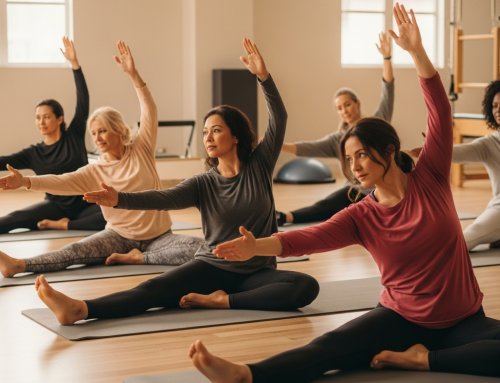
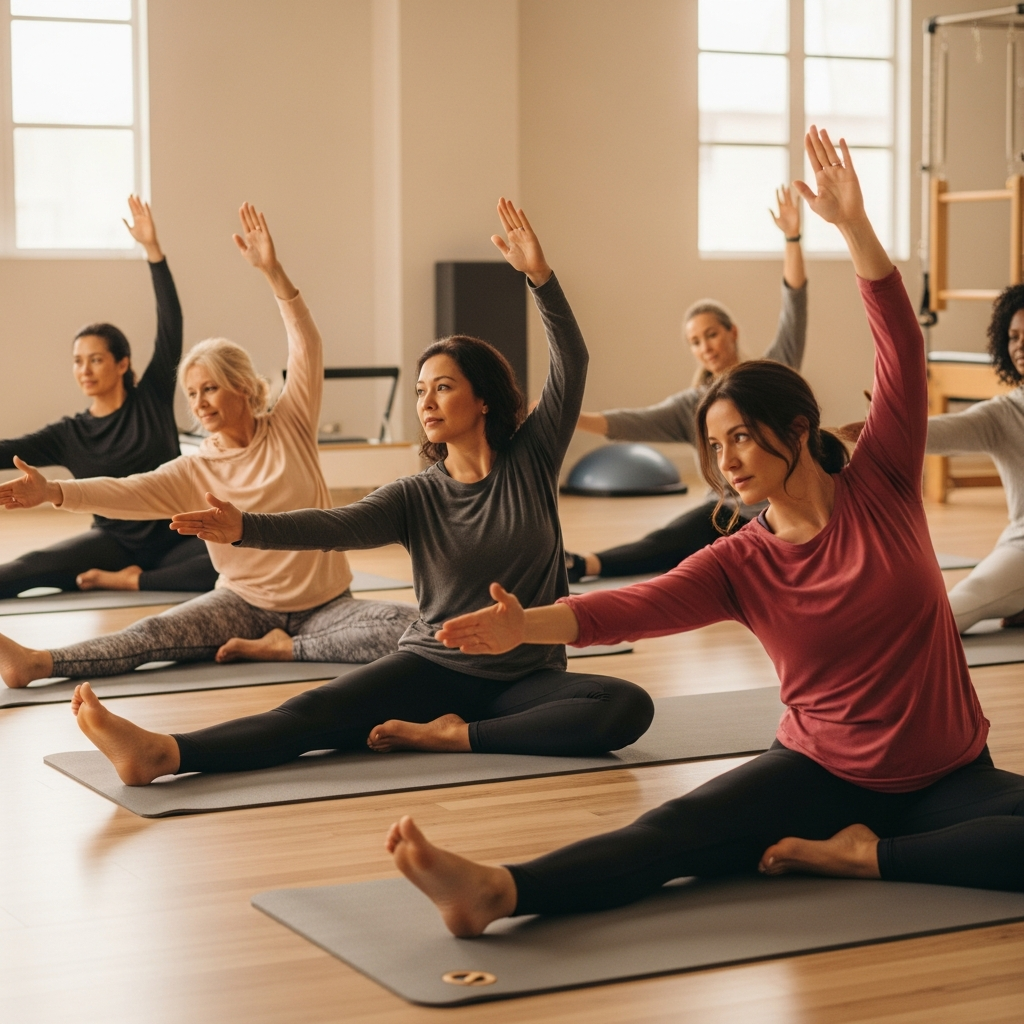
Mat Pilates twice a week for that core-burning, muscle-building foundation. These classes typically use your body weight and small props, and they’re incredible for developing that deep strength that makes everything else easier.
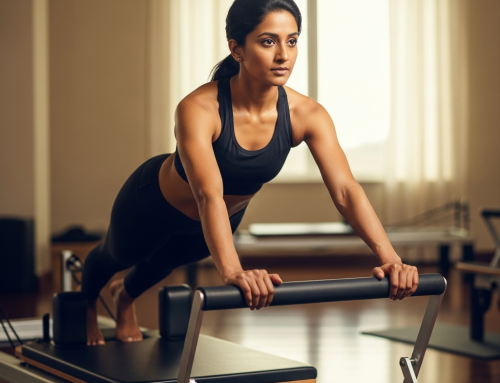
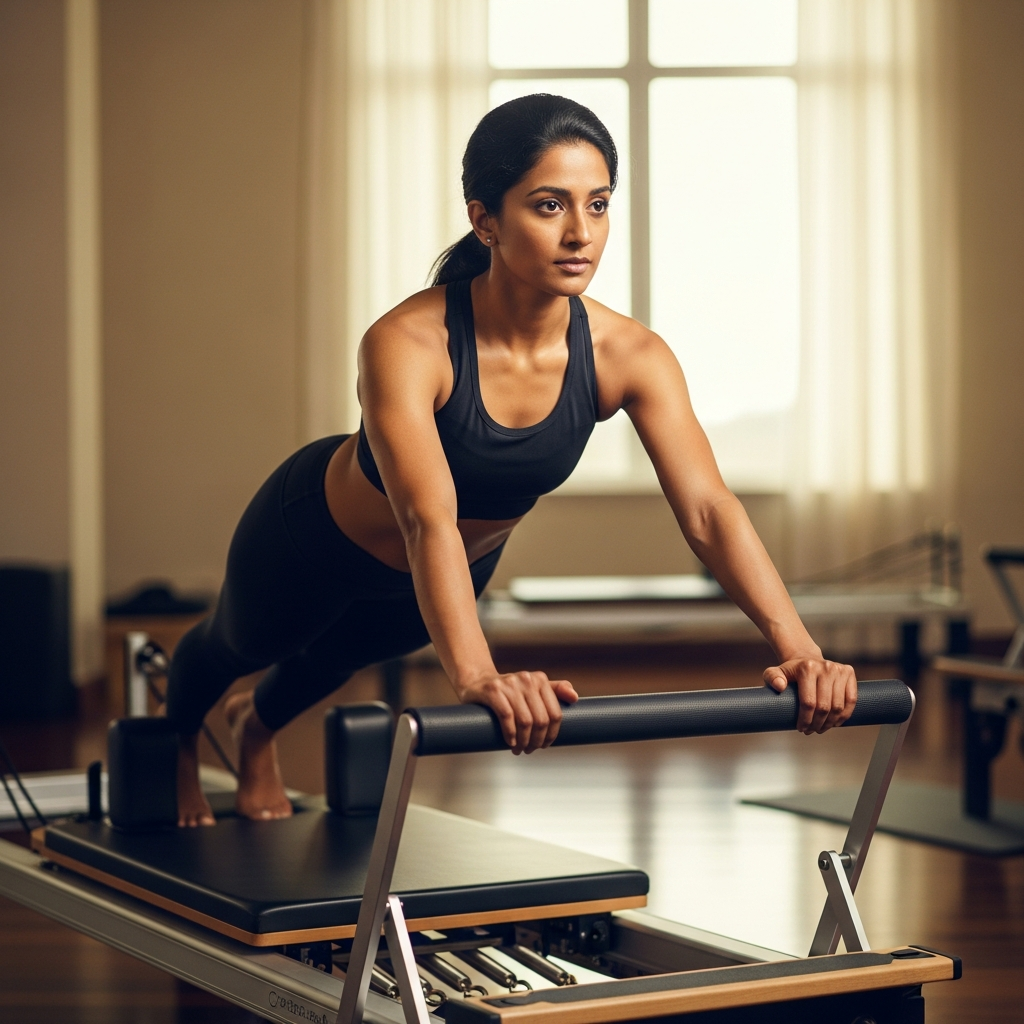
Reformer Pilates once a week if your budget allows. The reformer – that funky bed-looking contraption with springs and pulleys – provides resistance that can really challenge your muscles in new ways. It’s like adding weights to your Pilates practice without the bulk.
Reading Your Body’s Signals
Here’s something they don’t teach you in most fitness programs… you need to become a detective of your own body. Some weeks, three classes feels amazing. Other weeks? Maybe you’re stressed at work, didn’t sleep well, or you’re dealing with life stuff – two classes might be perfect.
Pay attention to these signs that you might be overdoing it
– You’re dreading classes instead of looking forward to them – Your form is getting sloppy (you’ll know because movements that felt controlled start feeling wobbly) – You’re more tired after class than energized – You’re getting sick more often
On the flip side, if you’re consistently feeling like you could do more after class, and you’re not sore at all the next day… that might be your cue to add another session or try a more challenging class level.
The Mesquite Factor: Working with Local Schedules
Let’s be real about living in Mesquite for a minute. If you work in Dallas and you’re dealing with that commute, your Pilates schedule needs to work with your life, not against it.
I’ve seen people try to squeeze in 6 AM classes before their Dallas commute, only to quit after two weeks because they were exhausted. Instead, maybe it’s a lunch break class (if you work from home some days), an evening class when you get back, or those weekend sessions I mentioned.
Some of the local studios offer package deals that expire in three months instead of the usual two – take advantage of this! It takes the pressure off and lets you build a sustainable routine.
Making It Stick Long-Term
Here’s my favorite “secret” that nobody talks about: consistency beats intensity every single time. Two classes a week for six months will transform your body more than six classes a week for one month.
And here’s another thing – if you miss a week, don’t spiral into all-or-nothing thinking. Just pick up where you left off. Your muscles have memory, and they’ll come back faster than you think.
The goal isn’t to become a Pilates fanatic (unless that’s your thing). The goal is to use Pilates as one tool in your weight loss toolkit while building strength and flexibility that makes everything else in your life easier.
When Life Gets in the Way (Because It Always Does)
Let’s be real – you probably started with the best intentions. Maybe you signed up for that unlimited monthly package, had your cute workout clothes laid out, and felt ready to become a Pilates devotee. Then… reality hit.
Work exploded. The kids got sick. Your car decided to make that weird noise again. Suddenly, you’re paying for classes you’re not taking and feeling guilty about it. Sound familiar? You’re not alone – this happens to literally everyone, and the Pilates studios in Mesquite see it all the time.
The solution isn’t to beat yourself up or cancel everything in frustration. Instead, start with what you can actually commit to. If twice a week feels overwhelming right now, try once a week consistently. It’s better to show up reliably for one class than to sporadically attend three. Think of it like watering a plant – consistent small amounts work better than occasional floods.
The Intimidation Factor (It’s Real, and It’s Okay)
Walking into a Pilates class for the first time can feel like… well, like showing up to a foreign country where everyone speaks fluent “core engagement” and you’re still trying to figure out what neutral spine even means. The regulars seem to flow effortlessly through movements that make you feel like a newborn giraffe.
Here’s what the studios won’t always tell you upfront: everyone was terrible when they started. That graceful woman who makes the teaser look easy? She probably couldn’t hold a plank for ten seconds in her first class. The instructor demonstrating those flowing transitions? They’ve practiced those movements thousands of times.
Most Mesquite studios offer beginner-friendly classes, but don’t be afraid to speak up about your experience level. Good instructors will give you modifications, and honestly? They love working with beginners because they get to see the most dramatic improvements. Also, try going to the same class time regularly – you’ll start recognizing faces, which makes everything feel less intimidating.
The “Am I Doing This Right?” Spiral
Pilates has this sneaky way of making you question everything. You’re lying there, supposedly doing a simple leg circle, but your hip is clicking, your back feels weird, and you’re pretty sure your leg isn’t making anything resembling a circle. Meanwhile, your brain is racing: “Is this supposed to hurt here? Am I breathing wrong? Should I feel this in my hamstring or my hip flexor?”
This mental chatter is completely normal, but it can make you want to quit before you’ve really started. The trick is understanding that Pilates is as much about learning to feel your body as it is about the actual exercises. Those first few weeks – or honestly, months – you’re not just building strength, you’re building body awareness.
Don’t hesitate to ask questions during class. Most instructors appreciate when students speak up about what they’re feeling. And if something doesn’t feel right, it probably isn’t. Trust your body, but also trust the process of learning.
The Plateau Problem (When Progress Stalls)
After a few months of regular classes, you might hit a wall. Those initial improvements – better posture, less back pain, feeling stronger – seem to level off. You’re showing up consistently, but you feel… stuck. This is actually a sign that your body has adapted, which is good! But it can be frustrating when you’re not seeing the dramatic changes you experienced early on.
This is where mixing up your routine becomes crucial. If you’ve been doing the same mat class twice a week, maybe add a reformer session. If you’re always going to evening classes, try a morning session – your energy levels are different, which can challenge your body in new ways.
Also consider that progress in Pilates isn’t always obvious. Maybe you’re not dramatically stronger, but you’re sleeping better. Or your chronic shoulder tension has quietly disappeared. Sometimes the biggest wins are the ones we barely notice because they become our new normal.
Making It Actually Sustainable
The biggest challenge isn’t physical – it’s creating a routine that works with your actual life, not the life you think you should have. If you’re a morning person, don’t force evening classes just because they fit better with your ideal schedule. If you hate driving across town, find a studio closer to home or work, even if it’s not the “best” one in Mesquite.
Remember, the most effective Pilates routine is the one you’ll actually stick with.
What to Expect in Your First Month
Let’s be honest – you’re not going to transform into a Pilates goddess overnight. And that’s perfectly okay.
Your first few classes might feel… well, awkward. You’ll probably discover muscles you forgot existed (hello, deep abdominals), and you might feel like everyone else knows some secret Pilates language you haven’t learned yet. That’s completely normal. We’ve all been there, fumbling with reformer springs and trying to figure out what “neutral spine” actually means.
Most people start feeling more comfortable around their fourth or fifth class. Not graceful – just less like they’re solving a physics problem with their body. You’ll begin to recognize the basic movements, and – this is key – you’ll start trusting that the instructor isn’t trying to torture you when they say “engage your powerhouse.”
The real changes? They’re subtle at first. Maybe you’ll notice you’re standing a bit taller at your desk, or those nagging lower back twinges happen less often. Don’t expect dramatic weight loss in month one – Pilates is more about building a foundation than burning massive calories.
Timeline for Real Results
Here’s where I need to manage expectations a bit…
Most people start seeing genuine physical changes around the 6-8 week mark – assuming they’re going 2-3 times per week consistently. And by changes, I mean things like improved posture, better balance, and that feeling of being more “connected” to your body.
Weight loss? That’s trickier. Pilates alone isn’t a weight-loss powerhouse like HIIT or running. But here’s what it does beautifully – it builds lean muscle, improves your relationship with movement, and often leads to better choices outside the studio. You might find yourself craving that post-Pilates feeling of alignment and strength.
If weight loss is your primary goal (and you’re working with us at the clinic), Pilates becomes an incredible complement to your nutrition plan. Think of it as the foundation that makes everything else work better. Better posture improves digestion. Better body awareness helps with portion control. Less back pain means more activity throughout your day.
The sweet spot for seeing significant strength and flexibility improvements? About 3-4 months of consistent practice. That’s when people usually tell me they feel like a different person – stronger, more balanced, less prone to those random aches and pains that seemed to come from nowhere.
Creating Sustainable Habits
Let’s talk about the real challenge – making this stick.
Starting with grand plans of daily Pilates classes is like deciding to reorganize your entire house in one weekend. Sounds good in theory, crashes and burns in practice. Instead, think small and sustainable.
Pick specific days and times, just like any important appointment. Tuesday and Thursday at 6 PM? Perfect. Saturday mornings? Even better. The key is creating a rhythm that fits your actual life, not your aspirational life.
Consider the seasons of Mesquite, too. Summer heat might make those outdoor activities less appealing, making it a perfect time to embrace the air-conditioned studio. Winter… well, we don’t have much of that here, but you get the idea.
Next Steps and Practical Planning
So where do you go from here?
First, be realistic about your schedule and budget. Most quality Pilates studios offer package deals – buying 5 or 10 classes at once usually saves money and creates a gentle commitment. Don’t buy a huge package right away though. Start small, see how your body responds, figure out which instructors click with you.
Try different class styles if your studio offers them. Beginner classes, mat work, reformer sessions – they all offer different benefits. Some people love the precision of equipment work; others prefer the simplicity of mat classes they can eventually do at home.
Track how you feel, not just how you look. Keep a simple note in your phone about energy levels, sleep quality, or those random aches and pains. You might be surprised how Pilates affects things you weren’t expecting.
And remember – this isn’t about perfection. There will be weeks when life gets crazy and you miss classes. That’s human. The goal is progress, not perfection, and building something that enhances your life rather than adding stress to it.
The best Pilates practice is the one you’ll actually do consistently. Start there.
You know what? Finding the right Pilates rhythm in Mesquite doesn’t have to feel like solving some complicated math equation. Sure, there are guidelines – two to three times a week for beginners, maybe four or five if you’re more experienced – but honestly? Your body’s going to be your best teacher here.
Think of it like learning to drive in a new city. At first, you’re white-knuckling the steering wheel, checking your mirrors every two seconds. But after a while, you start to notice which routes flow better, when traffic’s lighter, where you can actually enjoy the ride. Pilates is kind of the same thing… you’ll develop that internal compass that tells you when you need that gentle stretch versus when you’re ready to challenge yourself.
And here’s something I’ve noticed working with folks on their wellness journeys – the people who stick with it aren’t necessarily the ones who jump in with the most ambitious schedules. They’re the ones who find a pace that actually fits their life. Maybe that’s twice a week because Tuesdays and Thursdays work with your kids’ soccer practice. Or perhaps Sunday morning Pilates becomes your sacred time before the week gets crazy.
The beautiful thing about Pilates – especially here in Mesquite where we’ve got such great options – is how it meets you where you are. Dealing with chronic back pain? Those gentle reformer sessions twice a week might be exactly what your body’s been craving. Training for a 5K? You might find that adding an extra class helps with that core strength and flexibility you need.
But let’s be real for a second – starting any new routine can feel overwhelming. You’re probably wondering if you’ll embarrass yourself, if you’re too out of shape, if it’s worth the investment. I get it. Those voices in your head can be pretty loud sometimes.
Here’s what I want you to remember: every single person who’s now gracefully flowing through advanced Pilates moves started exactly where you are right now. Uncertain. Maybe a little nervous. Definitely hoping this might be the thing that finally clicks.
Your consistency matters more than your intensity. Those small, regular sessions – even if it’s just once a week to start – they add up in ways that might surprise you. Better sleep, less stiffness when you get out of bed, feeling stronger carrying groceries… it’s not always dramatic, but it’s real.
If you’re sitting there thinking “okay, but where do I even begin?” – that’s exactly where we come in. Our team understands that weight loss and wellness isn’t just about the number on the scale. It’s about building sustainable habits that actually work with your life, not against it.
We’d love to chat with you about what a realistic Pilates schedule might look like alongside your other health goals. No pressure, no sales pitch – just an honest conversation about what might work for you. Because here in Mesquite, you’ve got people in your corner who genuinely want to see you succeed.
Ready to take that first step? Give us a call. We’re here when you’re ready to start feeling stronger, more confident, and maybe even a little surprised by what your body can do.