What Is the Difference Between Mat Pilates and Reformer Pilates in Fort Worth?
You know that feeling when you walk into a fitness studio and suddenly feel like you need a translator? I was chatting with Sarah last week – she’s been trying to get back into shape after having her second baby – and she told me she’d been Googling “Pilates near me” for weeks. But every time she clicked on a studio website, she’d see “Mat Pilates” and “Reformer Pilates” and honestly… she had no clue what the difference was.
“Is one better than the other?” she asked me. “And why does one cost three times as much?”
If you’re nodding along right now, you’re definitely not alone. Here in Fort Worth, we’ve got this amazing Pilates scene – studios popping up everywhere from downtown to Southlake to Arlington. But with all these options comes a whole lot of confusion about what you’re actually signing up for.
Here’s the thing that really gets me… most people think Pilates is just Pilates. Like, you show up, you stretch, you work your core, you leave feeling zen-like and slightly sore. And sure, that’s part of it. But the difference between rolling out a mat on the floor versus climbing onto what looks like a medieval torture device (spoiler alert: it’s not as scary as it looks) can completely change your entire experience.
I’ve seen too many people waste money jumping into classes they weren’t ready for, or worse – avoiding Pilates altogether because they tried one type and thought, “Well, that wasn’t for me.” It’s like judging all Mexican food based on one bad burrito, you know?
The truth is, both Mat and Reformer Pilates can be incredible for your body. They both work on that core strength we’re all chasing, they both help with flexibility and posture (and let’s be honest, after sitting at desks all day, we need all the posture help we can get). But – and this is a big but – they feel completely different when you’re actually doing them.
Mat Pilates is like learning to drive in your family’s old sedan. It’s accessible, it’s straightforward, and you can pretty much figure out the basics without too much drama. You’re working against gravity and your own body weight, which sounds simple enough… until you’re thirty seconds into a plank series and questioning every life choice that led you to that moment.
Reformer Pilates, on the other hand? That’s like upgrading to a car with all the bells and whistles. There are springs and pulleys and sliding carriages, and honestly, the first time you see one, you might wonder if you accidentally wandered into some sort of engineering lab. But here’s what’s wild – that complexity actually makes some movements easier while making others way more challenging.
And if you’re dealing with any kind of injury or limitation – maybe your knees aren’t what they used to be, or your shoulder’s been acting up – this difference becomes even more important. I can’t tell you how many people have told me they thought Pilates “wasn’t for them” because they tried Mat classes and couldn’t keep up, not realizing that Reformer might have been a much better starting point.
The cost difference? Yeah, that’s real, and it matters when you’re trying to figure out your fitness budget. But before you automatically go with the cheaper option (we’ve all been there), it’s worth understanding what you’re getting for your money.
So whether you’re completely new to Pilates or you’ve been doing one type and wondering about the other, let’s break this down. We’ll talk about what each one actually involves – like, what does a typical class look like from the moment you walk in? We’ll dig into the benefits of each (spoiler: they’re different but both pretty amazing). And most importantly, we’ll figure out which one might be the better fit for where you’re at right now.
Because here’s what I really want you to know – there’s no “wrong” choice here. There’s just the choice that works better for your body, your goals, and yes, your budget right now.
What Actually Is Pilates Anyway?
You know, I get this question a lot – “Is Pilates just stretching?” or “Isn’t it basically yoga?” And honestly? I understand the confusion. When Joseph Pilates developed this method back in the 1920s, he called it “Contrology” because it was all about controlled, precise movements. Think of it like… well, imagine if yoga and physical therapy had a baby, and that baby grew up to become a really methodical personal trainer.
Pilates focuses on strengthening your deep core muscles – not just those surface abs you see in magazines, but the deeper stabilizing muscles that act like an internal corset. These are the muscles that keep you from throwing out your back when you bend over to pick up groceries… or when you’re chasing your toddler around the park (speaking from experience here).
The Foundation: Your Powerhouse
Every Pilates movement starts from what we call Your “powerhouse” – basically everything between your ribcage and your hips. Your abs, back muscles, pelvic floor, diaphragm… they all work together like a well-orchestrated team.
Here’s where it gets interesting though. Unlike other workouts where you might just power through movements, Pilates demands this weird combination of strength and grace. You’re not just lifting heavy things or running fast – you’re moving with intention, breathing with purpose, and honestly? It’s harder than it looks.
Mat vs. Reformer: The Plot Thickens
So here’s where things split into two camps, and both have their devoted followers (kind of like iPhone vs. Android users, but with more spandex).
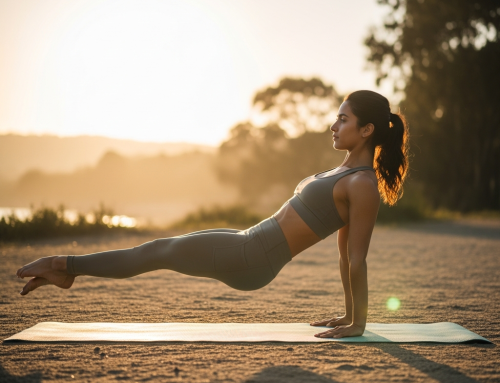
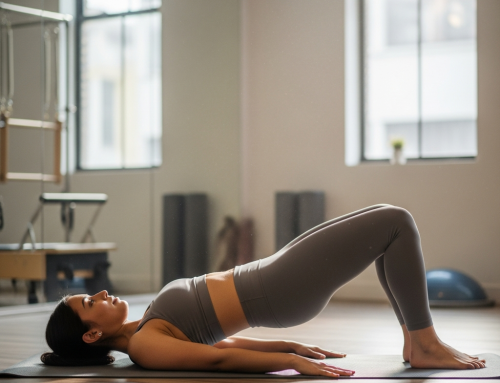
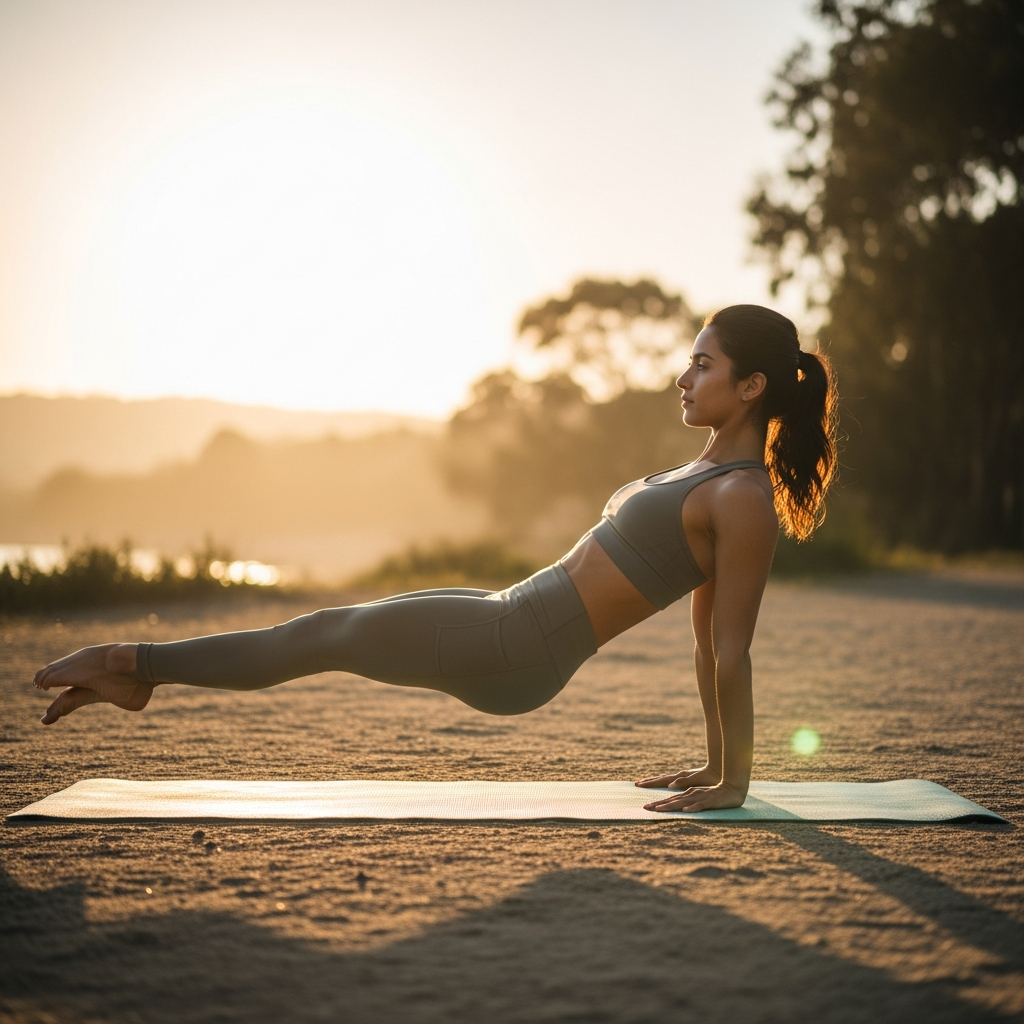
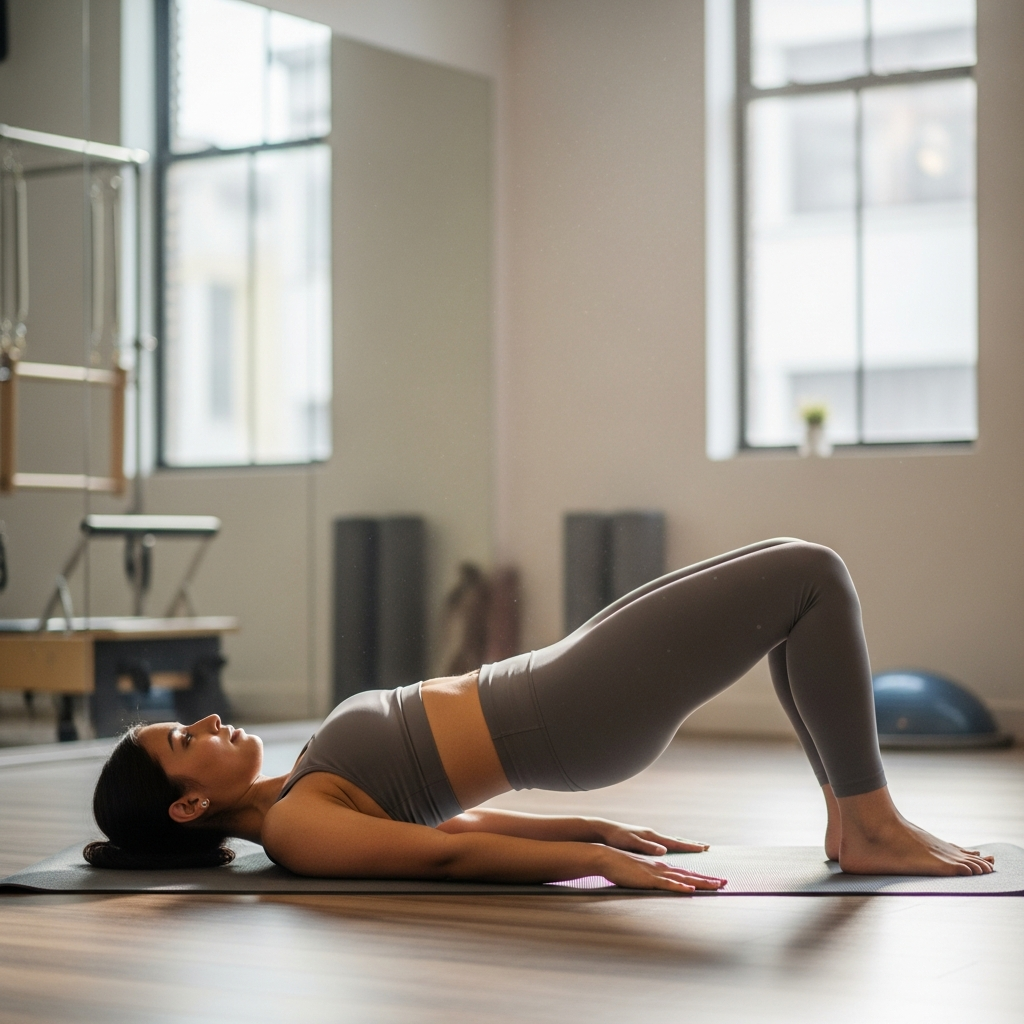
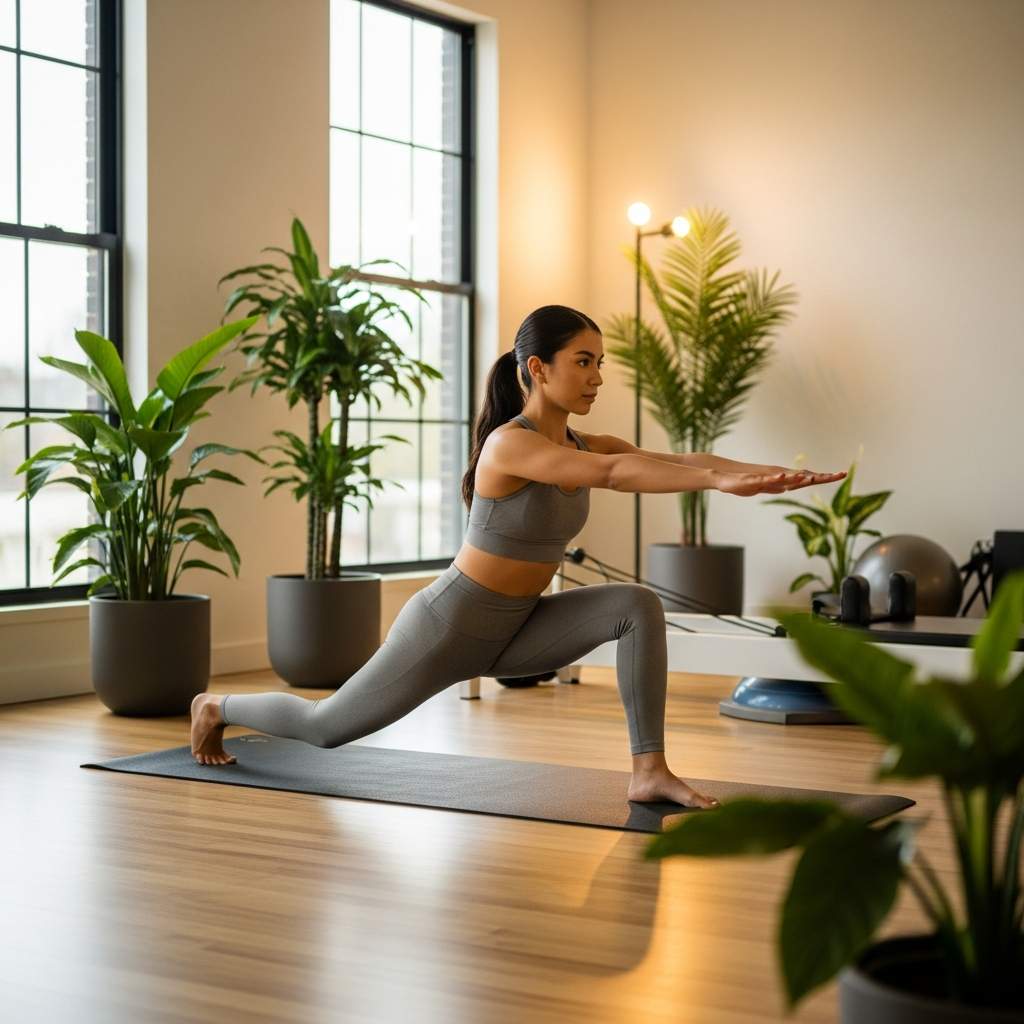
Mat Pilates is exactly what it sounds like – exercises performed on a mat using your body weight and maybe some small props like resistance bands or those squishy balls that always seem to roll under the couch. It’s the original form, what Joseph Pilates taught first. Think of it as the acoustic guitar version of Pilates – stripped down, pure, requiring nothing but you and gravity.
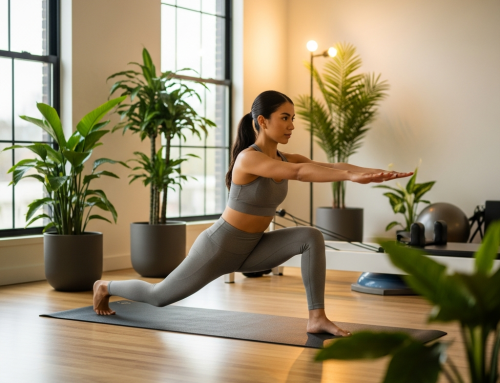
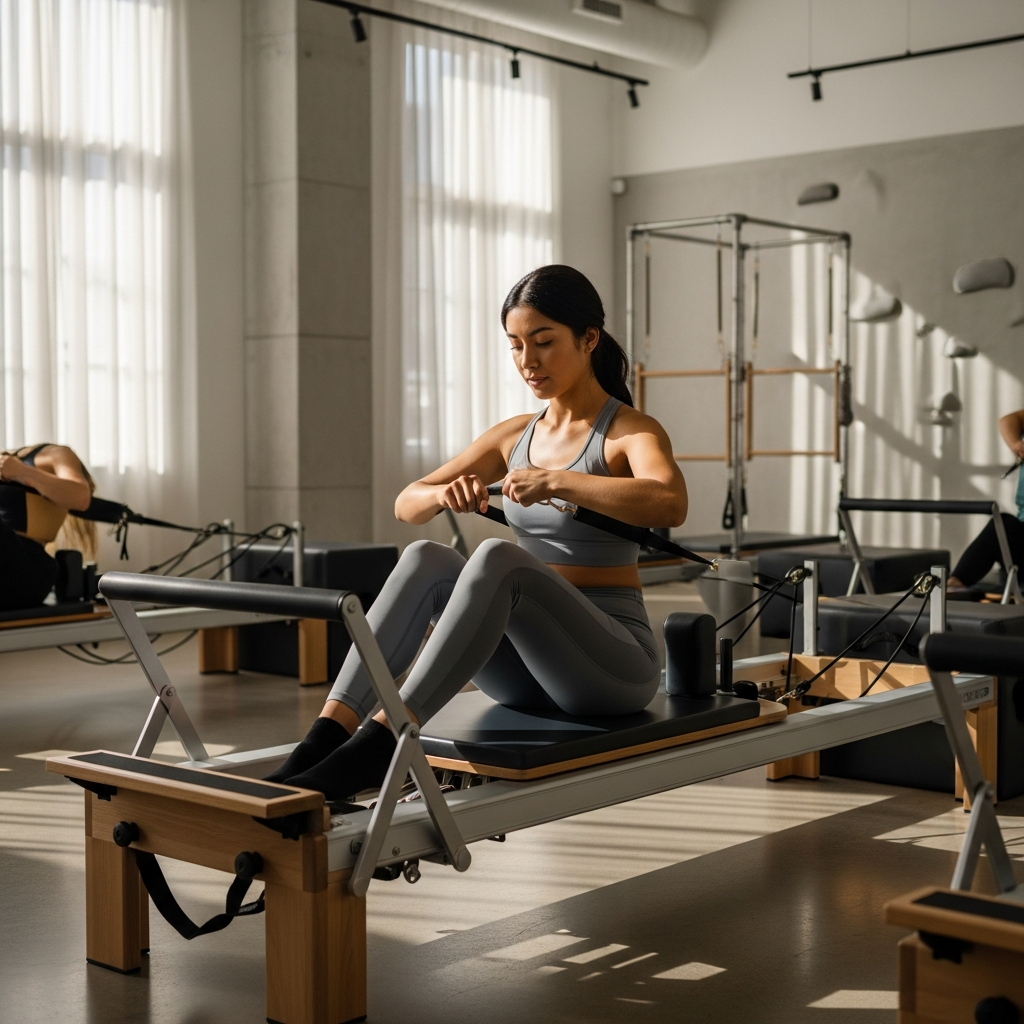
Reformer Pilates, on the other hand, uses this contraption that honestly looks like a medieval torture device the first time you see it. It’s got springs, pulleys, straps, and a sliding carriage. Joseph Pilates actually invented the reformer while he was interned during World War I, using bed springs and hospital bed frames to help bedridden patients exercise. Pretty ingenious, right?
The Springs Change Everything
Here’s what’s fascinating about the reformer – those springs aren’t just for show. They create what’s called “variable resistance,” which means the exercise gets harder or easier depending on where you are in the movement. It’s like having a really smart workout partner who knows exactly when to help you and when to challenge you.
Actually, that reminds me of something counterintuitive about reformer work… sometimes the springs make exercises easier, not harder. When you’re learning to do a roll-up on the mat (basically a very slow, controlled sit-up), it can feel impossible. But on the reformer, the springs can assist you, helping you understand the movement pattern before you tackle it solo.
It’s All About Control – Seriously
Whether you’re on a mat or a reformer, the heart of Pilates remains the same: controlled movement. You’re not bouncing or using momentum. Every movement should be deliberate, smooth, and connected to your breath.
I tell my clients it’s like the difference between wolfing down lunch at your desk versus savoring a really good meal. Same food, maybe, but completely different experience and benefits.
The Mind-Body Connection Thing
Look, I know “mind-body connection” sounds like wellness-speak, but in Pilates, it’s actually crucial. You can’t just zone out and go through the motions like you might on a treadmill. Your brain has to be actively engaged, coordinating breath, movement, and muscle activation all at once.
It’s honestly a bit like learning to drive stick shift – at first, you’re consciously thinking about every little thing (clutch, gas, brake, shift), but eventually it becomes second nature. Except in Pilates, that conscious engagement never really goes away… and that’s actually the point.
Both mat and reformer work require this same level of attention, just with different tools and challenges. And that’s where things get really interesting when we start comparing the two approaches…
Finding Your Perfect Pilates Fit in Fort Worth
Here’s what I wish someone had told me when I first started looking into Pilates – and what I tell all my clients now. The choice between mat and reformer isn’t just about preference… it’s about matching your body’s needs with what actually works.
If you’re dealing with joint issues, back pain, or you’re just getting back into exercise after a long break, reformer Pilates is usually your friend. The springs provide support that your body might desperately need right now. Think of it like training wheels – but the sophisticated kind that actually make you stronger.
Mat Pilates, on the other hand? That’s where you go when you want to test what you’ve really got. No assistance, no modifications handed to you on a silver platter. Your core either shows up, or it doesn’t.
The Money Talk (Because Let’s Be Real)
Most Fort Worth studios charge between $25-35 for a single reformer class, while mat classes typically run $15-25. But here’s the thing – don’t just look at the sticker price.
Consider this: if you need three mat classes to feel what one reformer class gives you, which is actually the better deal? I’ve seen clients spend months frustrated with mat work, only to have breakthrough moments within weeks on the reformer.
That said, if you’re budget-conscious (and who isn’t these days?), many studios offer intro packages. At places like Club Pilates or Pure Barre locations around town, you can often snag unlimited monthly deals for new members. Do the math – if you’re planning to go more than twice a week, unlimited usually wins.
The Scheduling Game
Here’s something most people don’t think about until it bites them: reformer classes fill up fast in Fort Worth, especially the evening slots. Mat classes? Usually more availability, and many studios offer them as drop-in options without advance booking.
If your schedule is unpredictable – maybe you’re in healthcare, work in the oil industry, or just juggling family chaos – mat classes might save your sanity. You can literally show up and there’s probably space.
Starting Smart (Not Hard)
I cannot stress this enough: don’t let your ego pick your first class. I don’t care if you used to be a college athlete or if you think you have a strong core because you do crunches. Start with beginner classes, period.
For reformer newbies, book a private session first if you can swing it financially. Yes, it’s $75-100 in Fort Worth, but you’ll learn proper form and avoid that deer-in-headlights feeling when the instructor starts rattling off spring changes and positions you’ve never heard of.
Mat Pilates beginners should look for classes specifically labeled “beginner” or “fundamentals.” Don’t just jump into a “Pilates” class thinking it’ll be fine. Trust me on this one.
The Gear Situation
Mat Pilates seems cheaper until you realize you need… stuff. A good mat (not the $10 one from Target – your knees will thank you for investing in something thicker), maybe some resistance bands, possibly small weights. You’re looking at $50-100 to get properly equipped.
Reformer classes provide everything, but you might want to invest in grippy socks – the studios sell them, but they’re usually overpriced. Grab some ToeSox or similar online for half the cost.
Reading the Room (and Your Body)
Pay attention to how you feel during and after each type of class. Some people leave reformer feeling energized but not wiped out. Others feel like they got hit by a truck (in the best way). Mat classes tend to create more of that deep muscle fatigue – you know, when your abs are still talking to you two days later.
If you’re someone who needs to see progress quickly to stay motivated, reformer might be your better bet. The spring resistance gives you immediate feedback about what’s working, and you can literally feel yourself getting stronger as you progress to heavier springs.
The Social Factor
Don’t underestimate this – mat classes tend to have more of a community vibe. You’re all suffering together on the floor, there’s more opportunity for chat before and after class. Reformer classes can feel more… focused. Intense. Less social butterfly time.
Some Fort Worth studios have figured this out and create hybrid experiences, but it’s worth considering what kind of workout environment feeds your soul.
The Real Talk: What Actually Makes People Struggle
Let’s be honest – starting any new fitness routine feels intimidating, but Pilates? It comes with its own special set of “wait, what am I supposed to be doing?” moments.
The biggest challenge I see people face isn’t physical at all. It’s mental. You walk into a studio expecting to feel graceful and zen… and instead you’re lying on a mat wondering if your core actually exists or if it’s just a myth. That burning sensation in muscles you didn’t know you had? Totally normal. Your legs shaking during what looks like the world’s gentlest leg lift? Also normal.
Here’s the thing – Pilates has this reputation for being “easy” or “just stretching.” Wrong. So very wrong. When people realize they can’t do a proper roll-up on day one (spoiler: most of us can’t), they think they’re failing. But that struggle? That’s literally the point.
The Mat Pilates Reality Check
Mat work is deceptively challenging because you’re fighting gravity with nothing but your own strength. No springs to assist, no carriage to support you – just you, the floor, and physics.
The most common complaint I hear? “I can’t feel what I’m supposed to be feeling.” You’re doing the Hundred, pumping your arms, and everyone else looks serene while you’re wondering if you’re having a cardiac episode. The solution isn’t to pump harder – it’s to slow down. Focus on your breath first, then add the arm movement. Your core will catch up, I promise.
Another biggie: comparing yourself to the person next to you who’s been practicing for three years. That person folding themselves into pretzel-like positions? They started exactly where you are. The instructor saying “just draw your navel to spine”? It takes time to understand what that actually means in your body.
Reformer Overwhelm is Real
The Reformer looks like a medieval torture device had a baby with a piece of gym equipment – and honestly, that’s not entirely inaccurate. All those springs, straps, and moving parts can make your first class feel like you’re trying to pilot a spacecraft.
The learning curve is steep. You’re not just learning exercises; you’re learning how to work with resistance that changes as you move. Spring tension that feels perfect at the beginning of an exercise might feel impossible by the end. That’s intentional, but nobody tells you that upfront.
Most beginners make the mistake of using too much spring tension, thinking more resistance equals better workout. Actually, it’s often the opposite. Less spring tension means your muscles have to work harder to control the movement. Counter-intuitive? Absolutely. Effective? You bet.
The Scheduling Juggling Act
Here in Fort Worth, finding the right class time that fits your schedule while also matching your skill level… it’s like solving a puzzle. Reformer classes fill up fast (especially those prime after-work slots), and mat classes might be offered when you’re stuck in traffic on 35.
My advice? Book classes a week ahead, and always have a backup plan. Most studios offer online booking, so set reminders on your phone. If you’re a beginner, avoid the lunch-hour power classes – they’re usually packed with seasoned practitioners who know exactly what they’re doing.
Making It Actually Sustainable
The biggest challenge isn’t surviving your first class – it’s coming back for your tenth. Progress in Pilates is slow and subtle. You won’t see dramatic changes overnight, and that can be discouraging when you’re used to instant gratification.
Start with realistic expectations. Twice a week is better than once a week, which is infinitely better than zero times a week. Mix mat and Reformer if possible – they complement each other beautifully. Mat work builds foundational strength, while the Reformer helps you understand proper alignment and movement patterns.
And here’s something instructors don’t always mention: it’s okay to modify everything. Can’t do a teaser? Do a modified version. Springs too heavy? Use fewer. The goal isn’t to look like everyone else – it’s to challenge your body appropriately for where you are today.
The Fort Worth Pilates community is surprisingly welcoming once you find your tribe. Don’t be afraid to ask questions, show up early to familiarize yourself with equipment, and remember – everyone was a beginner once. Even that incredibly bendy person in the front row.
What to Expect in Your First Few Sessions
Let’s be honest – those Instagram videos of people gracefully flowing through Pilates moves? That’s not going to be you on day one. And that’s perfectly okay.
Your first mat Pilates class might leave you wondering why something that looks so gentle made your abs feel like they ran a marathon. Don’t worry, we’ve all been there. You’ll probably discover muscles you forgot existed (hello, deep core stabilizers) and realize that holding what looks like a simple position is actually… well, not simple at all.
With reformer Pilates, expect to feel a bit like you’re learning a new language. The springs, the carriage, the foot bar – there’s definitely a learning curve. Most people spend their first session just figuring out how to get on and off the machine gracefully. Spoiler alert: it takes a few tries.
The good news? Both styles meet you where you are. A skilled instructor will modify everything to match your current fitness level, previous injuries, and personal goals.
Timeline for Seeing Real Results
Here’s where I need to manage expectations a bit – because the fitness industry loves to promise miraculous transformations in unrealistic timeframes.
Most people start noticing subtle changes around the 3-4 week mark if they’re practicing consistently (we’re talking 2-3 times per week). You might find yourself standing a little taller, feeling more stable when you walk, or noticing that everyday movements feel easier.
The more dramatic changes – improved muscle definition, significant strength gains, that coveted “Pilates posture” – typically show up around the 8-12 week mark. This isn’t because Pilates is slow… it’s because your body is literally rewiring itself from the inside out. That deep core strength, the kind that supports your spine and improves your entire movement pattern? It takes time to develop.
Some people see faster results with reformer work, especially if they’re coming from other fitness backgrounds. The resistance and assistance from the springs can help you access proper form more quickly. But honestly? The “best” timeline is the one where you’re consistently showing up and enjoying the process.
Making the Choice: Mat vs. Reformer vs. Both
If you’re trying to decide between the two, consider this: mat Pilates is like learning to cook with basic kitchen tools – you’ll develop fundamental skills that translate everywhere. Reformer is more like having a fully equipped kitchen – you can create more complex “dishes” but you need to learn how to use all those fancy gadgets.
Budget-wise, mat classes typically run $20-30 per session in Fort Worth, while reformer sessions usually range from $35-50. If you’re cost-conscious, starting with mat work makes sense. You can always add reformer sessions later.
Schedule flexibility is another consideration. Mat classes are offered more frequently at most studios, and there are plenty of online options when you can’t make it to class. Reformer sessions, especially semi-private ones, require more advance booking.
Actually, here’s what I see working best for many clients: start with a few reformer sessions to learn proper form and understand the Pilates principles, then supplement with mat classes for regular practice. It’s like getting the foundation right, then building on it consistently.
Your Next Steps (Without the Overwhelm)
Don’t overthink this. Seriously.
Pick one style to start with – whichever appeals to you more or fits your budget and schedule better. Try it for a month. See how your body responds, how you feel about the instruction style, whether you actually look forward to going.
Most Fort Worth studios offer new client specials or trial packages. Take advantage of these – they’re designed to let you test the waters without a huge commitment.
And here’s something nobody talks about enough: it’s okay to shop around. Different instructors have different teaching styles, different studios have different vibes. What works for your neighbor might not work for you, and that’s completely normal.
The goal isn’t to find the “perfect” studio immediately. It’s to find something you’ll actually stick with – because consistency beats perfection every single time.
Finding Your Perfect Pilates Match
Here’s what it really comes down to – both mat and reformer Pilates will transform how you move and feel in your body. I’ve watched countless clients discover muscles they didn’t know existed (hello, deep abdominals!) and develop that enviable Pilates posture that makes you look taller and more confident.
Mat Pilates gives you that beautiful foundation… the pure essence of what Joseph Pilates originally created. You’re working with gravity, your own body weight, and that mind-body connection that honestly feels almost meditative once you get the hang of it. Plus, let’s be practical – you can roll out that mat anywhere. Hotel room, living room, even your backyard if the weather’s nice.
The reformer? Well, that’s where things get interesting. Those springs aren’t just there to make you work harder – they’re actually providing feedback, helping you understand exactly where your body is in space. It’s like having a really patient teacher who gently guides you into proper alignment. And for those days when your lower back is being cranky or your knees aren’t cooperating… the reformer can actually make certain exercises more accessible, not harder.
What I love most about having both options here in Fort Worth is that you don’t have to choose just one. Your Pilates practice can evolve with your needs, your schedule, your goals. Maybe you start with mat classes to learn the basics, then add reformer sessions when you want that extra challenge. Or perhaps reformer sessions help you build strength, and mat work becomes your go-to for stress relief.
The beauty is in the consistency, not the equipment. I’ve seen people completely transform their relationship with exercise through Pilates – folks who thought they “weren’t athletic” suddenly finding themselves craving their next class. There’s something magical about a workout that makes you feel graceful instead of beaten up.
And honestly? The Fort Worth Pilates community is pretty special. Whether you’re in a mat class at a local studio or working one-on-one with a reformer instructor, you’re going to find people who genuinely want to help you succeed. It’s not about perfect form from day one – it’s about showing up and being willing to learn.
Ready to Give It a Try?
If you’re curious about how Pilates might fit into your wellness routine – especially if you’re working on weight management goals – I’d love to chat with you. Sometimes the hardest part is just figuring out where to start, and that’s exactly the kind of conversation we specialize in.
Whether you’re dealing with back pain, wanting to build core strength, or simply looking for a workout that doesn’t leave you dreading your next session… let’s talk about what might work best for you. No pressure, no sales pitch – just a genuine conversation about your goals and how movement might support your overall health journey.
Give us a call, or drop us a message. We’re here to help you figure out the next right step, whatever that looks like for you.