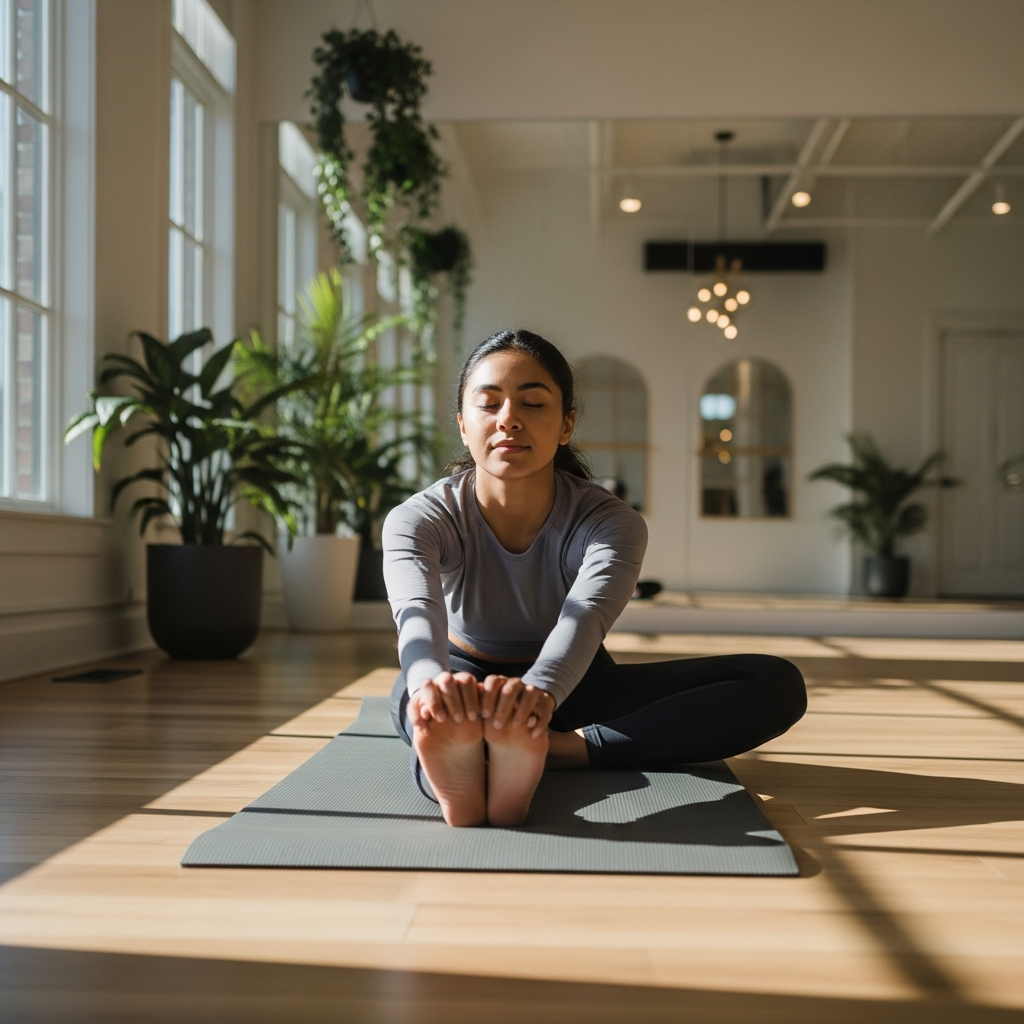
Pilates Close to Home: Options for Cedar Hill Neighbors
You know that feeling when you’re scrolling through workout videos at 10 PM, promising yourself you’ll *definitely* start that fitness routine tomorrow? Yeah, we’ve all been there. You bookmark seventeen different YouTube channels, download three fitness apps, and maybe even dust off those resistance bands that have been living under your bed since 2019. But somehow… tomorrow keeps becoming next week.
Here’s the thing though – and I’m speaking from experience here, both as someone who’s been in your exact shoes and as someone who works with people navigating weight loss every single day – the problem usually isn’t motivation. It’s not even discipline, despite what that little voice in your head keeps whispering. Most of the time? It’s simply that working out at home feels… well, lonely. And frankly, kind of awkward.
Picture this: you’re attempting a plank while your dog thinks it’s playtime, your neighbor’s leaf blower is drowning out the instructor’s voice, and you’re pretty sure you’re doing everything wrong because there’s no one there to tell you otherwise. Sound familiar?
That’s exactly why so many Cedar Hill folks are discovering something pretty wonderful – Pilates classes that are actually *close to home*. Not just geographically (though that’s huge when you’re trying to squeeze a workout into your lunch break), but classes that feel like… well, like home. Where instructors know your name, where you’re not just another face in a crowded room, and where you can ask questions without feeling silly.
And before you start thinking “Oh, Pilates isn’t for me” – hold on. I get it. Maybe you’re picturing impossibly flexible people in expensive leggings doing moves that look more like advanced yoga than anything you could manage. Or maybe you think it’s too gentle, not “real” exercise. Trust me, I’ve heard it all.
But here’s what I’ve learned from working with hundreds of people on their wellness journeys: Pilates is basically the Swiss Army knife of fitness. It builds strength without beating up your joints, improves your posture (hello, fellow desk warriors), and creates that deep core stability that makes everything else in life easier – from carrying groceries to playing with your kids to… well, just getting out of bed without your back protesting.
The real game-changer, though? Finding the right place to do it. Because let’s be honest – you could have the best intentions in the world, but if getting to your workout feels like a major production involving traffic, parking headaches, and a forty-minute drive, it’s just not going to happen consistently. Life gets in the way. Always does.
That’s why I’m genuinely excited to walk you through what’s happening right here in our Cedar Hill community. We’ve got options – and I mean *real* options, not just “well, there’s that one place twenty minutes away if you don’t mind fighting rush hour traffic.”
We’re talking about studios where the instructors actually remember that you’re recovering from that shoulder injury you mentioned three weeks ago. Places where you can pop in for a class before picking up the kids, or squeeze in a session during your lunch break without having to wolf down a sandwich in your car afterward. Studios that feel less like intimidating fitness temples and more like… well, like that friend’s house where you always feel comfortable.
In the next few minutes, we’ll explore what makes each local option special – from the cozy studio tucked behind the coffee shop (yes, that one you drive past every day) to the newer place with all the fancy equipment that’s not nearly as intimidating as it looks from the outside. We’ll talk about different class styles, what to expect if you’re brand new to this whole Pilates thing, and honestly? How to figure out which place will feel like *your* place.
Because here’s what I’ve learned after years in this field – the best workout isn’t the most intense one or the most Instagram-worthy one. It’s the one you’ll actually show up for, week after week, until it becomes as natural as your morning coffee. And sometimes, that starts with finding the right spot just down the road from home.
What Exactly Is Pilates, Anyway?
You know how some fitness trends come and go faster than your teenager changes their mind about dinner? Well, Pilates isn’t one of those. It’s been around for nearly a century, quietly doing its thing while flashier workouts grabbed headlines.
Joseph Pilates (yes, that was his actual name) developed this system back in the 1920s. He called it “Contrology” – which honestly sounds way more intimidating than it actually is. The guy was onto something though. He basically figured out that if you strengthen your core while moving with intention and control, everything else… well, everything else just works better.
Think of Pilates like learning to drive a really well-tuned car. You’re not just mashing the gas pedal – you’re learning how all the parts work together. Your core becomes the engine, your breath becomes the fuel, and suddenly you’re moving through life with this smooth, controlled power you didn’t know you had.
The Mind-Body Thing (And Why It Actually Matters)
Here’s where things get a little… let’s call it mystical-sounding. People always talk about the “mind-body connection” in Pilates, and honestly? It used to make me roll my eyes too. Sounds like wellness-speak, right?
But here’s what they actually mean – and this clicked for me during my third or fourth class. In most workouts, your brain kind of checks out. You’re counting reps, watching TV, thinking about your grocery list. In Pilates, your brain has to stay present because you’re constantly making tiny adjustments.
It’s like… you know when you’re parallel parking and you have to really concentrate on every little movement? That’s your brain in Pilates mode. Except instead of fitting into a tight parking space, you’re learning to move your body with precision. And surprisingly, that focus becomes almost meditative.
Core Strength vs. Six-Pack Abs (They’re Not the Same Thing)
Let’s clear something up right away – when Pilates people talk about “core,” they don’t mean getting Instagram-worthy abs. Though don’t get me wrong, your abs will definitely wake up and join the party.
Your core in Pilates terms is more like the foundation of a house. It includes your deep abdominal muscles (the ones you can’t see), your back muscles, your pelvic floor, and even your diaphragm. These muscles work together to create stability from the inside out.
I like to think of it this way: if your regular gym workout builds the pretty shutters and fancy front door, Pilates builds the solid foundation and framing that keeps everything from falling down. Less glamorous maybe, but way more functional.
The Equipment Situation (It’s Not as Scary as It Looks)
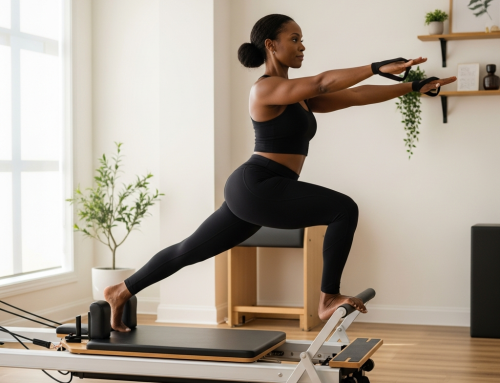
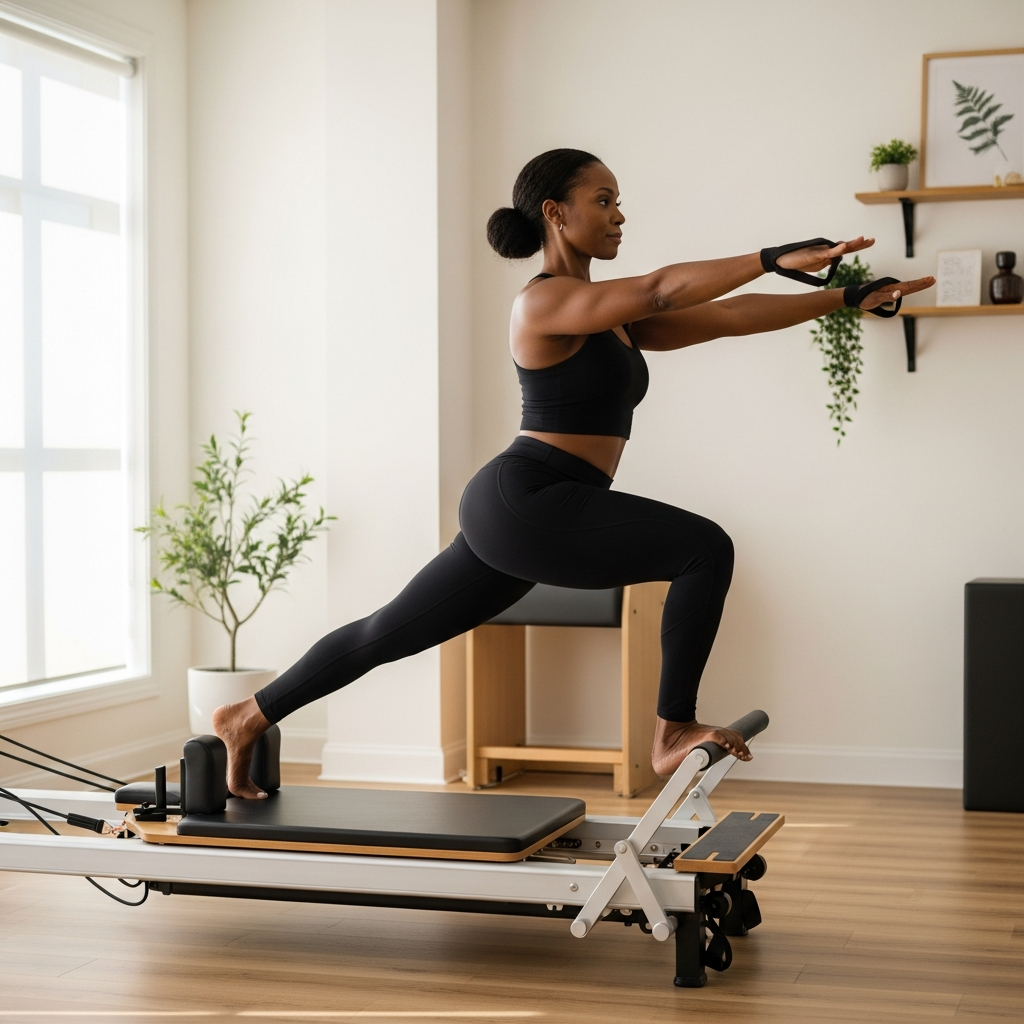
Walk into any Pilates studio and you’ll see these medieval-looking contraptions that seem designed by someone who really enjoyed creating elaborate torture devices. The Reformer, the Cadillac, the Chair – they all look intimidating as heck.
But here’s the thing about Pilates equipment – it’s actually there to help you, not hurt you. The springs and pulleys aren’t punishment devices; they’re like having a really good spotting partner. They provide resistance when you need a challenge and assistance when you’re learning something new.
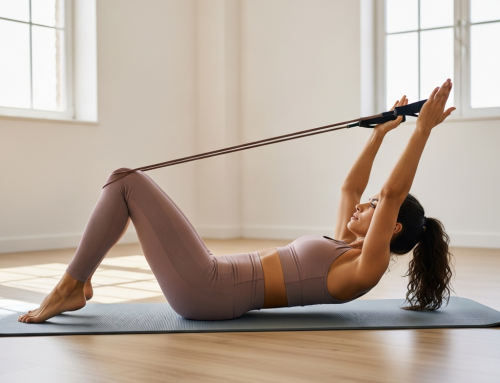
That said, you absolutely don’t need any equipment to get started. Mat Pilates uses just your body weight and gravity – and trust me, that’s plenty challenging when you’re doing it right. Actually, some instructors argue that mat work is harder because you don’t have the equipment to help you cheat… I mean, assist.
Why Everyone from Dancers to Desk Workers Loves It
Here’s what’s kind of beautiful about Pilates – it meets you where you are. Whether you’re a former athlete dealing with old injuries, a new mom trying to rebuild core strength, or someone who’s spent years hunched over a computer (guilty), Pilates has something for you.
The movements are scalable in a way that’s almost magical. The same exercise that challenges a professional dancer will also work for someone who’s never set foot in a fitness class. It’s all about the modifications and progressions – kind of like how you can make the same recipe work for a dinner party or just Tuesday night, depending on what you add or leave out.
And unlike some workouts that leave you feeling like you got hit by a truck, Pilates tends to leave you feeling… longer somehow. Stronger but also more flexible. It’s weird and wonderful at the same time.
Start Small, Think Big
Look, I get it – you’re probably thinking you need to commit to some intense five-day-a-week routine right off the bat. But here’s what I’ve learned from years of helping people stick with fitness: the best Pilates practice is the one you’ll actually do consistently.
Start with just two sessions a week. That’s it. Your body needs time to adapt to all those tiny stabilizing muscles you’re about to wake up (and trust me, they’ll let you know they exist). Most Cedar Hill studios offer beginner packages – usually something like four classes for $60-80 – which gives you that perfect low-pressure trial run.
And here’s a little insider tip… many instructors are more flexible with scheduling than their online booking systems suggest. Don’t be afraid to call directly if you need to squeeze into a “full” class.
The Equipment Question Everyone Asks
You don’t need to buy anything fancy upfront. Seriously. That Instagram-worthy home setup can wait until you know you’re hooked.
For mat Pilates, grab a yoga mat with some decent thickness – your knees will thank you during those rolling exercises. The Manduka PRO or Liforme mats are worth the investment if you’re ready to spend around $80-100, but honestly? A $20 mat from Target will do just fine while you’re figuring things out.
If you’re eyeing those reformer classes (and you should be – they’re amazing), most studios provide all the equipment. But… and this might sound weird… wear grippy socks. Those smooth studio floors plus regular socks equal a recipe for slipping during transitions. Bombas makes some great ones, or you can find cheaper versions at any sporting goods store.
Making Sense of All Those Class Names
Studio schedules can look like alphabet soup sometimes. “Pilates Flow,” “Classical Mat,” “Reformer Level 1” – it’s enough to make your head spin.
Here’s the breakdown: anything with “beginner,” “foundations,” or “intro” is your friend. Classical or traditional Pilates sticks closer to Joseph Pilates’ original method – think precise, controlled movements with specific breathing patterns. Contemporary Pilates borrows from other movement disciplines and tends to be more flowing.
Mat classes happen on the floor and focus on bodyweight resistance. Reformer classes use that sliding carriage machine – and yes, it’s as fun as it looks intimidating. Start with mat classes to learn the basics, then graduate to reformer when you’re ready for that extra challenge.
Actually, that reminds me – some studios offer “intro to reformer” workshops. These are golden opportunities to get comfortable with the equipment without feeling lost in a regular class.
The Money Talk Nobody Wants to Have
Let’s be real about costs because budgeting for wellness shouldn’t stress you out more than help you.
Unlimited monthly memberships in Cedar Hill typically run $120-180, but here’s what most people don’t realize – you probably don’t need unlimited right away. Class packages often work out to $20-25 per session, which is perfect when you’re starting with that twice-weekly routine I mentioned.
Watch for new student specials – many studios offer a month of unlimited classes for around $50-60 for first-timers. It’s their way of getting you hooked, but hey… use it to your advantage while you explore different instructors and class styles.
Building Your Support Network
This might be the most important advice I can give you: find your people. Pilates attracts some genuinely wonderful humans, and having workout buddies makes everything easier.
Don’t be shy about introducing yourself to other students or asking the instructor questions after class. Most Pilates folks are happy to share their favorite modifications or recommend which classes to try next. I’ve seen lifelong friendships born from shared struggles with single-leg circles.
Consider joining your studio’s social media groups or attending their workshops and events. Many Cedar Hill studios host monthly challenges or social gatherings – these are fantastic ways to deepen your practice and meet like-minded neighbors.
And remember… everyone was a beginner once. That person flowing through advanced moves with seemingly effortless grace? They probably face-planted during their first roll-up just like you might. Be patient with yourself, show up consistently, and trust the process. Your body – and your stress levels – will thank you for it.
“I Don’t Have Time” (But You’re Scrolling Instagram for 30 Minutes)
Let’s be real – time isn’t usually the actual problem. It’s energy. You’ve got twenty minutes to spare… but after dealing with work emails, grocery runs, and that thing your teenager needs for school tomorrow, the thought of rolling out a mat feels impossible.
Here’s what actually works: micro-sessions. Five minutes of Pilates breathing while your coffee brews. Ten minutes of core work during your lunch break. That twenty-minute evening class? It’s not adding to your day – it’s giving you back the energy you’ve been burning through.
And here’s a thought – if you can find time to worry about not exercising, you can probably find time to actually exercise. Just saying.
The Intimidation Factor (Everyone Else Looks Like They Know What They’re Doing)
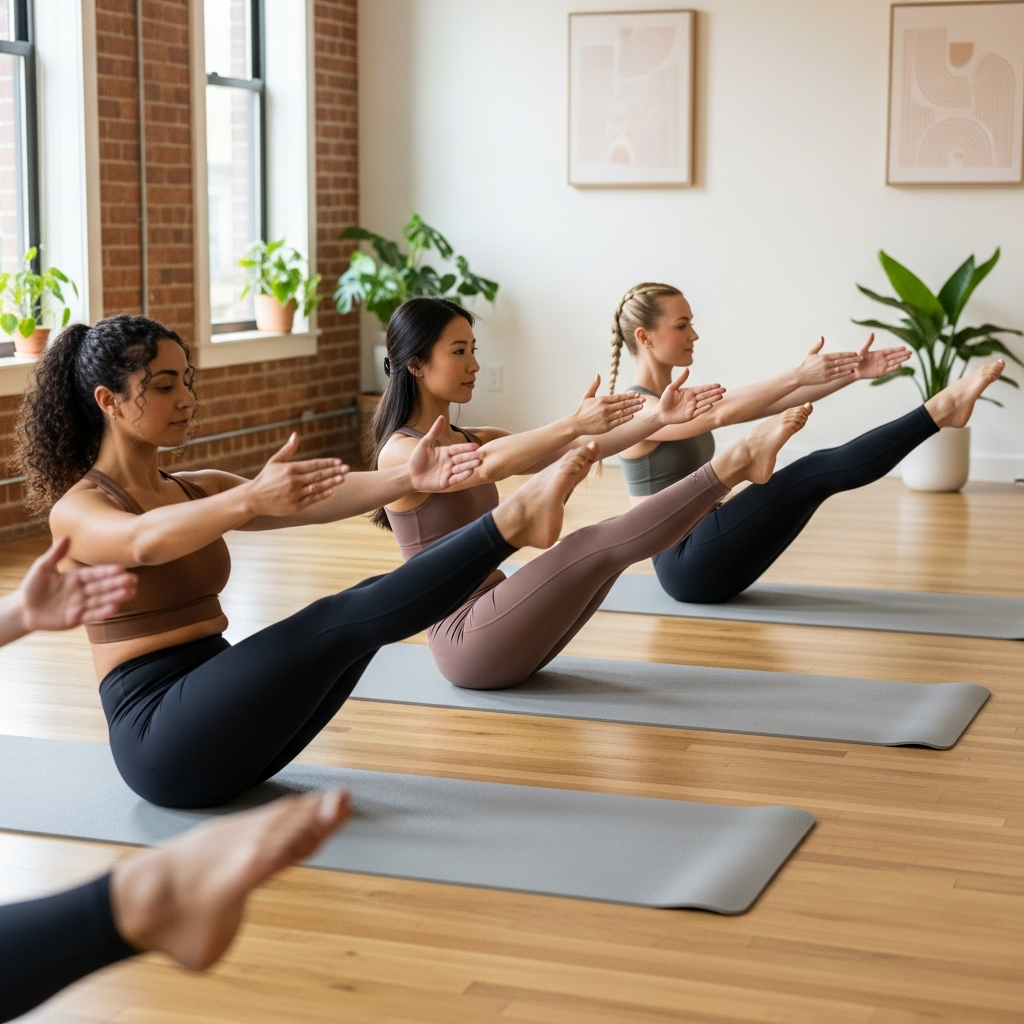
Walking into a new Pilates class can feel like showing up to a party where everyone already knows each other. There’s Susan doing perfect teaser poses while you’re still figuring out how to breathe and move at the same time.
But here’s the thing – Susan was exactly where you are six months ago. That graceful flow? She probably fell over three times last week (I’ve seen it happen).
Start with beginner classes, even if you think you’re “above” that level. Your ego might bruise a little, but your body will thank you. Most Cedar Hill studios offer intro packages specifically designed for newcomers. Use them. Ask questions. Everyone wants you to succeed.
My Body Doesn’t Bend That Way (And Might Never)
You know what’s frustrating? Watching someone effortlessly roll through movements while your spine feels like it’s made of concrete. Maybe you’ve got a cranky lower back, tight hips from years of desk work, or shoulders that haven’t seen their full range of motion since… well, ever.
Good news: Pilates isn’t about becoming a pretzel. It’s about becoming a better version of yourself. Can’t touch your toes? Great – we’ll work on getting you closer. That fancy roll-up everyone’s doing? There are three modifications that’ll give you the same benefits.
The best instructors – and Cedar Hill has some fantastic ones – will meet you where you are. Not where you think you should be, not where Instagram tells you to be. Right where you are today.
The Cost Concern (Because Money Doesn’t Grow on Trees)
Let’s talk numbers because pretending money doesn’t matter is ridiculous. Quality Pilates instruction isn’t cheap, and when you’re already juggling mortgage payments, groceries that somehow cost twice what they did last year, and everything else… another monthly expense feels heavy.
But here’s some perspective: you probably spend more on coffee than a monthly class package would cost. And unlike that latte, Pilates actually improves how you feel for weeks, not just twenty minutes.
Look for community center classes, group sessions (way cheaper than private lessons), or online options to supplement studio work. Many local instructors offer sliding scale pricing – you just have to ask. Because here’s what’s expensive: physical therapy, chronic pain management, and feeling disconnected from your own body.
Consistency is Hard (Especially When Life Gets Messy)
You start strong. Three classes the first week, feeling amazing, already planning your Pilates instructor certification… and then your kid gets sick, work explodes, or you just hit one of those weeks where everything feels overwhelming.
Missing classes feels like failure, so you stop altogether. Sound familiar?
Here’s a different approach: consistency over perfection. One class a week beats zero classes a week. Doing ten minutes at home beats skipping entirely because you can’t make it to the studio.
Build a routine that can bend without breaking. Maybe Tuesdays are your studio day, but if life happens, you’ve got a backup plan. Maybe it’s a YouTube video, maybe it’s just some breathing exercises before bed. Something is always better than nothing.
Finding Your People (Because Working Out Alone Gets Old)
Exercise is more fun with friends – but what if your friends think Pilates is “just stretching” or they’re already committed to their spinning cult… I mean, class?
Start anyway. You’ll find your people in class. There’s something about sweating through the same challenging movements that bonds people. Plus, having that Tuesday night class on your calendar gives you built-in accountability.
And if you’re really nervous? Bring a friend for moral support. Most studios offer buddy deals or trial packages perfect for convincing a hesitant neighbor to join you.
What to Expect When You’re Starting Out
Let’s be honest – that first Pilates class can feel a bit intimidating. You’re wondering if you’ll be able to keep up, if you’ll know what the instructor means when they say “engage your powerhouse” (spoiler alert: it’s your core), and whether you’ll be the only one who can’t touch their toes.
Here’s the thing… everyone feels this way. Even that person next to you who looks like they’ve been doing Pilates since birth? They once lay on a reformer wondering what all those springs and pulleys were supposed to do.
Your first few sessions will probably feel awkward. And that’s completely normal. Your body’s learning a new language – one of precise movements and breath control. Don’t expect to master the hundred on day one, or feel that deep core connection right away. Some people feel it immediately, others need a few weeks. Both experiences are perfectly fine.
Most folks start noticing small changes around the 3-4 week mark – maybe better posture at their desk, or less lower back stiffness when they wake up. The more dramatic improvements? Those usually show up around 8-12 weeks of consistent practice.
Building Your Routine (Without Burning Out)
I know, I know – you’re excited and want to dive in headfirst. But here’s where I’m going to sound like your mom for a second: slow and steady wins this race.
If you’re brand new to Pilates, start with 1-2 classes per week. Your muscles need time to adapt, and honestly, you might be sorer than expected after those first few sessions. That’s your body saying “hey, we’re using muscles we forgot we had!”
Once you’ve been consistent for about a month, you can bump up to 2-3 times per week if your schedule allows. This sweet spot gives you enough frequency to build on what you’ve learned without overwhelming your system – or your calendar.
Private sessions vs. group classes? If your budget allows, consider starting with a few private sessions. It’s like having training wheels – you’ll learn proper form and get personalized attention. But don’t stress if group classes are your only option. Good instructors are skilled at giving modifications and watching the room.
Red Flags to Watch For
Not every studio is created equal, and since you’re investing your time and money, you should know what to look for.
A good instructor will ask about injuries, modifications you might need, and won’t push you into advanced moves before you’re ready. They should be watching your form and offering gentle corrections – not just calling out moves from the front of the room while scrolling their phone (yes, I’ve seen it happen).
The space should feel clean and well-maintained. Equipment that’s falling apart or studios that feel cramped aren’t just unpleasant – they can be unsafe.
And here’s a big one… if an instructor promises you’ll lose 20 pounds in a month or completely transform your body in six weeks, run. Good Pilates is about building strength, improving posture, and creating better movement patterns. Weight loss might happen as a side effect, but it’s not magic.
Making It Stick This Time
We’ve all been there – started something new with the best intentions, only to let it fizzle out after a few weeks. Life gets busy, motivation wanes, and suddenly that class you were so excited about feels like another item on your to-do list.
Here’s what actually works: start smaller than you think you should. One class a week that you actually attend is infinitely better than three classes a week that exist only in your ambitious calendar.
Try to go at the same time each week – it helps build the habit. Tuesday at 6 PM becomes part of your routine, not something you have to think about and plan around.
Find an accountability buddy if possible. Maybe it’s a neighbor who’s also interested, or just letting your family know about your commitment. Sometimes just having to explain why you’re skipping helps you… not skip.
Your Next Move
So what’s step one? Don’t overthink it. Pick one studio that seems like a good fit – maybe it’s close to home, maybe they have beginner-friendly classes, maybe you just liked their vibe when you walked by.
Call or stop by to ask about trial classes or newcomer packages. Most studios offer some kind of introductory deal because they want you to find your groove without breaking the bank.
And remember… this doesn’t have to be perfect. You’re not committing to anything permanent here. You’re just trying something new that might make you feel a little stronger, a little more centered. That’s it.
You know what? Finding the right fitness routine when you’re working on your health goals doesn’t have to feel like climbing Mount Everest. Sure, it might seem overwhelming at first – especially when you’re already juggling work, family, and everything else life throws your way. But here in Cedar Hill, you’ve got options that actually make sense for real people with real lives.
Making Movement Work for Your Life
The beautiful thing about having these local Pilates studios and instructors right in your backyard is that you can actually stick with something. No more excuses about traffic or driving across town… which, let’s be honest, we’ve all used before. When your workout is just a few minutes away, it becomes part of your routine rather than this big production you have to plan around.
And here’s something I’ve noticed – when you find movement that doesn’t feel like punishment, everything changes. Pilates has this way of making you feel stronger and more centered, even on days when the scale isn’t cooperating or your jeans feel a little snug. It’s like having a reset button for both your body and your mind.
You’re Not Doing This Alone
Whether you end up at one of those welcoming studios downtown, working with a private instructor who really gets your specific needs, or even starting with some online sessions in your living room – the key is just starting. Somewhere. Somehow. Your neighbor down the street might be dealing with the same back pain you are, or struggling with the same energy crashes in the afternoon.
That’s the thing about community-based wellness… you realize you’re part of something bigger. The instructor who remembers that you’re still nursing that shoulder injury. The class regular who always saves you a spot. These little connections matter more than we sometimes give them credit for.
Your Next Small Step
Look, I know making changes – even good ones – can feel scary. Maybe you’re worried about being the beginner in a room full of people who seem to have it all figured out. (Spoiler alert: none of us have it all figured out.) Or maybe you’re concerned about adding another commitment to an already packed schedule.
But here’s what I want you to remember… every single person who’s now gracefully flowing through those Pilates moves started exactly where you are right now. Curious, maybe a little nervous, definitely ready for something different.
If you’re feeling stuck or unsure about how to weave movement into your weight loss goals, you don’t have to figure it all out by yourself. That’s exactly why we’re here – to help you create a plan that actually fits your life, your body, and your goals. Not some cookie-cutter approach that works great on paper but falls apart by Thursday.
Sometimes the best thing you can do is simply reach out and have a conversation about what’s possible. No pressure, no judgment – just real talk about where you are and where you’d like to be. Because honestly? Taking care of yourself isn’t selfish. It’s necessary. And you deserve support that actually supports you.
Ready to explore what movement might look like in your life? Let’s talk.