What’s the Difference Between Mat Pilates and Other Pilates Styles in Mesquite?
You’re scrolling through class schedules at your local Mesquite fitness studio, squinting at the screen like you’re trying to decode hieroglyphics. “Mat Pilates,” “Reformer Pilates,” “Contemporary Pilates” – and wait, what’s this “Classical Pilates” thing? Your finger hovers over the “Book Now” button, but honestly? You have absolutely no idea which one to choose.
Sound familiar?
If you’re nodding right now, you’re definitely not alone. I can’t tell you how many people walk into our clinic looking slightly defeated, admitting they’ve been putting off trying Pilates because – and I quote – “there are just too many confusing options.” One woman told me she’d been circling the same studio parking lot for ten minutes, too embarrassed to go in and ask what the difference was between all these classes.
Here’s the thing, though… this confusion is completely understandable. The Pilates world has evolved – some might say exploded – since Joseph Pilates first developed his method back in the 1920s. What started as one man’s rehabilitation system has branched into multiple styles, each with its own personality, equipment, and let’s be honest, price point.
But here’s what really matters for you – especially if you’re considering Pilates as part of your wellness routine or weight management plan: not all Pilates is created equal. And I don’t mean that in a judgmental way. It’s more like… well, think of it like coffee. Espresso, cold brew, French press – they’re all coffee, but they’re going to give you completely different experiences. Same beans, different methods.
Mat Pilates tends to be the gateway drug (in the best possible way) for most people. It’s accessible, you don’t need fancy equipment, and frankly, it won’t break the bank. But then you’ve got Reformer classes with those intimidating-looking machines that seem like medieval torture devices until you actually try one… and suddenly you understand why people become obsessed.
The reality? Your choice of Pilates style can make or break your entire experience with this amazing form of exercise. Pick the wrong one for your fitness level, goals, or personality, and you might walk away thinking Pilates “just isn’t for you.” Pick the right one, and – well, I’ve seen people transform not just their bodies but their entire relationship with movement.
That’s particularly important if you’re dealing with weight management challenges or working through some of the physical limitations that come with carrying extra weight. Some Pilates styles are incredibly welcoming and adaptable for larger bodies, while others… let’s just say they might leave you feeling more frustrated than empowered.
And if you’re in the Mesquite area? You’ve actually got some fantastic options – from traditional studios offering classical training to modern fitness centers putting their own spin on things. The variety is both a blessing and a curse, honestly.
What I want to do is walk you through the main differences between Mat Pilates and the other popular styles you’ll encounter around here. We’ll talk about what each one actually feels like (not just the technical descriptions that make your eyes glaze over), who they work best for, and – this is important – what you can realistically expect from your first few classes.
Because here’s what I’ve learned after years of helping people find their groove with exercise: the best workout is the one you’ll actually stick with. And sticking with something is a lot easier when you know what you’re getting into ahead of time.
We’ll also tackle some of the practical stuff that nobody talks about but everyone wonders about. Like whether you need to be flexible to start (spoiler: absolutely not). Whether certain styles are better for weight loss. And yes, we’ll address that elephant in the room – how much all of this costs and whether it’s worth the investment.
By the time we’re done, you’ll know exactly which Pilates style deserves that spot on your calendar. No more parking lot circles required.
The Pilates Family Tree – It’s More Complicated Than You’d Think
Here’s the thing about Pilates – it’s kind of like asking about the difference between pizza styles. You’ve got your New York thin crust, your Chicago deep dish, your Neapolitan… and they’re all pizza, but wow, are they different experiences. Joseph Pilates created this method back in the 1920s, and since then? Well, let’s just say his original vision has sprouted more branches than a Texas oak tree.
The confusion is totally understandable. Walk into any studio in Mesquite and you’ll see words thrown around like “classical,” “contemporary,” “reformer,” and “mat” – and honestly, even some instructors use these terms a bit loosely. It’s like how every tissue became a “Kleenex,” you know?
Mat Work – The OG Pilates Experience
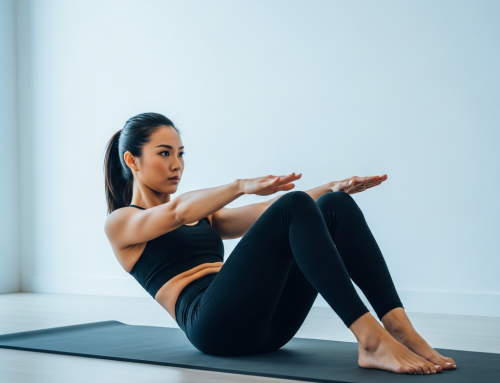
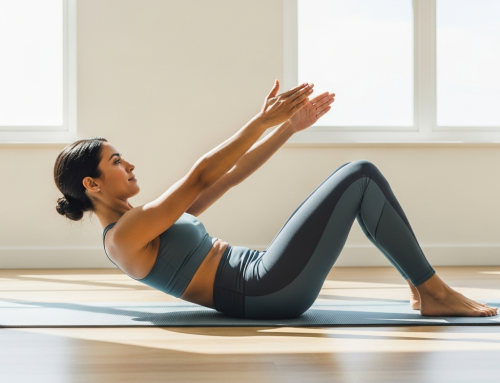
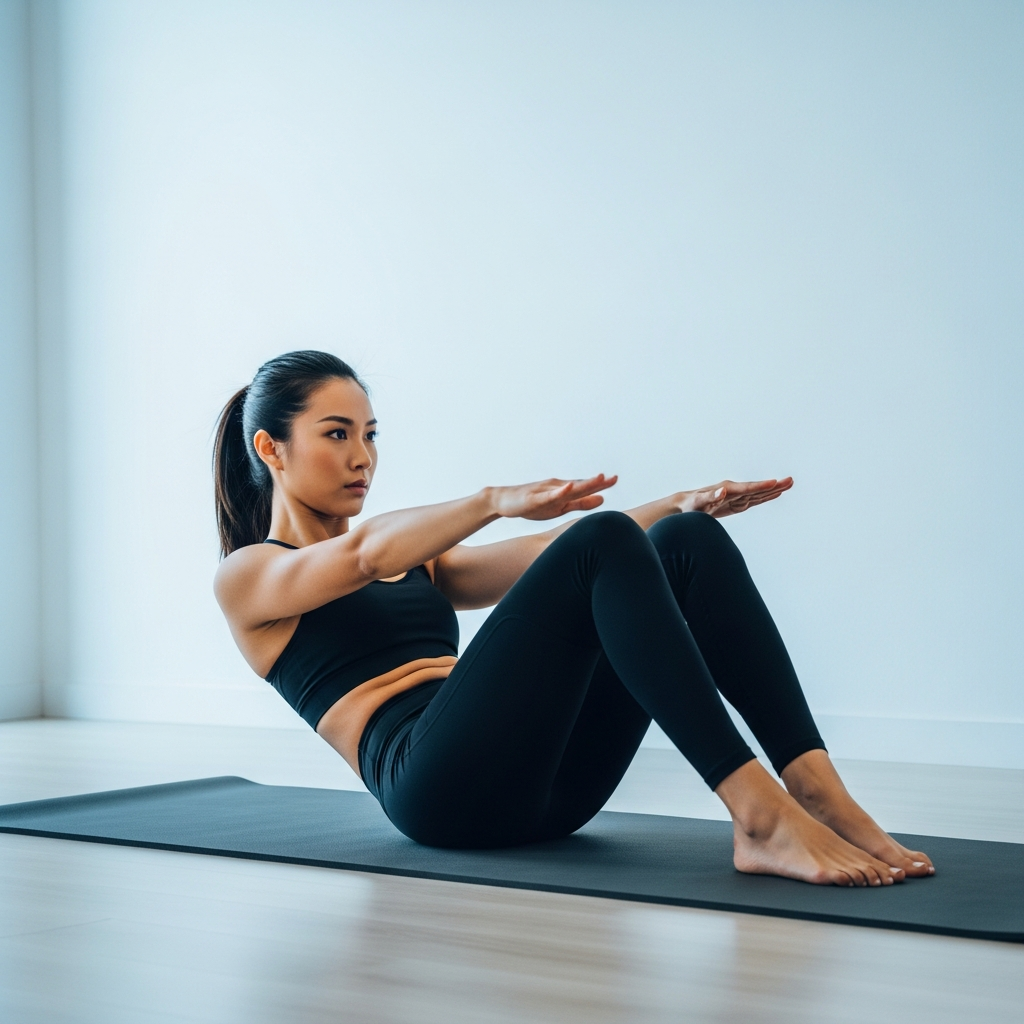
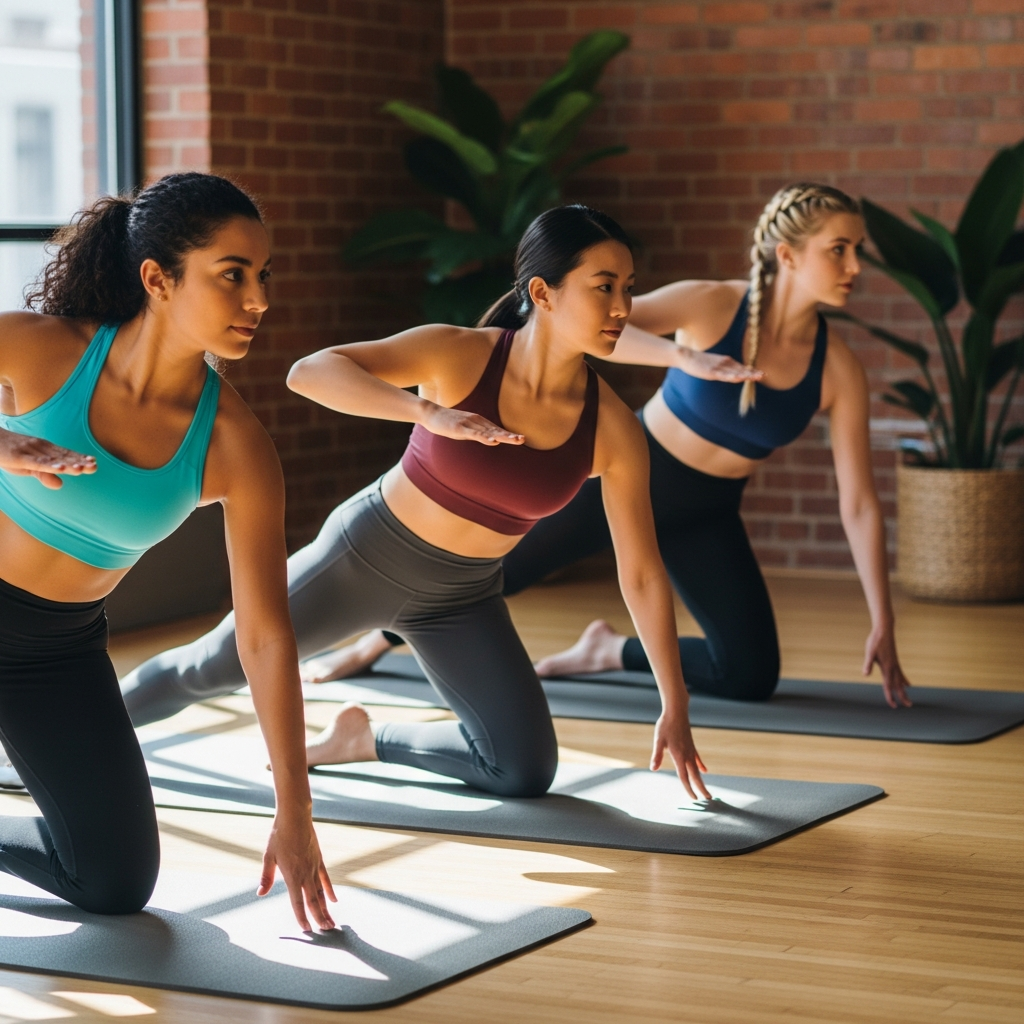
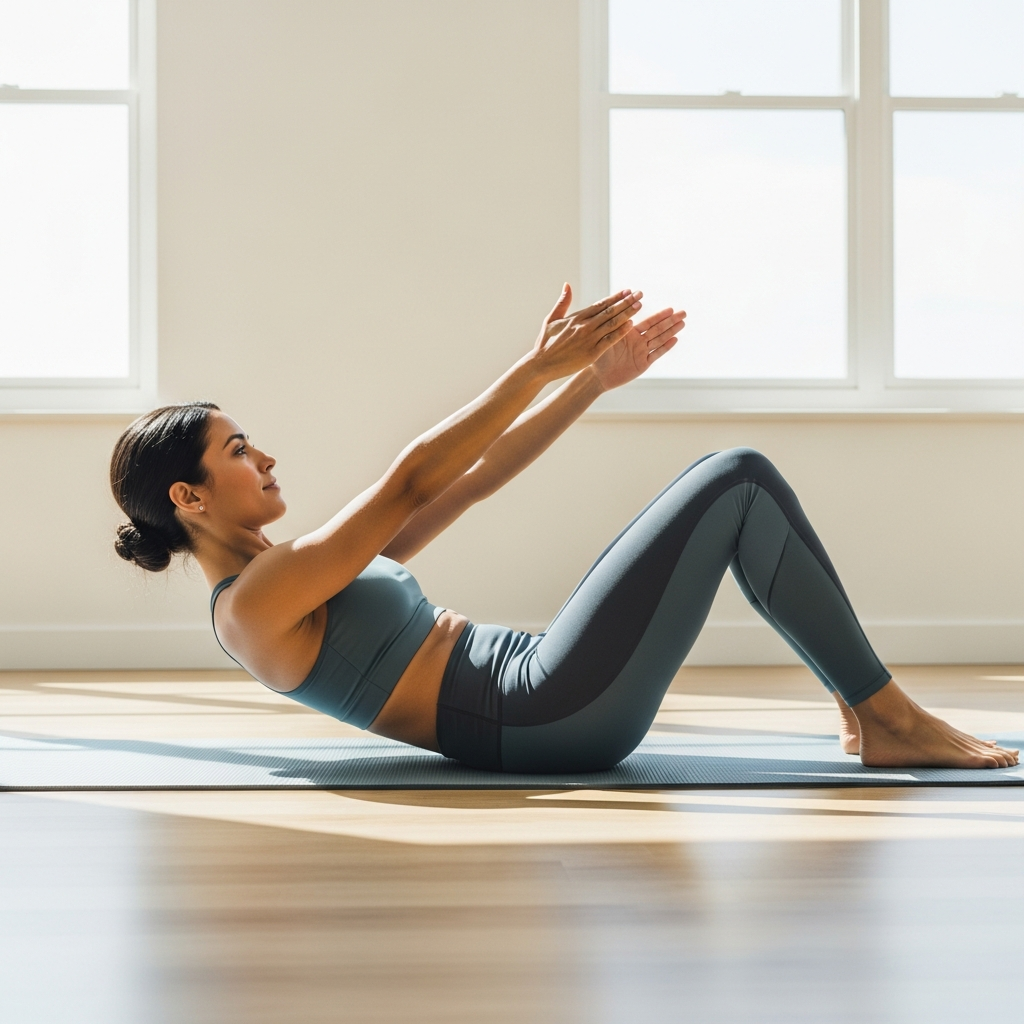
Mat Pilates is actually where it all started. Picture this: Joseph Pilates in his tiny New York studio, working with dancers and performers on simple floor mats. No fancy equipment, no springs and pulleys – just body weight, gravity, and a whole lot of precise movement.
Think of mat work as the acoustic guitar version of Pilates. Stripped down, pure, requiring more from you because there’s nowhere to hide. When you’re lying on that mat, it’s just you versus gravity, and gravity… well, gravity always wins if you’re not paying attention.
The beauty – and the challenge – is that every single exercise relies on your own strength and control. No machine is helping you find proper alignment or assisting with resistance. Your core becomes both the star and the supporting cast of this show.
Equipment-Based Pilates – The Full Orchestra
Now, here’s where things get interesting (and honestly, a little overwhelming at first). Equipment-based Pilates uses machines that look like they belong in either a gym or a medieval torture chamber, depending on your perspective that day.
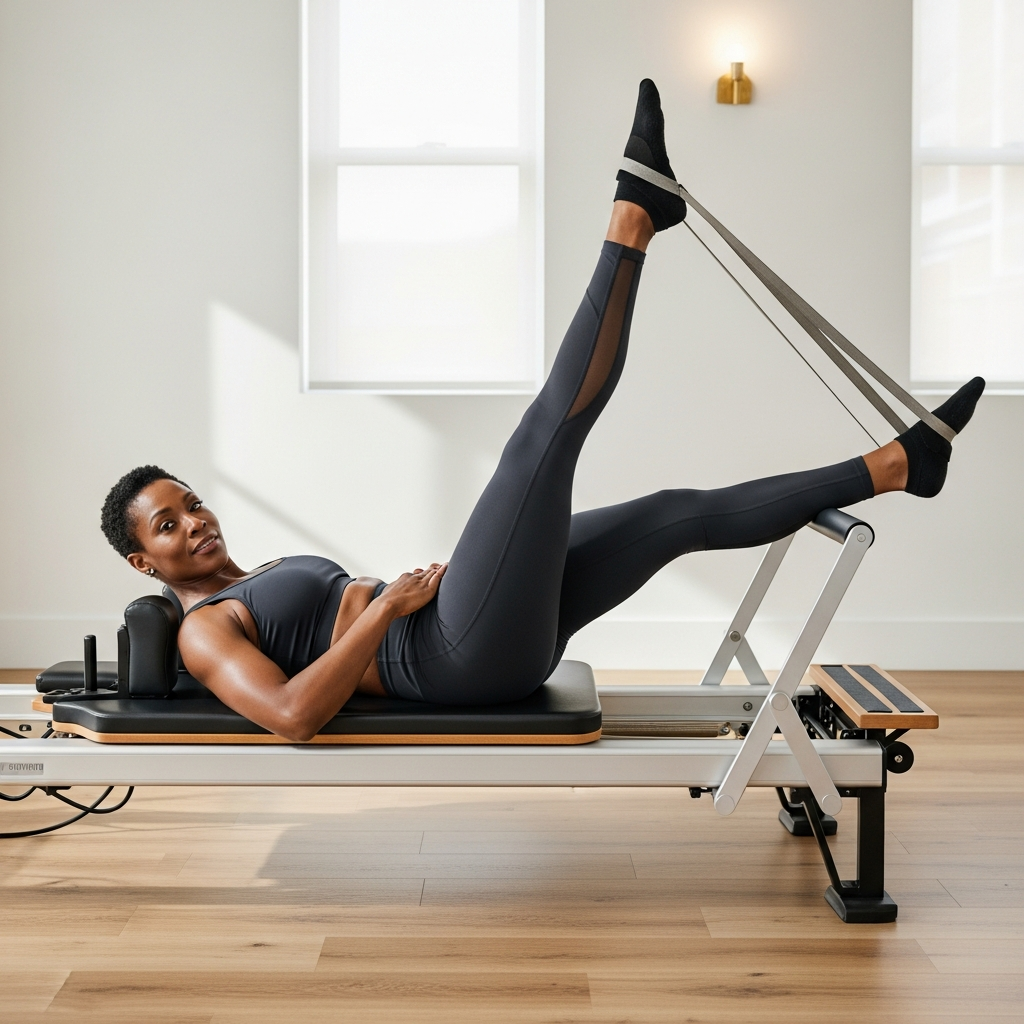
The reformer is the celebrity of Pilates equipment – that sliding carriage contraption with springs and ropes that you’ve probably seen on Instagram. It’s like having a really sophisticated workout partner who can assist you when you’re struggling but also challenge you when you’re getting cocky.
Then there’s the Cadillac (also called a trapeze table), which looks exactly like its name suggests – a bed frame with a cage around it. And the chair, which… okay, it’s not really a chair you’d want in your living room, but it’ll work your legs and core like nobody’s business.
Classical vs. Contemporary – The Great Pilates Debate
This is where Pilates instructors can get a little… passionate. It’s like the difference between following your grandmother’s exact recipe versus adding your own twist to it.
Classical Pilates sticks religiously to Joseph Pilates’ original method. Same exercises, same order, same precise form. It’s traditional, it’s pure, and it’s honestly pretty unforgiving. Think of it as learning Latin – rigorous, disciplined, with zero room for improvisation.
Contemporary Pilates takes those foundational principles and… well, it gets creative. Modern anatomy knowledge, physical therapy insights, variations for different body types – it’s more like jazz, building on the classics but allowing for interpretation.
Neither approach is better or worse (though don’t say that too loudly in a room full of instructors – they have opinions). It really depends on what your body needs and what your brain enjoys.
The Real Talk About Differences
Here’s what I wish someone had told me when I was trying to figure this all out: the differences between styles matter less than finding what works for your specific body and goals.
Some people thrive on the challenge and precision of classical mat work. Others need the feedback and support that equipment provides. Some folks love the creativity of contemporary approaches, while others crave the structure of traditional sequences.
And honestly? Your needs might change. Maybe you start with reformer classes because the equipment helps you understand the movements, then graduate to mat work for the challenge. Or perhaps you begin with contemporary modifications and eventually work toward classical precision.
The point is – and this might sound like a cop-out but it’s not – there’s no “wrong” choice here. It’s more about finding your Pilates home base… and being open to exploring the neighborhood.
Finding Your Perfect Pilates Fit in Mesquite
You’re standing outside that studio on Galloway Avenue, wondering if you should walk in… I get it. The whole “which type of Pilates” question can feel overwhelming, especially when you’re already dealing with everything else on your wellness journey.
Here’s the thing – and most instructors won’t tell you this upfront – your body will pretty much tell you which style clicks within the first two sessions. But there are some shortcuts to figure this out before you commit to a package deal.
Start with a trial class on a Tuesday or Wednesday. Seriously. Monday classes tend to be packed with overly enthusiastic weekend warriors, and Friday sessions? Well, let’s just say half the class is mentally already at happy hour. Mid-week gives you the real vibe of the studio and instructor.
Reading Between the Studio Lines
When you call around (and yes, actually call – don’t just scroll through websites), ask these specific questions
“What’s your beginner-to-regular ratio?” If it’s heavily skewed toward advanced practitioners, that reformer class might leave you feeling lost. Mat classes, on the other hand, are usually more forgiving for mixed levels.
“Do you modify for injuries?” This one’s huge. Some instructors are fantastic at offering alternatives; others… well, they stick to their script regardless of who’s struggling in the back row.
Here’s something most people don’t think about – ask about their flooring. I know, I know, it sounds ridiculous. But if you’re doing mat work on concrete covered by a thin carpet (looking at you, certain strip mall studios), your joints are going to hate you by week three.
The Equipment Reality Check
Let’s talk money for a second because nobody else will. Those beautiful reformer studios with the gleaming equipment? You’re looking at $150-200+ per month easy. Mat classes? Usually $80-120 for unlimited, sometimes less if you catch an introductory deal.
But here’s where it gets interesting – some of the most effective Pilates I’ve seen happens in hybrid classes. You know, where they use props like resistance bands, magic circles, and those deceptively innocent foam rollers. These classes often give you more bang for your buck because you’re getting variety without the reformer price tag.
Pro tip: If you’re drawn to reformer work but the cost makes you wince, look for “intro to reformer” workshops. Many studios offer these monthly – you get to try the equipment without committing to their premium packages.
Timing Your Pilates Journey
Here’s something that might surprise you – when you start Pilates matters more than which type you choose. Starting in January with everyone else’s resolutions? You’ll be competing for attention and possibly dealing with instructors who are burned out from the holiday rush.
September and March tend to be sweet spots. Classes are smaller, instructors are refreshed, and you’ll get more personalized attention as you’re learning proper form.
And speaking of form – this is where mat Pilates actually has an advantage. You can’t hide behind the reformer’s assistance. Every movement is you versus gravity, which means you’ll develop authentic strength faster. It’s humbling at first (those shaking legs during single-leg circles… we’ve all been there), but the payoff is real.
Making It Stick in Real Life
The biggest mistake I see people make? Choosing a studio based on the beautiful Instagram feed rather than practical considerations. That gorgeous studio in downtown might look amazing, but if it takes you 25 minutes to get there after work, you’ll find excuses not to go.
Find something within 15 minutes of either home or work. Trust me on this one.
Also, pay attention to the parking situation during your first visit. I’ve watched people abandon perfectly good studios because they couldn’t deal with circling the block for street parking after a long day.
One last thing – and this might be the most important tip I can give you – don’t let anyone pressure you into buying packages on your first visit. Good studios will let you try a few classes before asking for commitment. The pushy ones? They’re usually more concerned about their bottom line than your success.
Your body knows what it needs. Sometimes it just takes a little time to listen.
The Equipment Learning Curve (And Why It’s Actually Okay)
Let’s be real – walking into your first reformer class can feel like stepping into a NASA training facility. All those springs, straps, and moving parts? It’s intimidating as hell. I’ve watched countless people freeze up when faced with adjusting spring tension or figuring out which strap goes where.
The solution isn’t to avoid equipment altogether. Start with a private session or beginner-friendly group class where instructors expect questions. Most studios offer equipment orientations – take them up on it. And here’s something nobody tells you: everyone was confused at first. That person flowing gracefully through their reformer workout? They spent their first class wondering if they’d accidentally signed up for medieval torture.
Mat Pilates doesn’t have this barrier, which is why it’s often the gentler introduction. But don’t let that fool you into thinking it’s easier…
When Your Body Doesn’t Cooperate (Spoiler: It Won’t)
Mat work reveals everything. Can’t lift your shoulders off the ground during the Hundred? Your hip flexors are probably tighter than a pickle jar. Wobbling through single-leg stretches? Welcome to the wonderful world of discovering muscle imbalances you never knew existed.
Here’s what trips people up most: expecting their body to move like the instructor’s from day one. Your flexibility, strength, and coordination are uniquely yours – and probably not where you want them to be yet. That’s the point.
The fix? Modifications aren’t cheating – they’re smart. Can’t roll up from lying down? Bend your knees. Struggling with planks? Drop to your knees. Every Pilates exercise has variations, and good instructors will show you several. The goal isn’t perfection; it’s progress that doesn’t land you in physical therapy.
The Cost Reality Check
Equipment classes cost more. Sometimes significantly more. A reformer session might run $35-45 compared to $20-25 for mat classes. When you’re looking at 2-3 sessions per week… well, your wallet feels it.
But here’s the thing – you don’t need to choose just one. Many people find success mixing mat classes (for regular practice and foundational strength) with occasional equipment sessions (for deeper work and variety). Some studios offer package deals that include both. Others have community mat classes at reduced rates.
Consider home practice too. Once you learn proper form, mat work requires zero equipment investment. You can’t replicate a reformer in your living room, but you can absolutely maintain your practice with basic mat exercises.
The Intimidation Factor in Different Settings
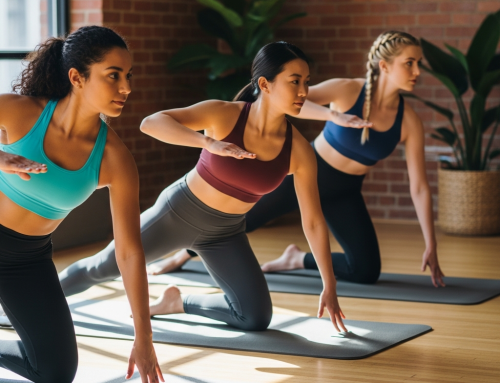
Mat classes often feel more approachable – everyone’s on the ground, doing similar-looking movements. But don’t underestimate the psychological challenge of being surrounded by people who seem to effortlessly flow through sequences that leave you breathless.
Equipment classes have their own intimidation factor: learning to operate machinery while also trying to engage your powerhouse and breathe properly. It’s like learning to drive stick shift while also learning the rules of the road.
The secret sauce? Find your people. Look for beginner-specific classes, not just “all levels” (which often skew intermediate). Ask instructors about class difficulty honestly – most are happy to help you find the right fit. And remember, everyone’s focused on their own struggle. That person next to you who looks so zen? They’re probably counting reps and trying not to fall over too.
Making It Stick When Life Gets Messy
Here’s where good intentions meet reality. You start strong, then work gets crazy, the kids get sick, or you just… forget. Mat work has an advantage here – it’s more forgiving of schedule chaos. You can squeeze in 15 minutes at home when a full studio session isn’t happening.
Equipment work requires more commitment to scheduled classes, but it also provides more external structure. When you’ve paid for that reformer slot, you’re more likely to show up.
The solution isn’t choosing based on convenience alone, but being honest about your life. If you’re someone who needs external accountability, equipment classes might serve you better. If flexibility and cost matter more, mat work could be your answer. Many successful practitioners do both, letting their schedule and budget dictate the mix.
The real challenge isn’t picking the “right” style – it’s showing up consistently enough to actually see results. And that’s where being honest about what works for your actual life (not your ideal life) makes all the difference.
What to Expect in Your First Few Weeks
Here’s the thing about starting Pilates – your body’s going to have some opinions about it, and not all of them will be polite at first.
Those first few mat classes? You might feel like you’re wrestling with gravity itself. Your core will shake during exercises that look deceptively simple (seriously, how can holding your legs at a 45-degree angle be *that* hard?). If you try a reformer class, you’ll probably spend half the time figuring out which spring setting won’t launch you across the room.
This is completely normal. Actually, if you’re not feeling a bit wobbly after your first session, you might not be engaging your muscles properly.
Most people start noticing small changes around the 4-6 week mark – maybe you’re not huffing quite as much during the hundred, or you can hold that plank position without your whole body staging a revolt. Real strength changes typically show up around 8-12 weeks of consistent practice… and when I say consistent, I mean 2-3 times per week, not whenever Mercury’s in retrograde.
Finding Your Pilates Home Base
You don’t have to commit to one style forever – this isn’t a marriage (though some people do get pretty devoted to their reformers).
Start with what feels most accessible to you. If you’re budget-conscious or prefer learning at your own pace, mat classes are perfect. You can even try some online sessions first to get familiar with basic movements. Once you’ve got the fundamentals down, maybe explore a reformer class to see how the equipment changes the game.
Many studios in Mesquite offer intro packages or trial classes. Take advantage of these – it’s like test-driving a car, but for your core muscles.
Red Flags vs. Normal Growing Pains
Let’s talk about what’s normal soreness versus what should send you to your doctor (or at least make you pump the brakes).
Good soreness: Your deep abdominal muscles feel like they’ve been working. Your glutes remind you they exist. You feel tired but energized – that weird paradox that happens with good exercise.
Not-so-good signs: Sharp pain in your lower back, neck strain that lingers for days, or joint pain that gets worse instead of better. If something hurts in a “this isn’t right” way during class, speak up. Good instructors would rather modify an exercise than have you push through pain.
Also? Don’t compare your week-one wobbles to someone else’s year-three grace. That person who flows seamlessly through the entire sequence probably couldn’t touch their toes when they started either.
Building Your Practice Without Burning Out
Here’s where people often trip themselves up – they go from zero to Pilates fanatic overnight, then burn out faster than a cheap candle.
Start with 2 classes per week. That’s it. Your body needs recovery time to actually build strength. More isn’t always better, especially when you’re learning movement patterns that are probably completely foreign to your usual routine.
Mix it up after a few months. Try different instructors, different styles, even different times of day. Morning Pilates hits differently than evening sessions – you might discover you’re secretly a 6 AM reformer person (stranger things have happened).
The Mental Game Nobody Warns You About
Pilates isn’t just about physical coordination – there’s a mental component that catches people off guard. You’ll need to focus on breathing while your brain is trying to figure out which leg goes where, all while keeping your shoulders away from your ears.
Some days you’ll feel like you’re nailing everything. Other days, you’ll forget how to breathe and walk at the same time. This is normal human stuff, not a reflection of your fitness potential.
The mind-body connection that Pilates is famous for? It doesn’t happen overnight. Give yourself permission to be a beginner, even if you’re athletic in other areas. Your marathon-running legs might be completely confused by a simple leg circle series.
Your Next Steps
Pick one style and commit to it for at least a month. Whether that’s mat classes at the community center or reformer sessions at a boutique studio, give it enough time to feel familiar.
Don’t overthink the equipment situation initially – most studios provide everything you need. Invest in your own mat if you start taking regular mat classes, but hold off on buying a reformer for your garage until you’re sure this is your thing.
Most importantly? Listen to your body, but don’t let minor discomfort derail your progress. Building strength requires some discomfort – the key is learning to distinguish between productive challenge and problematic pain.
Finding Your Perfect Pilates Match
You know, after exploring all these different Pilates styles, I hope you’re feeling a bit more confident about making that next step. It’s funny how something as simple as understanding the difference between working on a mat versus using a reformer can suddenly make the whole Pilates world feel less… overwhelming.
Here’s what I want you to remember – and this is important – there really isn’t a “wrong” choice here. Whether you’re drawn to the simplicity and accessibility of mat Pilates, curious about the challenge of reformer work, or intrigued by those tower classes that seem equal parts intimidating and exciting… they’re all going to help you feel stronger. More balanced. More like yourself, actually.
I’ve seen so many people get caught up in finding the “perfect” workout from day one. They’ll research endlessly, read every review, maybe even drive by the studio a few times (we’ve all done it). But here’s the thing – your body will tell you what feels right. That connection between your mind and muscles? It happens when you simply start.
Mat Pilates might be your gateway into discovering you actually love the focused, meditative quality of controlled movement. Or maybe you’ll realize you’re someone who thrives on the feedback and assistance that equipment provides. Some folks find their sweet spot mixing different styles throughout the week, and honestly? That variety keeps things interesting.
Living in Mesquite, you’ve got some wonderful options right in your backyard. The studios here really understand that people are coming from different fitness backgrounds – some haven’t exercised in years, others are athletes looking to improve their game. What I love about the Pilates community is how welcoming it tends to be. Everyone’s there to get stronger, not to judge where you’re starting from.
Your current fitness level, any injuries or limitations, your schedule, your budget – these all matter, sure. But don’t let them become excuses to keep waiting for the “right” time. If you’re dealing with back pain, recovering from an injury, or just feeling like your body isn’t as strong and flexible as it used to be… well, that’s exactly when Pilates can make the biggest difference.
The studios in our area are really good about helping newcomers figure out where to start. Most offer that first session where they’ll assess how you move, what you’re hoping to achieve, and honestly recommend what might work best for you. They want you to succeed – it’s not in anyone’s interest to put you in a class that’s too advanced or not challenging enough.
If you’re still feeling uncertain about which style to try first, or if you have questions about how Pilates might help with your specific health goals, we’d love to chat with you. Our team understands how movement and nutrition work together to help you feel your absolute best. Sometimes it helps to talk through your concerns with someone who gets how intimidating that first step can feel.
Ready to see how the right movement approach could support your wellness goals? Give us a call or stop by – we’re here to help you find what works for your body and your life.