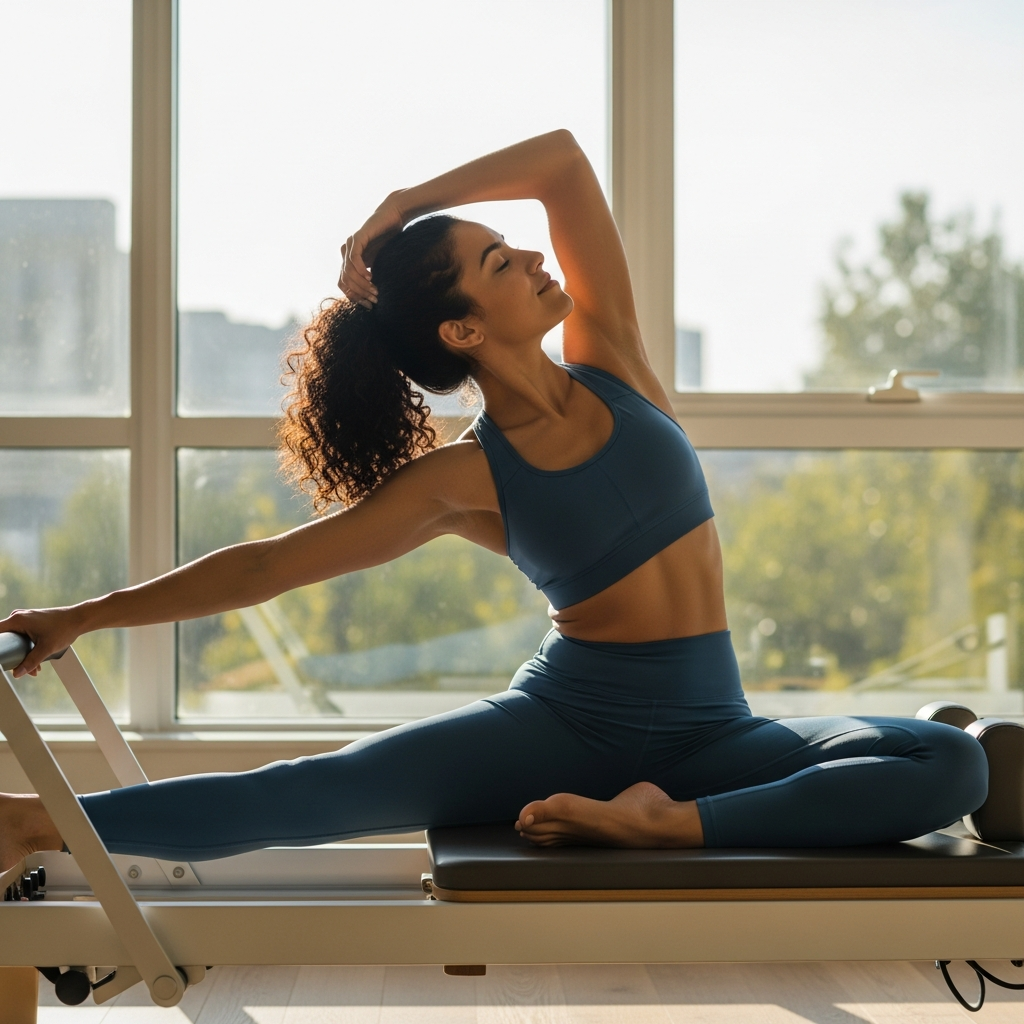
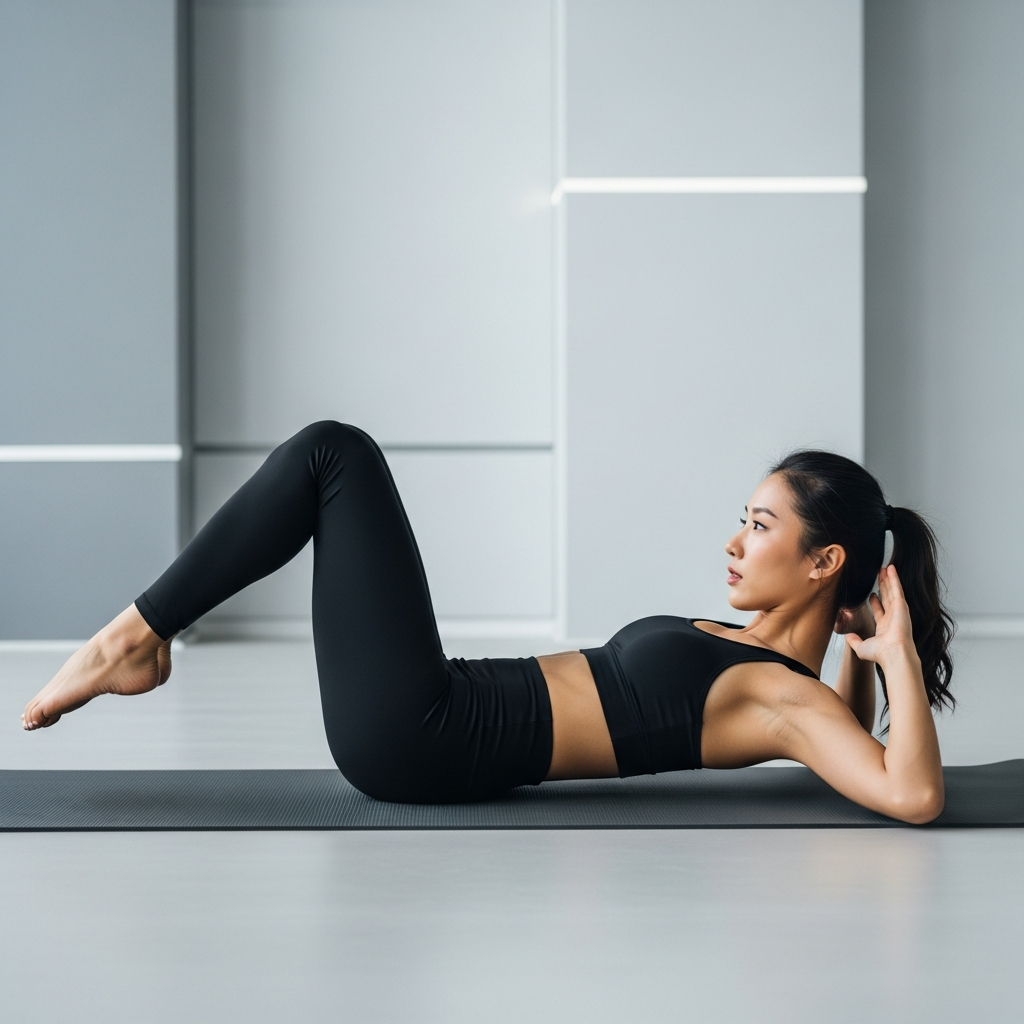
What Makes Pilates Studios in Grand Prairie Work for All Fitness Levels?
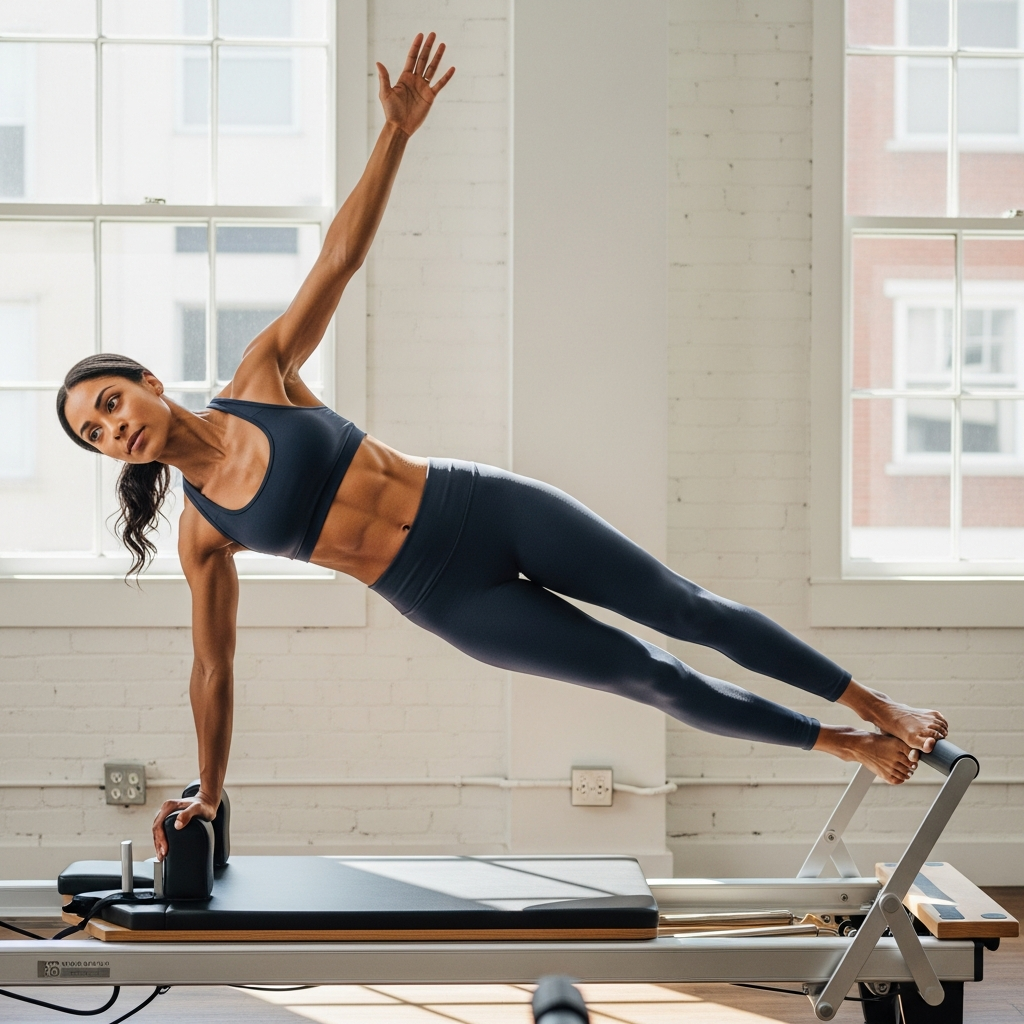
You walk into that sleek Pilates studio, and suddenly everyone looks like they could audition for a fitness magazine. The instructor’s moving with this effortless grace, calling out terms like “neutral pelvis” and “scoop your abs” while you’re still trying to figure out which end of the reformer you’re supposed to lie on.
Sound familiar?
Here’s the thing – and I’ve heard this from countless clients over the years – that intimidation factor is what keeps so many people from trying Pilates in the first place. You think you need to already be flexible, already be strong, already know what you’re doing. But here’s what’s actually happening in those Grand Prairie studios that might surprise you…
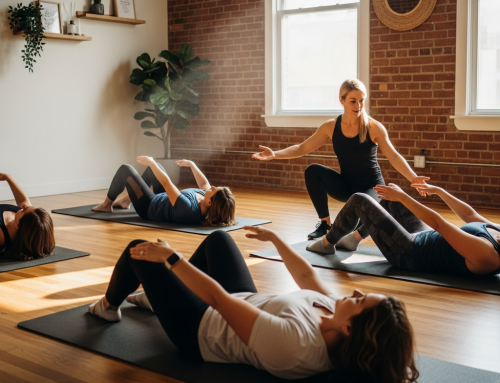
The woman gracefully flowing through her routine? Three months ago, she couldn’t touch her toes. That guy who looks like he was born on a reformer? He started because his doctor said his back pain needed something gentler than his usual gym routine. And that instructor who seems to have supernatural core strength? She’ll be the first to tell you about modifications for literally every single exercise.
See, Pilates has this reputation for being either exclusively for dancers and athletes, or conversely, just for people recovering from injuries. The truth sits somewhere much more interesting – and accessible – than either extreme. What makes Grand Prairie’s Pilates scene particularly compelling is how these studios have cracked the code on something the fitness industry struggles with: truly meeting people where they are.
Think about it. How many times have you started a fitness routine that felt like jumping into the deep end of a pool when you could barely swim? You’re either bored out of your mind because it’s too easy, or you’re drowning because everyone assumes you know things you definitely don’t know. It’s like that cooking class where the instructor casually mentions “julienning” and you’re still wondering if you’re holding the knife correctly.
But here’s where Grand Prairie’s approach gets clever…
These studios have figured out that “all fitness levels” isn’t just marketing speak – it’s actually a science. There’s this sweet spot where beginners feel challenged but not overwhelmed, where intermediate folks can push their boundaries, and where advanced practitioners can still discover new layers of difficulty. It’s not about dumbing things down or cranking them up. It’s about creating this environment where everyone’s working at their edge, just… different edges.
I’ve watched this transformation happen hundreds of times. Someone walks in convinced they’re “not a Pilates person” – maybe they think they’re too stiff, too out of shape, too uncoordinated. Six weeks later, they’re explaining to their friends how Pilates isn’t what they thought it was. Not in that evangelical, slightly annoying way (you know what I mean), but with this genuine surprise at how their body feels different.
And honestly? The studios here in Grand Prairie have had to get creative about this. We’re not talking about some coastal city where everyone’s already familiar with boutique fitness. This is Texas, where people appreciate straight talk and real results. You can’t just throw around fancy terminology and expect people to nod along. You have to actually deliver on that promise of “for everyone.”
So what makes it work? Well, it starts with understanding that your fifty-year-old accountant and your twenty-five-year-old former college athlete need completely different things from the same class. But it goes deeper than just offering modifications – though we’ll definitely talk about how the smart studios handle that.
There’s the instructor training that actually prepares teachers for real bodies, not just textbook bodies. The equipment setup that accommodates different heights, flexibility levels, and physical limitations. The class structure that keeps things interesting without leaving anyone behind. Even the way they handle that first-day anxiety that makes people want to park outside the studio for ten minutes, working up courage to walk in.
We’re going to walk through how these studios create that magic combination of challenge and support. Because once you understand the system, you realize that feeling intimidated was just… well, not seeing the full picture. And trust me, once you see it, everything changes.
The Equipment Isn’t What You Think It Is
When most people hear “Pilates studio,” they picture those medieval-looking contraptions with springs and pulleys. The reformer, the Cadillac, the chair – they look intimidating, like something from a physical therapy clinic mixed with a torture chamber. But here’s the thing that’s kind of brilliant about these machines: they’re actually the great equalizer.
Think of Pilates equipment like training wheels, but for adults. Except instead of keeping you from falling off a bike, the springs and straps are constantly providing feedback about your body’s position and movement. That resistance? It’s not trying to make things harder – it’s actually making proper form easier to find and maintain.
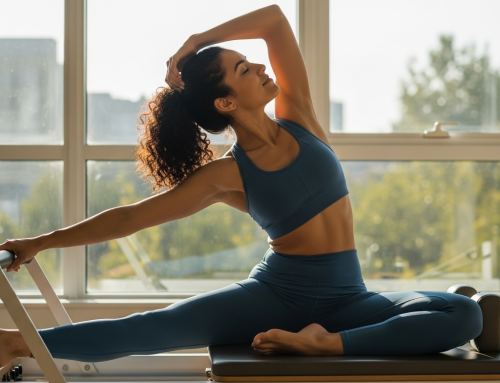
The springs on a reformer can assist your movement when you’re starting out (imagine having a gentle hand helping you up from a chair) or challenge you when you’re ready for more. Same exercise, same machine, completely different experience based on which springs the instructor chooses. It’s like having a personal trainer that can instantly adjust to your strength level without you having to switch to different weights or machines.
Your Body Doesn’t Lie (And Pilates Knows It)
Here’s where things get a little… well, humbling. Pilates has this sneaky way of exposing exactly where your body’s been cutting corners. You know how you’ve been favoring your right side since that ankle injury three years ago? Or how your shoulders creep up toward your ears when you’re stressed? Pilates sees all of that.
The method works on something called “muscle imbalances” – basically, when some muscles have been doing all the work while others have been taking an extended coffee break. Most of us have a dominant side, tight spots from sitting at desks, or weak areas from old injuries. In regular workouts, your strong muscles often compensate for the weak ones, so you might never realize there’s an issue.
But Pilates? It’s like having that friend who lovingly calls you out on your nonsense. The exercises are designed to isolate specific muscle groups, so there’s nowhere for your overachieving muscles to hide. Your left glute can’t phone it in while your right one does all the work. It’s equal opportunity muscle engagement.
The Six Principles (Don’t Worry, They’re Not Complicated)
Joseph Pilates – the guy who invented all this – built his method around six core principles. Now, before your eyes glaze over thinking this is going to be some philosophical lecture… these are actually pretty practical concepts that make sense once you see them in action.
Concentration just means paying attention to what you’re doing. Revolutionary, right? But seriously, when you’re focused on how your ribs are moving or where you feel the stretch, you’re automatically doing the exercise more effectively than if you’re thinking about your grocery list.
Control is about moving with purpose rather than momentum. Think about the difference between flopping down on your couch versus slowly lowering yourself down – same destination, completely different muscular experience.
Centering refers to working from your “powerhouse” – basically your core, but Pilates was talking about core strength before it became a fitness buzzword. Everything radiates out from your center, like ripples in a pond.
The other three – precision, breath, and flow – kind of weave together. You’re breathing in a specific rhythm, moving precisely through each position, and connecting everything together smoothly. It’s less like lifting weights (where you might hold your breath and muscle through) and more like… well, like a really challenging dance where every step matters.
Why Studios Make the Difference
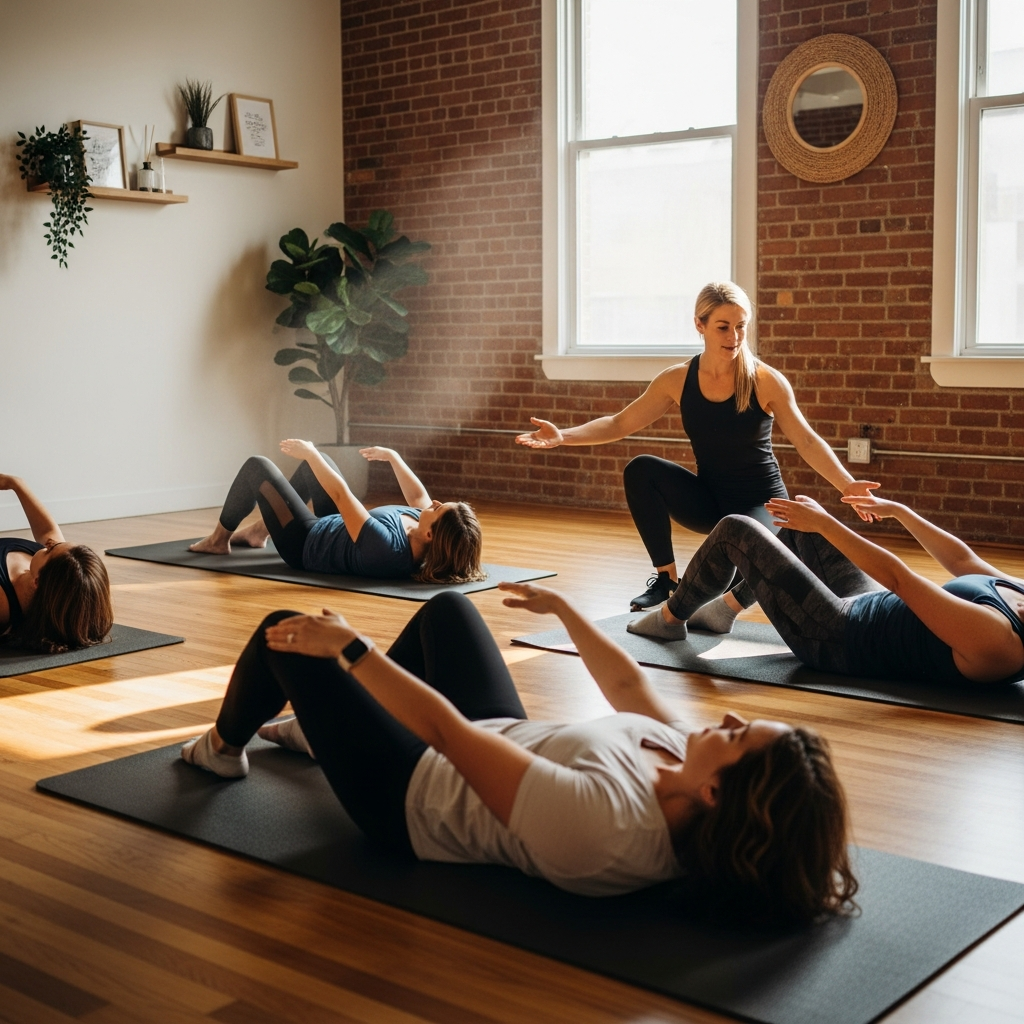
You could absolutely do mat Pilates at home – there are countless videos and apps available. But there’s something about the studio environment that changes the game, especially for beginners or people with specific physical challenges.
First, there’s the instructor. A good Pilates teacher is part movement detective, part gentle drill sergeant, part therapist. They’re watching for those compensations your body loves to make, adjusting exercises on the fly, and knowing when to push you and when to back off. They can spot things you’d never notice about your own movement patterns.
Plus, let’s be honest – at home, it’s way too easy to skip the hard parts or give up when something feels uncomfortable. In a studio, there’s just enough gentle peer pressure and professional guidance to keep you honest with yourself.
Finding Your Perfect Class Match
Here’s what most studios won’t tell you upfront – not all “beginner” classes are created equal. Some instructors focus on proper form and modifications (exactly what you want), while others rush through movements assuming everyone’s keeping up. When you call studios, ask specifically: “How do you modify exercises for someone who’s never done Pilates?” The answer will tell you everything.
The best studios will mention props like blocks, straps, and bolsters right away. If they just say “oh, we’ll help you figure it out,” keep looking. You want an instructor who’s already thinking three steps ahead about how to make every movement work for your body.
The Equipment Reality Check
Don’t let anyone pressure you into reformer classes right away – despite what Instagram might suggest. Mat classes are where the magic happens for beginners, especially if you’re carrying extra weight or dealing with joint issues. The reformer looks fancy (and costs more), but it’s actually harder to modify than simple mat work.
That said, if a studio pushes only expensive equipment classes… that’s a red flag. Quality studios offer plenty of mat-based options because they know that’s where you build your foundation. Plus, mat classes translate better to home practice, which you’ll definitely want as you progress.
Decoding Studio Culture Before You Commit
Here’s a little secret: visit during peak hours and just observe. Sit in the lobby for ten minutes. Watch how instructors interact with students after class. Do they rush off, or do they stick around to answer questions? Are students chatting comfortably, or does everyone bolt immediately?
The vibe you’re looking for? Supportive but not overly precious. You want people focused on getting stronger, not competing over who can hold a plank longest or whose leggings cost more. Trust me, you’ll feel the difference within minutes.
Making Your Trial Class Count
Before your first class, eat something light about an hour beforehand – not a full meal, but don’t go hungry either. Low blood sugar plus new movements equals a rough time. Bring water, but don’t feel like you need special grip socks or expensive gear yet.
During class, here’s what to watch for: Does the instructor demonstrate modifications without making a big deal about it? Do they use students’ names? When they correct form, does it feel helpful or judgmental? These details matter more than you’d think.
And honestly? If you feel completely lost or overwhelmed, that’s not necessarily your fault. A good instructor should be checking in with newcomers regularly, especially during those first few sessions.
Building Your Routine (Without Burning Out)
Start with once a week. I know, I know – you’re motivated and want to go all-in. But Pilates works muscles you didn’t know you had, and overdoing it early leads to burnout or injury. Once weekly for three weeks, then bump up to twice if you’re feeling good.
Many studios offer package deals that seem tempting, but resist buying a huge package upfront. Get a smaller package first – maybe 5-8 classes. This gives you time to figure out which instructors click with you and what class times actually work with your schedule. Life has a way of interfering with the best fitness intentions…
The Modification Game-Changer
Here’s something most people don’t realize: asking for modifications makes you look experienced, not weak. Seasoned Pilates students modify constantly based on how their body feels that day. Your lower back tight? There’s a modification. Wrists bothering you? Different modification.
Don’t wait for the instructor to notice you struggling. Speak up early and often. “My knees don’t love this position” or “I’m feeling this too much in my neck” – these aren’t complaints, they’re valuable feedback that helps instructors help you.
Red Flags to Actually Avoid
If an instructor ever makes you feel bad about modifying, or worse, ignores your concerns about pain… run. Good instructors celebrate modifications because they show you’re listening to your body.
Also watch out for studios that seem more focused on selling you supplements, meal plans, or other add-ons than on your actual Pilates progress. The workout should be the main event, not a gateway to endless upsells.
Quality Pilates instruction isn’t cheap, but it shouldn’t break the bank either. If you’re being pressured into packages that feel financially uncomfortable, trust that gut feeling.
When Your Body Doesn’t Cooperate (And That’s Totally Normal)
Let’s be real – that first Pilates class can feel like you’re trying to speak a foreign language with your muscles. You’re lying there listening to the instructor say “engage your powerhouse” while secretly wondering… what the hell is a powerhouse? And why does everyone else seem to know where theirs is?
Here’s what actually happens: you’ll spend the first few sessions feeling slightly lost. Your core might shake during exercises that look deceptively simple. That’s not failure – that’s your body waking up muscles it forgot it had.
The solution isn’t to suffer in silence. Good Grand Prairie studios expect this learning curve. They’ll modify everything – and I mean everything – for beginners. Can’t hold that teaser position? Cool, bend your knees. Struggling with coordination? The instructor will break movements into smaller pieces until they click.
Ask questions. Lots of them. The instructor who seems intimidatingly knowledgeable? They remember being exactly where you are.
The Comparison Trap (It’s Sneaky)
You know what nobody talks about enough? How weird it feels to be the only person in class who can’t… well, whatever everyone else is doing effortlessly. There’s always that one person who flows through exercises like they’re dancing, while you’re over there just trying not to fall off the reformer.
This hits differently depending on your fitness background too. Former athletes sometimes struggle the most – they’re used to powering through with strength, but Pilates demands this precise, controlled movement that can humble anyone.
The studios that really work for all levels? They create an environment where struggling is just part of the process. Instructors will casually mention their own challenges – “I still can’t do this exercise without my legs shaking” – and suddenly you realize everyone’s working on something.
Equipment Intimidation (Those Machines Look Scary)
Walking into a Pilates studio for the first time can feel like entering a medieval torture chamber. The reformer, with all its springs and straps and pulleys… it looks complicated because, well, it kind of is.
But here’s the thing – the equipment is actually your friend. Those springs? They’re there to support you, not challenge you into submission. The straps help you maintain proper form. The carriage provides feedback so you can feel when you’re doing movements correctly.
Start with mat classes if the equipment feels overwhelming. You’ll learn the basic movement patterns and Pilates vocabulary without worrying about adjusting springs or figuring out footbar positions. Then, when you do move to equipment, those movements will feel familiar.
Schedule Juggling and the Guilt Factor
Let’s talk about something that trips up almost everyone – the scheduling guilt. You sign up with the best intentions, then life happens. Work runs late, kids get sick, you’re just too damn tired after a long day.
The studios that succeed with busy people? They get flexible with scheduling and don’t make you feel like a failure for missing classes. Some offer online options for those crazy weeks. Others have early morning or lunch-hour classes for different schedules.
But honestly – and this might sound harsh – you have to show up consistently to see results. That doesn’t mean perfect attendance, but it means prioritizing yourself regularly. Not every single week, but most weeks.
Physical Limitations (The Real Talk)
This one’s important – what happens when your body has actual limitations? Bad knees, chronic back pain, previous injuries, or conditions that affect balance and strength?
The truth is, not every instructor knows how to handle complex physical issues. You want someone who asks about injuries upfront and actually listens to the answer. They should be modifying exercises automatically, not waiting for you to speak up when something hurts.
Don’t downplay your limitations or try to push through pain. A good instructor will work around anything – literally anything. I’ve seen classes with people recovering from surgeries working alongside marathon runners, everyone getting exactly what they need.
The Plateau Problem
Here’s what happens after those first few exciting months – progress slows down. You’re not seeing dramatic changes anymore, movements feel routine, and you start wondering if you should try something else.
This plateau phase kills more Pilates practices than any physical challenge. The studios that keep people engaged long-term? They constantly introduce new variations, equipment, and challenges. Your body adapts, so the workouts need to evolve too.
The real solution is patience combined with progression. Those subtle improvements in posture, the fact that your back doesn’t ache after long days – that’s the real magic happening.
Your First Month – What Actually Happens
Let’s be honest here – your first few Pilates classes are going to feel like learning a new language while doing math problems. Don’t worry, that’s completely normal. You’ll spend half the time wondering if you’re doing the “hundred” correctly (spoiler alert: probably not, and that’s fine) and the other half trying to figure out why your core is already shaking.
Most Grand Prairie studios know this. That’s why good instructors won’t throw you into advanced moves on day one… though you might feel like even the “beginner” exercises are challenging enough. Your body’s going to be sore in places you didn’t know existed – especially those deep stabilizing muscles that have been taking a nice long vacation.
Expect to feel a bit wobbly for the first two weeks. Your balance will improve, but initially, you might feel like a newborn giraffe trying to stand up. This is your nervous system learning new patterns, and honestly? It’s kind of amazing when you think about it.
The Real Timeline – Not Instagram Fantasy
Here’s what actually happens when you commit to regular Pilates classes
Weeks 1-4: You’ll notice better posture almost immediately – sitting up straighter feels easier. Sleep might improve because you’re actually tired (good tired, not stressed tired). That nagging lower back pain? It starts backing off a bit.
Months 2-3: This is when things get interesting. You’ll start feeling stronger in everyday activities. Carrying groceries up the stairs doesn’t leave you winded. Your flexibility improves enough that you notice it when bending over to tie your shoes. Some people start seeing subtle body composition changes around this time, though don’t expect dramatic transformations yet.
Months 4-6: Now we’re talking. Your core strength becomes genuinely functional – not just looking good, but actually supporting you through daily activities. You might find yourself naturally engaging your core without thinking about it. This is also when the mental benefits really kick in… that stress relief everyone talks about becomes real and noticeable.
The studios that work well for all fitness levels understand this timeline and don’t promise you’ll be a Pilates goddess in 30 days. Because honestly? That’s not how bodies work.
Building Your Routine (Without Burning Out)
Start with twice a week. I know, I know – you’re motivated and want to go every day. But your body needs recovery time, especially when you’re learning new movement patterns. Plus, let’s be practical about your schedule and budget.
Many Grand Prairie studios offer package deals that make twice-weekly attendance more affordable. Some even have “new student” specials that let you try different class styles without committing to one format immediately.
As you get stronger and more comfortable (usually around the 6-8 week mark), you can add a third session if you want. But honestly, two consistent sessions will give you better results than four sporadic ones. Consistency beats intensity every single time.
What to Ask Your Studio
Before you sign up for anything long-term, have a conversation with the studio staff. Ask about
– Their policy for switching between different class levels as you progress – Whether they offer occasional one-on-one sessions to check your form (this can be a game-changer) – How they handle modifications for injuries or limitations – What happens if you need to pause your membership temporarily
Good studios welcome these questions. Places that seem annoyed or give vague answers? Keep looking.
Managing Your Own Expectations
You’re not going to love every single class. Some days your body won’t cooperate. Sometimes you’ll feel like everyone else “gets it” and you’re still fumbling around. That’s normal human stuff, not a sign that Pilates isn’t for you.
The goal isn’t perfection – it’s showing up and doing a little better than last time. Maybe today you can hold that plank for five more seconds. Maybe next week you’ll finally understand what “pulling your navel to your spine” actually means (it took me months to figure that one out).
The studios that work for everyone understand this. They celebrate small wins, they normalize struggles, and they remind you that progress isn’t always linear. Some weeks you’ll feel stronger, others you’ll feel like you’re starting over. That’s the process, and it’s perfectly okay.
Your body is learning something new. Give it time, give it grace, and trust that consistency will pay off in ways you might not even expect yet.
Here’s what really matters when you’re standing at the threshold of something new – and honestly, that’s exactly where you might be right now. Maybe you’ve been reading about these Pilates studios, wondering if there’s actually a place for someone like you. Someone who’s not quite sure where they fit in the fitness world.
The beautiful thing about great Pilates studios? They get it. They understand that fitness isn’t one-size-fits-all, and they’ve built their entire approach around meeting you exactly where you are. Whether you’re dealing with an injury that’s been slowing you down, carrying extra weight that makes traditional gyms feel intimidating, or you’re simply someone who’s never quite found their movement groove… there’s space for you.
Think about it like this – the best studios operate more like a good friend’s living room than a intimidating gym. You know that friend who somehow makes everyone feel comfortable? That’s the energy we’re talking about. Instructors who remember your name, who check in on how your lower back felt after last week’s class, who genuinely celebrate when you finally nail that movement you’ve been working on for months.
And let’s be real about something else – starting anything new can feel overwhelming, especially when you’re already managing the complexities of weight loss or health challenges. But here’s what we’ve seen time and time again: people who find the right Pilates environment often discover something they didn’t expect. Not just stronger cores or better posture (though those definitely happen), but a kind of confidence that spills over into other areas of life.
The modifications, the individual attention, the way good instructors can spot what you need before you even know you need it… it all adds up to something pretty special. You’re not just getting a workout – you’re getting support for a whole new relationship with your body.
Maybe you’re thinking, “This sounds great, but I’m not ready yet.” Or maybe you’re wondering if you’re too out of shape, too inflexible, too… something. Here’s the thing – those thoughts? Completely normal. And also completely irrelevant to whether Pilates could work for you.
We’d love to help you figure out if this could be your next step. Not in a pushy, sales-y way – more like… well, like friends who happen to know a lot about health and wellness. Our team understands the unique challenges that come with medical weight loss, and we know how to connect people with resources that actually fit their lives.
Why not give us a call? We can talk through what you’re dealing with, what you’re hoping for, and whether Pilates studios in your area might be worth exploring. Sometimes the hardest part is just having someone to bounce ideas off of – someone who gets that this stuff is complicated and personal.
You don’t have to figure this out alone. And honestly? You don’t have to have it all figured out before you start. That’s kind of the whole point.