Pilates for Beginners: Where Irving Residents Should Start
You know that feeling when you walk past the Pilates studio on Belt Line Road and peer through those floor-to-ceiling windows? There’s something almost… intimidating about watching those perfectly coordinated bodies moving through what looks like some sort of elegant torture. The instructor’s calling out mysterious terms like “hundred” and “teaser” while everyone seems to know exactly what they’re doing. Meanwhile, you’re standing there thinking, “I can barely touch my toes without my back screaming at me.”
I get it. Completely.
Just last week, a woman came into our clinic and confessed something that made me smile – she’d been driving past the same Pilates studio in Las Colinas for three months, slowing down each time like she was casing the joint. She’d even gone so far as to look up their class schedule online (twice), but when it came to actually walking through those doors? Her brain would start spinning with all the reasons why she wasn’t ready. Too out of shape. Too stiff. Too… whatever excuse felt most convincing that particular day.
Here’s the thing about Pilates that nobody really talks about – it’s not actually designed for people who are already perfect. I know, shocking revelation, right? But seriously, Joseph Pilates created this method for injured soldiers during World War I. These weren’t Instagram-ready fitness models; they were people who needed to rebuild their bodies from the ground up. Sound familiar?
Living in Irving, we’ve got some unique advantages when it comes to starting a Pilates practice. This city’s been quietly building up an impressive collection of studios – from the boutique spots in Valley Ranch to the community center classes that won’t break the bank. But with options comes confusion, and that’s where a lot of people get stuck. They’ll spend weeks researching the “perfect” place to start instead of just… starting.
The truth is, your body’s probably been dropping hints that it needs something like Pilates for a while now. Maybe it’s that nagging lower back pain that flares up after long days at the office. Or the way your shoulders creep up toward your ears during stressful meetings (and let’s be honest, most meetings are stressful). Could be that you’ve noticed you’re not moving as easily as you used to – getting up from the couch requires a little more effort, or you find yourself avoiding activities that used to be second nature.
What makes Pilates particularly appealing – especially if you’re dealing with weight loss goals – is that it’s not about burning yourself out. This isn’t boot camp. It’s more like… well, think of it as strength training for people who are tired of feeling beat up by exercise. It builds you up instead of breaking you down, which is exactly what your body needs if you’re working on sustainable health changes.
And here’s something most people don’t realize: Pilates is incredibly sneaky. You’ll walk out of your first class thinking, “That wasn’t so bad,” only to discover the next morning that muscles you forgot you had are politely reminding you they exist. It’s this gentle but thorough approach that makes it perfect for beginners – especially those of us who’ve had our share of fitness false starts.
Over the years, I’ve watched countless Irving residents transform not just their bodies but their entire relationship with movement through Pilates. There’s something almost magical about discovering you can feel strong and graceful at the same time. That your core can support you in ways you never imagined. That flexibility isn’t just for gymnasts and yoga instructors.
So here’s what we’re going to talk about – the real stuff nobody mentions in those glossy studio brochures. Where to actually start when you’re a complete beginner. How to choose between mat classes and reformer sessions without feeling like you need a PhD in fitness terminology. What to expect in your first class (spoiler: it’s probably not what you think). And most importantly, how to build a practice that actually sticks instead of becoming another abandoned New Year’s resolution.
Ready to stop being a drive-by observer and become someone who actually knows what a “roll up” is? Let’s figure this out together.
What Actually *Is* Pilates, Anyway?
You’ve probably heard the word thrown around at every fitness conversation in Irving – right up there with “intermittent fasting” and “that new boutique gym on Belt Line.” But here’s the thing… most people (myself included, for the longest time) had only the foggiest idea what Pilates actually entails.
Think of Pilates like this: if yoga and physical therapy had a baby, and that baby was raised by a very precise German dancer. That’s Pilates. It’s a system of exercises that focuses on controlled movements, breathing, and something called “core stability” – which is way more than just getting abs that look good in a bikini.
The whole thing was invented by Joseph Pilates back in the 1920s. He called it “Contrology” originally (thank goodness that name didn’t stick), and he developed it partly while he was interned during World War I. He noticed that the prisoners who did his exercises stayed healthier than those who didn’t. Pretty compelling evidence, right?
The Core Truth (And Why It’s Not What You Think)
Here’s where things get a bit counterintuitive. When people hear “core,” they immediately think six-pack abs. But your core is actually more like… well, imagine a soda can. Your diaphragm is the top, your pelvic floor is the bottom, and your deep abdominal and back muscles wrap around like the sides.
It’s this entire cylinder that keeps you stable – not just those surface muscles that pop in Instagram photos. In Pilates, you’re training this whole system to work together, like a really well-coordinated dance troupe where everyone knows their part.
This is why you might feel muscles you didn’t even know existed after your first class. (Don’t worry, that’s totally normal… even if walking up the stairs feels oddly challenging the next day.)
The Six Principles That Actually Matter
Pilates isn’t just random movements done on a mat – though I’ll admit, from the outside it can look that way. There are six core principles that guide every exercise, and honestly? They’re pretty life-changing once you get them.
Concentration means you’re not just going through the motions while mentally planning your grocery list. Every movement gets your full attention. It’s like meditation, but with more sweating.
Control is about quality over quantity. You’re not trying to bang out 50 crunches as fast as possible. You’re doing five movements so precisely that every muscle fiber is working exactly as intended.
Centering brings everything back to that core we talked about. Every movement starts from your center and flows outward – kind of like ripples in a pond.
Flow means the movements connect seamlessly. No jerky, start-stop motions. Think of it like… well, like water flowing downstream. Smooth and continuous.
Precision is where things get really interesting (and sometimes frustrating). In Pilates, the exact angle of your leg matters. The position of your shoulders matters. Everything has a purpose, and small adjustments can completely change how an exercise feels.
Breathing might be the most important and most overlooked principle. Most of us breathe pretty terribly – shallow, rushed, barely using our lung capacity. Pilates teaches you to coordinate your breath with movement, which actually helps stabilize your core and makes everything more effective.
Equipment vs. Mat Work: The Great Debate
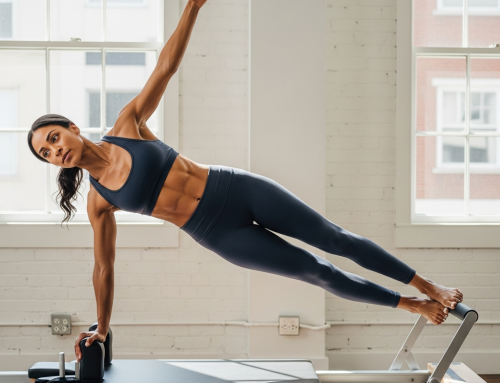
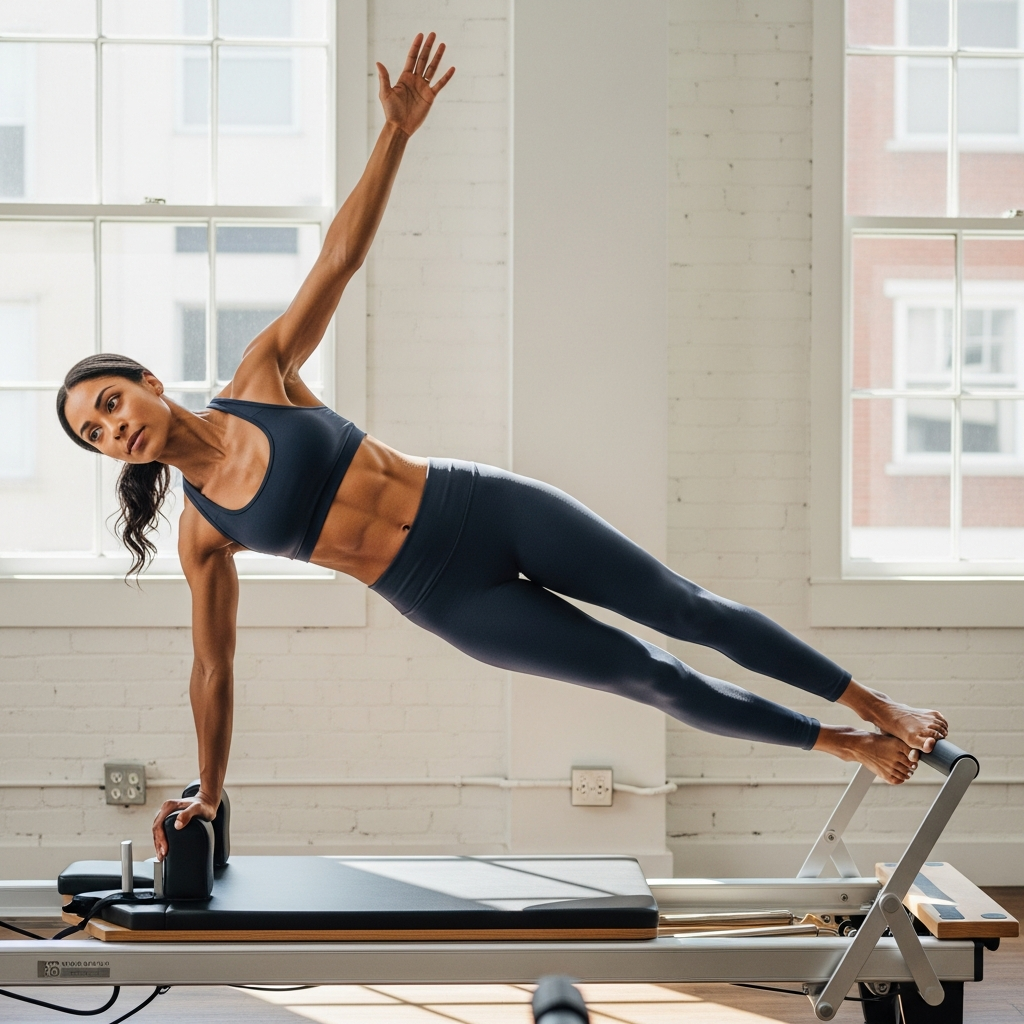
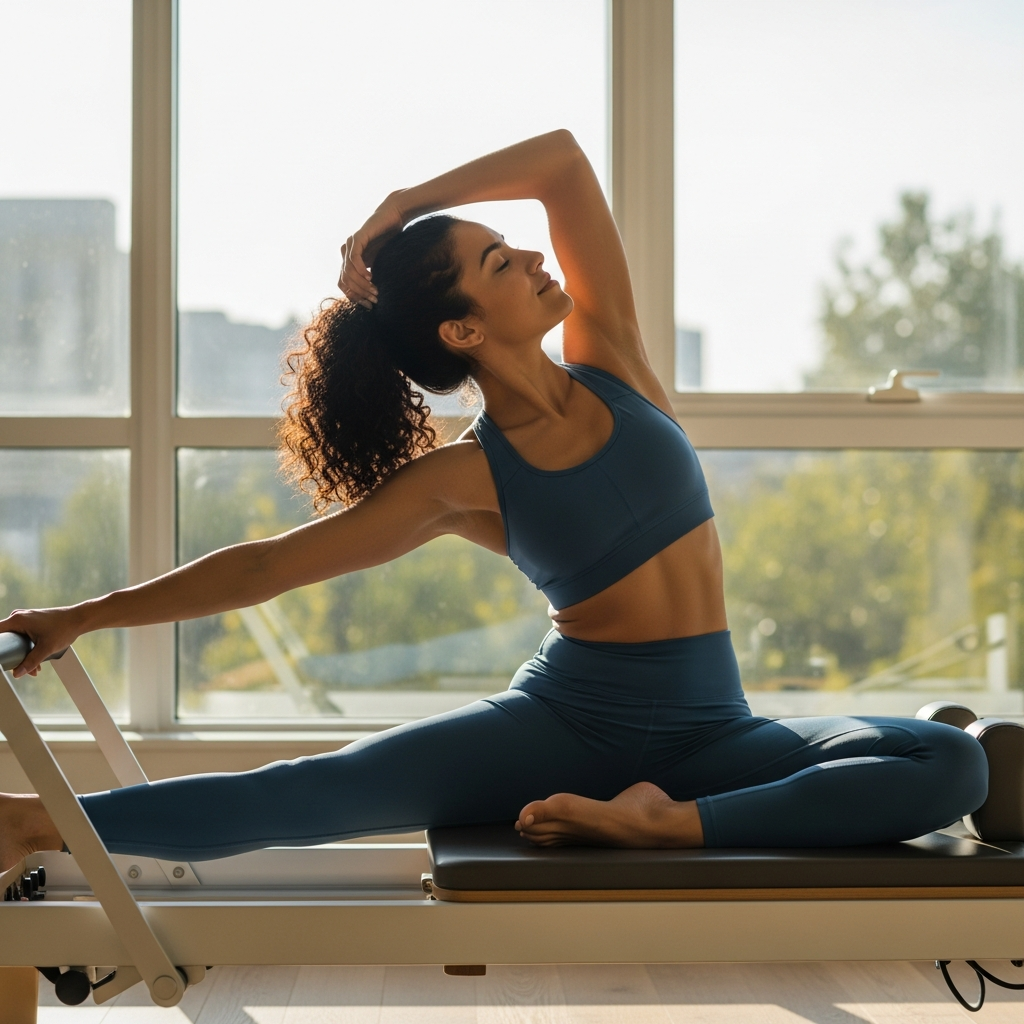
You’ve probably seen those intimidating-looking machines with springs and pulleys at fancy studios. Those are called reformers, and they look like medieval torture devices but are actually incredibly effective. The springs provide resistance that challenges your muscles in unique ways.
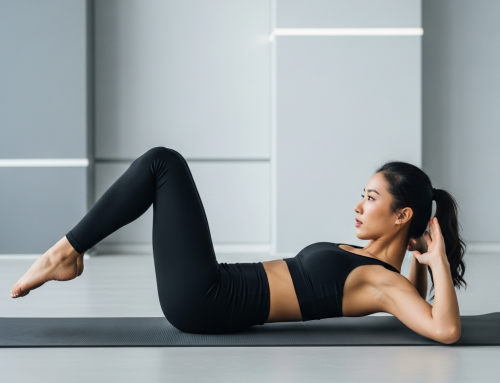
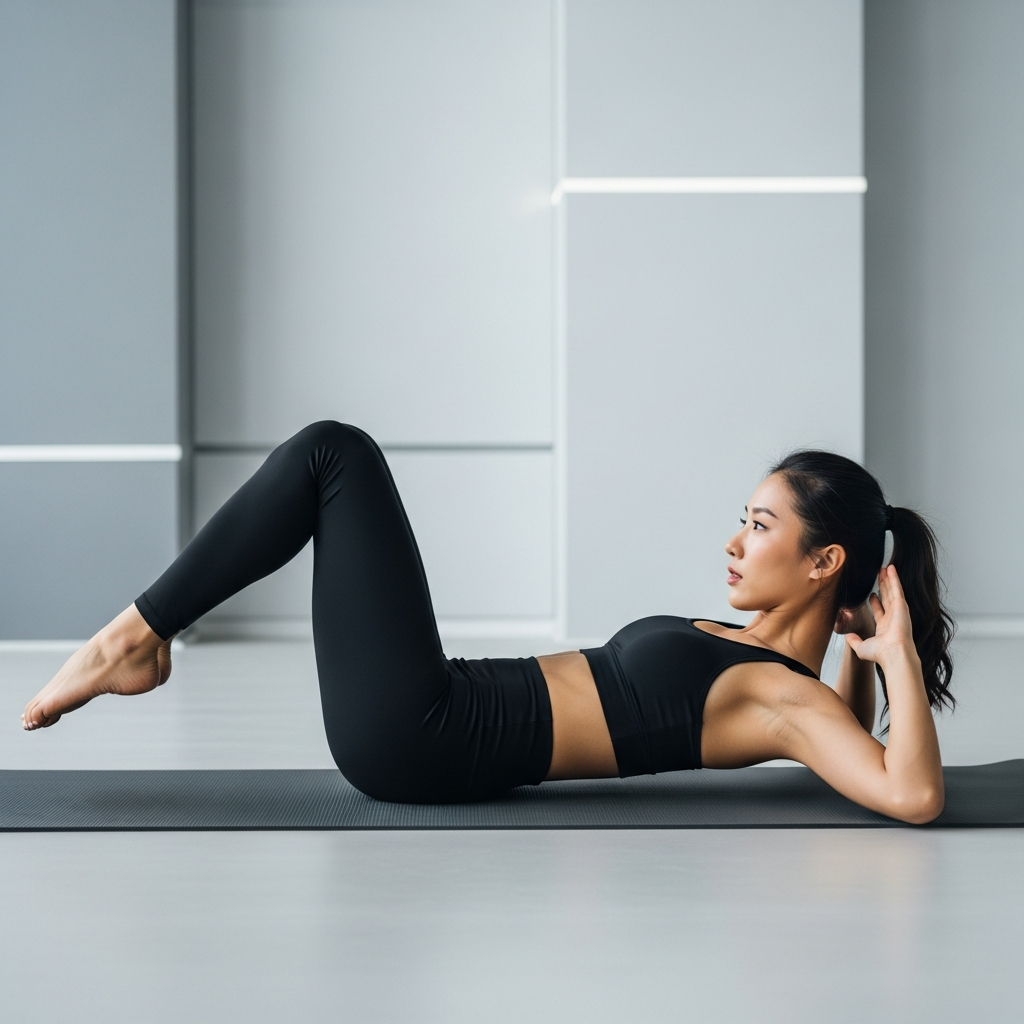
But here’s the secret – you can get an amazing Pilates workout with just a mat and your body weight. Actually, mat work is often harder because you don’t have the machine’s support. It’s like the difference between learning to ride a bike with training wheels versus going straight to a two-wheeler.
For beginners in Irving, I usually recommend starting with mat classes. They’re more accessible, less expensive, and you’ll learn the fundamental principles without getting distracted by complicated equipment. Plus, you can practice at home with just a YouTube video and some floor space.
The reformer classes are fantastic once you’ve got the basics down – but jumping straight into them is a bit like trying to read Shakespeare when you’re still working on picture books.
Start with Your Living Room, Not a Studio
Here’s something nobody tells you when you’re just starting out – you don’t need to walk into a fancy studio feeling like a deer in headlights. Seriously. Some of the best Pilates practitioners I know started on their bedroom floor with a $15 yoga mat from Target.
Download the Pilates Anytime app (they’ve got a free trial) or check out Blogilates on YouTube. Cassey Ho makes it feel like your energetic friend is coaching you through your first moves. Start with her “Pilates for Complete Beginners” series – it’s only 10 minutes, and she actually explains *why* you’re doing each movement instead of just barking orders at you.
The key? Pick the same time every day for two weeks. Your brain loves routine more than your body loves excuses. Whether it’s 6 AM before the kids wake up or 9 PM after they’re finally asleep… consistency beats intensity every single time.
The Irving Studio Scene (And How to Navigate It)
When you’re ready to venture out – and you’ll know because you’ll start craving that hands-on correction – Irving’s got some solid options. Club Pilates on MacArthur Boulevard is beginner-friendly and won’t make you feel like you need a PhD in movement to walk through the door. They do intro packages that won’t break the bank.
But here’s my insider tip: call ahead and ask which instructors specialize in beginners. Not all Pilates teachers are created equal, and some are better at breaking down the basics without making you feel foolish for not knowing the difference between your powerhouse and your… well, anything else.
Pure Barre Irving (yeah, I know it says “barre” but they offer Pilates too) has smaller class sizes. Sometimes that’s exactly what you need when you’re still figuring out if your core is actually engaging or just… there.
Decode the Equipment Mystery
Those medieval-looking contraptions? They’re not as scary as they seem. The Reformer – that sliding bed thing with springs and pulleys – is actually *easier* for beginners than mat work. Sounds backwards, right? But the springs provide assistance and resistance in ways that help your body understand the movements.
If you’re considering equipment classes, ask about “Intro to Reformer” sessions. Most studios offer them, and it’s basically Pilates with training wheels. You’ll learn the basic positions (spoiler alert: there are only about five you need to master initially) without feeling lost.
Here’s what I wish someone had told me: the fancy equipment doesn’t make you better faster. It’s just a different tool. Some days you’ll love the challenge of the Reformer, other days you’ll crave the simplicity of mat work. Both are perfectly valid.
What to Expect (The Real Talk Version)
Your first few sessions are going to feel weird. Your body will shake in places you didn’t know could shake. You might feel like you’re terrible at it – that’s completely normal and actually means you’re doing it right.
Pilates works tiny stabilizing muscles that have probably been sleeping on the job for years. Waking them up is… uncomfortable. Think of it like starting a conversation with someone you haven’t talked to in ages. Awkward at first, but eventually you remember how to connect.
Don’t be surprised if you feel sore in strange places – between your shoulder blades, along your ribs, deep in your hip flexors. This isn’t “I overdid it” sore (though definitely speak up if something hurts), it’s more like “oh, I have muscles there” sore.
Your First Month Game Plan
Week 1-2: Stick with basic mat work at home, 2-3 times per week Week 3: Add one studio class (intro or beginner level) Week 4: Mix it up – maybe two home sessions, one studio class
And here’s the thing about Pilates that’s different from other workouts – less really is more. You don’t need to exhaust yourself. Joseph Pilates himself said you should feel “invigorated” after a session, not destroyed.
Pay attention to how you feel the day after. Better posture while sitting at your desk? Less tension in your shoulders during your commute? That’s Pilates working its quiet magic.
Remember, everyone in that studio was a beginner once. Even the instructor who seems to float through movements had a first day where nothing made sense. Give yourself permission to be new at something – it’s actually pretty refreshing in a world where we’re expected to be experts at everything immediately.
When Your Body Doesn’t Cooperate (And It Probably Won’t at First)
Let’s be real – your first few Pilates sessions might feel like you’re trying to pat your head and rub your belly while standing on one foot. That’s… completely normal, actually.
The biggest challenge most beginners face? Coordination. You’re lying there, trying to breathe “into your back ribs” (what does that even mean?) while keeping your shoulders down, engaging your core, and moving your arms in some graceful pattern. Meanwhile, your brain is basically screaming.
Here’s what actually helps: forget about doing everything perfectly. Pick one thing – maybe it’s just the breathing – and focus on that. The rest will come. I’ve seen people spend weeks just learning to breathe properly during movement, and you know what? They end up stronger than the people who tried to master everything at once.
The Great Core Confusion
“Engage your core” has to be the most overused – and least understood – instruction in fitness. You’re not alone if you’re thinking, “I’m trying, but I have no idea what muscles I’m supposed to be using.”
The truth is, your core isn’t just your abs. It’s more like a corset that wraps around your entire midsection – front, back, and sides. When instructors say “find your core,” they usually mean that deep muscle called the transverse abdominis. It’s the one that naturally contracts when you cough or laugh.
Try this instead of generic “core engagement”: imagine you’re about to be tickled and you’re bracing for it. That gentle, internal bracing? That’s closer to what you want. Not a death grip on your muscles – just… awareness and gentle support.
The Flexibility Reality Check
Here’s something nobody tells you: you don’t need to be flexible to start Pilates. Actually, some of the stiffest people I know have become the most dedicated practitioners because they finally found something that helped.
But let’s talk about what’s really frustrating – you’ll probably feel tighter after your first few sessions, not looser. Your body is working muscles that have been on vacation, and they’re not thrilled about the wake-up call.
The solution isn’t to push through pain (please don’t). It’s to modify everything. Can’t touch your toes during the roll-up? Bend your knees. Keep bending them until you can move through the exercise smoothly. Your hamstrings will gradually get the memo.
And here’s a secret – those super bendy people in class? They often struggle more with the strength components because they’ve relied on their flexibility to get through movements rather than building the muscular control that Pilates is really about.
The Comparison Trap (It’s Real and It’s Everywhere)
Look, I get it. You walk into class and there’s someone flowing through exercises like they were born on a reformer. Meanwhile, you’re still figuring out which way is up during the hundreds exercise.
This is where your mindset becomes everything. That graceful person? They were exactly where you are now – probably more frustrated than you because they’ve forgotten what it felt like to be a beginner.
Here’s what works: focus on your own body’s feedback instead of the mirror or your neighbor. Did that movement feel smoother than last week? Can you hold the position for two more breaths than last time? That’s progress, even if it doesn’t look like Instagram-worthy Pilates.
When Your Schedule Becomes the Enemy
The biggest challenge for Irving residents? Finding consistent time. Between work, family, and that lovely Texas traffic, good intentions often get derailed.
Start smaller than you think you need to. Instead of committing to three hour-long sessions per week (which sounds great in theory), try two 30-minute sessions. Or even 15 minutes at home between studio visits. Consistency beats intensity every single time.
Consider morning classes if you’re constantly running late after work. Yes, it means getting up earlier, but there’s something magical about starting your day with movement – plus you’ll never have to worry about traffic making you miss class.
The key is building the habit first, then expanding it. Your body will thank you for regular short sessions much more than sporadic heroic efforts that leave you sore and discouraged.
What You Can Realistically Expect (Spoiler: It’s Not Magic)
Here’s the truth nobody talks about – Pilates isn’t going to transform you overnight. I know, I know… disappointing, right? But stick with me here.
In your first few classes, you might feel a bit like a newborn giraffe trying to figure out its legs. That’s completely normal. Your instructor will throw around terms like “engage your powerhouse” and you’ll be thinking, “My what now?” Don’t worry – we’ve all been there.
Week 1-2: You’ll probably feel muscles you forgot existed. Your abs might be sore (the good kind), and you might wonder if you’re doing anything right. You are. This awkward phase? It’s part of the process.
Month 1: Things start clicking. You begin to understand what “neutral spine” actually means, and those breathing patterns don’t feel like you’re trying to pat your head while rubbing your belly. You might notice you’re standing a little taller – friends might even comment on it.
Months 2-3: This is when it gets interesting. Your balance improves, that nagging lower back pain might start backing off, and you’ll catch yourself engaging your core while reaching for something on a high shelf. It becomes second nature.
Month 6 and beyond: You’re hooked. Your posture has genuinely improved, you feel stronger in everyday activities, and you understand why people rave about Pilates. But remember – this timeline assumes consistent practice, maybe 2-3 times per week.
Your First Class: A Reality Check
Let’s talk about what walking into your first class actually feels like. You’ll probably arrive early (because you’re nervous), look around at everyone who seems to know exactly what they’re doing, and wonder if you belong there.
You do.
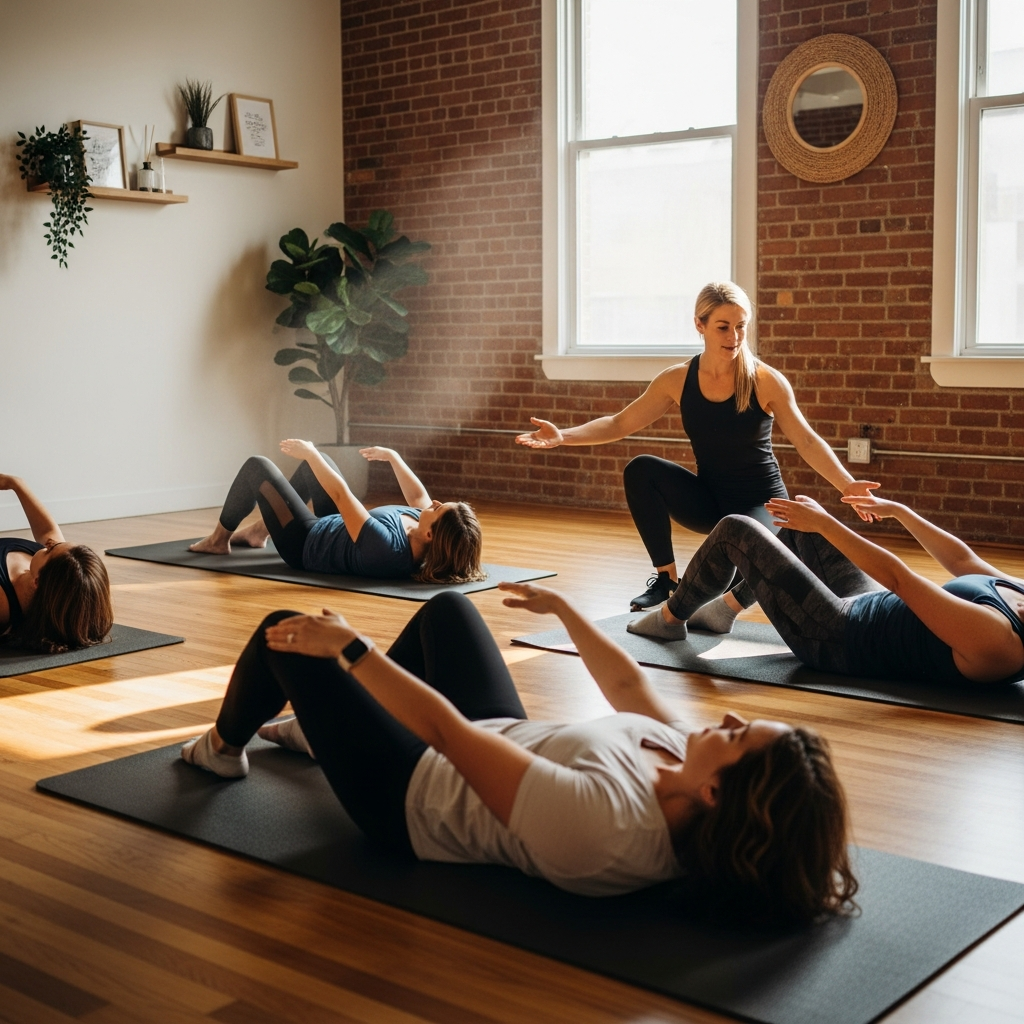
Most studios in Irving are incredibly welcoming to beginners. The instructor will likely check in with you beforehand, maybe ask about any injuries or concerns. Don’t be shy about speaking up – they’d rather know you have a cranky knee than watch you struggle through something that’s making it worse.
During class, you won’t be able to do everything perfectly. Actually, let me rephrase that – you won’t be able to do anything perfectly. And that’s exactly how it should be. I’ve seen people get frustrated because they can’t hold a plank for as long as the person next to them… who’s been doing Pilates for three years.
Building Your Practice (Without Burning Out)
Here’s where people often go wrong – they’re so excited about starting that they sign up for classes every day of the week. Then life happens, they miss a few sessions, feel guilty, and abandon the whole thing.
Start small. Really small. One class per week for the first month isn’t lazy – it’s smart. Your body needs time to adapt, and honestly, your brain needs time to process all those new movement patterns.
Once you’re comfortable with once a week, bump it up to twice. If you’re feeling ambitious after a few months, add a third session. But here’s the thing – consistency beats intensity every single time.
Some weeks will be better than others. You might have a week where you nail every exercise and leave feeling like a Pilates rockstar. The next week? You might struggle with moves you thought you’d mastered. That’s not regression – that’s just how bodies work.
Setting Yourself Up for Success
Beyond just showing up to class, there are a few things that’ll help you stick with it. First, find an instructor you connect with. Not every teaching style works for every person, and that’s okay. If you’re not vibing with your current instructor after a few classes, try someone else.
Second, invest in comfortable workout clothes that let you move freely. You don’t need expensive gear, but you also don’t want to spend class constantly adjusting your shirt or feeling self-conscious.
Track how you feel, not just how you look. Sure, you might notice physical changes over time, but the real magic of Pilates often shows up in how you move through your day. Less pain when you get out of bed, better balance when you’re walking on uneven surfaces, more confidence in your body’s capabilities.
And finally – be patient with yourself. We live in a world of instant everything, but your body doesn’t work on Amazon Prime delivery schedules. Give yourself permission to be a beginner, to feel awkward, to not be perfect.
Remember, every expert was once a beginner who kept showing up.
You know what? Starting something new – especially when it involves your body and movement – can feel pretty overwhelming. Maybe you’re sitting there right now wondering if you’re really ready for this, if Pilates is actually for you, or if you’ll just end up feeling awkward and out of place.
Here’s the thing though… every single person who’s now gracefully flowing through Pilates movements started exactly where you are right now. They had the same questions, the same hesitations, maybe even the same little voice saying “I’m not flexible enough” or “I should probably get in better shape first.”
But that’s like saying you need to be clean before you take a shower, right?
The beautiful thing about Pilates – and this is something we see all the time here in Irving – is how it meets you where you are. Not where you think you should be, not where your neighbor is, but exactly where YOU are today. Your body knows more than you think it does. It’s been carrying you through life, adapting, compensating, doing its best… and now you’re ready to give it some focused attention.
And honestly? The Irving community has such incredible options. Whether you’re drawn to the energy of a group class where you can feed off everyone else’s motivation, or you prefer the personalized attention of private sessions where nobody’s watching except your instructor (who, by the way, is way more interested in helping you succeed than judging your form)… there’s a path that fits.
Some days, you’ll leave class feeling like you conquered the world. Other days – and this is totally normal – you might feel like you barely survived. That’s all part of it. Your body is learning a new language, and like any language, there are good days and… well, less graceful days.
The key is just showing up. Consistently. Kindly to yourself.
And remember, this isn’t just about the hour you spend in class. It’s about how you feel walking up your stairs at home, how your back feels after a long day at work, how much more aware you become of your posture during those endless Zoom meetings. These little improvements? They add up to something pretty significant.
You don’t need to have it all figured out before you start. You don’t need special clothes or perfect flexibility or any particular fitness level. You just need curiosity and a willingness to try something that could genuinely change how you feel in your own body.
Look, we get it – taking that first step feels big. But you don’t have to figure it all out alone. If you’re feeling ready to explore what Pilates might do for you, or if you just have questions about where to start in Irving, we’re here. No pressure, no sales pitch – just real conversation about what might work best for your body, your schedule, your goals.
Sometimes all it takes is one conversation to turn that “someday” into “today.” And honestly? Your future self – the one who moves with more confidence, sleeps better, and feels more at home in their body – is probably going to thank you for making that call.