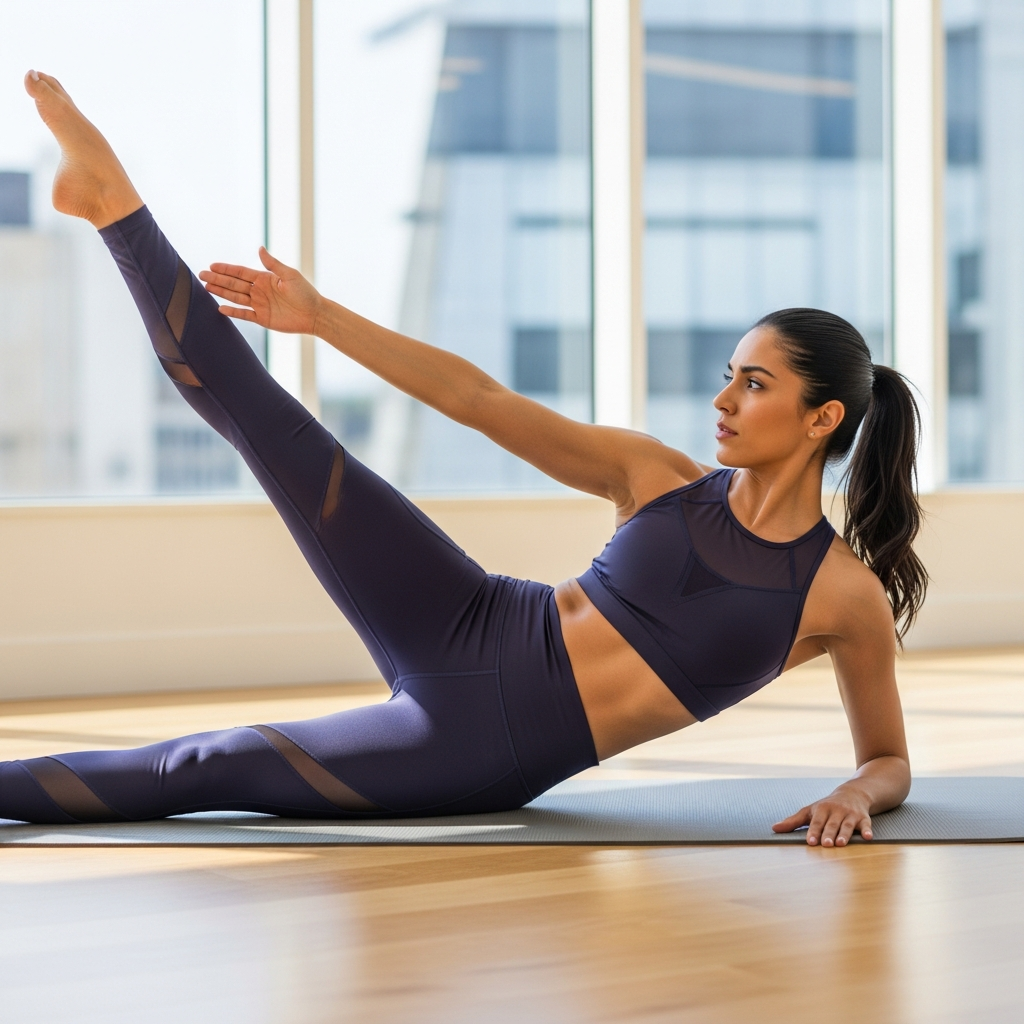
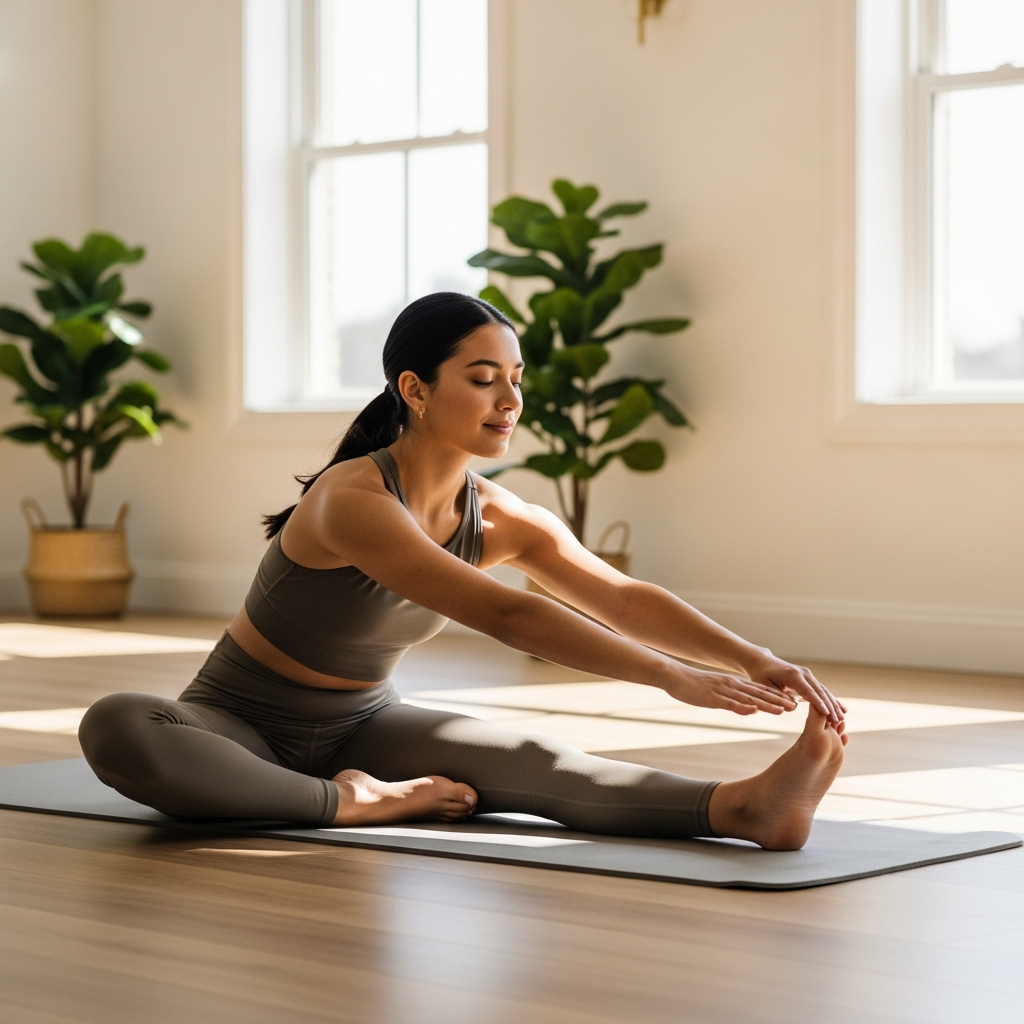
How Pilates Classes Support Low-Impact Fitness in Pleasant Grove
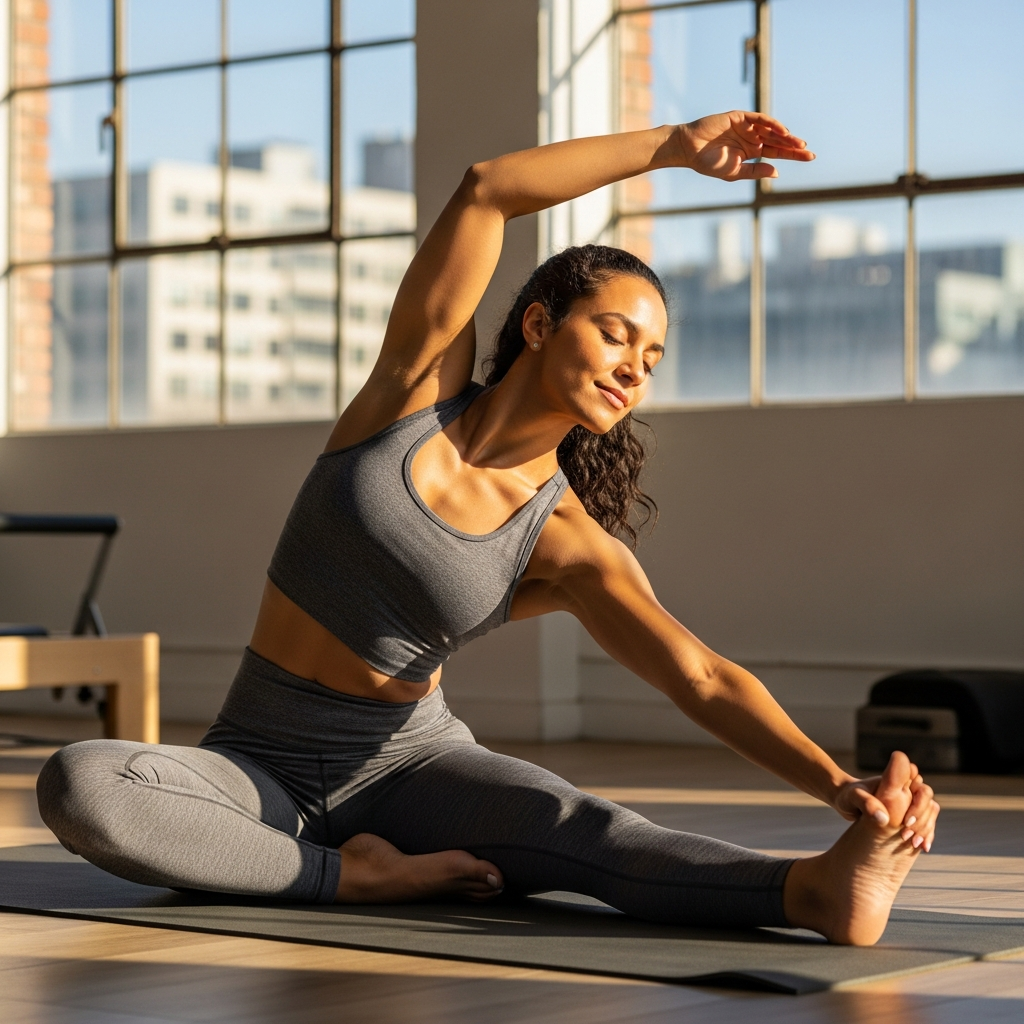
You’re standing in your bedroom at 6:30 AM, staring at your workout clothes with that familiar mix of determination and dread. Your knee’s been acting up again – that nagging reminder of last year’s hiking mishap – and your lower back feels like it’s held together with duct tape and wishful thinking. The high-intensity boot camp class you used to love? Well, let’s just say your body’s been sending you some very clear “we need to talk” signals.
Sound familiar?
Here’s the thing – and I say this as someone who spent way too many years thinking that exercise had to leave me gasping for air and questioning my life choices – fitness doesn’t have to feel like punishment. Actually, some of the most transformative workouts happen when you’re not dripping sweat all over the gym floor.
That’s where Pilates comes in, and honestly? It’s been a game-changer for so many people here in Pleasant Grove who thought their “real workout” days were behind them.
The Low-Impact Revolution That’s Actually Working
I know, I know… when someone mentions Pilates, you might picture those impossibly flexible people on Instagram doing moves that look like they belong in Cirque du Soleil. But here’s what I’ve learned after watching countless clients transform their relationship with fitness: Pilates isn’t about becoming a pretzel. It’s about building strength from the inside out – the kind that actually makes climbing stairs feel easier and playing with your kids less exhausting.
The beauty of low-impact fitness – and Pilates specifically – is that it works *with* your body instead of against it. No jumping around like your house is on fire. No joint-jarring movements that leave you hobbling to your car. Just controlled, intentional movement that somehow manages to challenge muscles you forgot you had while being surprisingly gentle on everything else.
And if you’re thinking this sounds too good to be true… well, I get it. We’ve been conditioned to believe that if we’re not completely wiped out after a workout, we must be doing something wrong. But what if I told you that some of the strongest people I know swear by their twice-weekly Pilates sessions?
Why Pleasant Grove is Embracing This Approach
There’s something happening in our community that I find pretty exciting. More and more people are stepping away from the “no pain, no gain” mentality and discovering that sustainable fitness – the kind that actually fits into real life – looks different than what the fitness industry has been selling us for decades.
Maybe it’s because we’re tired of workout routines that require a three-day recovery period. Or perhaps we’ve finally realized that consistency beats intensity every single time. Whatever the reason, Pleasant Grove residents are discovering that Pilates classes offer something precious: a way to get stronger without breaking down.
Think about it – when was the last time you found a form of exercise that left you feeling energized instead of depleted? That made your body feel more aligned and less… well, creaky? That’s the Pilates difference, and it’s exactly why local studios are seeing everyone from busy moms to retired teachers rolling out their mats week after week.
What You’re About to Discover
In the next few minutes, we’re going to explore why Pilates has become Pleasant Grove’s not-so-secret weapon for staying active and strong – regardless of age, fitness level, or how many times you’ve started and stopped other exercise programs. You’ll discover specific benefits that go way beyond just “getting a good workout” (though you’ll definitely get that too).
We’ll talk about what makes low-impact fitness so effective for long-term health, why your joints will thank you, and how Pilates can actually help with issues you might not expect – like better sleep, improved posture, and yes, even weight management.
Plus, I’ll share some insights about finding the right Pilates class for *you* – because not all classes are created equal, and the last thing you need is to feel lost in a room full of people who seem to know exactly what they’re doing while you’re wondering if that move is supposed to make your abs feel like they’re on fire.
Ready to rethink everything you thought you knew about effective exercise?
What Makes Pilates Actually “Low-Impact” (And Why That Matters)
Here’s the thing about low-impact exercise – it’s not about being easy. I mean, you’ve probably heard that before, but it’s worth saying again because… well, because most people think low-impact means “gentle grandma exercises.”
Low-impact simply means your feet stay connected to the ground (or the mat). No jumping, no jarring movements that send shock waves through your joints. Think of it like the difference between walking on a wooden floor in bare feet versus wearing heavy boots – same destination, completely different experience for your body.
And honestly? This is where Pilates gets brilliant. You’re working muscles you didn’t even know existed – seriously, there are muscles in your core that have been freeloading for years – but you’re doing it without putting your knees, hips, and back through a blender.
The Mind-Body Connection That Actually Makes Sense
You know how everyone talks about the “mind-body connection” like it’s some mystical thing? Well, in Pilates, it’s actually pretty straightforward. You can’t just zone out and go through the motions like you might on a treadmill while watching Netflix.
Every movement requires your full attention. You’re thinking about your breathing, your posture, which muscles are firing, where your spine is positioned… It’s like learning to drive stick shift – overwhelming at first, but then it becomes this satisfying dance where everything clicks together.
Actually, that reminds me of something one of our clients said last week: “It’s the only hour where my brain stops worrying about my to-do list because I’m too busy trying to figure out what my left hip is supposed to be doing.”
Core Strength That Goes Beyond Crunches
Let’s talk about your core for a minute – and no, I don’t mean those six-pack abs you see on Instagram (though those are nice too). Your core is more like the foundation of a house. It’s not just the pretty stuff you see on the surface; it’s all the support beams, the framework that keeps everything else from falling apart.
Traditional ab exercises often focus on just the front muscles – the ones that give you that coveted six-pack look. But Pilates? It’s working your deep stabilizing muscles, the ones that wrap around your torso like a natural corset. These muscles support your spine, improve your posture, and – here’s the kicker – they help prevent back pain.
The counterintuitive part is that you might not feel these muscles working the same way you’d feel regular crunches burning. It’s more subtle… until you try to get out of bed the next morning and realize your entire midsection has opinions about yesterday’s class.
Flexibility Meets Strength (Without the Stretching Marathon)
Here’s what I love about Pilates – you’re not spending 20 minutes in child’s pose followed by 20 minutes of intense strength work. The flexibility comes naturally as you move through the exercises. You’re lengthening muscles while you’re strengthening them, which is kind of like getting your oil changed while you’re filling up with gas. Efficient.
The movements flow together in a way that makes sense for your body. One exercise naturally prepares you for the next, and before you know it, you’re reaching further, balancing longer, and moving with a fluidity you didn’t have when you walked in.
Why Your Joints Will Thank You Later
The gentle, controlled movements in Pilates are like giving your joints a daily dose of WD-40. You’re moving through full ranges of motion without the impact that comes from running or jumping exercises. This means you’re maintaining (or improving) joint mobility while building strength – which becomes increasingly important as we get older.
And let’s be honest – if you’re dealing with knee issues, back problems, or just general aches and pains from sitting at a desk all day, high-impact exercise might feel more like punishment than self-care. Pilates offers that sweet spot where you can challenge your body without feeling like you need to ice everything afterward.
The beauty is in how it builds on itself. Each class, your body remembers a little more, responds a little better, and you start moving with more confidence in your daily life. Opening heavy doors, carrying groceries, even just getting up from the couch – it all becomes easier when your foundation is solid.
Starting Your Pilates Practice Without Breaking the Bank (Or Your Back)
Here’s the thing about Pilates in Pleasant Grove – you don’t need to drop $200 on fancy gear before your first class. Actually, scratch that. Please don’t.
Start with a basic mat (Target has perfectly good ones for under $20), wear clothes you can move in, and bring water. That’s it. Your instructor will have props like resistance bands and foam rollers… and honestly? You’ll probably discover which ones you actually like before investing in your own.
Most studios offer newcomer packages – usually three classes for around $60-75. It’s way better than committing to a monthly membership when you’re not sure if you’ll love the 6 AM sessions or prefer evening classes after work.
Decoding Pilates Class Types (Because They Love Their Fancy Names)
The studio schedules can look like alphabet soup, but here’s your cheat sheet
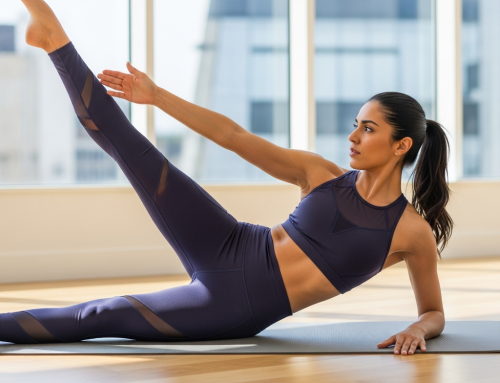
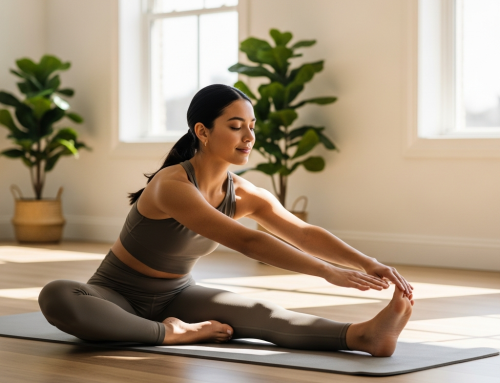
Mat Pilates is your bread and butter – floor exercises using your body weight. Perfect if you’re dealing with joint issues or recovering from an injury. It’s challenging without being punishing.
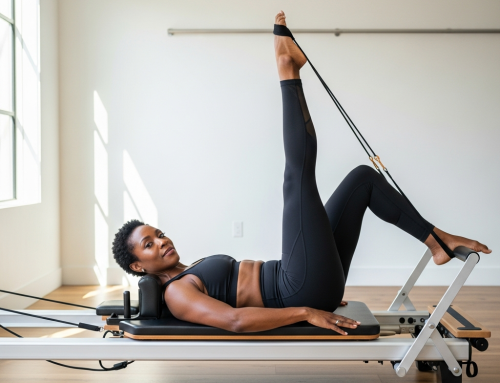
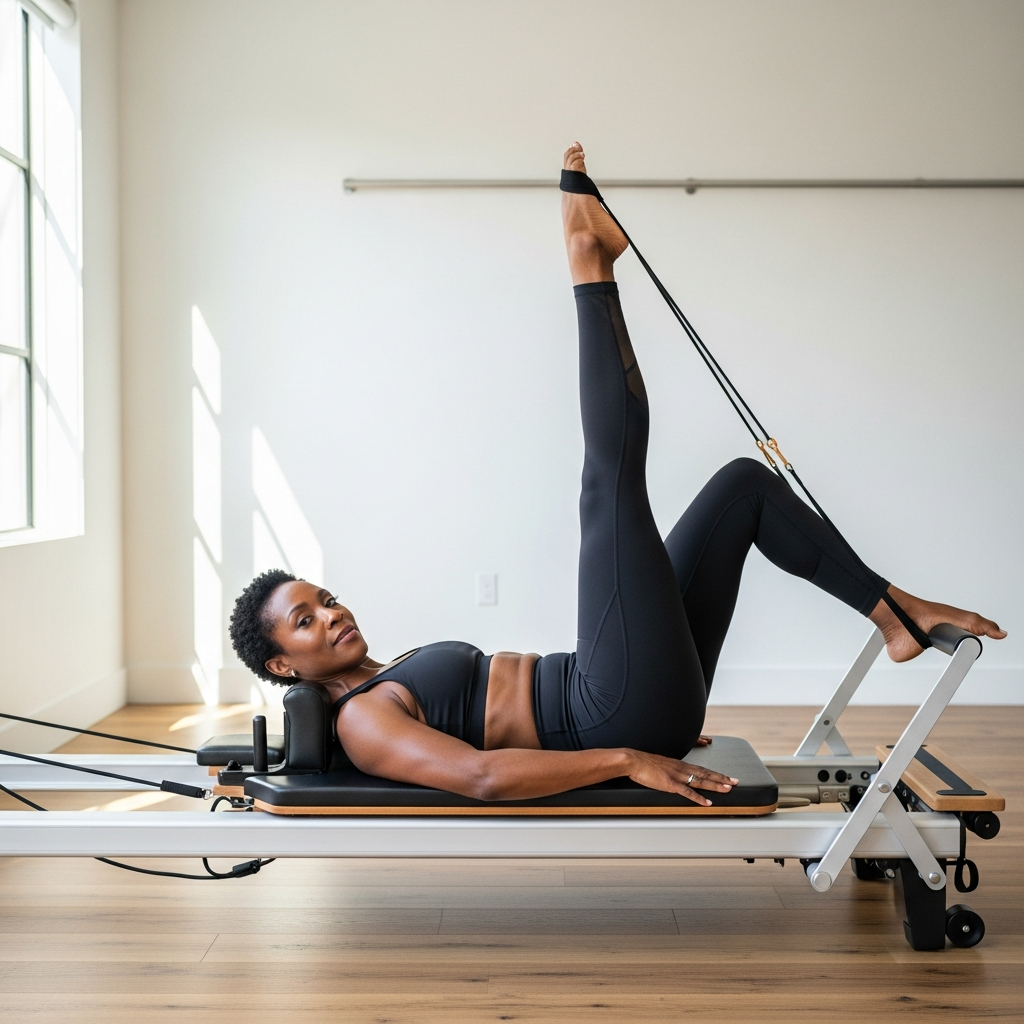
Reformer classes use those intimidating-looking machines with springs and pulleys. Don’t panic – they’re actually easier on beginners because the machine supports your movements. Think of it as training wheels for your core.
Barre-Pilates fusion adds ballet-inspired movements. Heads up: your legs will shake like a chihuahua, but in a good way.
Start with mat classes. Once you’re comfortable with the basic movements (and can do a roll-up without looking like a flailing turtle), then explore reformer work.
Reading Your Body’s Fine Print
This is where Pilates gets really smart for us folks carrying extra weight or dealing with creaky joints. Your body will tell you everything you need to know – you just have to listen.
Feel pulling in your lower back during roll-ups? Keep your knees bent and focus on articulating one vertebra at a time. It’s not cheating; it’s smart modification.
Can’t hold a plank for 30 seconds? Start with 10. Build up by five seconds each week. Your shoulders and core will thank you for the patience.
Here’s something instructors don’t always mention upfront – Pilates can make you dizzy at first. All that controlled breathing plus new movement patterns? Yeah, it’s normal. Take breaks. Sit down if you need to. Hydrate.
Making Friends with Modifications (They’re Not the Enemy)
Every good Pilates instructor should offer modifications, but here’s the insider secret: ask for them proactively. Don’t wait until you’re struggling through an exercise.
“What’s the modification for this?” becomes your new favorite phrase. Knee pain during single-leg stretches? Keep that foot on the floor. Neck strain during the hundred? Support your head with your hands.
The goal isn’t to look like the person next to you – it’s to work your body effectively and safely. That flexible 20-something doing full teaser poses? She’s been practicing for years. Your modified version is just as valid.
Building Your Home Practice (Without Turning Your Living Room Into a Gym)
You don’t need a dedicated space – just enough room to lie down with your arms stretched overhead. I’ve done Pilates sessions between my coffee table and couch. It works.
Start with 15-minute sessions at home between classes. YouTube has decent free options (search for “beginner Pilates” and filter by length), but nothing replaces in-person instruction for learning proper form.
Keep it simple: basic breathing exercises, gentle spinal articulation, modified planks. Think of home practice as maintenance, not your main workout.
The Social Side of Studios
Pleasant Grove’s Pilates community is surprisingly welcoming – probably because everyone’s focused on not falling over during single-leg circles rather than judging others.
Arrive a few minutes early to introduce yourself to the instructor. Mention any injuries, concerns, or if it’s your first class. They’ll keep an eye on you without making it obvious.
Most regulars are happy to share tips about parking, which classes they love, or where to grab a smoothie afterward. It’s not cliquey… just people who’ve found something that works and want to share that feeling.
The real magic happens when you stop thinking about Pilates as exercise and start thinking about it as movement education. Your body learns to move better, and everything else – strength, flexibility, balance – follows naturally.
When Your Body Feels Like It’s Betraying You
Let’s be real – starting Pilates when you’re dealing with weight management and health issues can feel intimidating as hell. You walk into that studio, and everyone seems to move with this graceful confidence while you’re just trying to figure out which end of the reformer does what.
The biggest challenge? That nagging voice in your head saying you don’t belong there. Maybe you haven’t exercised in years, or your knees creak like old floorboards, or you’re worried about being the biggest person in class. I get it. That voice is loud, and it’s surprisingly creative with its excuses.
But here’s what I’ve learned from working with hundreds of people in Pleasant Grove – those fears are normal, and they’re also… well, mostly wrong. Most Pilates instructors have seen it all, and the good ones genuinely want to help you succeed. Start with private sessions if group classes feel overwhelming. Yes, they cost more, but think of it as an investment in not feeling lost during your first month.
The Flexibility Myth (And Other Physical Roadblocks)
“I’m not flexible enough for Pilates.” If I had a dollar for every time someone said this… I could probably afford my own reformer by now.
Here’s the thing – Pilates isn’t about being flexible. It’s about becoming more flexible, stronger, and more aware of how your body moves. You don’t need to touch your toes on day one. Actually, if you could, you probably wouldn’t need Pilates as much.
The real physical challenges are usually different: that lower back that’s been bothering you since you started working from home, shoulders that round forward from years of computer work, or core muscles that feel more like suggestions than actual support systems. And if you’re carrying extra weight? Sometimes the movements feel awkward because… well, bodies are different shapes, and some exercises need modifications.
Solution time: Look for instructors who offer modifications without making you feel like you need them. Good teachers will show you three ways to do every exercise – the basic version, the challenging version, and the “my body’s not having it today” version. Use props liberally. That’s what they’re there for.
The Schedule Shuffle
Pleasant Grove life is busy. Between work, family, and trying to maintain some semblance of adulting, finding consistent time for Pilates can feel impossible. You start strong, going twice a week for a month, then life happens. Your kid gets sick, deadlines pile up, and suddenly it’s been three weeks since you’ve seen the inside of the studio.
The all-or-nothing mentality kills more fitness routines than actual lack of time. You miss a few sessions, feel guilty, then avoid going back because you’re “out of practice.” It’s like avoiding the dentist because you haven’t flossed… which, by the way, we’ve all done.
Try this instead: book classes like doctor’s appointments – in your calendar with alerts. Start with just once a week if that’s realistic. Some studios offer class packages that don’t expire, which removes the “use it or lose it” pressure. And if you miss a week? Just go back. No drama, no guilt spiral.
The Comparison Trap
Social media doesn’t help here. Everyone’s posting their perfect Pilates poses while you’re over there trying not to fall off the reformer during the simplest exercise. The person next to you in class seems to effortlessly flow through movements that leave you feeling like a newborn giraffe.
But Instagram Pilates and real-life Pilates are different animals entirely. That perfect teaser pose? It probably took that person years to master, and you’re only seeing the successful attempt, not the 47 wobbly tries before it.
Focus on your own mat (literally and figuratively). Track your own progress – maybe you held that plank for 10 seconds longer than last week, or your balance feels steadier. Those victories matter more than anything happening in the mirror or on someone’s feed.
Making Peace with the Process
The hardest part about Pilates – especially when you’re using it as part of a weight management strategy – is that changes happen slowly. Your body doesn’t transform overnight, and sometimes the mental shifts take even longer.
Some days you’ll feel strong and capable. Other days, basic movements will feel impossible. That’s not failure – that’s just being human. The goal isn’t perfection; it’s consistency and patience with yourself as you build something sustainable.
What to Expect in Your First Few Weeks
Let’s be honest – your first Pilates class might feel… well, harder than you expected. You know that friend who swears Pilates is “just stretching”? Yeah, they’re probably forgetting how their core screamed the next day after their first session.
Don’t worry, that’s completely normal. Your body’s just waking up muscles that have been taking a nice little vacation. Most people feel noticeably sore for the first week or two – not injury-sore, but that good “I actually used my muscles” kind of sore.
You’ll probably notice some things right away, though. Better posture during the class itself (those instructors have eagle eyes for slouching). Maybe you’ll sleep a bit better that first night. But the real changes? Those take time.
The Real Timeline – No Sugar-Coating Here
Here’s what actually happens, not what those Instagram transformation posts want you to believe
Weeks 1-3: You’re figuring out which way is up. Seriously. The breathing, the movements, remembering to engage your core while also moving your arms… it’s like learning to pat your head and rub your stomach, but harder. Some days you’ll leave feeling amazing. Other days? You might wonder what you’ve gotten yourself into.
Month 2: Things start clicking. You’re not constantly thinking about every single muscle. The trembling decreases (though it never fully goes away – that’s actually a good thing). You might notice you’re standing taller without thinking about it.
Months 3-6: This is where the magic happens – slowly, but surely. Your clothes might fit differently. Not necessarily because you’ve lost tons of weight, but because your body’s changing shape. Core strength builds from the inside out, and you’ll start noticing it in everyday activities. Carrying groceries feels easier. Getting up from your desk doesn’t require a strategic plan.
Actually, that reminds me – don’t get discouraged if you don’t see dramatic changes on the scale. Pilates builds lean muscle while improving flexibility and posture. The number on the scale might barely budge, but your body composition is shifting in ways that matter more for long-term health.
How Often Should You Really Go?
The studios in Pleasant Grove typically recommend 2-3 times per week, and honestly? That’s about right. Less than that, and you’re basically starting over each time. More than that as a beginner, and you risk burning out or getting injured.
Start with twice a week if you can swing it. Your wallet and your schedule will thank you, and it’s enough to build momentum without overwhelming your system. Once you’ve been at it for a month or two, you can always add that third session.
Some people get addicted pretty quickly (you’ll know who they are – they’re the ones buying their own reformer for their garage). But that’s not everyone, and it doesn’t need to be you to get real benefits.
Building Your Support System
Here’s something nobody talks about enough – Pilates classes create these weird little communities. Maybe it’s because you’re all struggling together, or maybe it’s because you see the same faces twice a week… but don’t be surprised if you start looking forward to seeing your “Pilates people.”
The instructors in Pleasant Grove studios are generally pretty great at remembering names and modifications. They’ll push you just enough without making you feel incompetent. But speak up if something doesn’t feel right – they can’t read minds, despite what it sometimes seems like.
Making It Stick
The biggest challenge isn’t the exercises themselves – it’s showing up consistently when life gets crazy. Work deadlines, sick kids, that project you’ve been putting off… they all seem to conspire against your Pilates schedule.
Here’s what works: treat it like any other appointment you wouldn’t cancel. Not like a “nice to have” but like something important. Because it is.
Most studios offer package deals or monthly memberships that actually save money compared to drop-in rates. Yeah, it’s an upfront investment, but it also creates that helpful psychological nudge to actually use what you’ve paid for.
The people who stick with it long-term? They’re not necessarily the most naturally flexible or strong. They’re the ones who show up even when they don’t feel like it. That consistency – even imperfect consistency – beats sporadic bursts of motivation every single time.
You know what strikes me most about Pilates? It’s how it meets you exactly where you are. Whether you’re dealing with joint pain that’s been slowing you down, recovering from an injury that knocked you off track, or simply looking for something gentler than those high-intensity workouts that leave you feeling defeated… Pilates doesn’t judge. It just works.
Finding Your Perfect Fit in Pleasant Grove
The beautiful thing about having so many quality studios right here in our community is that you’ve got options. Real options. Maybe you’re drawn to those smaller, intimate classes where the instructor knows your name and remembers that your left shoulder gets cranky. Or perhaps you thrive in larger groups – there’s something energizing about moving alongside others who understand the struggle, you know?
And here’s what I love – you don’t need to show up perfect. You don’t need the expensive gear or the Instagram-worthy flexibility. You just need to show up. That’s it.
The Ripple Effect You Might Not Expect
What often surprises people is how Pilates starts changing things outside the studio too. Better sleep (finally!), less back pain during those long work days, feeling steadier on your feet… It’s like your body remembers how to feel good again. One of my clients mentioned she could actually play on the floor with her grandkids without wincing. Those moments? They’re everything.
The strength you build isn’t just physical, either. There’s something incredibly empowering about mastering movements you couldn’t do before – even something as simple as rolling up smoothly from lying down. These small victories add up, creating this quiet confidence that spills into other areas of your life.
Your Weight Loss Goals Don’t Have to Wait
If weight loss is part of your bigger picture – and honestly, it is for so many of us – Pilates fits beautifully into that puzzle. It’s not about burning crazy calories in a single session. It’s about building that foundation of strength and movement that supports everything else you’re doing. When your core is strong and your body moves well, suddenly those walks feel easier. Those strength training sessions become more effective.
Plus, there’s research showing that the mindful movement aspect of Pilates can actually help with stress eating and emotional food patterns. Your body and mind start communicating better… it’s pretty amazing, actually.
You Don’t Have to Figure This Out Alone
Look, starting something new can feel overwhelming – especially when you’re already managing health challenges or trying to lose weight. But here’s the thing: you don’t have to navigate this by yourself. Whether it’s finding the right Pilates class, creating a sustainable exercise routine, or addressing the bigger picture of your health goals, support makes all the difference.
If you’re feeling ready to explore how movement – whether it’s Pilates or something else entirely – can support your wellness goals, we’re here. No pressure, no judgment, just real conversations about what might work for your unique situation. Sometimes the hardest part is just picking up the phone, but that first step? It changes everything.
Your body has been waiting patiently for you to treat it with kindness. Maybe today’s the day you finally listen.