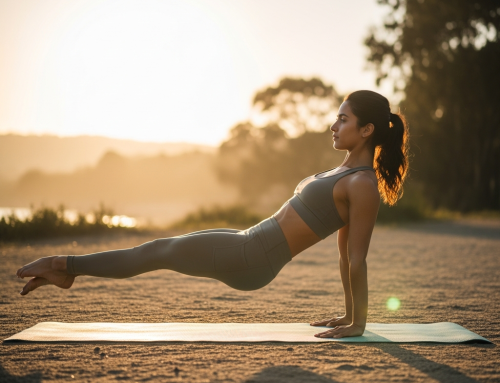
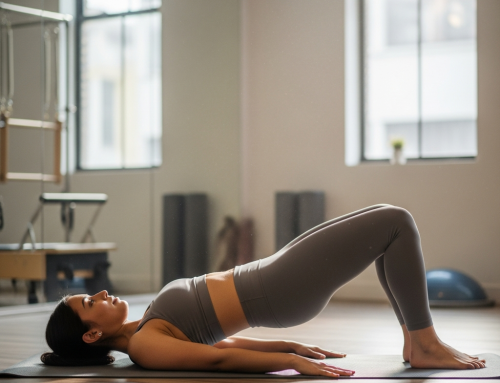
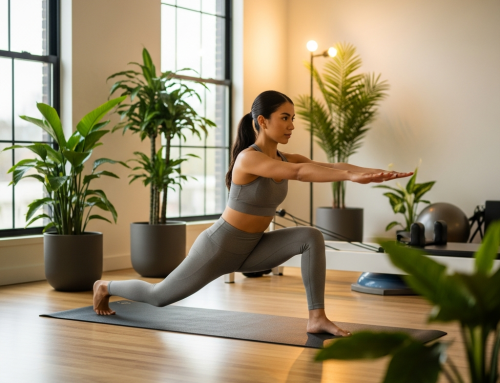
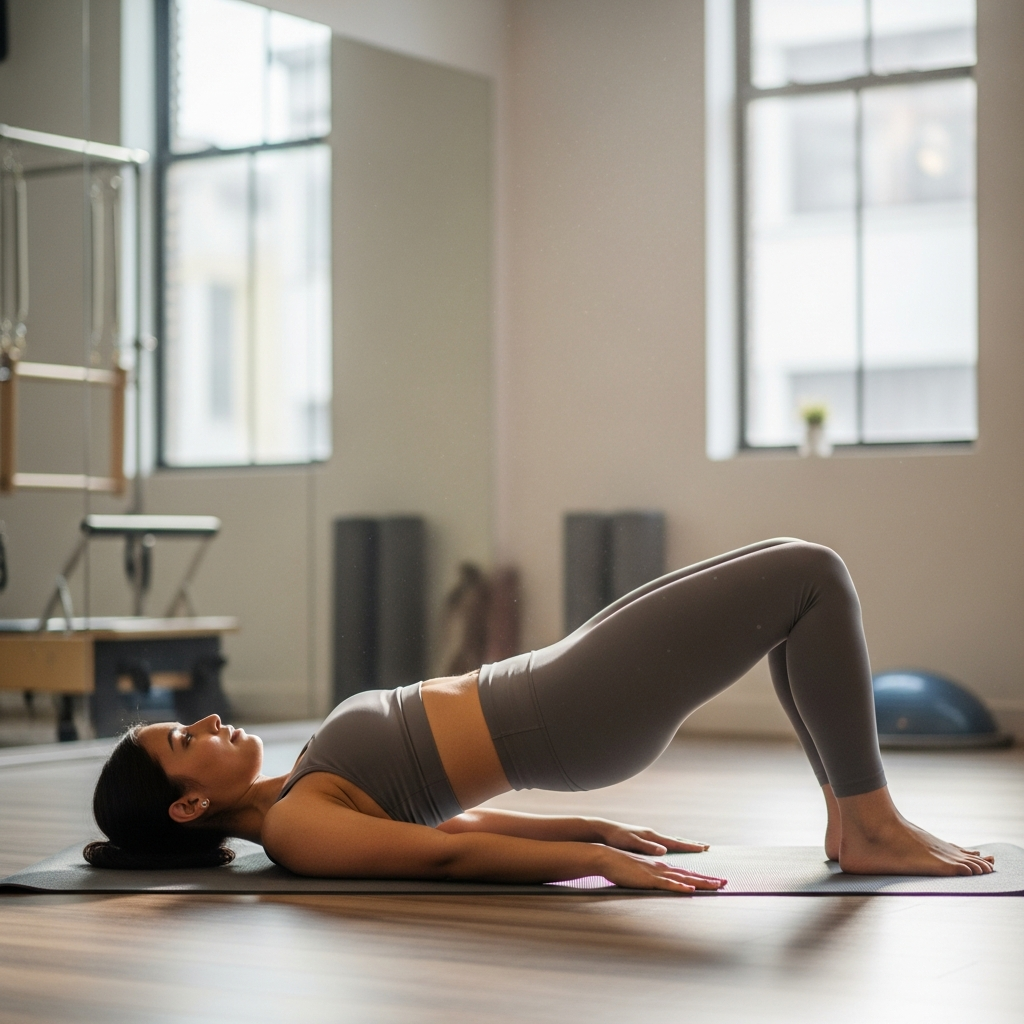
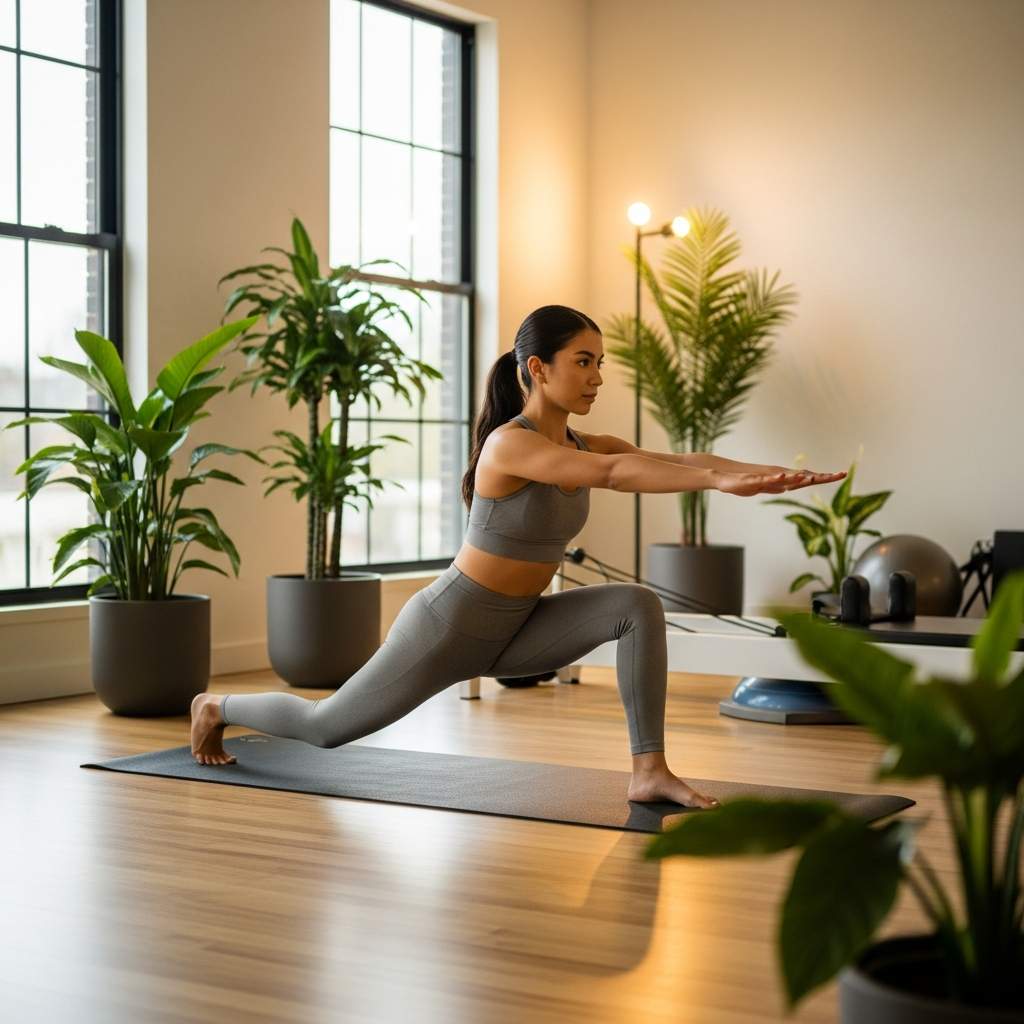
Is Hot Pilates in Fort Worth Right for You?
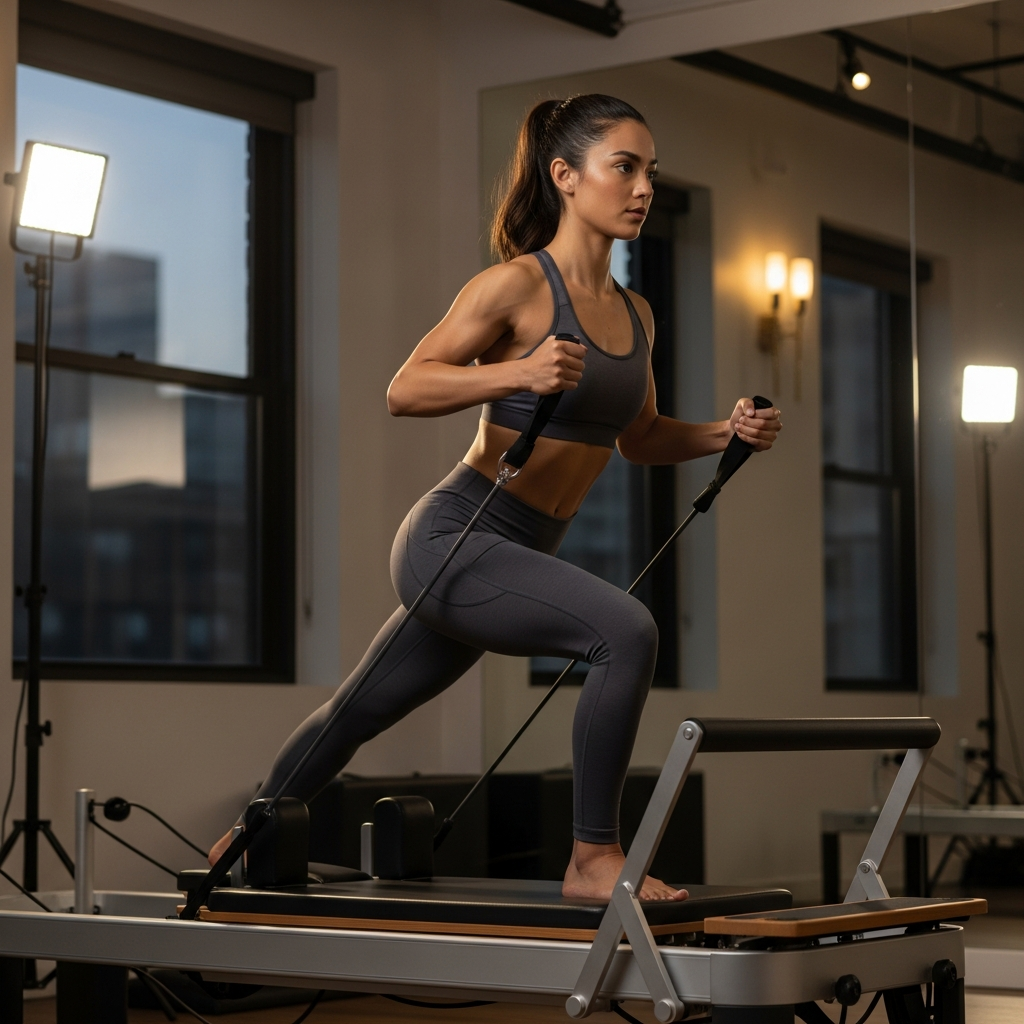
You’re scrolling through your Instagram feed when it hits you – another friend posting from their hot Pilates class, hair perfectly messy, that post-workout glow making you simultaneously inspired and… well, let’s be honest, a little jealous. They’re talking about how amazing they feel, how strong they’re getting, and meanwhile you’re sitting there in your pajamas at 10 AM wondering if you’ll ever find that thing. You know, *that* workout that actually sticks.
If you’re in Fort Worth and you’ve been curious about hot Pilates – or maybe you’ve never heard of it but you’re desperately searching for something that doesn’t feel like punishment – I get it. The fitness world can feel overwhelming these days. One minute everyone’s obsessed with CrossFit, the next it’s barre classes, then suddenly your neighbor’s raving about something called “reformer Pilates” and you’re not even sure what a reformer is (spoiler: it’s not a really dedicated person trying to change their ways).
But here’s the thing about hot Pilates that’s got people talking… it’s kind of like regular Pilates’s cooler, slightly more intense cousin who studied abroad and came back with stories. Same foundation – that focus on core strength, controlled movements, and mind-body connection that Joseph Pilates developed way back in the 1920s – but add heat, and suddenly everything changes.
I’m talking about classes typically heated to around 90-95 degrees Fahrenheit. Not quite the 105-degree inferno of hot yoga (thank goodness), but warm enough that you’ll definitely work up a sweat. And before you start thinking “Great, another trendy workout that’ll disappear in six months,” hot Pilates has been quietly building a loyal following for good reason.
See, here’s what nobody tells you about traditional Pilates – sometimes it can feel… slow. I mean, don’t get me wrong, it’s incredibly effective, but when you’re used to higher-intensity workouts or you’re someone who needs to feel like they’re really working, regular Pilates can leave you wondering if you actually did anything. The heat changes that equation entirely.
When your muscles are warm, they’re more pliable. That means you can move deeper into poses, you’ll feel more flexible, and – this is the part that gets people hooked – you’ll actually feel like you’ve had a serious workout. The heat makes everything more challenging without being unnecessarily brutal. It’s like the difference between trying to stretch a cold rubber band versus a warm one.
But let’s talk about what this really means for you, especially if you’re dealing with weight management goals. Hot Pilates isn’t just about burning calories (though you definitely will), it’s about building lean muscle, improving your posture, and developing that kind of functional strength that actually helps in daily life. You know, being able to carry all your groceries in one trip without throwing out your back, or getting up from the floor without using your hands to push yourself up.
Fort Worth has seen an explosion of hot Pilates studios lately – from boutique spaces in trendy neighborhoods to larger fitness chains adding heated classes to their schedules. But here’s what I want to help you figure out: is this actually right for *you*? Because honestly, not every workout is meant for every person, and that’s perfectly okay.
Maybe you’re someone who gets bored easily and needs variety. Maybe you’re dealing with joint issues and you’re wondering if the heat will help or hurt. Or perhaps you’re just starting your fitness routine and you’re not sure if jumping into a heated room is the best idea. These are all valid concerns, and we’re going to talk through them.
Over the next few minutes, we’re going to explore what hot Pilates actually involves (beyond just “Pilates, but sweaty”), who tends to thrive in these classes, and honestly – who might want to look elsewhere. We’ll talk about what to expect in your first class, how to find the right studio in Fort Worth, and those practical things like what to wear and whether you need to bring seventeen towels or just one.
Because at the end of the day, the best workout is the one you’ll actually do consistently. And if hot Pilates turns out to be yours… well, get ready to be that friend posting the sweaty selfies.
What Makes Hot Pilates… Well, Hot?
You’ve probably heard of regular Pilates – those controlled movements that make your muscles shake in ways you didn’t know were possible. But hot Pilates? That’s where things get interesting (and sweaty).
Picture this: you’re doing your usual Pilates routine, but someone cranked up the thermostat to somewhere between 95-105°F. It’s like doing your workout inside a really fancy oven – one that happens to have mirrors and motivational music. The heat isn’t just there to make you miserable (though it might feel that way at first). It’s actually serving a purpose… kind of like how a blacksmith heats metal to make it more moldable.
The warmth is supposed to help your muscles relax and stretch deeper than they normally would. Think of your muscles like a piece of taffy – when it’s cold, it’s brittle and might snap. But warm it up? Suddenly it’s pliable, stretchy, and cooperative.
The Science Behind the Sweat
Now, here’s where things get a bit counterintuitive. You’d think that working out in extreme heat would be terrible for you, right? Well… it’s complicated.
Your body is basically a walking, talking furnace that’s constantly trying to maintain its ideal temperature of around 98.6°F. When you exercise in heat, your internal thermostat goes into overdrive. Your heart has to work harder – not just to pump blood to your working muscles, but also to shuttle blood to your skin for cooling. It’s like your cardiovascular system is suddenly juggling flaming torches instead of tennis balls.
This extra work can actually boost your calorie burn. Some studies suggest you might torch 15-20% more calories in heated workouts compared to room temperature ones. But – and this is important – your body also has to work much harder to keep you from overheating.
Why Fort Worth’s Climate Makes This Extra Interesting
Living in Fort Worth means you’re already pretty familiar with heat. Those summer days when stepping outside feels like walking into a hair dryer? Yeah, you know the drill. You might think this gives you an advantage with hot Pilates, and… you’re not wrong, but you’re not completely right either.
Sure, you’re accustomed to Texas heat, but there’s a difference between sitting in your air-conditioned car and actually exercising in 100+ degree temperatures. It’s like the difference between watching someone else eat a jalapeño and actually biting into one yourself.
The Pilates Foundation You Need to Know
Before we get too deep into the hot stuff, let’s talk about what makes Pilates… Pilates. Created by Joseph Pilates (creative name, right?), this exercise method focuses on core strength, flexibility, and mind-body awareness. It’s not about bulking up or going for the burn – it’s more like teaching your body to move like a well-oiled machine.
Traditional Pilates emphasizes precision over power. Every movement has a purpose, every breath is intentional. It’s the difference between frantically chopping vegetables and carefully julienning them – both get the job done, but one requires focus and technique.
Hot Pilates takes these principles and… well, turns up the heat. Literally. The movements might be faster-paced than traditional Pilates, sometimes incorporating elements from yoga or even some cardio bursts. It’s like someone took classical Pilates and gave it an espresso shot.
The Mind-Body Connection in a Heated Room
Here’s something that might surprise you: the heat can actually enhance the mental benefits of Pilates. When you’re in a challenging environment, your mind has to stay present. There’s no zoning out or thinking about your grocery list when you’re focused on not melting into a puddle.
Some people describe it as meditative – though “meditation while slowly cooking” might be a more accurate description. The combination of heat, controlled movement, and focused breathing can create this almost trance-like state. It’s weird, but in a good way… most of the time.
The heat strips away distractions. You can’t worry about that work presentation when you’re concentrating on keeping your core engaged and not passing out. It forces a kind of mindfulness that’s harder to achieve in a comfortable, climate-controlled environment.
Your Body Readiness Checklist – Be Honest With Yourself
Before you book that first class, let’s have a real talk about where you’re starting from. I’ve seen too many people jump into hot Pilates thinking it’ll be like regular Pilates with a little sweat – spoiler alert: it’s not.
If you’re dealing with any heart conditions, blood pressure issues, or you’re pregnant, check with your doctor first. I know, I know – nobody wants to make that call. But heat adds a whole different layer of stress to your cardiovascular system. Better safe than sorry, right?
Here’s what I tell my patients: if you can comfortably do 20 minutes on a treadmill without feeling dizzy or overly winded, you’re probably ready to try a beginner hot Pilates class. Can’t quite get there yet? Start with regular Pilates or some basic strength training first. Your future self will thank you for building that foundation.
Surviving Your First Class (Without Looking Like a Tomato)
The heat will hit you the moment you walk in – it’s like stepping into a warm hug that gradually becomes a sauna. Don’t panic. Your body needs about 10-14 days to start adapting to exercising in heat, so that first class might feel intense.
Here’s my insider trick: arrive 10 minutes early and just sit in the room. Let your body start adjusting before you even begin moving. Bring a large towel – not just for sweat, but for grip. Those mats get slippery fast, and there’s nothing quite like sliding out of a warrior pose to humble you quickly.
Hydration starts the day before. I’m serious about this one. You can’t just chug water 30 minutes before class and expect to feel great. Start hydrating well the morning of, and consider adding a pinch of sea salt to your water – you’ll be losing electrolytes faster than you think.
Reading Your Body’s Warning Signs
Your body will give you signals, but in the heat, they might be louder than usual. Feeling lightheaded? Sit down immediately – no pose is worth fainting. Nausea creeping in? That’s your cue to step outside or take child’s pose.
Here’s something most people don’t realize: your muscles will feel more flexible in the heat, which sounds great until you overstretch and pull something. The warmth can mask your actual limits, so don’t force deeper stretches just because you can. Trust me, overstretched ligaments take weeks to heal.
Watch out for the “heat high” – that euphoric feeling some people get. While it can feel amazing, it might also make you push harder than you should. Listen to your breathing more than your mood.
Building Your Hot Pilates Routine Smartly
Start with once a week, max. I see people go from zero to three classes a week and burn out (literally and figuratively) within a month. Your body needs time to adapt to this new stress – and yes, beneficial stress is still stress.
After about four weeks of consistent once-weekly sessions, you might feel ready to bump up to twice a week. Some people find their sweet spot at two sessions weekly, others eventually work up to three or four. There’s no magic number – just what works for your body and schedule.
Consider your other activities too. If you’re already doing cardio, strength training, or other forms of exercise, hot Pilates shouldn’t replace everything. Think of it as adding spice to your routine, not becoming the whole meal.
Making It Sustainable (AKA Not Quitting After Two Weeks)
The studios in Fort Worth range from budget-friendly community centers to high-end boutique experiences. Don’t feel like you need to start with the fanciest option – some of the best instructors I know work at smaller studios where they really get to know their students.
Try a few different studios if possible. The temperature varies (some keep it at 85 degrees, others crank it to 105), the class styles differ, and honestly? Sometimes it’s just about finding an instructor whose voice doesn’t annoy you. We’ve all been there.
Schedule your classes for when you know you can actually show up. Evening person? Don’t book 6 AM classes thinking it’ll motivate you to become a morning person. Work with your natural rhythms, not against them.
Most importantly – and I can’t stress this enough – have an exit strategy for days when it’s just not happening. Maybe you stay for half the class, maybe you modify every pose. That’s not failure, that’s wisdom.
The Reality Check: What Actually Trips People Up
Let’s be real for a minute – hot Pilates isn’t a walk in the park. Sure, Instagram makes it look graceful and zen, but your first class? You might feel like a sweaty pretzel who forgot how to coordinate basic movements.
The heat hits differently than you’d expect. It’s not just “warm” – it’s that sticky, enveloping kind of heat that makes you wonder if you’ve accidentally wandered into a sauna wearing workout clothes. Your muscles will feel loose (which is amazing), but your grip on those reformer handles? That’s another story entirely.
And here’s what nobody tells you: you’re going to feel awkward. Really awkward. While the instructor flows through movements like water, you’ll be over there trying to figure out if your leg goes *this* way or *that* way, all while sweat drips into your eyes. It’s humbling… but also kind of liberating once you accept it.
The Sweat Situation (And Why Your Towel Becomes Your Best Friend)
The sweating starts about five minutes in and doesn’t stop. We’re talking full-body, dripping, “did I just run a marathon?” kind of sweating. Your yoga mat becomes a slip-and-slide, and those fancy grip socks you bought? They’re working overtime.
Here’s the thing though – that sweat isn’t just uncomfortable, it’s actually doing something. Your body’s cooling system is in overdrive, which means you’re working harder than you might in a regular Pilates class. But it also means you need to be strategic.
Bring two towels. Not one – two. One for your mat, one for your face. Some studios provide them, but having your own gives you peace of mind. And those grip gloves you see people wearing? Not just for show. When your palms are slick and you’re trying to maintain proper form, every little bit of traction helps.
When Your Body Says “Nope”
Your muscles are going to fatigue faster in the heat – that’s just science. What feels manageable in regular Pilates suddenly becomes… challenging. Your legs might shake during wall sits (which, honestly, they probably do anyway), but in hot Pilates, it happens sooner and more intensely.
The temptation is to push through everything, but here’s where you need to get smart about it. Listen to your body’s whispers before they become screams. Feeling dizzy? Take a knee. Nauseous? Step outside for a minute. There’s no shame in modifications – in fact, it shows you know what you’re doing.
Many Fort Worth studios are great about this. They’ll have cooler areas where you can step out, and instructors who actually encourage you to take breaks. Because here’s the secret: the people who last in hot Pilates are the ones who learn to pace themselves, not the ones who try to be heroes on day one.
The Schedule Struggle
Hot Pilates classes fill up fast in Fort Worth – especially the popular evening and weekend slots. You’ll find yourself booking classes a week out, which is great for commitment but terrible for spontaneity.
And then there’s the prep time. You can’t just roll out of bed and show up. You need water (lots of it), the right clothes that won’t become see-through when soaked, and enough time to cool down afterward. Planning becomes crucial.
Some people solve this by becoming “morning people” – those 6 AM classes are usually more available, plus you get it done before the day gets away from you. Others batch their classes, doing two or three in the same week rather than spreading them out. Find what works with your actual life, not your ideal life.
Making It Sustainable (Not Just Survivable)
The biggest challenge isn’t surviving your first class – it’s coming back for your tenth. The novelty wears off, your body adapts, and suddenly you’re faced with the reality of whether this is something you actually want to keep doing or just something you thought you should try.
Start with once a week, not three times. Give yourself permission to hate it initially. Most people need 4-5 classes before they can fairly judge whether hot Pilates works for them. Your body needs time to adapt to the heat, your brain needs time to learn the movements, and your schedule needs time to accommodate this new thing.
And honestly? It’s okay if it’s not for you. Fort Worth has plenty of other options, and the best workout is the one you’ll actually stick with.
What to Expect in Your First Few Classes
Let’s be honest – your first hot Pilates class is going to be… intense. And that’s completely normal. You’ll probably sweat more than you anticipated (bring a towel, trust me), and some moves that look effortless when the instructor demonstrates them? Yeah, those might feel impossible at first.
Don’t worry if you need to take breaks or modify exercises. Actually, that reminds me – the best students are often the ones who listen to their bodies rather than pushing through everything. You’re not training for the Olympics here; you’re building a sustainable practice that’ll serve you well in the long run.
Most people start feeling more comfortable around the third or fourth class. That’s when the heat stops feeling quite so overwhelming, and you begin to recognize the flow of movements. Your body starts adapting to the temperature regulation, and – here’s the thing – you might actually start looking forward to that warm, enveloping feeling.
Building Your Routine (And Being Patient With Yourself)
If you’re hoping to see dramatic changes in two weeks… well, let’s pump the brakes a little. Real, lasting transformation takes time. You might notice improved flexibility and better sleep quality within the first month, but significant strength gains and body composition changes? That’s more of a 2-3 month timeline with consistent practice.
Most Fort Worth studios recommend starting with 2-3 classes per week. Any more than that as a beginner, and you’re setting yourself up for burnout or injury. Your muscles need time to recover, especially when you’re adapting to exercising in heat.
Here’s what a realistic progression might look like
– Weeks 1-2: Focus on learning basic movements and getting comfortable with the heat – Month 1: Building endurance and establishing a routine – Months 2-3: Noticing real strength gains and improved flexibility – Beyond that: The sky’s the limit, really
Finding Your Studio Sweet Spot
Not all hot Pilates studios in Fort Worth are created equal, and what works for your friend might not work for you. Some places crank the heat up to sauna levels, while others keep it more moderate. Some focus heavily on strength training, others emphasize flexibility and flow.
Don’t be afraid to try a few different studios before committing to a membership. Most offer introductory packages or trial periods for exactly this reason. Pay attention to how the instructors cue modifications, how clean the facilities are, and whether the community vibe feels welcoming or intimidating.
You’ll know you’ve found the right fit when walking into class feels more like coming home than heading to battle.
What Success Actually Looks Like
Here’s where I want to manage expectations a bit… Success in hot Pilates isn’t always about dramatic before-and-after photos or hitting specific weight loss numbers. Sometimes it’s about sleeping better, feeling stronger carrying groceries, or having more energy to play with your kids.
Sure, many people do see changes in their body composition – improved muscle tone, better posture, increased flexibility. But the most profound changes often happen in how you *feel* rather than how you look. You might find yourself standing taller, breathing deeper, or feeling more confident in your own skin.
Planning Your Next Steps
If you’re feeling intrigued but still on the fence, here’s my suggestion: commit to trying it for one month. Four weeks, 8-12 classes total. That’s enough time to get past the initial adjustment period and see if it resonates with you.
Before you start, though, chat with your doctor if you have any health concerns – especially related to heat tolerance or cardiovascular issues. And invest in a good water bottle and grippy mat. Trust me on the mat thing; regular yoga mats become slip-and-slides in hot conditions.
Most importantly? Approach it with curiosity rather than judgment. Some days you’ll feel like a Pilates goddess, flowing through movements with grace. Other days… well, other days you’ll just be happy you showed up. Both kinds of days are valuable, and both are moving you forward.
The Fort Worth hot Pilates community is generally pretty welcoming, so don’t hesitate to ask questions or let instructors know you’re new. We’ve all been the sweaty beginner fumbling through our first class – and most of us are happy to share what we’ve learned along the way.
You know what? After talking through all of this – the heat, the sweat, the mental challenges, and yes, even those wobbly moments when you’re trying to hold warrior three while your legs feel like jelly – I think you probably have a pretty good sense of whether this sounds like your kind of thing.
Here’s what I want you to remember, though. There’s no perfect exercise. There’s just the one that fits where you are right now, with your body, your schedule, and honestly… your patience level. Maybe hot Pilates sounds amazing but you’re worried about that first class. Or maybe you’re thinking it sounds intense but you’re curious about trying something that pushes you out of your comfort zone.
Both of those feelings? Totally normal.
The truth is, most of us have been conditioned to think we need to find the “perfect” workout and stick with it forever. But that’s not how bodies work – or how life works, for that matter. Sometimes you need something gentle, sometimes you need to sweat it out, and sometimes you need to try three different things before you find what clicks.
If hot Pilates is calling to you, even just a little bit, that’s worth paying attention to. Your gut usually knows things before your brain catches up. And if you’re on the fence because you’re worried about keeping up or looking silly… well, I can tell you that every single person in that heated room has felt exactly the same way. The difference is they showed up anyway.
Fort Worth has some incredible studios with instructors who genuinely want to help you succeed – not just sell you a membership. They understand that stepping into a heated room to move your body in new ways takes courage. They’re not there to judge your form or count how many times you need to take a break. They’re there to guide you through something that might just change how you feel in your own skin.
Look, I’ve seen people discover hot Pilates at 25 and at 65. I’ve watched folks who could barely touch their toes become these amazing, strong versions of themselves. Not because hot Pilates is magic – though sometimes it feels like it – but because they found something that made them want to show up. For themselves.
And here’s the thing about weight loss and wellness… it’s not just about the calories burned or the muscles worked. It’s about finding something that makes you feel capable. Something that reminds you that your body is pretty remarkable when you give it a chance.
Whether hot Pilates ends up being your thing or just a stepping stone to something else entirely, you won’t know until you try. And trying – even when it feels scary or uncertain – is actually the hardest part.
If you’re feeling overwhelmed by all the options out there, or if you want to talk through what might work best for your specific goals and situation, we’re here. No pressure, no sales pitch – just real conversation about what wellness looks like for you. Because ultimately, that’s what matters most: finding your path, not following someone else’s.
Ready to explore what’s possible? Let’s chat about it.