Pilates Close to Me: Finding the Right Fit Around Arlington
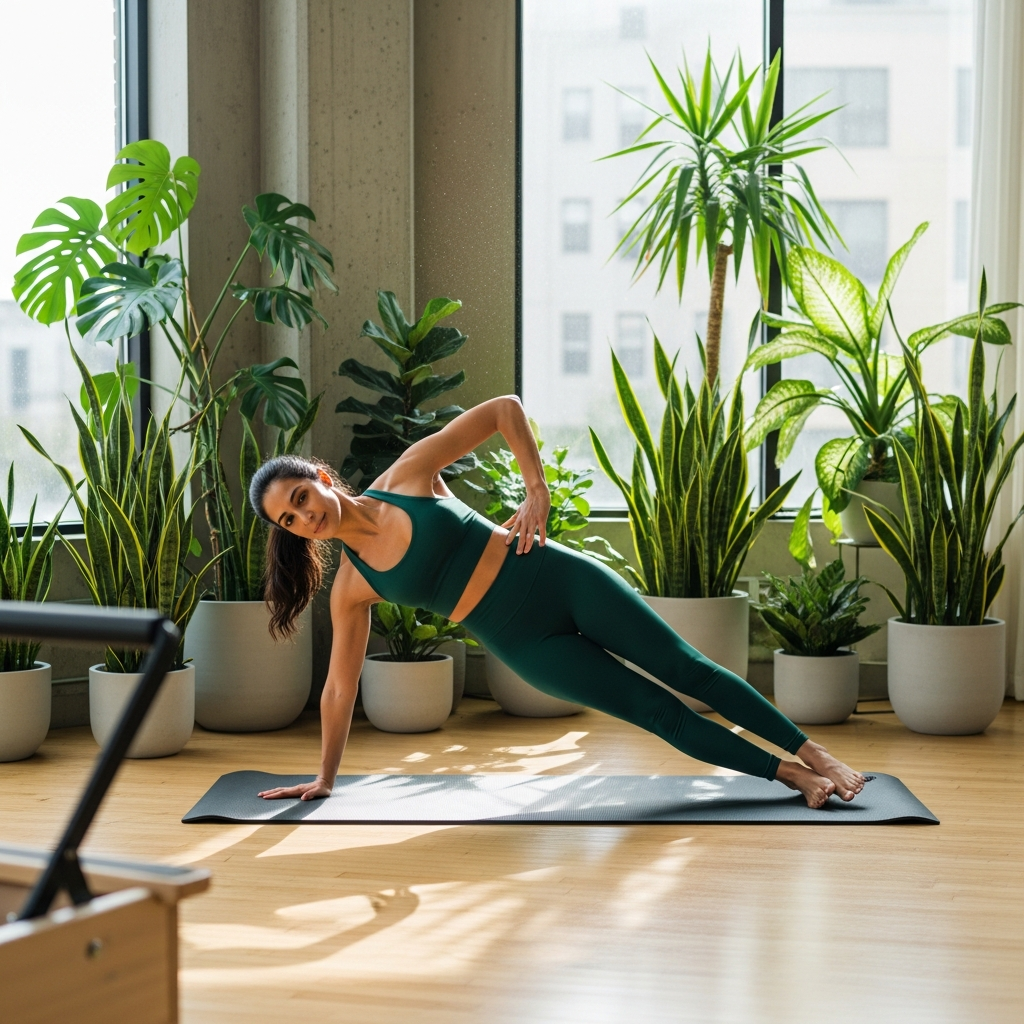
You know that feeling when you’re scrolling through fitness options online at 11 PM, probably in your pajamas, thinking “I really should start doing something about this whole getting-in-shape thing”? Your back’s been killing you from sitting hunched over your laptop all day, your jeans are doing that thing where they mysteriously shrink in the wash (we’ve all been there), and everyone keeps talking about how amazing Pilates is for… well, basically everything.
But then you start looking at local studios and suddenly you’re drowning in options. There’s the fancy place with the Instagram-perfect interior that probably costs more than your car payment. The community center class that meets at 6 AM (who are these people?). That boutique studio where everyone looks like they stepped out of a fitness magazine and you’re pretty sure you’d need a PhD in core engagement just to walk through the door.
And here’s where it gets really fun – you start second-guessing everything. Will you actually stick with it this time, or will this be like that gym membership that’s been auto-debiting your account for eight months while your workout clothes collect dust? Are you too out of shape to start Pilates? (Spoiler alert: you’re not.) Will people judge you for not knowing the difference between the reformer and that medieval torture device – sorry, the Cadillac?
Here’s what I’ve learned from working with countless people who’ve stood exactly where you’re standing right now: finding the right Pilates studio isn’t just about location or price or even how shiny their equipment is. It’s about finding a place where you feel comfortable enough to be a beginner, supported enough to keep showing up, and challenged enough to actually see results.
Because let’s be honest – you could have the world’s most qualified instructor and state-of-the-art reformers, but if you feel intimidated or out of place every time you walk through those doors, you’re not going to stick with it. And if you’re not consistent with it, well… you know how that story ends.
The good news? Arlington’s got some seriously great Pilates options – from cozy neighborhood studios where the instructor remembers your name and your hip issues, to larger facilities with tons of class variety and flexible scheduling. The trick is figuring out which one matches your personality, your goals, and yeah… your schedule and budget too.
Maybe you’re the type who thrives in small, intimate settings where you get lots of individual attention. Or perhaps you prefer the energy of larger classes where you can blend in a bit while you’re learning the ropes. Some people love the precision and challenge of reformer work right from the start, while others need to build confidence with mat classes first. And then there’s the whole timing thing – are you a crack-of-dawn warrior or more of an evening unwind-from-the-day person?
I’ve seen people transform not just their bodies but their entire relationship with movement when they find their Pilates sweet spot. Your friend Sarah who suddenly has amazing posture and keeps talking about her “deep core strength”? She probably found a place where everything just clicked – the instructor’s teaching style, the class format, the studio vibe, even the other students.
The thing is, what works for Sarah might not work for you, and that’s perfectly fine. Actually, it’s more than fine – it’s exactly how it should be. Your Pilates journey (sorry, I know that word gets overused, but it really is a process) should feel like it fits your life, not like you’re trying to squeeze yourself into someone else’s mold.
So whether you’re dealing with chronic back pain and need something therapeutic, looking to complement your running or tennis game, or just want to feel stronger and more confident in your own skin, there’s definitely a Pilates option in Arlington that’ll work for you. The key is knowing what questions to ask, what to look for, and how to spot the red flags that signal a studio might not be your match.
Ready to stop scrolling through options and start actually visiting some studios? Let’s figure out exactly what you need to find your perfect Pilates fit right here in Arlington.
What Pilates Actually Is (And What It’s Not)
Look, I get it – when people first hear “Pilates,” they often picture fancy studios with intimidating equipment that looks like it belongs in a medieval dungeon. Or maybe you’re thinking it’s just stretching for people who drink green smoothies and wear $200 leggings.
Here’s the thing though… Pilates is actually much simpler than all that. Think of it as strength training’s more thoughtful cousin – the one who went to therapy and learned how to really listen to their body.
At its core, Pilates is about building strength from the inside out. Your “powerhouse” – that’s Pilates-speak for your deep core muscles, the ones that wrap around your middle like a natural corset – becomes the foundation for everything else. It’s not about getting a six-pack (though that might happen). It’s about creating a stable center so the rest of your body can move better.
The Mind-Body Thing (Yes, It’s Real)
Now, I know “mind-body connection” sounds a bit… woo-woo. Trust me, I was skeptical too. But here’s what I’ve learned after years of working with people who’ve tried everything – your brain and your muscles need to be on speaking terms.
When you’re doing Pilates, you can’t just zone out and think about your grocery list. Every movement requires focus, breath control, and precision. It’s like learning to drive a manual transmission after years of automatic – suddenly you’re aware of every shift, every adjustment.
This focus actually rewires how your nervous system communicates with your muscles. That chronic back pain you’ve been dealing with? Sometimes it’s not just weak muscles – it’s muscles that have forgotten how to work together properly.
Mat vs. Equipment: The Great Divide
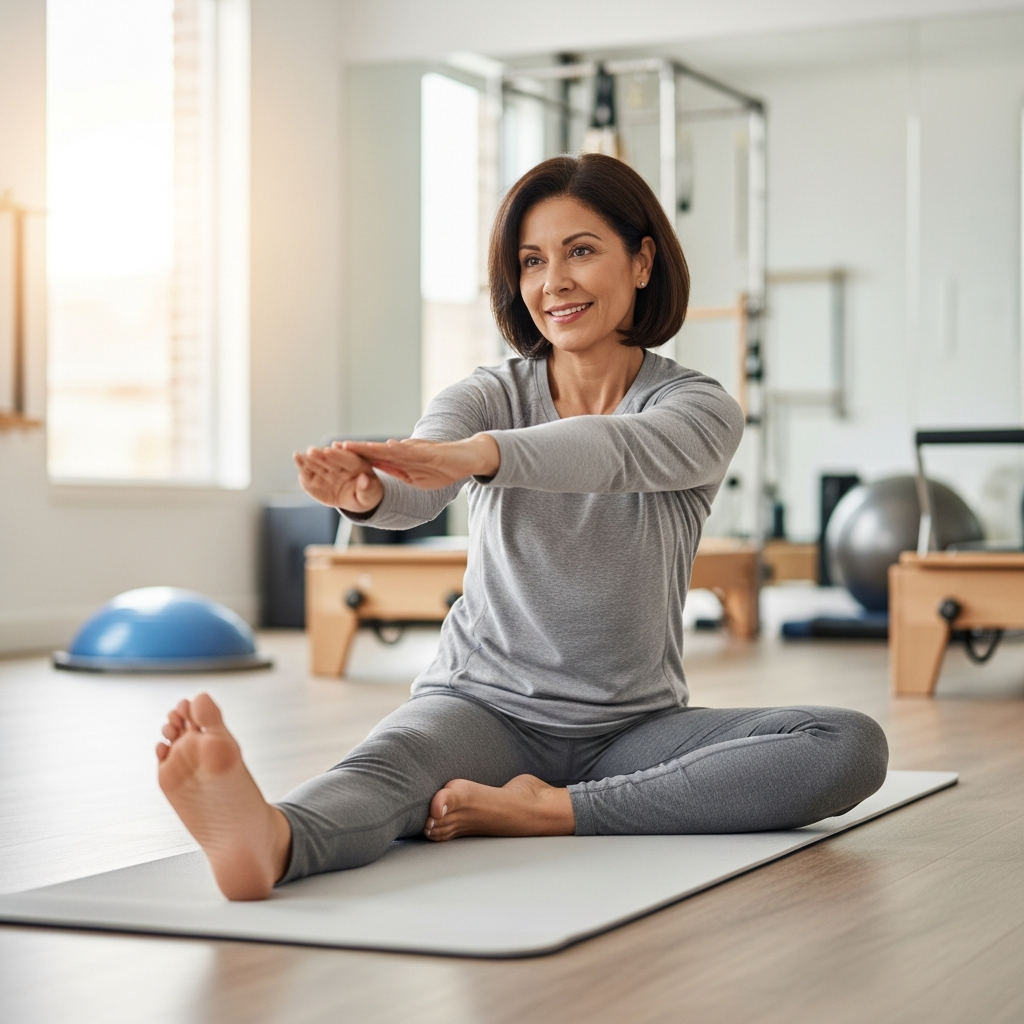
Here’s where things get interesting – and honestly, a bit confusing for newcomers. Pilates comes in two main flavors: mat work and equipment-based.
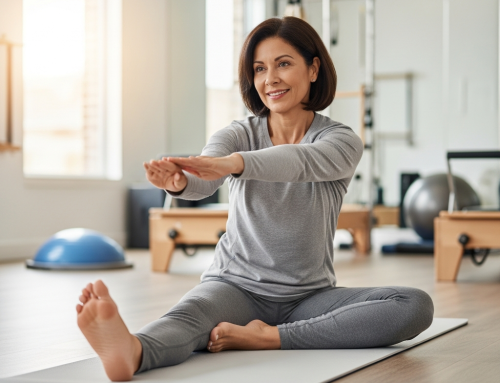
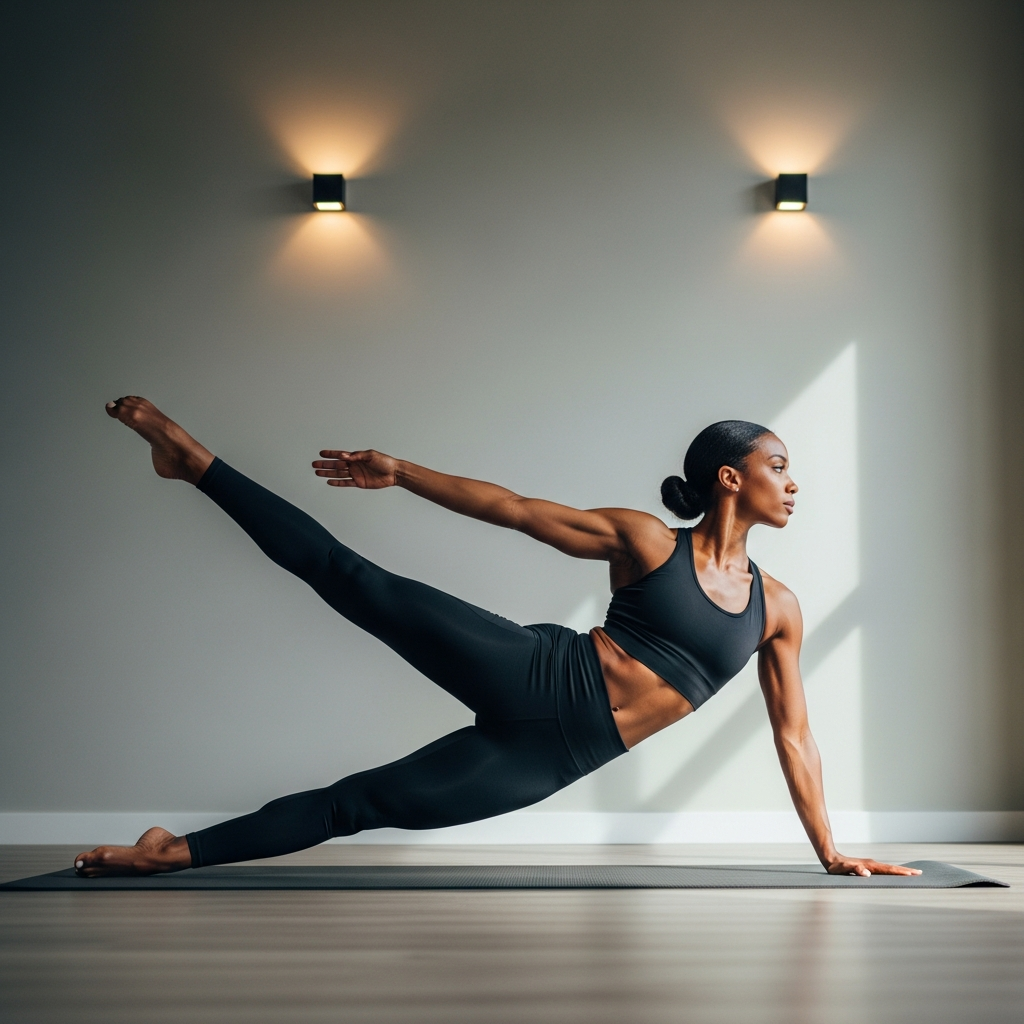
Mat Pilates is what most people start with. You’re working against gravity and your own body weight on a… well, a mat. Don’t let the simplicity fool you though. Some of the most challenging exercises I know happen on that innocent-looking rectangle of foam.
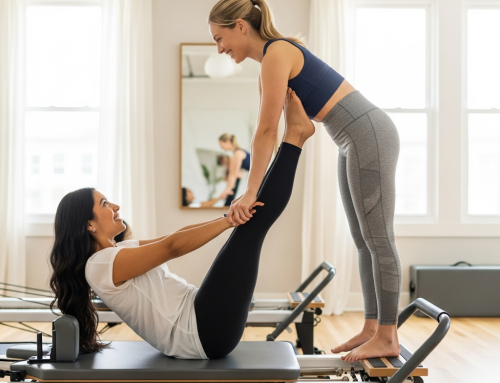
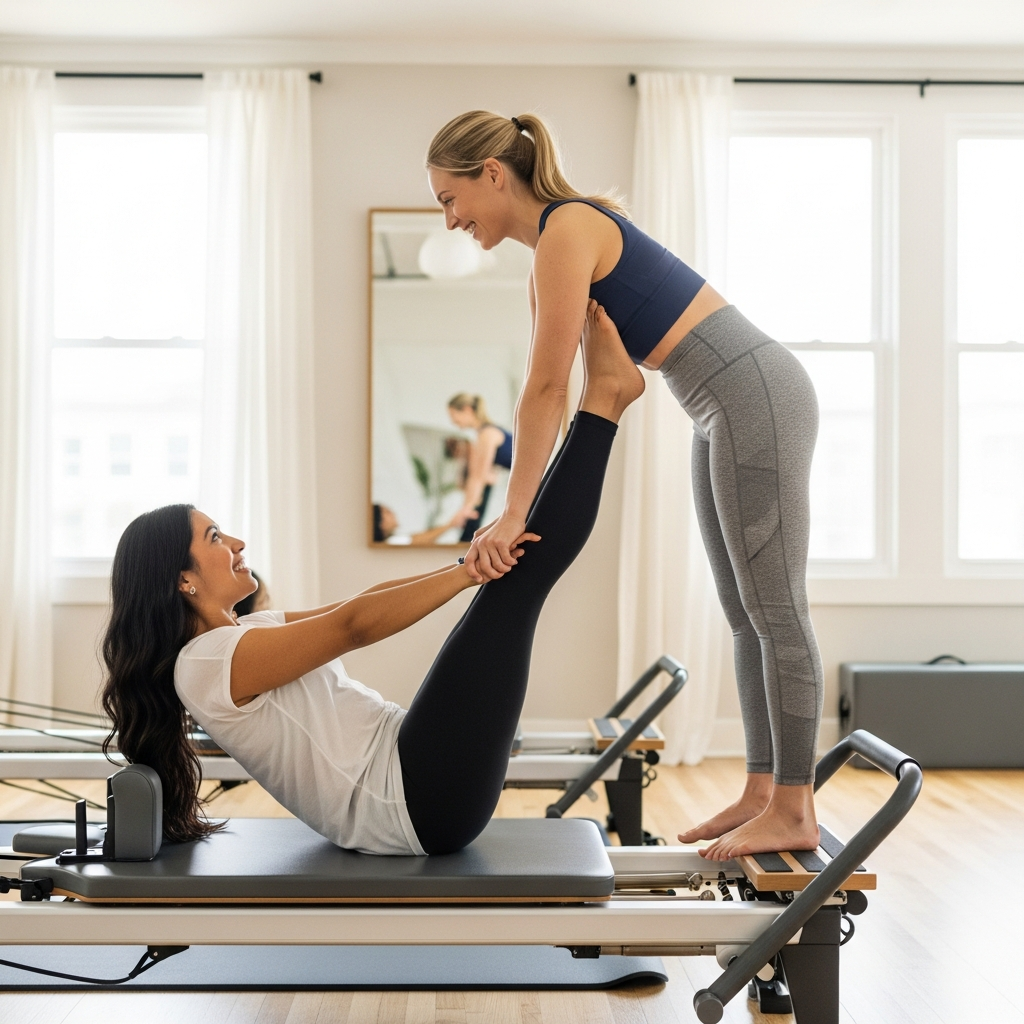
Equipment Pilates uses machines like the Reformer (that intimidating-looking contraption with springs and pulleys). But here’s the counterintuitive part – the equipment often makes things easier, not harder. Those springs provide assistance and resistance in ways that can help you understand movement patterns better.
Think of it like learning to swim with a kickboard versus jumping into the deep end. Neither is better or worse – they just serve different purposes.
The Arlington Advantage
Living in Arlington gives you something pretty special when it comes to fitness options. We’ve got this interesting mix of serious athletes (hello, Pentagon crowd), busy professionals, and families trying to squeeze wellness into packed schedules.
This creates a unique Pilates ecosystem here. You’ll find everything from classical studios that stick religiously to Joseph Pilates’ original method to contemporary spaces that blend Pilates with yoga, barre, or even physical therapy principles.
Different Styles, Different Goals
Actually, that reminds me – not all Pilates is created equal. Classical Pilates follows the traditional sequence and exercises exactly as Joseph Pilates designed them back in the 1920s. It’s precise, challenging, and honestly… pretty intense.
Contemporary Pilates takes those foundational principles but adapts them based on what we’ve learned about anatomy and movement science. You might see modifications for injuries, variations for different body types, or fusion classes that incorporate other movement methods.
Neither approach is “wrong” – it’s more like choosing between following your grandmother’s recipe exactly as written versus adapting it for your dietary needs and taste preferences.
The Consistency Factor
Here’s something nobody talks about enough – Pilates is like learning a language. You wouldn’t expect to become fluent in French by taking one class a month, right? The magic happens in the consistency, in those small daily or weekly improvements that compound over time.
Your body starts remembering how to engage those deep stabilizing muscles automatically. You begin to notice your posture throughout the day. That nagging shoulder tension starts to ease because you’ve retrained how you hold yourself.
But finding the right studio, the right instructor, the right schedule – that’s where location becomes crucial. Because the best Pilates program is the one you’ll actually stick with.
What to Look for During Your First Visit
You know that feeling when you walk into a place and it just… clicks? Trust that instinct when you’re checking out Pilates studios. But beyond gut feelings, there are some real telltale signs to watch for.
First off – cleanliness matters more than fancy equipment. I’d rather see older reformers that are spotless than brand-new machines covered in dust (yes, I’ve seen this). Check the springs and straps during your trial class. Do they feel smooth? Are the carriage wheels rolling properly? A well-maintained studio tells you everything about how they treat their clients.
Watch how instructors interact with students. Are they just counting reps, or are they actually watching form and offering modifications? The best instructors have this ability to see what your body’s doing before you even realize you’re compensating. They’ll catch that shoulder hiking up or notice when you’re gripping too hard with your feet.
The Real Deal About Class Sizes
Here’s something most studios won’t tell you upfront – class size makes or breaks your experience, especially when you’re starting out. I’ve seen studios pack 15 people into reformer classes that should max out at 8. You’ll spend half the time waiting for equipment and the other half feeling invisible.
For mat classes, anything over 12 students is pushing it unless there’s an assistant instructor. Equipment classes? Six to eight people max. Don’t be afraid to ask about typical class sizes – and if they dodge the question… well, that’s your answer right there.
Actually, here’s a insider tip: try classes at different times. That 9 AM Tuesday class might have 6 people while the 6 PM Thursday session is packed like sardines. Studios often won’t mention this during tours, but it’s worth asking about their busiest and quietest times.
Reading Between the Lines of Pricing
Pilates pricing in Arlington can feel like trying to decode ancient hieroglyphics. Studios love their complicated package deals and “founding member” discounts that expire in 48 hours. Here’s how to cut through the noise…
Look at the actual cost per class, not just the package price. That “$200 for 10 classes” deal might sound great until you realize they expire in two months and you can only book one week ahead. Meanwhile, the studio charging $35 per drop-in class with no expiration might actually be cheaper in the long run.
Ask about hidden fees. Some places charge equipment rental (seriously), cancellation fees that would make airlines blush, or “processing fees” for everything. One studio I know charges extra if you want to put your membership on hold – even for medical reasons.
And here’s something they definitely won’t advertise: most studios will negotiate if you ask. Especially newer places trying to build membership. The worst they can say is no, but I’ve seen people talk their way into better rates just by being honest about their budget.
Making Sense of Different Teaching Styles
Every instructor brings their own flavor to Pilates, and finding your match is like dating – sometimes you just know it’s not going to work after five minutes.
Some instructors are drill sergeants (which honestly, some people love). Others are more nurturing and modification-focused. Then there are the anatomy nerds who’ll explain exactly which muscles you’re working and why. Figure out what motivates you before you commit to packages.
Watch for instructors who demonstrate modifications without making you feel broken. The good ones will show you three different ways to do an exercise and help you find the version that works for your body today. Not yesterday’s body, not next month’s goal body – today’s.
Questions That Separate Great Studios from Mediocre Ones
Before you sign anything, ask these specific questions
Can you freeze your membership for medical reasons without penalty? Life happens, and good studios understand this.
What’s their policy on switching class times? Some places are flexible, others make you feel like you’re asking for a kidney.
Do they offer private sessions with the same instructors who teach group classes? This matters if you want consistency in your training approach.
How often do they clean equipment? Daily should be the minimum, between classes is the gold standard.
The studios worth your time will answer these questions eagerly. The ones that hedge or redirect? Keep looking. Trust me, there are plenty of options in Arlington – you don’t need to settle for a place that makes you feel like you’re bothering them with reasonable questions.
When Your Body Feels Like It’s Fighting You
Let’s be honest – those first few Pilates classes can feel like you’re speaking a foreign language with your body. Your instructor’s saying something about “engaging your powerhouse” while you’re just trying not to fall off the reformer. It’s totally normal, and frankly, most people quit right here.
The thing is, Pilates asks your body to move in ways it probably hasn’t moved since… well, maybe ever. You’re lying there thinking, “Wait, I need to breathe AND lift my leg AND keep my shoulders down?” Meanwhile, the person next to you looks like they’re floating through liquid grace.
Here’s what actually helps: give yourself three months. Not three classes, three months. Your nervous system needs time to build those movement patterns. Also? Ask your instructor to show you modifications during your first few sessions. A good teacher will appreciate that you’re being smart about your limits rather than pretending you’re already flexible.
The Scheduling Nightmare (And Why Apps Aren’t Always Your Friend)
Arlington studios fill up fast – especially those evening slots everyone wants. You’ll find yourself trying to book a Tuesday 6 PM class on Monday night, only to discover there’s a waitlist longer than the line at Trader Joe’s.
Most studios have their own booking systems, and honestly? Some of them feel like they were designed in 2003. You might find yourself wrestling with an app that crashes every time you try to cancel a class (which, by the way, needs to happen at least 12 hours ahead or you’re getting charged).
The solution isn’t pretty, but it works: book a week ahead, minimum. Set a recurring calendar reminder for Sunday nights to grab your spots for the following week. And here’s something studios won’t tell you – if you’re consistently waitlisted for a popular time, call them directly. Sometimes they can move things around or let you know when someone’s planning to drop their regular spot.
The Money Talk Nobody Wants to Have
Pilates isn’t cheap. A single class in Arlington runs anywhere from $25-40, and those intro packages? They expire faster than avocados. Before you know it, you’re looking at $200+ monthly just to move your body in ways that sometimes make you question your life choices.
But here’s what’s really frustrating – studios often push unlimited packages when you might only realistically go twice a week. That unlimited deal starts looking less appealing when you calculate you’re paying $35 per class anyway.
Smart approach: start with a small package – maybe 5 or 10 classes – and track how often you actually go. Be honest about your schedule, not optimistic. If you’re consistently using your classes, then consider bigger packages. Also, many Arlington studios offer community classes or donation-based sessions that aren’t heavily advertised. Ask at the front desk.
Finding “Your People” When Everyone Seems to Know Each Other
Walking into an established studio can feel like crashing someone else’s high school reunion. There’s Sarah who’s been coming for five years, chatting with Jennifer about their weekend plans, while you’re standing there wondering if you brought the right mat.
This social dynamic trips up more people than any physical challenge. You might feel like you need to be part of the “in crowd” to belong, but actually… you don’t. You just need to show up consistently.
The regulars aren’t trying to exclude you – they’re just comfortable in their routine. Give it six weeks of consistent attendance, and you’ll start recognizing faces. Smile, make small talk before class, stay a few minutes after to chat. It’s not rocket science, but it does take time.
When Your Body Has Opinions About Your Ambitions
Maybe you’ve got a cranky lower back, or your knees aren’t thrilled about certain positions. Perhaps you’re dealing with an old shoulder injury that flares up whenever you attempt anything overhead. This stuff matters, and pretending it doesn’t will only set you back.
Good instructors will work with you, but you need to speak up. Don’t suffer through pain hoping it’ll magically resolve. Before your first class, mention any concerns or limitations. During class, if something doesn’t feel right, modify or skip it entirely.
Arlington has several studios with instructors who specialize in working with injuries or physical limitations. It might be worth seeking these out rather than trying to fit a square peg into a round hole at a more general studio.
Setting Realistic Expectations – Let’s Be Honest Here
Look, I’m going to level with you about Pilates because nobody needs another “transform your life in 30 days” story. The truth? You’ll probably feel pretty good after your first class – maybe a bit wobbly, definitely worked out, possibly surprised at how challenging those “simple” movements actually are.
But real changes? That’s going to take some time.
Most people start noticing improved posture and core stability after about 4-6 weeks of consistent practice (we’re talking twice a week, not sporadically when you remember). Your clothes might fit a bit differently around the 8-week mark, and by month three… well, that’s when people usually text me saying “I finally get what all the fuss is about.”
Here’s what’s completely normal in those first few weeks: feeling uncoordinated, wondering if the instructor is speaking another language when they say “activate your powerhouse,” and yes – being sore in muscles you forgot you had. One client recently told me she discovered muscles between her ribs she never knew existed. Welcome to Pilates!
What Those First Few Sessions Will Really Look Like
Your Arlington studio will probably start you with an assessment or beginner-focused class. Don’t expect to flow gracefully through movements like those Instagram videos you’ve been watching. Actually, scratch that – definitely don’t compare yourself to social media Pilates. That’s like comparing your rough draft to someone else’s published novel.
Most instructors worth their salt will spend time explaining the fundamentals: breathing (harder than it sounds), neutral spine (not as boring as it sounds), and how to engage your core without holding your breath like you’re about to lift a car. You might spend a good chunk of that first class just learning how to lie down properly. Seriously.
The equipment – whether it’s a reformer with all those springs and pulleys, or just a mat on the floor – will feel foreign at first. That’s completely normal. I’ve watched former athletes struggle with basic movements because Pilates requires such precise control. It’s not about power; it’s about precision.
Building Your Routine (And Actually Sticking to It)
Here’s where most people trip up – they either go all-in with daily sessions and burn out within a month, or they schedule one class “when they can fit it in” and wonder why nothing changes.
Two to three times per week is the sweet spot for most people. Less than that and you’ll spend each session re-learning what you did last time. More than that… well, unless you’re training for something specific, you might be overdoing it.
Block out specific times in your calendar and treat them like important appointments. Because honestly? They are. Your back pain, stress levels, and general sense of feeling strong in your body are pretty important appointments to keep.
Working With Your Arlington Instructor
Good instructors will modify everything for your body and experience level. Great instructors will also check in about your goals and any physical limitations. Don’t suffer in silence if something doesn’t feel right – there’s usually another way to approach every movement.
That said… some discomfort is normal. The trembling in your legs during a plank variation? That’s your muscles working. The burning sensation in your core during the hundred? Par for the course. Sharp pain or anything that doesn’t feel right? Speak up immediately.
When to Expect Real Progress
Month one: You’ll start understanding the basics and feeling more stable. Months two to three: Movements become more fluid, and you’ll notice improved posture in daily life. Months four to six: This is where the magic happens – strength, flexibility, and that elusive mind-body connection really start clicking.
But here’s the thing about Pilates – it’s not just about the physical changes. Somewhere around week six, you might notice you’re sleeping better, handling stress differently, or just feeling more… grounded. It’s subtle, but it’s real.
Moving Forward in Your Practice
As you get comfortable with the basics, you might want to explore different class styles or instructors. Each teacher brings something unique to the table, and your body will benefit from variety.
Consider mixing mat classes with equipment sessions if your budget allows. Private sessions can be incredibly valuable for refining your technique, especially if you have specific goals or limitations.
Most importantly? Give yourself permission to be a beginner. We all started somewhere, even your instructor who seems to defy gravity during demonstrations. Your Pilates practice is yours – not your neighbor’s, not the person on the reformer next to you. Trust the process, show up consistently, and let your body surprise you with what it can do.
You know what? Finding the right Pilates studio really isn’t that different from finding the right doctor or therapist – it’s all about that feeling when you walk through the door. Does the instructor actually see you? Do they adjust their cues when something isn’t clicking? Are you leaving each session feeling stronger… or just sore?
Here’s the thing about Pilates (and honestly, this applies to any wellness practice) – consistency beats perfection every single time. That fancy studio with the top-of-the-line equipment means nothing if it’s so far from your house that you talk yourself out of going. The instructor with impressive credentials doesn’t matter if their teaching style makes you feel self-conscious or confused.
What does matter? Finding a place where you actually want to show up. Where the drive isn’t a burden, where the atmosphere feels right, where you leave feeling accomplished rather than defeated. Maybe that’s the small studio tucked behind the coffee shop with the instructor who remembers your name and asks about your lower back. Or perhaps it’s the larger facility with multiple class times that actually fit your chaotic schedule.
I’ve seen too many people get caught up in the “perfect” choice – spending weeks researching, reading reviews, comparing prices until they’re paralyzed by options. Meanwhile, their body is still dealing with that nagging hip pain or poor posture that brought them to Pilates in the first place. Sometimes good enough really is good enough, especially when the alternative is doing nothing at all.
The beautiful thing about Arlington’s Pilates scene is that you’ve got options without being overwhelmed. Most studios offer trial classes or intro packages, which means you can actually test-drive a few places without breaking the bank. Trust your gut during those first sessions – your body will tell you what feels right.
And here’s something I wish more people understood about starting any new fitness routine… your body is incredibly adaptable, but it needs time. That first class might feel awkward. Your second might be frustrating because you’re comparing yourself to the person next to you who’s clearly been doing this for years. By your fifth or sixth session, though? Things start clicking. Movement patterns become more natural. You begin to understand what your instructor means when they say “engage your core” (because let’s be honest, that phrase is pretty abstract at first).
If you’re reading this and feeling a bit stuck – maybe you’ve been thinking about Pilates for months but haven’t taken that first step – I get it. Starting something new, especially when it involves your body and potentially feeling vulnerable, takes courage. But here’s what I know from working with hundreds of people on their wellness journeys: the hardest part really is just beginning.
Your body deserves movement that feels good and supports your daily life. You deserve to feel strong and confident in your own skin. If Pilates might be part of that picture for you, don’t let perfect be the enemy of good enough.
Ready to explore how movement and wellness can support your goals? We’d love to chat about what might work best for your unique situation and lifestyle. Sometimes having a conversation with someone who understands both the physical and emotional sides of wellness can make all the difference in taking that next step.