The Dynamic Duo: Unveiling the Difference Between Reformer Pilates and Mat Pilates
Opening Hook:
Ever wondered what the difference is between a Reformer Pilates class and a Mat Pilates session? Here’s your chance to dive deep into the world of Pilates and get all your queries answered.
Introduction:
Are you intrigued by the world of Pilates and the numerous benefits it promises but find yourself baffled by the different classes available? You’re not alone! Many people are confused about the difference between Reformer Pilates and Mat Pilates, especially if they’re new to this fitness realm.
In the world of fitness, Pilates has carved out a niche for itself, not just as an exercise form, but a holistic approach to overall well-being. It’s a physical fitness system developed in the early 20th century by Joseph Pilates, hence the name. This fitness regimen is praised for its ability to improve flexibility, build strength and develop control and endurance in the entire body.
The two most common forms of Pilates are mat-based Pilates and reformer Pilates. While they both focus on the same fundamental principles, their approach to achieving these goals varies significantly due to the equipment used. Choosing between these two can be a daunting task, especially if you aren’t sure what each involves.
This comprehensive guide aims to demystify these two types of Pilates and help you understand what sets them apart. We will delve into the basics of both mat and reformer Pilates, discuss their unique benefits, and explore how different they are from each other.
Why This Matters:
Understanding the distinction between reformer and mat Pilates is crucial for anyone considering incorporating this fitness regimen into their lifestyle. It’s about understanding that while they emerge from the same principles, they offer different experiences, benefits, and challenges.
Whether you’re a fitness enthusiast looking to challenge yourself, a beginner trying to kickstart your fitness journey, or a seasoned athlete seeking to enhance your performance, knowing the difference between these two types of Pilates will help you make an informed decision. This knowledge will enable you to choose the right Pilates class that aligns with your fitness goals and preferences, ensuring you get the most out of your workout.
In this article, we will cover the following areas
1. What is Mat Pilates? – A detailed overview of mat Pilates, its principles, benefits, and what a typical class looks like. 2. What is Reformer Pilates? – A comprehensive explanation of reformer Pilates, its unique features, benefits, and what to expect in a session. 3. The Key Differences – An in-depth comparison between mat and reformer Pilates, highlighting the significant differences in terms of equipment, intensity, versatility, cost, and suitability for different fitness levels. 4. Choosing the Right Class for You – Tips and considerations to help you decide which type of Pilates is best suited for your specific fitness goals and needs.
By the end of this article, you should have a clear understanding of both types of Pilates and be able to make an informed choice that aligns with your lifestyle and fitness objectives. So let’s dive straight into the captivating world of mat and reformer Pilates!
How is Reformer Pilates Different from Pilates?
Introduction
Pilates, a series of controlled movements and mat exercises named after their creator, Joseph Pilates, is designed to build your strength, flexibility, and endurance — all of which make you look and feel better. It focuses on your core strength to improve the general fitness and wellbeing. Reformer Pilates, on the other hand, is a derivative of pilates that enhances traditional mat pilates principles and takes them to a whole new level with the use of the reformer machine.
Understanding Pilates
Joseph Pilates, a German physical trainer, invented the Pilates method during World War I with the intention to improve the rehabilitation program for the returning veterans. He believed that physical and mental health were closely connected and this holistic approach is a key component of Pilates.
The fundamental principles of pilates include control, concentration, centering, precision, breath, and flow. These principles train the body to move efficiently with minimal impact on the body. The balance between strength and flexibility creates a healthy, vigorous and symmetrical workout for all muscle groups resulting in a leaner, more balanced, and stronger
The Diverse World of Pilates: Mat Pilates vs. Reformer Pilates
Pilates is a physical fitness system that was developed in the early 20th century by Joseph Pilates. It focuses on improving flexibility, strength, body awareness, and overall wellness without necessarily building bulk. The system is practiced worldwide and has two primary forms; mat Pilates and reformer Pilates. Although they share the same core principles, the two forms are different in various ways. This article provides a comprehensive step-by-step guide on how mat Pilates differs from reformer Pilates.
Step 1: Understanding the Basics
Mat Pilates, as the name suggests, is performed on a mat, much like yoga. It primarily uses body weight as resistance and focuses on technique and correct movement patterns to improve strength, flexibility, and balance. On the other hand, reformer Pilates is performed on a specialized piece of equipment called a Pilates reformer. This machine has a flat platform which moves back and forth along a carriage. Resistance is provided by the individual’s body weight and the use of springs attached to both the carriage and the platform.
Step 2: Acknowledging the Equipment
The most noticeable difference between mat and reformer Pilates is the equipment used. Mat Pilates requires minimal equipment; a padded mat and occasionally small props like resistance bands or balls. Reformer Pilates, however, takes place on a reformer machine which comes with its own set of accessories like straps for hands and feet, a footbar, and adjustable springs to regulate tension and resistance.
Step 3: Grasping the Techniques
Mat Pilates is an excellent way to learn the fundamentals of Pilates, focusing on core strength, body control, precision, and flow. Exercises such as the hundred, roll-up, and leg circles are performed in a controlled manner to engage specific muscle groups.
Reformer Pilates, conversely, offers a more dynamic workout. The reformer machine allows for a wider range of exercises and movements. It also provides a more intense resistance training, making it suitable for individuals looking to progress in their Pilates journey.
Step 4: Identifying the Benefits
Both forms of Pilates offer various health benefits, including improved posture, muscle tone, balance, joint mobility, and stress reduction. However, the reformer can provide additional benefits due to its unique design. The adjustable resistance of the reformer machine allows for a more tailored workout, targeting specific muscle groups and increasing the challenge as you advance in your practice. It can also assist with rehabilitation, helping to strengthen weak areas and improve mobility.
Step 5: Determining Your Personal Needs
The choice between mat and reformer Pilates often comes down to personal preference and goals. If you’re new to Pilates, mat Pilates is a great starting point to learn the basics at a lower cost. It’s also an excellent option if you prefer exercising at home or on the go.
On the other hand, if you’re seeking a more challenging and varied workout, or if you have specific fitness or rehabilitation goals, reformer Pilates could be the best choice for you. Keep in mind that reformer classes are typically smaller and more expensive due to the cost of equipment and specialized training required by instructors.
In conclusion, while both mat and reformer Pilates promote strength, flexibility, and body awareness, they each offer unique benefits and challenges. Whether you choose mat or reformer Pilates, both forms provide an effective way to boost your physical fitness and overall wellness. The most important thing is to find an approach that suits your personal needs and preferences, ensuring that you enjoy your Pilates journey.
Differentiating Reformer Pilates from Mat Pilates: A Comprehensive Guide
Pilates, a holistic and transformative approach to fitness, has been gaining popularity worldwide due to its focus on body-mind coordination, flexibility, strength, and balance. However, a common question among fitness enthusiasts is: How is reformer Pilates different from mat Pilates? This article aims to dispel misconceptions and provide insights into these two Pilates modalities.
Firstly, it’s important to understand that both mat and reformer classes fall under the umbrella of Pilates. They both adhere to the six principles of Pilates: concentration, control, centering, flow, precision, and breathing. The main difference lies in the equipment used and the level of intensity in the movements.
Mat Pilates is usually performed on a padded mat with small props such as balls or resistance bands. It involves exercises that are primarily focused on using your body’s weight and gravity to provide resistance. Mat exercises are excellent for working on core stability and improving body alignment.
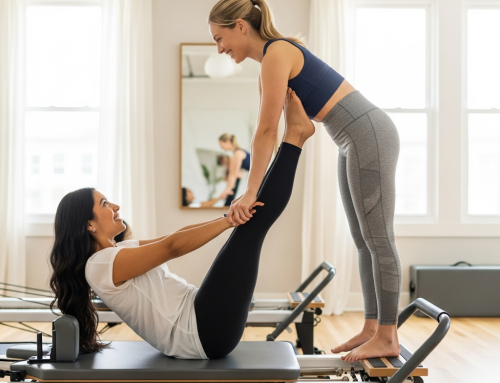
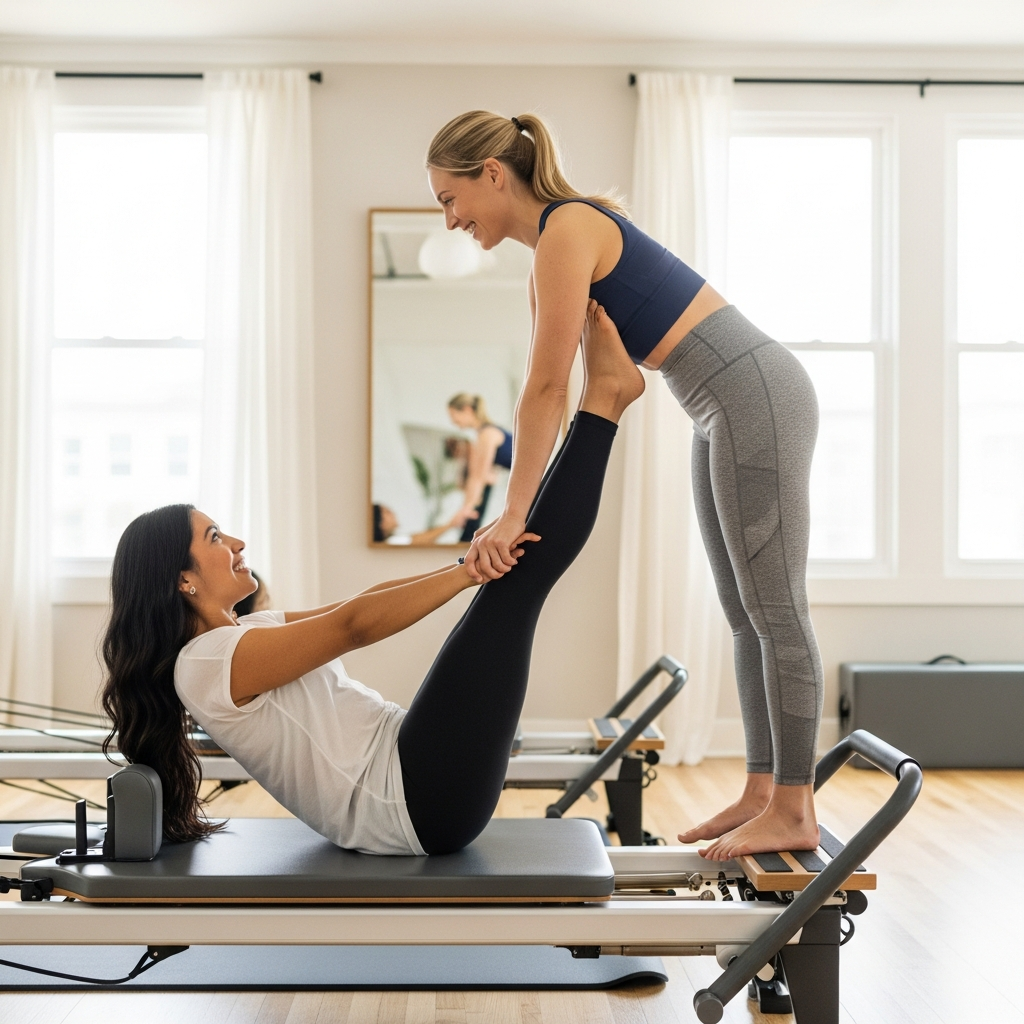
On the other hand, Reformer Pilates incorporates the use of a piece of equipment called a ‘reformer’. The reformer is a bed-like frame with a flat platform on it, called the carriage, which rolls back and forth on wheels. The carriage is attached to one end of the reformer by a set of springs which provide differing levels of resistance as the carriage is pushed or pulled along the frame.
Now, let’s address some common misconceptions and challenges related to these two forms of Pilates
1. Misconception: Reformer Pilates is more advanced than mat Pilates. Fact: Both forms can be adapted to suit beginners through to advanced practitioners. The level of difficulty depends more on the complexity of the exercises being performed than the equipment used.
2. Challenge: Mat exercises can be difficult for those with limited flexibility or joint problems. Solution: Reformer Pilates can be a great alternative as it provides support for the back and joints while still offering a challenging workout.
3. Misconception: You can’t build strength with mat Pilates. Fact: Mat Pilates can be equally effective in building strength, especially core strength, as it relies on body weight for resistance.
Here are some expert tips to help you get the most out of your Pilates practice, whether you’re on the mat or reformer
1. Find your focus: Pilates is all about control and precision. Pay close attention to your form and the muscles you’re engaging during each exercise.
2. Listen to your body: If a particular exercise doesn’t feel right, don’t force it. Pilates should challenge you, but not cause pain.
3. Start slow: Whether you’re new to Pilates or transitioning from mat to reformer, it’s important to start with basic exercises and gradually increase the intensity as your strength and flexibility improve.
4. Consistency is key: Like any form of exercise, consistency is key in Pilates. Regular practice will ensure steady improvement and progress.
5. Personalize your practice: Remember that Pilates is not a one-size-fits-all approach. Work with a certified instructor who can help tailor exercises to your personal fitness level and goals.
In conclusion, both mat and reformer Pilates offer unique benefits and challenges. The choice between the two often comes down to personal preference, fitness goals, and accessibility. While mat Pilates can be easily done at home with minimal equipment, reformer Pilates requires a more significant investment but can provide additional support and resistance for a varied workout. No matter which you choose, the principles of Pilates – strength, control, flexibility, and mindfulness – remain at its core.
The Different Worlds of Reformer Pilates and Mat Pilates
Pilates, as a physical fitness system, is a popular choice for many individuals seeking to improve their flexibility, strength, balance, and overall body awareness. This comprehensive system focuses on postural alignment, core strength, and muscle balance. While traditional mat Pilates is widely known, another derivative – reformer Pilates – has taken the fitness world by storm. While they both hail from the same origin, their execution, benefits, and results can differ greatly.
Reformer Pilates and Mat Pilates: The Distinct Differences
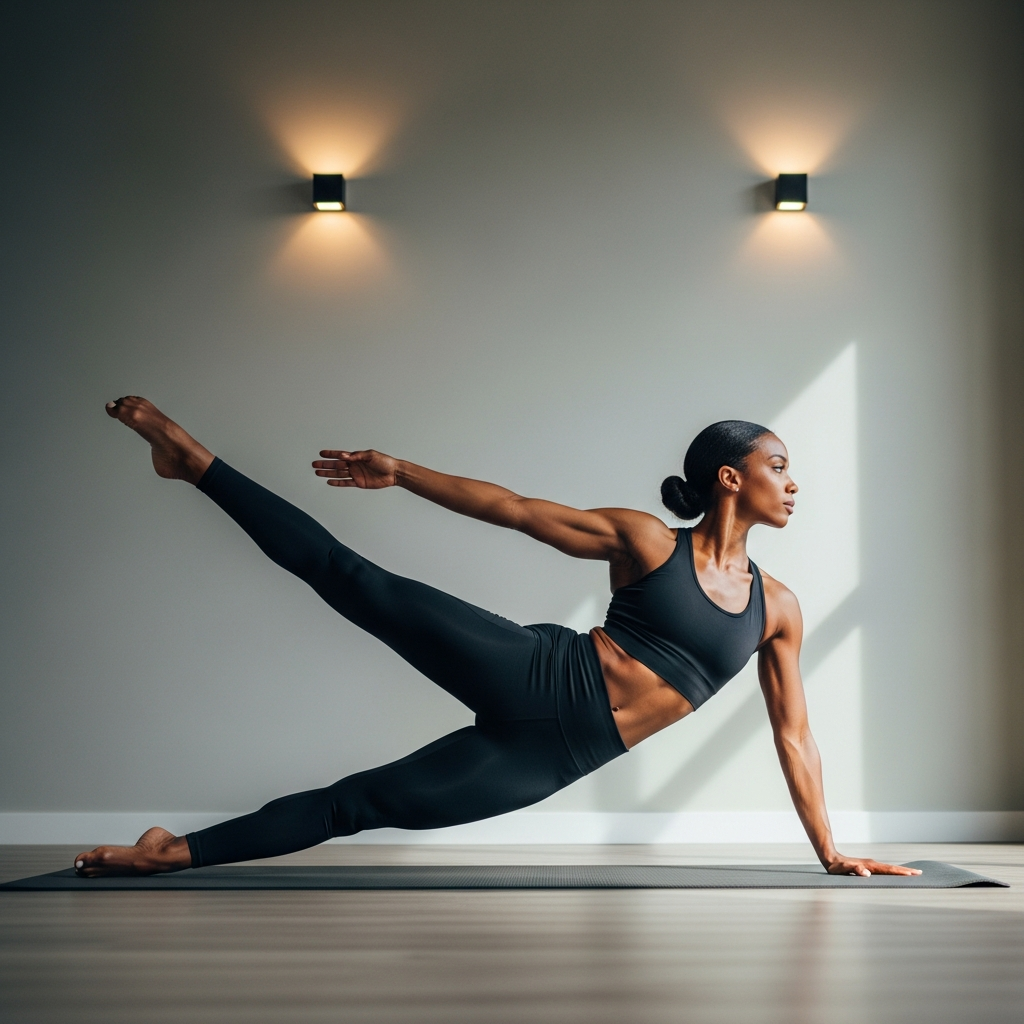
Mat Pilates is typically what comes to mind when people think of Pilates, focusing mainly on the core. It is performed on the floor using a yoga or Pilates mat. Classes are often larger in size and may incorporate small equipment such as resistance bands, magic circles, or small hand weights. Mat work relies significantly on your body weight for resistance and focuses on working the smaller muscle groups.
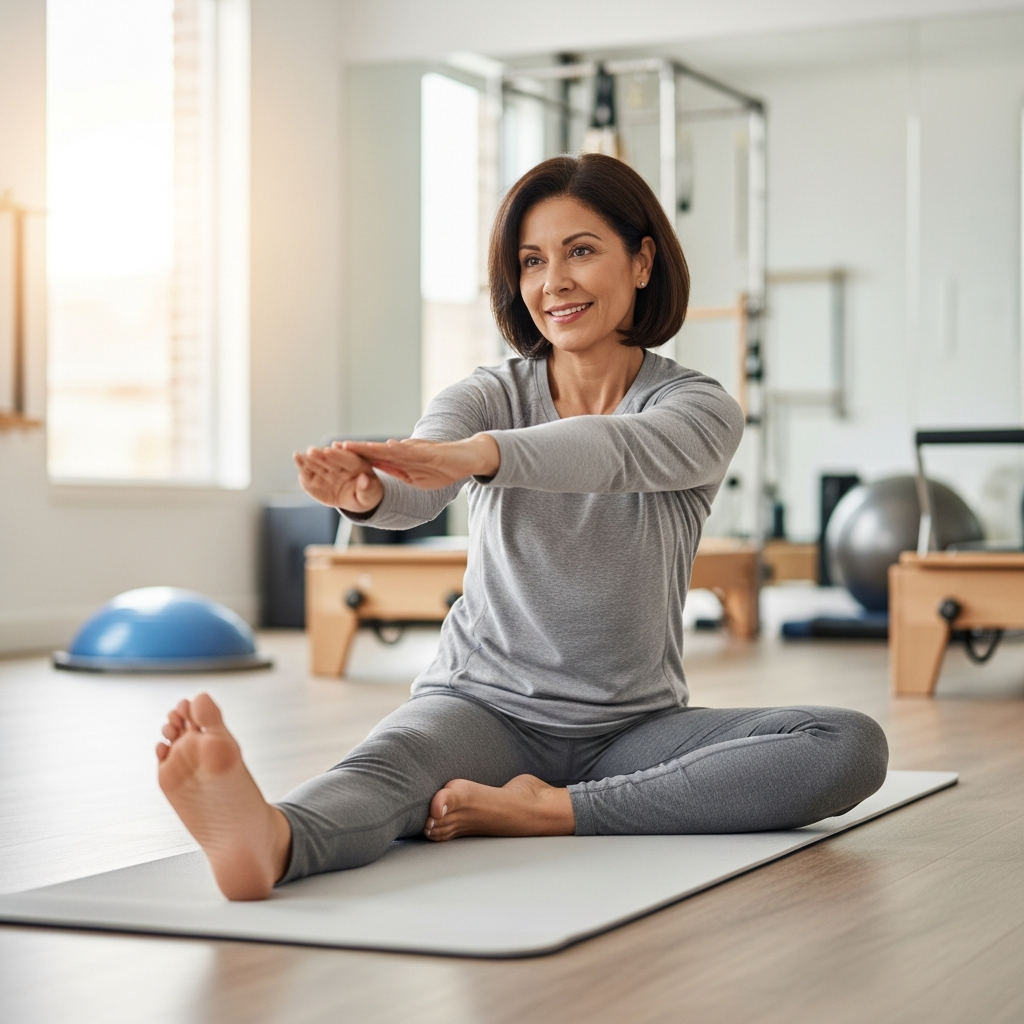
On the other hand, Reformer Pilates uses a specialized piece of equipment known as a ‘reformer’, invented by Joseph Pilates himself. The reformer is a bed-like frame with a flat platform (the carriage), which rolls back and forth on wheels within the frame. Springs provide choices of differing levels of resistance as the carriage is pushed or pulled along the frame. Straps with handles attached to the top of the frame provide additional exercise variations.
Reformer Pilates provides a more dynamic and intense workout than its mat counterpart. It’s designed to work the entire body, challenging strength and stability by incorporating more resistance via the springs and pulleys system. The reformer can accommodate a full range of motion, which is fantastic for increasing flexibility while building strength.
Timelines and Expectations
The timeline for seeing results from either form of Pilates largely depends on the individual’s frequency of practice, lifestyle factors, and specific fitness goals. Generally, with a consistent practice of 2-3 times per week, noticeable changes in body strength and tone, flexibility, balance, and sense of well-being can typically be observed within 3-4 weeks.
The key is consistency. It’s better to attend a Pilates class regularly – be it mat or reformer – than sporadically attend advanced sessions. Over time, you’ll notice an increase in core strength, improved postural awareness, and increased flexibility.
Which One is For You?
Whether mat Pilates or reformer Pilates is better for you depends on your individual needs and goals.
If you’re beginning your Pilates journey, mat Pilates can be a great way to familiarize yourself with the principles and basic exercises of this system. Mat work is also highly accessible since it requires little equipment and can be done virtually anywhere. It’s excellent for strengthening the core muscles and improving postural alignment.
On the other hand, if you’re looking to elevate your Pilates practice and enjoy a more intense, full-body workout, reformer Pilates might be your ideal choice. While more expensive due to specialized equipment and typically smaller class sizes, the reformer provides a comprehensive workout that enhances strength, flexibility, and balance.
Next Steps
Before diving into either mat or reformer Pilates, it’s wise to consult with a health professional, especially if you have any existing injuries or health conditions. Once you’ve got the green light, choose a reputable Pilates studio with certified instructors. Starting with a beginner’s class or private session can provide a solid foundation for your Pilates practice.
Remember to communicate with your instructor about any concerns or personal goals you have. They can help guide you to the exercises that will be most beneficial for you and ensure that you’re performing movements safely and effectively.
In conclusion, both mat and reformer Pilates offer unique benefits and can significantly contribute to your fitness and wellness journey. By understanding their differences and aligning with your personal goals, you can make an informed decision on which type suits you best.
In conclusion, the world of Pilates offers a wide range of exercises and techniques that cater to different fitness levels and goals. While both Mat Pilates and Reformer Pilates share the same core principles and founder, they vary significantly in execution, equipment, intensity, and benefits.
Reformer Pilates, named after the unique piece of equipment it employs, the reformer, provides a more structured workout than mat-based Pilates. It uses springs and pulleys to provide resistance, which can be adjusted according to the individual’s fitness level. This makes it more adaptable and suitable for a wider range of individuals, from beginners to athletes. The reformer also allows for a broader repertoire of exercises not possible on the mat, targeting different muscle groups and providing a full-body workout.
On the other hand, Mat Pilates relies primarily on bodyweight for resistance and focuses more on core strength, flexibility, and body awareness. While it might seem less intimidating to beginners, it actually requires a higher level of control and precision. However, its simplicity makes it more accessible as it can be done anywhere without the need for specialized equipment.
The choice between Reformer Pilates and Mat Pilates ultimately depends on your personal fitness goals, preferences, and resources. If you’re looking for a more challenging workout that can be customized to your needs, or if you’re recovering from an injury and need a low-impact exercise option, Reformer Pilates may be the way to go. Conversely, if you’re just starting out with Pilates or prefer a simpler, more meditative exercise routine that emphasizes body awareness and control, Mat Pilates might be more suitable for you.
However, it’s important to remember that these two forms of Pilates are not mutually exclusive. In fact, many practitioners find that incorporating both into their fitness regime allows them to enjoy the best of both worlds: the strength and flexibility gained from Mat Pilates and the versatility and intensity of Reformer Pilates.
At the end of the day, the most effective workout is the one that you enjoy and can commit to. Whether that’s Mat Pilates, Reformer Pilates, or a combination of both depends on you. We encourage you to experiment with both types and see which one resonates more with you.
If you’re still unsure about which form of Pilates is right for you, or if you have any questions about the differences between Mat Pilates and Reformer Pilates, don’t hesitate to reach out to us. Our team of experienced Pilates instructors would be more than happy to guide you and provide personalized advice based on your unique needs and goals.
Whether you are an absolute beginner or an experienced practitioner looking to enhance your Pilates journey, we are here to assist. Let us help you explore the wonderful world of Pilates and unlock its many benefits for your body and mind. Contact us today to schedule a consultation or sign up for a class. Experience the difference that personal attention and expert instruction can make in your Pilates practice.
Remember, moving well is not just about fitness, it’s about improving your quality of life. Start your journey towards better movement with us today.