Reformer Pilates vs. Pilates – Unraveling the Core Differences
Introduction:
Have you ever wondered if there’s more to Pilates than the typical mat exercises you’re familiar with? Or perhaps, you’ve heard about Reformer Pilates and now you’re curious about how it differs from traditional Pilates. Well, you’re in the right place! Today, we delve deep into the world of Pilates to explore the intriguing dynamics between Reformer Pilates and traditional mat Pilates.
Pilates, in its essence, is a mind-body workout that targets your core muscles while also exercising your entire body. It is a fitness system developed in the early 20th century by Joseph Pilates, hence the name. The main aim of Pilates is to improve flexibility, strength, balance, and body awareness without necessarily bulking up. It does this through a series of controlled movements and breathing techniques.
Now, this is where it gets interesting – while traditional Pilates mainly involves mat work, Reformer Pilates takes it up a notch. It introduces a piece of equipment called the Reformer into the mix. This specialized equipment looks like a bed frame with a flat platform that can slide back and forth on wheels within the frame. The platform is attached to springs that create varying levels of resistance as exercises are performed, adding an extra layer of challenge and effectiveness to your workout.
In this comprehensive guide, we will be juxtaposing Reformer Pilates against traditional mat Pilates. We’ll examine their similarities, differences, unique benefits, and what each method means for your fitness goals. We will also provide insights into which approach might be best suited for you depending on your personal goals, fitness level, and health status.
Why does this matter? Well, in an age where we are continually seeking ways to improve our health and fitness levels, understanding the different forms of exercise available to us becomes vital. With this knowledge, we can make informed decisions that align with our fitness goals and lifestyle. Pilates, both in its traditional and Reformer forms, offers unique benefits that can help enhance your overall wellbeing.
Moreover, as the world is slowly embracing a more holistic approach to health, Pilates stands out as a form of exercise that not only focuses on physical strength but also cultivates mental resilience. Therefore, understanding the differences between Reformer Pilates and traditional mat Pilates can help you decide which method will best serve your fitness journey.
Through this exploration, we will shine a light on the intricacies of Pilates, debunk some common myths, and hopefully inspire you to either continue or kickstart your Pilates journey with newfound knowledge. So, whether you’re a seasoned Pilates enthusiast or a curious beginner, fasten your seatbelts as we embark on this illuminating journey into the world of Pilates.
Intrigued? Great! Let’s dive in and unravel the core differences between Reformer Pilates and traditional mat Pilates. By the end of this guide, you’ll have a solid understanding of these two forms of Pilates and be able to choose the one that aligns best with your fitness aspirations.
The Fundamental Framework of Pilates: An Insight into Mat and Reformer Pilates
Understanding Pilates
Pilates is a low-impact exercise method that seeks to strengthen muscles while improving postural alignment and flexibility. Developed by Joseph Pilates in the 1920s, it focuses on core strength, body balance, and overall mindfulness. Pilates can be performed either on a mat or using a piece of equipment known as a reformer. This leads us to the intriguing question that many Pilates enthusiasts often find themselves asking: ‘What about Reformer Pilates vs Mat Pilates?’
Before delving into the differences between the two, a thorough understanding of the fundamental principles of Pilates is essential. There are six key principles that form the basis of all Pilates workouts
1. Centering: All exercises in Pilates originate from the core (center) of the body, often referred to as the ‘powerhouse’. It involves the abdomen, lower back, hips, and buttocks.
2. Concentration: Performing Pilates with full attention promotes the mind-body connection. It is essential to maintain complete focus on every movement to gain maximum benefits.
3. Control: Every movement in Pilates should be deliberate and controlled, preventing unnecessary strain on the body.
4. Precision: Precision is paramount in Pilates. Each exercise has a purpose and should be performed with meticulous attention to detail.
5. Breath: Proper breathing techniques are integral to Pilates. Breathing correctly helps activate muscles and maintain control during workouts.
6. Flow: Pilates exercises are performed in a flowing manner, with smooth transitions between movements.
Mat Pilates
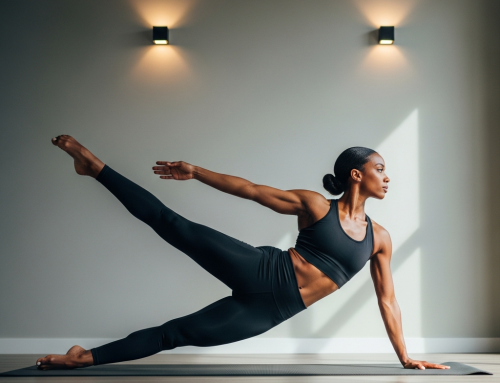
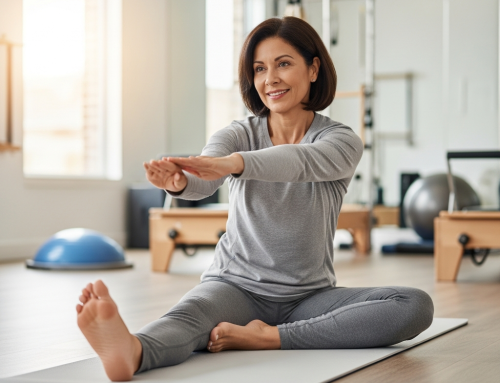
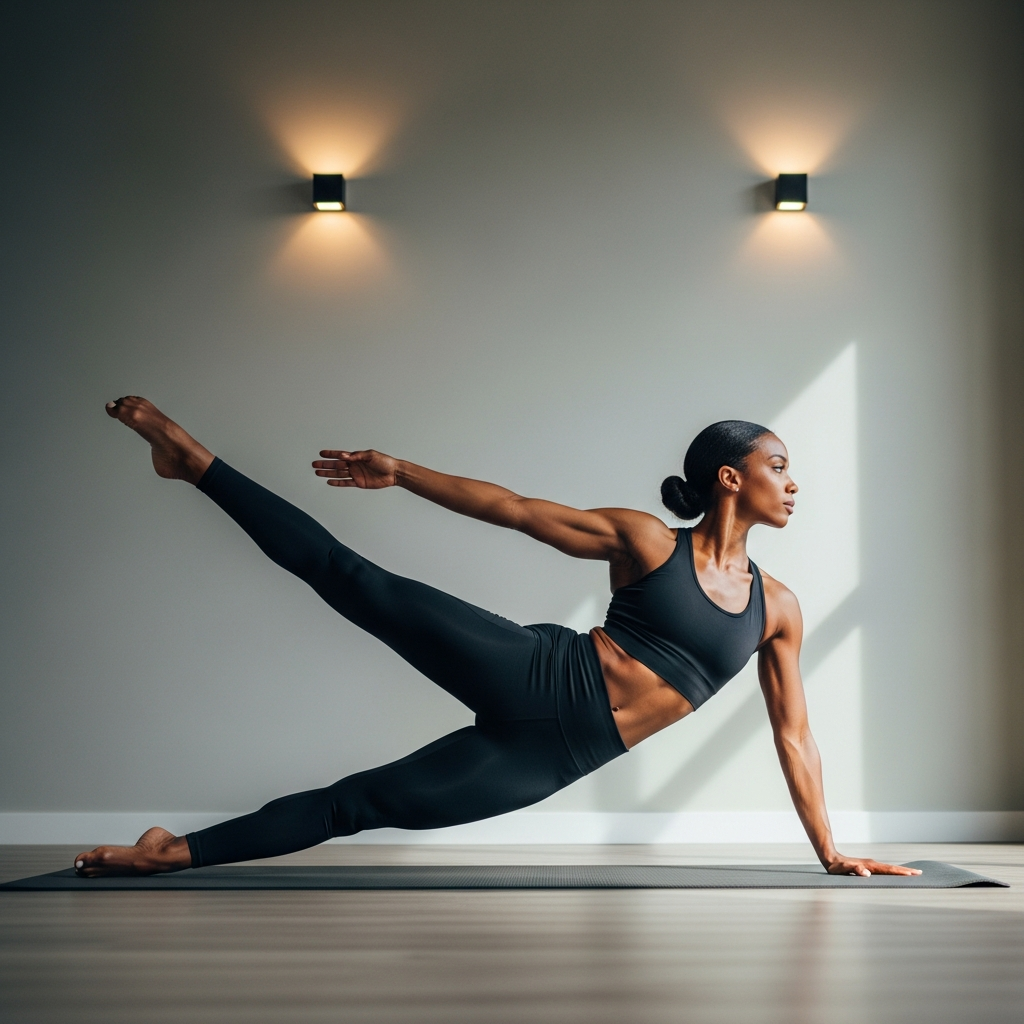
Mat Pilates is often the starting point for many beginners. It requires no equipment apart from a mat and utilizes bodyweight for resistance. This type of Pilates focuses on strengthening the core and improving flexibility, with exercises that target all muscle groups. Mat pilates is portable and can be done anywhere, making it an excellent option for those with a busy schedule or limited access to equipment.
While Mat Pilates can be modified to accommodate beginners, it can also be challenging for more advanced practitioners. Some exercises require a high degree of strength, flexibility, and balance. However, with regular practice, these can be mastered over time.
Reformer Pilates
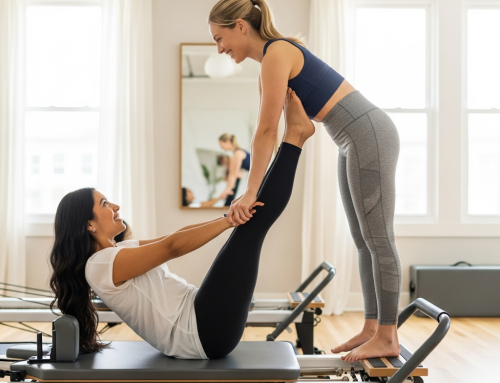
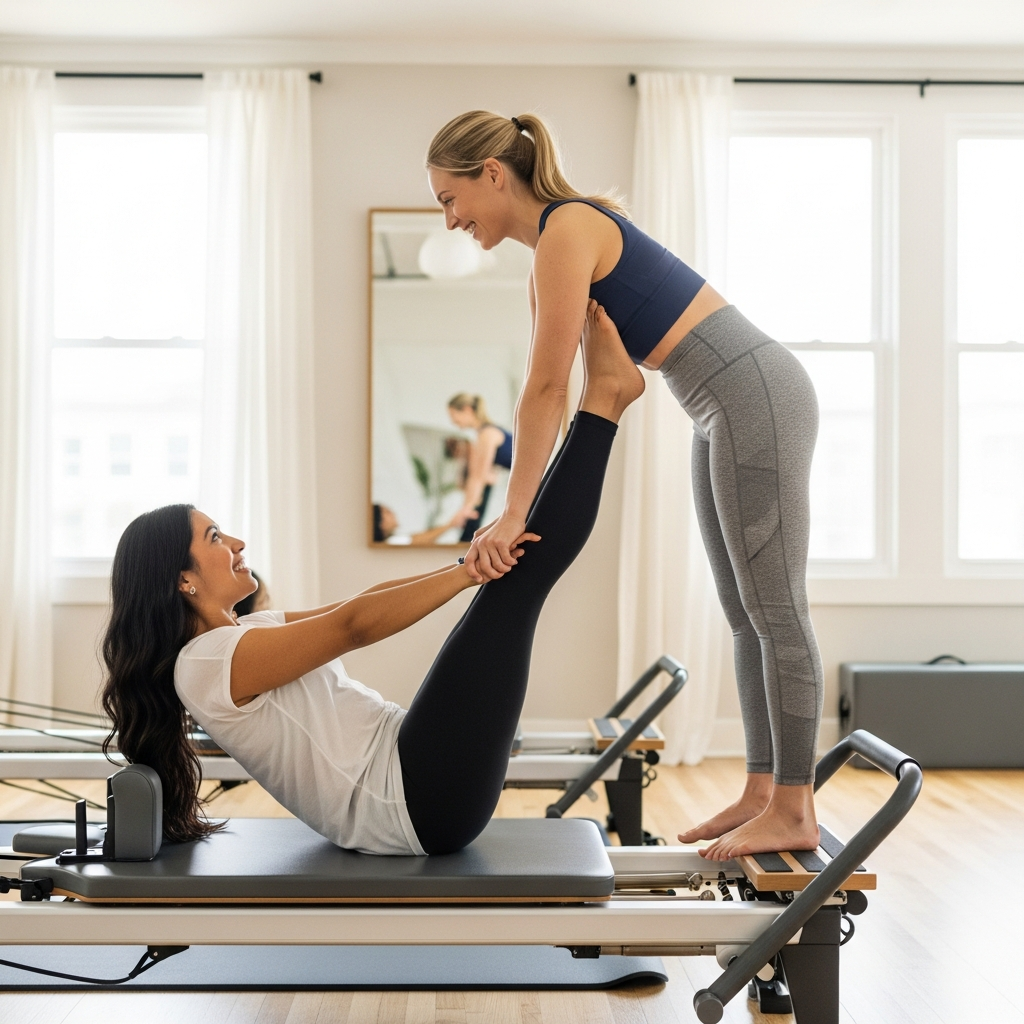
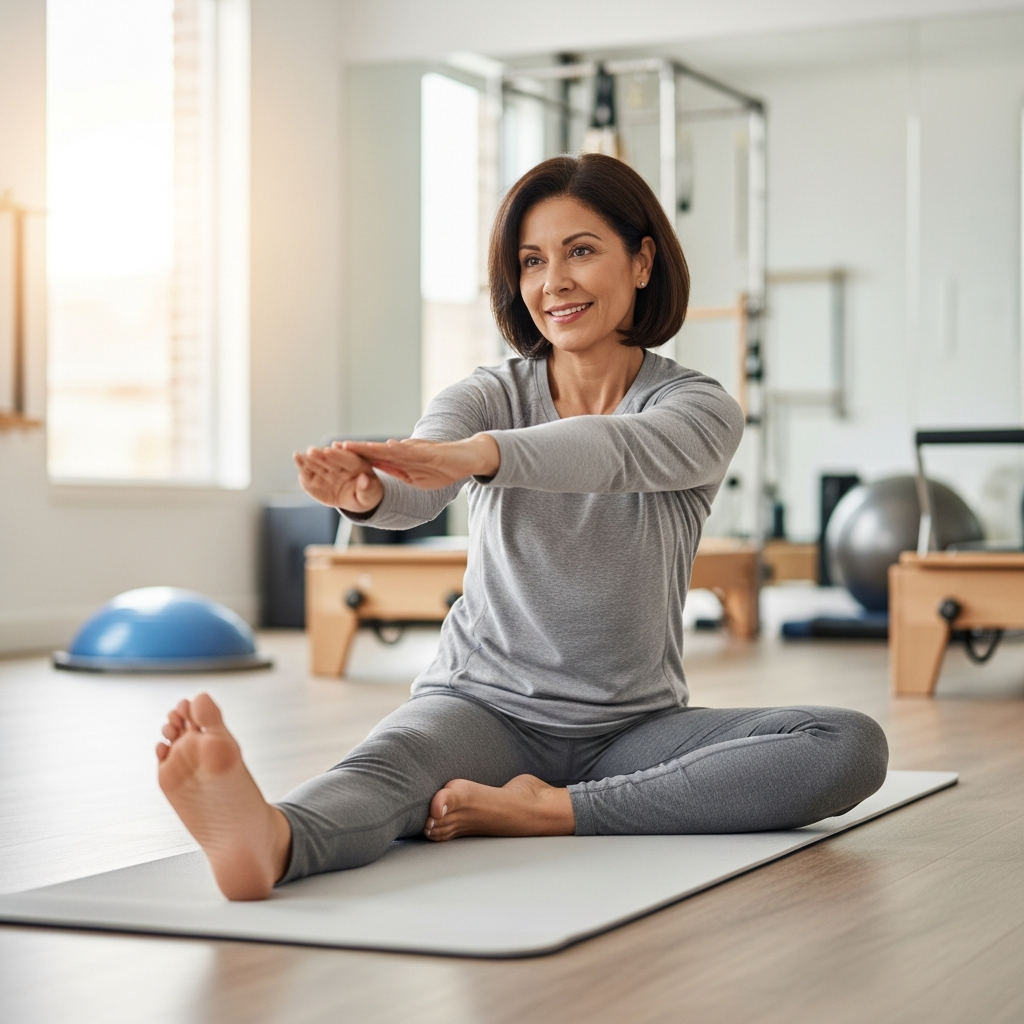
Reformer Pilates, on the other hand, utilizes a specially designed piece of equipment known as a reformer. The reformer is a bed-like frame with a flat platform (carriage) that rolls back and forth on wheels. The carriage is attached to one end of the reformer by a set of springs that provide differing levels of resistance.
Exercises on the reformer can be performed in several positions, including lying down, sitting, standing, pulling the straps, or pushing off the footbar. The reformer’s adjustable springs allow for progressive resistance, which helps to lengthen while strengthening the muscles. Hence, Reformer Pilates can be adapted to post-rehab patients and athletes looking for an intense workout alike.
The reformer offers more versatility than mat Pilates as it allows for a wider range of exercises and positions. It can provide a more challenging workout due to the resistance provided by the springs. Moreover, the reformer can help provide support for difficult postures, making it easier to perform advanced movements.
Conclusion
Both Mat and Reformer Pilates adhere to the fundamental principles of Pilates: centering, concentration, control, precision, breath, and flow. While Mat Pilates focuses on using body weight to strengthen the core and improve overall flexibility, Reformer Pilates provides a more dynamic workout that can be tailored to individual needs with adjustable resistance levels.
Ultimately, whether you choose Mat or Reformer Pilates depends on your personal goals, fitness level, and access to equipment. Both offer unique advantages, and incorporating a blend of both styles in your workout regimen can provide a comprehensive approach to fitness and well-being.
Reformer Pilates vs. Mat Pilates: A Comprehensive Guide
When exploring the world of Pilates, one question that frequently arises is the difference between Mat Pilates and Reformer Pilates. This comprehensive guide will provide step-by-step guidance and real-world examples to help you understand the nuances and benefits of both.
I. Introduction
Pilates, a mind-body exercise method, focuses on developing core strength, flexibility, balance, and endurance without adding muscle bulk. It was developed by Joseph Pilates in the early 20th century and has since evolved into two main branches: Mat Pilates and Reformer Pilates.
II. Understanding Mat Pilates
Mat Pilates is performed on a mat and primarily uses your own body weight for resistance. This form of Pilates focuses on developing core strength, improving posture, and increasing flexibility.
Example Workout: The Hundred
1. Lie flat on your back on the mat with your legs in tabletop position (knees bent at a 90-degree angle and directly over hips). 2. Lift your head, neck, and shoulders off the mat while reaching your arms towards your feet. 3. Pump your arms up and down as you inhale for a count of five, then exhale for a count of five. Repeat this ten times, totaling 100 pumps.
III. Understanding Reformer Pilates
Reformer Pilates utilizes a specialized piece of equipment called a Reformer – a sliding carriage rigged with springs, bars, and straps. The Reformer provides added resistance and support compared to Mat Pilates, allowing for a more intensive workout.
Example Workout: The Footwork
1. Lie flat on the Reformer with your back against the carriage. 2. Place your feet hip-width apart on the footbar. 3. Push the carriage away by extending your legs and then slowly control it back in. Repeat 10-15 times.
IV. Comparing Mat and Reformer Pilates
Mat Pilates is often considered the foundation of the Pilates method. It requires greater self-discipline as you must control, stabilize, and coordinate your body without the assistance of equipment. It is also more convenient and affordable as it can be done anywhere with a mat and enough space to move.
Reformer Pilates, on the other hand, offers a more dynamic and varied workout. The adjustable resistance of the Reformer machine caters to all fitness levels and can be increased as strength improves. This makes it particularly beneficial for individuals recovering from injuries or those who want a more challenging workout. However, Reformer Pilates classes tend to be more expensive and require a dedicated space with specific equipment.
V. Choosing Between Mat and Reformer Pilates
The choice between Mat and Reformer Pilates largely depends on your personal goals, needs, and circumstances. If you’re just starting with Pilates or are on a budget, Mat Pilates is an excellent choice. It teaches the fundamentals of Pilates principles: breath control, centering, concentration, control, precision, and flow.
If you want a more challenging workout or need additional support due to an injury or condition, Reformer Pilates may be more suitable. The equipment provides a greater range of motion, allowing for more exercises and increased intensity.
In conclusion, both Mat and Reformer Pilates offer unique benefits. They can complement each other well in a balanced exercise program. Remember, the best exercise routine is one that you enjoy and will stick to in the long term. Therefore, why not try both and see which one you prefer?
Reformer Pilates vs. Pilates: Challenges, Solutions, and Expert Tips
When it comes to strengthening the core, improving flexibility, and aiding overall body strength, Pilates is a popular choice. However, a common misconception is that all Pilates exercises are the same. There are two main types: Mat Pilates and Reformer Pilates. This article delves into the nuances of these two forms, addressing challenges, offering solutions, and providing expert tips to enhance your Pilates experience.
Mat Pilates is the more traditional form, utilizing the body’s weight and gravity for resistance. It primarily focuses on developing core strength and improving flexibility. Despite its simplicity, many encounter challenges such as difficulty in maintaining correct form, lack of progression, or simply growing bored with the routine.
To overcome these challenges, consider hiring a certified Pilates trainer who can guide you through the exercises and ensure proper alignment and form. Another solution might be to mix up your routine with different exercises or even incorporate small props like bands, balls, or rings for added resistance and variety.
Reformer Pilates, on the other hand, is performed on a specialized machine known as a Reformer. This piece of equipment has a flat platform which moves back and forth on wheels within its frame. The individual controls the movement via attached springs that provide varying levels of resistance.
A common challenge with Reformer Pilates is its intimidating appearance and complexity. Many beginners might feel overwhelmed by the machine’s intricate design. However, under the guidance of a qualified instructor, operating the Reformer can become second nature. Remember, everyone has to start somewhere, and it’s okay to be a beginner.
The cost of Reformer Pilates can also be a deterrent for some as it is typically more expensive than Mat Pilates. However, the increased resistance provided by the machine can lead to more significant results in a shorter timeframe which makes it cost-effective for many.
Another challenge is the limited availability of Reformers in traditional gyms, making it less accessible than Mat Pilates. When considering Reformer Pilates, it may be necessary to seek out a specialized Pilates studio. Alternatively, some individuals opt to invest in a home Reformer.
Now, let’s move on to some expert tips that can help you make the most out of your Pilates workouts, be it Mat or Reformer.
1. Consistency is Key: Like any other workout routine, consistency is critical in Pilates. Regular practice will help you build strength, flexibility, and muscle memory.
2. Focus on Form Over Repetitions: It’s more productive to do fewer repetitions correctly rather than more with poor form. Quality over quantity always wins in Pilates.
3. Embrace the Challenge: Both Mat and Reformer Pilates offer unique challenges. Embrace them and view them as opportunities for growth rather than obstacles.
4. Listen to Your Body: While you want to push yourself, it’s also essential to listen to your body and avoid overexertion. If something doesn’t feel right, stop and consult with your instructor.
5. Don’t Rush: Pilates is about control and precision, not speed. Take your time with each exercise to ensure proper form and maximize benefits.
In conclusion, both Mat and Reformer Pilates offer unique benefits and challenges. Choosing between the two often comes down to personal preference, accessibility, and desired outcomes. Regardless of your choice, remember these tips and solutions to enhance your Pilates journey effectively. With commitment and patience, you can overcome any challenges and enjoy the myriad benefits that Pilates offers.
Reformer Pilates vs. Pilates: Expectations, Timelines, and Next Steps
When it comes to fitness and body conditioning, Pilates has carved out a niche for itself as a holistic approach to full-body workouts. However, within the realm of Pilates, two primary modalities stand out: mat Pilates and reformer Pilates. This article will delve into the differences between these two, what you can expect from each, the typical timelines for results, and how to proceed based on your fitness goals and preferences.
Mat Pilates vs. Reformer Pilates
Mat Pilates is the most common form of Pilates, and it’s typically what people think of when they hear the term ‘Pilates.’ It is performed on a padded mat using your own body weight as resistance. Key exercises focus on core strength, flexibility, balance, and overall body awareness.
Reformer Pilates, on the other hand, utilizes a specialized piece of equipment called a Pilates reformer. This machine uses springs to create resistance, and it has a carriage that moves back and forth along tracks. The reformer facilitates a broader range of exercises than mat Pilates, allowing for more targeted muscle engagement and a higher degree of difficulty.
What to Expect
In mat Pilates, expect to work on core exercises such as the hundred, roll-up, and scissors. Mat workouts typically involve more ‘flow,’ with exercises seamlessly linked together. Props like magic circles or resistance bands may be used for added challenge or support.
Reformer Pilates sessions will be more equipment-centric. You will perform similar movements as in mat Pilates but with an added resistance element from the reformer’s springs. Exercises can be done lying down, sitting, standing, pulling the straps, pushing the footbar, and more. The possibilities are almost endless!
Timelines
The timeline for seeing results from both mat and reformer Pilates varies based on several factors such as frequency of workouts, initial fitness level, diet, and lifestyle. Generally, with consistent practice (at least 2-3 times a week), noticeable improvements in posture, flexibility, and muscle tone can be seen within 4-6 weeks.
Next Steps
Choosing between mat and reformer Pilates ultimately comes down to personal preferences and goals. If you’re new to Pilates, starting with mat classes can be a good way to familiarize yourself with the exercises, terminology, and mind-body connection integral to Pilates.
If you’re seeking a more challenging workout or have specific rehabilitative needs, reformer Pilates might be a better fit. The adjustable resistance on the reformer machine can provide a more personalized workout suitable for all fitness levels.
Regardless of which you choose, ensure you start with a certified instructor who can guide you through the exercises correctly. As you progress, consider mixing mat and reformer sessions for a balanced routine.
In conclusion, both mat and reformer Pilates offer unique benefits and challenges. Mat Pilates focuses on body control, flow, and using your own body weight as resistance. On the other hand, reformer Pilates provides a more intense workout while enabling a wider array of exercises. Whichever route you choose, expect to see improved strength, flexibility, and body awareness with consistent practice. Embrace the journey and enjoy the process of becoming stronger and healthier through Pilates!
In conclusion, both Reformer Pilates and mat-based Pilates offer exceptional benefits and their own unique advantages, and choosing between the two can often come down to personal preference or specific fitness goals.
Mat Pilates, the more traditional form, is an excellent entry point for beginners to grasp fundamental Pilates principles. It significantly improves flexibility, enhances core strength, and helps in maintaining a better posture. Being more accessible and requiring no special equipment, it can be practiced anywhere, anytime. The ability to use your body weight as resistance is a powerful tool in strengthening muscles and improving overall body coordination.
Reformer Pilates, on the other hand, offers a more dynamic and intense workout. The reformer machine is a versatile piece of equipment that adds an extra dimension to the Pilates practice by incorporating resistance through springs. This resistance can be adjusted according to individual strength and flexibility levels. It allows for a broader range of exercises and movements compared to mat-based Pilates. Reformer Pilates is particularly effective for rehabilitating injuries, improving athletic performance, and for those wanting a more challenging workout to sculpt and tone their bodies.
Both forms of Pilates emphasize the power of mind-body connection, breath control, and precision in movement. Regardless of which type of Pilates you choose, it’s essential to ensure your technique is correct to avoid injury and reap maximum benefits. A professional Pilates instructor can guide you through the process and help you understand your body’s capabilities better.
Remember, the best kind of exercise is one that you enjoy and will stick with. If you’re unsure whether Reformer or mat-based Pilates is right for you, why not try both? Each style complements the other, and using both in your workout routine can provide a balanced approach to fitness.
Ultimately, the choice between Reformer Pilates and mat-based Pilates should be based on your individual needs, goals, and preferences. If you’re seeking a more challenging, varied workout with a greater range of exercises, Reformer Pilates may be the better choice. If accessibility, cost, and simplicity are priorities for you, mat-based Pilates could be a better fit.
At the core of your decision should be the understanding that Pilates, in any form, is a commitment to enhancing your overall well-being. It’s about building a stronger, more flexible body and a clearer, more focused mind. Whether you choose to practice on a mat or a reformer, the benefits of Pilates are transformative and lasting.
Finding the right type of Pilates for you can be a journey. It can take time and experimentation to discover what you enjoy most and what gives you the best results. But rest assured, both Reformer and mat Pilates are capable of delivering excellent health benefits and promoting a greater sense of overall wellness.
We encourage you to contact us for further assistance in making this important decision. Our team of experienced Pilates instructors would love to guide you on your journey towards better health and fitness. Through our personalized approach, we can help you understand the intricacies of both Reformer and mat Pilates and design a workout plan tailored specifically to your needs and goals. Reach out to us today to start your Pilates journey!