Unraveling the Best Pilates Certification: Your Guide to a Rewarding Fitness Career
Are you passionate about fitness and wellness, with a special interest in Pilates? Have you ever imagined yourself helping others achieve their body goals and improve their overall wellbeing? If your answer is a resounding ‘yes’, then becoming a certified Pilates instructor could be your calling. This article will guide you through the process of securing the best Pilates certification, a crucial step towards turning your passion into a thriving career.
Pilates, named after its inventor Joseph Pilates, is a physical fitness system that has been widely embraced across the globe for its numerous health benefits. It is a low-impact exercise program that aims to strengthen muscles while improving postural alignment and flexibility. The focus of Pilates is on core strength, but it also plays a role in developing a balanced, well-rounded workout for the full body.
As the popularity of Pilates continues to rise, so does the demand for qualified instructors. Whether you want to teach mat Pilates or offer comprehensive classes that include reformer exercises, a certification is an essential foundation for your journey as a professional instructor.
Becoming a certified Pilates instructor is not just about leading classes and guiding students through exercises. It’s about having a profound understanding of human anatomy, the principles of Pilates, and the skills to design personalized programs for various client types. With the best Pilates certification, you can confidently walk into any fitness facility, Pilates studio, or even start your own business, fully equipped with all the knowledge and skills you need to succeed.
In this comprehensive guide, we will delve into everything you need to know about getting the best Pilates certification. From understanding what Pilates certification entails to exploring different training programs and institutions that offer them, we’ve got it all covered. We will also address key considerations such as cost, duration, course content, and the credibility of the certification body.
Furthermore, we’ll discuss the advantages of being a certified Pilates instructor, like gaining professional recognition and enhancing your marketability in the fitness industry. We will also shed light on how a Pilates certification can pave the way for a fulfilling career that not only helps you stay fit and healthy but also makes a significant impact on others’ lives.
This matter is of great importance to anyone considering a career in Pilates or those looking to validate their skills with a recognized certification. The right certification not only provides credibility but also equips you with the essential knowledge and skills to deliver effective, safe, and enjoyable Pilates sessions for various clientele.
So, if you’re ready to turn your passion for Pilates into a rewarding career or upgrade your existing qualifications, read on. This guide is your first step towards understanding how to choose the best Pilates certification program that aligns with your career goals and personal interests. It’s time to transform your love for Pilates into a meaningful profession, and we’re here to help you every step of the way. Let’s get started!
A Detailed Background on the Best Pilates Certification
Pilates is a body-conditioning routine that seeks to build flexibility, strength, endurance, and coordination without adding muscle bulk. The practice also increases circulation and helps to sculpt the body and tone muscles. Developed in the early 20th century by Joseph Pilates, the fitness system places a strong emphasis on spinal and pelvic alignment, breathing, and developing a strong core. The practice has grown in popularity over the years, leading to a booming demand for certified Pilates instructors. As such, the question often arises: ‘What about the best Pilates certification?’
Before diving into this topic, it’s crucial to understand the fundamental framework of Pilates and why certification is essential. Pilates is based on six principles: concentration, control, centering, flow or efficiency of movement, precision, and breathing. These principles form the basis for every Pilates movement. For one to effectively teach and guide others in this fitness system, they must have a deep understanding and mastery of these principles. This is where Pilates certification comes in.
A Pilates certification equips an individual with the necessary knowledge and skills to instruct Pilates classes confidently and effectively. It’s not just about learning the movements; it’s about understanding the philosophy behind each movement and being able to transmit this knowledge to others. The best Pilates certification programs delve into anatomy, physiology, and the science behind the movements to provide a comprehensive understanding of the practice.
The process of becoming a certified Pilates instructor is rigorous and involves both theoretical and practical components. Trainees typically undergo hundreds of hours of training, which includes coursework, self-study, observation hours, personal practice hours, apprentice teaching hours, and a written and practical exam. The intensity of these programs ensures that certified instructors are well-versed in both the theory and practice of Pilates.
Moreover, a certification from a reputable organization adds credibility to an instructor. It assures clients that the instructor has gone through rigorous training and meets the standards set by the certifying organization. This can be a significant factor in attracting and retaining clients, as they are more likely to trust and value the instructions of a certified professional.
There are numerous Pilates certification programs available, each with its own focus, depth of training, and approach. Some of the most recognized certifications come from the Pilates Method Alliance (PMA), Balanced Body, BASI Pilates, STOTT PILATES, and Power Pilates. These organizations offer comprehensive training programs that cover all aspects of Pilates instruction, from beginner to advanced levels, mat work to apparatus work.
When considering which certification is the best, it’s important to note that there is no one-size-fits-all answer. The “best” certification will depend on various factors, including the individual’s career goals, preferred teaching style, available resources (time, money), and more. Some might prefer a program that emphasizes classical Pilates and stays close to Joseph Pilates’ original work, like Power Pilates. Others might lean towards a contemporary approach, like STOTT PILATES, which incorporates modern exercise science and rehabilitation principles into the training.
In conclusion, choosing the best Pilates certification is a personal decision that should be based on careful consideration of your goals and preferences. Regardless of which certification you choose, the essential thing is that you receive comprehensive training that prepares you to be an effective, knowledgeable, and confident Pilates instructor. Remember that becoming a competent Pilates instructor involves more than just getting a certificate; it requires dedication to personal practice, continuous learning, and a passion for helping others achieve their fitness goals.
‘Securing the Best Pilates Certification: A Practical Guide’
Whether you are a fitness professional looking to diversify your skill set or a Pilates enthusiast wanting to take your passion to the next level, getting a Pilates certification can be a game-changer. Here’s a step-by-step guide to help you navigate your way towards obtaining the best Pilates certification.
Step 1: Understand the Different Types of Pilates Certifications
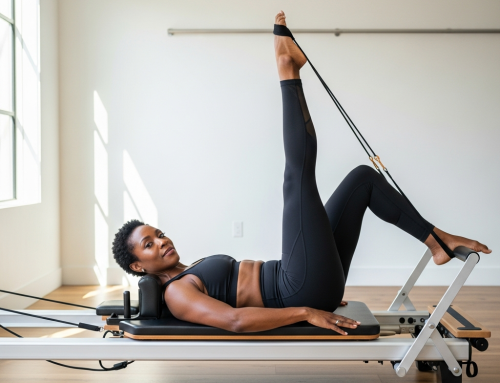
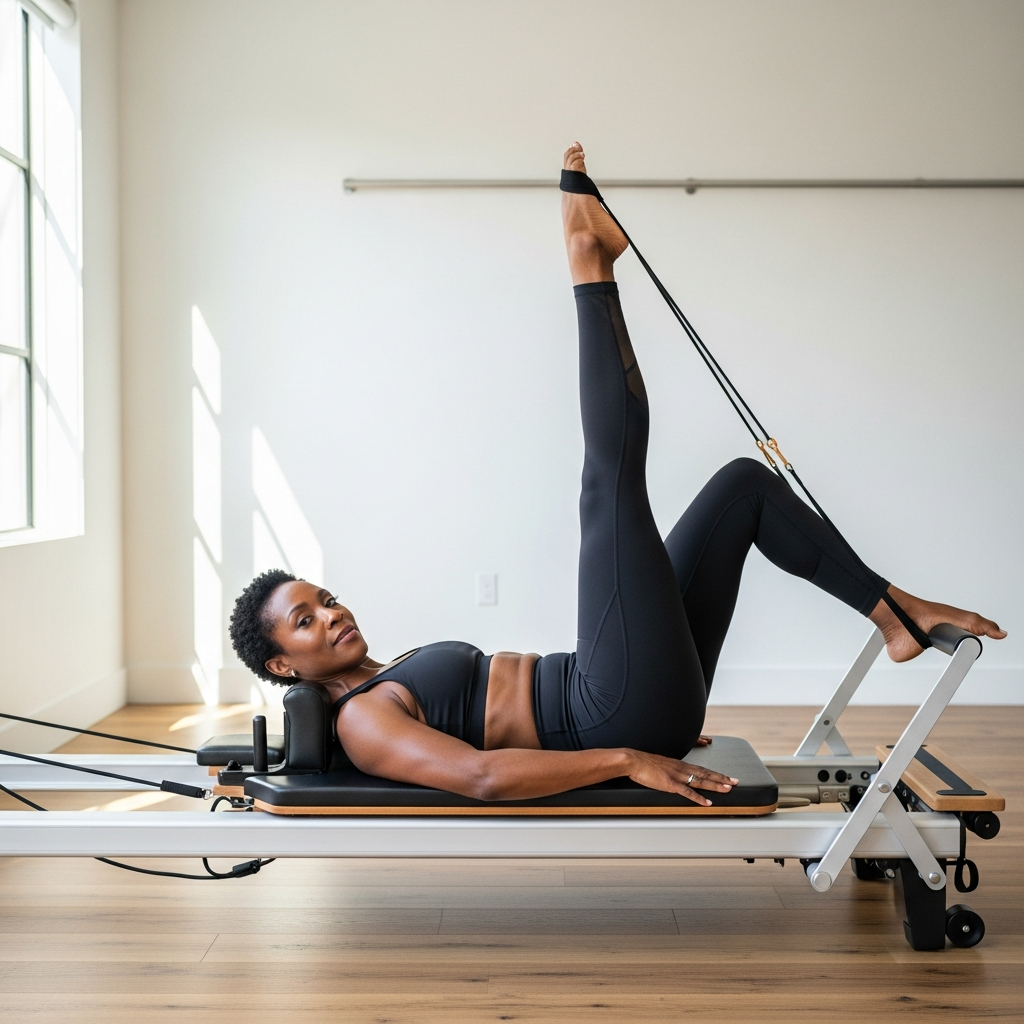
The first step is to understand the different types of Pilates certifications available. There are two primary forms of Pilates: Mat Pilates and Reformer Pilates. Mat Pilates focuses on exercises performed on a mat, using your body weight for resistance. On the other hand, Reformer Pilates includes workouts done on a reformer machine.
Most certification programs offer separate certifications for both. For instance, the Pilates Method Alliance (PMA) provides mat and comprehensive certifications. The mat certification covers only mat exercises, while the comprehensive certification includes both mat and apparatus exercises.
Step 2: Research Reputable Certifying Bodies
The next step is to research various certifying bodies. Top-notch institutions include the PMA, Balanced Body, STOTT PILATES, and BASI Pilates. Each organization has its unique approach and philosophy towards teaching Pilates, so investigate each one’s methodologies and choose one that aligns with your beliefs about fitness and wellness.
Step 3: Evaluate the Course Structure
Once you’ve found a few certifying bodies that resonate with you, delve into the structure of their courses. Most programs will require a combination of coursework, practical hours, and an examination.
For example, STOTT PILATES’ Intensive Mat-Plus certification requires 40 hours of instruction and supervised teaching, 10 hours of observation, 30 hours of physical review, and 25 hours of practice teaching. Once you have completed these hours, you can sit for the written and practical exams.
Step 4: Consider the Costs
Certification programs can be a significant investment, so it’s essential to consider the cost. Costs can range from $1,000 to $5,000, depending on the certifying body and the type of certification. Remember to factor in additional costs such as study materials, examination fees, and potential travel or accommodation costs if the course isn’t local.
Step 5: Start Your Training
Once you’ve chosen a certifying body and figured out the logistics, it’s time to start your training. Engage in both theoretical learning and practical application. For instance, if you’re doing a mat certification, attend mat classes to observe the instructor’s techniques.
Real-World Scenarios and Actionable Advice
Scenario 1: You’ve completed a Mat Pilates certification and are considering whether to pursue a Reformer certification.
Actionable advice: Assess your career goals and potential ROI. If you plan to teach in a studio that offers Reformer classes or wish to open your own studio, investing in a Reformer certification might be beneficial.
Scenario 2: You’re finding it challenging to complete the required practical hours due to a busy schedule.
Actionable advice: Consider breaking down your practical hours into manageable chunks. Look for opportunities to incorporate Pilates into your daily routine. You could also find a mentor or join a study group to stay motivated.
Scenario 3: You’ve received your certification but are nervous about starting your first class.
Actionable advice: Practice makes perfect. Start by offering free classes to friends or family members to build confidence. Additionally, consider attending workshops or advanced courses to continuously improve your skills.
In conclusion, getting the best Pilates certification involves understanding the types of certifications available, researching reputable certifying bodies, evaluating course structures, considering costs, and finally, commencing your training. With dedication and a passion for Pilates, you can be on your way to becoming a certified Pilates instructor.
Navigating the Path to Pilates Certification: Challenges, Solutions, and Expert Tips
Pilates is a form of exercise that has gained significant popularity over the years. It focuses on building strength, flexibility, and lean muscle tone with an emphasis on lengthening the body and aligning the spine. Becoming a certified Pilates instructor is an excellent way to share your passion for physical fitness with others, but the journey to certification can pose several challenges. In this comprehensive guide, we will explore these challenges, provide solutions, and offer expert tips to help you navigate your path to becoming a certified Pilates instructor.
**Challenges**
1. **Choosing the Right Certification Program**: There are numerous Pilates certification programs available, making it difficult to determine which one is right for you. Each program varies in terms of cost, duration, curriculum, instruction style, and certification type (mat or comprehensive).
2. **The Time Commitment**: Becoming a certified Pilates instructor requires a significant investment of time. Most programs require hundreds of hours of coursework, observation, assistant teaching, and personal practice.
3. **Financial Investment**: Pilates certification programs can be costly. In addition to program fees, there are costs for required materials (books, manuals), potential travel for in-person training, and exam fees.
**Solutions**
1. **Research and Comparison**: To choose the right certification program, conduct thorough research on different programs. Compare them based on factors such as curriculum, cost, duration, and reviews from previous students. Look for programs accredited by reputable organizations like the Pilates Method Alliance (PMA).
2. **Time Management**: Balancing your regular schedule with the demands of a Pilates certification program can be daunting but achievable with good time management. Create a schedule that includes time for coursework, practice, and rest.
3. **Financial Planning**: Planning your finances well can alleviate the financial burden of a Pilates certification program. Some programs offer payment plans or scholarships. You can also save money by choosing a local program to eliminate travel costs.
**Expert Tips**
1. **Understand the Different Types of Certification**: There are two main types of Pilates certifications: mat certification and comprehensive certification. A mat certification qualifies you to teach Pilates mat classes, while a comprehensive certification qualifies you to teach on all Pilates equipment. Determine which type suits your career goals.
2. **Gain Personal Experience**: Before embarking on a certification program, spend time as a Pilates student. Understanding the student perspective will enhance your teaching skills and help you connect with your future students.
3. **Foster Connections**: Networking with other Pilates professionals can provide valuable insights and support during your certification journey. Attend workshops, join professional organizations, and engage in online communities to build connections.
**Misconceptions and Best Practices**
One common misconception about Pilates certification is that it’s quick and easy. In reality, it requires hard work, dedication, and a significant time commitment. It’s not simply about learning exercises; it involves understanding anatomy, movement principles, and teaching methodologies.
Another misconception is that once you’re certified, you’re ready to teach. While certification is a significant achievement, becoming an effective instructor involves continuous learning and practice. Seek feedback, continue your education, and always strive to improve your teaching skills.
Best practices for aspiring Pilates instructors include maintaining your own Pilates practice, staying informed about the latest research and developments in the field, continuing education even after certification, and teaching with authenticity and passion.
In conclusion, becoming a certified Pilates instructor is a rewarding journey that requires careful planning, dedication, and a commitment to continuous learning. With the right approach and resources, you can overcome challenges, gain valuable skills, and start a fulfilling career in Pilates instruction.
The Journey Towards the Best Pilates Certification: Expectations, Timelines, and Next Steps
Engaging in the practice of Pilates is an enriching experience that combines strength, flexibility, and mindfulness. However, if you’re considering taking your Pilates passion to the next level by becoming a certified instructor, it’s essential to understand what lies ahead. This detailed guide offers insights into what to expect, the timelines involved, and the next steps towards achieving the best Pilates certification.
Before anything else, it’s important to note that there is no one-size-fits-all “best” Pilates certification. Several organizations offer reputable certifications, including the Pilates Method Alliance (PMA), Balanced Body, Stott Pilates, and BASI Pilates. Each has its unique approach and philosophy, so your choice should align with your personal beliefs about Pilates and your career goals.
1. What to Expect
Embarking on a Pilates certification journey is a commitment that requires dedication, time, and financial investment. Generally, certification programs consist of comprehensive coursework covering anatomy, exercise physiology, and specific Pilates techniques. Additionally, they involve practical training where you’ll learn to teach exercises on various Pilates equipment like the Reformer, Wunda Chair, and Cadillac, as well as mat exercises.
Expect rigorous assessments throughout your training. These usually include written tests, practical exams where you demonstrate exercises and teaching skills, and sometimes a case study or research project. Many programs also require observation hours where you watch experienced instructors teach, practice hours where you hone your own skills, and student teaching hours where you gain real-world experience under supervision.
2. Timelines
The timeline for obtaining a Pilates certification can vary greatly depending on the program’s intensity and your personal schedule. Certification programs can range from a few months to over a year.
For example, a typical comprehensive Pilates certification program might require around 500 hours of training, which includes coursework, observation, practice, and student teaching. If you’re able to dedicate 20 hours per week to the program, you could complete it in approximately six months. However, if you can only commit 10 hours a week, it may take you over a year.
Remember, the goal is not to rush through the process but to become a well-rounded and competent Pilates instructor. So, choose a timeline that allows for in-depth learning.
3. Next Steps
Firstly, research different certification programs and choose one that aligns with your philosophy and career goals. Consider factors like the program’s reputation, the depth of the curriculum, cost, and location or availability of online classes.
Once you’ve chosen a program, apply as per their guidelines. Most programs require you to have some experience with Pilates, so continue attending classes regularly. Some may also require CPR certification and a high school diploma or equivalent.
Upon acceptance into the program, dedicate yourself to studying and practicing regularly. Take advantage of any opportunities to observe or assist with classes to grow your skills.
After completing the program and passing all assessments, you’ll receive your certification and be ready to start teaching Pilates. However, your education shouldn’t stop there. Consider attending workshops, advanced courses, or conferences to keep your knowledge up-to-date and continuously improve your skills.
In conclusion, becoming a certified Pilates instructor is a journey that requires effort, dedication, and a passion for the practice. However, with the right mindset and preparation, it’s an immensely rewarding path that allows you to share the benefits of Pilates with others.
In conclusion, obtaining the best Pilates certification is a significant step toward a fulfilling career in the fitness industry. Pilates is an exercise regimen that focuses on core strength, flexibility, and overall body awareness, which makes it an ideal choice for individuals who want to promote a balanced and healthy lifestyle. Acquiring a Pilates certification not only equips you with the necessary knowledge and skills but also enhances your credibility and trustworthiness as an instructor.
We have highlighted key factors to consider when choosing the best Pilates certification. First, the reputation of the training institution plays a vital role. Reputable organizations like the Pilates Method Alliance (PMA), Balanced Body, STOTT Pilates, and BASI Pilates offer rigorous training that adheres to high industry standards. Their certifications are internationally recognized and respected.
Secondly, comprehensive curriculum content is essential. The best Pilates certification programs provide a well-rounded education covering both theoretical knowledge and practical skills. They delve deep into the principles of anatomy, biomechanics, and physiology, as well as teaching proficiency in a wide variety of Pilates exercises and equipment.
Thirdly, the training duration and mode of delivery should suit your personal needs and circumstances. While some may prefer intensive in-person training, others may opt for online courses that offer flexibility. It’s important to remember that acquiring skills in Pilates instruction requires time and hands-on practice, so choose a program that allows you to learn at a comfortable pace.
Lastly, consider the cost of the program. While it’s true that high-quality training often comes at a price, it’s crucial to ensure that the investment will yield a worthwhile return. Compare different programs considering what they offer in terms of content, instruction quality, and post-certification support.
It’s also worth noting that obtaining a Pilates certification is just the beginning. To be a successful Pilates instructor, you need to embrace continuous learning. Attend workshops, seminars, and advanced courses to stay updated with the latest trends and developments in the Pilates world. Moreover, practice regularly and gain as much teaching experience as possible to refine your skills and techniques.
Choosing the right Pilates certification can be a daunting process, but remember, your passion for Pilates and dedication to helping others achieve their fitness goals should be your guiding force. With the right certification, you can transform lives, including your own, through the power of Pilates.
We hope that this article has provided you with valuable insights and that you feel more confident in choosing the best Pilates certification that aligns with your career goals and aspirations. If you require further assistance or have any questions, don’t hesitate to contact us. Our team of experienced professionals is ready to guide you on your journey to becoming a certified Pilates instructor. You’re not alone in this journey; we’re here to support you every step of the way.