The Power of Point Pilates: Mat, Reformer and Beyond
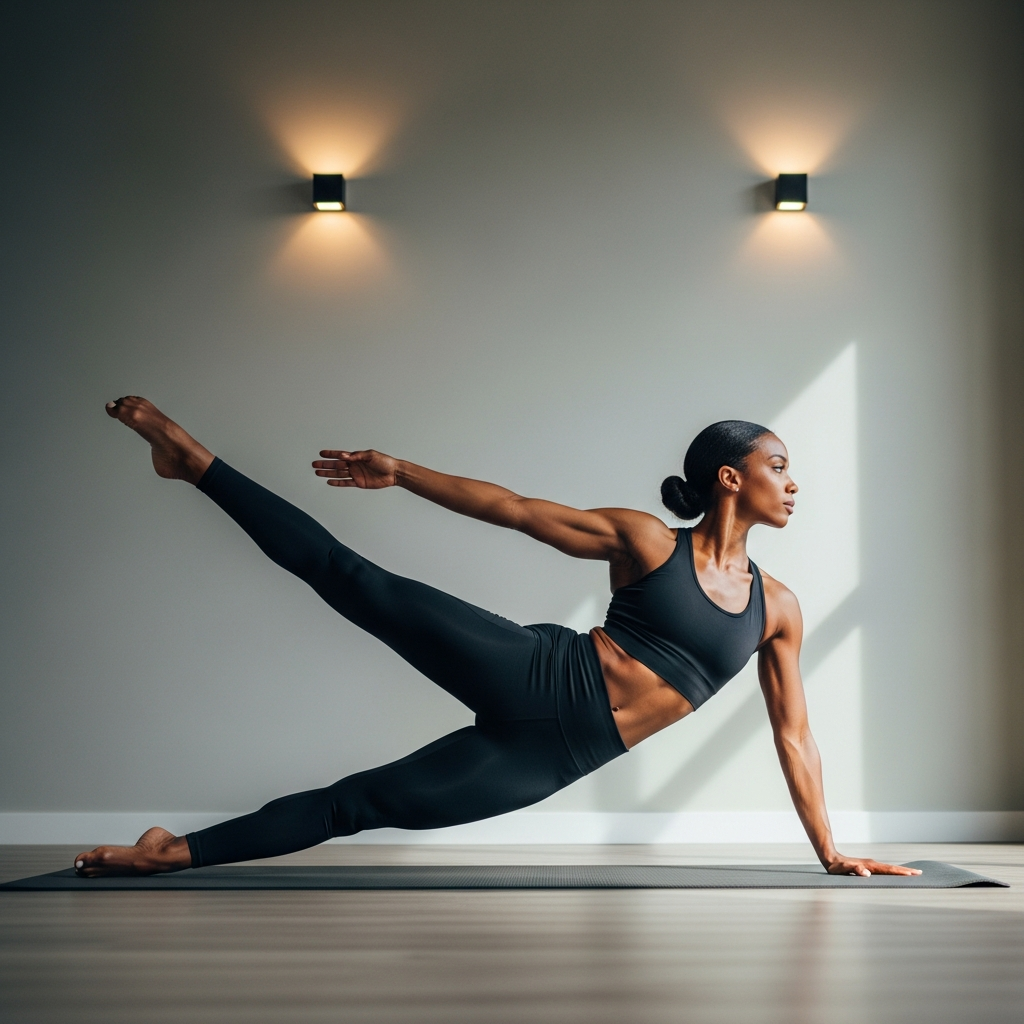
Have you ever noticed a ballet dancer’s posture? Their long, lean muscles, their impressive flexibility, and the fluidity in their movements? It isn’t just hours of training at the barre that creates such grace and strength; it’s also a distinctive form of exercise known as Point Pilates. This intriguing blend of classical ballet conditioning and Pilates principles can help anyone develop a dancer’s physique and poise without having to perform a single pirouette. Intrigued? Let’s dive further into this fusion workout’s world.
Point Pilates, much like the traditional Pilates we’re all familiar with, is a mind-body workout that targets the core while it tones and strengthens the whole body. Conceived by Joseph Pilates in the early 20th century, the method has since evolved into various forms, including mat Pilates and reformer Pilates. Point Pilates, however, introduces an exciting twist to the mix.
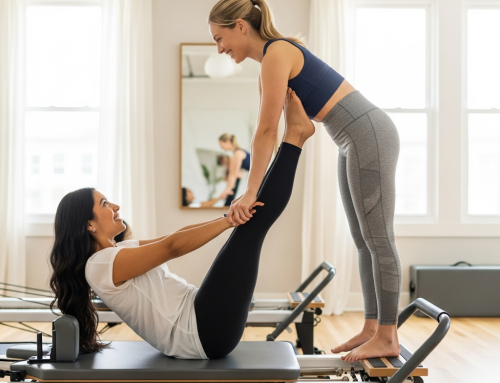
While mat Pilates is performed on the floor using a yoga or Pilates mat, and reformer Pilates is done using a specialized piece of equipment known as a reformer, Point Pilates is a fusion of these exercises with elements of ballet. It brings together the flexibility, balance, and strength training aspects of these disciplines to offer an invigorating workout that enhances posture, increases muscle tone, and improves body awareness.
In this comprehensive guide, we will be discussing everything you need to know about Point Pilates. We will begin by exploring its origins and understanding how it differs from traditional Pilates. We’ll then delve into the unique benefits it offers for both physical and mental health. Whether you’re interested in mat Pilates or reformer Pilates, you’ll learn how Point Pilates can enrich your practice and help you achieve your fitness goals.
Furthermore, we will also take you through a typical Point Pilates class, shedding light on what you can expect when you step into the studio. From the exercises and sequences to the equipment used, you’ll get a firsthand look at this dynamic workout. We’ll also offer tips and guidance for beginners, ensuring that your introduction to Point Pilates is smooth and enjoyable.
This matters to you, our readers, because with the wellness industry’s rapid evolution, it’s essential to stay informed about the different workout methods available to us. Whether you’re a seasoned Pilates aficionado looking to spice up your routine or a fitness newbie searching for an effective yet enjoyable workout, understanding Point Pilates could open up a world of possibilities for your exercise regimen.
Moreover, in a time where mental health is as crucial as physical fitness, workouts that engage both mind and body are more important than ever. Point Pilates does just that. It not only helps sculpt your body but also promotes mindfulness and stress relief, making it a holistic approach to wellness.
So, are you ready to point your toes towards a more flexible, stronger, and healthier you? Let’s embark on this journey together, exploring the world of Point Pilates one plié at a time! No tutu required.
What About Point Pilates? The Fundamentals and Framework
Point Pilates, a distinctive approach to the widespread fitness method, is a hybrid physical fitness regimen that draws its influence from yoga, ballet, and, primarily, conventional Pilates. To fully understand Point Pilates, one must first comprehend the fundamentals of Pilates itself, which will then provide a solid framework for understanding and appreciating this unique approach.
Pilates, named after its German-born creator Joseph Pilates, is a low-impact exercise method that focuses on muscular balance, strength, flexibility, and control. It was first developed in the early 20th century as a rehabilitation program for veterans of World War I. Joseph, who was working in England as a circus performer and boxer at the time, was interned during the war and started developing his fitness method while working as a nurse.
Pilates aims to build strength from the inside out, starting with the core muscles or the ‘powerhouse’ (the abdomen, lower back, and hips) before moving to the limbs. The focus on core strength helps improve general fitness and overall well-being. Pilates exercises are typically done on a mat or using special equipment, like the reformer, cadillac and wunda chair. With its system of pulleys and springs, handles and straps, the apparatus can provide either resistance or support, depending on your needs.
Pilates has since evolved to incorporate other elements and styles into its framework, giving rise to variations like Point Pilates. Point Pilates is often described as a fusion of ballet-inspired movements (Pointe) with traditional Pilates. It combines the grace and precision of ballet with the strength, control, and flexibility inherent in Pilates.
Point Pilates follows the same six principles that underpin traditional Pilates: concentration, control, centering, precision, breath, and flow. However, it adds an extra layer of challenge and aesthetic appeal with the inclusion of ballet techniques. This combination not only targets the same key muscle groups as regular Pilates but also helps to enhance alignment, posture, and balance – all crucial elements in ballet.
The ballet component in Point Pilates involves a series of standing exercises often done at a ballet barre. These exercises, which include pliés, tendus, and relevés, among others, are designed to strengthen the lower body, especially the legs and glutes. They also help improve flexibility and stability. When combined with the core-focused exercises of Pilates, they create a comprehensive workout that engages the entire body.
Moreover, Point Pilates is not just about physical fitness; it also emphasizes mindfulness and mind-body connection. This notion aligns with Joseph Pilates’ original concept of his method as a complete coordination of body, mind, and spirit. Practitioners are encouraged to stay present and focused during each exercise, paying attention to their breath and how their bodies move and feel. This level of mindfulness can lead to improved mental clarity and a greater sense of inner peace.
In conclusion, Point Pilates is a unique blend of two body-strengthening disciplines – ballet and Pilates. It offers all the benefits of traditional Pilates, such as improved strength, flexibility, balance, and body awareness. At the same time, it introduces the grace and elegance of ballet, adding an element of beauty to the workout. Whether you’re a seasoned athlete or a fitness newbie, Point Pilates can offer a refreshing and rewarding approach to physical fitness and well-being.
Understanding Point Pilates: A Comprehensive Guide
Point Pilates is a dynamic and effective approach to the traditional Pilates method that focuses on precision, mindfulness, and body alignment. It’s a fusion of Pilates fundamentals with elements of ballet and dance, designed to improve posture, flexibility, and core strength. Whether you’re exploring Mat Pilates, Reformer Pilates, or a blend of both, understanding Point Pilates can enhance your overall experience and results.
**Mat Pilates and Point Pilates**
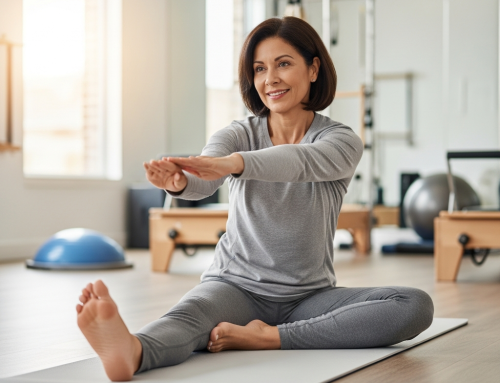
Mat Pilates is often the starting point for many beginners due to its accessibility and simplicity. It uses your own body weight for resistance and focuses on core engagement and proper alignment. Adding Point Pilates principles into your Mat Pilates routine can provide a more dynamic workout with enhanced benefits.
For instance, consider a standard Pilates exercise like the ‘Hundred.’ In Point Pilates, you would start by lying flat on your back on the mat. Then, lift your legs into a tabletop position, pointing your toes like a ballet dancer. This process not only targets your core but also engages your leg muscles. As you pump your arms up and down while inhaling for five counts and exhaling for five counts, imagine yourself pushing against a heavy object. This visualization technique adds an element of mindfulness to the exercise, increasing its effectiveness.
**Reformer Pilates and Point Pilates**
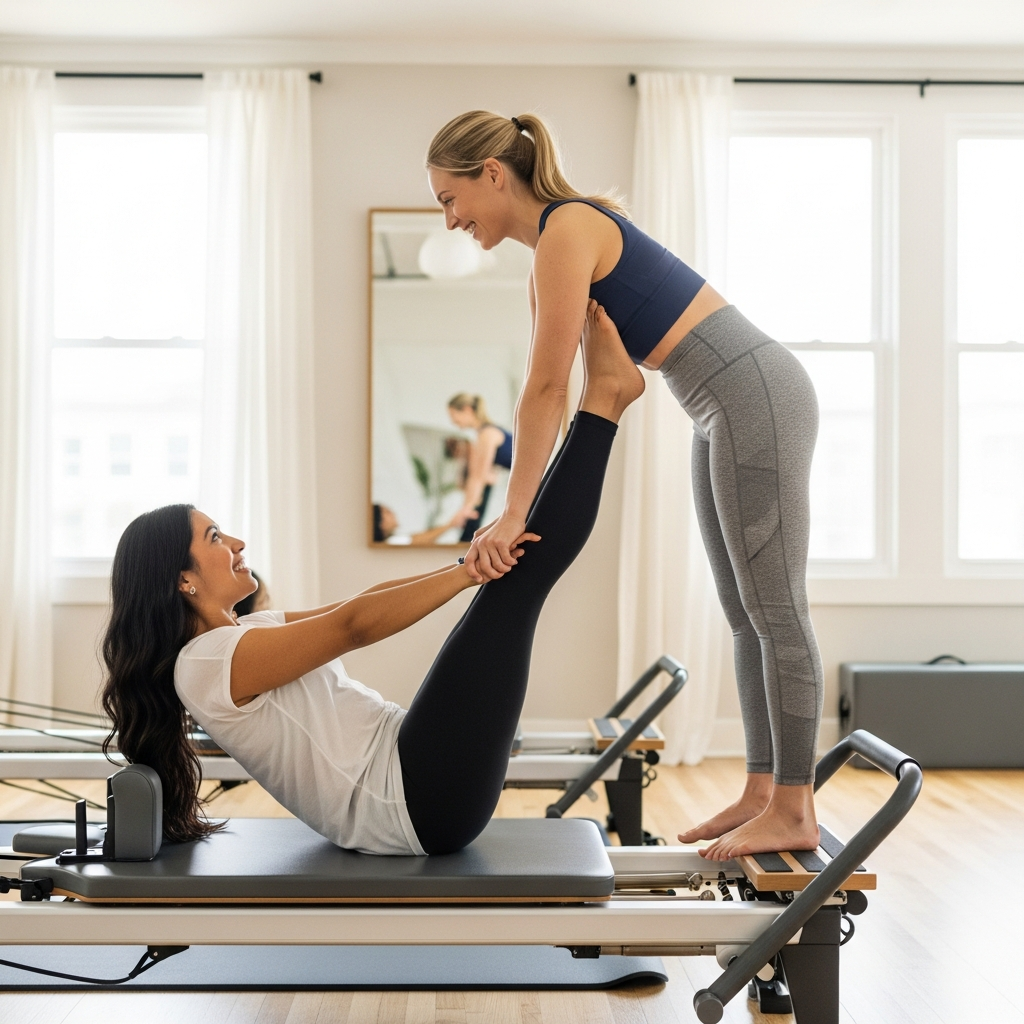
Reformer Pilates is performed using a specially designed piece of equipment known as a Reformer. It allows for a wider range of exercises compared to Mat Pilates and offers adjustable resistance levels to increase intensity. By integrating Point Pilates principles, you can amplify the challenge and the benefits.
Take the ‘Footwork’ series in Reformer Pilates as an example. As you lie on the carriage with your feet on the footbar, incorporate Point Pilates by extending your toes outwards in a pointed position. Then push the carriage by exerting force through your legs and feet. This modification works on your calf muscles, adds depth to the workout, and improves your balance and coordination over time.
**Incorporating Point Pilates in Your Daily Routine**
Now that you’re familiar with how Point Pilates can enhance Mat and Reformer exercises let’s discuss how you can incorporate it into your daily routine
1. **Mindful Movement**: Point Pilates encourages you to move with intention. This mindfulness should not be restricted to your Pilates sessions only. Practice it in your daily activities, like walking or lifting objects, to improve your overall body awareness and posture.
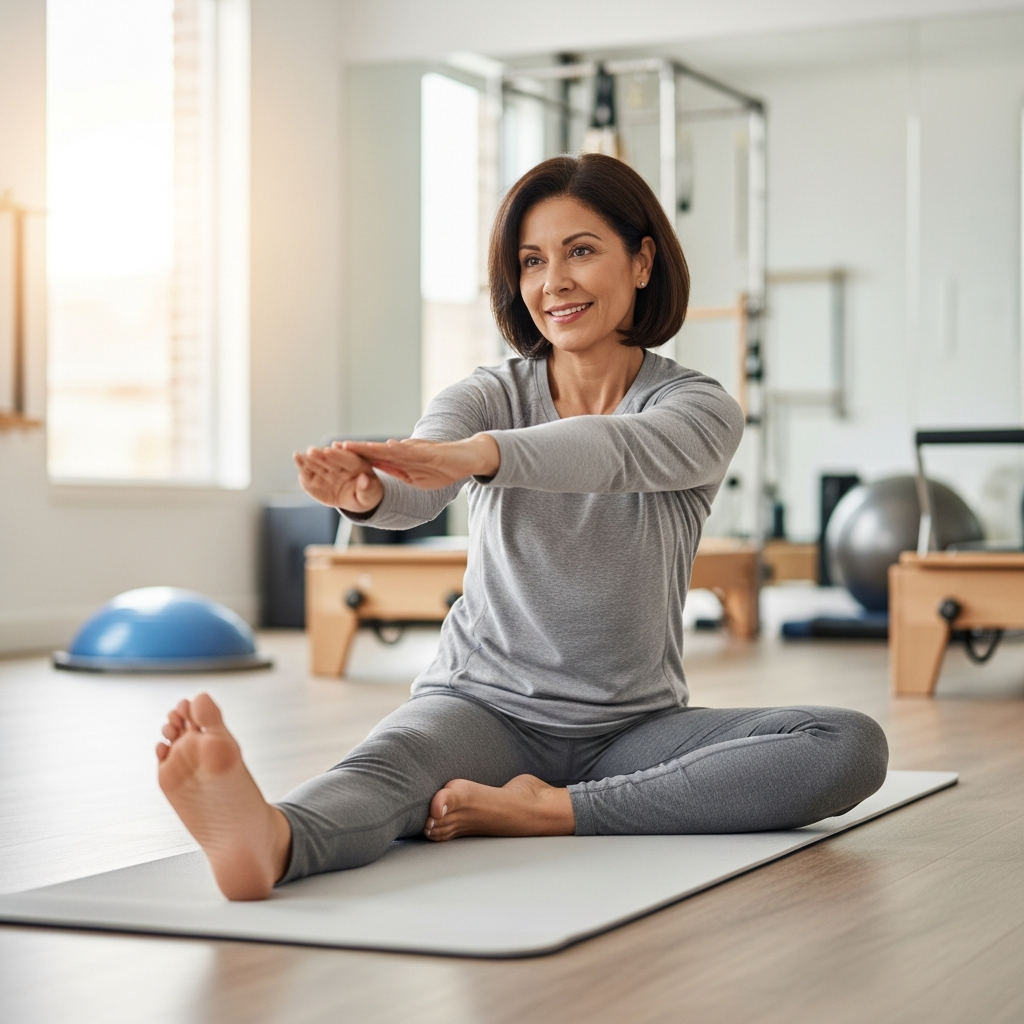
2. **Flexibility Exercises**: Point Pilates emphasizes on ballet-inspired movements that require flexibility. Consider adding simple stretching exercises to your routine. For example, try the ‘butterfly stretch’ to enhance inner thigh flexibility. Simply sit on the floor, press your soles together, and let your knees fall out to the sides. Hold the pose for a few seconds while focusing on your breath.
3. **Core Engagement**: One of the main principles of Point Pilates is engaging your core during workouts. You can practice this by performing ‘plank’ exercises daily. Remember to keep your body aligned from head to toe and focus on pulling your belly button towards the spine for proper core engagement.
4. **Consistency is Key**: Like any other fitness regimen, consistency is vital in Point Pilates. Whether it’s Mat Pilates, Reformer, or a mix of both, make sure you’re practicing regularly. Aim for at least 3-4 sessions per week to see noticeable improvements.
Point Pilates offers an exciting twist to traditional Pilates workouts by incorporating elements of ballet and mindfulness. While it might seem challenging at first, with consistent practice and a focus on precision and alignment, you’ll soon start to see improvements in your strength, flexibility, and overall body awareness. Happy practicing!
Point Pilates: Overcoming Challenges and Embracing Best Practices
Introduction
Point Pilates is a comprehensive body conditioning routine that helps build flexibility, muscle strength, endurance and overall well-being. However, like any other fitness regimen, it comes with its own set of challenges. This guide aims to address common misconceptions, offer solutions to these challenges, and provide best practices to maximize your Point Pilates experience.
Common Challenges in Point Pilates
1. Limited Flexibility: Many beginners find the flexibility demands of Pilates daunting. Some exercises require a degree of flexibility that not everyone has when they start.
2. Core Strength: Pilates heavily emphasizes building core strength. For those unused to engaging their core, this can be challenging initially.
3. Mind-body Connection: The essence of Pilates lies in the mind-body connection, requiring full concentration on each movement. This focus can be challenging for beginners.
4. Equipment: The use of Pilates equipment like reformers can be intimidating for some, particularly those accustomed to mat Pilates.
Solutions and Tips to Overcome Challenges
1. Patience and Consistency: Flexibility and strength are built over time. Regular practice and patience will see improvements in both areas. Start with modifications and gradually move to more advanced versions as your body adapts.
2. Quality Over Quantity: It’s not about how many repetitions you can do but how well you do them. Pay attention to your form and alignment over the number of repetitions.
3. Embrace the Mind-Body Connection: Take a moment before each workout to clear your mind and focus on the exercises ahead. Conscious breathing also plays a vital role in maintaining this connection.
4. Equipment Familiarity: Familiarize yourself with the equipment under the guidance of a certified instructor. Once you understand how it works, it becomes less intimidating and more of an aid to your workouts.
Misconceptions About Pilates
1. Pilates is Only for Women: This is a common misconception, but Pilates was actually developed by a man – Joseph Pilates – for men. It is beneficial for everyone, regardless of gender.
2. Pilates is Easy: Many people perceive Pilates as an easy form of exercise. However, it can be as challenging as you make it. The focus on controlled movements and alignment often makes Pilates more challenging than traditional workouts.
3. You Need Equipment for Pilates: While equipment can enhance your Pilates experience, mat Pilates provides a full-body workout using your body weight as resistance.
Best Practices in Pilates
1. Consistency is Key: Regular practice yields the best results. Try to incorporate Pilates into your routine at least 2-3 times a week.
2. Prioritize Form and Alignment: Always ensure you are performing the exercises with the correct form and alignment to prevent injury and maximize benefits.
3. Listen to Your Body: While it’s good to push yourself, it’s also important to listen to your body’s signals. If something doesn’t feel right, make modifications or ask your instructor for help.
4. Keep Learning: Pilates is a journey, not a destination. There’s always something new to learn, whether it’s a new exercise, a deeper understanding of form and alignment, or a new piece of equipment.
5. Get Proper Instruction: A certified Pilates instructor will ensure that you are performing the exercises correctly and safely, and can provide modifications and advancements tailored to your needs.
Conclusion
Point Pilates offers numerous benefits from improved flexibility and strength to better mind-body awareness. Overcoming initial challenges is part of the process, leading to growth both physically and mentally. By dispelling misconceptions and adopting best practices, you can make the most of your Point Pilates journey.
What About Point Pilates? Expectations, Timelines, and Next Steps
Point Pilates is a comprehensive fitness system that focuses on the mind-body connection to improve physical strength, flexibility, and mental awareness. It combines elements of yoga, martial arts, and Western forms of exercise. Here’s what you can expect from Point Pilates, the timelines involved, and the next steps to take.
Expectations:
Starting with Point Pilates, the first thing you can expect is an emphasis on core strength. The core is the body’s center of power, and strengthening it can lead to better balance, stability, and ease of movement in daily life. Pilates exercises are also designed to improve flexibility. Over time, you can expect your muscles to become longer and leaner, rather than bulked up.
Pilates workouts also focus on mindfulness. You can expect to learn how to focus deeply on your breath while you’re moving. This mindfulness can bring a sense of calm and reduced stress.
Another key expectation should be the improvement of posture. The exercises in Pilates target the deep muscles of the abdomen and spine to improve overall stability and balance, leading to better posture.
Timelines:
The timeline for seeing results from Point Pilates can vary depending on several factors including your starting fitness level, how often you practice, and your individual body. However, as a rough guide, Joseph Pilates himself once said: “In 10 sessions you’ll feel the difference, in 20 sessions you’ll see the difference, and in 30 sessions you’ll have a whole new body.”
If you’re doing Pilates two to three times a week, you might start to see improvements in strength, posture, and muscle tone within a few weeks. More significant changes, like weight loss or dramatic increases in strength, might take several months to a year.
Next Steps:
If you’re interested in trying Point Pilates, the first step is to find a class or instructor. You might find Pilates classes at your local gym, or you could look for a dedicated Pilates studio.
There are two main types of Pilates to choose from: mat Pilates and reformer Pilates.
Mat Pilates is performed on the floor using a yoga or Pilates mat. It uses your own body weight as resistance and focuses on working the core. Mat Pilates is a great option for beginners because it allows you to learn the basics and build a strong foundation.
Reformer Pilates, on the other hand, is performed using a piece of equipment called a reformer. The reformer adds resistance to the Pilates exercises via the use of springs connected to the carriage (the part of the reformer that you move). Reformer Pilates can be more challenging than mat Pilates and can offer a more intense workout.
It’s recommended that beginners start with mat Pilates to learn the fundamentals before moving on to reformer Pilates.
Once you’ve chosen your type of Pilates and found a class or instructor, it’s time to start practicing. Remember, consistency is key in Pilates. Try to practice at least two to three times a week for the best results.
Finally, it’s important to listen to your body. While Pilates is a low-impact form of exercise that’s suitable for most people, it’s still important to move at your own pace and avoid pushing yourself too hard. If you feel pain or discomfort during a workout, stop and consult with your instructor.
In conclusion, Point Pilates is a versatile and comprehensive form of exercise that can benefit people of all fitness levels. With regular practice, you can expect improvements in strength, flexibility, posture, and mental clarity. Start with mat Pilates, then consider progressing to reformer Pilates as your strength and confidence grow.
In conclusion, Point Pilates offers a holistic approach to body fitness and overall wellness. It is not just a series of exercises but a comprehensive system designed to boost your physical and mental health, enhance flexibility, improve balance, and promote proper posture. This unique discipline combines the principles of yoga, ballet, and gymnastics to offer a robust workout that targets all muscle groups, delivering profound benefits for people of all fitness levels.
One of the key aspects of Point Pilates that sets it apart from other fitness regimes is its emphasis on the mind-body connection. This focus on mindfulness encourages practitioners to attune to their bodies, helping them achieve a greater sense of self-awareness. This heightened awareness ultimately helps enhance alignment and movement efficiency, reducing the risk of injury while increasing physical capabilities.
Point Pilates also underscores the importance of controlled, precise movements. This precision not only ensures that exercises are performed correctly for maximum benefit but also fosters discipline and concentration. Whether you’re a beginner or a seasoned athlete, the benefits of this precision-based approach are immense, supporting not only physical development but also mental clarity and focus.
Another significant takeaway from our exploration of Point Pilates is its accessibility. Regardless of age, fitness level, or previous exercise experience, anyone can practice and benefit from Point Pilates. The exercises can be customized to suit individual needs and abilities, making it an inclusive and adaptable fitness solution. So whether you’re looking to improve athletic performance, recover from an injury, or just enhance your general wellbeing, Point Pilates has something to offer.
However, like any fitness regimen, the effectiveness of Point Pilates depends on correct execution and consistency. Regular practice under the guidance of certified professionals can help you reap the full benefits of this discipline. Further, it’s important to remember that while Point Pilates is a powerful tool for enhancing physical health, it should be complemented by a balanced diet and a healthy lifestyle for optimal results.
In conclusion, Point Pilates is a versatile, comprehensive, and accessible approach to fitness and wellness. Its focus on precision, control, and mindfulness sets it apart, offering unique benefits that extend beyond physical health to encompass mental wellbeing. Whether you’re looking to enhance your athletic performance, improve your posture, or simply find a stress-relieving activity, Point Pilates is worth considering.
And here’s the best part: you don’t have to embark on your Point Pilates journey alone. Our team of certified professionals is ready to guide you every step of the way, providing expert instruction and personalized advice tailored to your unique needs and goals. So why wait? Contact us today, and let’s start your journey towards a healthier, happier you. Whether it’s a one-on-one session or a group class, we offer a range of options to cater to different preferences and schedules. Let us help you discover the transformative power of Point Pilates. Your body and mind will thank you!