Is Pilates a Good Way to Lose Weight? Unraveling the Truth
In today’s fast-paced world, fitness is not just a trend, but a lifestyle choice. Amid the myriad of workout regimes and alternatives available, Pilates stands out as a unique, comprehensive, and holistic method of exercise. But the question that arises is – Is Pilates a good way to lose weight? If you’re looking to unravel the truth behind this question, then you’ve come to the right place.
Pilates, named after its founder Joseph Pilates, is a physical fitness system that emphasizes the balanced development of the body through core strength, flexibility, and awareness to support efficient, graceful movement. It’s more than just a workout; it’s about learning to move better, improving posture, and promoting overall wellness. But can this mind-body workout help you drop those stubborn pounds? Let’s find out.
In this in-depth and authoritative article, we will explore the world of Pilates, specifically mat Pilates and Pilates classes, and their potential impact on weight loss. We’ll dive deep into how Pilates works on your body, the science behind it, its comparative analysis with other weight-loss exercises, and real-life experiences of those who have chosen Pilates as their path to weight loss.
Why should you care? Because understanding the true potential of Pilates might just be your ticket to not only achieving your weight loss goals but also improving your overall health and well-being. In a world where quick fixes and fad diets are becoming the norm, it’s crucial to understand what truly works for long-term health benefits. And if you’re someone who values a balanced approach to fitness that combines strength, flexibility, and mind-body awareness, then Pilates could be the perfect fit for you.
We’ll start by delving into the origins of Pilates and its key principles. Understanding these fundamentals will provide a solid foundation for our subsequent discussion. We’ll then unravel the specifics of mat Pilates, one of the most popular forms of this exercise. We’ll explore the benefits it offers, how it differs from other forms of Pilates, and its role in weight loss.
Next, we’ll step into the energizing atmosphere of Pilates classes. These classes, with their group dynamics and professional instruction, can be a game-changer for your fitness journey. We’ll discuss what to expect in a Pilates class, how to make the most of it, and why it could boost your weight loss efforts.
Finally, we will analyze the science behind Pilates and weight loss. Does it burn enough calories? Does it lead to muscle gain? Can it help with weight maintenance? These are some of the questions we’ll tackle, supported by scientific research and expert opinions. In addition, we will share inspiring stories of individuals who have successfully lost weight with Pilates, providing a real-life perspective and practical tips.
By the end of this article, you’ll have a comprehensive understanding of whether Pilates is a good way to lose weight. So let’s embark on this journey of discovery together, and find out if Pilates could be your key to a healthier, fitter you.
Pilates is a low-impact exercise method that aims to strengthen muscles while improving postural alignment and flexibility. Developed by Joseph Pilates in the 20th century, it focuses on core strength and stability. But, is Pilates a good way to lose weight? The question often arises among fitness enthusiasts and those looking for alternative ways to shed pounds. To offer a comprehensive answer, we must delve into the fundamentals and framework of Pilates.
Pilates was initially conceived as a rehabilitation method for wounded soldiers during World War I. Joseph Pilates, a German physical trainer, believed that physical and mental health are intertwined. Therefore, he developed a system of exercises that not only strengthen the body but also the mind. His philosophy was based on the concept of ‘contrology’, which means complete coordination of body, mind, and spirit.
Pilates exercises target the body’s core — the abdomen, obliques, lower back, inner and outer thigh, and so on. However, it’s much more than just a workout for your core. Pilates workouts encompass the whole body, promoting strength and balanced muscle development. The primary aim is to develop a strong core, flat stomach, and strong back. It promotes long, lean muscles instead of bulk, making it an ideal workout routine for those who want to tone their bodies.
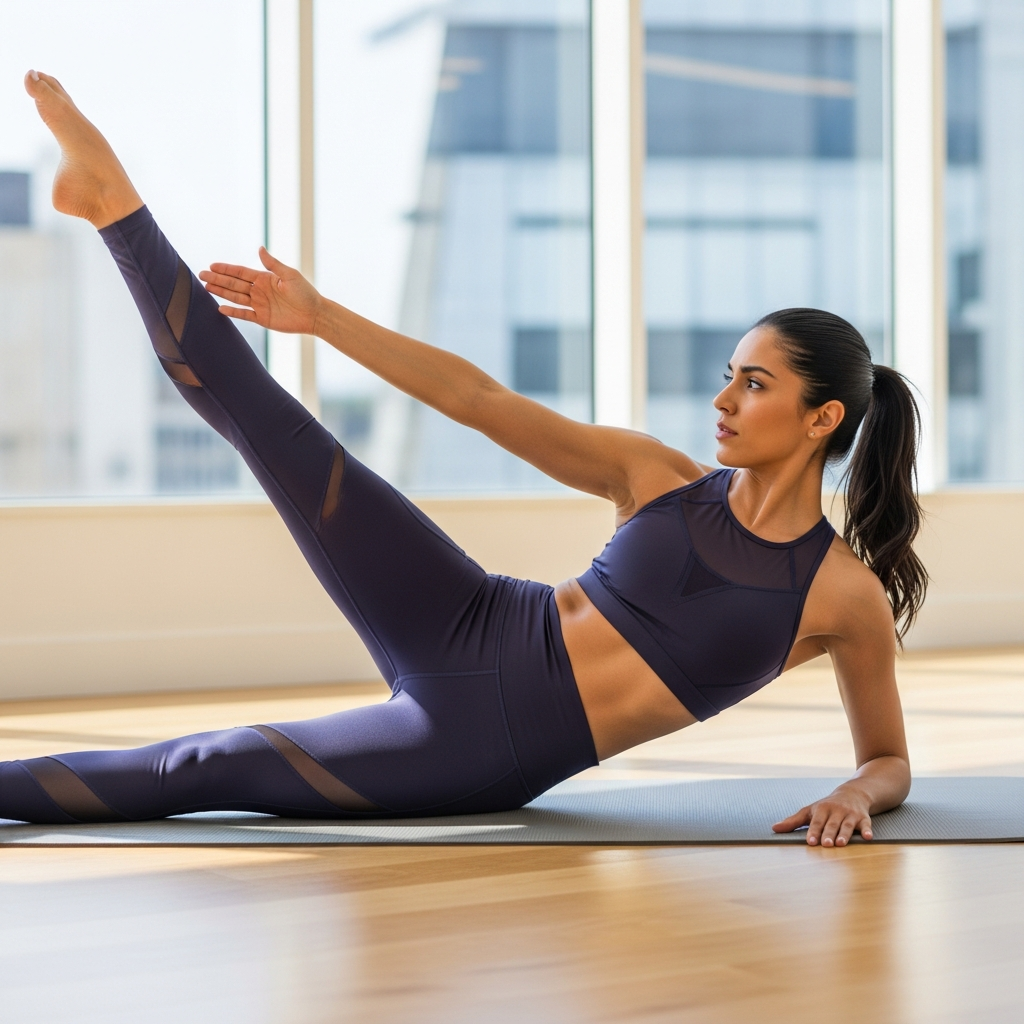
One distinctive feature of Pilates is that it combines both static and dynamic movements. Static exercises involve holding a position for a certain amount of time, while dynamic movements involve moving parts of your body while keeping other parts still. These movements are designed to improve flexibility, strength, balance, and body awareness. The form and technique are paramount in Pilates — precision is key.
Now, when it comes to weight loss, it’s crucial to understand the concept of calorie burn. Weight loss occurs when you burn more calories than you consume. Here’s where things get interesting with Pilates: while it’s not as intense as some other workouts (like running or HIIT), it can still contribute to weight loss.
Pilates, especially at an advanced level, can provide a decent calorie burn. A vigorous Pilates session can burn up to 480 calories per hour. However, the number of calories burned will depend on your weight, fitness level, intensity of the workout, and more.
But Pilates does more than just burning calories. It helps to build lean muscle mass. Lean muscle is metabolically active; it burns more calories at rest than fat does. Therefore, by increasing your body’s lean muscle mass through Pilates, you’ll be increasing your calorie-burning potential, aiding in weight loss.
Moreover, Pilates improves your body awareness and mindfulness, particularly regarding your posture and the way you move. This increased awareness can lead to better control over your eating habits. Many practitioners report that they become more mindful of their food choices after starting Pilates, which can indirectly contribute to weight loss.
Another lesser-known benefit of Pilates in terms of weight loss is stress reduction. Pilates requires concentration and focus on your breath, which can help distract from daily stresses and anxieties. Stress is often linked to weight gain and overeating, so reducing stress through exercises like Pilates can help control weight.
However, it’s important to note that Pilates should not be the sole form of exercise for those looking to lose weight. It should be part of a balanced workout routine that includes cardio exercises for heart health and caloric burn. Combining Pilates with regular cardio exercises like running or swimming can create a well-rounded fitness routine that promotes weight loss.
In conclusion, Pilates may not be a high-calorie burning exercise, but its benefits go beyond that. It builds lean muscle, improves posture, reduces stress, and enhances body awareness — all of which can contribute towards weight loss. Remember, weight loss is a journey that involves a balanced diet and varied exercise routine, and Pilates can be an effective part of that journey.
Pilates for Weight Loss: A Comprehensive Guide
Is Pilates a good way to lose weight? This is a common question for fitness enthusiasts who are looking to shed a few pounds. The answer is yes – but it’s not as straightforward as you might think. While Pilates can be an effective part of a weight loss regimen, it’s not a magic bullet. Here’s a step-by-step guide on how to incorporate Pilates into your weight loss journey, along with practical examples and actionable advice.
Step 1: Understand the role of Pilates in weight loss
Pilates is a form of low-impact exercise that focuses on flexibility, muscular strength and endurance. The movements primarily target the core, but they also involve other parts of the body like the hips, thighs, and lower back.
It’s crucial to understand that while Pilates can contribute to weight loss, it’s not typically the primary fat-burning activity. Pilates helps tone your muscles, improve posture, and increase flexibility. While this can indirectly lead to weight loss (more muscle mass can lead to increased calorie burn), Pilates should be combined with a balanced diet and other forms of exercise for best results.
Step 2: Choose the right type of Pilates
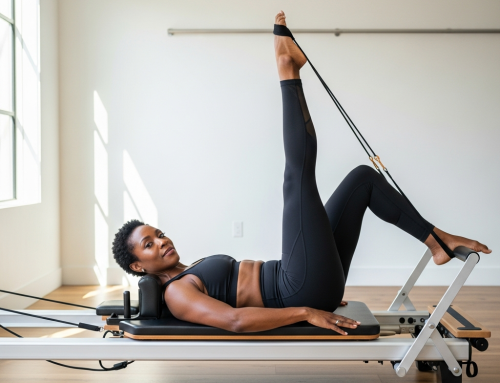
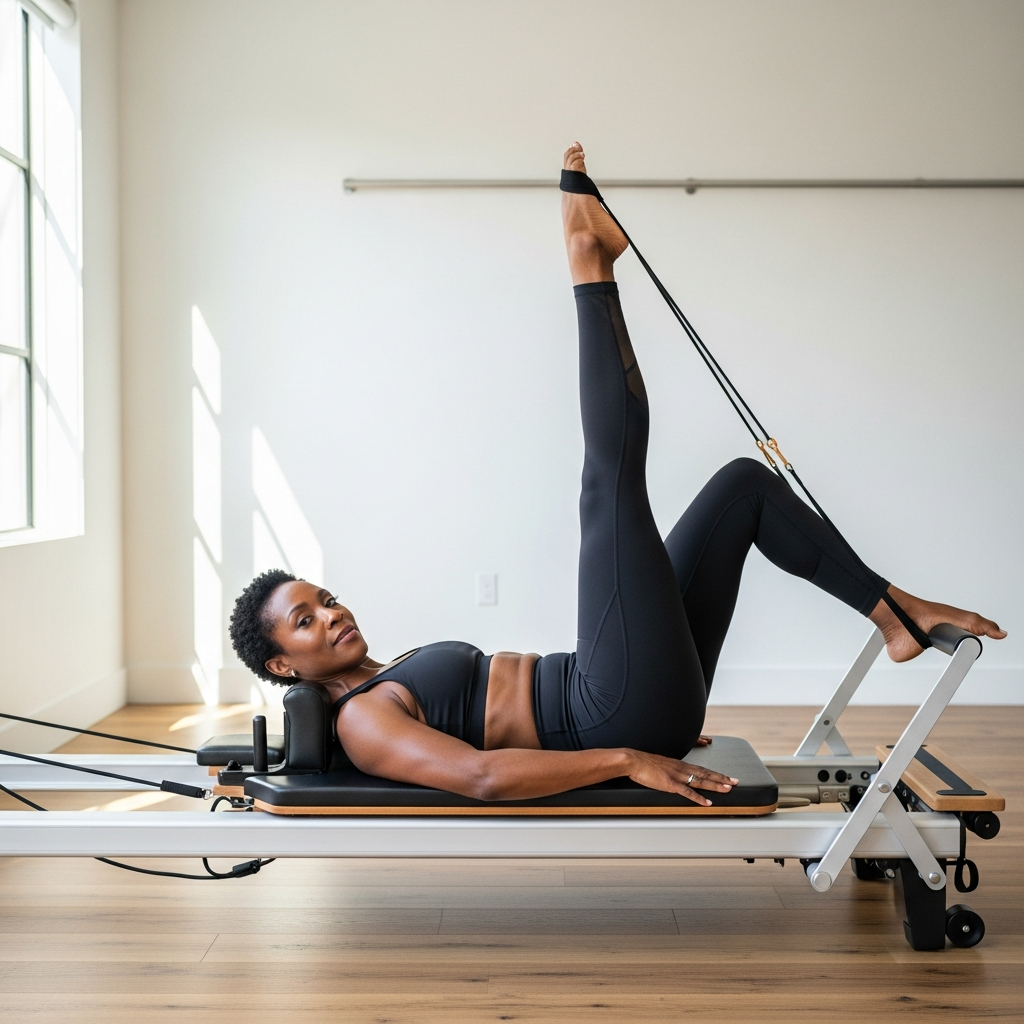
There are two main types of Pilates: mat Pilates and reformer Pilates. Mat Pilates can be done at home with minimal equipment (a mat and possibly a Pilates ring or resistance band), making it accessible for beginners. Reformer Pilates is done on a machine and typically requires a class or private instruction.
For weight loss, either type can be effective. It ultimately depends on your personal preference and resources. If you enjoy group fitness classes and have access to a studio, reformer Pilates could be a great option. If you prefer working out at home or are on a budget, mat Pilates would be more suitable.
Step 3: Incorporate Pilates into your fitness routine
Pilates should not be the only form of exercise you do if weight loss is your goal. Instead, it should be one component of a varied fitness regimen.
For example, you might do Pilates two or three times a week to strengthen your core and improve flexibility. On the other days, incorporate cardio activities like running, cycling, or swimming. These engage the large muscle groups in your body and burn more calories, contributing to weight loss.
Step 4: Pair Pilates with a balanced diet
No exercise regimen will lead to weight loss without a healthy diet. If you’re doing Pilates but eating more calories than you burn, you won’t see the results you’re hoping for.
It’s important to eat a balanced diet rich in fruits, vegetables, lean proteins, and whole grains. These foods provide the nutrients your body needs to build muscle and recover from workouts. They also tend to be lower in calories than processed foods, so you can eat larger volumes without overeating calories.
Step 5: Be consistent and patient
Weight loss doesn’t happen overnight, and it’s important to be patient with the process. Consistency is key when it comes to seeing results from Pilates. Make it a part of your regular routine and stick with it, even if you don’t see immediate changes in your body.
While Pilates may not burn as many calories as some other forms of exercise, it can still be a valuable part of a weight loss program. The strength and flexibility you gain from Pilates can improve your performance in other physical activities, making it easier to burn calories. Plus, the practice can help improve your posture and alignment, which can make you look leaner.
In conclusion, yes, Pilates can be an effective way to lose weight when paired with a balanced diet and regular cardio exercise. Remember to stay consistent, patient and choose the right form of Pilates that fits your lifestyle and preferences.
Is Pilates a Good Way to Lose Weight? A Comprehensive Guide
Pilates, a mind-body exercise that integrates concentration, control, precision, breath, and flow, is often branded as a weight-loss workout. However, there’s a wide range of misconceptions surrounding its efficacy for significant weight loss, which we’ll unravel in this comprehensive guide.
Common Challenges when Using Pilates for Weight Loss
1. Limited Caloric Burn: Unlike high-intensity exercises like running or HIIT, pilates doesn’t burn as many calories. Hence, relying solely on pilates for weight loss can be challenging.
2. Slow Progress: The nature of pilates is slow and controlled, focusing on strength, flexibility, and balance. Therefore, it may take longer to see weight loss results compared to other exercise regimens.
3. Inadequate Cardio: Pilates isn’t seen as a cardiovascular workout. It’s primarily a strength training routine that builds lean muscle but doesn’t significantly elevate heart rate.
Solutions and Expert Tips:
1. Combine Pilates with cardio: For effective weight loss, it’s recommended to combine pilates with cardio exercises. Adding cardio activities like brisk walking, running, or cycling can enhance fat burning and accelerate weight loss.
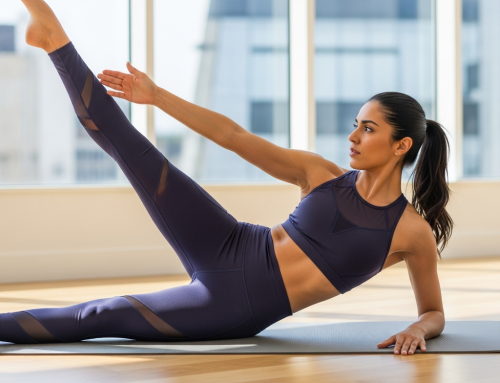
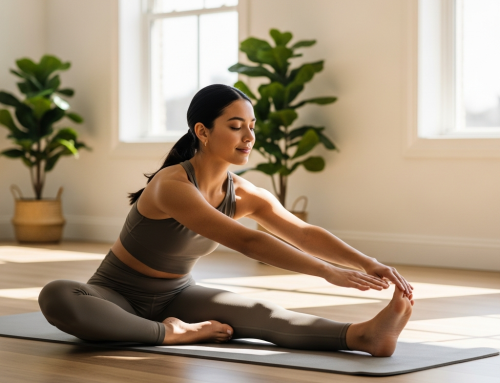
2. Practice Mat Pilates: Mat pilates is a great way to engage your core muscles and improve your overall strength. Since you’re using your body weight for resistance, it can contribute to muscle toning and a more sculpted physique.
3. Consistent Practice: Consistency is key when it comes to pilates. A regular practice will not only help you get better at the exercises but will also contribute to a subtle caloric burn over time.
4. Healthy Diet: Remember, exercise alone can’t lead to weight loss. Pairing pilates with a balanced diet rich in proteins, healthy fats, and complex carbs will help create the calorie deficit needed for weight loss.
5. Join Pilates Classes: Experienced instructors in pilates classes can guide you through exercises that target specific muscle groups, enhancing your weight loss journey. They can also offer modifications to cater to different fitness levels and needs.
Misconceptions about Pilates and Weight Loss
1. Pilates Alone Can’t Lead to Weight Loss: True, pilates isn’t a high-calorie-burning exercise, but it’s a powerful tool for body composition. It helps build lean muscle mass, which in turn increases your metabolic rate, aiding in weight loss over time.
2. All Pilates Workouts Are the Same: This is a common myth. In reality, there are various types of pilates, like mat pilates, reformer pilates, and classical pilates, each with its own set of benefits. Some are more intense than others and can contribute more to weight loss.
3. Pilates Is Only for Women: Another misconception is that pilates is only suitable for women. In fact, it was developed by a man (Joseph Pilates) for men. Pilates is beneficial for anyone looking to improve core strength, flexibility, and body awareness.
Best Practices for Pilates:
1. Aim for at least three sessions per week. Consistency will help build strength and flexibility while contributing to a slight caloric burn.
2. Focus on your form rather than speed. Quality over quantity is a fundamental principle in pilates.
3. Always warm up before starting your session and cool down afterwards to prevent injuries.
4. Keep challenging your body by trying different types of pilates or adding props like balls, bands, or rings to intensify your workout.
5. Listen to your body. If an exercise causes pain or discomfort, modify it or try an alternate exercise.
In summary, pilates may not be a quick fix for weight loss, but it’s an excellent adjunct to a comprehensive weight loss plan. Regular pilates can enhance body composition, improve muscle tone, and increase metabolism, all of which aid in weight management. Always remember to couple pilates with a balanced diet and additional cardiovascular exercise for the best results.
Is Pilates a Good Way to Lose Weight? Here’s What You Need to Know
Pilates, a system of exercises designed to improve physical strength, flexibility, posture, and mental awareness, has become an increasingly popular fitness routine for those who are looking to lose weight and maintain a lean, toned physique. But can Pilates really help you shed those extra pounds?
Firstly, it is important to understand that weight loss involves a combination of a healthy diet and regular physical activity. Pilates can be an integral part of this equation, offering a full-body workout that targets all muscle groups. However, the amount of weight you can lose with Pilates depends on various factors like the intensity of your workouts, your current fitness level, and your diet.
Pilates focuses on slow, controlled movements that require concentration and precision, which can be quite challenging. It is designed to build lean muscle mass, improve flexibility and balance, enhance cardiovascular fitness, and boost core strength and stability. This type of exercise helps to create a more toned and sculpted body rather than contributing directly to weight loss.
That said, Pilates can indirectly contribute to weight loss by helping to increase your muscle mass. More muscle means a higher metabolism rate, which means you’ll burn more calories even at rest. Additionally, regular Pilates sessions can help improve your overall physical performance, making it easier for you to engage in more intense workouts or activities that burn more calories.
Let’s set some expectations: If you’re looking to shed significant pounds in a short amount of time, Pilates alone might not give you the quick results you desire. However, combined with a balanced diet and other forms of exercise such as cardio or weightlifting, Pilates can certainly aid in achieving your weight loss goals over time.
As for timelines, progress in Pilates is usually slow and steady. Typically, you may start seeing physical changes such as improved posture, increased flexibility, and better muscle tone within three to four weeks of regular Pilates sessions. However, noticeable weight loss may take longer, possibly two to three months or more, depending on your overall lifestyle choices.
Next Steps: Getting Started with Pilates
Whether you’re new to Pilates or looking to integrate it into your weight loss routine, here’s a practical guide to get you started
1. **Choose Your Pilates Type**: Pilates can be performed on a mat using your own body weight for resistance (Mat Pilates) or on specialized equipment like a Reformer (Machine Pilates). Both types can provide a good workout, but machine Pilates tends to be more intense and thus may burn more calories.
2. **Find a Class or Instructor**: Joining a Pilates class can be beneficial for beginners as an instructor can guide you through the movements and correct your form if needed. Alternatively, there are plenty of online resources and video tutorials if you prefer to practice at home.
3. **Start Slowly**: If you’re new to Pilates, start with beginner classes or exercises. This will allow you to familiarize yourself with the movements and avoid injury. As your strength and endurance improve, gradually increase the intensity and duration of your workouts.
4. **Consistency is Key**: Aim for at least three Pilates sessions per week for best results. Consistency will help build strength, improve flexibility, and contribute to overall calorie burn.
5. **Combine with Other Exercises**: To maximize weight loss, combine Pilates with other forms of exercise such as cardio workouts or strength training.
6. **Mind your Diet**: Remember, exercise is just one part of the weight loss equation. Be mindful of your diet, aiming for a balance of protein, carbohydrates, and healthy fats.
In conclusion, while Pilates may not be the fastest route to weight loss, it offers numerous benefits that can contribute to your weight loss journey. By improving your strength, flexibility, and overall fitness, Pilates can make it easier for you to stay active and burn more calories, while also helping you build a lean, toned physique.
After carefully examining the role of Pilates in weight loss, it’s clear that Pilates can indeed be a highly effective method for shedding unwanted pounds and toning your body. It may not always be the fastest way to lose weight, but it is a sustainable and holistic approach that offers multi-faceted benefits beyond mere weight loss.
The primary takeaways from our discussion are
Firstly, Pilates focuses on core strength, flexibility, and overall muscle tone. While these may not directly translate into massive weight loss on the scale, they do contribute to a leaner, more toned appearance. Pilates helps you build muscle, and more muscle means an increased metabolic rate. This aids in burning more calories even when at rest, which can help you lose weight in the long run.
Secondly, Pilates promotes mindfulness and a better connection with your body. This awareness can influence your eating habits, helping you make healthier choices and preventing overeating. Mindfulness, as a practice, also helps reduce stress which is a common trigger for overeating and weight gain.
Thirdly, Pilates is a low-impact exercise form which makes it suitable for everyone regardless of age or fitness level. Whether you’re a beginner or an advanced fitness enthusiast, you can tailor the intensity of your Pilates workout to match your fitness level and goals. This flexibility makes it an excellent choice for those looking to start their weight loss journey.
Lastly, Pilates also complements other forms of exercise beautifully. It’s great for cross-training and can help balance out more vigorous workouts by strengthening the core and improving flexibility. This reduces the risk of injury and enhances overall performance.
In conclusion, while Pilates might not directly result in dramatic weight loss like some other forms of exercise, it positively impacts your body composition, improves muscle tone, boosts metabolism, and fosters a healthier relationship with your body. Its focus on core strength and flexibility makes it an excellent choice for those looking to improve their overall physical fitness and wellness, and its benefits can certainly extend to weight loss if coupled with a balanced diet and regular, consistent practice.
Embracing Pilates as part of your lifestyle can help you achieve not just weight loss, but also a fitter, healthier, and more mindful you. It’s important to remember that losing weight is not just about a number on the scale, but about overall health and wellbeing. Pilates, with its comprehensive approach to physical fitness, is perfectly equipped to support you on this journey.
If you’re ready to embark on your weight loss journey with Pilates, we’re here to help. We offer expert guidance and personalized Pilates programs tailored to your specific needs and goals. Our experienced instructors focus on helping you understand your body better, guiding you through each move to ensure you get the most out of your workouts.
We invite you to contact us today to explore how Pilates can be integrated into your lifestyle for weight loss and beyond. Let’s work together to build a healthier, fitter, and more mindful you. Remember, the first step is often the hardest but taking that step with us will ensure it is in the right direction.