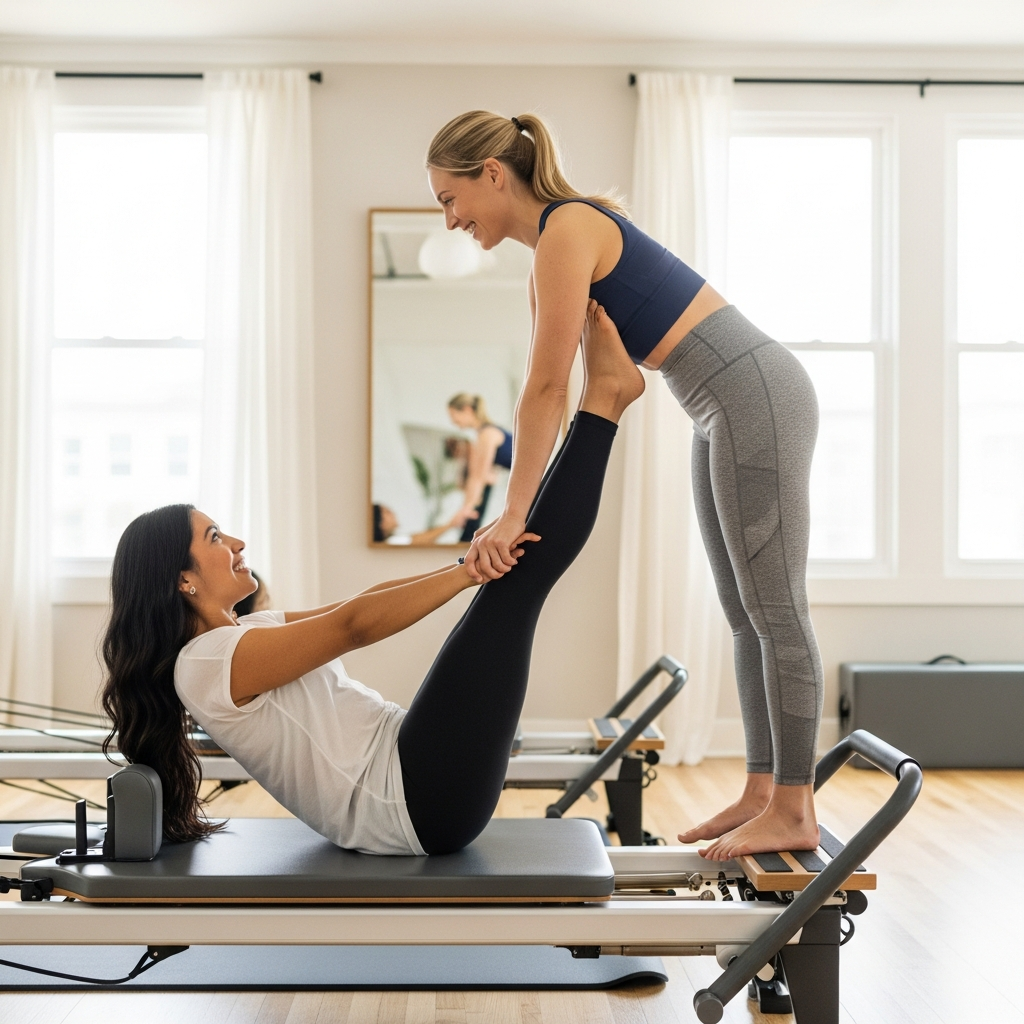
Taking the Leap: An In-depth Look at Pilates Instructor Salary
Are you passionate about the rhythmic movements of Pilates and love sharing your knowledge with others? Have you considered turning your passion into a rewarding career, but unsure about the financial implications? Then you’ve landed on the right page. In this post, we will delve deep into the world of Pilates instruction, focusing on one of the most crucial aspects that might be holding you back from taking the plunge— the salary of a Pilates instructor.
Pilates, a physical fitness system developed in the early 20th century, has grown exponentially over the years and is now practiced by millions around the globe. Its popularity stems from its holistic approach to body health, emphasizing core strength, flexibility, and awareness to promote efficient movement patterns. Whether it’s Mat Pilates, honing in on body control and stability with ground-based exercises, or Reformer Pilates, with its unique approach of incorporating a resistance machine, Pilates provides a robust workout experience that caters to both beginners and seasoned fitness enthusiasts alike.
As the interest in Pilates continues to surge, so does the demand for certified and skilled Pilates instructors. These professionals are at the heart of the Pilates experience, guiding students through each movement and ensuring they reap all the benefits this unique fitness system offers. But even as the satisfaction of helping others improve their health and wellness is rewarding, it’s also important to understand the financial aspect of this career path.
So, what about the salary of a Pilates instructor? How much can you expect to earn if you choose this career path? Is it possible to make a decent living from teaching Pilates? These are some of the questions we’ll be addressing in this comprehensive guide. We will explore various factors that influence a Pilates instructor’s salary including certification level, years of experience, geographical location, and the type of Pilates you choose to teach— be it Mat Pilates or Reformer Pilates.
Why does this matter to you? Well, if you’re considering becoming a Pilates instructor, having a clear understanding of your potential earnings isn’t just practical—it’s essential. This information gives you a realistic outlook on what to expect, helping you make informed decisions regarding training, specialization, and ultimately, your career path. It might be the motivation you need to finally pursue your passion for Pilates professionally.
Aside from aspiring instructors, this guide is also valuable for current Pilates professionals seeking to understand their place in the market and exploring ways to increase their earnings. After all, continuous learning and self-improvement are at the heart of being a successful Pilates instructor.
So, whether you’re at the start of your Pilates journey or looking to elevate your career further, join us as we pull back the curtain and reveal the financial potential of a career as a Pilates instructor.
Stay tuned as we dive deep into the world of Pilates instruction, breaking down the numbers, and giving you an accurate picture of what your bank account might look like with a career in this dynamic, rewarding field. By the end of this post, you’ll have a clearer understanding of a Pilates instructor’s salary—empowering you to make informed decisions about your future in the world of Pilates.
The Fundamentals and Framework of Pilates Instructor Salary
Pilates is a form of exercise that emphasizes the balanced development of the body through core strength, flexibility, and awareness to support efficient, graceful movement. It was created by German-born Joseph Pilates in the early 20th century and has evolved into a popular fitness regimen with numerous health benefits. If you’ve ever considered turning this passion into a profession, understanding the salary framework of a Pilates instructor is fundamental.
The salary of a Pilates instructor can be influenced by several factors. These factors include the instructor’s level of training and experience, geographic location, the setting in which they teach (e.g., fitness centers, private studios, or self-employment), and the type of clients they work with. Moreover, it’s important to note that the earning potential may vary significantly based on these factors.
In terms of training and experience, the more qualified and experienced you are as a Pilates instructor, the higher your potential income. Comprehensive Pilates training programs can be quite intensive, often requiring over 500 hours of instruction and practice. These programs typically cover Pilates principles, anatomy, exercise modifications, teaching skills, and equipment use. The investment in this training can be significant, but it also raises your value as an instructor. Experienced instructors who have developed a strong clientele or those with specialized skills (like working with athletes or rehabilitation patients) can often command higher rates.
Geographic location also plays a crucial role in determining a Pilates instructor’s salary. In areas where the cost of living is high, such as in large cities or affluent communities, Pilates instructors often charge more for their classes. Conversely, in regions where the cost of living is lower, you may find that salaries are accordingly adjusted.
The setting in which a Pilates instructor works can greatly impact their income. Instructors who work in fitness centers or gyms often earn a set salary or hourly wage. This can provide a steady income, but it may not be as high as those who work in private studios or who are self-employed. Private studios often charge more for classes, and if you are self-employed, you have the freedom to set your own rates. However, with self-employment, it’s important to consider expenses such as equipment costs, rental space, and insurance.
The type of clients a Pilates instructor works with can also influence their earnings. For instance, teaching group classes might yield less per hour than conducting private sessions. However, the ability to work with multiple clients at once can increase overall income. Specializing in certain demographics like athletes, seniors, or pre/post-natal clients could also allow instructors to charge premium rates.
It’s worth mentioning that many Pilates instructors don’t go into this career for the money – they do it because they love the practice and want to share its benefits with others. However, it’s essential to understand the financial aspects of the profession to ensure it’s a viable career choice.
Lastly, like any profession, it takes time to build a clientele and reputation as a Pilates instructor. Initially, the income might not be substantial. However, with dedication, ongoing training, and effective networking, it’s possible to significantly increase earning potential over time.
To conclude, the salary of a Pilates instructor is influenced by various factors including training, experience, location, working setting, and client type. By understanding these elements and how they can impact income, you can make informed decisions about your career path in the Pilates industry. While passion for the practice is key, being aware of the financial implications is equally important for long-term success and satisfaction in this rewarding career.
Unraveling the Pilates Instructor Salary: A Comprehensive Guide
As a Pilates instructor, your income potential is a crucial factor to consider. Whether you’re thinking about becoming a Pilates instructor or you’re already on your journey, understanding the details about the salary is essential. This article will provide you with in-depth insights into the Pilates instructor salary, including the variables that can affect your earnings and actionable advice on how to maximize your income potential.
Typical Salary Ranges
According to the Bureau of Labor Statistics, fitness instructors, including Pilates instructors, earned a median annual wage of $40,510 in 2020. However, salaries can vary greatly depending on factors such as experience, certification, specialization (mat or reformer Pilates), and geographic location. Instructors who own their studios or have advanced qualifications may earn significantly more.
1. Experience: As with any profession, experience can significantly influence a Pilates instructor’s salary. A seasoned instructor with years of teaching under their belt will have a higher earning potential than a beginner. With experience comes more clients, higher class rates, and opportunities for private sessions – all of which contribute to increased earnings.
Actionable advice: If you’re new to teaching Pilates, consider offering discounted rates or free classes to attract clients. As you gain experience and build a strong client base, you can gradually increase your rates.
2. Certification: The more qualified you are, the more you’re likely to earn. Pilates instructors with advanced certifications or specializations are often more in demand and can command higher wages.
Actionable advice: Invest in your education. Consider obtaining advanced certifications or specializing in areas like mat Pilates or reformer Pilates. Not only will this allow you to charge higher rates, but it will also make you more appealing to potential clients.
3. Specialization: Specializing in a specific type of Pilates can also impact your salary. For instance, instructors trained in reformer Pilates typically earn more than those teaching only mat Pilates due to the additional training required and the higher cost of classes.
Actionable advice: Explore different types of Pilates and consider becoming certified in more than one. This will not only increase your earning potential but also broaden your clientele.
4. Geographic Location: Salaries can also be influenced by where you live and work. Instructors in urban areas or regions with a high cost of living generally earn more than those in rural areas or regions with a lower cost of living.
Actionable advice: Be strategic about where you offer your services. If possible, consider teaching in locations where Pilates is popular and where people are willing to pay higher rates.
Increasing Your Earnings as a Pilates Instructor
In addition to the factors mentioned above, there are several other ways to maximize your earning potential as a Pilates instructor
1. Private Sessions: Offering private sessions is a great way to increase your income. These one-on-one classes allow you to charge premium rates.
2. Group Classes: While private sessions can be lucrative, don’t underestimate the power of group classes. By teaching multiple students at once, you can earn a substantial amount even if the per-person rate is lower.
3. Workshops and Retreats: Organizing special workshops or retreats can provide an additional revenue stream. These events often attract dedicated Pilates enthusiasts who are willing to pay for an immersive experience.
4. Online Classes: With the rise of digital fitness, offering online classes can be a profitable endeavor. This allows you to reach a global audience without geographical limitations.
5. Selling Products: If you have a loyal following, consider creating and selling Pilates-related products such as workout DVDs, equipment, or branded merchandise.
In conclusion, while the salary of a Pilates instructor can vary greatly, there’s plenty of opportunities for maximizing your income. By investing in your education, gaining experience, specializing, and being strategic about where and how you offer your services, you can significantly increase your earning potential in this rewarding profession.
Pilates Instructor Salary: Challenges, Solutions, and Expert Tips
Introduction
As a lifestyle choice or career, being a Pilates instructor can be both physically rewarding and professionally fulfilling. However, one of the most common challenges that prospective instructors face is the uncertainty of income. This article aims to clear misconceptions, discuss common challenges, and suggest solutions regarding the salary of a Pilates instructor. Furthermore, it will provide expert tips that can help you maximize your earning potential in both mat and reformer Pilates.
Common Challenges and Misconceptions
One of the most significant misconceptions about becoming a Pilates instructor is that the income is not sustainable. Many believe that it’s challenging to make a living out of teaching Pilates. While it’s true that the salary range can vary widely depending on various factors such as location, expertise, and the type of Pilates you teach, it doesn’t mean that there is no opportunity to earn a good living.
The U.S. Bureau of Labor Statistics suggests that fitness trainers and instructors, including Pilates instructors, earn a median annual wage of $40,510 as of May 2020. However, the top 10 percent of earners made more than $75,400 annually. This data gives a wide range of possible incomes and indicates that with the right strategies and dedication, you can certainly make a decent living as a Pilates instructor.
Solutions and Strategies
1. Diversify Your Skills: The more versatile you are as a Pilates instructor, the more opportunities you have to increase your income. For instance, learning both mat and reformer Pilates can expand your client base since some clients may prefer one over the other. Moreover, acquiring additional certifications such as barre, yoga, or personal training can also increase your marketability.
2. Offer Private Sessions: Group classes are standard in the Pilates industry. However, offering private sessions can significantly increase your income. These sessions allow you to charge a higher rate as you provide personalized training.
3. Conduct Workshops or Retreats: Organizing special events like workshops or retreats can be an excellent way to earn additional income. These events can focus on specific skills, techniques, or themes that cater to your client’s interests.
Expert Tips
1. Cultivate Relationships: Your relationship with your clients goes beyond the studio. They are more likely to continue their subscriptions and even refer others if they have a strong relationship with you. Invest time in knowing your clients, their fitness goals, and how you can help them achieve these.
2. Create Your Brand: Having a unique brand can set you apart from other instructors. This can be your teaching style, your specialty, or even the atmosphere in your classes. Once you’ve established your brand, leverage it on social media and other marketing platforms to attract more clients.
3. Continue Learning: The fitness industry is continually evolving, and so should you. Regularly updating your knowledge and skills can not only improve your teaching but also increase your value as an instructor. Consider joining Pilates associations, attending conferences, or subscribing to relevant publications.
Conclusion
While the salary of a Pilates instructor can vary widely, it’s important to remember that your income largely depends on your strategies, skills, and dedication. By diversifying your skills, offering private sessions, and cultivating relationships with your clients, you can increase your income potential. Moreover, continuously learning and creating a unique brand can set you apart in the competitive fitness industry. Remember, being a Pilates instructor is not just about the income but also about helping others lead a healthier lifestyle.
What to Expect: Pilates Instructor Salary, Timelines, and Next Steps
Introduction
If you’re passionate about fitness and wellness, becoming a Pilates instructor can be a rewarding career path. It’s an opportunity to share your love for Pilates with others, helping them improve their physical health while also nourishing your personal growth. But, like any other profession, it’s crucial to understand the financial aspects of the job. In this article, we will delve into the Pilates instructor salary, timelines for progression, and the next steps you can take to advance in this field.
Pilates Instructor Salary
As a Pilates instructor, your income can vary depending on various factors: your level of experience, the location of your practice, the type of Pilates you teach (mat or reformer), and whether you are self-employed or work for a studio or gym.
Typically, a newly certified Pilates instructor can expect to earn around $20-$30 per class in a gym or studio setting. However, with experience and additional qualifications, this can rise to between $50-$75 per class. If you opt to offer private lessons, your earning potential can significantly increase, with rates ranging from $60-$100 per hour or more.
Instructors specialized in Reformer Pilates often command higher salaries due to the increased complexity and equipment cost associated with this discipline. Additionally, instructors in major urban areas where demand is high can also expect to earn a higher salary.
It’s worth noting that many Pilates instructors work part-time and supplement their income with other jobs. However, full-time instructors who build a strong client base or manage their studio can earn a substantial income.
Timelines
The journey to becoming a professionally paid Pilates instructor begins with training and certification. Most comprehensive Pilates certification programs can be completed within a year, though this timeline can vary depending on your commitment and schedule.
Once certified, it’s common to start teaching part-time while you hone your skills and build your client base. Over time, with regular classes and growing student numbers, you can transition to teaching Pilates full-time.
As you gain experience and additional qualifications (such as advanced or specialized training), your earning potential increases. This progression is not linear, though, and depends on factors like market demand, your networking skills, and your ability to retain clients.
Next Steps
1. Gain Your Certification: The first step to becoming a Pilates instructor is to complete a recognized Pilates certification program. Look for a comprehensive program that covers both mat and apparatus work and includes anatomy, programming, and teaching methodology.
2. Gain Experience: Start by teaching part-time classes at a local gym or studio. This will give you valuable experience and help you build a reputation in your local community.
3. Specialize: Consider gaining additional qualifications in specialized areas such as Reformer Pilates, pre- and post-natal Pilates, or Pilates for seniors. These specializations can increase your marketability and earning potential.
4. Network: Join professional Pilates associations, attend industry events, and connect with other fitness professionals. Networking can lead to job opportunities and can help you stay up-to-date with the latest trends in the industry.
5. Continue Learning: The fitness industry is continually evolving, so it’s essential to keep learning and improving your skills. Attend workshops, take online courses, and stay informed about the latest research in health and fitness.
Conclusion
Becoming a Pilates instructor is more than just a career – it’s a lifestyle choice. While it may not make you a millionaire overnight, the rewards of helping others achieve their health goals are immeasurable. With dedication, continuous learning, and a passion for Pilates, you can carve out a successful career in this dynamic field.
In conclusion, the world of Pilates instruction offers many opportunities for personal growth and financial stability. While the salary may vary from location to location and between different types of Pilates studios, the potential for income is substantial. The average annual salary for a Pilates instructor in the United States is between $46,000 to $72,000. However, the potential earning can increase significantly with experience, specialization, and private clientele.
One of the key factors that affects a Pilates instructor’s salary is their level of expertise and training. Instructors who invest in comprehensive certification programs and continuing education often command higher rates than those with only basic training. This is because clients and studios recognize and value the deep understanding of the Pilates method that comes from advanced study and practice.
Location also plays a crucial role in the salary of a Pilates instructor. Those working in urban areas or upscale fitness centers are likely to earn more than those in rural areas or community centers. This is largely due to the cost of living and the differing economies of these areas.
The ability to teach specialized Pilates classes, like reformer Pilates, prenatal Pilates, or therapeutic Pilates, can also boost an instructor’s earning potential. These specializations allow instructors to meet the unique needs of different client populations, making them more valuable to studios and clients alike.
Private instruction is another avenue through which a Pilates instructor can increase their income. By offering one-on-one sessions, instructors can cater to individual needs and goals, providing a premium service that warrants higher rates.
Importantly, being a Pilates instructor is not only about the financial gain. The job provides immense satisfaction by helping others improve their health, fitness levels, and overall well-being. The opportunity to transform people’s lives while doing something you love is truly priceless.
In the constantly evolving field of fitness and wellness, Pilates stands out as a practice that promotes balance, strength, flexibility, and mind-body connection. As such, the demand for qualified Pilates instructors is expected to continue growing. Whether you are already a fitness professional looking to diversify your offerings, or someone considering a career change, becoming a Pilates instructor can be a rewarding and profitable choice.
To navigate the world of Pilates instruction and maximize your earning potential, it’s essential to have the right guidance and resources. That’s where we come in. Our team is here to assist you with every step of your Pilates career journey, from choosing the right certification program to finding your niche in the industry.
If you’re ready to take the next step towards becoming a successful Pilates instructor, we invite you to contact us today. We can provide a wealth of information about training programs, career prospects, and strategies for success in this exciting field. Let us help you turn your passion for Pilates into a fulfilling and lucrative career. Together, we can help you achieve your goals and make a positive impact in the world of health and wellness.