Delving Deep into Pilates: Mat and Reformer Exercises Uncovered
Introduction
Are you curious about the fitness buzzword that’s been flying around lately – PILATES? Have you found yourself asking, ‘What about Pilates exercises?’ If so, you’re in the right place. In a world increasingly conscious about health, wellness and fitness, Pilates has become a cornerstone for many people across all ages, genders, and fitness levels. Whether you’re a fitness enthusiast or someone just starting their health journey, understanding Pilates and its potential benefits can be an invaluable addition to your fitness knowledge.
Pilates is not just another fad in the fitness world; it’s a holistic approach towards achieving better health, improved strength, flexibility, balance, and mind-body harmony. Named after its inventor Joseph Pilates, this fitness system uses controlled movements to improve physical strength, flexibility, and posture while enhancing mental awareness. It is a gentle yet challenging exercise method that can be tailored to your individual needs.
In this extensive guide, we will delve deep into the world of Pilates, exploring its various forms, the differences between them, and how they can contribute to your fitness journey. We will focus on two primary types of Pilates – Mat Pilates and Reformer Pilates. Mat Pilates is performed on a mat using your body weight as resistance, while Reformer Pilates involves special equipment called ‘reformer’ to provide a more challenging workout.
We will dive into the origins of these two forms, the benefits they bring to the table, and how they differ from each other. Whether you’re curious about what Pilates is or looking for a detailed comparison between Mat and Reformer Pilates, this comprehensive guide has got you covered. We’ll also share some beginner-friendly exercises for both forms of Pilates that you can start with today!
This guide is not merely about explaining what Pilates is; it’s about demonstrating how this method can be integrated into your daily life for better health and wellness. We will provide you with practical, easy-to-follow information that can help you make informed decisions about your fitness routine. Whether you’re looking to improve your posture, enhance your flexibility, build strength, or simply find a new way to keep active, Pilates might just be the solution you’re seeking.
Understanding Pilates exercises is crucial because they offer a unique approach to fitness that goes beyond just physical well-being. The practice of Pilates focuses on the connection between mind and body, providing benefits that extend to mental health, including stress relief and improved concentration. Moreover, Pilates exercises are versatile and can be tailored to cater to everyone from beginners to advanced fitness enthusiasts.
So, why does this matter to you? The answer is simple. In a world where we are continually seeking ways to improve our health and well-being, understanding different forms of exercise can help us discover what works best for our unique needs and goals. Whether you’re looking for a low-impact exercise method, hoping to rehabilitate from an injury, or seeking a comprehensive workout that targets all muscle groups, Pilates could be the answer.
Stay tuned as we navigate through the world of Pilates, unravel the mystery behind Mat and Reformer exercises, and help you discover why Pilates might just be the missing piece in your fitness journey. Are you ready to embrace a new perspective on fitness? Let’s dive in!
Fundamentals and Framework of Pilates Exercises
Pilates, a mind-body regimen developed in the early 20th century by Joseph Pilates, is a low-impact exercise method that focuses on strengthening the body’s core – the abdomen, obliques, lower back, inner and outer thigh, and so on. This exercise regimen relies on precise movements and specific breathing techniques and has gained significant popularity over the years due to its effectiveness in improving flexibility, strength, and body awareness.
Joseph Pilates’ philosophy revolved around the concept of ‘contrology’, which he defined as the comprehensive integration of body, mind, and spirit. This philosophy is at the heart of every Pilates exercise routine. Pilates believed that through ‘contrology’, one could harmonize these three aspects to promote and improve health and wellbeing.
Pilates exercises are based on six core principles: centering, concentration, control, precision, breath, and flow. Each of these principles plays a vital role in ensuring the effectiveness of the exercise routine.
Centering: This principle refers to the concept of focusing on the body’s center – the area between the lower ribs and pubic bone. Every Pilates exercise is initiated from this center, radiating movements out to the extremities. By mastering this principle, practitioners can develop core strength, improve balance, and enhance overall stability.
Concentration: Pilates requires a high level of mental focus and mindfulness. Every movement should be done with full attention to detail to ensure it’s performed correctly and effectively. Concentration helps connect the mind with the body, enhancing body awareness and ensuring each exercise targets the intended muscle groups.
Control: Control, or ‘contrology’, is a fundamental principle in Pilates. It revolves around the idea that every movement should be deliberate and controlled to avoid injury and ensure effectiveness. This principle discourages hasty, imprecise movements and instead promotes smooth, controlled, and precise motions.
Precision: Precision refers to the accuracy of each movement in Pilates. It demands a specific alignment and trajectory for each exercise. With precision, the quality of each movement is prioritized over quantity or speed, thus ensuring maximum benefit from each exercise.
Breath: In Pilates, breath control is vital. Pilates believed that blood needed to be ‘awakened’ through oxygenation and by removing waste gases through effective breathing. Specific breathing patterns are taught to accompany each movement, helping to invigorate and energize the body.
Flow: The flow principle in Pilates promotes smooth, continuous movements, where each exercise flows into the next. This principle helps to build strength and stamina, improve coordination, and develop a graceful, efficient movement pattern.
The framework of Pilates exercises can be broadly categorized into mat exercises and apparatus-based exercises. Mat exercises are performed on a floor mat and mainly use the body’s own weight for resistance. These exercises focus on improving flexibility, core strength, and body control.
On the other hand, apparatus-based Pilates involves specially designed equipment like the Reformer, Cadillac, and Wunda Chair. These machines provide resistance through springs, which can be adjusted according to the individual’s strength and skill level. Apparatus-based Pilates exercises can target specific muscle groups more directly than mat exercises, making them an excellent choice for rehabilitation or for those wishing to enhance athletic performance.
Pilates is a versatile exercise regimen that caters to all fitness levels – from beginners to experts. It’s highly adaptable and can be customized to address individual needs or goals. Whether your aim is to improve posture, increase flexibility, enhance athletic performance, or rehabilitate after an injury, Pilates has something to offer.
In conclusion, Pilates exercises, with their focus on core strength, precision, and mindful movement, provide a holistic approach to fitness. They offer not only physical benefits but also foster mental resilience and improved body awareness. By understanding the fundamentals and framework of Pilates exercises, individuals can better engage with this practice and reap its numerous benefits.
Pilates Exercises: A Step-By-Step Guide to Mat and Reformer Pilates
Pilates is a physical fitness system that cultivates strength, flexibility, balance, and body awareness. There are two main types of Pilates: mat Pilates and reformer Pilates, both offering unique benefits.
Mat Pilates:
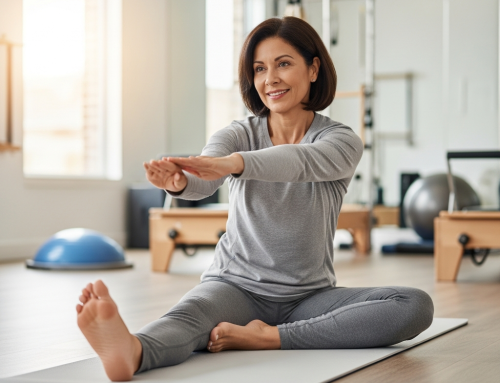
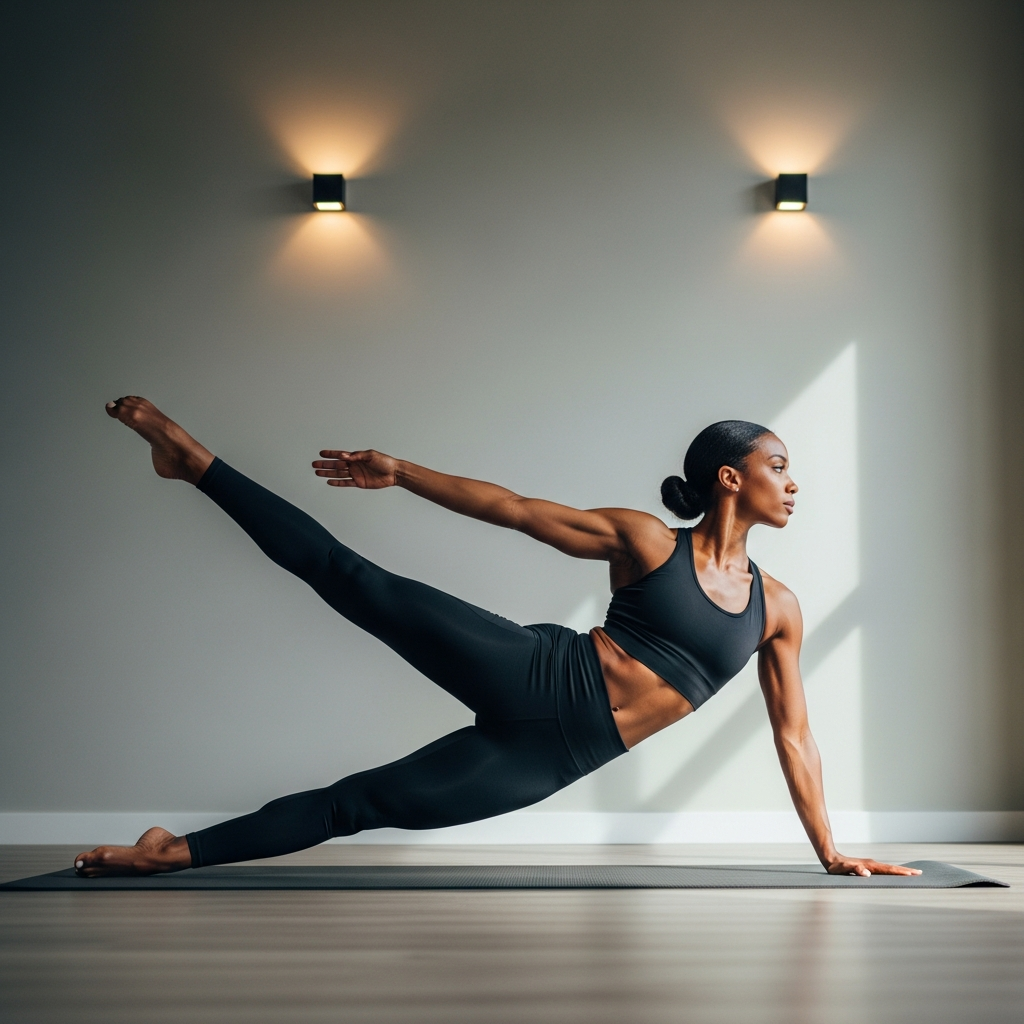
Mat Pilates is the most commonly practiced form of Pilates, which can be performed virtually anywhere with a flat surface and a mat. It primarily focuses on strengthening the body’s core, which includes the abdominal muscles, lower back, hips, and buttocks.
1. The Hundred: This is a classic Pilates warm-up exercise. Start by lying on your back with your knees bent and your feet flat on the floor. Raise your legs so your thighs are perpendicular to the floor, and your knees are bent at a 90-degree angle. Inhale, and then as you exhale, lift your upper body, reaching your arms forward parallel to the floor and pulsing them up and down while breathing in and out for five counts each to total 100 counts.
2. Rolling Like a Ball: This exercise massages the spine, works the abs and helps you focus on your breath. Sit up tall on your sitting bones at the top of your mat. Bring your hands to your ankles and lift your feet off the floor. Tuck your head towards your chest and start rolling back and forth maintaining a tight ball shape.
Reformer Pilates:
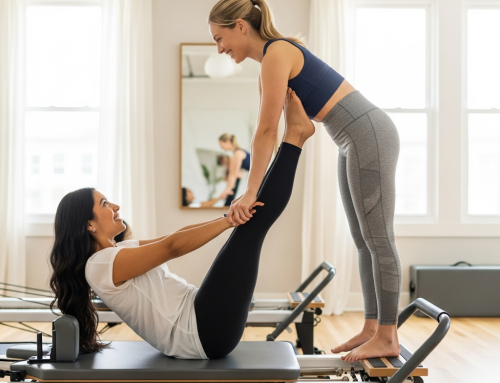
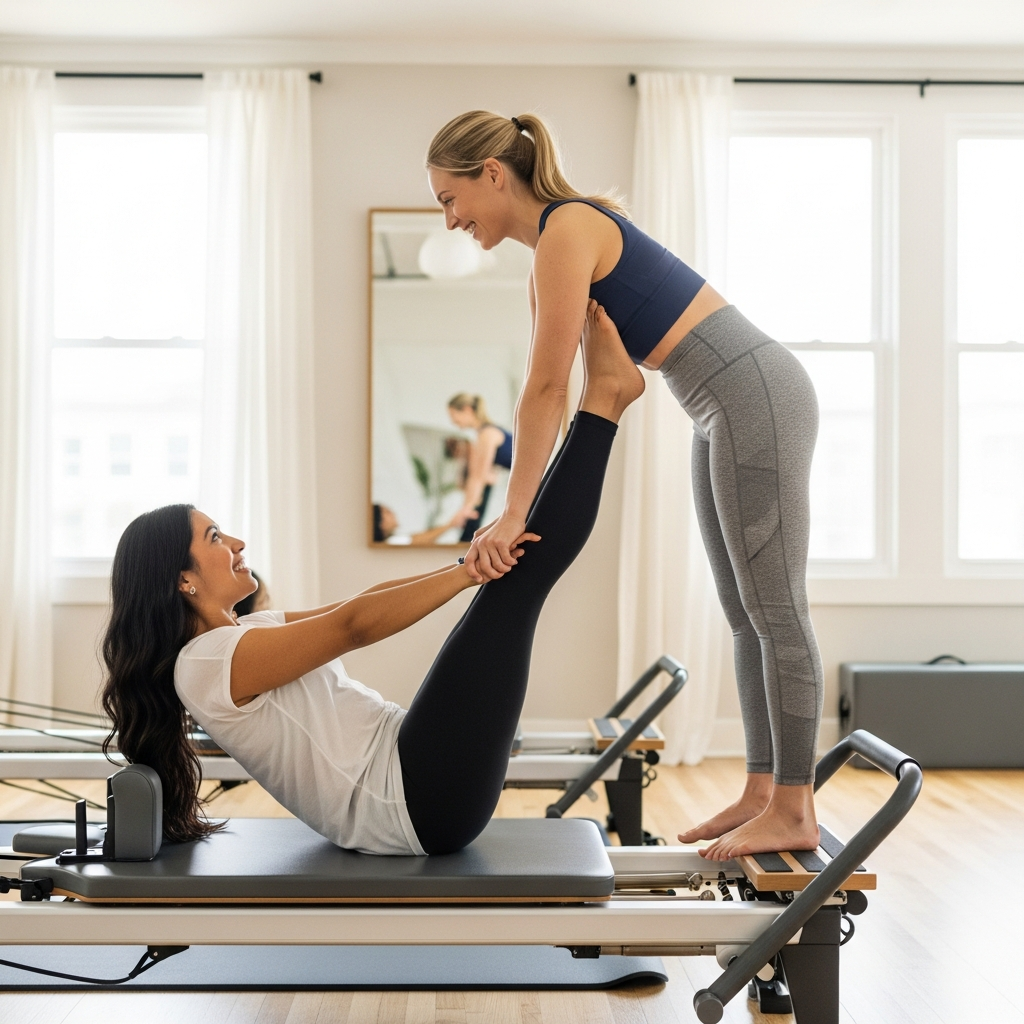
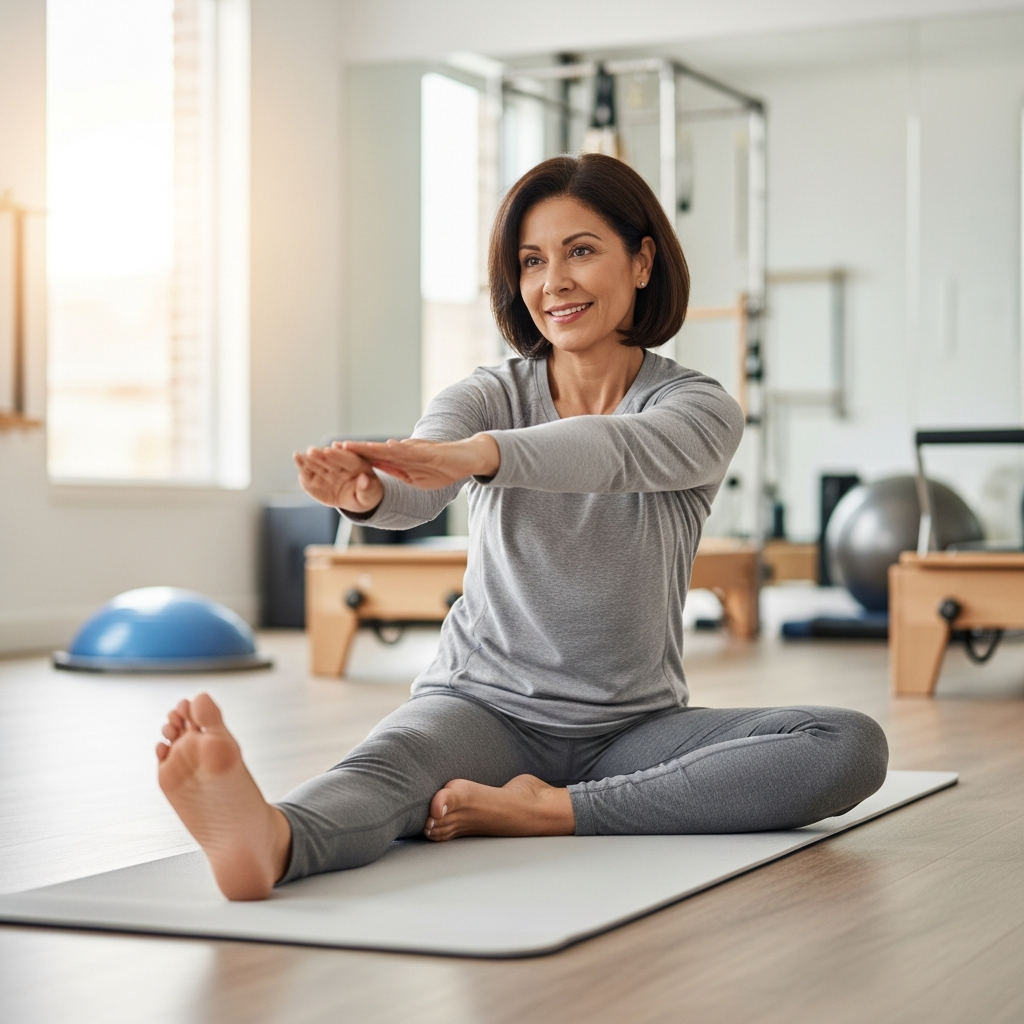
Reformer Pilates is performed on a bed-like frame with a flat platform called the carriage, which rolls back and forth on wheels. The carriage is attached to one end of the reformer with a set of springs that offer different levels of resistance.
1. Footwork: This is often the first series of exercises you’ll do in a reformer Pilates class. Lie on the carriage with your head on the headrest and your feet hip-distance apart on the footbar. Push out so that your legs are straight but not locked, and then slowly return the carriage.
2. Leg Circles and Frog: This exercise improves hip mobility and strengthens the lower body. Lie on the carriage with your feet in straps, extend your legs straight up to the ceiling. Lower your legs about halfway, open them out to the sides, circle them around, and bring them back up to the starting position. For the frog, bend your knees, keeping your feet together, and then press your legs out to a diagonal.
Real-World Scenarios:
Scenario 1: You’re a busy professional who spends a lot of time at a desk. Mat Pilates can be a great way to break up your day, stretch out your body, and strengthen your core. Try exercises like the Saw, where you stretch your hamstrings and strengthen your obliques, or the Spine Stretch Forward, which can help improve your posture.
Scenario 2: You’re an athlete looking to improve performance. The reformer can offer sports-specific training. For instance, the Lunge on a Long Box can increase strength and stability in the legs which could benefit runners, while the Rowing Series can help swimmers develop a stronger stroke.
Actionable Advice:
1. Start with mat Pilates before moving to the reformer. It helps you get familiar with Pilates principles such as breath control, centering, concentration, control, precision, and flow.
2. Listen to your body. If something feels off or you’re in pain during an exercise, stop and modify or switch to a different move.
3. Be consistent. Pilates isn’t about quick results. It’s about slow, steady improvement.
4. Consider getting a Pilates instructor. They can tailor exercises to your needs and ensure that you’re doing them correctly.
In conclusion, both mat and reformer Pilates offer unique benefits that can improve strength, flexibility, and overall body awareness. Whether you’re a desk-bound professional or an athlete seeking to enhance performance, incorporating Pilates exercises into your routine can provide significant benefits. Remember to always listen to your body, be consistent with your workouts, and consider working with a qualified instructor to maximize your Pilates experience.
**A Comprehensive Guide to Pilates: Exercises, Common Challenges and Effective Solutions**
Pilates, a physical fitness regimen developed in the early 20th century by Joseph Pilates, has gained significant popularity over the decades. Known for its focus on core strength, balance, and flexibility, Pilates exercises are widely regarded as effective for improving overall body strength and tone. Despite its myriad of benefits, many individuals encounter common challenges when incorporating Pilates into their fitness routine. Let’s delve into some of these challenges and discuss practical solutions and expert tips to help enhance your Pilates experience.
**Common Challenges in Pilates**
One of the initial challenges that people often face when starting Pilates is understanding and executing the basic principles, such as centering, concentration, control, precision, breath, and flow. These principles are foundational to the practice and are what differentiate Pilates from other forms of exercise.
Another common issue is the difficulty of certain exercises. Pilates workouts often involve intricate movements that require strength, flexibility, and control. This can be overwhelming for beginners who may struggle with exercises like the Teaser or the Hundred.
Thirdly, individuals may find it hard to maintain a consistent Pilates routine. As with any fitness regimen, consistency is key to seeing results. However, due to busy schedules or lack of motivation, people often struggle to stick to their Pilates routine.
Lastly, there are misconceptions about Pilates that can deter people. Some think that Pilates is only for women or dancers, while others believe it’s easy or not a “real” workout. These misconceptions can prevent people from exploring the benefits of this practice.
**Effective Solutions and Expert Tips**
Understanding the basic principles: To overcome the initial hurdle of understanding Pilates principles, it’s essential to learn from a certified instructor who can guide you through each principle and ensure you’re executing movements correctly. Patience is key here – don’t rush the process. With time, these principles will become second nature.
Difficulty of exercises: If you’re finding certain exercises challenging, don’t be discouraged. Pilates is a progressive practice – it’s okay to start with modifications or simpler versions of the exercises. As your strength and flexibility improve, you can gradually move on to more advanced exercises. Remember, it’s not about doing the most difficult exercises, but doing the exercises right.
Maintaining a consistent routine: To help maintain consistency, schedule your Pilates workouts just like any other appointment. Finding a workout buddy or joining a Pilates class can also boost motivation and accountability. Additionally, varying your routine with different types of Pilates, such as mat Pilates or reformer Pilates, can keep things interesting and challenging.
Addressing misconceptions: Pilates is for everyone – men, women, dancers, athletes, seniors, and even individuals rehabilitating from injuries. It’s a versatile practice that can be tailored to individual needs and abilities. While Pilates can seem easy because it’s low-impact and focuses on controlled movements, it’s actually a challenging full-body workout that requires strength, flexibility, and endurance.
**Mat Pilates vs Reformer Pilates**
Mat Pilates and reformer Pilates are both effective and offer unique benefits. Mat Pilates is often more accessible as it requires little equipment (just a mat), making it easier to practice at home. It primarily uses your own body weight for resistance and focuses on developing core strength and improving posture.
Reformer Pilates, on the other hand, uses a machine called a reformer, which adds resistance to the exercises through the use of springs. This offers a more intense workout and allows for a wider variety of exercises. It’s particularly beneficial for improving strength, flexibility, balance, and coordination.
Regardless of the type you choose, the key is to ensure that the exercises are performed with precision and control, in line with the Pilates principles. Remember, a successful Pilates journey is not about perfection, but progress. By understanding and addressing these common challenges, you can reap the numerous benefits of Pilates and enjoy a stronger, healthier body.
Embracing the Power of Pilates: What to Expect, Timelines, and Next Steps
Pilates, a comprehensive body workout system, has been transforming people’s lives for the better part of a century. Developed by Joseph Pilates in the early 20th century, this unique exercise form focuses on core strength, flexibility, balance, and mind-body connection. Whether you’re a beginner considering your first Pilates class or a seasoned practitioner looking to take your fitness journey to the next level, this guide provides practical insights to help you navigate the Pilates world.
Pilates Exercises: What To Expect
Pilates exercises typically fall into two categories: mat Pilates and reformer Pilates.
Mat Pilates involves a series of exercises performed on a mat. It mainly focuses on developing core strength, improving postural alignment, and enhancing flexibility. Expect exercises such as the Pilates Hundred, Roll Up, and Teaser that target your abs, back, hips, and glutes while teaching control, precision, and concentration.
Reformer Pilates, on the other hand, involves a specialized piece of equipment called a reformer. The reformer is a bed-like frame with a flat platform (the carriage), which rolls back and forth on wheels. The carriage is attached to springs that provide varying levels of resistance. Reformer Pilates exercises incorporate pushing and pulling actions that work multiple muscle groups simultaneously, providing a full-body workout.
Regardless of the type of Pilates you choose, you can expect a low-impact exercise routine that’s gentle on your joints but challenging enough to boost your strength and flexibility. Another common feature of all Pilates exercises is the emphasis on proper breathing techniques to support movement execution and enhance overall relaxation.
Timelines: Your Pilates Journey
Pilates is not a quick fix; it’s a journey. The timeline for seeing results from Pilates varies greatly from person to person, depending on factors such as fitness level, frequency of practice, and individual body responses.
However, Joseph Pilates himself famously said, “In 10 sessions, you’ll feel the difference. In 20, you’ll see the difference. And in 30, you’ll be on your way to having a whole new body.” While this timeline may not apply universally, it gives a general idea of what to expect.
Most practitioners report feeling improvements in flexibility, posture, and stress levels within a few weeks of consistent practice. Visible changes, such as increased muscle tone and a leaner appearance, often start to show after about a month or two.
Next Steps: Deepening Your Pilates Practice
Whether you’re new to Pilates or looking to deepen your practice, here are some practical steps to guide your journey
1. Choose the Right Class: If you’re a beginner, start with a basic mat class to familiarize yourself with the principles and movements of Pilates. Once you’re comfortable, consider trying a reformer class for a more challenging workout.
2. Consistency is Key: Aim to do Pilates at least two to three times per week for optimal results. Remember, consistency trumps intensity when it comes to reaping the benefits of Pilates.
3. Listen to Your Body: Always pay attention to your body’s signals. Push yourself but not to the point of pain or discomfort. It’s okay to modify exercises or take breaks as needed.
4. Find a Qualified Instructor: Seek guidance from a certified Pilates instructor who can ensure your form is correct and prevent injury.
5. Incorporate Other Fitness Activities: Complement your Pilates routine with other forms of exercise such as cardio workouts or strength training for a well-rounded fitness regimen.
Remember, the journey through Pilates is a personal one. It’s less about reaching a destination and more about the transformation you’ll experience along the way. With patience, consistency, and commitment, Pilates can become an invaluable part of your fitness routine, enhancing not just your physical wellbeing, but also your mental and emotional health.
In conclusion, Pilates exercises are an invaluable addition to any fitness regime, offering a multitude of physical and mental health benefits. We have touched upon the holistic approach of Pilates, which targets the body as a unified system rather than focusing on isolated muscle groups. This is what differentiates Pilates from other forms of exercises, making it an effective tool for improving overall body strength, flexibility, balance, and coordination.
One of the key takeaways is that Pilates can be tailored to suit individuals of all fitness levels and ages. Whether you’re a seasoned athlete looking to enhance your performance, a beginner just starting your fitness journey, or someone recovering from an injury, Pilates can be adjusted to meet your specific needs and goals. It offers a low-impact yet challenging workout that respects your body’s limits while pushing it to become stronger and more resilient.
Pilates not only transforms your body but also has a significant impact on your mental wellbeing. The mindfulness aspect of Pilates exercises, coupled with the focus on correct breathing techniques, helps reduce stress and anxiety, promoting a sense of calm and relaxation. Through regular practice, you can develop a better awareness of your body, leading to improved posture and body alignment.
Moreover, we delved into the importance of seeking guidance from certified Pilates instructors. Like any form of exercise, correct form and technique are crucial in Pilates to reap the full benefits and prevent injury. Professional instructors can provide personalized guidance and modifications to ensure you’re performing each exercise safely and effectively.
We also explored various Pilates equipment and props that can enhance your workout experience. While mat-based Pilates is great for beginners and those looking to engage their core muscles, equipment like the Reformer, Cadillac, and Wunda Chair introduce additional resistance and variability into your routine for a more challenging workout.
Finally, remember that consistency is key when it comes to Pilates or any form of exercise. Regular practice is essential for seeing and maintaining results. Whether you choose to incorporate Pilates into your routine a few times a week or daily, stick with it, and you’ll surely notice positive changes in your body and mind over time.
We hope this comprehensive guide has provided you with valuable insights into Pilates exercises and their numerous benefits. Whether you’re just curious about Pilates or ready to dive into this rewarding practice, there’s no better time to start than now.
Still have questions or interested in getting started with Pilates? We invite you to reach out to us. Our team of certified Pilates instructors is here to assist you every step of the way on your journey to better health and fitness. We offer personalized training plans tailored to your unique needs and goals, ensuring you get the most out of your Pilates experience.
Remember, every journey begins with a single step. Take that step today towards a healthier, stronger, and more balanced you. Contact us now to book your first Pilates session. You won’t regret it!