The Journey to Becoming a Certified Pilates Instructor
Introduction:
Are you passionate about Pilates and keen to turn this passion into a fulfilling career? The world of Pilates is rich and rewarding, filled with opportunities for personal growth and the chance to change lives. One of the best ways to dive into this world is by becoming a certified Pilates instructor. This blog post will guide you through everything you need to know about Pilates instructor certification, from the basic requirements to the journey of certification itself.
Pilates, a system of exercises designed to improve physical strength, flexibility, balance, and mental awareness, has grown significantly in popularity over the years. From mat Pilates classes at local gyms to exclusive Pilates studios offering reformer sessions, the demand for qualified and knowledgeable instructors is on the rise. With an increasing number of enthusiasts recognizing the benefits of this exercise regimen, there’s never been a better time to consider a career in Pilates instruction.
So, what does it take to become a certified Pilates instructor? What should you expect during the certification process? What are the different types of certifications available? These are just a few questions that might be running through your mind. Well, you’re in luck! In this comprehensive guide, we’ll explore all these topics and more.
Our journey will begin with an overview of what Pilates is and the various styles that exist, from classical Pilates to contemporary variations such as mat Pilates. This will provide essential context and ensure that you understand the fundamentals of this discipline.
Next, we’ll delve into the specifics of becoming a certified instructor. We’ll cover the prerequisites for enrolling in a certification program, the cost and duration of these programs, and what they entail. We’ll also touch on the importance of choosing a program recognized by reputable bodies within the industry.
Additionally, we’ll explore the different types of certifications available, such as Mat Pilates certification and comprehensive Pilates certification, helping you decide which path aligns best with your career goals. We’ll also dive into the practical elements of the certification process, including the examination and teaching practice components.
Finally, we’ll discuss what happens after achieving certification. How do you land your first teaching job? What are the opportunities for continuing education and specialization within the field? And importantly, how can you keep your certification valid?
Becoming a certified Pilates instructor is not just about learning how to perform and teach exercises—it’s about immersing yourself in a holistic lifestyle that promotes physical and mental well-being. It’s about inspiring others to lead healthier lives and witnessing the transformative power of Pilates firsthand.
In this guide, we aim to provide you with all the knowledge you need to embark on this exciting journey with confidence. Whether you’re a seasoned practitioner seeking a career change or a Pilates enthusiast wanting to deepen your practice, this guide will offer valuable insights into the path of becoming a certified Pilates instructor.
So, are you ready to turn your passion for Pilates into a rewarding profession? Are you prepared to inspire others and make a real difference in their lives? If so, read on, as we unravel the fascinating journey towards becoming a certified Pilates instructor!
A Comprehensive Overview of Pilates Instructor Certification
Pilates is a methodical exercise regimen that centers on body flexibility, balance, and control. It was coined by Joseph Pilates, a physical trainer from Germany, during the early 20th century. The fundamental principles of Pilates encompass concentration, control, centering, flow, precision, and breathing. These principles form an integral part of the entire Pilates program and are integral to the training and certification of a Pilates instructor.
The practice of Pilates has seen a significant surge over the years due to its multifaceted benefits. It does not only focus on physical wellbeing but also on mental health, making it an all-encompassing fitness regime. As the popularity of Pilates has grown, so too has demand for qualified instructors. This has led to the establishment of numerous Pilates instructor certification programs across the globe.
The certification for becoming a Pilates instructor is a comprehensive process that requires both theoretical knowledge and practical experience. An aspiring instructor must demonstrate a thorough understanding of the Pilates method and its principles, as well as proficiency in teaching these exercises to others. The process of obtaining certification is rigorous and requires dedication, but it ensures that certified instructors are well equipped to guide students through safe and effective Pilates routines.
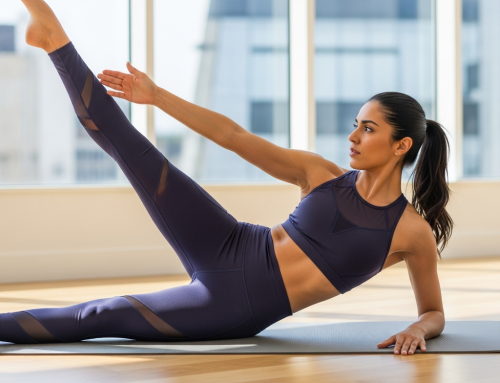
There are different levels of Pilates instructor certification to cater to varying levels of expertise. The introductory level focuses on mat work, which forms the foundation of Pilates. Mat work involves exercises performed on a mat, using the body’s weight for resistance. This level provides a grounding in basic Pilates principles and techniques.
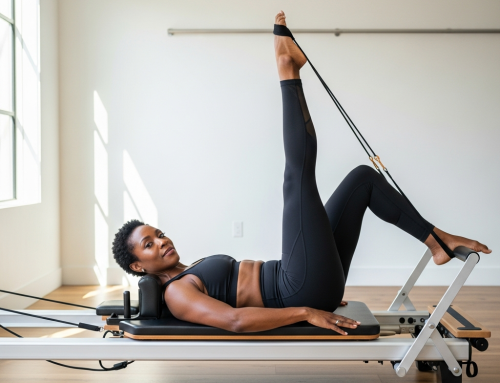
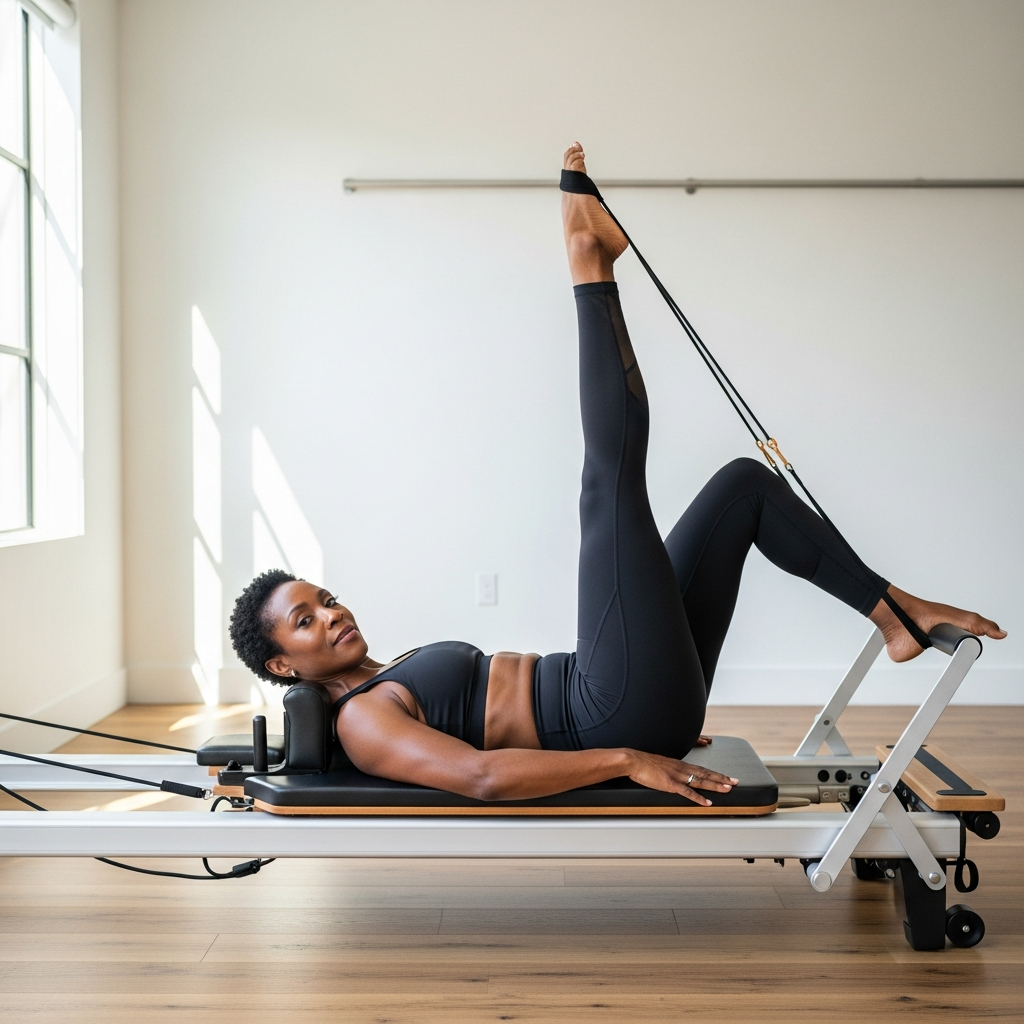
The intermediate certification level introduces instructors to Pilates equipment like the Reformer, Cadillac, and Wunda Chair. These apparatus are designed to provide resistance that can be adjusted according to the strength and skill level of the individual.
The advanced level delves deeper into complex movements on the equipment and introduces more challenging exercises. It also covers aspects such as injury prevention, rehabilitation, and working with special populations.
In general, a Pilates instructor certification program comprises coursework that covers anatomy, biomechanics, and exercise physiology, among other areas. It also involves practical training where candidates get hands-on experience teaching Pilates exercises under the supervision of experienced instructors.
Moreover, most certification programs require a certain number of practice teaching hours and observation hours. Observation involves watching and learning from experienced Pilates instructors, while practice teaching involves instructing small groups under supervision. This practical experience plays a critical role in shaping a competent and confident Pilates instructor.
It is worth noting that not all Pilates instructor certification programs are created equal. The quality and depth of training can vary considerably across different programs. Therefore, it’s crucial to choose a certification program that is recognized by reputable Pilates associations like the Pilates Method Alliance (PMA), which sets high standards for Pilates instructor certification.
Becoming a certified Pilates instructor entails more than just mastering the exercises. It involves understanding the philosophy behind the method, learning how to design a balanced and effective routine, and knowing how to teach and guide students with varying fitness levels and needs.
Furthermore, a good Pilates instructor must possess excellent communication skills to explain complex movements clearly. They must also have a keen eye for detail to correct students’ form and alignment and to ensure safety during the workout.
In conclusion, becoming a certified Pilates instructor is a rewarding but challenging journey that requires a deep understanding of the Pilates method, comprehensive training, and a commitment to continuous learning. With the right certification program and dedication, you can become a proficient Pilates instructor capable of guiding your students toward improved health and well-being.
Pilates Instructor Certification: A Comprehensive Guide
Pilates is more than just a workout regime; it is a holistic approach to body wellness and physical fitness. If you are passionate about Pilates and want to share its numerous benefits with others, becoming a certified Pilates instructor might be the path for you. This guide will provide you with step-by-step guidance on pursuing your Pilates instructor certification journey.
1. Understand the Commitment
Becoming a Pilates instructor requires a substantial commitment of time, energy, and resources. Depending on the program, you may need to dedicate between 200 to 500 hours of training, which includes lectures, self-study, observation, practice teaching, and personal workout sessions. It’s essential to understand this commitment upfront to ensure that you can balance it with your other responsibilities.
2. Choose the Right Training Program
Your choice of training program should align with your career objectives and personal preferences. Some programs focus on mat Pilates, while others include training on Pilates machines such as the Reformer or Cadillac. You may want to start with a mat certification before advancing to more complex equipment.
For instance, if you aim to teach at a local community center offering mat classes, a mat-focused certification might be sufficient. However, if your dream is to work in a full-service Pilates studio, a comprehensive program covering both mat and apparatus work would be more beneficial.
3. Meet the Pre-requisites
Most certification programs require applicants to have a certain amount of Pilates experience. For example, Balanced Body, one of the leading Pilates education organizations, recommends that prospective students have taken at least 20 Pilates classes before beginning their teacher training.
4. Complete the Coursework
Once you are enrolled in a program, you will need to complete the required coursework. This typically includes anatomy lessons, studying Joseph Pilates’ original works, learning specific exercises and their modifications, and understanding how to design and sequence a Pilates class.
5. Get Practical Experience
In addition to theoretical knowledge, you need hands-on experience. This involves observing experienced instructors, practicing the exercises yourself, and teaching classes under supervision. For example, if you are training in mat Pilates, you might start by observing a seasoned instructor’s mat class. Pay attention to how they instruct the exercises, correct the students’ form, and manage the class flow.
6. Pass the Exam
Upon completing your coursework and gaining practical experience, you will need to pass an examination to earn your certification. This usually involves a written test covering theoretical knowledge and a practical exam where you demonstrate your teaching skills.
7. Continue Learning
Even after earning your certification, your education shouldn’t stop there. Pilates is a field with continuous discoveries and developments. By attending workshops, webinars, and advanced courses, you can stay updated with the latest trends in the Pilates world.
Becoming a certified Pilates instructor is a rewarding journey that allows you to transform people’s lives through movement and mindfulness. It involves rigorous training and a commitment to lifelong learning. By following these steps and staying dedicated to your goal, you can become a successful Pilates instructor and make a significant impact on the health and wellness of your clients.
Remember that each person’s journey to becoming a certified instructor is unique and depends on various factors, including their background, available resources, and personal goals. However, with passion and perseverance, you can navigate this path successfully and enjoy a fulfilling career teaching Pilates.
Pilates Instructor Certification: Challenges, Solutions, and Expert Tips
Pilates is an engaging form of exercise that combines flexibility, strength, and endurance in unique ways. Becoming a certified Pilates instructor not only requires a deep understanding of the practice but also a commitment to mastering the techniques. However, the process can be challenging. This article will explore common challenges faced by aspiring instructors, offer solutions, and provide expert tips to streamline your journey to becoming a certified Pilates instructor.
**Common Challenges**
1. **Understanding the Complexity:** Pilates isn’t just a workout; it’s a complex discipline with a rich history and philosophy. Understanding the intricacies of Pilates – including the different types of Pilates like mat, Reformer, and apparatus workouts – can be overwhelming for beginners.
2. **Balancing Time Commitment:** The certification process demands significant time commitment. Balancing regular classes, self-practice, observation hours, and the study of anatomy and physiology can be challenging.
3. **Financial Investment:** The cost of quality certification programs can be high. This financial investment can be a deterrent for many aspiring instructors.
**Solutions & Expert Tips**
1. **Start with a Solid Foundation:** Any good Pilates instructor will tell you that the key to understanding the complexity of Pilates is to start with a solid foundation. Begin with mat Pilates before moving to apparatus work. Mat exercises are the basis of all Pilates movements and will help you build strength and flexibility.
2. **Choose the Right Program:** Not all Pilates certification programs are created equal. Look for one that is comprehensive and accredited by a reputable fitness organization. A good program should include both theoretical knowledge (anatomy, physiology, principles of movement) and practical training (mat and apparatus exercises).
3. **Make a Schedule:** Time management is crucial when undertaking a certification program. Make a realistic schedule that includes time for classes, self-practice, study, and rest. Remember, becoming a good instructor is not a race; it’s more important to understand and absorb the material fully.
4. **Consider Financial Planning:** While the cost of certification can be high, consider it an investment in your career. Some programs offer payment plans or scholarships, so be sure to research all your options.
**Common Misconceptions**
1. **Fast-Track Certification:** Some believe that they can become certified instructors after a few weekend courses. This is a misconception. True mastery in Pilates requires extensive training and practice, often up to 500 hours. Fast-track courses may provide a basic understanding of Pilates but will not equip you with the depth of knowledge required to be an effective instructor.
2. **Certification Guarantees Employment:** Another misconception is that once you’re certified, employment is guaranteed. While certification can open doors, it’s your commitment to continuous learning and your ability to connect with students that will ultimately determine your success.
**Best Practices**
1. **Commit to Continuous Learning:** Pilates is a vast field with new research and techniques emerging often. Stay updated by attending workshops, reading new literature on the subject, and networking with other professionals in the field.
2. **Practice Regularly:** The saying “practice makes perfect” holds true for Pilates instructors. Regular practice helps you understand the nuances of each movement and how they can be adapted to individual needs.
3. **Develop Good Communication Skills:** As an instructor, you’ll need to explain complex movements in simple terms. Good communication skills will help you convey these instructions effectively.
4. **Prioritize Safety:** Always prioritize safety over intensity. Ensure you’re well-versed in spotting and correcting improper form to prevent injuries.
Becoming a certified Pilates instructor is a rewarding journey that opens up numerous opportunities to impact others’ fitness journeys positively. While it comes with its share of challenges, the right approach, commitment, and passion can make your journey smoother. Remember, the best Pilates instructors are not just teachers but lifelong students of the discipline.
Pilates Instructor Certification: What to Expect, Timelines, and Next Steps
If you’ve been practicing Pilates and have developed a passion for it, you might consider turning your hobby into a career. Becoming a certified Pilates instructor not only allows you to do what you love every day but also helps others enhance their fitness goals. This piece will guide you through the process of becoming a certified Pilates instructor, including what to expect, the timeline, and subsequent steps.
To begin with, it’s essential to understand that becoming a certified Pilates instructor requires hard work, dedication, and an investment of both time and money. The process involves gaining knowledge about human anatomy and mastering a wide array of exercises on various Pilates apparatuses, as well as on the mat.
Before you begin your certification journey, it’s recommended that you have a solid background in Pilates. Many certification programs require you to have between 20-100 hours of Pilates classes under your belt. This ensures that you enter the program with a basic understanding of the Pilates principles and techniques.
When it comes to choosing a certification program, there are various factors to consider. You’ll want to select a comprehensive program accredited by a reputable Pilates organization such as the Pilates Method Alliance (PMA). Such programs typically cover mat Pilates as well as apparatus training.
A comprehensive Pilates instructor certification program generally takes between 12 to 18 months to complete, depending on the specific program and your personal schedule. It includes a combination of lecture-based coursework, hands-on training, observation hours, personal practice hours, and student teaching hours.
The coursework typically covers the philosophy and principles of Pilates, detailed instruction on Pilates exercises (including modifications and progressions), teaching methodology, anatomy, and biomechanics. Some programs may also include business practices for those who aspire to open their own studios.
Observation hours involve watching experienced instructors teach Pilates classes. This allows you to see how they implement what you’ve learned in the coursework, including cueing, correcting form, dealing with diverse client needs, and managing class flow.
The personal practice hours are your opportunity to perform the exercises yourself and experience the workouts in your body. This is crucial for understanding the exercises on a deeper level, which will ultimately make you a better instructor.
Student teaching hours provide hands-on experience where you teach under the supervision of a mentor or senior instructor. These hours allow you to apply what you’ve learned and gain confidence in leading classes.
After completing the required hours of coursework, observation, personal practice, and student teaching, you’ll generally need to pass both a written and practical exam to earn your certification. The written test usually covers Pilates history, principles, teaching methodology, anatomy, and biomechanics. The practical exam typically involves demonstrating various Pilates exercises and teaching a short class.
Once you’ve earned your certification, the journey doesn’t stop there. To maintain your certified status and stay current in the field, you’ll need to complete continuing education units (CEUs). This usually involves attending workshops, webinars, or additional coursework every year or two.
In conclusion, becoming a certified Pilates instructor is a journey that requires a significant commitment of time and effort. However, it’s also a rewarding career path for those who are passionate about Pilates and helping others achieve their fitness goals. By choosing a reputable certification program, dedicating yourself to the learning process, and staying committed to ongoing education, you can become a successful Pilates instructor.
In conclusion, the Pilates instructor certification journey is an enriching, rewarding, yet challenging path. It demands dedication, commitment, and a deep passion for the discipline. It’s not just about mastering the Pilates exercises; it’s about understanding the principles behind them, learning how to adapt them to different bodies, and cultivating the ability to inspire and motivate students.
There are several key takeaways from this discussion on Pilates instructor certification. Firstly, it’s crucial to recognize that becoming a certified Pilates instructor is more than just learning exercises; it encompasses a profound understanding of anatomy, physiology, and biomechanics. This knowledge base enables instructors to tailor workouts to individual needs, making Pilates a highly adaptable fitness regimen suitable for people of all ages and fitness levels.
Secondly, we discussed the importance of choosing the right training program. A high-quality program should be comprehensive, covering all apparatus and matwork exercises, teaching methodologies, and practical instruction. It should also be recognized by a reputable organization such as the Pilates Method Alliance (PMA) or the National Pilates Certification Program (NPCP). Remember, your certification is only as good as the program through which you earn it.
Thirdly, we emphasized the value of hands-on experience. Practical teaching experience under the supervision of a seasoned instructor is invaluable. This gives you the opportunity to apply theoretical knowledge in a real-world context, refine your teaching skills, and receive constructive feedback.
Fourthly, we highlighted the necessity of continuous education. Like any other profession, being a Pilates instructor demands lifelong learning. The world of fitness and wellness constantly evolves, and new research can shape and refine our understanding of exercise science. By committing to ongoing learning, you ensure that you can offer your students the most effective and safe workouts possible.
Lastly, we touched on the financial investment involved in obtaining a Pilates instructor certification. While it may seem hefty, it’s important to view this as an investment in your future. As a certified Pilates instructor, you’ll have the opportunity to build a fulfilling career doing something you love while making a positive impact on people’s lives.
The process of becoming a certified Pilates instructor is certainly a commitment, but it’s one that pays off in numerous ways. It opens up a world of opportunities to share the benefits of Pilates – improved posture, increased core strength, enhanced flexibility, and greater mind-body awareness – with others. It allows you to become part of a global community of fitness professionals dedicated to helping people lead healthier, happier lives.
If you’re considering embarking on this journey, we’re here to help. Our team of experienced Pilates professionals can guide you through the process, answering your questions and providing advice based on years of industry experience. We can help you choose the right training program, navigate the certification process, and even offer tips on starting your career as a Pilates instructor.
Becoming a certified Pilates instructor is a big step, but it’s one that can lead to a rewarding and fulfilling career. If you’re passionate about Pilates and want to share its benefits with others, don’t hesitate to reach out to us for guidance and support. Remember, every journey begins with a single step. Allow us to guide you through your first steps in the wonderful world of Pilates instruction. Contact us today, and let’s start your journey together.