What Makes a Pilates Studio the Right Fit Near Sunnyvale?
You’ve been driving past that sleek Pilates studio with the floor-to-ceiling windows for months now, haven’t you? Every time you’re stuck in traffic on El Camino Real, you catch a glimpse of people moving gracefully on those strange contraptions that look like medieval torture devices crossed with playground equipment. There’s something mesmerizing about it – the way they make those controlled movements look so effortless, so… zen.
But then reality kicks in. You’re already juggling work deadlines, family obligations, and that growing list of “someday I’ll get back in shape” promises you’ve made to yourself. The thought of walking into yet another fitness place where everyone seems to know exactly what they’re doing while you’re still figuring out which end is up? Yeah, that’s enough to keep you driving right past.
Here’s the thing though – and I see this all the time working with people who are serious about their health and weight loss goals – the right Pilates studio can be absolutely transformative. Not in that cheesy, promise-you-the-world way that makes your eyes roll. I’m talking about real, tangible changes that ripple through everything from how your back feels after a long day at your desk to how confidently you move through your daily life.
The Sunnyvale area is practically bursting with Pilates options. Drive down any major street and you’ll spot them tucked into strip malls, gleaming from high-end wellness centers, or hiding in converted warehouses. Some charge enough to make your credit card weep, while others seem almost too affordable to be legit. The variety is overwhelming – classical Pilates, contemporary fusion, hot Pilates (yes, that’s a thing), studios that feel like luxury spas, and others that have more of a no-nonsense, let’s-get-to-work vibe.
But here’s what most people don’t realize when they’re standing outside those intimidating glass doors: the studio you choose matters way more than the specific exercises you’ll be doing. I’ve watched people transform their relationship with movement – and honestly, their entire approach to taking care of themselves – simply because they found their people. The right instructor who gets your sense of humor, understands your physical limitations, and pushes you just enough without making you feel like you’re back in high school PE class.
The wrong choice? Well, that’s how expensive equipment becomes really pricey clothing racks, if you know what I mean.
And if you’re considering Pilates as part of a broader health and wellness plan – maybe you’re working on sustainable weight loss, dealing with chronic pain, or just tired of feeling disconnected from your body – then finding the right fit becomes even more crucial. This isn’t just about getting a good workout (though trust me, you will). It’s about finding a place where you can actually stick with something long enough to see real results.
The truth is, there are probably half a dozen studios within a reasonable drive from wherever you are in Sunnyvale right now. Some will make you feel like you’ve found your fitness home on day one. Others will have you making excuses within two weeks. The difference often comes down to details that have nothing to do with the quality of instruction or the fanciness of the equipment.
Things like… does the schedule actually work with your life, or are you constantly rearranging everything to make classes? Do you feel comfortable asking questions, or does the vibe suggest you should already know what a “teaser” is? Can you modify exercises when your lower back is acting up, or is it one-size-fits-all intensity?
Over the next few minutes, we’re going to walk through what really matters when you’re choosing a Pilates studio in this area. Not the glossy marketing stuff – the real factors that determine whether you’ll still be showing up six months from now, feeling stronger and more confident, or whether that introductory package will join the graveyard of good intentions in your junk drawer.
Because honestly? You deserve to find a place where taking care of yourself feels sustainable, maybe even enjoyable. Let’s figure out how to make that happen.
What Actually Is Pilates, Anyway?
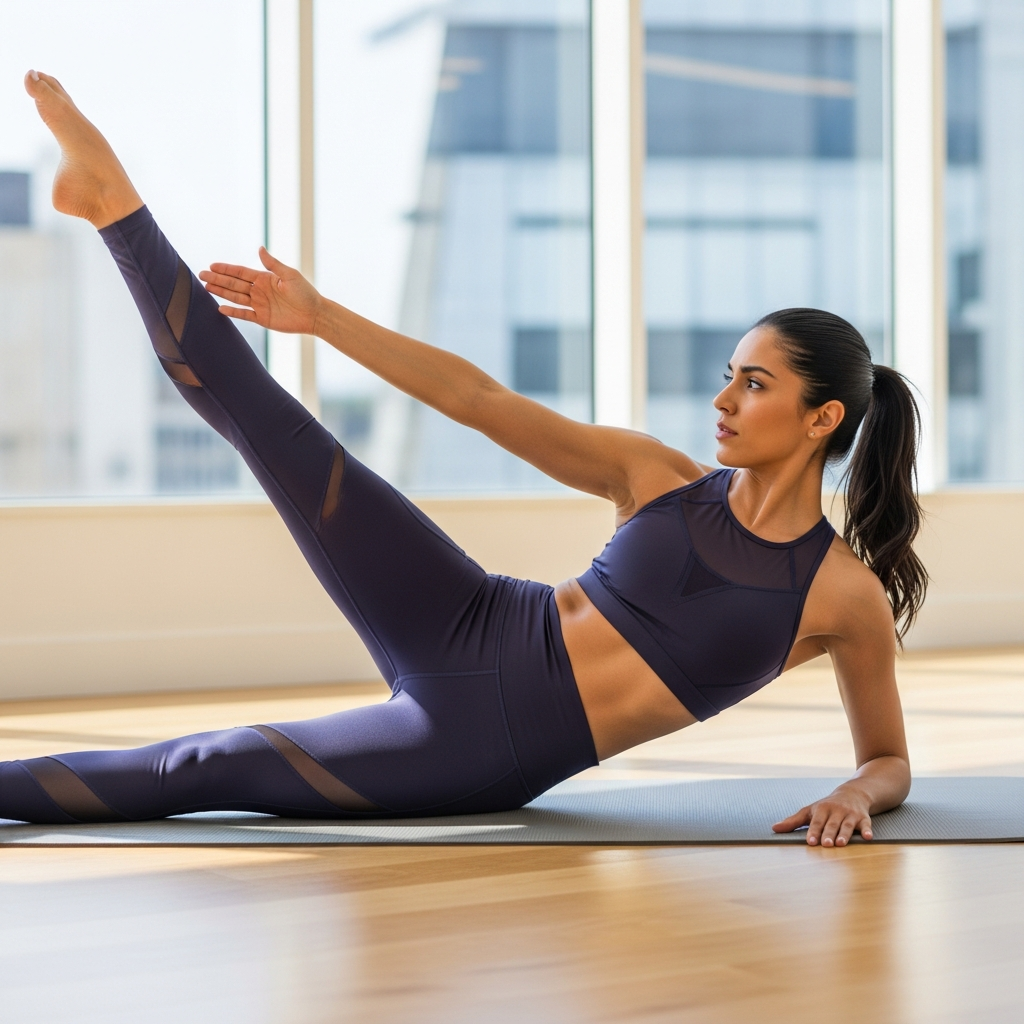
Let’s be honest – if you’ve never done Pilates before, the whole thing can seem a bit… mysterious. You might picture people in impossibly tight leggings doing graceful movements on strange contraptions that look like medieval torture devices. And you know what? That’s not entirely wrong.
Pilates is basically a system of exercises that focuses on your “powerhouse” – that’s Pilates-speak for your core, but it’s really more than just your abs. Think of it as the entire cylinder running from your ribcage to your pelvis, including your back muscles, pelvic floor, and deep abdominal muscles. It’s like the foundation of a house – if it’s wobbly, everything else gets shaky too.
The method was developed by Joseph Pilates (yes, that was actually his last name) back in the early 1900s. He was a pretty fascinating guy – part gymnast, part boxer, part health guru. During World War I, he worked with injured soldiers, rigging springs to hospital beds to help them rehabilitate. Those improvised contraptions? They evolved into the equipment you’ll see in studios today.
The Equipment Situation – It’s Not as Scary as It Looks
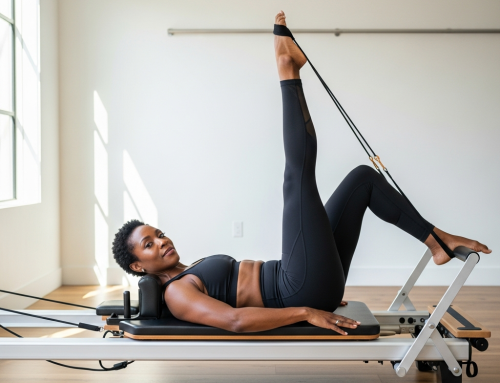
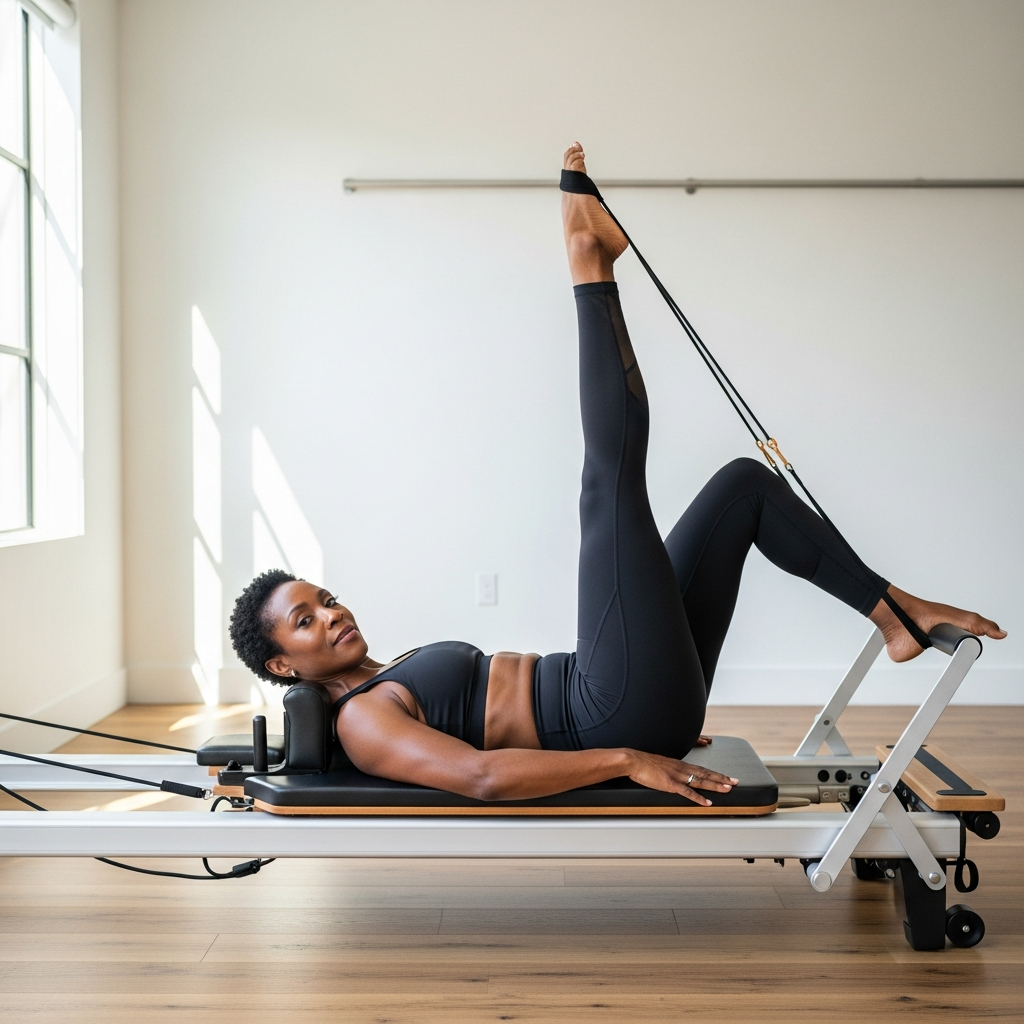
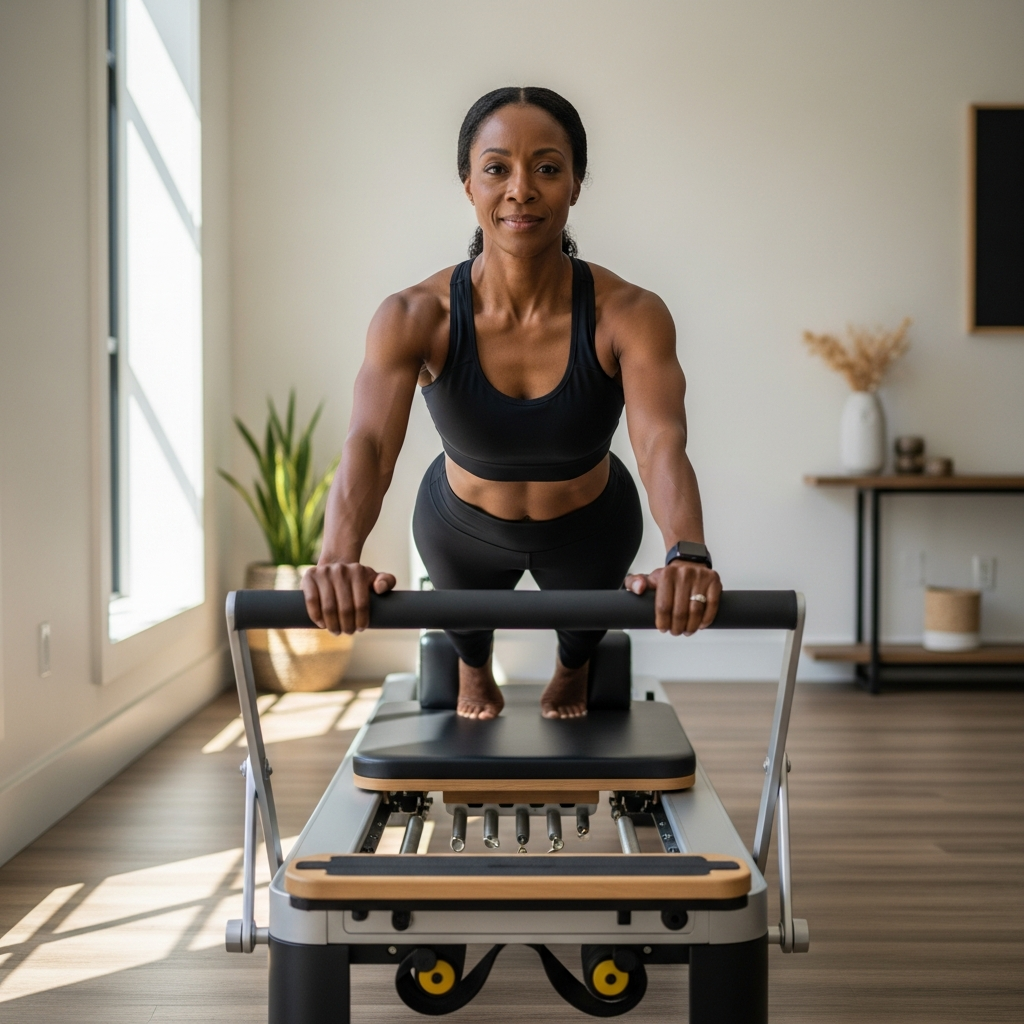
Walking into a Pilates studio for the first time can feel like entering a spaceship. There’s the Reformer (that sliding bed thing with springs and straps), the Cadillac (looks exactly like a four-poster bed had a baby with a jungle gym), and various other apparatus with names like “Chair” and “Barrel.”
Here’s the thing though – this equipment isn’t there to intimidate you. It’s actually designed to help. Those springs? They provide resistance when you need it and assistance when you don’t. It’s like having a very patient, very consistent workout partner who never has a bad day.
The resistance is what makes studio Pilates different from those mat classes you might’ve tried at your gym. With the springs, you can make an exercise harder or easier just by adjusting the tension. Having a tough day? Lighten the load. Feeling strong? Crank it up a notch.
Mat Work vs. Equipment – What’s the Deal?
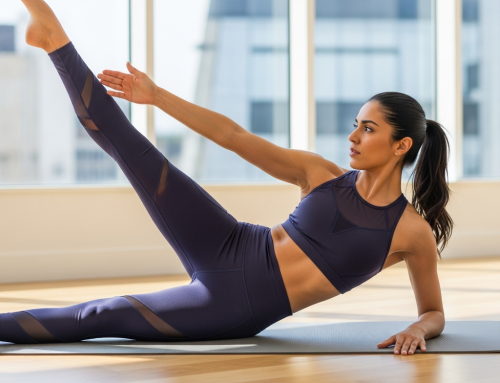
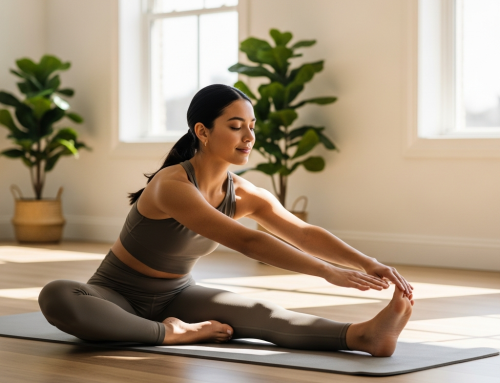
This is where things get a little confusing, because technically both are “real” Pilates. Mat Pilates uses just your body weight and maybe some small props – think resistance bands, magic circles (they’re not actually magical), or foam rollers. Equipment Pilates uses those intimidating machines we just talked about.
Mat work is great – don’t get me wrong. It’s accessible, you can do it anywhere, and Joseph Pilates did develop a whole system of mat exercises. But here’s where I might ruffle some feathers… equipment-based Pilates often gives you more bang for your buck, especially when you’re starting out.
Why? Because the equipment can support you where you’re weak and challenge you where you’re strong. On the mat, if your core isn’t quite there yet, you might spend the whole class struggling just to keep up. On the Reformer, the springs can give you just enough help to do the movement correctly – and that correct form is where the magic happens.
The Mind-Body Thing Isn’t Just Wellness Fluff
You’ll hear a lot about Pilates being a “mind-body” practice, and honestly, that phrase gets thrown around so much it’s almost lost meaning. But in Pilates, it’s actually pretty literal.
Joseph Pilates called his method “Contrology” – the complete coordination of body, mind, and spirit. Sounds a bit woo-woo, right? But stick with me here. In Pilates, you’re not just moving your body; you’re thinking about how you’re moving it. Every exercise has about six different things you’re supposed to focus on simultaneously – your breathing, your alignment, the quality of the movement, which muscles are working, which ones are relaxing…
It’s like trying to pat your head and rub your stomach while reciting the alphabet backwards. Challenging? Absolutely. But that’s exactly why it works so well for busy, stressed-out people. For that hour, your brain literally doesn’t have bandwidth to worry about your inbox or that meeting tomorrow.
Why Location Actually Matters More Than You Think
Here’s something most people don’t consider – the studio’s location affects way more than just your commute. If it’s tucked away in some hard-to-find spot, are you really going to make it there twice a week when life gets crazy? Probably not.
But it’s not just about convenience. The neighborhood vibe, the parking situation, whether you can grab a coffee nearby afterward – these seemingly small details add up to whether Pilates becomes a sustainable part of your routine or just another thing you tried once.
Trust Your Gut During the Trial Class (It Never Lies)
Here’s what nobody tells you: that first class isn’t really about nailing the hundred or mastering teaser. It’s about watching how the instructor handles the woman in the back corner who’s clearly struggling with her form, or noticing if other students seem genuinely happy to be there – not just going through the motions.
Pay attention to the small stuff during your trial. Does the instructor remember your name by the end? Do they adjust the reformer springs without you having to ask twice? And here’s a big one – when you inevitably wobble during single-leg stretch (we all do), does the instructor offer a modification that actually makes sense for your body, or do they just tell you to “push through it”?
The best studios have this thing… they make corrections feel like gifts, not criticisms. You’ll know it when you feel it.
The Money Talk Nobody Wants to Have (But You Should)
Let’s be real about pricing for a minute. That unlimited monthly package might look tempting at first glance, but – and this is important – if you’re realistically going to make it twice a week, do the math on class packages instead. Sometimes the “best deal” isn’t actually the best deal for your life.
Ask about their freeze policy before you need it. Life happens – work trips, family emergencies, that weird shoulder thing that flares up. The good studios understand this and won’t make you jump through hoops to pause your membership. Some places even let you bank classes for up to six months.
Also, don’t be shy about asking for payment plans. Many studios near Sunnyvale offer them but don’t advertise it. The worst they can say is no, and you might be surprised… especially if you’re committing to a longer-term package.
The Scheduling Game (And How to Win It)
This is where many people mess up, honestly. They fall in love with a 7 AM class during their trial week, then realize they’re not actually morning people when real life kicks in. Look at the full schedule – not just what’s convenient during your trial period.
Check if they use an app for booking (most do now) and test it out. Some systems are incredibly user-friendly; others make you want to throw your phone. Since you’ll probably be booking and rebooking fairly regularly, this matters more than you’d think.
Here’s an insider tip: ask about their cancellation policy, but also ask what happens if the *studio* cancels class. Some places offer make-up credits; others… don’t. And if you’re someone who plans your whole week around that Thursday evening session, you want to know your options when the instructor gets sick.
Reading Between the Lines (What They’re Not Telling You)
Walk around the studio like you own the place during your visit. Check out the changing area – is it clean, well-lit, with enough hooks for everyone? Are the bathrooms stocked and maintained? These details tell you everything about how the studio operates when no one’s looking.
Notice the equipment too. I’m not saying everything needs to be brand new, but reformers should glide smoothly, springs should feel consistent, and you shouldn’t hear concerning squeaks or grinding sounds. Well-maintained equipment isn’t just about aesthetics – it’s about safety and getting the workout you’re paying for.
Ask about their instructor training requirements. Some studios require 500+ hours of certification; others… well, let’s just say the standards vary wildly. You want someone who understands anatomy, not just someone who can demonstrate the moves.
Making the Final Call
After you’ve done your research and tried a few places, sit with it for a day or two. Which studio kept popping into your head? Where did you feel most comfortable asking questions?
Sometimes the “perfect” studio on paper doesn’t feel right in person, and that’s okay. Your body knows what it needs, even when your logical brain is making pros and cons lists.
Remember, you’re not signing a mortgage here. Most studios will work with you if things aren’t clicking after a few weeks. The right fit should feel challenging but not intimidating, structured but not rigid, professional but not pretentious.
Trust me on this – when you find the right place, you’ll know. You’ll actually look forward to going instead of having to talk yourself into it.
The Reality Check: What Actually Stops People from Sticking with Pilates
Let’s be real – finding a studio is one thing, but actually showing up consistently? That’s where things get tricky. I’ve heard every excuse in the book (and honestly, I’ve used most of them myself). The good news is that most obstacles aren’t really about willpower – they’re about logistics and expectations that nobody talks about upfront.
The scheduling nightmare is probably the biggest culprit. You find this perfect 6 PM class, sign up with all the best intentions… then realize your commute from work means you’ll either be stress-sweating through traffic or showing up 15 minutes late. And let’s not even discuss what happens when your boss drops a “quick meeting” on you at 5:30.
The solution isn’t finding more willpower – it’s being brutally honest about your actual schedule, not your ideal one. Look for studios that offer multiple time slots for the same class type. Some places in Sunnyvale run popular classes twice in the evening (like 5:30 and 7 PM) specifically because they know life happens. Also? Weekend classes can be a game-changer for maintaining consistency when your weekdays go sideways.
The Intimidation Factor (Yes, It’s Real)
Here’s what no one tells you: walking into a new Pilates studio can feel like showing up to a party where everyone already knows each other. The regulars have their favorite spots, they chat with the instructor about their weekend plans, and they flow through movements that look like some kind of beautiful, impossible dance.
Meanwhile, you’re trying to figure out which way is up on the reformer.
The thing is, every single person in that room was exactly where you are now. That instructor who seems to effortlessly cue 15 different modifications? She once spent an entire class doing everything backwards because she couldn’t tell left from right when lying down.
Start with private or semi-private sessions if your budget allows it – even just two or three can make group classes feel completely different. If that’s not realistic, look for studios that offer “intro” series or beginner-focused classes. Some places actually limit class sizes for newbies, which makes all the difference when you need extra attention.
The Expectations Game
This might sting a little, but someone needs to say it: Pilates isn’t going to transform your body in two weeks. I know, I know – social media makes it look like everyone’s getting dramatic results instantly. But here’s the truth… real changes in strength, flexibility, and how you feel in your body? That takes time.
The frustrating part is that Pilates *will* make you feel different pretty quickly – better posture, less back tension, improved sleep. But these aren’t the dramatic before-and-after photos we’ve been conditioned to expect. They’re subtle shifts that compound over time.
Set micro-goals instead of transformation goals. Can you hold plank 10 seconds longer than last month? Are you sleeping better? Do your shoulders feel less tight after a long day at the computer? These victories matter more than any number on a scale.
The Money Reality
Let’s talk dollars and cents, because pretending cost isn’t a factor helps no one. Quality Pilates instruction isn’t cheap, and in the Bay Area… well, everything’s expensive. But burning through your budget in month one isn’t sustainable either.
Look for studios with flexible packages rather than committing to unlimited right away. Many places offer newcomer deals that let you try different class types and times without a huge upfront investment. Some studios also have sliding scale rates or work-study programs – yes, even in Sunnyvale. You just have to ask.
Also consider that 2-3 consistent classes per month might serve you better than signing up for unlimited and then feeling guilty when you only make it once a week. Consistency beats frequency every single time.
The Equipment Learning Curve
Those reformers, towers, and chairs? They’re not intuitive. At all. And feeling lost while everyone else seems to know exactly what they’re doing can make you want to quietly slip out and never come back.
Every studio should offer equipment orientations – if yours doesn’t, that’s a red flag. But even with an intro session, expect a learning curve that lasts several classes, not several minutes. Take notes if that helps. Ask questions during class. Most instructors would rather clarify something than watch you struggle in the wrong position.
The beautiful thing about Pilates equipment is that once it clicks, it really clicks. But give yourself permission to be confused at first – everyone is.
What to Expect in Your First Few Sessions
Your first Pilates class might feel… different. Maybe even a little awkward? That’s completely normal. You’ll probably notice muscles you forgot you had – and they’ll definitely remind you they exist the next day.
Most people walk in expecting something between yoga and a gentle stretching session. Then they meet the reformer machine (it looks a bit like medieval torture equipment, but I promise it’s friendly), and suddenly they’re working muscles in ways they never imagined. Don’t worry if you feel unsteady or can’t quite nail the movements right away. Even people who’ve been doing this for years still discover new challenges.
The instructor will likely start you with basic exercises – breathing patterns, core activation, simple movements on the mat or reformer. You might think, “This seems easy…” until about 15 minutes in when your abs are quietly staging a rebellion. That burning sensation? It’s just your muscles waking up from their Netflix-and-chill lifestyle.
Timeline for Real Results (Not Instagram Fantasy)
Here’s the thing about Pilates – it’s not a quick fix, and anyone who promises you’ll see dramatic changes in two weeks is probably selling you something. Real transformation takes time, patience, and consistency.
Week 1-2: You’re mostly figuring out what the heck you’re doing. Your body’s learning new movement patterns, and everything feels challenging. This is normal. You’re not behind; you’re not hopeless. You’re just new.
Week 3-4: Things start clicking a bit more. You might notice you’re not getting winded walking up stairs, or your posture’s a little better when you catch yourself in a mirror. Small wins, but they matter.
Month 2-3: This is where people usually start feeling genuinely different. Your core feels stronger, movements become more fluid, and – here’s the surprise – you might actually start looking forward to class. (I know, weird, right?)
Month 6 and beyond: The magic really happens here. Your instructor might point out improvements you hadn’t even noticed. Your back pain might be gone. You’re standing taller, moving with more confidence.
But remember – everyone’s timeline is different. Some people feel changes quickly; others take longer to see results. Your body isn’t failing you if you don’t match someone else’s progress.
Making the Most of Your Studio Experience
The best studios near Sunnyvale understand that every body is different, every schedule is complicated, and every person comes with their own story. They’ll work with your limitations, not against them.
Don’t be afraid to speak up during class. Feeling dizzy? Tell your instructor. Lower back tweaking? Let them know. Good instructors appreciate feedback – it helps them help you better. Plus, that modification they give you? Probably half the class needed it too but was too shy to ask.
Consider starting with private or semi-private sessions if group classes feel overwhelming. Yes, they’re more expensive, but think of it as an investment in getting the foundation right. You’ll learn proper form, build confidence, and honestly… you’ll probably progress faster in the long run.
Building Your Routine (Without Burning Out)
Here’s what works for most people: start with 2-3 classes per week. Not once a week (you’ll spend every session relearning everything), not five times a week (hello, burnout). Somewhere in the middle.
Listen to your body between sessions. Sore is normal – sharp pain is not. The difference? Soreness feels like you worked hard; pain feels like something’s wrong. Trust your instincts.
Many studios offer class packages or monthly memberships. These can be great deals, but don’t let them pressure you into overcommitting early on. Start with a smaller package, see how your body responds, figure out your realistic schedule. You can always upgrade later.
Setting Yourself Up for Success
The studios that really get it will check in with you regularly – not just to sell you more classes, but to see how you’re feeling, what’s working, what isn’t. They’ll celebrate small victories with you (like finally nailing that roll-up you’ve been struggling with) and adjust things when life gets complicated.
Most importantly, find a place where you feel comfortable being imperfect. Because that’s where the real work happens – not when you’re showing off, but when you’re trying, failing, adjusting, and trying again.
The right studio will meet you exactly where you are, not where you think you should be.
Your Next Move Starts Here
Finding the perfect Pilates studio isn’t just about location or pricing – though those certainly matter. It’s about discovering a space where you feel genuinely supported, challenged in the right ways, and… well, where you actually want to show up. That last part? It’s huge.
You know that feeling when you walk into a place and immediately think “yes, this is it”? That’s what you’re looking for. Maybe it’s the instructor who remembers your name after the second class, or the way the morning light hits the studio just right. Sometimes it’s as simple as finding a bathroom that’s actually clean (we’ve all been there).
The beautiful thing about the Sunnyvale area is that you’ve got options. Real options. From boutique studios tucked into charming neighborhoods to larger facilities with all the bells and whistles. Some focus on classical Pilates with those intimidating-looking reformers that actually become your best friend… others blend in contemporary approaches that might include TRX or barre elements.
But here’s what I’ve learned from talking to hundreds of people who’ve made Pilates a part of their lives: the “right” studio is different for everyone. Your best friend might rave about her high-energy group classes, while you’re secretly hoping for something more meditative. She loves the competitive atmosphere – you’d rather focus on your own progress without feeling watched.
And that’s perfectly okay.
Maybe you’re dealing with a nagging back issue and need instructors who really understand modifications. Or you’re recovering from an injury and want that extra attention to form and alignment. Perhaps you’re simply tired of feeling disconnected from your body and want to rebuild that relationship slowly, thoughtfully.
The studios worth their salt in this area? They get it. They understand that some days you’ll show up ready to tackle the most challenging sequences, and other days you’ll need something gentler. The best instructors can read the room – and more importantly, they can read you.
Don’t feel like you have to commit to the first place you try, either. Most quality studios offer trial classes or introductory packages specifically because they know this is a relationship that needs to develop naturally. Take advantage of that. Your body will tell you what feels right.
Ready to Take That First Step?
Look, I know how overwhelming it can feel to start something new, especially when it involves your health and wellness. But here’s the thing – you don’t have to figure this out alone.
Whether you’re curious about how Pilates might support your weight loss goals, help with chronic pain, or simply give you that mental clarity you’ve been craving, we’re here to help you think through your options. No pressure, no sales pitch – just honest conversation about what might work best for your specific situation and lifestyle.
Give us a call or drop by when you’re ready. Sometimes talking through your concerns and goals with someone who understands both the local Pilates scene and your health objectives can make all the difference in finding your perfect fit.
Your future self – the one who’s stronger, more flexible, and genuinely excited about movement – is waiting.