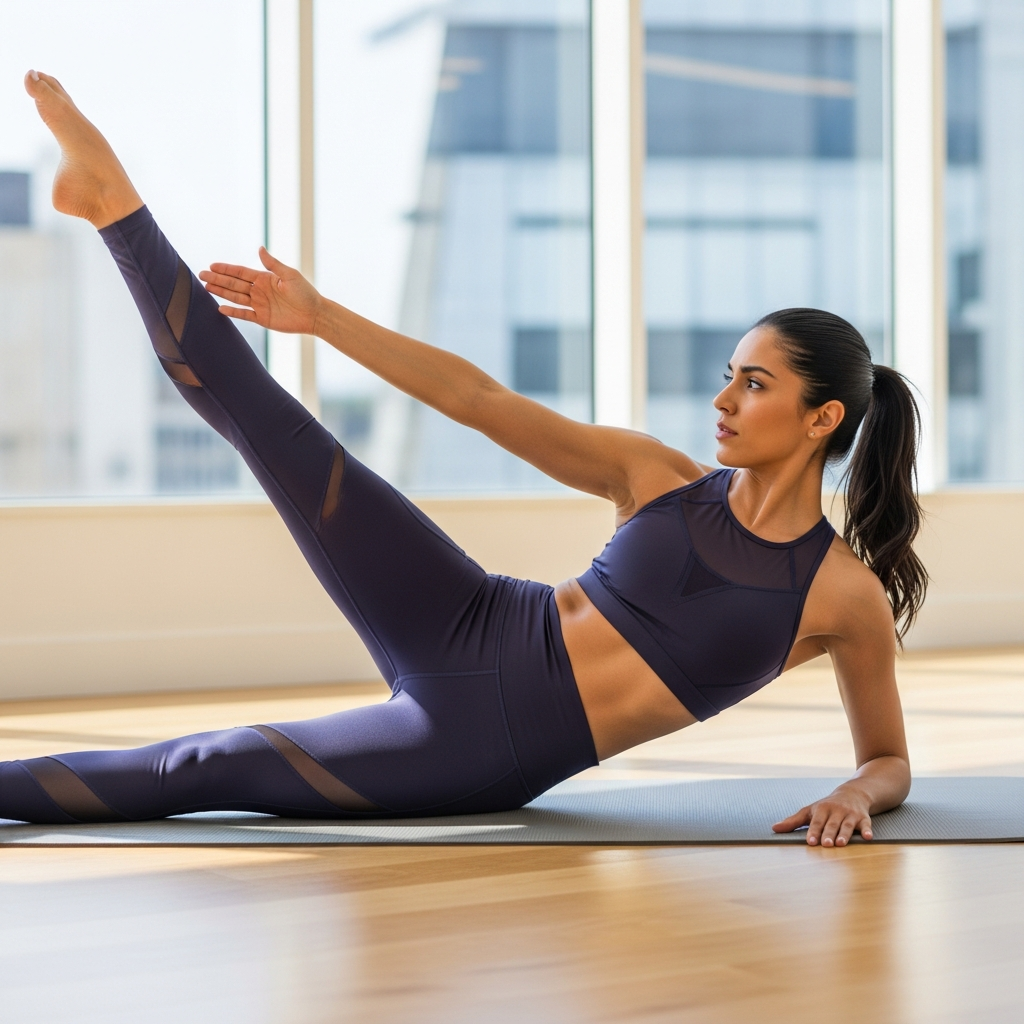
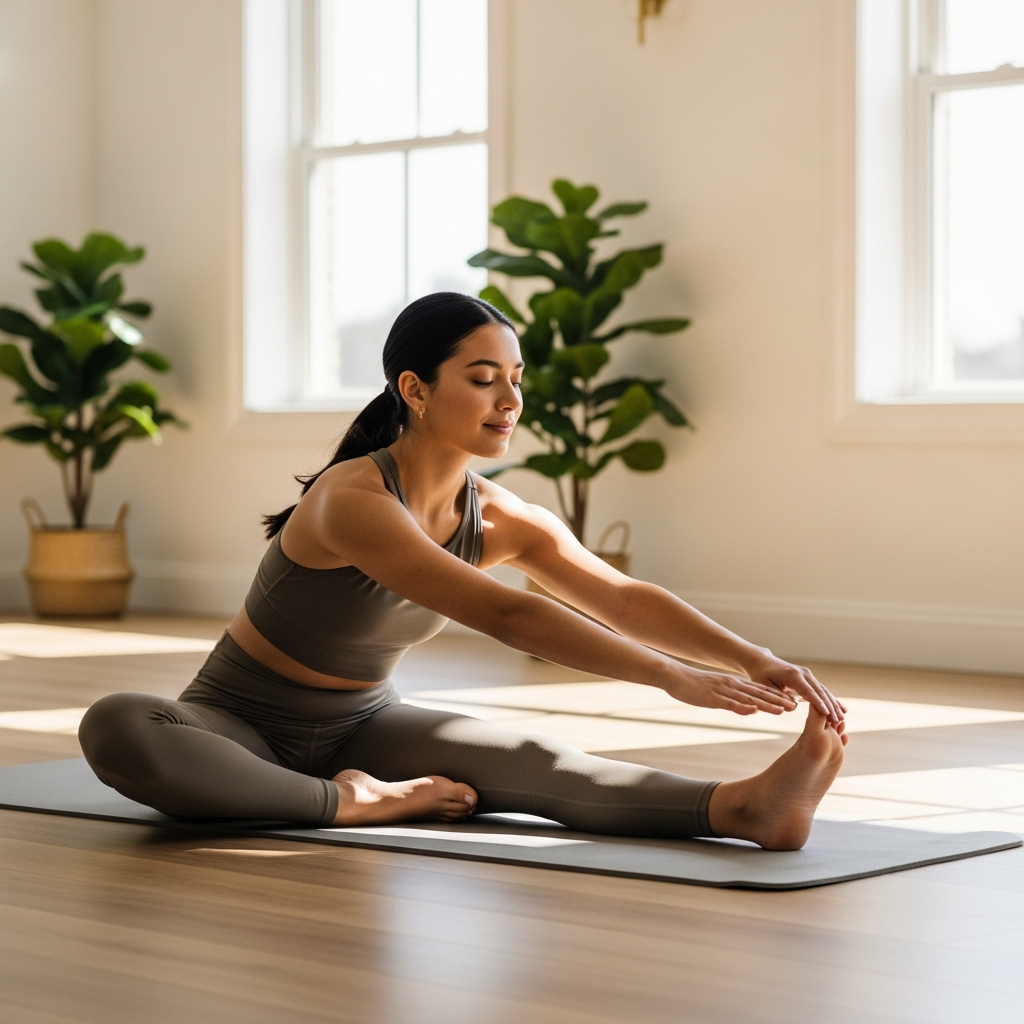
How Pilates Classes Support Core Strength for Garland Locals
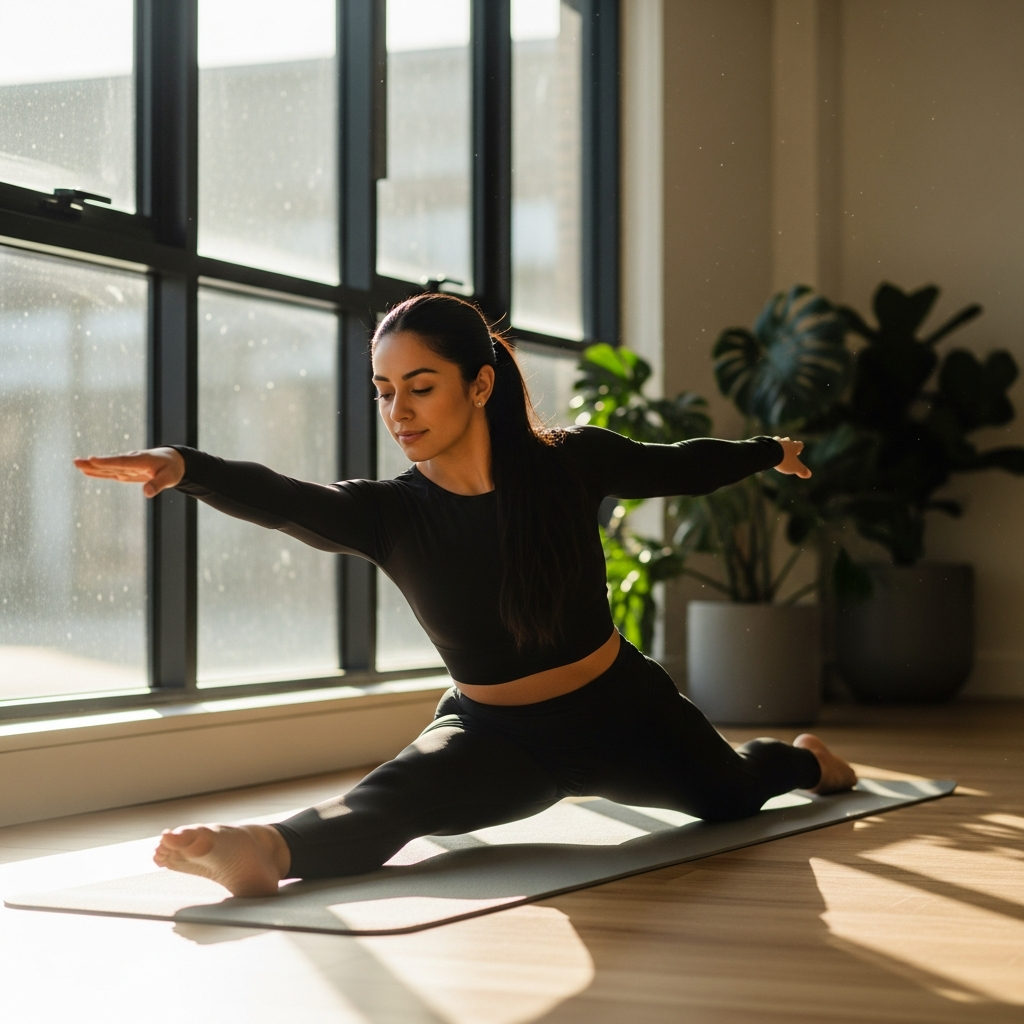
You know that moment when you bend down to pick up something from the floor – maybe it’s your keys that somehow migrated under the couch again – and you feel that little twinge in your lower back? Or worse, you actually need to brace yourself against something just to stand back up without grimacing?
Yeah, we’ve all been there. And if you’re living here in Garland, chances are you’ve had at least one of those “when did I get so… creaky?” moments that make you wonder what happened to the person who used to move through life without thinking twice about it.
Here’s the thing though – and this might surprise you – that stiffness, that instability, that nagging sense that your body just isn’t quite… solid anymore? It’s not necessarily about age. It’s not even really about being out of shape, exactly. More often than not, it’s about something much more specific: your core has basically gone on vacation without telling you.
I’m not talking about having a six-pack (though honestly, wouldn’t that be nice?). I’m talking about that deep, foundational strength that keeps you steady when life throws you off balance – literally and figuratively. You know, the kind of strength that lets you carry groceries up the stairs without holding your breath, or play with your kids at the park without worrying about tweaking something.
The truth is, most of us are walking around with what I like to call “hollow strength.” We might look fine on the outside, maybe we can even do a decent job at the gym with machines that support us… but ask our bodies to stabilize themselves? To coordinate all those deep muscles that actually keep us upright and moving smoothly? That’s where things get interesting – and not always in a good way.
This is where Pilates comes in, and honestly, it’s kind of brilliant how it works. But here’s what’s really exciting for those of us in Garland – we’re living in this amazing pocket of Texas where Pilates studios are popping up everywhere, each with their own personality and approach. It’s like the fitness world finally figured out what physical therapists have known for decades: if you want to feel strong and stable in your body, you’ve got to start from the inside out.
Now, I’ll be straight with you – when most people hear “Pilates,” they either think it’s some gentle stretching class that’s basically expensive yoga, or they picture those intimidating reformer machines that look like medieval torture devices. Both assumptions are… well, not quite right. Actually, let me take that back. Pilates can be gentle when you need it to be, but it can also make you shake like a leaf in ways you never expected. And those reformer machines? They’re actually pretty amazing once you understand what they’re doing.
What I love about Pilates – and what I think makes it perfect for building real, functional core strength – is that it doesn’t just work your muscles harder. It works them smarter. Every movement is designed to teach your body how to coordinate, how to find stability, how to move efficiently. It’s like… imagine if your core was an orchestra, and instead of just playing louder (hello, endless crunches), you actually learned how to play in harmony.
In the next few minutes, we’re going to walk through exactly how this works – why your core is so much more than your abs, what makes Pilates uniquely effective for building this kind of deep strength, and how the Pilates scene here in Garland gives you some really interesting options depending on what you’re looking for.
We’ll talk about what to expect in your first class (spoiler alert: you might discover muscles you forgot you had), how to choose between all the different studios and styles around town, and yes – we’ll address the elephant in the room about whether this actually works for real people dealing with real life, not just fitness influencers with perfect form.
Because at the end of the day, core strength isn’t about looking good in workout clothes. It’s about feeling confident in your own body again. And that? That’s something worth exploring.
What Actually Counts as Your “Core” (It’s More Than You Think)
Here’s where things get interesting – and honestly, a bit confusing at first. When most people think “core,” they picture those coveted six-pack abs you see on magazine covers. But your core is actually more like the foundation of a house than the pretty shutters everyone notices from the street.
Your core includes everything from your diaphragm (yes, the thing that helps you breathe) down to your pelvic floor, wrapping around your sides and back like a natural corset. We’re talking about deep muscles with names you probably can’t pronounce – the transverse abdominis, multifidus, and those hard-working hip flexors. Think of it as your body’s internal support system… the crew that keeps everything stable while you’re reaching for something on a high shelf or bending down to pick up your keys.
The weird part? The strongest-looking abs don’t always equal the most functional core. I’ve seen people who could do hundreds of crunches but couldn’t maintain proper posture during a simple squat. It’s like having a beautiful front door but wobbly foundation underneath.
Why Traditional Ab Workouts Miss the Mark
You know those brutal ab circuits that leave you feeling like you got punched in the stomach? Yeah, they’re not doing what you think they’re doing. Most traditional ab exercises – your basic crunches, sit-ups, even some of those fancy machine workouts – only target the superficial muscles.
It’s kind of like painting over a crack in the wall instead of fixing the underlying structural issue. You might see some surface-level changes, but you’re not addressing the deeper stability problems that actually matter for daily life. Plus (and this might surprise you), doing endless crunches can actually make your posture worse by encouraging that hunched-forward position we’re all fighting against anyway.
The Pilates Difference – Why It Actually Works
Here’s where Pilates gets clever. Instead of just making your muscles burn with repetitive movements, it teaches your entire core system to work together like a well-orchestrated team. Every single exercise – whether you’re lying down, sitting, or standing – requires you to maintain that deep abdominal connection while moving other parts of your body.
Think about it like learning to pat your head while rubbing your stomach, except instead of being a silly party trick, it’s training your body for real-world scenarios. When you’re carrying groceries while unlocking your front door, or lifting your toddler while bending to pick up toys… that’s when you need multiple muscle groups firing in perfect harmony.
Breath Work – The Secret Sauce Nobody Talks About
Okay, this part might sound a little woo-woo at first, but stick with me. In Pilates, breathing isn’t just something that happens automatically – it’s actually part of the exercise. That coordinated breathing pattern does something pretty remarkable: it activates your deepest core muscles without you having to consciously squeeze or clench anything.
When you breathe properly during Pilates movements, your diaphragm and pelvic floor work together like a piston system. As you exhale, these muscles naturally engage and support your spine. It’s like having an internal weightlifting belt that adjusts itself automatically. Pretty cool, right?
The counterintuitive part? You’re not holding your breath or bearing down like you might during heavy lifting. Instead, you’re using breath to create stability from the inside out.
Why Your Posture Matters More Than You Realize
Here in Garland, I see it everywhere – people hunched over phones, slouching at desks, compensating for old injuries or just the general wear and tear of daily life. Poor posture isn’t just about looking confident (though that’s a nice bonus). When your alignment is off, some muscles work overtime while others practically go on vacation.
Pilates addresses this by teaching your body what proper alignment actually feels like. And honestly? It feels weird at first. After years of slouching, standing tall with your shoulders back and core engaged might feel artificial or forced. That’s totally normal – you’re essentially rewiring decades of movement patterns.
But here’s the thing: as your deep core muscles get stronger and your posture improves, everyday activities become easier. Those nagging back aches start to fade. You find yourself naturally standing taller without thinking about it. It’s like upgrading your body’s operating system.
Finding Your Perfect Pilates Match in Garland
Look, not all Pilates studios are created equal – and that’s actually a good thing. You’ve got classical Pilates places that stick religiously to Joseph Pilates’ original methods, contemporary studios that blend in modern movement science, and fusion classes that… well, sometimes they’re more yoga than Pilates (which isn’t necessarily bad, just know what you’re getting).
Here’s what I tell everyone: visit during peak hours first. If you can’t hear the instructor clearly or you’re crammed shoulder-to-shoulder with fifteen other people, your core won’t get the attention it deserves. The sweet spot? Classes with 8-12 people max. You want that instructor to notice when your form starts slipping – because it will, especially when your deep abdominals start fatiguing.
The Real Deal About Equipment vs Mat Classes
Mat Pilates gets all the glory because it’s accessible and affordable, but here’s something most people don’t realize: the equipment classes might actually be easier when you’re starting out. Those springs and pulleys? They’re not just making things harder – they’re providing assistance and feedback your body desperately needs.
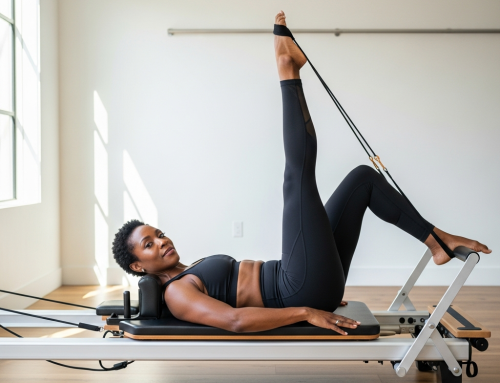
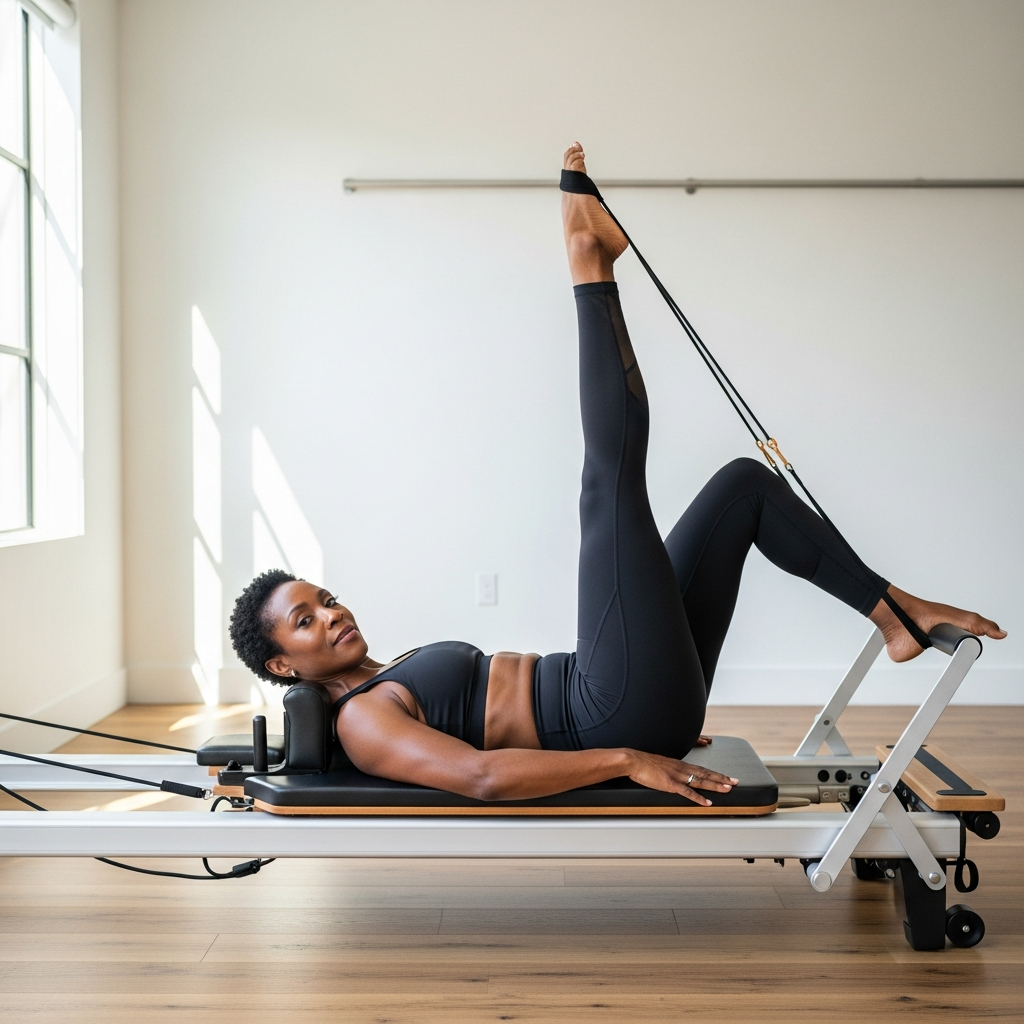
If you’re dealing with back issues (and honestly, who isn’t these days?), the Reformer can support you through movements that would be impossible on the mat. The Cadillac – despite its intimidating look – is fantastic for people with limited mobility. Don’t let anyone shame you into thinking mat work is “more authentic.” Your core doesn’t care about Pilates politics.
That said, mat classes are perfect for building that deep, functional strength once you’ve got the basics down. Plus, you can practice at home without investing in a small car’s worth of equipment.
Timing Your Sessions Like a Pro
Here’s a secret that took me way too long to figure out: your core is actually strongest in the morning, but your spine is least flexible. Evening classes? Your back feels amazing, but your deep stabilizers are tired from holding you up all day.
The magic window – at least for most people – is late morning or early afternoon. You’ve moved around enough to loosen up those spinal joints, but your core hasn’t been battling gravity for ten hours straight. If you’re a coffee person (and let’s be honest, you probably are), wait about 45 minutes after your last cup. Caffeine can make you feel stronger than you actually are, leading to overexertion.
What to Actually Expect in Your First Month
Forget the before-and-after photos for a minute. Real talk: you probably won’t see dramatic changes in week one. What you will notice – and this is huge – is how differently you move through daily life. Getting out of bed becomes smoother. That nagging lower back ache when you’re standing in line at Tom Thumb? It starts backing off.
Your abs might feel sore in places you didn’t know existed. That’s normal. What’s not normal is sharp pain or feeling worse after class. A good instructor will modify everything for you, but you need to speak up. I’ve seen too many people suffer through inappropriate exercises because they were embarrassed to say something.
Building Your Home Practice (Without Breaking the Bank)
You don’t need a full Pilates studio in your garage, but a few strategic purchases can keep your momentum going between classes. A good mat – and I mean good, not the $15 one from the big box store – makes a world of difference. Look for something at least 6mm thick with decent grip.
A Pilates ball (about $20) opens up dozens of exercises, especially for targeting those deep core muscles. Resistance bands are great too, but here’s what nobody tells you: get the ones with handles, not the flat therapy bands. Your hands will thank you during longer sessions.
The real game-changer? A foam roller. It’s not technically Pilates equipment, but using it before your home practice helps prepare your body for movement. Your spine needs to be mobile before your core can be stable – that’s not just Pilates wisdom, it’s basic biomechanics.
Start with 15-20 minutes at home, twice a week. Don’t try to recreate your studio class – focus on the fundamentals. Your body will tell you what it needs… you just have to listen.
The Reality Check: Why Your Core Feels Like Jello
Let’s be honest – you’ve probably tried crunches before. Maybe you’ve done planks until your arms shook like leaves. Yet here you are, still feeling like your midsection has the structural integrity of overcooked pasta.
The thing is, traditional core exercises often miss the mark entirely. They target surface muscles (hello, rectus abdominis) while ignoring the deep stabilizers that actually… well, stabilize things. It’s like painting a house with a rotten foundation – looks good from the outside, but you’re still in trouble.
This is where a lot of Garland residents get frustrated. You’re putting in the work, sweating through those YouTube workouts, but your back still aches when you’re gardening or your posture still resembles a question mark by 3 PM.
When Your Body Rebels Against You
Here’s what nobody talks about: starting Pilates can feel downright weird. Your body might shake during exercises that look ridiculously simple. A basic pelvic tilt? Suddenly you’re discovering muscles you forgot existed – and they’re not happy about being awakened.
That trembling isn’t weakness, by the way. It’s your nervous system learning new movement patterns. Think of it like upgrading your phone’s operating system – everything works better eventually, but there’s going to be some glitching first.
Many people quit right here because they think they’re “bad at it.” Actually, that shaking means you’re doing exactly what you should be doing. Your deep core muscles are finally getting the memo that they need to show up for work.
The Coordination Catastrophe
Remember when you first learned to drive? Steering, checking mirrors, working the pedals – your brain felt like it was juggling flaming torches. Pilates can feel similar because you’re asking your body to coordinate breathing with precise movement while maintaining proper alignment.
Don’t be surprised if your instructor says “breathe into your ribs while lengthening your spine and engaging your pelvic floor” and your brain just… shorts out. That’s completely normal. Most of us have spent years breathing into our chests, slouching, and letting our cores take extended vacations.
The solution? Start ridiculously simple. Focus on one thing at a time. Master the breath. Then add the movement. It’s like learning a dance – you don’t start with the finale.
The Comparison Trap (And Why Susan Next to You Isn’t Your Enemy)
You know what’s guaranteed to make you miserable? Watching the person next to you flow through movements like they’re made of liquid grace while you’re still figuring out which way is up.
Here’s the thing about Susan (there’s always a Susan) – she might have been doing this for years, or maybe she came from a dance background, or perhaps her body just responds differently. Your Pilates practice isn’t about keeping up with Susan. It’s about showing up consistently for yourself.
Focus on your own progress. Can you hold that plank for five seconds longer than last week? Are you feeling more stable when you reach for something on a high shelf? Those victories matter more than perfect form on day one.
Making Peace with the Mental Game
The physical challenges are one thing, but let’s talk about the mental hurdles. Maybe you feel self-conscious in class. Maybe you’re worried about not being strong enough or flexible enough. Maybe you’re convinced everyone else knows some secret handshake you missed.
The truth? Most people in that class are focused on their own struggles. They’re not judging your wobbly tree pose – they’re trying not to topple over themselves.
Start with beginner classes, even if your ego suggests otherwise. A good instructor will meet you where you are, not where you think you should be. And remember – every single person in that room was a beginner once. Even the instructor had a first day where nothing made sense.
The Patience Problem
We live in an instant-everything world, but core strength doesn’t follow Amazon Prime delivery schedules. Real, functional core stability develops over months, not weeks. This can be incredibly frustrating when you’re used to seeing quick results from other activities.
But here’s what’s actually happening during those first few weeks: your nervous system is rewiring, your posture is slowly improving, and those deep stabilizing muscles are learning their job description. The changes are happening – they’re just happening at a cellular level before you notice them in the mirror.
Stick with it. Trust the process. Your future back will thank you.
What to Expect in Your First Few Classes
Let’s be honest – your first Pilates class might feel a bit awkward. You’ll probably look around wondering if everyone else was born knowing how to breathe while simultaneously engaging their pelvic floor and keeping their shoulders down. Spoiler alert: they weren’t.
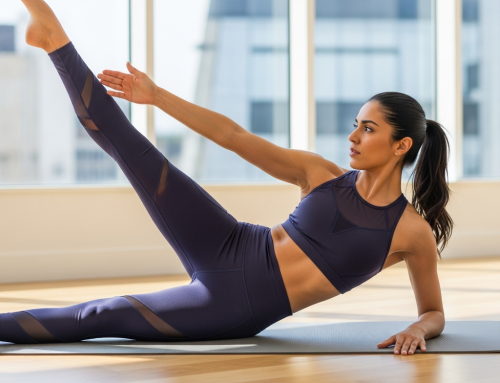
Most people need about three to four classes just to get familiar with the basic movements and breathing patterns. Don’t worry if you’re shaking during a simple leg lift or if the instructor’s cues about “drawing your navel to your spine” sound like a foreign language. That’s completely normal.
You might feel muscles you didn’t even know existed – especially those deep core muscles that have been taking a nice, long vacation. Some people describe it as a “good tired” feeling, while others are surprised by how much mental focus Pilates requires. It’s not just physical; it’s like a moving meditation that happens to make you stronger.
Realistic Timeline for Core Strength Results
Here’s where I need to manage your expectations a bit… because I know you’re probably hoping to see dramatic changes after a week or two.
Most people start noticing subtle improvements in posture and body awareness after about two to three weeks of consistent practice (we’re talking 2-3 classes per week here). You might find yourself naturally standing taller or catching yourself before you slouch at your desk.
The real core strength gains? Those typically show up around the 6-8 week mark. This is when you’ll start feeling more stable during everyday activities – maybe you don’t wobble when putting on your shoes, or carrying groceries feels easier.
After about three months of regular practice, most people experience what I like to call the “ah-ha moment.” That’s when movements that once felt impossible become second nature, and you actually start enjoying the challenge rather than just surviving it.
Actually, that reminds me of something important – progress isn’t always linear. Some weeks you’ll feel like a Pilates rockstar, others you might struggle with moves you swear you had mastered. Your body’s dealing with stress, sleep, hormones, and about a million other factors. Be patient with yourself.
Building Your Pilates Routine in Garland
Starting with two classes per week is the sweet spot for most beginners. It gives your body time to recover between sessions while building that crucial muscle memory. Once a week isn’t quite enough to see consistent progress, but three times might leave you feeling overwhelmed if you’re just starting out.
Many Garland studios offer beginner-friendly packages or intro deals – definitely take advantage of these. You want to try a few different instructors to find someone whose teaching style clicks with you. Some are more hands-on with adjustments, others focus heavily on breath work, and some add props that keep things interesting.
If you’re dealing with back issues or other health concerns (which, let’s face it, many of us are), definitely mention this to your instructor before class. They’re not mind readers, and they can offer modifications that’ll keep you safe while still challenging your core.
Complementing Your Weight Loss Goals
Here’s something that might surprise you – Pilates isn’t a huge calorie burner. A typical hour-long class burns somewhere between 200-400 calories, depending on the intensity and your body weight. But here’s what it does brilliantly: it builds the kind of core strength that supports every other activity you do.
Think of Pilates as the foundation that makes everything else work better. When your core is strong and stable, your walks around Garland’s parks become more efficient. Your strength training at the gym improves because you’re not compensating with poor posture. Even your daily activities – from gardening to chasing kids – become easier and safer.
The posture improvements alone can make you look and feel more confident, which… well, that’s worth something, isn’t it?
What Success Actually Looks Like
Real success in Pilates isn’t about achieving perfect form or mastering advanced moves (though those things are nice bonuses). It’s about moving through your day with less pain, more energy, and greater confidence in your body’s capabilities.
You’ll know it’s working when you automatically engage your core before lifting something heavy, when you can sit through long meetings without your back aching, or when you realize you haven’t thought about your posture because it’s just… better.
That’s the real magic of core strength – it becomes this quiet foundation that supports everything else you want to do.
You know what’s beautiful about all of this? Every single person who walks into their first Pilates class in Garland is taking a step that future them will thank them for. Whether you’re dealing with back pain that’s been nagging you for years, trying to get stronger after having kids, or just wanting to feel more confident in your own body – that core strength we’ve been talking about? It changes everything.
And here’s the thing that surprises most people… it’s not just about the physical transformation. Sure, you’ll notice your posture improving (goodbye, hunched shoulders from too much desk time), and those everyday movements – picking up groceries, playing with your kids, even just getting out of bed in the morning – they all start feeling easier. But what catches people off guard is how much more grounded they feel. More centered. Like they’ve found this internal strength they didn’t even know they were missing.
The community aspect in our Garland studios? That’s just the cherry on top. There’s something special about sweating alongside neighbors who get it – who understand the struggle of juggling work, family, and trying to squeeze in some self-care. These aren’t just workout buddies; they become your cheerleaders, your accountability partners, your friends who text you when you miss a class (in the nicest way possible, of course).
I’ve seen it happen countless times – someone starts Pilates thinking it’s “just” about their core, maybe hoping to ease some back pain or tone up a bit. But six months later? They’re standing taller, sleeping better, handling stress differently. They’re not just physically stronger; they’re more resilient in every way that matters.
Listen, if you’re sitting there thinking “this sounds great, but…” – I get it. Maybe you’re worried about not being flexible enough, or strong enough, or young enough. Maybe you’ve tried other fitness approaches that left you feeling defeated or overwhelmed. Here’s what I want you to know: Pilates meets you exactly where you are. No judgment, no impossible expectations, just steady progress at your own pace.
The instructors here in Garland? They’ve seen it all, and they genuinely care about helping you succeed. They’ll modify movements when you need it, celebrate your wins (even the small ones), and create a space where you can focus on getting stronger without comparing yourself to anyone else.
Your core strength – and I mean that in every sense of the word – is waiting for you. It’s not about becoming someone different; it’s about becoming more of who you already are, just stronger and more confident.
Ready to see what Pilates can do for you? We’d love to chat about how we can support your goals, whether you’re dealing with specific challenges or just ready to invest in feeling better. Give us a call or stop by – no pressure, just a friendly conversation about what might work best for your life. Because honestly? Taking that first step toward better health and wellness? That’s something worth celebrating, and we’d be honored to be part of your story.